

Note: This article contains affiliate links. If you click on these links and make a purchase, I may earn a small commission at no extra cost to you. This helps support my research and content. Read my full affiliate disclosure here.
If your porch, balcony, or garden gets full sun, the right hanging basket plants can deliver steady color and robust growth through the hottest months. Choosing varieties that tolerate prolonged direct light and warm root zones matters more than sheer flower count. This guide shortlists six top hanging basket options for full sun situations and explains practical tradeoffs such as drought resilience, root temperature control, and maintenance demands. Use the evaluation notes to match a plant to your container size, watering routine, and desired look.
Top Picks at a Glance
| Best Overall The best all-around choice for most situations | Live Vinca (Periwinkle) 1.5 Gallon Hanging Basket — Mixed Bloom Colors |  |
| Best Quality Built to a higher standard if you want something more solid | Tropical Plants of Florida Red Dipladenia Hanging Basket (12-inch) |  |
| Best Value The sweet spot between price and what you get | American Plant Exchange Lime Sweet Potato Vine (6-Inch Pot) – Trailing Ornamental Foliage |  |
| Best Budget The cheapest option that still gets the job done reliably | JOCADEW Double Flower Moss Rose (Portulaca grandiflora) Seeds — 10,000 Count |  |
| Highest Rated A top-rated pick with lots of positive feedback | Tropical Plants of Florida Yellow Dipladenia Hanging Basket (12-inch) |  |
| Most Popular A crowd favorite that many people choose with confidence | American Plant Exchange Confetti Lantana – 6-inch Live Flowering Shrub |  |
Live Vinca (Periwinkle) 1.5 Gallon Hanging Basket — Mixed Bloom Colors

| Indoor Outdoor Usage | Indoor |
|---|---|
| Expected Blooming Period | Summer |
| Sunlight Exposure | Partial Shade |
| USDA Hardiness Zone | 9-11 |
| Moisture Needs | Medium To High Moisture, Requires Consistently Moist Soil |
This 1.5-gallon Vinca hanging basket arrives ready to hang and provides season-long color with pink, purple, red, and white blooms. It is typically used in a sunny hanging basket or patio container where its trailing habit can show; the listing notes it thrives in full sun and blooms throughout the summer. Notable features include low-maintenance care, an ability to tolerate drought once established, and suitability for indoor bright spaces or outdoor plantings in USDA zones 9–11. The plant prefers well-draining potting soil and consistently moist to medium-high moisture, so regular watering during hot periods keeps blooms abundant. Practical benefits are easy visual impact from a single basket and air-purifying live foliage. Important limitations are its hardiness confined to warmer zones and a recommendation to keep humidity and temperatures stable indoors; it is not a cold-hardy choice for cooler climates and will need attentive watering compared with succulents. Overall it is a straightforward option for adding reliable summer color to a sunny porch or balcony.
Best for: Buyers who want an easy-care hanging plant that delivers dependable summer color on a sunny porch or balcony and prefer plants that establish quickly without fuss.
Less Ideal for: Gardeners in cooler climates who need cold-hardy options or those seeking extremely low-water plants for xeriscaping should consider alternatives.
- Produces continuous summer blooms in multiple colors for strong visual impact
- Designed for hanging baskets with a trailing habit that fills containers
- Low-maintenance and drought-tolerant once established
- Suitable for bright indoor spots and outdoor full-sun locations in warm climates
- Only rated hardy in USDA zones 9–11 so not suitable for colder gardens
- Requires consistently moist soil and higher humidity compared with truly drought-tolerant plants
Verdict: Choose this Vinca hanging basket when you want an easy, colorful summer-blooming plant for a sunny porch or balcony in warm climates.
Tropical Plants of Florida Red Dipladenia Hanging Basket (12-inch)

| Indoor Outdoor Usage | Outdoor |
|---|---|
| Expected Blooming Period | Spring to Fall |
| Sunlight Exposure | Partial Sun |
| USDA Hardiness Zone | 9, 10, 11 |
| Moisture Needs | Moderate Watering |
This red dipladenia arrives established in a 12-inch hanging basket and is built for seasonal patio impact in warm climates. It produces trumpet-shaped red flowers from spring through fall and glossy foliage that maintains a neat, compact hanging habit ideal for porches, pergolas, and balcony railings. The plant is shipped with a heat pack when needed and comes pre-potted with an attached hanger so you can place it outdoors immediately without transplanting. Care is straightforward: full to partial sun, moderate watering when the topsoil dries, and fertilizer during the growing season to sustain blooms. Practical benefits include strong visual color, pollinator attraction, and low maintenance compared with more finicky tropicals. Limitations are climate dependence and hardiness only to USDA zones 9 to 11, so it is unsuitable for colder gardens without seasonal protection or moving indoors. Buyers should also expect typical container plant upkeep such as regular watering and occasional feeding to keep blooms abundant.
Best for: Gardeners in warm climates who want a low-effort, high-impact hanging basket that delivers season-long red blooms for full- to partial-sun patios and balconies.
Less Ideal for: Growers outside warm USDA zones who cannot provide seasonal protection or move plants indoors should consider hardier or annual alternatives.
- Arrives established and ready to hang with attached hanger
- Continuous red trumpet blooms from spring through fall
- Low-maintenance care suitable for busy gardeners
- Includes cold-weather heat pack for transit protection
- Only hardy in USDA zones 9 to 11 so not suitable for cold climates
- Requires regular watering and feeding to maintain continuous flowering
Verdict: If you need a ready-to-hang, low-maintenance basket plant that produces bold red blooms all season in full sun, this dipladenia is a dependable pick for warm-climate patios.
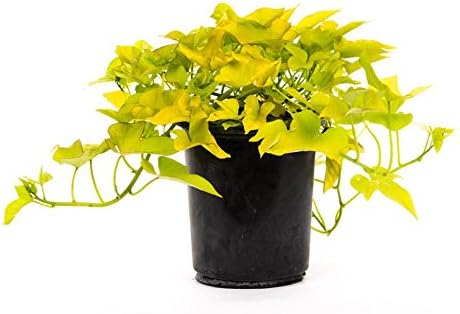
American Plant Exchange Lime Sweet Potato Vine (6-Inch Pot) – Trailing Ornamental Foliage
| Indoor Outdoor Usage | Indoor, Outdoor |
|---|---|
| Sunlight Exposure | Full Sun |
| Moisture Needs | Moderate Watering |
| Material Features | Live Plant, Nursery Pot, Potting Soil |
The Lime Sweet Potato Vine is a vigorous, ornamental trailing plant intended to add bright chartreuse foliage to hanging baskets, patio containers, window boxes, and ground cover. In practice you plant it in well-draining potting mix, keep the soil evenly moist, and give it full sun to part shade; in warm seasons it fills out planters quickly and softens hard edges with cascading stems. Notable features include bold, heart-shaped leaves that provide season-long color without relying on flowers, and a low-maintenance habit that suits gardeners who want fast visual impact. It is also described as heat-tolerant and disease resistant, which reduces routine care and replacement. Limitations are that it is a seasonal warm-weather annual in many climates and needs regular moisture to look its best, so it will not perform through frost or prolonged drought without attention. For mixed containers it works best as a trailing accent rather than the focal flowering element.
Best for: Gardeners who want a low-effort way to add bold, trailing color to full-sun hanging baskets and patio containers and who prioritize quick coverage and easy seasonal impact.
Less Ideal for: People seeking year-round flowering focal plants or those unwilling to water regularly during hot periods should consider other, longer-lived options.
- Fast-growing trailing habit quickly fills hanging baskets and container edges
- Vivid chartreuse foliage provides bright, season-long color without flowers
- Tolerant of full sun to partial shade and described as heat-tolerant
- Low-maintenance and disease resistant for easy seasonal displays
- Not frost-hardy so it performs only during warm seasons in many climates
- Requires consistent moisture and may decline during drought or neglect
Verdict: Choose this plant if you want an easy, fast-growing trailing accent that delivers bright chartreuse color for full-sun hanging baskets and containers.
JOCADEW Double Flower Moss Rose (Portulaca grandiflora) Seeds — 10,000 Count

| Unit Count | 10000 Count |
|---|---|
| Sunlight Exposure | Full Sun |
| Expected Blooming Period | Summer |
| USDA Hardiness Zone | 2-12 |
| Moisture Needs | Moderate Watering |
These moss rose seeds provide a very economical way to fill hanging baskets, containers, and garden beds with low-growing, double blooms that open in bright sun. Sow directly after the last frost in warm, well-drained soil and expect fast germination and rapid spreading to form colorful mats through summer. The variety is heat and drought tolerant and needs only moderate watering once established, so it is well suited to hot, sunny hanging baskets where regular irrigation may be intermittent. As an heirloom seed mix, it produces mixed colors and lots of flowers, making it useful for mass planting or replacing spent annuals cheaply. Practical limitations include lack of precise color control in a mixed pack and the need to thin seedlings for best basket performance. Also, bulk seed packs like this are best for gardeners who can plant many pots or share seed rather than someone who only wants a few baskets.
Best for: Ideal for budget-minded gardeners who want to fill multiple full-sun hanging baskets or beds with low-maintenance, long-blooming flowers without buying many small seed packets.
Less Ideal for: Not a good choice for gardeners who want exact single-color varieties or only need a small number of plants for a couple of containers.
- Huge 10,000-seed pack offers strong value for mass planting or multiple hanging baskets
- Drought tolerant and fast growing, reducing watering needs in hot, sunny locations
- Heirloom seeds with double blooms create abundant, colorful coverage throughout summer
- Performs well in poor, well-drained soils and full sun, ideal for exposed baskets and rock gardens
- Mixed colors mean you cannot guarantee specific flower colors from this pack
- Very large quantity can be wasteful for gardeners who only need a few baskets
- Requires thinning or transplanting for optimal performance in individual hanging baskets
Verdict: This bulk heirloom seed pack is the most cost-effective way to plant lots of heat-loving, drought-tolerant moss rose for full-sun hanging baskets and summer color.
Tropical Plants of Florida Yellow Dipladenia Hanging Basket (12-inch)

| Indoor Outdoor Usage | Indoor, Outdoor |
|---|---|
| Expected Blooming Period | Spring to Fall |
| Sunlight Exposure | Partial Sun |
| USDA Hardiness Zone | 9, 10, 11 |
| Moisture Needs | Moderate Watering |
This Yellow Dipladenia arrives ready to hang in a 12-inch basket and is designed for bright patios, porches, and balconies. The plant produces continuous trumpet-shaped yellow flowers through warm months when placed in full sun to partial sun. It is compact and cascades neatly, which makes it well suited to railing- or pergola-mounted displays and container gardening. Care is straightforward: moderate watering when the topsoil dries and routine fertilizing during the growing season help sustain blooms. Because it is heat-loving and rated for USDA zones 9 to 11, it performs best outdoors in warm climates and will attract pollinators. Limitations are its climate sensitivity and seasonal nature — it is not hardy in cool zones and will need to be moved indoors or treated as annual in colder areas. Also the listing describes an established basket so expect no potting up is required, but larger containers may be desirable for long-term growth if you want a bigger specimen.
Best for: Buyers who want a low-effort, eye-catching hanging plant for sunny outdoor spaces and prefer a reliable, ready-to-display specimen that blooms through the warm season.
Less Ideal for: Gardeners in cool climates who need a frost-hardy perennial or those looking for a shade-loving hanging plant.
- Arrives in a ready-to-hang 12-inch basket for immediate display
- Long blooming period from spring through fall in warm climates
- Compact, cascading habit ideal for balconies and hanging displays
- Low-maintenance care with moderate watering and routine fertilization
- Attracts pollinators when in bloom
- Suited mainly to USDA zones 9–11 so not cold-hardy for northern outdoor gardens
- Performs best in full to partial sun and may flower poorly in shade
Verdict: A dependable, ready-to-hang tropical hanging plant that delivers long-lasting yellow blooms in full-sun outdoor spaces.
American Plant Exchange Confetti Lantana – 6-inch Live Flowering Shrub

| Indoor Outdoor Usage | Indoor, Outdoor |
|---|---|
| Other Special Features of the Product | Air Purification, Attracts Pollinators, Compact, Drought Tolerant, Low Maintenance |
| Expected Blooming Period | Year Round |
| Sunlight Exposure | Full Sun |
| Moisture Needs | Little To No Watering |
Confetti Lantana is a heat-tolerant, low-maintenance flowering shrub that produces clusters of multi-colored blooms ideal for sunny hanging baskets, containers, or garden edges. Typically grown in full sun and sandy, well-drained soil, it blooms through the growing season with a tie-dye mix of pink, yellow, purple and red that draws butterflies and hummingbirds. The plant ships in a nursery pot with potting soil and is marketed as drought tolerant and easy to care for, so occasional watering and regular deadheading will keep it flowering. It tolerates warm conditions and is suitable for USDA zones listed by the seller for outdoor use; a heat pack is included for cooler shipping conditions. Note that lantana is toxic if ingested, so placement away from children and pets is important. Because this is a live plant, expect a short acclimation period after arrival and allow a few weeks before repotting to avoid transplant shock.
Best for: Gardeners who want a low-effort, pollinator-friendly flowering plant for sunny hanging baskets or containers and prefer visible, season-long color with minimal care.
Less Ideal for: Households with curious children or pets who may ingest plants should avoid lantana or place it well out of reach; those seeking frost-hardy plants for cold climates should choose species rated for lower USDA zones.
- Vibrant multi-colored blooms that attract pollinators
- Low maintenance and drought tolerant once established
- Suitable for full sun and container or hanging-basket culture
- Toxic to humans and pets if ingested
Verdict: Choose Confetti Lantana when you want an easy-care, full-sun flowering plant that delivers bright, pollinator-attracting color in hanging baskets and containers.
Choosing the Right Hanging Basket Plants for Full Sun: Key Factors to Consider
Sun and Heat Tolerance
Plants labeled for full sun can still vary widely in how they handle prolonged brightness and hot afternoon temperatures. In a hanging basket the root ball gets hotter and dries faster than in-ground soil, so choose species that maintain turgor and leaf integrity under direct rays. Heat-tolerant plants will keep foliage from scorching and continue producing flowers rather than dropping blooms after a few hot days.
Consider leaf texture and color when evaluating sun tolerance. Thicker, gray-green, or silvered leaves often reflect light and reduce water loss. Also look for species with proven performance in exposed decks, south-facing walls, or rooftop patios where reflected heat compounds direct sun exposure.
Drought Resilience and Watering Needs
Hanging baskets dry out faster than ground plantings because they are smaller, elevated, and exposed on all sides. Drought-resilient plants withstand intermittent drying between waterings without collapsing or dropping buds. That means lower daily attention and a better chance of surviving short lapses in care.
If you water infrequently, select plants that store water in leaves or have conservative transpiration. Conversely, if you prefer lush, high-drip displays and are prepared to water daily in summer, you can choose more thirsty species but must accept higher maintenance.
Blooming Habit and Season Length
Some plants put out a short, intense flush of flowers and then require pruning or feeding to rebloom, while others sustain long, steady flowering with minimal intervention. For full-sun baskets, favor species that set buds and open flowers even during heat spells. Continuous bloomers provide visual payoff with less deadheading and fewer fertilizer corrections.
Also consider how a plant presents: trailing stems that spill over the rim give a different effect than upright, clumping types. Choose a habit that suits your desired finish and supports ongoing bloom visibility from all sides.
Rooting Volume and Pot Compatibility
Hanging containers often limit root depth and width. Some plants root well in compact volumes and quickly fill a basket with healthy growth, while others need deeper or wider pots to avoid becoming rootbound and stressed. Plants that tolerate shallow, freely draining mixes are better fits for small baskets.
Assess the mature root behavior and match it to your container size. If you plan to use coco or lightweight mixes, pick species that prefer those media. Otherwise, larger baskets or integrated liners may be necessary for plants with more vigorous root systems.
Fertilizer and Maintenance Requirements
Because hanging baskets have limited soil, nutrients deplete faster than in-ground beds. Some plants thrive on light feeding and regular slow-release fertilizer, while others need frequent liquid feeds to maintain bloom. Consider how much routine care you want to commit to: heavy feeders demand weekly attention in summer, while low-maintenance types will keep producing with just occasional fertilizing.
Maintenance also includes deadheading, pruning taught stems, and checking for salt buildup. Lower-maintenance choices reduce the likelihood of sudden declines late in the season.
Pest and Disease Susceptibility
Full-sun exposures can reduce fungal pressure but attract pests that favor warm, dry conditions. Choose plants with reasonable resistance to common container pests and that do not quickly suffer from leaf scorch, mildew, or root rot in restricted mixes. Plants with robust, glossy foliage or strong natural defenses tend to be easier to keep healthy in busy outdoor locations.
Also factor in airflow: hanging baskets that receive steady breezes reduce humidity around leaves and lower disease risk. Select plants that stand up to the local pest complex and your tolerance for monitoring and treating infestations.
Designing a Full-Sun Hanging Basket
Think about the visual role the basket will play in your space. Do you want a cascade of color that you can see from below, or a high-impact upright display? Combine trailing plants with a compact thriller for structure and balanced coverage.
Use porous, well-draining potting mix formulated for containers. Full-sun baskets benefit from amended mixes that retain some moisture but do not stay waterlogged. Adding a lightweight water-retaining component helps reduce watering frequency without suffocating roots.
- Place baskets where they receive at least six hours of direct sun for true full-sun performance.
- Rotate baskets occasionally so all sides get even light and growth.
- Use a saucer or drip-catch if the basket is over wooden decking to prevent staining.
Watering Strategies for Hot Exposures
Schedule waterings for early morning to give plants moisture before the hottest part of the day. Water deeply until the root ball is saturated, then allow the top layer to begin drying before the next soak. Frequent light mistings are not a substitute for thorough watering and can encourage surface salt accumulation.
Consider self-watering liners or reservoirs if daily watering is impractical. These systems moderate soil moisture and reduce stress during heat waves, but they also require checking for algae or clogged wicks.
- Test the root ball by finger-if the top inch is dry, water.
- In extreme heat, expect to water daily for small baskets and every other day for larger ones.
Soil Mix and Fertilizer Tips
Choose a light, fast-draining container mix with organic matter to hold moisture. Avoid heavy garden soils that compact and limit oxygen to the roots. A mix with good drainage reduces the risk of root rot, especially when storms follow hot periods.
Feed regularly during the growing season. Liquid fertilizers on a schedule support continuous blooming in full sun, while slow-release granules offer steadier nutrient delivery. Flush containers occasionally to prevent salt buildup from concentrated feeds.
- Use a balanced fertilizer during establishment, then switch to a bloom-boosting formula when flowering begins.
- Top-dress or repot annually for long-term basket health.
Managing Heat Waves and Summer Stress
Provide temporary afternoon shade during record heat if plants begin to wilt or show leaf scorch. A light shade cloth over mid-day sun can prevent irreversible damage without drastically reducing flowering.
Prune back badly stressed or leggy stems to stimulate new growth once temperatures stabilize. Replace any plants that fail to recover rather than over-treating a compromised specimen, since crowding stressed plants invites pests and disease.
- Inspect baskets after storms and remove any waterlogged or deteriorating material.
- Watch for early signs of tip burn and reduce fertilizer or direct sun exposure if it appears.
Creative Pairings and Seasonal Transitions
Mix textures and bloom times to keep interest from spring through fall. Combine a structural centerpiece with trailing varieties that hide the rim and spill color down the sides. Incorporate foliage contrast to extend visual appeal even when individual bloom cycles slow.
Plan for seasonal swaps: summer full-sun selections can be replaced in fall with cool-season foliage or bulbs. This approach keeps the basket useful year-round and prevents soil exhaustion from a single heavy-blooming specimen.
- Use a repeating color palette for a cohesive look across multiple baskets.
- Rotate annuals seasonally to refresh the display and soil health.
How We Chose the Best Hanging Basket Plants for Full Sun
We prioritized traits that actually matter for containers exposed to long hours of direct sunlight. Our selection filters focused on heat tolerance, drought resilience, bloom duration, and container adaptability. We favored plants with proven performance in warm, bright microclimates and traits that reduce failure risk under high light and temperature stress. Concrete evaluation criteria included how plants handle sustained high light and heat, how often they need watering in a hanging pot, whether they bloom reliably through summer, and how well they tolerate shallow root volumes and potting mixes. We excluded plants that require afternoon shade or consistently cool root zones. Also filtered out specimens known to need heavy feeding or that are prone to rapid tip burn in full sun. The result is a short list aimed at gardeners who need hanging baskets that stay healthy and attractive with realistic maintenance in full-sun exposures.
FAQ
How many hours of direct sun qualifies as full sun for hanging baskets?
Full sun generally means at least six hours of direct sunlight daily. In many summer climates more hours are common, so choose plants rated for prolonged heat and strong light rather than just 'sun' exposure.
Can I use a larger soil volume to reduce watering in full-sun baskets?
Yes. Larger baskets retain moisture longer and buffer temperature spikes, reducing watering frequency. Keep in mind that bigger containers also weigh more and may need sturdier hanging hardware.
Are drought-tolerant plants better for full sun hanging baskets?
Drought-tolerant plants lower the risk of collapse between waterings and are often easier to maintain in exposed spots. However, if you can water reliably, more moisture-loving bloomers can produce denser displays at the cost of increased care.
How often should I fertilize baskets in continuous full sun?
Regular feeding during the growing season helps sustain blooms. Many gardeners use weekly liquid feeds or an initial slow-release charge followed by monthly supplements. Adjust frequency if you see leaf burn or poor flowering.
What is the best potting mix for hanging baskets in hot conditions?
A lightweight, well-draining mix with some organic matter and a water-holding component works best. Avoid heavy soils that restrict drainage and trap heat, and consider mixes formulated specifically for containers.
Final Verdict
Full-sun hanging baskets reward careful plant selection and realistic maintenance expectations. Prioritize heat tolerance, drought resilience, and a proven ability to bloom in shallow containers. Balance aesthetic goals with practical choices about container size, watering frequency, and feeding routine. With the right combination of plants and care, you can achieve long-lasting color and healthy growth in sunny, exposed spots.
