

Note: This article contains affiliate links. If you click on these links and make a purchase, I may earn a small commission at no extra cost to you. This helps support my research and content. Read my full affiliate disclosure here.
Indoor plant liquid fertilizer can make a dramatic difference in how houseplants grow, recover from stress, and bloom. The right liquid feed gives quickly available nutrients, lets you dial dosing to each species, and integrates easily into routine watering. If you use containers, terrariums, or hydroponic setups, picking a formula that fits your plant mix and watering habits matters. This guide shortlists seven top indoor plant liquid fertilizers chosen for real indoor gardening needs. We evaluate nutrient composition, application flexibility, and safety for common houseplants so you can pick a product that supports foliage, flowering, or a balanced maintenance feed. Read on to see the decision factors we used and practical tips for using liquid fertilizer safely indoors.
Top Picks at a Glance
| Best Overall The best all-around choice for most situations | Miracle-Gro Indoor Plant Food for All Plants, Liquid, 8 fl. oz. (2-Pack) |  |
| Best Quality Built to a higher standard if you want something more solid | FoxFarm Big Bloom Liquid Plant Food, 16 fl oz |  |
| Best Value The sweet spot between price and what you get | Purived All-Purpose Liquid Houseplant Fertilizer, 16 fl oz (Makes 50 Gallons) |  |
| Best Budget The cheapest option that still gets the job done reliably | Pennington Easy‑Dose Indoor Plant Food Liquid 2-3-2, 32 oz |  |
| Highest Rated A top-rated pick with lots of positive feedback | Dyna-Gro Foliage Pro 32 oz Liquid Plant Fertilizer | 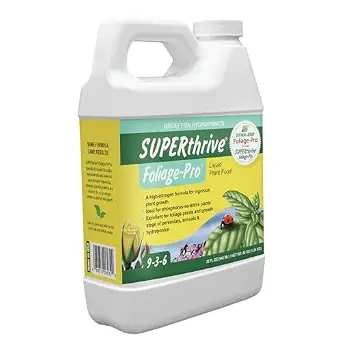 |
| Most Popular A crowd favorite that many people choose with confidence | Miracle-Gro Indoor Plant Food, Liquid, 8 oz. (2-Pack) |  |
| Best Seller A high-volume bestseller chosen again and again | TPS NUTRIENTS Indoor Plant Food Liquid Fertilizer, 8 fl oz |  |
Miracle-Gro Indoor Plant Food for All Plants, Liquid, 8 fl. oz. (2-Pack)

| Item Form | Liquid |
|---|---|
| Application Method | Apply directly to soil or mix with water |
| Target Species | Houseplants |
| Liquid Volume | 8 fluid ounces |
| Mixing Ratio | 4 pumps per 1 quart of water |
Miracle-Gro Indoor Plant Food is a ready-to-use liquid fertilizer for indoor potted plants that you apply either directly to soil or diluted in water. It is typically used every two weeks by mixing the recommended number of pumps into a quart of water or by applying a few pumps for larger pots, making it easy to add to a regular watering routine. The product feeds quickly because nutrients are water-soluble and the pump dispenser gives repeatable doses without measuring spoons. Practical benefits include broad compatibility with most houseplants and a compact bottle size that is convenient for small indoor gardens. Limitations are that the label lists only N, P, K without a full nutrient breakdown, so growers wanting precise NPK ratios or micronutrient profiles may prefer a more detailed formula. Also the 8 fl. oz. bottles are best for hobbyists or small collections rather than large indoor plantings because frequent repurchasing will be necessary for heavy users.
Best for: Buyers who want a simple, low-effort fertilizer to add to a regular watering routine and who prioritize straightforward dosing and broad houseplant compatibility.
Less Ideal for: Specialist growers who need exact NPK ratios, detailed micronutrient information, or bulk quantities for many plants should consider a different product.
- Liquid formula feeds instantly when mixed with water or applied to soil
- Pump dispenser provides simple, repeatable dosing without measuring
- Designed for use with a wide range of indoor plants including herbs, flowers and vegetables
- Full NPK ratio and micronutrient details are not shown on the product summary
- Small 8 fl. oz. bottle size may require frequent replacement for larger collections
Verdict: A convenient, pump-dosed liquid fertilizer that makes fortnightly feeding simple for casual indoor plant owners.
FoxFarm Big Bloom Liquid Plant Food, 16 fl oz

| Item Form | Liquid |
|---|---|
| Specific Uses For Product | Organic |
| Application Method | watering can, sprayer, or drip system |
| Liquid Volume | 16 fluid ounces |
| Mixing Ratio | 4 |
Big Bloom is a concentrated liquid bloom fertilizer aimed at boosting flowers and fruit by supplying readily available organic nutrients. It mixes into water (manufacturer recommends 4 tablespoons per gallon) and can be applied with a watering can, sprayer, hose-end siphon, or through drip systems, so you can feed potted plants, beds, or containers without changing your routine. Notable features are its OMRI listing for organic use and the inclusion of bat guano and earthworm castings, which provide phosphorus and organic matter to encourage blooms and seed set. Because it is liquid and fast-acting, you can expect visible perk-up within a short time after feeding, and it is suitable for regular use at watering times to extend flowering. Limitations to consider are the small 16 fl oz size for larger gardens and the presence of phosphorus, which may be restricted in some locales and requires careful application to avoid runoff.
Best for: Gardeners focused on maximizing blooms and fruit who want an organic, fast-acting feed they can add to routine watering for container and bed-grown flowering plants.
Less Ideal for: Large-scale landscapers or very large perennial beds who need bulk fertilizer solutions or want to avoid phosphorus-based products due to local regulations.
- OMRI-listed organic formula with natural inputs like bat guano and earthworm castings
- Liquid concentrate allows fast nutrient uptake and flexible application methods
- Works with watering cans, sprayers, hose-end siphons, and drip systems for easy integration
- Small 16 fl oz bottle may require frequent repurchasing for larger flower beds
- Contains phosphorus so local restrictions on phosphorus fertilizers may apply
Verdict: Choose Big Bloom when you want an OMRI-listed, easy-to-apply liquid fertilizer that delivers fast organic nutrients to boost flowering and fruiting.
Purived All-Purpose Liquid Houseplant Fertilizer, 16 fl oz (Makes 50 Gallons)

| Item Form | Liquid |
|---|---|
| Application Method | soil drench, foliar feed, full & semi hydroponics |
| Target Species | Houseplants |
| Mixing Ratio | 320:1 |
Purived All-Purpose Liquid Houseplant Fertilizer is a concentrated 16 fl oz bottle that mixes 1 cap per gallon to treat up to 50 gallons of water. It is formulated for indoor potted plants and supports multiple application methods including soil drench, foliar spray, and full or semi-hydroponics, so you can use the same product whether you water, mist, or run nutrient solutions. The formula lists primary macronutrients and a range of micronutrients, which helps correct common deficiencies and supports steady growth when used at the recommended dilution. Practical benefits include an easy-to-follow mixing ratio, an odorless solution that is simple to store, and broad compatibility with different feeding routines. Important limits are that the label gives no N-P-K percentages, so precise nutrient planning for sensitive seedlings or specialty plants is not possible, and safety precautions mean you must handle and store it carefully. For new plants, start at or below the recommended dilution and observe growth before increasing frequency.
Best for: Buyers who want a versatile, no-fuss fertilizer for establishing and maintaining new houseplants and who value a single product that works across watering, misting, and basic hydroponic setups.
Less Ideal for: Growers who need exact N-P-K formulations for seedlings, specialty plants, or strict hydroponic nutrient regimens should consider a product with full nutrient breakdown and concentration details.
- Very concentrated so one bottle treats up to 50 gallons, reducing repurchase frequency
- Suitable for multiple application methods: soil drench, foliar feed, and hydroponics
- Includes a range of micronutrients in addition to primary NPK components
- Simple, clear mixing ratio (320:1) that is easy to follow
- No N-P-K ratio listed on the product information, limiting precise nutrient management
- Requires careful handling and storage due to safety warnings
Verdict: A concentrated, easy-to-use all-purpose fertilizer that covers feeding, foliar, and basic hydroponic needs for new houseplants.
Pennington Easy‑Dose Indoor Plant Food Liquid 2-3-2, 32 oz

| Item Form | Liquid |
|---|---|
| Specific Uses For Product | Indoor |
| Application Method | Pour |
| Mixing Ratio | 2:3:2 |
| Unit Count | 32 Fluid Ounces |
Pennington Easy‑Dose Indoor Plant Food is a liquid concentrate made for straightforward weekly or biweekly feeding of indoor potted plants. The 2-3-2 NPK formulation supplies balanced nutrients aimed at supporting foliage and blooms, and the bottle uses a one-squeeze dosing cap so you can add the correct amount to a watering can without measuring. Typical use is to water the soil, squeeze one dose into the can, dilute per directions, and apply every 2 to 4 weeks during the growing season. Notable features are the easy-dosing cap that reduces mess and guesswork and the molasses-enriched formula that can support microbial activity in potting mixes. Practical benefits include consistent, repeatable feeding for a variety of houseplants and a simple routine that suits beginners. Limitations are that the product is a general-purpose formula so it will not replace specialty feeds for succulents or heavy-feeding flowering specimens, and coverage per bottle is modest so frequent use for a large collection will require repurchasing more often.
Best for: Indoor plant owners who want a simple, low-effort feeding routine and consistent results without fuss, especially those managing a modest number of common houseplants.
Less Ideal for: Specialist growers who need tailored nutrient ratios for succulents, orchids, or heavy-producing flowering and fruiting plants, or those with very large collections who prefer bulk concentrated options.
- Easy one-squeeze dosing cap that eliminates measuring and mess
- Balanced 2-3-2 NPK suitable for general indoor plant maintenance
- Liquid concentrate mixes into watering can for even application
- Molasses-enriched formula may support soil microbial life
- General-purpose formula not optimized for succulents or heavy bloomers
- Smaller unit size means frequent repurchase for large houseplant collections
Verdict: A convenient, easy‑dose liquid fertilizer that makes regular feeding of common houseplants simple and reliable for budget-minded indoor gardeners.
Dyna-Gro Foliage Pro 32 oz Liquid Plant Fertilizer

| Item Form | Liquid |
|---|---|
| Specific Uses For Product | indoor plant care, greenhouse production, and low light environments |
| Application Method | Mix with water |
| Mixing Ratio | 3:1:2 or 9-3-6 |
Dyna-Gro Foliage Pro is a concentrated liquid fertilizer designed as a complete nutrient source for tropical foliage and common indoor plants. It mixes with water and can be used as the sole feed in soil or hydroponic setups, with the label recommending a 3:1:2 or 9-3-6 mixing ratio to match plant needs. In practice it encourages leafy growth, stronger stems, and richer leaf color thanks to its foliage-focused NPK balance, and its liquid form makes it easy to apply during regular watering. The formula is versatile for greenhouse production and low-light interiors where steady nutrition matters. Expect reliable, steady results rather than instant dramatic changes; you still need to follow dilution guidance and schedule to avoid overfeeding. The product comes in a pint/quart-sized bottle that is easy to measure and store, but users should wear basic protection when handling concentrate and keep it away from children and pets.
Best for: Plant owners who prioritize steady, performance-oriented foliage results and want a single liquid feed they can rely on for indoor and greenhouse plants.
Less Ideal for: Growers who need a bloom-boosting or high-phosphorus feed for flowering and fruiting plants should choose a fertilizer formulated for blooms instead.
- Balanced foliage-focused NPK (3:1:2) tuned for leaf growth and coloration
- Liquid concentrate that mixes easily with water for consistent feeding
- Suitable as a sole nutrient for both soil and hydroponic systems
- Works well in low-light and greenhouse environments where steady nutrition is needed
- Requires careful dilution and regular scheduling to avoid nutrient buildup
- Not formulated for heavy-flowering or fruiting requirements where different NPK is preferred
Verdict: If you want a dependable, foliage-focused liquid fertilizer that can serve as a single feed for indoor and greenhouse plants, this is a strong choice.
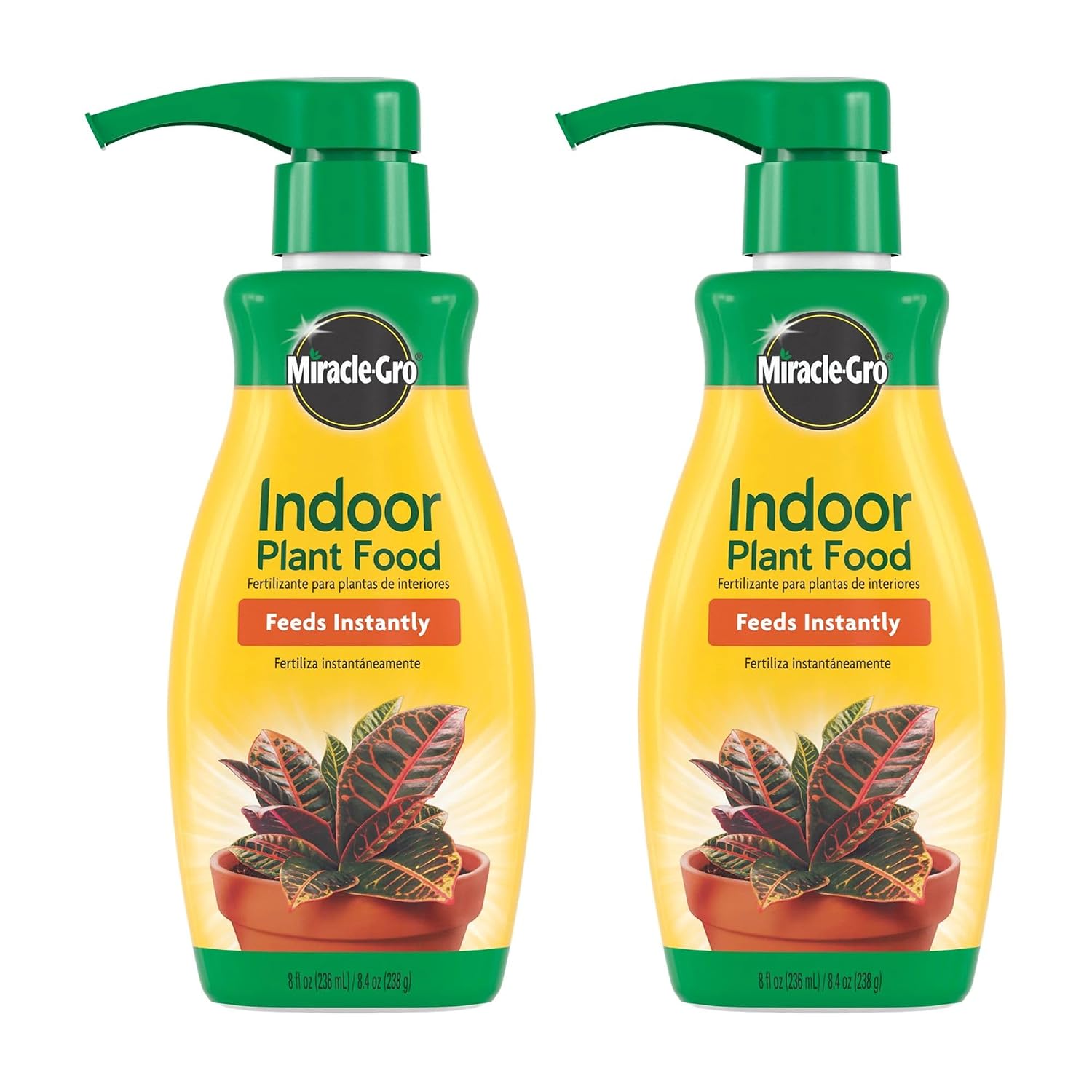
Miracle-Gro Indoor Plant Food, Liquid, 8 oz. (2-Pack)
| Item Form | Liquid |
|---|---|
| Application Method | Apply directly to the soil or mix with water |
| Coverage | Pot size |
| Target Species | Peace Lily, Snake Plant, Croton, Succulents, Herbs |
| Unit Count | 16 Fluid Ounces |
Miracle-Gro Indoor Plant Food is a ready-to-use liquid fertilizer designed for weekly feeding of houseplants. It is applied either by pumping directly into the potting soil (one pump for small pots, two for larger pots) or by diluting four pumps per quart of water and using as a regular watering. The formula is aimed at common indoor species such as snake plants, peace lilies, succulents, herbs and edible container vegetables, so it suits mixed collections. Practical benefits include instant nutrient availability, easy dosing with the pump bottle, and a compact two-pack that keeps a steady supply on hand. Important limitations are that it requires weekly application to see results and contains concentrated nutrients that should be kept away from children and pets and handled with care. Also, instructions assume typical indoor pot sizes so very large container gardens may need adjusted dosing. For everyday indoor gardeners wanting straightforward, frequent feeding, this product makes routine care simple and effective.
Best for: Indoor plant owners who want a simple, regular feeding routine for a mixed collection of houseplants and occasional edible containers.
Less Ideal for: People who prefer organic or slow-release granular fertilizers or those who want a low-maintenance no-fertilizer approach.
- Suitable for a wide range of common houseplants including edibles and succulents
- Easy pump-dosing or water-dilution application for quick feeding
- Comes as a two-pack to maintain a regular feeding schedule
- Liquid form delivers nutrients immediately to the root zone
- Requires weekly application to maintain benefits
- Contains concentrated chemicals that require safe handling away from children and pets
Verdict: A convenient, pump-dosed liquid fertilizer that makes weekly feeding of mixed houseplant collections quick and reliable.
TPS NUTRIENTS Indoor Plant Food Liquid Fertilizer, 8 fl oz

| Item Form | Liquid |
|---|---|
| Specific Uses For Product | Plant Food |
| Application Method | Watering can |
| Mixing Ratio | 2:1 (oz/gallon) or 1:64 (tbsp/gallon) |
TPS NUTRIENTS Indoor Plant Food is a concentrated liquid fertilizer made for regular use with houseplants. You mix the measured dose into water and apply it with your usual watering can; the label gives an easy mixing ratio for household use. Its kelp-enriched formula is pitched at improving leaf color, encouraging steady new growth, and supporting root health, so expect glossier foliage and more frequent leaf production when plants are fed consistently. The 8 fl oz bottle is portable and fits on a plant shelf or utility area, and the liquid form dissolves readily for even application. It is intended for medium coverage and labeled as gentle for weekly feeding, which simplifies care for busy owners. Important limitations are that this is a small bottle meant for regular top-up feedings rather than long-term bulk use, and it assumes you will follow dilution directions to avoid overfeeding. Keep it away from children and pets and avoid skin or eye contact when handling.
Best for: Plant owners who want a simple, low-effort weekly fertilizer to keep indoor foliage vibrant and encourage steady new leaf growth. Good for people who prefer an easy liquid mix applied during regular watering routines.
Less Ideal for: Gardeners needing a bulk or multi-season fertilizer for outdoor beds or large collections should consider larger-capacity or specialized products instead.
- Liquid concentrate mixes easily for even application with a watering can
- Kelp-enriched formula aimed at improving foliage color and encouraging new growth
- Gentle enough for weekly feedings according to product guidance
- Clear mixing instructions for home use
- Small 8 fl oz volume limits how many plants you can feed before repurchasing
- Not formulated or labeled for outdoor or large-scale garden use
Verdict: A convenient kelp-enriched liquid concentrate that makes weekly feeding easy for anyone who wants healthier, more vibrant indoor foliage.
Choosing the Right Indoor Plant Liquid Fertilizer: Key Factors to Consider
Nutrient Ratio and Micronutrients
Nutrient ratio determines what the fertilizer promotes: nitrogen for foliage, phosphorus for blooms and roots, and potassium for overall vigor. Indoor plant mixes often need a balanced or slightly nitrogen-lean formula depending on species. Micronutrients such as iron, magnesium, and trace elements prevent subtle deficiencies that show up as chlorosis or stunted growth.
Check labels for both N-P-K and listed micronutrients. Some liquid fertilizers add chelated iron or magnesium which can be particularly helpful for plants in low-light or for those kept in reclaimed potting mixes. Clear labeling helps you match the product to the plants you keep and to adjust feeding through the seasons.
Concentration and Dilution Options
How concentrated a liquid fertilizer is affects precision when feeding small pots. Strong concentrates require very small measured amounts, increasing the risk of overdosing. Lower concentration or multiple dilution recommendations make it easier to tailor feed strength for seedlings, small pots, or large containers.
Look for products that include several dilution rates or a clear teaspoons-per-gallon guideline. Ease of measuring and forgiving dilution ranges reduce the chance of root burn and let you create weak maintenance feeds or stronger bloom feeds as needed.
Compatibility With Watering Routines
Some indoor gardeners water weekly, others top-dress, and some use self-watering pots. A liquid fertilizer should fit into your routine: suitable for regular watering, quick foliar sprays, or periodic flushes. Compatibility with tap water quality matters because hard water can cause mineral interactions that reduce nutrient availability.
Consider whether the product can be used as a foliar spray for fast results or whether it is formulated specifically for soil drench only. If you use reverse osmosis or bottled water, that may change dilution decisions and nutrient frequency.
Residue, Salt Build-Up, and Flushing
Repeated liquid feeding can cause salts to accumulate in potting mix and on container edges, which shows as browning leaf tips or slowed growth. Some formulas leave less residue, and some instructions include periodic flushing recommendations to prevent buildup.
Choose a fertilizer with guidance on flushing frequency and one that dissolves cleanly to minimize crusting. Regular leaching of containers with plain water is still a key practice, so select a product whose dosing schedule fits a practical flushing routine.
Safety, Smell, and Indoor Handling
Indoor gardeners need products with low odor and non-irritating formulations. Strong smelling fertilizers can be unpleasant in small apartments or enclosed spaces. Packaging that reduces spills and inhalation risk makes everyday use safer, especially around pets or children.
Look for well-sealed bottles, measured caps, or droppers and for labels that state non-toxic or low-odor properties. Even with safe products, store fertilizer out of reach and follow label precautions when mixing and applying indoors.
Ease of Use and Label Clarity
Clear, easy-to-follow instructions prevent application mistakes. Labels that state dilution by volume, frequency by plant type, and specific guidance for seedlings versus mature plants let you feed confidently. Some products also include quick-reference charts or multi-language instructions which help a wider range of users.
Prefer products with measured caps, built-in measuring marks, or step-by-step guides for common houseplants. When instructions are vague or rely on proprietary measures, dosing errors become more likely and inexperienced gardeners may under- or over-feed.
When to Feed Your Indoor Plants
Timing fertilizer applications to plant growth cycles matters more indoors than outdoors because light and temperature are often more stable. Feed more frequently during active growth in spring and summer and reduce or stop feedings during winter dormancy for most species. For flowering houseplants, switch to a bloom-focused dilution as buds develop.
A good rule is to apply a weak liquid feed at half the label rate during regular watering for maintenance, and use a stronger feed for short periods when stimulating new growth or flowers. Always monitor plants for signs of stress and adjust frequency rather than following a rigid calendar.
- Feed less in low light or cool indoor temperatures
- Use gentler dilutions for seedlings and small pots
- Flush containers periodically to avoid salt buildup
How to Adjust Dose by Plant Type
Different houseplants have different nutrient appetites. Heavy feeders like monsteras and fast-growing foliage plants benefit from more regular, balanced feeding. Succulents and cacti need far less frequent fertilizer and prefer low-nitrogen formulas. Flowering tropicals usually need a boost of phosphorus when buds form.
Start with the lower dilution recommended on the label and increase gradually while observing leaf color and new growth. Keep a simple log for the first couple of months after switching products so you can correlate dose and plant response.
- Foliage houseplants: regular balanced feed
- Flowering houseplants: feed with bloom-focused ratios when buds appear
- Succulents: minimal feeding, low frequency
Using Liquid Fertilizer in Small Pots and Terrariums
Small pots and terrariums concentrate salts quickly. Use very diluted solutions and apply less often to avoid root burn and substrate compaction. For closed terrariums, feeding is usually unnecessary except to correct a visible deficiency because enclosed systems recycle moisture and nutrients.
When you must feed small containers, perform a shallow drench and allow excess to drain; if containers are non-draining, use a finer fogging or foliar spray at a light concentration to reduce saturation risk.
- Drape a saucer to catch runoff when drenching
- Prefer foliar sprays for non-draining displays
- Check substrate moisture before applying fertilizer
Foliar Feeding: When and How
Foliar feeding delivers nutrients directly to leaves and can quickly correct deficiencies. Use a very dilute solution and apply during morning hours so foliage dries before evening. Avoid foliar feeding in direct hot sun to prevent leaf scorch.
Not all nutrients are effectively absorbed through leaves, but micronutrients like iron and magnesium respond well. Reserve foliar applications for short-term correction or supplemental feeding rather than as a primary routine for most potted plants.
- Use dilute solution and spray in the morning
- Target micronutrient deficiencies with foliar feed
- Avoid foliar feed on dusty or wet leaves
Storing and Handling Liquid Fertilizers Indoors
Store liquid fertilizers in a cool, dry place away from direct sunlight and out of reach of pets and children. Tight seals and upright storage prevent leaks and accidental spills. Keep products in their original containers so dosing instructions and safety data remain accessible.
When mixing concentrates, measure carefully and clean measuring tools after use. Dispose of any unused mixed solution responsibly and do not store diluted mixes for long periods as nutrient availability can degrade.
- Keep original label visible for instructions
- Avoid storing near food or pet areas
- Rinse measuring tools and caps after use
How We Chose the Best Indoor Plant Liquid Fertilizer
We focused on features that matter in everyday indoor gardening. First, nutrient composition: we looked for clear N-P-K ratios and presence or absence of micronutrients to match common houseplant needs. Second, application flexibility: suitability for dilution rates, foliar feeding, and compatibility with hydroponic or self-watering systems. Third, solubility and clarity of dosing instructions so indoor gardeners can avoid buildup and root burn. Fourth, safety and odor: low-odor formulas and non-toxic ingredient profiles reduce indoor air and handling concerns. Fifth, packaging and dispensing: bottles with measured caps or dropper systems reduce dosing errors. Products were excluded if they lacked transparent labeling, were designed only for outdoor use, or depended on ambiguous proprietary blends with no clear nutrient data. We also filtered out concentrates with impractical dilution ranges for small pots. The shortlisted options scored well across these real-world dimensions: nutrient balance, dilution control, application versatility, ease of use, and indoor safety and handling.
FAQ
How often should I feed indoor plants with liquid fertilizer?
Frequency depends on plant type and light levels. Many houseplants do well with a weak liquid feed every two to four weeks during active growth. Reduce feeding in low light or winter months to avoid overstimulating growth.
Can I use liquid fertilizer on succulents and cacti?
Yes, but sparingly. Use a very dilute solution and feed far less often than for foliage plants. Overfeeding succulents can cause soft growth and reduced drought tolerance.
Is foliar feeding better than soil drenching for houseplants?
Foliar feeding gives a fast response for certain micronutrients but does not replace regular soil feeding. Use foliar applications for quick corrections or supplements while relying on root feeds for steady nutrition.
Will liquid fertilizer cause salt build-up in pots?
Repeated use can lead to salt accumulation. Periodic flushing with plain water and occasional repotting or top-dressing can prevent crusting and root damage. Choosing low-residue formulas reduces the risk.
Can I mix different liquid fertilizers together?
Mixing formulas is usually not recommended unless labels explicitly state compatibility. Different concentrates and micronutrient blends can interact and form precipitates or chemical imbalances.
How do I adjust fertilizer strength for seedlings?
Seedlings need much gentler feeding. Use a fraction of the label rate, often one quarter to one half, and apply less frequently. Watch for signs of stress and prioritize gentle, balanced nutrition.
Final Verdict
Choosing the right indoor plant liquid fertilizer comes down to matching nutrient balance and concentration to your plants and watering routine. Prioritize clear labeling, dilution flexibility, and low-residue formulas if you manage many small pots or sensitive species. Keep safety and storage practices in mind for indoor use. Focus on the tradeoff between strength and control: stronger concentrates give power but require exact measuring, while gentler formulas are more forgiving for mixed collections. Use the decision factors above to pick a feed that fits your plants and habits, and adjust frequency and dilution based on plant response.
