

Note: This article contains affiliate links. If you click on these links and make a purchase, I may earn a small commission at no extra cost to you. This helps support my research and content. Read my full affiliate disclosure here.
When mice or rats turn up inside your home, the right indoor rodent poison can stop an infestation before it spreads into walls, food storage, and living spaces. You want something that works reliably against target species, but also fits your household safety needs and layout. This guide looks at seven shortlisted indoor options that represent the range of active ingredients, delivery formats, and safety features gardeners and homeowners most often choose. We evaluated each option for bait acceptance, speed of action, and safety controls for pets and occupants. Below you will find practical guidance on how these products behave in real indoor situations and what tradeoffs to expect.
Top Picks at a Glance
| Best Overall The best all-around choice for most situations | JT Eaton 709-AP Apple Flavor Bait Block Rodenticide, 9 lb |  |
| Best Quality Built to a higher standard if you want something more solid | LIPHA TECH FirstStrike Rodent Bait Soft Bait — 4 lb Bag |  |
| Best Value The sweet spot between price and what you get | Neogen Ramik Green Fish‑Flavored Weather‑Resistant Rodenticide Nuggets, 4 lb |  |
| Best Budget The cheapest option that still gets the job done reliably | Tomcat Mouse Killer Disposable Child & Dog Resistant Bait Stations (2-Pack) |  |
| Highest Rated A top-rated pick with lots of positive feedback | Farnam Just One Bite II Rat & Mouse Bait Bars, 8-Pack |  |
| Most Popular A crowd favorite that many people choose with confidence | Tomcat Bromethalin Bait Chunx Pail, 4.25 lb |  |
| Best Seller A high-volume bestseller chosen again and again | Victor M925 Rodent Killer, 4 lb Fish‑Flavored Bait Balls | 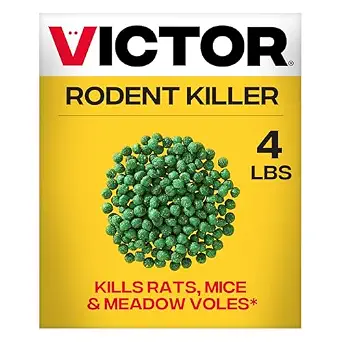 |
JT Eaton 709-AP Apple Flavor Bait Block Rodenticide, 9 lb

| Unit Count | 144 Count |
|---|---|
| Item Form | Tablets |
| Target Species | Rodents |
| Active Ingredient | Diphacinone 0.005% |
JT Eaton 709-AP is a professional-style 9 pound pail of apple-flavored 1 oz bait blocks intended for ongoing rodent control. The blocks are formulated with Diphacinone 0.005% first-generation anticoagulant and are designed to attract both mice and rats, making them suitable for garages, basements, and bait stations at properties with persistent rodent pressure. The center hole in each block allows secure mounting in standard tamper-resistant bait stations, and the tamper-evident resealable pail keeps unused bait contained between treatments. For performance-minded users this product delivers predictable multi-feed control with lower secondary-poisoning risk compared with second-generation rodenticides. Important limitations are that it requires multiple feedings to be effective and professional-style handling and placement are recommended to avoid non-target exposure; it is not a single-feed fast kill solution. The 144 blocks in the pail make it more efficient for treating multiple locations, but the quantity and anticoagulant formulation mean this is best used where regular monitoring and secure placement are possible.
Best for: Buyers who prioritize reliable, professional-grade rodent control across multiple locations and who can monitor and place bait securely in stations.
Less Ideal for: Casual users wanting a quick single-feed knockdown or those who need a small, discrete quantity for one-off home use should consider smaller or faster-acting alternatives.
- Apple-flavored blocks that attract both mice and rats
- First-generation anticoagulant (diphacinone 0.005%) reduces secondary-poisoning risk versus second-generation poisons
- Center hole design compatible with standard tamper-resistant bait stations
- Comes in a resealable tamper-evident 9 lb pail for bulk treatments and safe storage
- Requires multiple feedings so results are not immediate
- Large 9 lb pail is geared toward professional or large-property use rather than single-family spot treatments
Verdict: A bulk, performance-focused bait block formulated for professional multi-feed rodent control with bait-station compatibility and safer secondary-poisoning profile.
LIPHA TECH FirstStrike Rodent Bait Soft Bait — 4 lb Bag

| Item Form | bar |
|---|---|
| Target Species | Rodents |
| Active Ingredients | difethialone |
| Specification Met | EPA |
| Included Components | 1 bag |
LIPHA TECH FirstStrike is a soft bait rodenticide designed for performance-focused users who need reliable indoor control of rats and mice. The formulation uses difethialone, a second-generation anticoagulant that can deliver a lethal dose in a single night’s feeding and typically produces dead rodents within four to five days. The soft bar form is intended to be highly palatable and to maintain integrity in warm environments, and the label allows removal of the paper wrapper so bait can be placed directly in feeders or tamper-resistant stations. For pest management professionals and serious homeowners this product offers predictable knockdown and professional-grade active ingredient compliance with EPA specifications. Important limitations are its toxicity to non-target animals and the requirement to follow label directions and legal restrictions for indoor use; an antidote (vitamin K1) is noted for exposure. This bait is best used as part of an integrated control plan with monitoring and secure placement to avoid accidental access.
Best for: Best for professional pest managers and homeowners who prioritize fast, reliable indoor rodent knockdown and are prepared to follow strict safety and placement procedures.
Less Ideal for: Not a good choice for casual users who cannot ensure secure bait placement or who need a lower-toxicity option for homes with pets or children.
- Professional-grade active ingredient (difethialone) for rapid, single-night lethal feeding potential
- Soft bar form that is palatable to rats and mice and holds up in warm conditions
- Label permits removal of paper wrapper to place bait directly in feeding devices
- EPA specification met which aligns with regulatory expectations for professional use
- Contains a second-generation anticoagulant that is highly toxic to non-target wildlife, pets, and children
- Requires strict compliance with label directions and secure placement to avoid accidental exposure
Verdict: Choose FirstStrike when you need a professional, highly palatable indoor bait that delivers fast, reliable control of rats and mice.
Neogen Ramik Green Fish‑Flavored Weather‑Resistant Rodenticide Nuggets, 4 lb

| Item Form | Pellets |
|---|---|
| Target Species | Rats, Mice and Meadow Voles |
| Active Ingredients | Diphacinone |
Neogen Ramik Green nuggets are a fish‑flavored, weather‑resistant rodenticide formulated with diphacinone and sold in a 4 lb bag. You place the pellets where rodent activity is seen or inside approved bait stations; the palatable grain mix encourages feeding and the anticoagulant acts over several days after ingestion. The nuggets are designed for indoor and outdoor use and are marketed as especially suited to wet or damp areas because they resist softening in moisture better than wax baits. Practical users will appreciate the simple pellet form that is easy to distribute in stations or around structures and the familiar single‑ingredient formulation. Important limitations are that this is a first‑generation anticoagulant so multiple feedings are usually required and results can take several days, and it is a toxic pesticide that requires careful handling and secure placement to avoid exposure to children, pets, and non‑target wildlife. Follow label directions and local regulations when using this product.
Best for: Buyers who want a straightforward, proven pellet rodenticide for routine control around buildings and in damp outdoor sites and who prioritize ease of deployment and reliable palatability.
Less Ideal for: People who need an immediate‑action solution, those unwilling to follow pesticide safety rules, or those with uncontrolled access by pets or wildlife should choose different control methods.
- Weather‑resistant pellet form suitable for damp or wet areas
- Fish flavor and food‑quality grain mix increase palatability to rodents
- Simple pellet nuggets are easy to place in bait stations or along runways
- Contains diphacinone, a widely used first‑generation anticoagulant
- Requires multiple feedings and can take several days to produce mortality
- Toxic to non‑target animals and humans so strict placement and handling are necessary
Verdict: A practical, weather‑resistant pellet bait that reliably attracts rodents for routine indoor and outdoor control when used according to label instructions.
Tomcat Mouse Killer Disposable Child & Dog Resistant Bait Stations (2-Pack)

| Unit Count | 2 Count |
|---|---|
| Target Species | Mouse |
| Item Type Name | for Indoor/Outdoor Use |
| Included Components | Rodent Trap |
Tomcat Mouse Killer disposable stations come ready to use with a preloaded bait block inside a clear-lidded, tamper-resistant housing. You place the small stations where mice travel—along walls, in corners, behind appliances, or near burrows—and the bait attracts and kills mice that feed and leave the station. The clear lid makes it easy to check bait levels and the weather-resistant, child- and dog-resistant design lets you use them in garages, attics, and other semi-exposed spots without worrying about pets or kids accessing the poison. Because each unit is disposable and pre-baited there is no handling of loose bait, which simplifies setup and disposal. The package contains two stations, so this is best for spot treatment rather than an ongoing multi-station program. If you need broader or longer-term control you will want larger packs or a refillable system, but for quick targeted indoor use these stations are simple and effective.
Best for: Buyers who want a low-cost, low-effort spot treatment to quickly address a small indoor mouse problem and who prioritize safety and ease of use over long-term coverage.
Less Ideal for: Homes with heavy or widespread infestations or users who prefer reusable refillable systems for ongoing control should look at larger multi-station or refillable options.
- Ready-to-use pre-baited stations require no handling of loose poison
- Child- and dog-resistant housing reduces accidental access risk
- Clear lid lets you monitor bait without opening the station
- Weather-resistant design suitable for garage and attic placement
- Only two disposable stations in the box so coverage is limited for larger infestations
Verdict: A simple, safety-focused two-station kit that lets budget-minded buyers set and monitor pre-baited mouse poison with almost no setup.
Farnam Just One Bite II Rat & Mouse Bait Bars, 8-Pack

| Item Form | Bar |
|---|---|
| Target Species | Rat,Mouse |
| Active Ingredients | Bromadiolone |
| Unit Count | 128 Ounce |
Farnam Just One Bite II are dense bait bars formulated with bromadiolone and shaped with nibble ridges to encourage chewing by Norway rats, roof rats, and house mice. They are typically placed in bait stations or along runways inside and around agricultural buildings where rodent activity is suspected. The bars are designed to deliver a lethal dose in one night and use a delayed 4 to 5 day mortality period to avoid bait shyness, which helps control populations including some warfarin-resistant rats. The product comes as individually wrapped 1-pound bars, which makes handling and placement neater and reduces mess compared with loose bait. Key limitations are that this is a professional-strength anticoagulant so it must be used carefully to avoid non-target exposure and it is labeled for use in and around agricultural buildings rather than general indoor household use. Users should follow safety instructions and local regulations when deploying the bars and keep them out of reach of children and pets.
Best for: Buyers who need an effective, fast-acting rodent bait for barns, outbuildings, or agricultural settings and who are comfortable following professional-use safety practices.
Less Ideal for: People looking for pet-safe, general residential indoor rodent control or those who cannot guarantee secure placement away from non-target animals should consider alternative methods.
- Designed to deliver a lethal dose in a single feeding for fast population reduction
- Nibble ridge shape encourages chewing for effective uptake
- Effective against warfarin-resistant Norway rats
- Individually wrapped 1 lb bars simplify handling and placement
- Contains the anticoagulant bromadiolone which poses secondary poisoning risks to non-target animals and requires careful placement and handling
- Labeled for use in and around agricultural buildings which limits household or broad residential use
Verdict: Choose these bait bars if you need a professional-strength, single-feeding rodent bait for fast control in agricultural buildings.
Tomcat Bromethalin Bait Chunx Pail, 4.25 lb

| Item Form | Bar |
|---|---|
| Target Species | Rodents |
| Net Weight | 4.25 lb |
This Tomcat pail contains preformed 1 oz. bromethalin bait blocks intended for tackling mice, Norway rats, roof rats, and meadow voles in and around buildings. It is packaged for professional or agricultural use and is typically deployed inside tamper-resistant bait stations placed in basements, garages, crawl spaces, and around foundations within 100 feet of structures. The bait is fast-acting so rodents often consume a lethal dose in a single night and mortality can occur within a few days. The large 4.25 lb. pail supplies many placements and makes regular monitoring and replenishment simple. Important practical points are that outdoor placements must be in weather- and tamper-resistant stations and the label restricts use against certain species in California. Because this contains an acute pesticide, care is needed to keep it inaccessible to children, pets, and non-target wildlife and to follow local regulations and label directions.
Best for: Buyers who want a professional-strength, ready-to-use rodent bait for systematic control around buildings and who plan to use tamper-resistant stations and follow label directions.
Less Ideal for: Casual homeowners who cannot commit to secure bait station use or who need a rodent solution safe for free outdoor placement around pets and wildlife.
- Preformed 1 oz. blocks are easy to place and monitor in bait stations
- Contains bromethalin which is effective against anticoagulant-resistant rodents
- Large 4.25 lb. pail supplies many bait placements for ongoing control
- Suitable for indoor and outdoor use when placed in tamper-resistant stations
- Requires tamper- and weather-resistant bait stations for safe outdoor use and to protect non-targets
- Not permitted for use on several listed species in California and must be used according to label restrictions
Verdict: Choose this product when you need a professional-grade, preformed bromethalin bait supply for effective, managed rodent control around structures.
Victor M925 Rodent Killer, 4 lb Fish‑Flavored Bait Balls

| Item Form | Soft Bait |
|---|---|
| Target Species | Rodents |
| Specification Met | EPA |
| Active Ingredients | Diphacinone 0.005% |
Victor M925 is a ready-to-use rodenticide supplied as fish-flavored soft bait balls in a 4 lb bag for broad indoor and outdoor use. It is typically placed along walls, in concealed spots, or inside tamper-resistant bait stations to attract rodents and encourage repeated feeding until a lethal dose is consumed. Notable features include a palatable formulation that appeals to mice, rats, and meadow voles, an EPA specification, and weather-resistant properties that help the bait remain effective in damp exterior locations. The large bag gives enough material for multiple placements across a property or extended treatment periods. Important limitations are safety and non-target risk since the product is toxic to pets, children, and wildlife and must be secured in approved stations and handled with care. This product is a poison rather than a trapping solution, so it is best used where baiting is acceptable and strict placement and disposal rules can be followed.
Best for: Homeowners who prioritize a straightforward, low-maintenance baiting approach to reduce existing rodent activity and who will use tamper-resistant bait stations and follow label safety instructions.
Less Ideal for: People seeking a non-toxic or purely mechanical trapping method, or those unable to reliably prevent access by pets, children, or wildlife.
- Ready-to-use soft bait that requires no mixing or preparation
- Fish-flavored formula designed to attract rats, mice, and voles
- Weather-resistant so placements outdoors retain potency
- Large 4 lb bag provides enough bait for extensive or repeated treatments
- Contains an anticoagulant active ingredient and is hazardous to pets, children, and non-target wildlife
- Not a mechanical trapping solution so carcass removal and secondary poisoning concerns apply
Verdict: Choose this ready-to-use, weather-resistant bait when you want an easy-to-deploy, high-coverage rodenticide for indoor and outdoor infestations and can secure placements to protect people and pets.
Choosing the Right Indoor Rodent Poison: Key Factors to Consider
Active Ingredient and Mode of Action
Different active ingredients work in distinct ways and that influences how quickly rodents die, whether secondary poisoning is likely, and how safe the product is around non-target animals. Some compounds act slowly to reduce bait shyness, while others cause rapid mortality. Understanding the mode of action helps you plan post-treatment recovery, disposal of carcasses, and the need for additional exclusion work.
Label instructions will indicate species-specific effectiveness and any restrictions on indoor use. Choosing an appropriate active ingredient for the target species and the household context reduces risks and improves the likelihood of a successful outcome.
Bait Format and Acceptance
Rodent poisons come as loose bait blocks, pellets, wax blocks, or packaged in ready-to-deploy sachets. The format affects how rodents encounter the bait and how tolerant it is to humidity and handling. Blocks and wax formulations usually stay in place better and resist contamination in damp basements, while loose pellets may be more palatable to some rodent populations.
High bait acceptance is crucial because even a potent active ingredient is ineffective if animals ignore it. Consider the usual bait preferences where you live and whether interfering food sources inside the home could reduce uptake.
Tamper Resistance and Indoor Safety
Indoor settings demand stricter safety measures because children and pets can easily access bait. Many indoor-use poisons are intended to be placed inside tamper-resistant bait stations or come in child-resistant packaging. Using locked bait stations reduces accidental exposure and contains small pieces that could otherwise scatter.
Evaluate how the product is intended to be deployed indoors and whether the supplier provides compatible stations. Also review label first-aid information and cleanup recommendations so you can respond quickly if non-target exposure occurs.
Placement Options and House Layout
Where you put bait influences success. Places with active rodent signs such as droppings, grease marks, gnawing, and runways should be prioritized. Indoor formulations that allow discreet placement along baseboards, behind appliances, or inside cabinets are more practical in occupied homes.
Products that are messy or require open placement create higher risk in busy areas. Consider whether your layout includes childproof rooms or pet-free zones where bait can be staged safely.
Regulatory Labeling and Disposal Instructions
Labels contain legally required directions about indoor placement, re-entry intervals, disposal of dead rodents, and handling of contaminated materials. Choosing a product with clear, specific label guidance simplifies safe use and ensures compliance with local regulations. Labels also note whether a licensed applicator is required for certain formulations.
Proper disposal and carcass handling reduce the chance of secondary poisoning and odor problems. If the label lacks clear disposal steps, factor that into your selection and planning.
Planning an Indoor Rodent Control Strategy
Start by confirming the scale and location of the infestation. Look for fresh droppings, rub marks, and nesting materials to map activity areas. A simple night-time check with a flashlight often reveals runways behind cabinets and along walls.
Combine poison use with exclusion and sanitation. Sealing entry points and removing food sources reduces the number of baited animals needed to stop reproduction. Think of poison as one component of an integrated approach rather than a standalone solution.
- Inspect common entry areas like gaps around pipes, vents, and foundations.
- Remove accessible food and secure pet food in sealed containers.
- Plan bait placements where rodents travel but pets and children cannot reach.
Safe Placement and Bait Station Best Practices
Always place baits inside approved tamper-resistant stations when using indoor formulations. Stations keep bait contained, concentrate rodent feeding, and make monitoring easier. Position stations along walls with the opening facing the expected runway for best uptake.
Check stations regularly and replace consumed bait according to label guidance. Wear gloves when handling stations or removing carcasses to reduce exposure risks and transfer of human scent that can deter cautious rodents.
- Use multiple small stations rather than one large pile to increase encounter rates.
- Label or mark stations for household members to avoid accidental opening.
- Keep a log of checks to track consumption and where activity is declining.
Dealing With Carcasses and Secondary Risks
Expect some delayed mortalities depending on the active ingredient. Dead rodents in wall voids can cause odor issues; plan for inspection and removal where feasible. Follow label directions for handling and disposal to minimize secondary poisoning risks for pets and scavengers.
If you cannot retrieve carcasses easily, consider using formulations and placements that minimize the chance of scavengers finding poisoned rodents. Also limit use near areas where household pets may hunt or scavenge.
- Prepare plastic bags and gloves before inspection to handle carcasses hygienically.
- Ventilate and clean areas where carcasses are removed to reduce odor.
- Monitor non-target animal activity after treatments and consult a professional if secondary exposure is suspected.
When to Call a Professional
Large or persistent infestations, repeated indoor activity despite baiting, or infestations with multiple entry points often require professional intervention. Pest professionals can perform thorough inspections, place baits in hard-to-reach areas, and advise on exclusion work.
Also consider professional help if household members include infants, elderly people, or immunocompromised individuals, since these situations raise the stakes for accidental exposures and carcass handling.
- Request a detailed inspection and proofing plan if structural entry points are numerous.
- Ask about follow-up visits and monitoring schedules before engaging a service.
- Professionals can also suggest integrated non-chemical controls when appropriate.
Legal and Environmental Considerations
Check local regulations about rodenticide use in occupied buildings and any restrictions on certain active ingredients. Some jurisdictions limit or ban specific compounds or require professional application inside certain structures.
Be mindful of environmental impact. Avoid placing baits where wildlife or pets could access them, and follow disposal instructions to prevent contaminating drains or soil.
- Keep product labels and safety data sheets accessible in case of incident.
- Document where and when you applied baits for future reference.
- Recycle or dispose of empty containers in line with local waste rules.
How We Chose the Best Indoor Rodent Poison
We prioritized products that combine proven rodent control chemistry with delivery formats suitable for indoor use. Key evaluation dimensions included bait acceptance under household conditions, documented time-to-effect on common commensal rodents, and the availability of tamper-resistant packaging or bait stations for occupant safety. We also assessed the clarity of label instructions for indoor placement, guidance on use around pets and children, and compatibility with prevention steps like exclusion and sanitation. Our process excluded outdoor-only formulations, sprays and foggers not labeled for ingestion, and products lacking clear indoor-use directions. We avoided items without standard regulatory labeling or those that require specialized applicator licensing. The result is a focused set of indoor rodent poisons that gardeners and homeowners can reasonably deploy inside houses, garages, basements, and sheds while following label safety practices.
FAQ
How long before I should expect to see fewer rodents after placing indoor bait?
It depends on the active ingredient and bait acceptance. Some formulations reduce visible activity within a few days, while slower-acting compounds may take a week or longer. Monitor bait consumption and signs of activity to judge effectiveness.
Can I use indoor rodent poison if I have pets in the house?
Often yes, but extra precautions are necessary. Use tamper-resistant bait stations, place stations out of reach, and follow label directions about indoor use around pets. In households with free-roaming predators, consider non-chemical alternatives or professional help.
Will poison stop an infestation permanently?
Poison can reduce or eliminate a current population, but long-term control also requires exclusion and sanitation. Sealing entry points and removing food sources prevents re-infestation from new rodents moving in.
What should I do if a pet or child is exposed to a rodent poison?
Follow the first-aid instructions on the product label immediately and contact emergency medical services or animal poison control. Keep the product container or label handy to provide information about the active ingredient and dosage.
Can I place bait inside cabinets and behind appliances?
Yes, those are often ideal locations because they are along rodent runways and out of regular human traffic. Ensure bait is inside a secured station and accessible to rodents but not to children or pets during normal household activity.
Is there a difference between baits for mice and baits for rats?
Yes. Mice and rats have different feeding behaviors and bait formulations. Mice may prefer smaller pellets or softer blocks, while rats often take larger blocks and require heavier, anchored baits. Choose formulations suited to the target species and place stations accordingly.
Final Verdict
Indoor rodent poisons can be an effective tool when chosen and used carefully. Prioritize bait acceptance, indoor safety features, and clear label instructions to match your household layout and the target rodent species. Combine chemical control with exclusion and sanitation to prevent recurrence. Focus on practical tradeoffs: faster-acting products may increase carcass recovery tasks, while slower-acting options can reduce bait shyness but require patience. Use tamper-resistant stations and follow label directions so you can resolve infestations with minimal risk to people and pets.
