

Note: This article contains affiliate links. If you click on these links and make a purchase, I may earn a small commission at no extra cost to you. This helps support my research and content. Read my full affiliate disclosure here.
Choosing the right fertilizer for tropical houseplants matters because these species respond quickly to both underfeeding and overfeeding. The right indoor tropical fertilizer balances nitrogen, phosphorus, and potassium with micronutrients and a feeding schedule that matches container-grown conditions. In this guide we shortlisted seven top options that suit common tropical houseplants and ranges of gardener experience. We evaluated products for nutrient profile, ease of use, and safety for indoor growing to help you pick a reliable feed for brighter leaves, stronger growth, and fewer nutrient problems. Below you will find practical notes on using each type and the criteria we used to select them.
Top Picks at a Glance
| Best Overall The best all-around choice for most situations | Grow Queen Organic Liquid Indoor Plant Food 5-5-5 with Sea Kelp, 12 oz |  |
| Best Quality Built to a higher standard if you want something more solid | Growth Technology GT Foliage Focus Liquid Plant Food, 1 Quart | 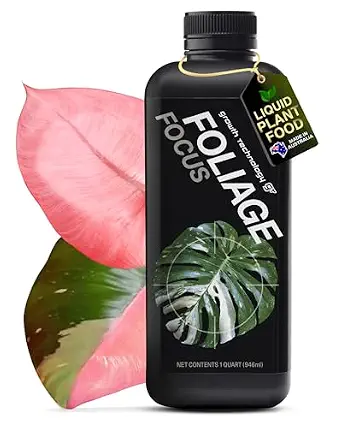 |
| Best Value The sweet spot between price and what you get | Purived All-Purpose Liquid Houseplant Fertilizer, 16 fl oz (Makes 50 Gallons) |  |
| Best Budget The cheapest option that still gets the job done reliably | Farmer's Secret Tropical Houseplant Booster (4 oz) |  |
| Highest Rated A top-rated pick with lots of positive feedback | Rubisco Orchid Magic MSU Formula Liquid Plant Food, 8 fl oz |  |
| Most Popular A crowd favorite that many people choose with confidence | Miracle-Gro Indoor Plant Food for Tropicals, 8 fl. oz. (2-Pack) |  |
| Best Seller A high-volume bestseller chosen again and again | BLESS YOUR SOIL Big Green Leaves Indoor Plant Food, 1 lb Concentrated Powder |  |
Grow Queen Organic Liquid Indoor Plant Food 5-5-5 with Sea Kelp, 12 oz

| Item Form | Liquid |
|---|---|
| Application Method | Mix with water and apply to soil |
| Mixing Ratio | 1:625 |
| Target Species | Plants |
This Grow Queen liquid plant food is a concentrated, balanced 5-5-5 NPK fertilizer formulated for indoor and container-grown tropicals. You mix one capful (about 4 ml) per gallon of water and drench the soil or use as a foliar spray every 1 to 3 weeks during active growth. The formula includes Ecklonia maxima sea kelp and micronutrients, which help promote greener foliage and stronger root development without the burning risk of high-strength synthetic feeds. A 12 oz bottle dilutes to many gallons, making it economical for a houseplant collection. It is labeled for use on a wide range of common indoor plants and can also be used in aerated hydroponic systems if reservoirs are changed frequently. Expect a mild ocean scent from real kelp that fades after watering. Limitations to note are that organic concentrates can form residues in static water systems, so it is not ideal for non-aerated reservoirs or long-term standing-water setups, and precision feeders may prefer separate bloom or growth formulas rather than an all-purpose 5-5-5 blend.
Best for: Buyers who want one dependable, easy-to-use fertilizer to support a broad indoor tropical collection and prefer organic, seaweed-enriched nutrition for steady foliage and root health.
Less Ideal for: Specialist growers seeking targeted bloom or veg-only formulas or users relying on non-aerated standing-water systems should consider other options.
- Balanced 5-5-5 NPK suitable for routine feeding of most houseplants
- Includes Ecklonia maxima sea kelp and micronutrients for improved leaf color and root strength
- Highly concentrated formula stretches a 12 oz bottle to many gallons, economical for collections
- Safe for regular use without burn when mixed as directed
- Can leave a film in standing, non-aerated water systems so not ideal for static reservoirs
- Single balanced formula may not satisfy growers wanting separate high-N or high-P feeds
Verdict: A single, concentrated organic 5-5-5 liquid fertilizer with sea kelp that reliably feeds a wide range of indoor tropicals on a regular schedule.
Growth Technology GT Foliage Focus Liquid Plant Food, 1 Quart

| Item Form | Liquid |
|---|---|
| Specific Uses For Product | Houseplant and Tropical Plant Care |
| Application Method | Foliar spray |
| Liquid Volume | 946 ml |
| Mixing Ratio | 1:20, 1.5:20, 2:20 |
Growth Technology GT Foliage Focus is a pH-buffered, concentrated liquid fertilizer aimed at promoting strong roots and vibrant foliage on aroids, monsteras, ferns, palms and other indoor tropicals. It is used by diluting into water at the recommended rates for soil, hydroponic systems, or as a foliar spray and can be applied with each watering for steady feeding or adjusted to stronger mixes during active growth. Notable features include a balanced mix of nitrate-nitrogen, phosphorus, potassium, calcium, magnesium and trace elements and explicit mixing ratios for weak, normal and strong feeds. In practice the formula is versatile across soil, potting mix, semi-hydroponic setups and full hydroponics, and the foliar option helps with quick leaf uptake when leaves look pale. Important limitations are that regular feeding requires monthly flushing to avoid salt buildup and you must follow dilution guidance closely to avoid overfeeding sensitive species. The one-quart bottle supplies frequent feeders but will require careful measuring during routine use.
Best for: Buyers who prioritize visible leaf performance and steady nutrient control for aroids and tropical houseplants and who want a single feed solution that works across soil and hydro setups.
Less Ideal for: Casual plant owners who prefer organic or slow-release granular fertilizers or those unwilling to follow regular dilution and flushing routines.
- Balanced mineral profile including N, P, K, calcium and magnesium for foliage and root support
- Versatile application: soil drench, hydroponics, semi-hydroponic systems and foliar spray
- pH buffered formula simplifies mixing and reduces need for extra additives
- Clear dilution guidance for weak, normal and strong feeding makes dosing straightforward
- Requires monthly flushing to prevent mineral salt buildup in pots and systems
- Concentrated formula demands careful measuring to avoid overfeeding sensitive plants
Verdict: A concentrated, versatile liquid feed for growers who want robust leaf growth and one formula that works across soil and hydroponic indoor tropical setups.
Purived All-Purpose Liquid Houseplant Fertilizer, 16 fl oz (Makes 50 Gallons)

| Item Form | Liquid |
|---|---|
| Application Method | soil drench, foliar feed, full & semi hydroponics |
| Target Species | Houseplants |
| Mixing Ratio | 320:1 |
Purived All-Purpose Liquid Houseplant Fertilizer is a concentrated 16 fl oz bottle that mixes 1 cap per gallon to treat up to 50 gallons of water. It is formulated for indoor potted plants and supports multiple application methods including soil drench, foliar spray, and full or semi-hydroponics, so you can use the same product whether you water, mist, or run nutrient solutions. The formula lists primary macronutrients and a range of micronutrients, which helps correct common deficiencies and supports steady growth when used at the recommended dilution. Practical benefits include an easy-to-follow mixing ratio, an odorless solution that is simple to store, and broad compatibility with different feeding routines. Important limits are that the label gives no N-P-K percentages, so precise nutrient planning for sensitive seedlings or specialty plants is not possible, and safety precautions mean you must handle and store it carefully. For new plants, start at or below the recommended dilution and observe growth before increasing frequency.
Best for: Buyers who want a versatile, no-fuss fertilizer for establishing and maintaining new houseplants and who value a single product that works across watering, misting, and basic hydroponic setups.
Less Ideal for: Growers who need exact N-P-K formulations for seedlings, specialty plants, or strict hydroponic nutrient regimens should consider a product with full nutrient breakdown and concentration details.
- Very concentrated so one bottle treats up to 50 gallons, reducing repurchase frequency
- Suitable for multiple application methods: soil drench, foliar feed, and hydroponics
- Includes a range of micronutrients in addition to primary NPK components
- Simple, clear mixing ratio (320:1) that is easy to follow
- No N-P-K ratio listed on the product information, limiting precise nutrient management
- Requires careful handling and storage due to safety warnings
Verdict: A concentrated, easy-to-use all-purpose fertilizer that covers feeding, foliar, and basic hydroponic needs for new houseplants.
Farmer's Secret Tropical Houseplant Booster (4 oz)

| Item Form | Liquid |
|---|---|
| Specific Uses For Product | Tropical Houseplants |
| Application Method | Drip Top |
| Mixing Ratio | 10 drops per quart or 1/2 teaspoon per gallon |
| Liquid Volume | 118 ml |
Farmer's Secret Tropical Houseplant Booster is a small, highly concentrated liquid fertilizer intended for tropical houseplants such as monstera, fiddle leaf fig, and zz plants. You dilute it very sparingly (10 drops per quart or 1/2 teaspoon per gallon) and apply it on a weekly schedule or every other watering in winter; it can also be used as a foliar spray. The drip-top bottle makes dosing low-mess and convenient for small watering cans. Its formulation includes nitrogen, phosphorus sources and micronutrients like zinc that support leaf growth and overall vigor, so you can expect steadier growth and richer foliage when used regularly. Because one 4 oz bottle makes up to 48 gallons, it is economical for growers who want frequent light feedings without storing multiple products. Limitations are its small bottle size for heavy feeders and the need to follow dilution closely since the concentrate is strong; it is not a slow-release granular alternative for hands-off regimes.
Best for: A cost-conscious houseplant owner growing monstera and other tropical foliage who prefers regular liquid feedings and wants an easy, low-waste dosing method.
Less Ideal for: People who prefer single-application granular or slow-release fertilizers or those managing very large collections where larger-volume concentrates are more convenient.
- Very concentrated so one bottle treats a large number of waterings
- Drip-top applicator enables easy, low-mess dosing
- Formulated for tropical houseplants with macronutrients and micronutrients
- Can be applied as a foliar spray or in soil waterings
- Small bottle may require frequent replacement for large collections
- Requires careful dilution because the product is strong
Verdict: If you want an inexpensive, easy-to-dilute liquid feed to keep monstera leaves lush, this super-concentrated booster stretches far and delivers regular nutrients with minimal fuss.
Rubisco Orchid Magic MSU Formula Liquid Plant Food, 8 fl oz

| Item Form | Liquid |
|---|---|
| Specific Uses For Product | Orchids and Tropical House Plants |
| Target Species | Orchids and Tropical House Plants |
| Liquid Volume | 8 fluid ounces |
Rubisco Orchid Magic is a professional-grade liquid concentrate based on the MSU orchid formula used by growers and greenhouses. It is designed for orchids and other plants that prefer low-mineral water and can be mixed into rainwater, reverse-osmosis, or low-mineral tap water at three clearly labeled strengths for seedlings, maintenance, and active growth or bloom pushes. The 13-3-15 NPK balance combined with calcium, magnesium, and a full micronutrient package helps feed root-sensitive species without building up salts, and the bottle treats multiple gallons depending on dilution, so a small bottle lasts many feedings. Directions are printed on the label for straightforward weekly dosing. Limitations are that it is formulated specifically for plants that do best with low-mineral water, so gardeners who rely on hard tap water without conditioning may not get the intended benefits without switching water sources or using filtered water.
Best for: Growers who prioritize consistent, greenhouse-style nutrition for orchids and tropical houseplants and who use or are willing to use rainwater or low-mineral water for feeding.
Less Ideal for: Casual gardeners who rely solely on untreated hard tap water or who prefer slow-release granular fertilizers that do not require regular mixing.
- MSU-based 13-3-15 formula with added calcium, magnesium, and micronutrients suited to orchids
- Concentrated bottle covers many gallons with three labeled feeding strengths for different growth stages
- Low-salt formulation that reduces mineral buildup when used with rainwater or RO water
- Clear label directions for weekly dosing make routine feedings simple
- Designed for low-mineral water so effectiveness is reduced if used with hard tap water without filtration
- Only sold as a liquid concentrate which requires measuring and mixing
Verdict: If you want reliable, greenhouse-style nutrition for orchids and other root-sensitive tropicals and can use low-mineral water, this concentrated MSU-formula feed delivers consistent results.
Miracle-Gro Indoor Plant Food for Tropicals, 8 fl. oz. (2-Pack)

| Item Form | Liquid |
|---|---|
| Application Method | Directly to soil or mixed with water |
| Target Species | Tropical Plants |
| Mixing Ratio | 4 pumps:1 quart of water |
| Unit Count | 16 Fluid Ounces (per bottle) |
This liquid formula is designed to feed tropical indoor plants and is useful for houseplants that benefit from regular, low‑volume nutrition. It can be applied directly to potting soil using the built‑in pump or diluted at a ratio of 4 pumps per quart of water for routine watering, with reapplication every two weeks. The potassium‑focused formulation aims to promote lush green foliage, which matters for many broadleaf tropicals. Practical benefits include an easy pump dispenser for small pots, two bottles in the bundle for longer supply, and clear mixing guidance so dosing is straightforward. Limitations to consider: the product is formulated for general tropical houseplants rather than a specialist crop, and coverage is described as low so frequent dosing or multiple bottles may be needed for larger collections. If you prefer granular slow‑release nutrition or a fertilizer tailored to a very specific species, this liquid feed may not match those needs.
Best for: Indoor plant owners who want a simple, pump‑dispensed liquid fertilizer to maintain lush foliage on common tropical houseplants and who value straightforward dosing and social proof from other buyers.
Less Ideal for: Collectors seeking a slow‑release granular fertilizer, a formula customized for specialist epiphytes, or growers who want concentrated coverage for large collections.
- Designed specifically for tropical indoor plants with a potassium‑focused formula to support foliage
- Built‑in pump and clear 4 pumps per quart mixing ratio for easy, repeatable dosing
- Comes as a two‑bottle bundle so you have spare supply for ongoing feeding
- Liquid form delivers nutrients immediately when applied to soil
- Not species‑specific so it is a general tropical formula rather than tailored to unusual plants
- Labeled coverage is low, meaning frequent applications or additional product may be required for many plants
Verdict: A convenient, pump‑dispensed liquid fertilizer that makes biweekly feeding of common tropical houseplants quick and reliable.
BLESS YOUR SOIL Big Green Leaves Indoor Plant Food, 1 lb Concentrated Powder

| NPK Ratio | 12-4-8 |
|---|---|
| Form | Powder, water-soluble concentrate |
| Yield | Makes ~90 gallons of solution |
| Application Methods | Soil drench, foliar feed, hydroponic/LECA compatible |
| Includes | Pre-measured teaspoon scoop |
Big Green Leaves is a dry, water-soluble houseplant fertilizer designed to drive leafy growth in tropical indoor plants. It mixes quickly with a pre-measured scoop and yields roughly 90 gallons of feed solution from a 1 lb pouch, so it is typically used as a routine soil drench or foliar spray every 2–4 weeks during active growth. The 12-4-8 NPK leans high on nitrogen for bigger leaves and stems while included sea kelp and a chelated micronutrient blend support root development and consistent uptake across variable pH levels. Practical benefits include compatibility with potting mixes, soilless media, and hydro/LECA systems, a resealable pouch for tidy storage, and no fillers or urea that can cause salt buildup. Important limitations are that its formulation is aimed at foliage-driven tropicals rather than cacti, succulents, or high-phosphorus flowering plants, and the concentrated powder requires careful measuring and dilution to avoid overfeeding sensitive specimens. For growers focused on vigorous leaf production, it delivers a clear, concentrated option with broad application modes.
Best for: Buyers who prioritize rapid, healthy leaf growth on tropical and foliage houseplants and want a concentrated, value-oriented fertilizer they can use across soil and soilless systems.
Less Ideal for: Gardeners who mainly grow succulents, cacti, or flowering houseplants that require higher phosphorus or very low-nitrogen fertilizers should choose a product tailored to those needs.
- High 12-4-8 NPK tailored for leafy tropical houseplants to promote rapid foliage growth.
- Contains sea kelp and chelated micronutrients to support root health and improve nutrient uptake.
- Very concentrated yield (about 90 gallons per pound) for lower cost and less packaging than liquid fertilizers.
- Versatile application: soil drench, foliar feed, hydroponic and LECA compatibility.
- Resealable pouch with a pre-measured scoop for consistent mixing and tidy storage.
- Not formulated for cacti, succulents, or flowering plants that need higher phosphorus levels.
- Requires accurate measuring and dilution because of its concentration, which can risk overfeeding if misused.
Verdict: If you want fast, fuller foliage on tropical houseplants, this concentrated 12-4-8 powder gives strong, versatile feeding and excellent value per gallon.
Choosing the Right Indoor Tropical Fertilizer: Key Factors to Consider
Nutrient Ratio and Plant Stage
Tropical houseplants need a balanced nutrient ratio that supports leafy growth without encouraging weak, leggy stems. A slightly higher nitrogen level favors foliage but excessive nitrogen can cause soft growth prone to pests. Look for formulas that provide a balanced N-P-K ratio or indicate specific mixes for growth versus maintenance.
Consider the plant's stage. Young, actively growing plants benefit from a higher-nitrogen feed for leaf and stem development. Mature or flowering tropicals need more phosphorus and potassium to support roots and blooms. Choosing a fertilizer with clear guidance for growth stages helps you adjust feeding through the year.
Concentration and Dilution Options
Indoor pots hold limited soil, so fertilizers must be easy to dilute accurately. Concentrated liquid feeds that include measuring caps or clear dilution tables allow you to reduce strength for small pots and avoid overfertilizing. Granular or slow-release products can work, but they must be formulated for containers and labeled with safe application rates.
Frequent light feedings are usually better indoors than occasional heavy doses. Products designed for regular low-dose application let you maintain steady nutrient availability without large swings in salt concentration.
Micronutrient Inclusion
Tropical houseplants commonly show deficiency symptoms for iron, magnesium, and trace elements. A complete fertilizer will include these micronutrients or contain a chelated iron source to remain available in typical potting mixes.
If a formula lacks certain trace elements, you will need separate supplements, which complicates feeding. Buying a product with broad micronutrient coverage reduces the chance of yellowing, interveinal chlorosis, or slow growth in containers.
Salt Buildup and Leaching Needs
Fertilizer salts accumulate in container soil and can cause leaf burn or root damage if not managed. Formulations with lower salt index or that recommend regular flushing reduce that risk.
Consider how often you can repot or leach pots. If you water infrequently or keep plants in small containers, prefer products labeled for low-salt or for frequent light feeding. Regularly flushing the potting mix by running water through the container helps remove excess salts whether you use a liquid or granular product.
Formulation Type and Application
Liquid concentrates, water-soluble powders, granular mixes, and slow-release capsules all behave differently in a potted tropical setup. Liquid feeds deliver nutrients immediately and are easiest to fine-tune. Slow-release products reduce maintenance but may be too strong for very small pots or sensitive species.
Think about how you prefer to feed. If you water frequently and want quick correction of deficiencies, liquids are practical. If you want low-effort maintenance for many pots, a slow-release designed for containers is helpful, provided it specifies safe rates for houseplants.
Safety and Indoor Practicalities
Indoor fertilizing must account for pets, children, and living spaces. Low-odor, non-staining liquid formulas and clearly labeled, child-resistant packaging improve safety. Avoid products that produce strong fumes or leave residues on surfaces.
Also check mixing convenience and storage. Clear dosing instructions, compact packaging, and stable shelf life make routine feeding simpler. If you travel often, consider a formulation that tolerates slightly irregular feeding schedules without harming plants.
When to Feed Tropical Houseplants
Timing depends on species, light level, and season. Most tropical houseplants actively grow during warmer months and benefit from regular feeding then, while many slow growth in lower light or cooler temperatures and require reduced or paused feeding. Monitor new leaf emergence and steady color as signals of when to increase or decrease frequency.
Avoid fertilizing plants that are stressed from pests, overwatering, or recent repotting. Wait until a plant shows steady recovery before resuming a normal feeding schedule.
- Feed lightly every 2 to 4 weeks during active growth with a diluted solution.
- Reduce feedings in winter or when growth slows.
- Hold off feeding immediately after repotting until roots re-establish.
How to Adjust Strength for Small Pots
Small containers need weaker solutions because there is less soil to buffer salts. A common approach is to use half to quarter strength of the label recommendation for plants in small pots or for species known to be sensitive. Always measure and document the dilution you use so you can reproduce results across the rest of your collection.
If plants show signs of overfertilizing such as brown leaf tips or wilting, flush the pot with clear water and drop the concentration or frequency.
- Use a measuring cup or syringe for consistent dosing.
- Label dosing bottles or jugs with the effective dilution you found.
Feeding Methods That Reduce Mess Indoors
Indoor gardeners often prefer methods that minimize spillage and odors. Doses pre-mixed in a watering can with a spout allow precise delivery to the soil surface while avoiding leaf contact. Foliar feeds can correct deficiencies quickly but create humidity and potential residue on leaves and nearby surfaces.
Consider using a tray or saucer beneath pots during watering to catch runoff and avoid staining furniture or flooring.
- Prepare mixed solution in a dedicated container to avoid over-concentration.
- Wipe leaves after foliar feeding to prevent dust buildup and residue.
Correcting Common Nutrient Deficiencies
Yellowing between veins, stunted new growth, and leaf tip dieback are common signs that a tropical houseplant needs adjusted fertilization. Identify the symptom pattern before increasing nitrogen, as some issues require trace elements rather than more macronutrients.
A balanced liquid feed often resolves early deficiencies. For stubborn interveinal chlorosis, a chelated iron supplement or specific magnesium feed can bring visible improvement within weeks when used at the right concentration.
- Interveinal yellowing often points to iron or magnesium shortage.
- Slow growth with green leaves may indicate insufficient phosphorus or root limitations.
Storing and Mixing Fertilizer Safely
Store concentrated products in a cool, dry spot away from direct sunlight and out of reach of children and pets. Keep caps sealed to prevent spills and moisture ingress that can alter product stability. For powdered or granular products, use a dry container and clean measuring tools to avoid contamination.
When mixing, add fertilizer to water rather than water to fertilizer for a safer dilution process, and use cool water to preserve any microbes in potting mixes that help nutrient uptake.
- Mark mixing date on prepared solutions and discard after a week.
- Use labeled small bottles for the diluted feed to prevent dosing errors.
How We Chose the Best Indoor Tropical Fertilizer
We focused on how well a fertilizer meets the needs of container-grown tropical houseplants in indoor environments. Key evaluation criteria included nutrient balance, concentration and feeding flexibility, micronutrient content, and salt management. We prioritized formulas that provide an appropriate ratio of nitrogen to support foliage with enough phosphorus and potassium for steady root and stem health. Concentration and dilution flexibility were assessed to ensure options suit small pots and varied watering routines. Micronutrients such as iron, magnesium, and trace elements were checked because they prevent common indoor deficiencies. Salt buildup and residue risk were considered so gardeners can avoid leaf burn and root stress. Ease of use and safety for indoor application were important, covering liquid versus granular delivery, clear dosing instructions, and odor or mess during application. We excluded garden fertilizers designed only for outdoor beds or slow-release turf blends that do not allow precise, low-rate feeding for small containers. Products that lacked clear nutrient analysis or indoor dosing guidance were also excluded from consideration.
FAQ
How often should I fertilize indoor tropical plants?
Often monthly during active growth is enough for many tropical houseplants when using a balanced, diluted feed. Frequency depends on light and growth rate; reduce or pause feeding in lower light or winter.
Can I use outdoor garden fertilizer on potted tropicals?
Usually outdoor formulas are too concentrated or formulated for soil beds rather than small containers. Choose products labeled for container or houseplant use and follow low-dose recommendations to avoid salt buildup.
Will foliar feeding replace soil fertilization?
Foliar feeding can correct specific deficiencies quickly but does not replace regular soil feeding because roots need a steady supply of macronutrients. Use foliar sprays as a supplement for quick fixes.
How do I tell if I am overfertilizing?
Look for brown leaf tips, scorched margins, wilting despite moist soil, or a white crust on the potting mix or pot rim. If you see these signs, flush the potting mix with water and cut back strength or frequency.
Should I change fertilizer when repotting?
Repotting introduces fresh potting mix that contains starter nutrients. Wait several weeks before resuming a normal feeding schedule and start with a gentler concentration to avoid overwhelming newly disturbed roots.
Are slow-release fertilizers safe for indoor tropicals?
Slow-release products can be safe if they are formulated for containers and used at the correct rate. They reduce maintenance but may be too strong for very small pots or sensitive species, so follow container-specific instructions.
Final Verdict
Select an indoor tropical fertilizer that matches your plants' growth stage, container size, and your preferred feeding rhythm. Prioritize balanced nutrient ratios with broad micronutrient coverage, clear dilution guidance, and low salt characteristics for container use. Balance convenience against control: choose a liquid feed if you want to fine-tune strength or a container-specific slow-release if you prefer low maintenance, and always err on the side of weaker concentrations for small pots to avoid salt stress.
