

Note: This article contains affiliate links. If you click on these links and make a purchase, I may earn a small commission at no extra cost to you. This helps support my research and content. Read my full affiliate disclosure here.
Pests on indoor plants can spread quickly and stunt growth, so choosing the right insect control matters for plant health and aesthetics. This guide focuses on insect killer solutions for houseplants and covers seven shortlisted options that work well in pots, terrariums, and hanging baskets. We evaluate products based on how effectively they remove common houseplant pests and how safe they are for leaves, stems, and potting mix. Read on to compare approaches, see our decision criteria, and pinpoint the best kind of treatment for the pests you face at home.
Top Picks at a Glance
| Best Overall The best all-around choice for most situations | BioAdvanced 3-in-1 Insect, Disease & Mite Control Spray, 24 fl oz |  |
| Best Quality Built to a higher standard if you want something more solid | Bonide Captain Jack's Neem Max Concentrate, 8 oz | 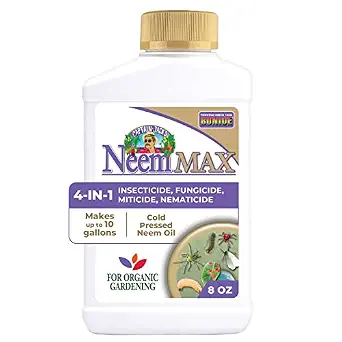 |
| Best Value The sweet spot between price and what you get | Garden Safe Insecticidal Soap Ready-to-Use Spray, 32 oz |  |
| Best Budget The cheapest option that still gets the job done reliably | Sturdon Yellow Double-Sided Sticky Fungus Gnat & Fruit Fly Traps, 48 Pack |  |
| Highest Rated A top-rated pick with lots of positive feedback | Bonide Systemic Houseplant Insect Control Granules, 3 Pack |  |
| Most Popular A crowd favorite that many people choose with confidence | Bonide Captain Jack's Ready-to-Use Neem Oil Spray, 32 oz |  |
| Best Seller A high-volume bestseller chosen again and again | Garsum Fruit Fly Sticky Traps, 36-Pack |  |
BioAdvanced 3-in-1 Insect, Disease & Mite Control Spray, 24 fl oz

| Unit Count | 24 Fluid Ounces |
|---|---|
| Item Form | Spray |
| Liquid Volume | 24 fluid ounces |
| Active Ingredients | 0.012% Imidacloprid, 0.014% Tau-fluvalinate, 0.015% Tebuconazole |
| Specification Met | EPA |
This ready-to-use BioAdvanced 3-in-1 spray combines an insecticide, miticide, and fungicide for broad protection on ornamental plants, including orchids listed among similar use sites. It is applied with a trigger sprayer to foliage and blooms, killing aphids, caterpillars, Japanese beetles and controlling spider mites on contact while the systemic components provide rainproof protection for up to 30 days. The inclusion of a fungicide helps manage common diseases such as powdery mildew and black spot, which can benefit orchids prone to fungal problems in humid conditions. Practical benefits are ease of use, multi-target control in one bottle, and coverage for dozens of plants per container. Important limitations are that the formula contains systemic insecticides so it must be used according to label directions and is not allowed for sale in several states, and specific orchid suitability is not detailed on the label so spot-testing on a few plants is prudent before wide application. Expect good short-term control but follow safety and timing guidance for flowering plants.
Best for: Home gardeners who want a single, easy-to-use product to manage common insect pests, mites, and fungal issues on ornamental plants and potted specimens while minimizing application time.
Less Ideal for: Specialist growers who require orchid-specific products or organic/chemical-free controls should consider targeted or softer alternatives tailored to sensitive species.
- Combines insect, mite, and fungal control in one ready-to-use spray for simplified treatment.
- Trigger-spray applicator makes spot and foliar application easy for container and potted plants.
- Systemic, rainproof protection that can last up to 30 days reduces reapplication frequency.
- Covers many common pests on ornamentals including aphids, caterpillars, Japanese beetles, and spider mites.
- Label does not list detailed directions specific to orchids so compatibility with sensitive species is not guaranteed.
- Not available for sale in several states which limits access depending on location.
- Contains multiple active ingredients so users must follow safety precautions and withholding periods for bloom treatments.
Verdict: A convenient all-in-one ready-to-use spray for casual orchid and ornamental growers who want combined insect, mite, and disease control with minimal fuss.
Bonide Captain Jack's Neem Max Concentrate, 8 oz

| Item Form | Concentrate |
|---|---|
| Target Species | Multi-Purpose |
| Liquid Volume | 8 fluid ounces |
| Unit Count | 8 Ounce |
Bonide Captain Jack's Neem Max is a concentrated cold-pressed neem oil designed to be mixed with water and applied as a spray or soil drench to protect vegetables and ornamentals. It combines fungicidal and insecticidal activity with miticide and nematicide action, so it targets common cucumber pests such as aphids and mites while also helping prevent fungal problems like powdery mildew. The concentrate format keeps storage space small and lets you mix only what you need for each treatment. Because it is plant-based and labeled for organic gardening, it is a good fit for gardeners who prefer less synthetic chemistry. Important limitations are that it must be diluted correctly and applied according to label directions to avoid plant damage, and results are generally best when used as part of an integrated program rather than as a one-time fix. Expect repeat applications at label intervals for disease control and careful timing to avoid spraying during heat or when pollinators are active.
Best for: Gardeners who prioritize low-toxicity, organic-compatible options and want a single product to manage both pests and fungal issues on cucumbers and other vegetables.
Less Ideal for: Those seeking an immediate knockdown chemical or a one-application cure for advanced infections should consider targeted synthetic controls instead.
- Multi-purpose action: fungicide, insecticide, miticide and nematicide in one concentrate
- Cold-pressed neem oil formulation approved for organic gardening
- Concentrate lets you mix custom volumes to treat only affected plants
- Targets multiple life stages of pests, including eggs and larvae
- Requires correct dilution and repeat applications for effective control
- Can cause phytotoxicity if applied improperly or in hot conditions
Verdict: A compact, organic-approved neem concentrate that lets cautious gardeners treat cucumber pests and powdery mildew with a single plant-based product.
Garden Safe Insecticidal Soap Ready-to-Use Spray, 32 oz

| Item Form | Spray |
|---|---|
| Target Species | Insects |
| Liquid Volume | 32 fluid ounces |
| Active Ingredients | Potassium Salts Of Fatty Acids |
Garden Safe Insecticidal Soap is a ready-to-use contact spray formulated with potassium salts of fatty acids to control aphids, mealybugs, mites, whiteflies and similar soft-bodied pests. You use it like a normal garden spray: thoroughly coat insects and all plant surfaces including undersides of leaves, ideally in calm weather and not in full sun. It is safe for use on vegetables, fruit trees, ornamentals, shrubs, flowers and in greenhouses and may be applied to edibles up to the day of harvest, which simplifies timing for vegetable growers. The spray works on direct contact so thorough coverage is essential and multiple applications may be needed for heavy infestations. The product is convenient because no mixing is required, but it can be washed off by rain and is hazardous to aquatic invertebrates so care is needed to avoid runoff into water. For routine control of common garden pests this soap is a practical, low-toxicity option when used as part of an integrated pest management approach.
Best for: Gardeners who prioritize practical, low-toxicity pest control and want a ready-made spray that can be used on edible crops without pre-harvest delays.
Less Ideal for: People needing a long-residual or systemic pesticide for heavy infestations or for pests hidden inside plant tissues should consider other control methods.
- Ready-to-use formula requires no mixing for quick spot treatments
- Labeled for use on vegetables and may be applied up to the day of harvest
- Controls a broad list of soft-bodied pests including aphids, mites and whiteflies
- Plant-safe when used as directed and usable indoors, outdoors and in greenhouses
- Only kills pests by direct contact so it has limited residual or systemic activity
- Can be washed off by rain and must be reapplied after watering or heavy rainfall
- Harmful to aquatic invertebrates so it requires careful application near water
Verdict: A convenient, low-toxicity ready-to-use soap spray that gives effective contact control of common soft-bodied garden pests and is safe to use up to harvest.
Sturdon Yellow Double-Sided Sticky Fungus Gnat & Fruit Fly Traps, 48 Pack

| Unit Count | 48 Count |
|---|---|
| Power Source | manual |
| Material Type | Plastic |
| Number of Pieces | 48 |
These Sturdon sticky traps are a straightforward, low-effort way to reduce fungus gnats and small fruit flies around indoor plants. Each bright yellow catcher uses an enhanced double-sided adhesive designed to hold active flies, and the included twig-style handle keeps your fingers away from the glue for mess-free placement. The base is shaped for easy insertion into potting soil so traps sit close to the root zone where gnats emerge. You get 48 pieces, which makes this a practical option for someone treating multiple pots or rotating traps over several weeks. Because the traps are odorless and manual they require no sprays or maintenance beyond swapping out saturated cards. Expect them to be most effective for monitoring and lowering small to moderate infestations rather than eliminating a heavy, established problem on their own. The plastic material and simple design keep costs down, but you will need to replace cards periodically as they fill or lose stickiness.
Best for: Practical plant owners who want an inexpensive, low-maintenance way to reduce gnats across several pots and prefer a chemical-free solution for indoor houseplants.
Less Ideal for: People facing severe or widespread infestations who need faster knockdown from topical treatments or biological controls.
- Large 48-pack supports multiple plants or long-term rotation
- Double-sided ultra-sticky adhesive improves capture rate for active gnats
- Non-stick twig handle enables clean, easy placement and removal
- Yellow color spectrum attracts fungus gnats and fruit flies without chemicals
- Designed for monitoring and light to moderate infestations rather than heavy infestations
- Plastic single-use cards must be replaced when full which creates recurring cost and waste
Verdict: A budget-friendly, chemical-free pack of sticky traps that lets you monitor and reduce fungus gnats across many houseplants with minimal fuss.
Bonide Systemic Houseplant Insect Control Granules, 3 Pack

| Item Form | Granules |
|---|---|
| Target Species | Insects |
| Active Ingredients | Imidacloprid |
| Unit Count | 3 Count |
This Bonide product is a systemic granular insecticide designed for containerized indoor plants and is supplied as three ready-to-use packs. You work it into the potting mix and water it in so the active ingredient, imidacloprid, is taken up by the roots and distributed through the plant; insects that feed on the plant ingest the chemical and are controlled. It targets common pests such as mealybugs, aphids, and scale and advertises up to eight weeks of protection, which reduces the need for frequent spot treatments. The low-odor granules mean no spraying and minimal mess, making it convenient for use around houseplants. Important limitations are that it is for non-edible plants only and it will not affect pests that do not feed on plant tissue, so identification of the pest is important before use. Also systemic insecticides can have broader environmental effects, so use only on the labeled indoor plants and follow all safety directions.
Best for: Buyers seeking a dependable, low-maintenance solution for persistent sap-feeding houseplant pests who prioritize long-lasting protection and minimal application fuss.
Less Ideal for: People who grow edible container crops, organic-only gardeners, or anyone needing contact control for non-feeding pests should choose a different product.
- Systemic mode of action controls sap-feeding pests through ingestion rather than surface contact
- Ready-to-use granules are low odor and avoid spraying or messy mixes
- Advertised protection lasts up to eight weeks after application
- Pack of three provides multiple treatments or coverage for several plants
- Not labeled for use on edible plants such as herbs, vegetables, or fruiting species
- Will not control pests that do not feed on plant tissue
Verdict: A convenient, low-odor systemic granule treatment that reliably controls mealybugs and other sap-feeding houseplant insects with up to eight weeks of protection.
Bonide Captain Jack's Ready-to-Use Neem Oil Spray, 32 oz

| Item Form | Liquid |
|---|---|
| Target Species | Insects |
| Liquid Volume | 32 fluid ounces |
| Active Ingredients | Clarified Hydrophobic Extract of Neem Oil |
This ready-to-use neem oil spray is a multipurpose garden treatment that kills insects at all life stages while also serving as a miticide and preventative fungicide. Packaged in a 32-ounce trigger bottle, it is applied by shaking and thoroughly spraying plant surfaces, including leaf undersides, at the first sign of pests or disease and reapplying every 7 to 14 days as needed. The active ingredient is a clarified hydrophobic extract of neem oil, which is approved for organic gardening and labeled safe to use on vegetables up to the day of harvest. Practical benefits include broad pest coverage (aphids, whiteflies, spider mites and others), disease suppression such as powdery mildew, and convenience from a ready-to-use sprayer. Important limitations are that results are slower than synthetic contact insecticides and application timing matters to avoid leaf burn in full sun; repeated applications may be needed for heavy infestations. Follow label safety directions and keep the product away from children and pets.
Best for: Gardeners who want a single, organic-approved product to manage common vegetable garden pests and fungal problems and who prefer products with strong user feedback.
Less Ideal for: Growers needing rapid knockdown of severe infestations or commercial producers who require fast-acting, high-throughput treatments.
- Kills multiple pest stages including eggs, larvae and adults for more complete control.
- Also acts as a fungicide and miticide so one product covers pests and common fungal issues.
- Ready-to-use trigger bottle requires no mixing and is easy to apply to leaves and undersides.
- Approved for organic gardening and can be used on vegetables up to day of harvest.
- Slower-acting than many synthetic contact insecticides, so it may take several applications to see control.
- Must avoid spraying in peak sunlight to reduce risk of leaf burn.
Verdict: A convenient, organic-approved all-in-one neem spray that controls common vegetable garden pests and fungal issues with minimal fuss.
Garsum Fruit Fly Sticky Traps, 36-Pack
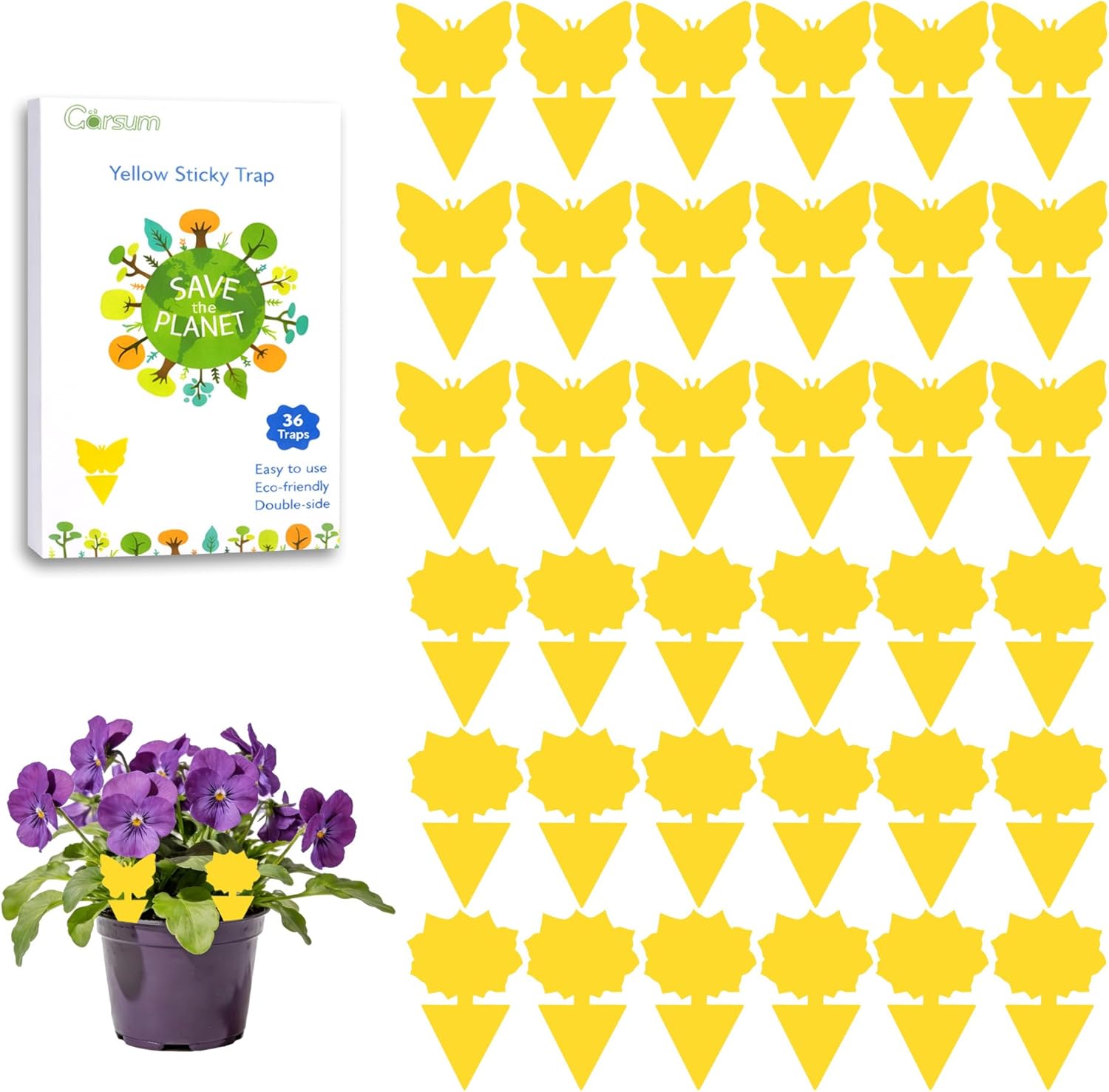
| Pack quantity | 36 pack |
|---|---|
| Adhesive coverage | Double-sided |
| Weather resistance | UV-resistant and waterproof |
| Scent | Odorless |
These Garsum sticky traps are simple adhesive strips intended to reduce flying pests around houseplants and small outdoor containers. The bright yellow tape attracts insects and a strong, double-sided adhesive holds flies, fungus gnats, whiteflies, and mosquitoes on contact. The strips are UV-resistant and waterproof so they can be used on covered patios or near windows without immediate weather damage, and a glue-free tab and small digging tool make them easy to handle and insert into soil or hang near plants. Because they are nonchemical and odorless, they work well for people who prefer low-risk, pet-safe pest control and for organic growing situations. Limitations are straightforward: they only catch insects that land on the tape so they do not eliminate larvae in soil or prevent every infestation, and used strips must be replaced regularly during heavy pest periods.
Best for: Buyers who want a low-risk, easy-to-deploy option for reducing flying pests around houseplants and potted outdoor plants without using chemicals.
Less Ideal for: Gardeners seeking a complete solution for soil-borne pests or large-scale infestations should consider complementary controls rather than relying on sticky traps alone.
- Double-sided bright yellow adhesive increases chances of trapping flying insects.
- UV-resistant and waterproof material suitable for sheltered outdoor use.
- Glue-free tab and included mini tool make setup and handling tidy.
- Nonchemical and odorless so safe to use near people and pets.
- Only captures insects that contact the tape and does not address soil-dwelling larvae or eggs.
- Disposable strips require periodic replacement during heavy infestations.
Verdict: A simple, nonchemical sticky-trap pack that reliably reduces flying pests on houseplants and potted containers.
Choosing the Right Insect Killer for Houseplants: Key Factors to Consider
Target Pest Spectrum
Different houseplant pests respond to different active ingredients and application methods. Some treatments work quickly against soft-bodied insects like aphids and whiteflies, while others are better for fungus gnat larvae in potting mix or for dry, web-forming spider mites. Knowing which pests are present helps you choose between contact sprays, systemic options, sticky traps, or soil drench treatments.
Choosing a product that targets the specific pests in your collection reduces repeated applications and lowers stress to plants. If you cannot identify the pest, opt for a broad-spectrum indoor-safe option that is labeled for the most common houseplant pests, then switch to a more targeted approach once you confirm the problem.
Plant Safety and Phytotoxicity
Indoor plants vary in sensitivity; tender new growth, variegated leaves, and thin-skinned foliage can scorch with strong sprayers or harsh chemistries. Product labels or formulation types often indicate whether a treatment is safe on sensitive species and whether it should be tested on a single leaf first. Temperature, light intensity, and recent watering also affect how a spray interacts with leaves.
To minimize damage, follow label dilution rates and avoid applying during bright midday sun or when plants are drought-stressed. For flowering houseplants, choose options that will not harm blooms or disrupt pollinator visits if plants are periodically brought outdoors.
Residue and Potting Mix Effects
Some insect control methods leave residues that persist in potting soil and can affect beneficial microbes, repotting choices, or future seedlings started in the same mix. Soil drenches and systemic products are absorbed or retained in the media; these can control root-feeding pests but may also reduce microbial activity if overused.
If you plan to propagate or grow edible herbs nearby, consider low-residue or contact solutions and use physical controls like sticky traps for adults. When using soil-active treatments, follow label guidance on replanting intervals and avoid repeated heavy applications that could alter soil life.
Application Method and Frequency
Indoor gardeners have different tolerance for repeated treatments and for the visibility or smell of an application. Sprays and aerosols often give fast visual control but may need repeat applications every few days. Systemic or soil-drench options can offer longer protection but take time to move through the plant and are less useful for immediate knockdown.
Consider how often you can realistically inspect and treat plants. For busy households or large collections, a product with longer residual control or a treatment plan that combines a fast-acting spray with periodic preventative measures can reduce labor.
Nonchemical and Integrated Options
Not all indoor pest control must rely on chemical actives. Mechanical measures such as wiping leaves, pruning infested growth, and using sticky traps for flying adults can greatly reduce pest pressure. Beneficial predators are usually not practical indoors, but cultural adjustments like improving air circulation, correcting overwatering, and repotting with fresh sterile mix can stop recurring infestations.
Choosing an insect control fits best when integrated with these practices. Think of any product as one element in a broader plan to prevent reinfestation rather than a one-time fix.
Scent, Residual Odor, and Household Safety
Indoor treatments are used where people and pets live, so odor and acute respiratory effects matter. Some formulations are essentially odorless and dissipate quickly, while others have a strong smell that lingers. Read label precautions about ventilation and keep pets and children away during and after application as directed.
If sensitivity is a concern, choose low-odor formulations or spot-treat affected plants in a well-ventilated room. Also consider the packaging and applicator type; fine-mist sprayers or ready-to-use bottles reduce the chance of spills and accidental overapplication.
When to Use Contact Sprays Versus Soil Treatments
Contact sprays work best for visible insects on leaves and stems because they kill on impact and reduce adult populations quickly. They are useful for aphids, mealybugs, and some caterpillars when you need immediate results and want to avoid changing the potting mix.
Soil treatments and drenches are more appropriate when larvae or root-feeding pests are present. Fungus gnat larvae and other soil-dwelling insects require an approach that reaches the potting mix, and drenches can reduce populations at the source. Combine both approaches for mixed infestations.
- Use contact sprays for rapid reduction of visible pests.
- Use soil drenches to target root-feeding larvae.
- Monitor after treatment to determine if follow-up applications are needed.
Managing Reinfestation Risk
Preventing reinfestation starts with inspection and quick action. Quarantine new plants for at least two weeks and inspect under leaves, in crown axils, and in the potting mix. Regularly remove dead foliage and avoid overwatering, which attracts fungus gnats and encourages many pests.
Sticky traps, targeted pruning, and adjusting humidity can keep populations low without repeated chemical use. If pest pressure is seasonal in your home, plan maintenance treatments during peak periods rather than constant dosing.
- Quarantine newcomers to the collection.
- Check undersides of leaves and soil surface weekly.
- Use cultural controls to reduce recurring outbreaks.
Safe Application Practices Indoors
Always follow label directions for indoor use, including dilution rates and ventilation recommendations. Apply in the evening or when household traffic is low to minimize exposure. Test sprays on a single inconspicuous leaf before treating the whole plant, especially on sensitive or variegated species.
Keep treatments away from food preparation areas and avoid applying near open windows where drift could reach outdoor ornamentals. Clean sprayers after use and store products out of reach of children and pets.
- Dilute and apply as directed for indoor plants.
- Test on a single leaf before full application.
- Ventilate the room and keep pets out until safe.
Combining Mechanical and Chemical Controls
Mechanical removal reduces pest load and lets treatments work more efficiently. Wiping leaves, using a soft brush to remove mealybugs, or rinsing plants under a sink can remove large numbers of pests so chemical treatments need to do less heavy lifting.
Follow mechanical control with a targeted product when necessary. This two-step approach often lowers the number of repeat treatments and reduces the chance of phytotoxicity from overapplication.
- Wipe or rinse to remove visible pests before using sprays.
- Use sticky traps to catch flying adults after treatment.
- Repeat inspections to confirm eradication.
Adjusting Treatment for Sensitive Indoor Environments
If you live with children, pets, or in a small apartment, prioritize low-odor and low-residue options, and isolate treated plants outdoors or in a ventilated room when possible. Choose spot treatments rather than whole-room aerosols when dealing with a few affected plants.
For plants kept in terrariums or enclosed displays, remove the plant from the enclosure or choose a method specifically labeled safe for enclosed spaces. Enclosed environments can trap condensation and increase phytotoxicity risk, so use gentler applications there.
- Prefer low-odor, low-residue formulations for occupied homes.
- Avoid whole-room aerosols when single plants are affected.
- Treat enclosed displays with extra caution or remove plants for treatment.
How We Chose the Best Insect Killer for Houseplants
We shortlisted seven insect control options that suit indoor plants by focusing on measurable, gardener-relevant dimensions. Our selection criteria emphasized efficacy against common houseplant pests such as aphids, mealybugs, spider mites, and fungus gnats, plus how quickly a product reduces visible pest activity. Plant safety in foliage, blooms, and potting mix was a second key filter, with attention to formulations that minimize leaf burn and root stress. Application versatility was considered to ensure treatments work on potted plants, hanging baskets, and small tabletop arrangements without complex setup. We also weighed residual activity and soil persistence to avoid options that leave long-lasting residues in potting media. Ease of use and frequency of application were included so gardeners can match treatments to their routine. Finally, we excluded outdoor-only or heavy-duty agricultural formulations that are not intended for indoor ornamental plants. The result is a list of indoor-appropriate, practical insect control choices aligned with the scoring criteria below.
FAQ
How do I tell if pests are in the soil or on the leaves?
Check the surface of the potting mix for tiny moving larvae or adult flies and inspect the undersides of leaves for eggs, webbing, or sticky residue. Fungus gnat larvae live in the soil and are visible as small, white, wormlike forms, while aphids, mealybugs, and spider mites are usually on foliage.
Are systemic treatments safe for all houseplants?
Systemic options can be effective but are not ideal for every species. Some sensitive or slow-growing houseplants may react poorly, and systemic residues remain in the potting mix. Follow label guidance and test on a single plant when possible.
How often should I reapply an indoor insect treatment?
Reapplication frequency depends on the product and pest. Fast-acting contact sprays may need repeat treatments every few days for complete control, while soil drenches and systemics can provide longer intervals. Check the product label and monitor plants to time follow-ups.
Can I use outdoor insect products on houseplants?
Many outdoor formulations are too strong for indoor ornamentals and may cause leaf burn or leave harmful residues. Use products labeled for indoor houseplant use and avoid heavy-duty outdoor-only options.
What nonchemical steps help reduce indoor pest problems?
Cultural controls like reducing overwatering, improving air circulation, quarantining new plants, and physically removing pests help prevent and reduce infestations. Sticky traps and fresh sterile potting mix also limit recurring problems without chemicals.
Will repotting solve a pest problem?
Repotting can help if the infestation is concentrated in the potting mix, such as with fungus gnats or root-feeding larvae. Remove as much infested soil as possible and use fresh sterile mix. Repotting alone may not address pests on foliage, so combine with foliage treatments if needed.
Final Verdict
Choose an insect control approach that matches the pest you are treating, the sensitivity of your plants, and how frequently you can check and reapply. Fast contact sprays provide immediate relief for visible pests, while soil drenches and systemics help with root-feeding insects and offer longer protection. Balance efficacy with plant safety and household considerations such as odor and residue to reduce repeat treatments. Prioritize integrated practices like quarantine, improved watering habits, and mechanical removal alongside any product you use. That combined approach gives the best chance of ending an infestation while keeping your houseplants healthy.
