

Note: This article contains affiliate links. If you click on these links and make a purchase, I may earn a small commission at no extra cost to you. This helps support my research and content. Read my full affiliate disclosure here.
When you are pregnant, protecting yourself from insect bites is important for comfort and for reducing exposure to insect‑borne illness. You want a repellent that actually keeps bugs away while minimizing chemical load, skin irritation, and inhalation risk. This guide presents seven carefully shortlisted insect repellents for pregnancy that meet common safety and effectiveness needs. We evaluated gentle active ingredients, formulation types, and application practicality so you can choose a product suited to your routine-whether you are out for a walk, gardening, or traveling to warmer climates. Read on for the criteria we used and practical notes to help you pick the right option for your trimester and lifestyle.
Top Picks at a Glance
| Best Overall The best all-around choice for most situations | YAYA Organics Baby Bug Ban Natural Mosquito Repellent Spray, 4 oz |  |
| Best Quality Built to a higher standard if you want something more solid | EarthKind Stay Away Mosquitoes Picaridin Spray, 4 oz, 2-Pack | 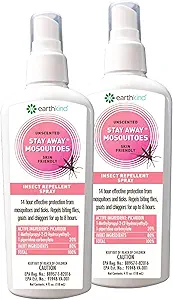 |
| Best Value The sweet spot between price and what you get | Boogie Insect Repellent Lotion — 6 fl oz |  |
| Best Budget The cheapest option that still gets the job done reliably | OFF! Clean Feel Picaridin Insect & Mosquito Repellent Spray, 2.5 oz |  |
| Highest Rated A top-rated pick with lots of positive feedback | Proven Insect Repellent Lotion, 20% Picaridin, Odorless, 6 fl oz |  |
| Most Popular A crowd favorite that many people choose with confidence | OFF! Adults & Kids Insect & Mosquito Repellent Lotion (3.8 oz) |  |
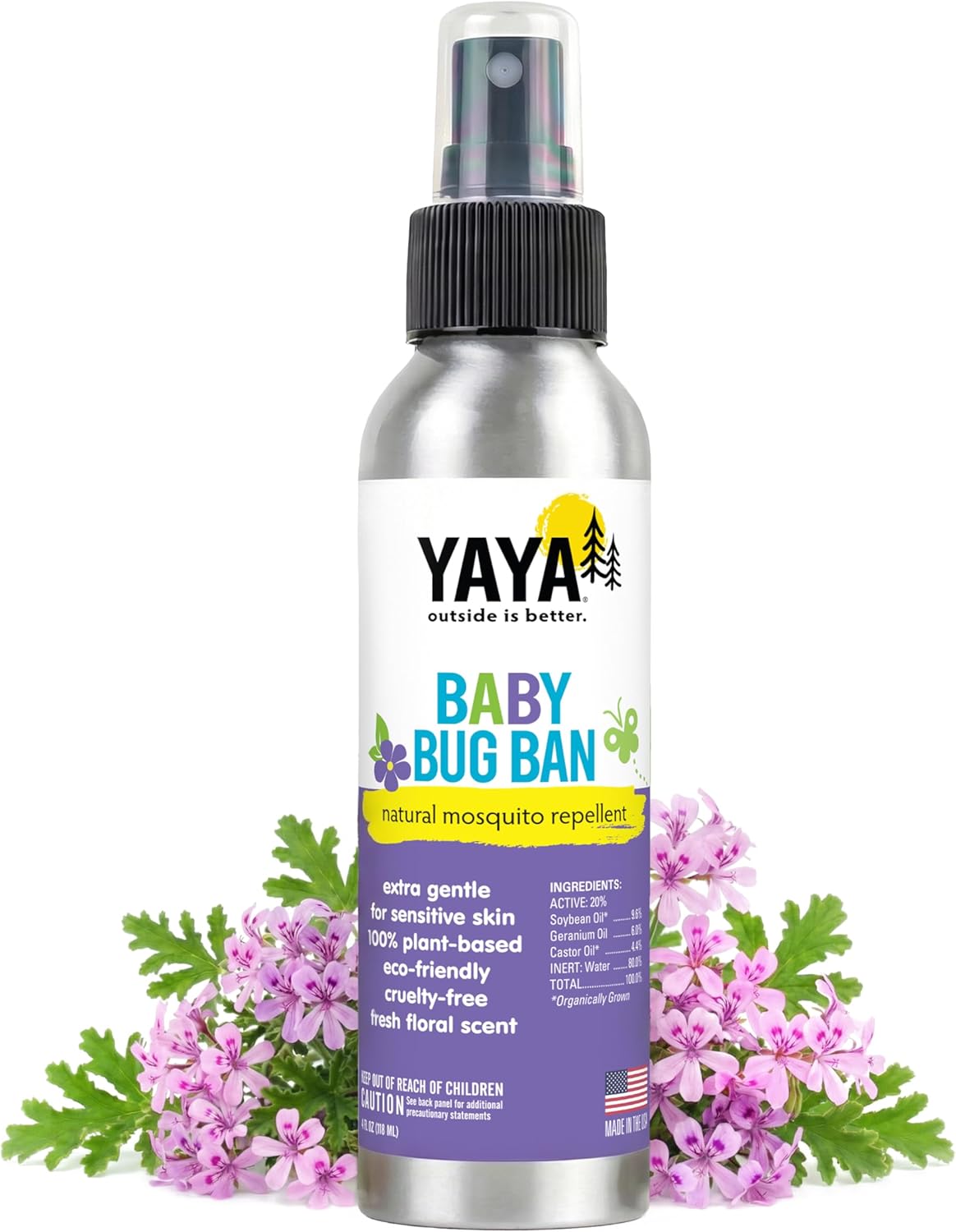
YAYA Organics Baby Bug Ban Natural Mosquito Repellent Spray, 4 oz
| Volume | 4 oz |
|---|---|
| Suitable for | Babies 6+ months, toddlers, sensitive skin |
| Ingredients | Water, organic soybean oil, organic castor oil, geranium oil |
| Made in | USA |
YAYA Organics Baby Bug Ban is a lightweight, plant-powered mosquito repellent made for infants and sensitive skin. The 4 oz spray uses essential oils such as rose geranium in a water and organic oil base to produce an ultra-fine, non-greasy mist that can be applied directly to skin, clothing, strollers, and gear. In practice it is convenient for short outdoor outings like backyard play, park visits, or quick hikes because it is formulated for babies 6 months and older and marketed as gentle enough for pregnant or nursing caregivers. Notable features include its DEET-free formula, recyclable aluminum packaging, and claims of lab testing against mosquitoes. Expect pleasant scent and easy application, but like most natural oil-based repellents it will require more frequent reapplication than long-lasting chemical options and may be less effective in heavy mosquito pressure. For parents who prioritize gentle, plant-based protection this spray balances kid-friendly ingredients with practical portability, though those needing multi-hour protection in high-risk areas should consider stronger alternatives.
Best for: Parents and caregivers who want a gentle, plant-based mosquito repellent for routine outdoor outings with infants and young children and prioritize ingredient safety and portability.
Less Ideal for: People who need long-lasting, high-strength protection for extended time in heavy mosquito or high-risk areas should choose a stronger, longer-lasting repellent option.
- Formulated specifically for babies and sensitive skin with plant-based ingredients
- DEET-free, alcohol-free formula that is vegan and cruelty-free
- Light, non-greasy mist suitable for skin, clothing, and baby gear
- Recyclable aluminum packaging that is portable for outings
- Likely requires more frequent reapplication than DEET or picaridin-based repellents
- Effectiveness can be reduced in areas with heavy mosquito populations
Verdict: Choose this spray if you want a portable, DEET-free plant-based repellent designed specifically for babies and sensitive skin.
EarthKind Stay Away Mosquitoes Picaridin Spray, 4 oz, 2-Pack

| Active ingredient | Picaridin |
|---|---|
| Protection claim | Up to 14 hours (mosquitoes and ticks), up to 8 hours (flies, gnats, chiggers) |
| Formulation | Unscented, non-sticky, water-resistant spray |
| Package count | 2 bottles |
This EarthKind Stay Away spray uses picaridin as its active ingredient and is presented in a convenient 4 oz travel-size bottle sold as a two-pack. It is intended for direct skin application and advertises up to 14 hours protection from mosquitoes and ticks and up to 8 hours against biting flies, gnats, and chiggers. The formula is unscented to humans, non-flammable, water-resistant, and described as non-sticky so it is comfortable for extended wear and suitable for sensitive skin. Picaridin is widely recognized as an effective alternative to DEET and is considered safe when used according to directions, which makes this product attractive for people seeking high-performance, low-odor protection. Practical limits are that individual protection time will vary with activity level, sweating, and water exposure, and you must follow labeling for application during pregnancy and on children. The pack size is useful for keeping a bottle in a purse and another in a car or diaper bag, but if you prefer a single larger container you may want a different format.
Best for: Buyers who prioritize reliable, long-lasting insect protection with a low-odor, skin-friendly formula and want a convenient travel-size option for daily outdoor use, including expectant parents following label directions.
Less Ideal for: Users who prefer a single large refill bottle or those seeking repellents that combine sunscreen or other multi-use functions should consider alternate products.
- Picaridin active ingredient offers high efficacy against mosquitoes, ticks, gnats, and chiggers
- Unscented to humans while producing an odor offensive to insects
- Non-sticky, water-resistant formula suitable for outdoor activities
- Travel-friendly 4 oz bottles sold as a two-pack for convenient spares
- Stated protection durations are conditional and will shorten with sweating, swimming, or heavy activity
- Smaller 4 oz bottles may be less economical for heavy users who prefer larger containers
Verdict: A high-performance, low-odor picaridin spray that offers long-lasting bite protection in convenient travel-size bottles, suitable for pregnancy when used as directed.
Boogie Insect Repellent Lotion — 6 fl oz

| Active ingredient | Picaridin 20% |
|---|---|
| Application format | Lotion |
| Protection duration | Up to 14 hours (mosquitoes and ticks) |
| Fragrance | Fragrance-free |
This lotion-format repellent uses 20% picaridin, a CDC-recommended DEET alternative, to provide long-lasting protection in a skin-friendly form. You apply it like a moisturizer for targeted coverage on exposed skin, which makes it easy to use on faces and children when you need controlled application rather than an all-over spray. The formula is odorless and non-greasy, so it absorbs without a sticky residue and can double as light skin moisturization during outdoor play, sports, or camping. The manufacturer states up to 14 hours protection against mosquitoes and ticks and shorter protection windows for flies and gnats, which aligns with picaridin performance in practice. Important practical limitations are that lotion takes a few extra seconds to rub in compared with sprays and cannot be misted over clothing or gear, and users should follow label directions for infants and sunscreen layering. For someone looking for reliable, long-duration insect protection in a gentle, easy-to-apply form, this product is a solid option.
Best for: Buyers who prioritize dependable, long-lasting skin-safe insect protection for family outdoor activities and prefer a lotion they can apply precisely rather than a spray.
Less Ideal for: If you need rapid whole-body coverage or want to treat clothing and gear, a spray or aerosol product would be a better choice.
- Uses 20% picaridin, an effective DEET alternative recommended by health authorities
- Fragrance-free, non-greasy lotion that absorbs and allows precise application to skin and face
- Manufacturer-stated protection up to 14 hours against mosquitoes and ticks
- Gentle formula marketed for family use including young children following label instructions
- Lotion cannot be sprayed over clothing or large areas as quickly as aerosol or pump sprays
- Protection durations vary by insect type and conditions and may be shorter for flies and gnats
Verdict: Choose this lotion when you want reliable, long-lasting insect protection in a gentle, non-greasy formula that is easy to apply to skin and faces.
OFF! Clean Feel Picaridin Insect & Mosquito Repellent Spray, 2.5 oz

| Active ingredient | Picaridin 20% |
|---|---|
| Form | Aerosol spray |
| Protection duration | Up to 8 hours (when used as directed) |
| Fragrance | Fragrance-free |
This OFF! Clean Feel spray uses a 20% picaridin formula in an easy aerosol for fast, non-greasy application when you need reliable bite protection. It is designed to dry quickly without a sticky residue and will not stain clothing, so it is convenient for active outdoor use like hiking, picnics, and backyard time. The manufacturer states up to eight hours of protection when used as directed, and the continuous-spray aerosol makes covering exposed skin simple with a sweeping motion. Practical safety directions are printed on the label, including guidance for applying to children, avoiding the face, and limiting reapplication to maintain safe use. Limitations to note are that it is a pressurized, flammable aerosol that must be kept away from heat and flames, and the label cautions it can cause eye injury if contacted. For everyday outdoor protection this product balances long-lasting pest control with a light, fragrance-free feel, but users should follow the safety instructions and avoid over-application.
Best for: Buyers who want dependable, low‑maintenance mosquito protection for everyday outdoor activities and prioritize a non-greasy, fragrance-free formula that lasts through extended outings.
Less Ideal for: People seeking a non-aerosol format, highly scent-conscious users who prefer fragranced repellents, or households that cannot safely store pressurized cans.
- 20% picaridin formula offers long-lasting protection against mosquitoes, ticks, and biting flies
- Fragrance-free and dries quickly without sticky residue or clothing stains
- Aerosol continuous-spray format makes fast, even coverage over exposed skin
- Clear safety and usage directions for applying to adults and children
- Pressurized aerosol is flammable and requires careful storage and handling
- Can cause significant eye irritation if sprayed or splashed into eyes
Verdict: A practical, fragrance-free picaridin spray that delivers long-lasting, non-greasy mosquito and tick protection for everyday outdoor use.
Proven Insect Repellent Lotion, 20% Picaridin, Odorless, 6 fl oz

| Active ingredient | Picaridin 20% |
|---|---|
| Format | Lotion |
| Protection time | Up to 14 hours (mosquitoes and ticks) |
| Family safe | Approved for children 2+ months per label |
Proven Insect Repellent Lotion is a 20% picaridin, DEET-free lotion designed for extended outdoor protection. Applied as a thin layer to exposed skin, it repels mosquitoes and ticks for up to 14 hours and provides shorter protection against flies and no-see-ums. The lotion format spreads evenly and absorbs without leaving a greasy or sticky residue, which makes it comfortable for day-long wear during activities like hiking, camping, and yard work. It is offered in an odorless formula and is labeled safe for family use when directions are followed, including children over two months. Notable features include a high picaridin concentration recognized by health authorities and clear application guidance to avoid sensitive areas. Limitations are that it requires reapplication per label instructions in high-exposure or water-contact scenarios and that some users may prefer a spray for fast full-body coverage. For buyers prioritizing dependable, long-duration protection without DEET, this lotion is a practical option.
Best for: Buyers who want a reliable, long-lasting DEET-free repellent for day-long outdoor activities and who prioritize family-safe, low-odor protection.
Less Ideal for: People who need very fast full-body coverage or prefer aerosol sprays for applying repellent to clothing and large areas should consider a spray format instead.
- Contains 20% picaridin, a CDC-recognized DEET alternative for broad-spectrum insect protection
- Provides up to 14 hours of protection against mosquitoes and ticks from a single application
- Lotion formula absorbs without a greasy or sticky feel for comfortable long-term wear
- Available in an odorless option suitable for scent-sensitive users and family use
- Lotion application is slower than a spray for covering large areas quickly
- Protection duration may be reduced with heavy sweating, water exposure, or in very high insect pressure
Verdict: Choose this picaridin lotion if you want dependable, long-duration DEET-free protection that is comfortable for family use and low on scent.
OFF! Adults & Kids Insect & Mosquito Repellent Lotion (3.8 oz)

| Active ingredient | Picaridin 10% |
|---|---|
| Formulation | Lotion |
| Suitable age | Children 6 months and up (when used as directed) |
This OFF! lotion uses 10% picaridin in a lightweight, unscented base to protect infants (from 6 months) and adults from mosquitoes during outdoor time. It applies like a moisturizer so it spreads evenly, does not feel greasy or sticky, and is easy to rub into small hands and exposed skin without leaving residue. The label gives clear age-specific directions and limits on reapplication, which helps caregivers use it safely on young children. Because it is a lotion rather than a spray, it is a good option for targeted application and for kids who dislike aerosols. Practical limits are that protection duration is not specified on the front label here and you must follow the reapplication limits for different ages, so close monitoring is needed during long outings. Also, lotions require hands-on application by an adult, which can be slower than a spray for large groups or quick reapplications.
Best for: Parents and caregivers who prioritize a non-spray, skin-friendly repellent for infants and young children and who prefer precise, lotion-based application.
Less Ideal for: People who need quick, whole-body coverage for groups or who want the convenience of a continuous spray for frequent reapplication outdoors.
- Contains 10% picaridin, an effective mosquito repellent ingredient
- Lotion formula is non-greasy and spreads smoothly for even coverage
- Fragrance-free and formulated for use on children 6 months and older when used as directed
- Requires hands-on application so it is slower to apply than aerosol or spray formats
- Label limits reapplication frequency for young children which can require planning on long outings
Verdict: Choose this lotion if you want a fragrance-free, non-greasy picaridin repellent designed for careful, hands-on protection of infants and young children.
Choosing the Right Insect Repellent for Pregnancy: Key Factors to Consider
Active Ingredient and Concentration
The active ingredient and its concentration determine how effectively a repellent keeps biting insects away and how appropriate it is during pregnancy. Ingredients with a long history of study and clear labeling allow you and your healthcare provider to assess safety. Lower concentrations of well‑studied actives tend to reduce chemical exposure while still offering meaningful protection when reapplied as directed.
Consider whether the product lists the exact concentration and whether that active ingredient has pregnancy guidance from health authorities. Clear labeling and simple ingredient lists make it easier to avoid unnecessary additives that can increase irritation risk.
Formulation Type and Delivery Method
Sprays, lotions, roll‑ons, creams, and wipes behave differently around the face, lungs, and clothes. Sprays can disperse fine droplets and are convenient for large areas, but they increase the chance of inhalation and contamination of clothing or nearby surfaces. Lotions and roll‑ons provide more controlled application and usually reduce airborne exposure.
Choose a delivery method that fits your daily routine and reduces unwanted exposure routes. For example, a lotion may be better for targeted application on arms and legs, while a wipe can be useful for short outdoor tasks. Think about ease of reapplication, how quickly the product absorbs, and whether it can be used near the face without risk.
Skin Sensitivity and Fragrance Load
Pregnancy can change skin sensitivity and reactivity. Products with heavy fragrances, multiple botanical extracts, or alcohol can cause stinging, dryness, or dermatitis. Look for formulations labeled for sensitive skin, hypoallergenic claims backed by simple ingredient lists, and minimal added fragrances.
Patch testing a small area before full use is a good precaution. Also consider whether the repellent layers well under or over other skincare you use, like stretch mark creams or sunscreen, without increasing irritation.
Protection Duration and Reapplication Needs
How long a repellent protects you affects how often you need to reapply and how much total exposure you get to active ingredients. Longer duration can be convenient for outings but sometimes comes with higher concentrations. Shorter duration products that are gentler may be better for frequent, short exposures such as errands or gardening.
Balance protection time against exposure: if you expect brief windows outside, a low‑concentration formula you reapply often may be preferable to a longer‑lasting, stronger product.
Use Around the Face and on Clothing
Applying repellent near the face requires extra care during pregnancy to avoid inhalation and eye contact. Many guidelines recommend applying repellent to hands first and then to the face, or using products specifically formulated to be safe near the face.
Clothing application can extend protection without increasing skin exposure. Some repellents are designed for fabric treatment or are safe to apply to clothing; others may stain or transfer. Think about what surfaces you will be near and whether treating clothing is a safer alternative to broad skin application.
Compatibility with Other Pregnancy Products
You may already be using creams, sunscreens, or medical ointments during pregnancy. Some repellents can interact with or reduce the effectiveness of topical pregnancy skincare, or they can increase skin absorption of other actives. Consider how the repellent layers with your existing routine and whether it can be applied to the same areas.
Choosing formulas that absorb quickly and are labeled as compatible with common skincare avoids unnecessary mixing of multiple topical agents. When in doubt, apply products at different times of day or different body areas to minimize interaction.
How Repellents Protect Against Different Biting Insects
Not all insect repellents perform the same against mosquitoes, ticks, black flies, and biting midges. Active ingredients vary in how attractive they are to different insect species and how long protection lasts. For pregnancy, understanding which insects are a realistic local risk can guide the level of repellency you need.
- Mosquitoes commonly transmit viruses in some regions; repellents that provide multi‑hour protection are useful for evening or travel exposures.
- Ticks require different tactics since repellency on skin is only part of prevention; clothing treatment and thorough body checks remain important.
- For short outdoor tasks, a gentle repellent with frequent reapplication may be more practical than a long‑lasting chemical heavier formulation.
Using Repellents Safely While Pregnant
Apply repellent to exposed skin only and avoid application to broken or irritated areas. When applying near the face, dispense product onto your hands first and then rub onto the face, keeping it away from eyes and mouth. Avoid spraying products directly near bystanders, sleeping infants, or over open food.
- Wash hands after applying to avoid transferring product to the eyes or to children.
- Do not combine repellent and sunscreen in one step unless the product is formulated and labeled for both uses; layering separately can control exposure.
- Ventilate well when applying sprays and avoid inhaling aerosol mists.
Non‑topical Strategies to Reduce Bites
In addition to topical repellents, environmental and clothing measures reduce reliance on chemical exposure. Long sleeves and pants, fine‑mesh screens, and bed nets reduce contact with biting insects. Choosing high‑coverage clothing treated for insects or using physical barriers can be especially useful in high‑risk areas where minimizing skin application is desired.
- Wear loose, breathable fabrics that cover the skin in early morning and evening when mosquitoes are most active.
- Use standing‑water control around the yard to reduce mosquito breeding sites.
- Consider timing outdoor activities to avoid peak insect hours when feasible.
Travel and Special Situations During Pregnancy
If you plan to travel to areas with higher insect‑borne disease risk, talk with your healthcare provider about the appropriate level of protection. Travel scenarios may call for different tradeoffs between repellency duration and ingredient choice. Also consider how often you will need to reapply and whether you have access to laundry to remove treated clothing.
- For extended outdoor work or travel, choose a repellent with a documented protection interval that matches your schedule and reapplication plan.
- Keep a small, controlled method of application on hand, like a lotion or wipe, for use in confined spaces such as public transport or crowded areas.
How We Chose the Best Insect Repellent for Pregnancy
We selected products that balance proven bite protection with the safety concerns specific to pregnancy. Primary evaluation criteria included the nature and concentration of active ingredients, documented efficacy against common biting insects, and the formulation type for minimizing skin irritation and inhalation exposure. We also weighed ease of application, longevity of protection per application, and compatibility with pregnancy‑safe skincare routines. We excluded any repellent with unclear ingredient labeling, unverified efficacy claims, or formulations known to cause frequent allergic reactions. We did not include products that rely solely on fragrances or essential oils without supporting evidence of repellency. Our shortlist focuses on options that are realistic for daily use during pregnancy: topical formulas with conservative active ingredient levels, user‑friendly application methods, and options suitable for sensitive skin. The resulting picks reflect a balance of laboratory efficacy data, ingredient transparency, and practical use considerations that matter in a real garden, park, or travel setting.
FAQ
Are any insect repellents completely safe during pregnancy?
No repellent is universally risk free, but many products use active ingredients with established safety profiles when used as directed. Choosing formulas with transparent ingredient lists, lower concentrations, and controlled application methods reduces risk. Consult your healthcare provider for personalized advice.
Can I use repellents on my baby or small children while pregnant?
Applying repellent to an infant or young child is a separate decision. Many pregnancy guidelines advise limiting direct exposure for young children and using clothing barriers instead. If repellent is needed on a child, follow product age recommendations and apply to your own hands first, avoiding hands that will touch the child's face.
Is it better to use natural or essential oil repellents during pregnancy?
Natural or essential oil products are not automatically safer. Some botanical oils can cause allergic reactions or have insufficient evidence of effectiveness. If you choose a plant‑based option, pick one with evidence for repellency, minimal added fragrances, and conservative dosing, and discuss it with your healthcare provider.
How often should I reapply repellent while pregnant?
Reapplication depends on the product's labeled duration and your exposure level. Many gentle formulations require reapplication every few hours, while others offer longer protection. Follow the manufacturer's directions and consider shorter intervals for heavy sweating or water exposure.
Can I use repellent and sunscreen together during pregnancy?
You can use both, but avoid using a combined product unless it is specifically formulated for both uses. Apply sunscreen first, allow it to absorb, and then apply repellent. Layering separates exposure and helps preserve the effectiveness of each product.
What should I do if a repellent causes a skin reaction?
Stop using the product immediately and wash the area with mild soap and water. If irritation persists or if you develop significant redness, swelling, or blisters, contact your healthcare provider. Patch testing a small area before widespread use helps identify sensitivity early.
Final Verdict
Prioritize clear labeling, conservative active ingredient choices, and application methods that minimize inhalation and unnecessary skin exposure when choosing an insect repellent for pregnancy. Weigh protection duration against how often you are willing to reapply and consider non‑topical measures like clothing and screens to reduce chemical use. Your final choice should reflect where and when you expect exposure, your skin sensitivity, and any medical guidance you have received. Using a targeted, low‑irritation formula combined with physical barriers gives effective protection while keeping exposure cautious and manageable.
