

Note: This article contains affiliate links. If you click on these links and make a purchase, I may earn a small commission at no extra cost to you. This helps support my research and content. Read my full affiliate disclosure here.
Wet leaves behave very differently from dry ones: they mat, stick, and quickly clog simple chippers. Choosing the right leaf mulcher for wet leaves matters because a machine that handles damp material will save time, lower jams, and produce usable mulch for beds or compost. This guide covers the top shortlisted options for wet-leaf cleanup and explains the features that make them better suited to damp autumn and winter conditions. We evaluated machines for shredding power, feeding design, and clog resistance to help you pick a unit that keeps your yard moving during sloppy, leafy seasons. Below you will find clear evaluation criteria and practical advice to match a mulcher to your garden size and cleanup routine.
Top Picks at a Glance
| Best Overall The best all-around choice for most situations | DEKOPRO Electric Leaf Mulcher/Shredder with 15-Amp 8200 RPM Motor |  |
| Best Quality Built to a higher standard if you want something more solid | SOYUS Electric Bladeless Leaf Mulcher & Shredder, 15A 8400 RPM |  |
| Best Value The sweet spot between price and what you get | Sun Joe SDJ616 Corded Electric Leaf Mulcher/Shredder |  |
| Best Budget The cheapest option that still gets the job done reliably | PULITUO 3-in-1 Corded Leaf Blower, Vacuum and Mulcher (ACBV900) |  |
| Highest Rated A top-rated pick with lots of positive feedback | MZK 2-in-1 Corded Electric Leaf Blower Vacuum Mulcher |  |
| Most Popular A crowd favorite that many people choose with confidence | WORX Trivac WG509 3‑in‑1 Corded Leaf Blower/Vacuum/Mulcher |  |
| Best Seller A high-volume bestseller chosen again and again | WORX WG430 13 Amp Electric Leaf Mulcher |  |
DEKOPRO Electric Leaf Mulcher/Shredder with 15-Amp 8200 RPM Motor

| Power Source | ac |
|---|---|
| Speed | 8200 rpm |
| Cutting width | 15 inches |
The DEKOPRO electric leaf mulcher is a corded, high-speed machine designed to turn piles of leaves and light yard debris into much smaller mulch quickly. It runs on a 15-amp motor that spins at 8,200 rpm and uses a bladeless nylon cutting-line system, so replacements are simple and maintenance does not require tools. A three-mode adjustable control dial lets you pick a setting for dry leaves, wet leaves, or finer mulching, and the manufacturer rates its reduction at about 17:1 which makes bags and composting easier. It includes a collection bag and comes with extra cutting lines and a handheld scoop for feeding material. Practical benefits are faster cleanup, less bag volume to carry away, and gentler handling of leaves compared with metal-blade chippers. Important limitations are that it is meant for leaves, pine needles, and similar soft yard waste only and should not be used on resilient wood, large branches, or roots. It also requires a power outlet and occasional line replacement during heavy use.
Best for: Homeowners who want a fast, low-maintenance way to reduce raked leaves and light yard debris into manageable mulch for composting or disposal and who have ready access to outdoor power.
Less Ideal for: People who need to process thick branches, heavy green waste, or large amounts of woody material should choose a heavy-duty chipper instead.
- High-speed 15-amp motor (8,200 rpm) for rapid mulching
- Bladeless nylon cutting line that is easy to replace without tools
- Adjustable three-mode control dial for different debris and mulch fineness
- 17:1 reduction ratio significantly reduces leaf volume for easier disposal
- Includes collection bag, extra cutting lines, and a handheld scoop for feeding
- Not suitable for woody branches, roots, or resilient garden waste
- Requires an electrical outlet which limits use away from power sources
Verdict: A fast, easy-to-maintain electric mulcher that quickly reduces leaves into usable mulch for balanced homeowners who want efficient yard cleanup.
SOYUS Electric Bladeless Leaf Mulcher & Shredder, 15A 8400 RPM

| Motor | 15 Amp, 8400 RPM |
|---|---|
| Reduction ratio | 18:1 |
| Throughput | Up to 55 gallons per minute |
| Control | 5-level adjustable dial |
The SOYUS bladeless leaf mulcher is built for fast backyard cleanup: a 15 amp motor spinning at 8400 RPM feeds leaves into a nylon cutting-line system that shreds material down with an advertised 18:1 reduction. You use the front hopper to feed wet or dry leaves and select one of five control-dial settings to match cutting aggressiveness to material. The design omits metal blades in favor of replaceable line, which simplifies maintenance and reduces the risk of large kickbacks while still producing a fine mulch suitable for composting or smaller collection bags. Practical benefits include high throughput of up to 55 gallons per minute and a compact, wheeled frame that is easy to move around the yard. Limitations are the reliance on cutting line that must be replaced over time and the lighter construction that favors routine yard debris rather than heavy branches or woody brush. For someone focused on quick, high-volume leaf shredding this machine delivers strong performance, but it is not a substitute for a heavy-duty chipper if you need to handle thick limbs.
Best for: Buyers who prioritize fast, high-volume leaf processing for routine yard cleanup and want a low-maintenance, maneuverable electric mulcher.
Less Ideal for: Those who need a machine for frequent heavy-duty chipping of branches or for commercial landscape work should choose a more robust chipper-shredder.
- Powerful 15A, 8400 RPM motor supports fast mulching throughput
- Bladeless nylon cutting-line system reduces maintenance complexity and kickback risk
- Five-level control dial lets you adjust processing for wet or dry leaves
- High 18:1 reduction ratio shrinks yard waste volume for easier disposal or composting
- Lightweight wheeled design improves mobility around the yard
- Not intended for heavy woody branches or thick brush
- Cutting line requires periodic replacement and is a consumable expense
Verdict: If you want a fast, high-throughput electric mulcher that turns large volumes of leaves into fine mulch with minimal fuss, this SOYUS bladeless model is a strong pick.
Sun Joe SDJ616 Corded Electric Leaf Mulcher/Shredder

| Power Source | Corded Electric |
|---|---|
| Speed | 8000 rpm |
| Additional Features | Mulcher |
| Noise Level | 110 db |
The Sun Joe SDJ616 is a compact corded leaf mulcher that turns piles of leaves and light yard waste into fine mulch using a 13-amp motor spinning at 8,000 RPM. You feed leaves into the hopper and the unit shreds material at a claimed rate of up to 55 gallons per minute, reducing volume significantly for bagging or composting. An adjustable control dial lets you change the processing for wet or dry material, and the design mates to a bag-lined trash container for straightforward collection. It is relatively lightweight and portable for moving around a small to medium yard and includes a dust-reducing cooling approach that helps keep operation cleaner. Noise is high compared with quieter electric tools, and because it is corded you are limited by reach or must use an extension. The machine handles leaves and small twigs well but is not intended for heavy brush or thick branches. For routine seasonal cleanup and compost preparation it delivers fast, space-saving results with minimal fuss.
Best for: Buyers who prioritize practical, efficient yard cleanup and want a tool that quickly converts leaves into usable mulch or smaller-volume waste for disposal. Ideal for homeowners with small to medium lawns who value straightforward setup and fast results.
Less Ideal for: Not a good choice for properties with lots of thick branches or heavy brush or for buyers who need a cordless solution for large, remote lawns.
- Powerful 13-amp motor with 8,000 RPM that reduces yard waste volume substantially
- Adjustable control dial for processing wet or dry material
- Attaches to a bag-lined container for tidy, direct collection
- Compact and portable design that is easy to move around the yard
- Corded power limits reach unless you use an outdoor extension cord
- Noisy operation compared with quieter electric garden tools
- Not suitable for heavy brush or large branches
Verdict: Choose the Sun Joe SDJ616 if you want a straightforward, high‑speed corded mulcher that quickly converts leaves into compact mulch for easy disposal or composting.
PULITUO 3-in-1 Corded Leaf Blower, Vacuum and Mulcher (ACBV900)

| Power Source | ac |
|---|---|
| Air Flow Capacity | 530 cfm |
| Maximum Speed | 14000 rpm |
| Wattage | 900 watts |
| Included Components | Collection Bag, Vacuum Tube, User Manual |
The PULITUO ACBV900 combines a blower, vacuum, and mulcher into one corded handheld unit aimed at basic yard cleanup. It delivers up to 530 CFM and roughly 170 MPH airspeed with two-speed control, so you can sweep light debris on low or tackle heavier leaf piles on high. The vacuum mode shreds leaves at an advertised 15:1 mulch ratio into a 45 L reusable bag, reducing trips to the compost or curb. The unit is powered by a 900 W motor rated to 14,000 rpm and includes a shoulder strap, goggles, and earplugs to make longer sessions easier. Practical benefits are simple operation, fewer bags to manage after mulching, and consistent corded power without battery cost or downtime. Expect the usual corded limitations though: mobility is restricted by cord length and there is no battery portability. The blower is compact and lightweight for short jobs, but users with very large properties or who need cordless convenience may prefer a backpack or battery model instead.
Best for: A practical buyer who wants an affordable, all-in-one electric tool for routine leaf and light debris cleanup on small to medium yards and prefers low operating cost over cordless convenience.
Less Ideal for: Not the best choice for large properties where long extension cords are impractical or for users who need cordless portability and longer run times.
- Three functions in one unit: blower, vacuum, and mulcher for versatile yard use
- High airflow (530 CFM) and two-speed control for light and heavier debris
- Large 45 L reusable collection bag reduces emptying frequency
- Includes shoulder strap and basic protective accessories for more comfortable use
- Corded 900 W motor provides continuous power without batteries
- Corded design limits mobility compared with battery models
- Mulching ratio and performance can vary with wet or large, woody debris
Verdict: A budget-friendly corded 3‑in‑1 blower that trims cleanup time by combining blowing, vacuuming, and mulching into one continuous‑power tool.
MZK 2-in-1 Corded Electric Leaf Blower Vacuum Mulcher

| Power Source | ac |
|---|---|
| Air Flow Capacity | 460 cfm |
| Maximum Speed | 167 miles_per_hour |
| Wattage | 600 watts |
| Noise Level | 65 db |
The MZK 2-in-1 corded leaf blower vacuum mulcher combines blower and vacuum functions in a single handheld unit so you can switch quickly between blowing leaves and vacuuming them into the included collection bag. It produces up to 460 CFM and 167 MPH wind speed, which makes short work of light-to-moderate leaf piles on driveways, lawns and walkways. The unit mulches at an advertised 15:1 ratio and sends debris into a 40L bag, reducing trips to the compost or curb. Practical touches include an ergonomic handle, an anti-jam suction/tube design and a snap-lock connector for easier assembly. Because it is corded, you get consistent power for longer jobs without runtime anxiety, though you are limited by cord reach and need an outdoor outlet or extension. The blower is relatively lightweight for one-handed use but still produces noticeable noise around the specified 65 dB. For buyers seeking a reliable, no-frills electric solution for routine leaf cleanup, this model is straightforward and efficient; homeowners who need cordless mobility or very heavy commercial clearing should look elsewhere.
Best for: Homeowners who prioritize a dependable, consistently powered machine for routine yard cleanup and want a single tool that blows, vacuums and mulches leaves efficiently.
Less Ideal for: People who need cordless portability for large or remote properties or professionals who require heavy-duty commercial equipment.
- Two-in-one blower and vacuum reduces the need for separate tools
- High airflow (460 CFM) and 167 MPH speed clears leaves quickly
- 40L collection bag and 15:1 mulch ratio cut down on waste volume and emptying
- Anti-jam tube and snap-lock connector simplify assembly and reduce clogs
- Corded design limits mobility compared with battery models
- Noise level around 65 dB may be noticeable during extended use
Verdict: A straightforward, reliably powered 2-in-1 blower and vacuum that efficiently mulches and collects leaves for budget-conscious homeowners.
WORX Trivac WG509 3‑in‑1 Corded Leaf Blower/Vacuum/Mulcher

| Power Source | Corded Electric |
|---|---|
| Air Flow Capacity | 350 cfm |
| Maximum Speed | 210 miles_per_hour |
| Mulch Ratio | 18:1 |
The WORX WG509 Trivac combines a blower, vacuum, and mulcher in a single corded unit to simplify seasonal yard cleanup around homes. You use it in blow mode to move leaves from driveways, patios, and lawn edges, switch to vacuum to collect debris into the included bag, and engage the metal‑impeller mulcher to reduce leaf volume roughly 18:1 for easier disposal or composting. Variable speed control helps dial back airflow for delicate spots or ramp up for bigger piles, and corded power means uninterrupted runtime for medium‑sized yards. The quick mode switch and removable collection bag make transitions and emptying straightforward. Important limitations are that it is corded so you need an outlet or extension cord and the unit is best suited to hard surfaces and moderate leaf volumes rather than very large properties; heavier professional jobs may benefit from backpack or gas models. For homeowners who want a reliable, no‑battery‑worry electric tool, the WG509 offers efficient cleanup with minimal fuss.
Best for: Homeowners who prioritize reliable, continuous electric power and a single tool to handle regular leaf cleanup on driveways, patios, decks, and small to medium yards.
Less Ideal for: People with large acreage, frequent heavy debris or professional landscaping needs should consider petrol or backpack blowers built for extended heavy use.
- 3‑in‑1 design replaces separate blower, vacuum, and mulcher for simpler storage and use
- Strong airflow (350 CFM, 210 MPH) handles wet leaves and stubborn debris on hard surfaces
- Metal impeller mulches leaves to an 18:1 ratio, reducing bag changes and making composting easier
- Variable speed and a quick switch between modes let you adjust power for different tasks
- Corded power requires an outlet or extension cord which limits mobility
- Not intended for very large properties where commercial or backpack units perform better
Verdict: Buy this if you want a dependable corded 3‑in‑1 blower/vacuum/mulcher that delivers strong airflow and efficient mulching for routine home yard cleanup.
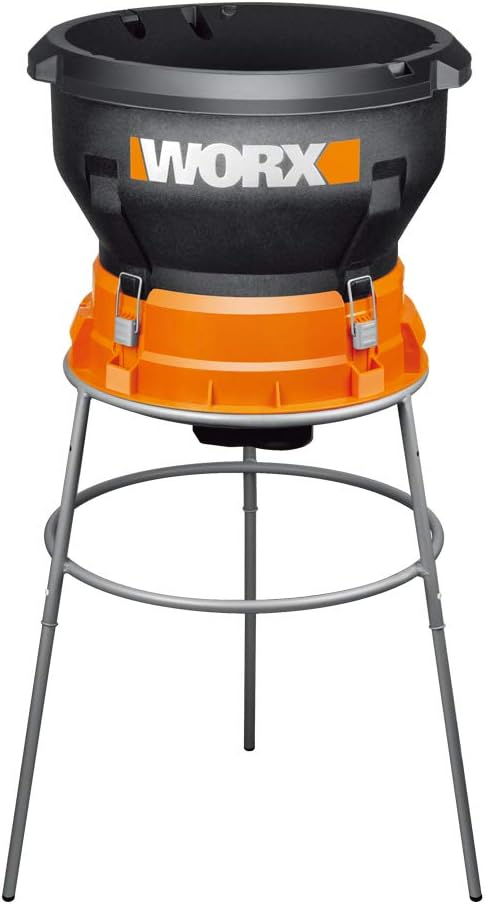
WORX WG430 13 Amp Electric Leaf Mulcher
| Motor | 13 Amp |
|---|---|
| Throughput | 53 gallons per minute |
| Mulch ratio | 11:1 |
| Cutting system | Flex-a-Line bladeless line |
The WORX WG430 is an electric leaf mulcher designed for homeowners who need to reduce large volumes of dry leaves and light yard debris quickly. It accepts leaves fed into the top funnel and shreds them with the bladeless Flex-a-Line string system, processing up to about 53 gallons per minute and reducing roughly 11 bags of leaves down to one. The unit sits over a standard bag held by the included support ring so mulch discharges directly into a receptacle for disposal or composting. Practical benefits include tool-free assembly and disassembly for seasonal storage, a dust-reducing motor cooling design, and an included supply of replacement cutting lines to simplify maintenance. Because it is a 13 amp corded electric tool it is quieter and cleaner than gas chippers and avoids blade sharpening, but it is not intended for heavy branches or thick woody material. The need for an appropriately rated outdoor extension cord and indoor storage in winter are additional considerations for regular use.
Best for: Homeowners who want a safer, low-maintenance electric solution to shrink large piles of leaves quickly and prefer a cleaner, quieter alternative to gas chippers.
Less Ideal for: Property owners who need to chip branches, thick brush, or heavy woody debris should consider a dedicated wood chipper or gas-powered shredder instead.
- High processing rate reported at up to 53 gallons of leaves per minute for fast cleanup
- 11:1 mulching ratio significantly reduces bag volume for easier disposal or composting
- Flex-a-Line bladeless system lowers blade-related hazards and includes tool-free line replacement
- Tool-free assembly and compact nesting parts for easier storage and off-season handling
- Not suitable for woody branches or heavy brush since it is a line-based leaf mulcher
- Requires a properly rated outdoor extension cord and access to an electrical outlet
Verdict: Choose the WORX WG430 if you need a fast, low-maintenance electric mulcher that turns large volumes of leaves into manageable mulch for disposal or composting.
Choosing the Right Leaf Mulcher for Wet Leaves: Key Factors to Consider
Shredder Power and Torque
Wet leaves are heavier and more cohesive than dry leaves, so motor or engine power matters more than with light, airy material. Higher torque helps the cutting mechanism bite into matted piles rather than stalling when the intake is overloaded. Consider continuous-duty ratings or engine displacement that match the volume of wet leaves you expect to process.
Power influences not only throughput but also how much you need to pre-feed or break apart piles by hand. A slightly larger motor may cost more to run, but it reduces frustration and the risk of repeated jams when leaf material is saturated.
Feeding Design and Anti-Clog Features
The way a mulcher accepts material is crucial for wet leaves. Wide, funnel-shaped inlets, paddle or auger-assisted feeders, and gravity-fed chutes help move heavy, matted leaves into the cutting zone. Features like reversible cutting drums, anti-bridging ribs, and self-feeding rollers reduce the chance that wet leaves will compact and block the intake.
Look for models with easy access to the feed throat for clearing and built-in mechanisms that prevent long strands or wet clumps from wrapping around shafts. A deliberate feeding design shortens clearing time and keeps the unit running during long cleanup sessions.
Cutting Mechanism Type
Different cutting systems handle wet material differently. Hammer or flail-style shredders tend to pulverize soft, wet leaves into loose mulch, while single-blade chippers optimized for branches may struggle with large wet piles. Blunt, impact-based cutters can be better at breaking apart wet clumps than high-speed fine blades, which can gum up with sticky material.
Consider the intended use: if you need fine mulch for composting, choose a cutter designed to reduce wet leaves efficiently. If the goal is simply to reduce volume for disposal, robustness and anti-clog performance are the priorities.
Mulch Discharge and Collection
How the machine ejects processed material affects cleanup efficiency. Wide, forceful discharge systems that throw mulch into a bag or onto a tarp reduce the need to stop and clear. Conversely, slow or narrow exits can back up when wet mulch clumps together.
Evaluate whether a bagging option, side discharge, or rear chute best suits your yard layout. Easy-to-empty collection and the ability to direct damp mulch into a compost pile will save effort and keep wet material from sitting in the machine where it can compact.
Serviceability and Clearing Access
Wet leaves increase the frequency of minor clearings and maintenance. Machines with tool-free access panels, reversible cutter systems, and simple blade or hammer replacements reduce downtime. Check whether key points are reachable without disassembling the entire housing.
Good access matters for winter use when you may be stopping often to clear the machine. Also consider whether the design allows safe, quick removal of wrapped material and whether components prone to clogging are easy to inspect.
Durability and Weather Resistance
Wet-leaf cleanup typically happens in damp, cold months, so corrosion resistance and rugged construction matter. Look for corrosion-resistant coatings, stainless or hardened steel components in the feed and cutter assemblies, and sealed bearings or accessible lubrication points.
A sturdier build can tolerate repeated exposure to wet material without rapid degradation. Durability reduces long-term maintenance needs and preserves cutting geometry that affects clogging and shredding performance.
When Wet Leaves Need Different Tools
Leaves soaked from rain or early frost behave like a single heavy blanket rather than loose debris. That changes the demands on a mulcher: it needs steady torque, an intake that discourages bridging, and cutters that break apart wet clumps rather than compressing them.
If you normally use a lightweight blower or manual rake for dry leaves, expect slower throughput and more clearing when material is wet. Choosing a unit designed with damp-leaf handling in mind reduces frustration and keeps your cleanup sessions shorter.
- Wet leaves have higher mass per volume and can compact inside chutes.
- Cold, wet material can make plastic parts brittle and increase binding risk.
- Expect to slow feed and occasionally pre-break apart very thick mats.
Matching Machine Size to Yard Workload
Estimate the typical volume of wet leaves you collect during a single session. Small patios and light tree cover may be fine with compact mulchers that accept limited feeder loads. Large yards or heavy deciduous canopies demand higher-capacity units with stronger feeders and larger discharge systems.
Think about frequency as well. If you clear daily during a stormy week, a more robust machine reduces cumulative downtime. For occasional use, a simpler, easier-to-store option may be preferable.
- Small: occasional pile cleanup, storage-friendly units.
- Medium: weekly yard maintenance, higher throughput and easier clearing.
- Large: contractors or heavy canopy yards, high torque and large inlets.
Safety and Winter Use
Working with wet leaves often coincides with slippery surfaces and low temperatures. Choose a mulcher with clear safety features: guarded inlets, easy-to-use stop controls, and stable wheeled bases to reduce tipping when feeding heavy bundles.
Cold weather affects plastic housings and lubricant viscosity, so check manufacturer guidelines for winter operation and store the machine in a dry place when not in use. Regularly inspect to ensure seals and bearings remain functional after damp-season use.
- Wear eye and hand protection when clearing jams or feeding dense material.
- Avoid overloading the feed; feed slowly and let the machine pull material.
- Follow safe clearing procedures and disconnect power before any internal access.
Preparing Wet Leaves for Best Results
A little preparation reduces clogs. Break up very dense mats with a rake or shredder fork before feeding. Remove long vines, thick stems, and debris that could wrap around rotating parts. Mixing in some drier material like small twigs or lawn clippings can help prevent pure wet-leaf paste from forming.
For composting, spread processed wet mulch in thin layers to speed drying and decomposition. Dense, compacted wet mulch will take much longer to break down if left in large piles.
- Pre-rake and break apart matted piles.
- Remove non-leafy material that could tangle the cutters.
- Spread mulch thinly if adding to compost to encourage airflow.
Electric Versus Gas Options for Damp Conditions
Electric units are quieter and lighter, but corded options require safe power access when working on wet ground. Battery models offer portability but consider runtime and torque when dealing with heavy, wet loads. Gas engines deliver sustained torque for long sessions and larger piles, but they require winterized storage and more maintenance.
For damp climates, pay attention to sealed electrical components, protected switches, and the practicality of starting a gas engine in cold, wet weather. Balance convenience, power, and your tolerance for winter maintenance when choosing a drive type.
- Corded electric: good for small yards with accessible outlets.
- Battery: portable but watch torque and runtime.
- Gas: best for high-volume, sustained work and remote yards.
How We Chose the Best Leaf Mulcher for Wet Leaves
We focused on durability and real-world handling of damp, matted leaves. Our editorial filters favored machines with feed systems that reduce bridging and designs that resist moisture-related clogging. We prioritized motor or engine power levels sufficient to process heavy, wet material without repeated stalling. Cutting and shredding mechanisms were evaluated for how they break down wet leaves into manageable mulch rather than compacting them into dense wet clumps. Practical maintenance and safety features were part of the selection: easy-access clearing points, reversible blades or hammers, and guarded intake designs that lower the chance of binding when material is wet. Noise and emission profiles were considered for neighborhood use and off-grid situations. We excluded lightweight garden tools designed only for dry leaves or for fine lawn clipping, and we did not include machines intended solely for heavy-wood debris rather than leafy material. The final shortlist balances power and anti-clog engineering with serviceability and realistic yard use.
FAQ
Can I run a regular leaf mulcher on wet leaves?
Often you can, but regular units designed for dry material may clog or stall more frequently. Expect slower throughput and more clearing unless the mulcher has anti-clog feeding or sufficient torque.
How can I prevent wet leaves from jamming the machine?
Feed in smaller amounts, pre-loosen dense mats, and remove long vines or stems. Choosing a mulcher with a wide inlet and anti-bridging features reduces jams as well.
Is the mulch from wet leaves good for compost?
Yes. Processed wet leaves break down faster once spread thinly in the compost pile. Ensure the mulch is not packed into dense clumps and balance with green material to maintain airflow.
Should I choose a gas or electric mulcher for wet leaves?
It depends on volume and access. Gas models typically offer more torque for heavy wet loads, while electric units are quieter and lower maintenance but may lack the sustained power for large, wet piles.
How often will I need to clear the feed throat when mulching wet leaves?
Frequency varies with material and machine design. Expect to clear more often than with dry leaves, especially during prolonged wet conditions. Models with easy access panels reduce downtime when clearing.
Can I mulch frozen leaves?
Frozen leaves are harder and more brittle; some machines handle them, but frozen material can increase wear and risk of breakage in plastic components. Take care and consult recommended operating temperatures if available.
Final Verdict
For wet-leaf cleanup prioritize steady torque, an intake that resists bridging, and cutters that pulverize rather than compact damp material. Balance capacity with the frequency of your cleanup sessions: higher-capacity machines reduce clearing but need more storage and maintenance. Consider serviceability and corrosion resistance to keep a mulcher reliable through wet seasons. Focus on features that reduce jams and make clearing easy, then match size and drive type to your yard's workload. That approach will get wet-leaf work done faster and leave you with usable mulch rather than a clogged machine.
