

Note: This article contains affiliate links. If you click on these links and make a purchase, I may earn a small commission at no extra cost to you. This helps support my research and content. Read my full affiliate disclosure here.
If you spend time maintaining a lawn with lots of edges, slopes, or thick perimeter grass, a lighter gas-powered string trimmer can make the work far less tiring. The right lightweight gas string trimmer reduces shoulder and arm strain while still delivering the torque to handle common backyard growth. This guide shortlists top lightweight gas options that suit small-to-medium yards and varied terrain. We evaluated handling, cutting performance, and durability so you can pick an option that feels nimble without sacrificing the power needed to finish the job. Read on for practical buying details and gardener-focused tools to match your site.
Top Picks at a Glance
| Best Overall The best all-around choice for most situations | Husqvarna 122L 22-cc Gas Straight-Shaft String Trimmer (17") | 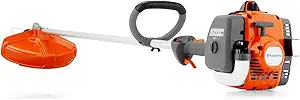 |
| Best Value The sweet spot between price and what you get | Husqvarna 122LK 22cc 2-Cycle 17-inch Straight Shaft Gas String Trimmer |  |
| Highest Rated A top-rated pick with lots of positive feedback | SENIX 26.5cc 4-Cycle Gas String Trimmer, 17.7" Cutting Width |  |
| Most Popular A crowd favorite that many people choose with confidence | Wild Badger Power Gen2 26cc 3‑in‑1 Gas String Trimmer (17") |  |
| Best Seller A high-volume bestseller chosen again and again | Wild Badger Power 26cc Gas Curved-Shaft String Trimmer (15" Cut) |  |
Husqvarna 122L 22-cc Gas Straight-Shaft String Trimmer (17")

| Power Source | Gas Powered |
|---|---|
| Engine cc | 21.7 cc |
| Cutting width | 16.93 inches |
| Speed | 7200 rpm |
The Husqvarna 122L is a compact gas string trimmer built for homeowners who need a reliable, no-frills tool for routine yard work. Its 22-cc two-cycle engine with Smart Start and an air purge makes cold starts noticeably easier, and the straight shaft gives extra reach for fence lines and under shrubs. The T25 Tap 'n' Go head simplifies line feeding so you can spend less time reloading and more time trimming. At a listed light weight and ergonomic control layout this model is comfortable for 20 to 40 minute jobs and maneuvers well around beds and walkways. Practical benefits include robust cutting speed for thick grass and a design aimed at straightforward maintenance. Important limitations are those inherent to small gas trimmers: it requires fuel mixing and routine engine upkeep, produces exhaust and noise, and is heavier and more maintenance-intensive than battery alternatives. For users prioritizing lightweight gas power and proven starting features, the 122L is a strong option; those seeking near-silent or maintenance-free operation should consider electric models instead.
Best for: Homeowners who want a lightweight gas trimmer that starts easily and handles everyday edging and trimming without professional-level power or complexity.
Less Ideal for: People wanting near-silent, low-maintenance tools or who prefer cordless convenience for short, frequent jobs.
- Smart Start and air purge for easier cold starts
- Straight shaft provides extended reach for edging and trimming
- T25 Tap 'n' Go head for fast line feeding and refills
- Designed with a lightweight, ergonomic layout for comfortable handling
- Requires mixed fuel and routine engine maintenance
- Produces exhaust and noise compared with electric trimmers
Verdict: Choose the 122L if you want an easy-starting, lightweight gas trimmer that delivers reliable everyday trimming and extended reach.
Husqvarna 122LK 22cc 2-Cycle 17-inch Straight Shaft Gas String Trimmer

| Power Source | Gas Powered |
|---|---|
| Cutting width | 19.7 inches |
| Engine | 22cc 2-cycle |
The Husqvarna 122LK is a compact 22cc 2-cycle gas string trimmer intended for homeowners who want a capable yet manageable gas trimmer. It uses a straight shaft that reaches under shrubs and around obstacles and accepts Husqvarna T25 heavy-duty heads plus several snap-on attachments for edging, hedging, cultivating, pole saw and blower tasks. SmartStart makes pull-starts easier and the Tap n Go head speeds line replacement so you spend less time fiddling and more time trimming. Practical benefits include lower noise and lighter feel compared with larger commercial models, plus the flexibility to add attachments instead of buying separate tools. Important limitations are that it is aimed at occasional homeowner use rather than heavy professional workloads and it uses a 2-cycle engine, so you will mix fuel and perform regular maintenance. If you need long continuous runtime, heavier cutting or professional-grade durability, a larger model would be a better fit.
Best for: Homeowners who want a lightweight, gas-powered trimmer that is easy to start and versatile through attachments and who prioritize efficient yard maintenance over professional-duty performance.
Less Ideal for: Landscapers or users who need sustained heavy cutting, extended runtime, or the durability of commercial-grade equipment.
- Lightweight design and straight shaft make it easy to maneuver around beds and under shrubs
- SmartStart system reduces effort required to start the 2-cycle engine
- Tap n Go head simplifies line feeding for faster reloads
- Compatible with multiple Husqvarna snap-on attachments to extend functionality
- 22cc 2-cycle engine is suited for occasional homeowner use rather than heavy professional jobs
- Requires mixed fuel and routine 2-cycle engine maintenance
Verdict: A lightweight, easy-to-start gas trimmer that adds versatility with attachments, ideal for homeowners who want a practical, multipurpose tool.
SENIX 26.5cc 4-Cycle Gas String Trimmer, 17.7" Cutting Width

| Power Source | Gas Powered |
|---|---|
| Cutting width | 17.7 inches |
| Speed | 7000 rpm |
| Engine displacement | 26.5cc |
The SENIX 26.5cc 4-cycle string trimmer is a lightweight gas-powered unit aimed at homeowners who need reliable, extended trimming without mixing gas and oil. Its 4-cycle engine runs on regular gasoline, which simplifies fueling and reduces exhaust emissions compared with two-cycle models. The straight shaft and D-handle deliver balanced control for edging around beds and fences while a wide 17.7-inch cutting swath and dual 0.098" bump-feed head let you clear larger areas faster. The engine is described as 20% lighter than traditional units and coupled with vibration-control features to cut user fatigue on longer jobs. Practical benefits include easier starting, fewer fuel hassles, and compatibility with common replacement lines. Limitations to consider are that it is a gas tool so it requires routine maintenance and fuel storage, and it is designed for trimming rather than heavy-duty brush clearing where a higher displacement or brush blade might be better. For buyers after a lighter, low-vibration gas trimmer that avoids gas/oil mixing, this model is a solid choice.
Best for: Someone who prioritizes a dependable, low-maintenance gas trimmer for regular yard edging and midsize lawn cleanup and prefers simpler fueling and reduced vibration during extended use.
Less Ideal for: Landscapers or homeowners who need a trimmer for heavy brush, thick saplings, or commercial daily use should consider higher-capacity or specialized brush-cutting models.
- 4-cycle engine runs on straight gasoline so no gas/oil mixing is required
- Wide 17.7-inch cutting width with dual bump-feed lines for faster coverage
- Straight shaft and D-handle provide good balance and precise control
- Engine described as 20% lighter and vibration control reduces user fatigue
- Bump-feed head and compatible replacement lines simplify maintenance
- Being gas-powered requires routine engine maintenance and fuel handling
- Not optimized for heavy brush cutting compared with higher-displacement or brush-specific trimmers
Verdict: If you want a lighter, low-vibration gas trimmer that runs on straight gasoline for reliable, hassle-free yard trimming, this SENIX 4-cycle model is a practical pick.
Wild Badger Power Gen2 26cc 3‑in‑1 Gas String Trimmer (17")

| Power Source | Gas Powered |
|---|---|
| Cutting width | 17 inches |
| Item Type Name | 2-in-1 Yard Care System, 26cc, 2-Cycle Gas Engine Multi-Tool |
| Model Number | WB26TS |
The Wild Badger Power Gen2 is a straight-shaft, gas-powered multi-tool built to handle regular yard maintenance without relying on batteries. It combines a 17-inch trimmer/edger and a 10-inch brush cutter driven by a 26cc full-crank 2-cycle engine, which promises stronger, more consistent torque for tall grass and seasonal overgrowth. Gen2 adds an aluminum-alloy shaft and wear-resistant PA line for improved durability, plus an extra spool of trimmer line so you can swap spools during longer jobs. The unit starts with a reportedly quick pull and has a tool-free air filter cover for easier routine maintenance. A shoulder strap is included to reduce fatigue during extended use and the straight shaft reaches under shrubs and along fence lines. Limitations are typical of entry-level gas trimmers: it is best for medium residential yards and lighter brush rather than heavy woody growth, and being gas-powered means regular fuel mixing, more vibration and maintenance than cordless models. Attachment compatibility lets you expand functionality, but heavier attachments will increase user fatigue.
Best for: Buyers who want a gas-powered, dependable trimmer that handles medium residential yards and seasonal overgrowth and who prioritize proven performance and practical durability over the convenience of battery power.
Less Ideal for: Gardeners who need a near-silent, low-maintenance solution for small yards or those who must cut heavy woody brush should consider battery or dedicated brush-cutting alternatives.
- Full-crank 26cc engine delivers steady power for tall grass and seasonal overgrowth
- Aluminum-alloy shaft and wear-resistant PA line improve durability over basic consumer models
- Three functions in one: 17" trimmer/edger plus 10" brush cutter for versatile yard work
- Extra spool of trimmer line included reduces downtime during jobs
- Tool-free air filter cover and included shoulder strap make maintenance and longer use easier
- Gas engine requires fuel mixing, more maintenance and produces vibration and emissions compared with cordless alternatives
- Not intended for cutting thick woody branches or heavy saplings
Verdict: A durable, gas-powered 3‑in‑1 trimmer that delivers reliable cutting power for medium residential yards and seasonal overgrowth.
Wild Badger Power 26cc Gas Curved-Shaft String Trimmer (15" Cut)

| Power Source | Gas Powered |
|---|---|
| Cutting width | 15 inches |
| Speed | 8000 rpm |
| Style Name | 26CC Curved Shaft |
This Wild Badger Power trimmer pairs a commercial-grade 26cc two-cycle full-crank engine with a curved shaft and a 15-inch dual-line bump-feed head for everyday yard work. It is used like a standard gas weed wacker: mix gas and oil for fuel, pull the starter, and use the variable-speed trigger to trim turf, reach around obstacles, and edge borders. Notable features include a full-crank engine intended for longer life than half-crank designs, an aircraft-grade aluminum shaft that keeps the unit light for easier maneuvering, and tool-free air filter access for simple maintenance. Practical benefits are strong cutting power for medium to large lawns, reduced vibration for less operator fatigue, and a wide cutting swath that speeds jobs. Important limitations are the need to mix fuel and oil, routine engine maintenance, and the usual noise, fumes, and storage considerations that come with gas equipment. For buyers focused on low upfront weight and durable engine design, this model balances power and portability well.
Best for: A cautious buyer who wants a traditionally powered trimmer that feels manageable to lift and use, prioritizing reliable engine performance and straightforward maintenance for routine lawn care.
Less Ideal for: People seeking a zero-emission, low-noise or maintenance-free solution should consider battery-electric models instead.
- Commercial-grade 26cc full-crank two-cycle engine for consistent power and durability
- 15-inch cutting width with dual-line bump-feed head for efficient trimming and edging
- Aircraft-grade aluminum shaft reduces overall weight and improves maneuverability
- Tool-free air filter access simplifies routine maintenance
- Designed to limit vibration which reduces user fatigue during extended use
- Requires gasoline-and-oil mix and regular engine maintenance
- Produces typical gas-engine noise and exhaust not suited for enclosed or densely populated areas
Verdict: Choose this if you want a lightweight, gas-powered curved-shaft trimmer that delivers durable engine performance and a wide 15-inch cutting swath.
Choosing the Right Lightweight Gas String Trimmer: Key Factors to Consider
Weight and Balance
Weight determines how long you can trim without fatiguing. A light trimmer is easier to swing and holds steady on slopes, but balance matters as much as numerical weight. A poorly balanced lightweight unit can feel heavier in one hand because the engine sits far from the centerline.
Try to evaluate how the head and motor sit relative to the shaft and handles. Models with mid-mounted engines or counterweights often feel less taxing on shoulders. If you plan for long sessions, look for options that accept a padded harness to distribute load off the arms.
Engine Power Versus Throat Size
A small engine that is light may still deliver adequate torque for grass and thin weeds if the trimmer head and line diameter match the engine output. Throat size or cutting head capacity determines how much line you can run, which affects cutting width and the kinds of vegetation the tool can handle.
For routine lawn edge and thin weed work, prioritize steady low-end torque over peak RPM. If you expect thicker weeds or brush, choose a trimmer with a slightly larger throat and the engine torque to drive heavier line without bogging down.
Ergonomics and Control Layout
Handle shape, trigger placement, and shaft length affect how natural the trimmer feels during sweeping motions. An adjustable or split-shaft design allows you to set handle spacing for your stance and reach. Trigger feel and throttle control should be predictable and require minimal grip force to reduce hand fatigue.
Also consider whether the unit accepts aftermarket shoulder straps or comes with a factory harness. Quick-adjust handles and a loop grip improve maneuverability near trees, fences, and flower beds where precision matters.
Starting and Fuel System Practicality
Gas trimmers vary a lot in how easy they are to start in cool or warm conditions. A light unit that is difficult to start undermines the benefit of portability. Look for well-designed choke and primer systems and clear starting instructions.
Fuel access, tank size, and whether the engine uses a simple gas-only mix or requires premixing affect convenience. Smaller tanks lower weight but mean more frequent refilling, so match tank capacity to typical job length.
Maintenance, Parts, and Consumables
Accessibility of replacement line, heads, and common consumables matters for ownership cost and downtime. Trimmers that use standard bump-feed heads or that accept widely sold spool sizes simplify maintenance. Easy access to the spark plug, air filter, and carburetor adjusters reduces the time you need for routine upkeep.
Durable gear head housings and straightforward disassembly are useful if you plan to keep the trimmer for several seasons. Consider the availability of replacement shafts and mounting hardware as well.
When a Lightweight Gas Trimmer Makes Sense
Lightweight gas trimmers are best for yards where mobility and endurance matter more than sustained heavy-duty clearing. If your property has lots of fence lines, slopes, or areas that are awkward to reach with a mower, a lighter gas unit will let you move quickly without tiring.
They are also a good choice when you need more continuous run time than most battery systems provide but still want something easier to carry than a full commercial trimmer. For occasional heavy brush removal, a lightweight trimmer can be used, but expect slower progress compared with larger machines.
- Ideal for edging, perimeter trimming, and slope work
- Better for long sessions than heavier petrol trimmers
- Not optimized for thick brush or sustained stump sprouts
Shaft Types and How They Affect Handling
Straight shafts tend to provide better reach and are easier to trim under low obstacles, while curved shafts can improve maneuverability for short users and tight spots. Straight shafts also make it simpler to attach accessories or a brush cutter head if needed later.
Consider the tradeoff between slightly more reach on straight shafts and the potentially lower weight and compact feel of curved-shaft designs. For most homeowners focused on reach and a predictable cutting arc, a straight shaft is a practical choice.
- Straight shaft: better reach and accessory compatibility
- Curved shaft: lighter feel and easier close-in work
Line Types and Cutting Performance
Line diameter and profile change how the head behaves. Thinner line spins faster and uses less fuel load on the engine, while thicker or multi-sided line slices more aggressively and stands up better to fibrous weeds. For lightweight gas trimmers, matching the recommended line size to the engine's torque avoids bogging.
Some heads accept prewound spools for fast reloads and less frustration in the yard. Check that replacement line formats are common and simple to install before committing.
- Round line: good for grass and light weeds
- Serrated or multi-sided line: better for tougher weeds
- Prewound spools speed refill times
Noise, Vibration, and Neighbor Considerations
Gas engines are louder than battery options and produce vibration that can shorten comfortable work time. Look for units with vibration-damping mounts and rubberized grips to reduce hand numbness. Lower vibration also helps with cleaner cuts and more control.
If you live in a neighborhood with restricted hours for gas-powered tools, consider trimming early in the morning or later in the afternoon and use muffling accessories if available to reduce disturbance.
- Vibration damping extends usable time
- Mufflers and housing design influence perceived noise
- Follow local ordinances about hours for gas tool use
Transport, Storage, and Winter Care
The lighter the trimmer, the easier it is to move between storage and work sites. Still, a compact transport strategy helps protect the unit and keep fuel from degrading. Empty or stabilize the fuel for long storage periods and store the trimmer in a dry, ventilated location out of direct weather.
Seasonal maintenance like fogging the engine, cleaning fuel lines, and replacing old line keeps a lightweight trimmer ready when the growing season returns. Proper storage reduces the likelihood of carburetor varnish and starting problems after winter.
- Empty or treat fuel for multi-month storage
- Clean air filters and replace old line before season
- Store in a dry, ventilated place away from direct weather
How We Chose the Best Lightweight Gas String Trimmer
We focused on attributes that matter most when you want a gas trimmer that is genuinely easier to carry and use for extended periods. Primary evaluation criteria included actual dry weight and balance, measured cutting power and torque under typical yard loads, and engine responsiveness for quick rev-up and steady trimming. We also tested vibration levels and ergonomic features such as handle shape, shaft length, and harness compatibility because comfort directly affects usable time. Fuel system reliability and ease of starting were included to reduce downtime and frustration in the field. Durability of key wear parts and the availability of standard replacement spools and line were considered to keep ownership simple. We excluded heavy commercial-duty models and battery-only units to keep the list focused on lightweight, petrol-powered consumer trimmers. Models that required specialist fuel mixes or nonstandard replacement line were deprioritized. The final picks balance low carry weight with sufficient cutting capacity and user-focused controls, not premium commercial spec for professional crews.
FAQ
How light is light enough for a gas string trimmer?
Often the most usable units weigh under 12 to 14 pounds dry, but balance and where the weight sits influence fatigue more than the number alone. Try to prioritize models with good center-of-gravity placement and comfortable harness options for extended use.
Can lightweight gas trimmers handle thick weeds?
They can handle moderate weeds and overgrowth if matched with the proper line diameter and cutting head, but they will be slower against very thick brush compared with heavier commercial trimmers. For persistent thick growth, multiple light passes or a dedicated brush cutter may be better.
Are there workflow differences between gas and battery lightweight trimmers?
Yes. Gas units provide continuous running time without battery swaps and can deliver strong low-end torque, while battery trimmers offer quieter operation and lower vibration but depend on battery capacity. Choice depends on session length, noise tolerance, and power needs.
What maintenance is most important for longevity?
Regularly clean or replace the air filter, use fresh fuel or fuel stabilizer, inspect and replace trimmer line when worn, and check the spark plug and fuel lines for signs of wear. Routine cleaning of the gear head and head assembly prevents buildup that leads to premature failure.
Is a harness necessary with a lightweight trimmer?
A harness is not mandatory for short jobs, but it is beneficial for longer trimming sessions or for users with shoulder issues. Even light units transfer load over time, and a harness helps distribute weight to the torso to reduce arm fatigue.
Final Verdict
Prioritize reduced carry weight and good balance when shopping for a lightweight gas string trimmer, but do not overlook engine torque and cutting head capacity. Comfortable handles, low vibration, and easy starting make the tool feel lighter than the spec sheet suggests. Match line type and throat size to the vegetation you expect to encounter, and plan for routine maintenance and sensible storage. Focusing on those tradeoffs will help you pick a unit that stays comfortable in hand while still getting the job done.
