

Note: This article contains affiliate links. If you click on these links and make a purchase, I may earn a small commission at no extra cost to you. This helps support my research and content. Read my full affiliate disclosure here.
Picking the right liquid fertilizer for citrus trees makes a big difference in fruit set, leaf color, and overall tree vigor. Liquid feeds give nutrients quickly through root drench or foliar spray, which is helpful for correcting deficiencies and supporting active growth. This guide covers seven top liquid fertilizers for citrus trees, shortlisted for their nutrient balance, ease of use, and suitability across container, patio, and small orchard settings. Below you will find practical notes on application timing, formulation differences, and how each option fits common citrus care routines. Use the evaluation criteria to match a product to your watering habits and soil conditions before moving to the product details.
Top Picks at a Glance
| Best Overall The best all-around choice for most situations | TPS Nutrients Citrus Liquid Fertilizer, 32 oz |  |
| Best Quality Built to a higher standard if you want something more solid | Farmer's Secret Citrus Tree Booster Liquid (32 oz) | 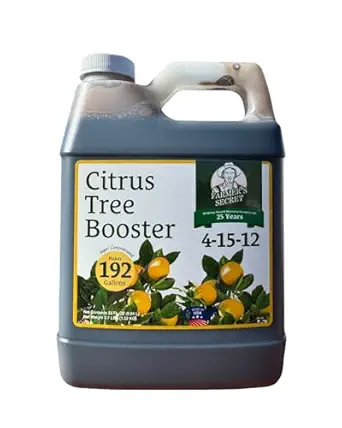 |
| Best Value The sweet spot between price and what you get | HiThrive Citrus Liquid Fertilizer, 32 oz (4-3-6 NPK) |  |
| Best Budget The cheapest option that still gets the job done reliably | Perfect Plants Liquid Lemon Tree Fertilizer, 8 oz |  |
| Highest Rated A top-rated pick with lots of positive feedback | Leaves & Soul Lemon Tree Liquid Fertilizer, 6-4-6, 8 oz |  |
| Most Popular A crowd favorite that many people choose with confidence | TPS Nutrients Lemon Tree Fertilizer Liquid, 8 fl oz |  |
| Best Seller A high-volume bestseller chosen again and again | TPS Nutrients Lemon Tree Fertilizer Liquid Plant Food, 32 oz |  |
TPS Nutrients Citrus Liquid Fertilizer, 32 oz

| Item Form | Liquid |
|---|---|
| Specific Uses For Product | Plant Food |
| Coverage | Full |
| Target Species | Citrus, Nut, Avocado, and Fruiting Trees |
| Mixing Ratio | 2 tbsp per 1 gallon of water |
This 32 oz TPS Nutrients citrus liquid fertilizer is a soluble feed designed for regular use on citrus, avocado, nut and other fruiting trees both in containers and in the ground. It supplies iron and micronutrients to support leaf color, new shoot growth and fruit set, and is intended to be diluted at the recommended rate before application. The bottle is easy to shake and mix and absorbs quickly when applied as a foliar spray or soil drench, making it suitable for repeat feedings every one to two weeks. Notable features include a formulation targeted at fruiting species and explicit mixing guidance for small-scale and container growers. Limitations are that exact N-P-K numbers are not listed on the product page and heavier feeders may need supplementary granular or slow-release fertilizers for long-term nutrient balance. Users should follow safety directions and test on a small area before widespread use.
Best for: Home growers who want an easy-to-mix, repeatable liquid feed to support citrus and other small fruit trees in containers or garden beds, prioritizing visible leaf health and fruit set.
Less Ideal for: Large-scale orchards or growers seeking a single complete fertilizer with detailed N-P-K labeling should consider professional or bulk formulations instead.
- Formulated with iron and micronutrients to help leaf color and fruit set
- Liquid form absorbs quickly for faster nutrient availability
- Clear dilution instructions suitable for container and small-scale use
- Works for a range of fruiting trees including citrus, avocado and nut trees
- Product listing does not show specific N-P-K analysis on the page
- May need to be paired with a broader fertilizer program for heavy feeders
Verdict: A convenient, micronutrient-rich liquid feed that makes it simple for home citrus growers to boost leaf health and encourage fruit set.
Farmer's Secret Citrus Tree Booster Liquid (32 oz)

| Item Form | Liquid |
|---|---|
| Coverage | 1 teaspoon per gallon |
| Target Species | Citrus Trees (Lemons, Limes, Oranges) |
| Liquid Volume | 32 fluid ounces |
| Mixing Ratio | 1:128 |
This concentrated liquid from Farmer's Secret is designed to feed citrus trees—lemons, limes, oranges—and can be used both outdoors and in containers at reduced dose. Mix one teaspoon per gallon (mixing ratio 1:128) and apply weekly along the drip line for young trees and up to two teaspoons weekly for mature trees; indoor or container trees get half the dose or every-other-week feeding. The formula lists the primary macronutrients nitrogen, phosphorus, and potassium and is intended for foliar or soil use, so it works whether you spray leaves or water the root zone. Because it is highly concentrated a single 32 oz bottle makes many gallons of feed, which is convenient for regular program feeding. Limitations are that the label only lists basic NPK and not trace elements or guaranteed analysis details, so gardeners needing specific micronutrient blends or slow-release granular options may prefer a different product. It performs best as part of a consistent weekly feeding plan for citrus productivity and vigor.
Best for: Gardeners who want a straightforward, concentrated feed to maintain regular weekly nutrition for citrus trees and prefer a liquid product they can apply by spray or at the root line.
Less Ideal for: Growers who need a complete guaranteed-analysis fertilizer with detailed micronutrients or who prefer slow-release granular formulations for infrequent feeding.
- Super-concentrated formula stretches a 32 oz bottle into many gallons of feed
- Formulated specifically for citrus trees, compatible with foliar or soil application
- Clear dosing guidance for weekly use and reduced container dosing
- Label provides only basic NPK ingredients without a full guaranteed analysis or listed micronutrients
Verdict: If you want a concentrated, easy-to-mix liquid feed to support weekly feeding and boost citrus tree vigor, this bottle delivers a lot of usable feed per purchase.
HiThrive Citrus Liquid Fertilizer, 32 oz (4-3-6 NPK)

| NPK | 4-3-6 |
|---|---|
| Item Form | Liquid |
| Target Species | citrus, fruit trees |
| Liquid Volume | 32 fluid ounces |
| Mixing Ratio | 1:1 |
This HiThrive citrus liquid fertilizer is a concentrated, water-mixable feed designed for routine care of citrus and other fruit trees. The 4-3-6 NPK formula with added micronutrients like calcium, magnesium and zinc supports leafy growth, root development and fruit quality. It is used by diluting measured amounts into a watering can, as a foliar spray, or through a hose-end sprayer; the label gives simple dosing examples and a 1:1 mixing ratio reference. Practical benefits include making up to 32 gallons from the bottle for repeated applications across a season and flexible application methods for both potted lemons and landscape citrus. Because it is a balanced liquid, you can correct nutrient deficiencies faster than with slow-release granules, but it does require more frequent applications during active growth and careful measuring to avoid overfeeding. The product is straightforward for gardeners who want predictable, repeatable feeding and prefer a liquid fertilizer they can apply on a schedule for steady results.
Best for: Gardeners who want a practical, repeatable feeding routine for potted or landscape citrus and prefer a concentrated liquid they can measure and apply on schedule.
Less Ideal for: Users who want a no-maintenance, slow-release fertilizing approach or who prefer granular formulas that need less frequent attention.
- Concentrated 32 oz bottle makes up to 32 gallons of diluted feed for multiple applications
- 4-3-6 NPK blend plus micronutrients supports foliage, roots, and fruit quality
- Multiple application options: watering can, foliar spray, or hose-end sprayer
- Liquid form delivers nutrients quickly to correct deficiencies
- Requires regular applications during the growing season rather than one-time feeding
- No detailed slow-release option for gardeners who prefer less frequent dosing
Verdict: A concentrated, easy-to-measure liquid feed that delivers balanced nutrients and flexible application options for steady citrus growth and fruiting.
Perfect Plants Liquid Lemon Tree Fertilizer, 8 oz

| Item Form | Liquid |
|---|---|
| Application Method | Watering can |
| Target Species | Lemon, Citrus |
| Mixing Ratio | 2 tablespoons per gallon |
This 8 oz Perfect Plants liquid fertilizer is designed to boost citrus vigor and fruiting with a 6-3-3 NPK formula that includes zinc and manganese. It is used by mixing two tablespoons per gallon of water and applying with a watering can every 3 to 4 weeks during the growing season, which makes it straightforward for potted Meyer lemons and landscape citrus alike. The concentrated liquid form delivers nutrients quickly to the root zone, encouraging more flowers and fruit without the need for spikes or slow-release granules. Practical benefits include easy dosing, suitability for different citrus varieties, and US-based nursery formulation. Limitations are the small bottle size, which means frequent repurchases for larger trees or multi-tree yards, and the product is a single-season application type rather than a long-term slow-release option. For gardeners on a budget it provides quick, targeted feeding, but those who prefer lower-maintenance or bulk solutions may want a larger or slow-release fertilizer instead.
Best for: Budget-minded gardeners who want an easy, effective way to feed one or a few potted or small landscape citrus trees and see faster results than with slow-release products.
Less Ideal for: Large-property owners or those who prefer low-maintenance, infrequent feeding should consider bulk granular or slow-release fertilizers instead.
- Citrus-focused 6-3-3 NPK formula with added zinc and manganese to support fruiting
- Concentrated liquid that is simple to mix and apply with a watering can
- Quick nutrient availability to boost plant vigor and flower production
- Made by a long-established nursery in the USA
- Small 8 oz bottle may not last for larger trees or multiple citrus
- Requires regular liquid applications rather than providing long-term feeding
Verdict: A simple, citrus-specific liquid feed that delivers fast results and fits a tight gardening budget for one to a few lemon trees.
Leaves & Soul Lemon Tree Liquid Fertilizer, 6-4-6, 8 oz

| Item Form | Liquid |
|---|---|
| Application Method | Watering can, Sprinkler, Drip irrigation |
| Target Species | Citrus |
| Liquid Volume | 8 fluid ounces |
| Mixing Ratio | 2 tablespoons per gallon |
Leaves & Soul Lemon Tree Liquid Fertilizer is a fast-absorbing, water-mixable concentrate with a 6-4-6 NPK ratio designed for routine feeding of lemon and other citrus trees. You mix 2 tablespoons per gallon of water and apply the diluted solution to the root zone every 2–4 weeks during the growing season, or monthly in cooler months. The formula includes micronutrients and natural additives intended to support greener foliage, stronger roots, and flowering that leads to fruit set. Its liquid form makes it easy to deliver nutrients through watering, which is convenient for container-grown trees and drip or hand-watering setups. The 8 oz bottle is a compact option for small gardens or potted citrus while a larger size is available for more frequent use. Limitations to note are the low stated coverage and the need to track overall nutrient inputs if you also use compost or other fertilizers, since the product requires dilution and regular scheduling rather than single, long-lasting feeding. It is best used as part of a consistent care routine focused on watering, light, and soil health.
Best for: Gardeners who want a simple, reliable liquid feed to maintain steady nutrient levels for citrus trees and container-grown lemons and prefer measured, water-based applications as part of regular care.
Less Ideal for: People seeking a single, long-lasting slow-release fertilizer or those who do not want a regular feeding schedule for large landscape citrus trees.
- Balanced 6-4-6 NPK formula aimed at supporting roots, foliage, flowering, and vigor
- Fast-absorbing liquid concentrate that mixes with water for root-zone delivery
- Includes micronutrients and natural additives for broader nutritional support
- Flexible application methods compatible with watering cans, sprinklers, and drip irrigation
- Small 8 oz size provides limited coverage for larger trees or multiple plants
- Designed for regular, frequent applications rather than long-term slow release
Verdict: A dependable, easy-to-mix liquid 6-4-6 feed for gardeners who want consistent, measured nutrition to keep citrus trees healthy and productive.
TPS Nutrients Lemon Tree Fertilizer Liquid, 8 fl oz

| Item Form | Liquid |
|---|---|
| Application Method | Watering can, hose end sprayer, or leaf misting |
| Target Species | Lemon Trees |
| Mixing Ratio | 1:200 |
| Liquid Volume | 8 fluid ounces |
This 8 fl oz liquid fertilizer from TPS Nutrients is made specifically for lemon and other citrus trees and is used by diluting at the recommended 1:200 ratio and applying with a watering can, hose‑end sprayer, or by leaf misting. It is designed to promote fruit production, support healthy leaves and shoots, and build stronger roots so trees absorb water and nutrients more effectively. The liquid form delivers nutrients quickly for potted trees on patios as well as in-ground specimens, and the medium coverage makes it suitable for individual trees or small groups. Practical benefits include fast absorption, simple dilution and multiple application methods that fit common garden routines. Limitations are the small 8 ounce bottle size, which means frequent repurchasing for larger citrus collections, and lack of detailed NPK values on the label for gardeners who prefer exact nutrient ratios. Overall this is a convenient, citrus-focused supplement for home growers seeking straightforward feeding for Meyer and dwarf varieties.
Best for: Home gardeners who want a ready-to-use, citrus-specific feed for one or a few lemon trees and prefer simple dilution and flexible application methods.
Less Ideal for: Growers managing larger orchards or multiple mature trees who need bulk quantities or exact NPK formulations should consider commercial‑scale fertilizers instead.
- Formulated specifically for lemon and citrus so nutrients suit citrus needs.
- Liquid concentrate with 1:200 mixing for quick uptake and flexible application.
- Multiple application methods: watering can, hose‑end sprayer, or foliar misting.
- Suitable for both potted and in‑ground citrus, useful for patios and small orchards.
- Small 8 fl oz bottle may not last for multiple trees or large plantings.
- Product listing does not provide explicit NPK numbers for precise nutrient planning.
Verdict: A convenient liquid concentrate tailored to lemon and citrus that makes regular feeding easy for home growers with one or a few trees.
TPS Nutrients Lemon Tree Fertilizer Liquid Plant Food, 32 oz

| Item Form | Liquid |
|---|---|
| Specific Uses For Product | Plant Food |
| Target Species | citrus |
| Unit Count | 32 Fluid Ounces |
| Mixing Ratio | 2 tablespoons per gallon of water |
This 32 oz liquid fertilizer is aimed at citrus care and is easy to use for in-ground and container lemon trees. It is a fast-absorbing, ready-to-mix concentrate with a manufacturer-recommended ratio of 2 tablespoons per gallon of water, so you can feed trees without complicated measuring. The formula advertises support for root growth, shoots and stems, and fruit development, which translates to fuller foliage and potentially better yields when used as directed. Practical benefits include suitability for Meyer and dwarf varieties and clear safety directions so you can apply it around patios and orchards. Because it is liquid, it is faster acting than granular products but requires regular mixing and application, and you must follow the label for frequency and dilution to avoid overfeeding. The product is focused on citrus specifically and does not list broader nutrient analysis on the product page, so gardeners who want granular schedules or exact N-P-K values may need additional information before long-term planning.
Best for: Home gardeners who want a straightforward, citrus-focused liquid fertilizer for patio or backyard lemon trees and prefer predictable, simple mixing and application instructions.
Less Ideal for: Gardeners who need detailed N-P-K breakdowns for precise nutrient planning or who prefer low-maintenance slow-release granular fertilizers.
- Formulated specifically for lemon and citrus trees, supporting fruit and shoot development
- Liquid concentrate mixes at a simple ratio for quick absorption and easy foliar or soil feeding
- Suitable for both in-ground and potted/ container citrus, including dwarf varieties
- No detailed nutrient analysis (N-P-K values) listed on the product page
- Requires regular mixing and repeat applications compared with slow-release granules
Verdict: A simple, citrus-specific liquid concentrate that makes regular feeding of lemon trees quick and predictable.
Choosing the Right Liquid Fertilizer for Citrus Trees: Key Factors to Consider
Nutrient Ratio and Analysis
Citrus trees have specific nutrient needs that change with growth stage. A liquid fertilizer should list an N-P-K analysis so you can match the ratio to the season: higher nitrogen during leafy growth and a balanced or slightly lower nitrogen ratio when setting fruit. Micronutrient content or guarantee is also important because citrus commonly shows deficiency symptoms in iron, zinc, and manganese.
Knowing the exact analysis lets you plan timings and avoid overfeeding, which can cause excessive vegetative growth at the expense of flowers and fruit. For container citrus, concentrate on soluble formulas that allow precise measuring at low volumes.
Solubility and Formulation Type
Liquid fertilizers come as true liquids or concentrated suspensions. Fully soluble formulations mix clear in water and are less likely to leave deposits in sprayers or on foliage. Suspensions or emulsions can be effective but may require more agitation and careful application to avoid clogging nozzles.
A well-formulated liquid minimizes residue on leaves and fruit and ensures nutrients are available quickly to roots or via foliar uptake. For foliar feeding, choose products that explicitly state they are safe for leaves and will not cause scorching when applied at recommended dilutions.
Application Method and Frequency
Consider how you plan to apply fertilizer: root drench at watering, foliar spray, or through drip/fertigation. Some liquids are designed for foliar use with lower concentration rates, while others are concentrated root feeds. Frequency matters too; readily soluble liquids typically require more frequent, lighter feedings rather than occasional heavy doses.
Match the product instructions to your schedule and irrigation system. For pot-grown citrus, small, frequent feedings with a balanced liquid help avoid salt buildup and nutrient swings. For trees in the ground, foliar sprays can correct deficiencies faster but do not replace a regular soil feeding plan.
Micronutrients and Deficiency Correction
Citrus are prone to micronutrient deficiencies that show as interveinal chlorosis, stunted growth, or poor fruit set. A liquid fertilizer that includes chelated iron, zinc, manganese, or boron can correct specific problems quickly, especially when applied as a foliar spray where uptake is fast.
If you already see deficiency symptoms, choose a formulation with targeted micronutrients and follow label rates. For routine maintenance, a complete liquid with trace elements prevents common issues and supports steady development through flowering and fruiting.
Compatibility with Soil and Water Conditions
Your soil pH and irrigation water chemistry influence nutrient availability. For example, high pH soils lock up iron and manganese, so a liquid with chelated forms of those elements improves uptake. Hard irrigation water may raise salt accumulation, so using low-salt, water-soluble feeds is preferable.
Consider the interaction with any soil amendments or slow-release granular fertilizers you use. Some liquids can be layered on top of existing programs, while others may overlap or contribute to excess salts if applied too often.
Ease of Measuring and Safety
Liquid fertilizers vary in concentration, and accurate measuring matters for avoiding overapplication. Look for products with clear markings, dosing cups, or straightforward dilution tables. Ease of mixing reduces the chance of mixing errors that can harm foliage or roots.
Safety notes and clear instructions also matter if you apply foliar sprays near harvest. Materials that minimize odor, are non-staining, and include rinsing guidance reduce application risk and make the product more user friendly for backyard gardeners.
When to Feed Citrus Trees During the Year
Timing feedings to tree growth phases makes liquid applications more effective. Apply regular, balanced liquid feedings during active spring growth and flower bud development. Reduce nitrogen levels slightly as fruit sets to encourage carbohydrate allocation to fruit rather than excessive vegetative growth.
Apply lighter, maintenance feeds through summer in hot climates and pause or cut back in late fall and winter when trees are dormant or slowing growth. For container trees, maintain a steady schedule year-round at reduced rates to avoid nutrient swings.
- Start regular feeding in early spring as new shoots emerge
- Switch to lower-nitrogen or balanced formulas when fruit begins to form
- Limit feeding during dormancy or cooler weather
Foliar Spray Versus Root Drench: Practical Tradeoffs
Foliar sprays deliver nutrients directly to leaves for quicker correction of deficiencies. They work well for micronutrients and when trees show early signs of chlorosis. However, foliar feeding is a supplement rather than a full replacement for soil feeding because roots are still the primary nutrient storage and uptake system.
Root drench applications feed the root zone and support longer-term nutrient availability. They are better for regular maintenance and building reserves in soil. In practice, many gardeners use a combination: root feed monthly and apply foliar sprays selectively when deficiencies appear or during critical growth windows.
- Use foliar sprays for rapid correction of trace element deficiencies
- Employ root drenches for steady, long-term nutrient supply
- Avoid foliar spraying in hottest midday hours to reduce scorch risk
Adjusting Dosage for Container and Ground Trees
Container-grown citrus need smaller, more frequent doses because the root volume is limited and salts accumulate faster. Dilute liquids to the lower end of the recommended range and increase frequency slightly to maintain steady supply without salt stress. Flush containers periodically with plain water to prevent buildup.
Established ground trees tolerate larger dilution volumes applied less frequently. Match dosage to root zone size and soil drainage. Well-drained soils may require more frequent light applications, while heavy clay soils call for conservative dosing to avoid waterlogging and nutrient tie-up.
- Smaller, frequent doses for pots; larger, less frequent for in-ground trees
- Flush containers monthly if using concentrated feeds
- Scale volume by root mass rather than trunk size
Interpreting Leaf Symptoms Before Changing Feeds
Before switching products, confirm symptoms point to nutrient deficiency rather than pests, irrigation issues, or disease. For instance, uniform yellowing between veins often signals iron or manganese deficiency, while overall pale leaves can indicate low nitrogen. Conduct a soil pH check because high pH can mimic deficiency symptoms even when nutrients are present in the soil.
Treat targeted deficiencies with a foliar spray containing the specific trace element in chelated form for faster uptake. Use soil-applied balanced liquids to rebuild reserves after correcting acute problems. Keeping records of symptoms, timing, and results helps refine feeding choices over seasons.
- Check soil pH when you see interveinal chlorosis
- Use foliar chelated treatments for quick correction
- Document responses to change or calibrate future applications
Combining Liquid Fertilizers with Other Garden Inputs
Consider how liquid fertilizers fit with compost, mulches, and slow-release granular programs. Liquids are excellent for short-term correction and timing feeds to growth phases, while organic amendments build soil structure and long-term fertility. Avoid overlapping high-salt liquid applications with concentrated granular inputs without accounting for total nutrient load.
When using biological amendments or microbial inoculants, choose compatible liquids that do not rely on harsh salts or high chlorine levels in irrigation water. If you use drip systems, check for product solubility to prevent emitter clogging and follow recommended flushing schedules.
- Use liquids for timing and correction; use organics for long-term soil health
- Confirm compatibility with irrigation and biological products
- Flush drip systems to prevent clogging after concentrated mixes
How We Chose the Best Liquid Fertilizer for Citrus Trees
We focused on attributes that matter in real citrus care rather than marketing claims. Key evaluation points included nutrient balance and analysis, since correct ratios of nitrogen, phosphorus, and potassium plus micronutrients strongly influence leaf health and fruit quality. We assessed application flexibility and dilution options so gardeners can use the same feed for foliar sprays, root drenches, or fertigation in containers and irrigated beds. Solubility and formulation clarity were considered to avoid residues, clogging, or uneven nutrient delivery. Ease of use covered labeling, measuring convenience, and whether standard garden sprayers can apply the product safely. Finally, suitability for common citrus problems such as iron or zinc deficiency and compatibility with organic gardening preferences were weighed. Products were excluded if they lacked clear nutrient guarantees, did not provide directions for citrus or fruit trees, or were impractical for small-scale garden application. The resulting shortlist reflects options that balance measurable nutrient data, practical application, and compatibility with typical backyard citrus management.
FAQ
How often should I apply a liquid fertilizer to citrus trees?
Frequency depends on formulation and tree setting. Many soluble liquids work best with light, frequent feeding every 2 to 4 weeks during active growth. For container trees, feed more often at lower rates. Always follow label dilution and adjust based on tree response.
Can I use foliar sprays on fruit-bearing trees close to harvest?
Foliar sprays can be used close to harvest if the product label allows it. Choose formulations labeled safe for use before harvest and avoid oils or materials that leave residue. Rinse fruit surfaces if the label recommends it and observe any application-to-harvest interval.
Will a liquid fertilizer fix yellow leaves on my citrus?
It depends on the cause. If yellowing is due to a specific micronutrient deficiency, a liquid with the appropriate chelated micronutrients, applied foliarly, often brings quicker improvement. If the issue stems from pH, waterlogging, or pests, fertilizer alone will not resolve it. Diagnose the cause before changing feeds.
Are organic liquid fertilizers effective for citrus trees?
Organic liquids can be effective, especially for improving soil biology and providing steady nutrient release. They may be lower in guaranteed N-P-K numbers, so expect slower and gentler responses compared with synthetic soluble feeds. Many gardeners combine organic liquids with occasional targeted mineral feeds for best results.
How do I adjust feeding for newly planted citrus?
Newly planted trees should receive light, balanced feedings to support root establishment without driving excessive top growth. Use diluted liquid formulas at the low end of the label rate and focus on regular watering and mulch. Wait until the tree shows active new growth before stepping up to a normal feeding schedule.
Final Verdict
Match your liquid fertilizer choice to how you garden: choose soluble, low-residue formulas for foliar correction and container care, and select flexible concentrates for in-ground trees and drip systems. Prioritize clear nutrient analysis and useful micronutrients when deficiencies are likely, and favor products with straightforward dilution guidance to reduce error. Tradeoffs are routine: faster-acting liquids require more frequent application, while gentler organic liquids build long-term soil health more slowly. Use the scoring criteria to weigh nutrient balance, micronutrient content, application flexibility, and practical ease of use so you can pick a feeding routine that keeps your citrus green and productive.
