

Note: This article contains affiliate links. If you click on these links and make a purchase, I may earn a small commission at no extra cost to you. This helps support my research and content. Read my full affiliate disclosure here.
If you live in an apartment, a north-facing room, or a house with small windows, picking plants that tolerate weak or indirect light matters more than aesthetic trends. Low sun indoor plants behave differently from sun-loving houseplants: they grow slower, need different watering rhythms, and tolerate lower temperatures and reduced humidity. This guide covers seven shortlisted options chosen for real indoor conditions, with practical notes on light tolerance, watering, pest resilience, and potting needs. Use the evaluation cues that follow to match a plant to your space and routine, then scan the product list for choices that fit your care style.
Top Picks at a Glance
| Best Overall The best all-around choice for most situations | Plants for Pets Marble Queen Pothos in 4" Nursery Pot |  |
| Best Quality Built to a higher standard if you want something more solid | Costa Farms Chinese Evergreen (Aglaonema) Live Indoor Plant, Medium, in Grow Pot |  |
| Best Value The sweet spot between price and what you get | Altman Plants Snake Plant (Laurentii) in 4 in Grower Pot |  |
| Best Budget The cheapest option that still gets the job done reliably | Fleshy Flora 4" Live Golden Snake Plant (Sansevieria) |  |
| Highest Rated A top-rated pick with lots of positive feedback | Thorsen's Greenhouse Live Red Prayer Plant (Maranta leuconeura) in 4" Pot |  |
| Most Popular A crowd favorite that many people choose with confidence | Plants for Pets Pothos 4-Pack (4" Assorted) |  |
| Best Seller A high-volume bestseller chosen again and again | Costa Farms Money Tree (Pachira aquatica) Live Indoor Plant in Decorative Pot |  |
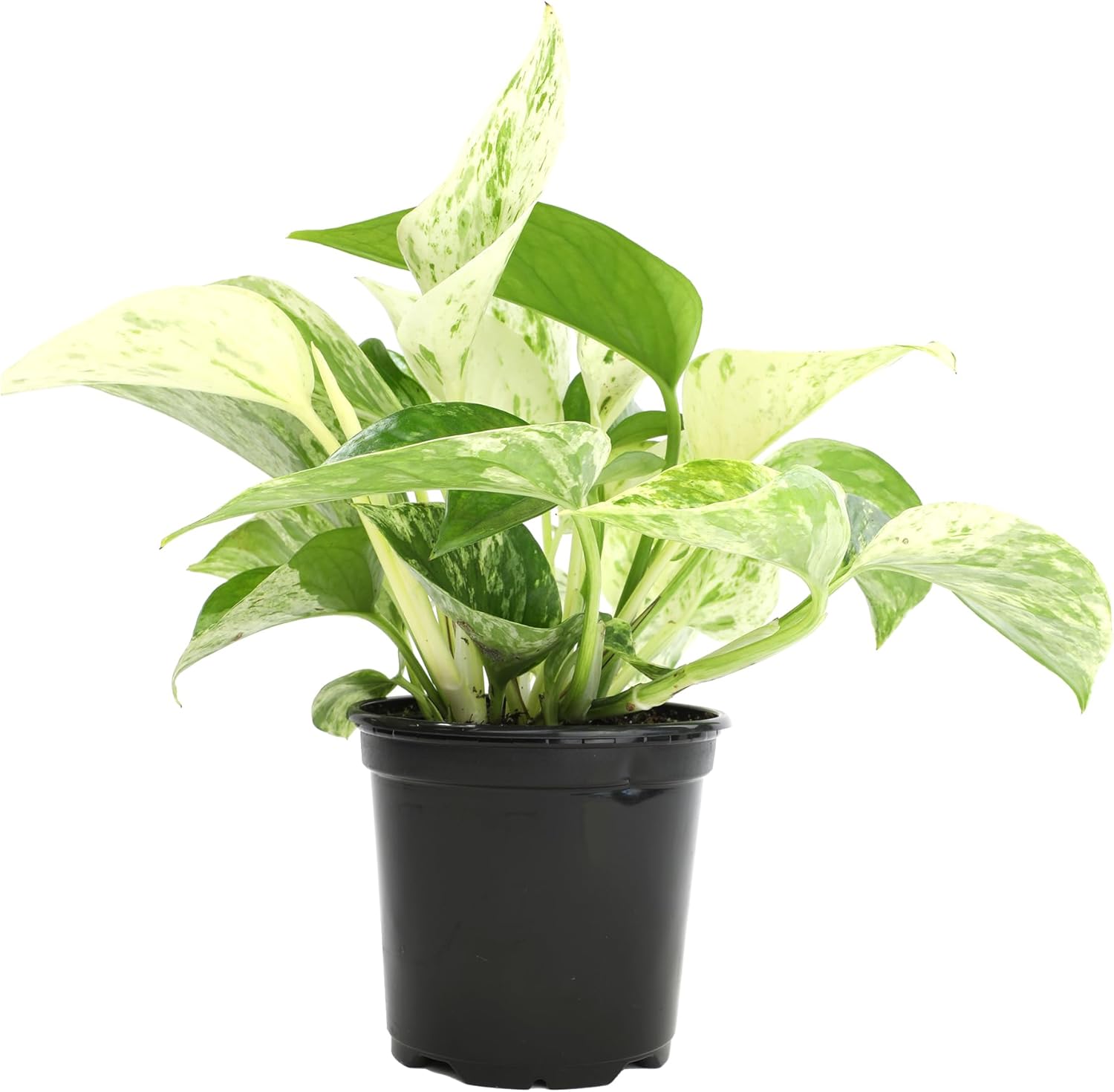
Plants for Pets Marble Queen Pothos in 4" Nursery Pot
| Indoor Outdoor Usage | Indoor |
|---|---|
| Other Special Features of the Product | Air Purification |
| Moisture Needs | Moderate Watering |
| Material Features | Natural |
The Marble Queen pothos is a compact, easy-care vining houseplant that arrives fully rooted in a 4" nursery pot and is suited for indoor spaces with limited light. Typical use is as a hanging plant, shelf specimen, or trailing accent where it can receive bright, indirect light or tolerate lower light levels. Notable features from the listing include variegated green-and-cream foliage, moderate watering needs, and an air-purifying benefit. Practically, this means the plant adds visual interest without demanding daily attention and recovers well if watering is occasionally missed, provided you avoid prolonged saturation that can cause root rot. It also responds to occasional feeding during spring and summer to keep new growth colorful. Limitations are its small nursery pot size on arrival, so taller or fuller displays will require repotting over time, and the plant is toxic to pets so it should be kept out of reach of cats and dogs. Buyers seeking a low-fuss, attractive trailing houseplant will find this an easy add to bedrooms, offices, and shaded living rooms.
Best for: Buyers who want an attractive, low-maintenance trailing houseplant for shaded rooms, shelves, or hanging displays and prefer a reliable plant that tolerates occasional care lapses.
Less Ideal for: People who need instant tall or full specimens without repotting or those who have curious pets that access plant foliage.
- Variegated, decorative foliage that brightens low-light spaces
- Tolerant of low to bright indirect light, making placement flexible
- Arrives fully rooted and ready to display in a nursery pot
- Low care: moderate watering and occasional feeding are sufficient
- Ships in a small 4" nursery pot so repotting is likely for faster growth
- Not pet friendly and should be kept away from cats and dogs
Verdict: A forgiving, variegated pothos that brings low-light rooms life with minimal maintenance and easy placement.
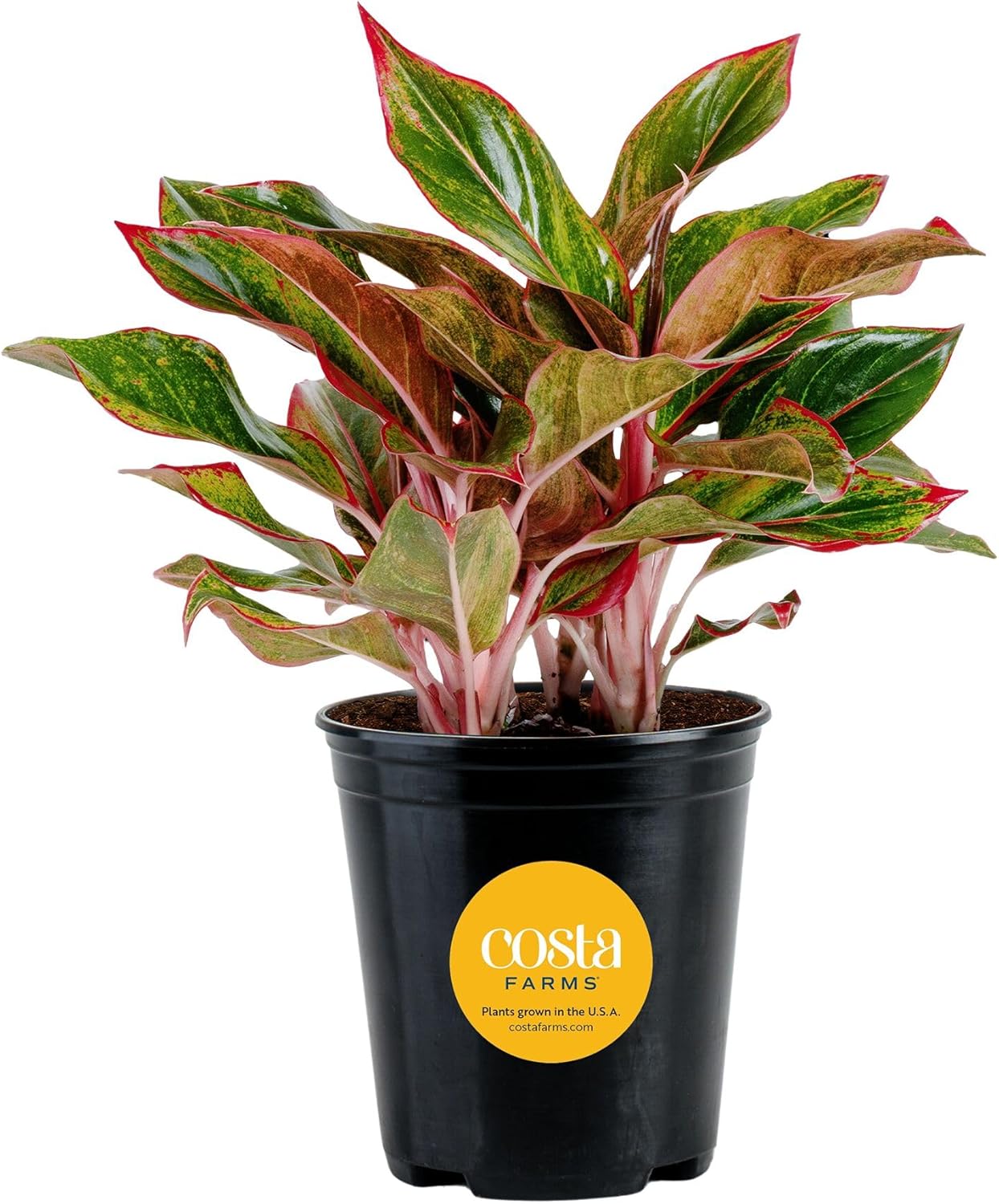
Costa Farms Chinese Evergreen (Aglaonema) Live Indoor Plant, Medium, in Grow Pot
| Indoor Outdoor Usage | Indoor |
|---|---|
| Other Special Features of the Product | Air Purification |
| Sunlight Exposure | Partial Sun |
| Moisture Needs | Regular Watering |
| USDA Hardiness Zone | 10-11 |
The Costa Farms Chinese Evergreen is a straightforward choice when you want a tall, low-light houseplant that does most of the work for you. It’s an Aglaonema sent in a plastic grow pot and described as reaching about three feet tall, with variegated leaves that provide a strong decorative focal point for a living room, office, or bedroom. Care needs are minimal: the plant tolerates a range of light levels (does well in partial to low light) and requires only regular watering—about a cup once a week as a starting guideline. The listing highlights air-purifying qualities and farm-fresh packaging, so you get a plant ready to display on arrival. Important limitations are that it is not frost-hardy and needs indoor temperatures consistent with USDA zones 10 to 11, and the grow pot is basic plastic so you may want to transplant to a decorative container for long-term display. For someone focused on performance in low-light spaces, this plant delivers attractive foliage and reliable vigor with modest maintenance.
Best for: Buyers who need a tall, low-light tolerant plant that performs reliably with minimal attention and makes an immediate decorative statement indoors.
Less Ideal for: People who want an outdoor-hardy specimen or who prefer flowering plants or compact desk plants; also not suited for unheated spaces exposed to cold.
- Tolerates low to medium light, suitable for dim rooms and offices
- Low watering needs with simple weekly guideline
- Variegated large leaves provide strong decorative presence
- Advertised air-purifying benefit for indoor environments
- Shipped in a basic plastic grow pot so transplanting may be desirable
- Not cold-hardy and requires indoor temperatures above cool-zone ranges
Verdict: A reliable, tall Aglaonema that delivers impressive foliage and low-light performance for buyers who prioritize dependable indoor plant performance with minimal upkeep.
Altman Plants Snake Plant (Laurentii) in 4 in Grower Pot

| Indoor Outdoor Usage | Indoor, Outdoor |
|---|---|
| Other Special Features of the Product | Low Maintenance |
| Sunlight Exposure | Full Sun |
| USDA Hardiness Zone | 10, 11, 12 |
| Soil Type | Sandy Soil |
The Altman Plants Laurentii is a classic variegated snake plant that provides tall, architectural foliage with minimal fuss. Sold fully rooted in a 4-inch grower pot, it is grown to handle typical indoor conditions and is frequently used as a low-light office or home plant to add vertical structure and color. Notable features are its tolerance for a wide range of light levels, drought resilience, and simple watering needs — water only when the top few inches of soil dry out. Because it is hardy and low maintenance it works well on shelves, in corners, or near windows with indirect light and helps improve indoor air quality. Limitations are inherent to the small nursery pot size on arrival, which means you may want to repot within a few months for fuller growth, and it is listed for warm USDA zones if placed outdoors. Overall care is straightforward, making it a reliable pick for someone who wants a durable, low-effort plant.
Best for: Buyers who want a no-fuss, durable houseplant to brighten low-light rooms or busy environments without frequent care. Ideal for people seeking a reliable, easy-care plant that can be left to dry between waterings.
Less Ideal for: Gardeners wanting instant, large statement plants or those who need outdoor-hardy specimens for cooler climates should look elsewhere.
- Very low maintenance and drought tolerant, suitable for irregular watering
- Tolerates low, medium, and bright indirect light, versatile placement indoors
- Variegated leaves add height and visual interest to small spaces
- Arrives fully rooted in a grower pot so it can be displayed immediately
- Ships in a small grower pot which may require repotting for faster growth
- Not cold-hardy outside except in warm USDA zones listed
Verdict: A tough, variegated snake plant that delivers low-light tolerance and minimal care, perfect for practical buyers who want a dependable, low-effort indoor plant.
Fleshy Flora 4" Live Golden Snake Plant (Sansevieria)

| Sunlight Exposure | Partial Sun |
|---|---|
| Unit Count | 1 Count |
| Brand Name | Fleshy Flora |
This 4-inch golden snake plant is a compact, low-maintenance houseplant that fits on desks, windowsills, or shelves and is aimed at buyers who want a hardy green accent without fuss. It tolerates low to bright indirect light and only needs occasional watering, so it is appropriate for beginners and people who travel. The plant arrives hand-packed from the grower and provides upright, evergreen foliage that adds year-round interest and a tidy silhouette in small spaces. Because it is sold as a single live plant in a small pot, expect modest initial size and gradual growth rather than an instant statement piece. The small unit count keeps cost and care simple, but buyers who want a larger display will need to pot up or buy multiples. Overall this is a practical, low-effort choice for adding resilient greenery where space and maintenance time are limited.
Best for: Buyers looking for an inexpensive, low-effort indoor plant to add steady greenery to small rooms or workspaces without frequent care.
Less Ideal for: Those who want an immediate large floor plant or an instant dramatic statement without additional potting or multiple plants.
- Thrives in low to bright indirect light so it adapts to many indoor spots
- Very low watering needs, suitable for beginners and frequent travelers
- Compact 4-inch size fits small spaces like desks and shelves
- Hand-packed from the grower, arriving ready to display
- Sold as a single small plant so it may require repotting or multiples for a fuller look
Verdict: A compact, budget-friendly snake plant that delivers easy-care, low indirect light performance for small indoor spaces.
Thorsen's Greenhouse Live Red Prayer Plant (Maranta leuconeura) in 4" Pot

| Indoor Outdoor Usage | Indoor |
|---|---|
| Other Special Features of the Product | Pet Friendly |
| Sunlight Exposure | Partial Sun |
| Moisture Needs | Moderate Watering |
| Soil Type | Peat Soil |
The Red Prayer Plant is a compact houseplant valued for its striking red-veined foliage and responsive leaf movement. Sold in a 4" plastic nursery pot, it is usually placed on a windowsill, shelf, or in a hanging position where it receives bright indirect to low light. The listing highlights practical care advice: keep the peat-based soil evenly moist with filtered water, provide higher humidity, and water less in winter. Notable features include ASPCA-approved non-toxicity for pets, suitability for low light, and straightforward propagation by division or stem cuttings. For a reliability-minded buyer this plant is appealing because it has modest, well-documented needs and the vendor provides clear acclimation and shipping guidance to reduce surprises on arrival. Important limitations are that it prefers consistent moisture and humidity, so it may need more attention in dry homes, and plants can vary from photos so you should allow an acclimation period after shipping. The plant is best for someone who wants a low to moderate care indoor plant with decorative foliage and predictable behavior under indoor conditions.
Best for: Buyers who want a reliable, decorative indoor houseplant that tolerates low light and comes with straightforward care instructions for steady, predictable growth.
Less Ideal for: People who prefer fully hands-off plants or who cannot provide regular watering and humidity; not suited to outdoor use except in very warm zones.
- ASPCA-approved non-toxic to pets, making it safe for homes with animals
- Tolerates low to bright indirect light, suitable for shaded rooms
- Small, space-saving 4" pot fits windowsills, shelves, and hanging spots
- Clear care guidance included for watering, light, humidity, and propagation
- Needs consistently moist soil and higher humidity which can require extra attention in dry indoor environments
Verdict: A compact, pet-safe Maranta that reliably performs in low to bright indirect light for buyers who prioritize predictable, easy-to-follow care.
Plants for Pets Pothos 4-Pack (4" Assorted)

| Indoor Outdoor Usage | Indoor |
|---|---|
| Other Special Features of the Product | Air Purification |
| Sunlight Exposure | Full Sun |
| Moisture Needs | Regular Watering |
| USDA Hardiness Zone | 3 |
This four-pack delivers beginner-friendly pothos varieties that suit low-light rooms and simple indoor care routines. Each plant comes rooted in a 4" nursery pot and the assortment rotates between familiar types such as Marble Queen, Golden, Neon, and Satin, so you get visual variety without extra effort. Pothos are typically grown in hanging planters, on shelves, or trained up a support; they prefer bright, indirect light but tolerate lower light levels that many apartments and offices have. The listing emphasizes air-purifying benefits and gives clear care guidance: allow the soil to dry between waterings and keep temperatures above about 60 F. Practical strengths are resilience, fast trailing growth for a lush look, and compatibility with common indoor spots like living rooms, kitchens, or bathrooms. Limitations are that you may receive different varieties than pictured and plants arrive in small 4" pots, so plan to repot sooner if you want bigger specimens or longer-term display without frequent watering.
Best for: Buyers who want low-maintenance greenery for indoor spaces and prefer reliable, easy-to-care-for plants that tolerate lower light and occasional neglect.
Less Ideal for: Growers seeking large, mature plants ready for instant statement displays or those who want guaranteed, specific rare varieties.
- Easy to grow and tolerant of low to bright indirect light
- Four different varieties provide visual variety in one purchase
- Ships in small nursery pots that establish quickly and are ready for hanging or shelving displays
- Listed care guidance is straightforward for first-time plant owners
- Arrives in 4" pots so plants may need repotting soon for faster growth or long-term display
- Specific varieties are not guaranteed and assortment can vary
Verdict: A simple, low-maintenance way to add trailing, low-light-friendly pothos to your home with minimal fuss.
Costa Farms Money Tree (Pachira aquatica) Live Indoor Plant in Decorative Pot

| Indoor Outdoor Usage | Indoor |
|---|---|
| Other Special Features of the Product | Air Purification, Low Maintenance, Pet Friendly |
| Sunlight Exposure | Partial Shade |
| Moisture Needs | Moderate Watering |
| Product Care Instructions | Bright, Indirect Light, Water Weekly |
The Costa Farms Money Tree is a beginner-friendly indoor tree grown and shipped ready to display in a decorative pot. It is typically used as a tabletop or small floor accent where bright, indirect light is available. Notable features include the signature braided trunk, pet-safe foliage, and packaging designed to protect the plant during transit. Practically, it offers easy care: water when the top 2 inches of soil feel dry and keep it in bright, filtered light, which makes it forgiving if you miss an occasional watering. The pre-potted presentation removes the immediate need to repot and gives an instant finished look for desks, entryways, or living rooms. Limitations to expect are that it prefers consistent indirect light and moderate moisture, so darker rooms or chronic overwatering will hamper growth, and the medium size is a tabletop rather than a large floor specimen. For buyers focused on easy success and decorative impact, this Money Tree balances aesthetics and low effort, though long-term growers may eventually want to repot for fuller development.
Best for: Buyers who want an attractive, low-effort houseplant that looks finished out of the box and is safe around pets, especially those who value straightforward care and reliable arrival. Ideal for people adding easy greenery to desks, shelves, or small living spaces.
Less Ideal for: Experienced collectors seeking a large specimen tree or anyone needing a plant that thrives in dim light should consider other options.
- Arrives pre-potted in a decorative planter for immediate display
- Pet-safe, non-toxic foliage suitable for households with cats and dogs
- Forgiving care needs that tolerate occasional missed waterings
- Distinctive braided trunk adds architectural, designer appeal
- Not ideal for low-light rooms since it prefers bright, indirect light
- Medium/tabletop size may be too small for buyers seeking a large floor statement plant
Verdict: A stylish, pet-safe Money Tree that delivers easy, low-stress greenery already potted and ready to display.
Choosing the Right Low Sun Indoor Plants: Key Factors to Consider
Actual Light Levels
Assessing the real light in the room is the first step. Low-sun indoor plants still need some light; corridors, north-facing rooms, and areas far from windows provide very different levels of irradiance. Observe the space across the day, watching for direct rays versus consistently dim conditions. A plant that tolerates low sun can often survive in indirect light but may show slower growth, reduced leaf size, or legginess.
Positioning also matters: placing a plant closer to a sheer-curtained window or on a bright shelf can make the difference between thriving and merely surviving. Consider seasonal changes too, as winter light may be substantially weaker.
Watering Frequency and Soil
Low-light plants use less water because they photosynthesize more slowly. Choose soils that drain well but retain enough moisture to avoid frequent watering. Overwatering is the most common cause of indoor plant problems in dim rooms; soggy soil invites root rot and fungal issues. Learning each species' drying cycle will help you water by touch or weight rather than on a calendar.
Use pots with drainage holes and consider a mix with aeration components like perlite or coarse sand for containers. Self-watering pots can help avoid both drying out and chronic wetness if matched to a plant's uptake rate.
Size and Growth Habit
Low-sun plants often have slower vertical growth but can still spread or become leggy. Consider mature dimensions and whether the plant will need pruning or training. Compact rosettes and upright slow growers suit shelves and tabletops, while trailing varieties work well in hanging baskets or high shelves.
Think about long-term placement. A plant that reaches several feet over years may outgrow a windowsill, requiring repotting or a new location. Matching the growth habit to available space reduces maintenance and keeps the room looking intentional.
Temperature and Humidity Tolerance
Indoor temperatures and humidity levels influence how well low-light plants perform. Many low-sun species tolerate typical household temperatures but can suffer from dry winter air near radiators. Leaf browning, increased pests, and slowed growth can result from persistent low humidity.
If humidity is low, choose species known to tolerate drier air or plan to raise humidity locally with pebble trays, grouping plants, or room humidifiers. Stable temperatures without cold drafts produce the most consistent results.
Pest Susceptibility and Maintenance Needs
Even in low light, pests like spider mites and scale can appear, especially when plants are stressed. Inspect plants regularly for sticky residue, webbing, or discolored spots. Select plants with a reputation for resilience if you prefer low-maintenance care, and keep isolation procedures ready when introducing new specimens.
Routine tasks such as occasional leaf cleaning, selective pruning, and repotting every few years are normal. Factor in how much hands-on time you want to spend when choosing among low-sun indoor options.
Propagability and Longevity
For many home gardeners, the ability to propagate a plant from cuttings or divisions extends value and satisfaction. Plants that root easily in water or soil let you expand your collection or replace aging specimens without buying new ones. Longevity relates to whether the species tolerates repotting stress and can recover from occasional neglect.
Consider how quickly a plant rebounds after light stress or pruning; resilient species require less intervention and are better suited to beginners or busy households.
Understanding Low Light Versus No Light
Low light means limited indirect daylight, such as north-facing windows or rooms several feet from a window. No light means artificial-only illumination, which most true low-sun plants will not thrive under long term. Distinguishing between these situations helps set realistic expectations for growth and leaf color.
Many low-sun indoor plants enter a slower growth phase in low light. You can manage this by reducing fertilizer frequency, trimming leggy stems, and accepting a smaller footprint. If you need more growth, supplement with a low-intensity grow lamp on a timer rather than expecting dramatic results from a dim corner.
- Place plants where they receive the brightest available indirect light.
- Rotate plants occasionally to keep growth even.
- Reduce feeding during low-light months.
Practical Potting and Soil Tips
Use a potting mix formulated for indoor plants that balances moisture retention with drainage. For many low-sun species, adding perlite or pumice improves aeration and prevents soggy roots. Smaller pots dry out faster, so match container size to the plant's root mass rather than the visual scale alone.
Ensure all pots have drainage holes and consider using a saucer to protect surfaces. For very slow growers, a shallow pot can be fine but monitor soil moisture closely to avoid prolonged wetness. When repotting, avoid oversized containers that retain too much water.
- Choose breathable pots for better root health.
- Repot when roots circle or emerge from drainage holes.
Managing Common Problems in Dim Spaces
Leggy growth, yellowing leaves, and slow vigor are common in low-light environments. Address legginess by pruning back elongated stems and encouraging bushier growth through selective pinching. Yellow leaves can indicate overwatering or poor light; check soil moisture and adjust placement.
Pests tend to exploit weakened plants. Keep humidity balanced and inspect new plants before bringing them indoors. Treat infestations early with mechanical removal or gentle soap sprays to avoid heavy chemical use indoors.
- Prune leggy stems to promote fullness.
- Inspect and quarantine new plants for at least two weeks.
- Adjust watering rather than immediately increasing light.
Placement Strategies for Small Rooms
In compact spaces, use vertical real estate. Hanging plants, wall shelves, and tall plant stands let you place foliage closer to light sources without crowding surfaces. Choose compact or trailing low-sun plants for high shelves and small tables for upright varieties.
Mirrors and light-colored walls can modestly increase perceived brightness but do not replace direct or strong indirect light. Group plants with similar water and light needs together to create microclimates and streamline care.
- Use vertical displays to maximize light access.
- Group plants with similar care needs together.
Seasonal Care Adjustments
Expect seasonal changes in growth and water use. In winter, reduce watering intervals and stop fertilizing as many low-sun species enter dormancy or slow growth. In spring and summer, increase watering slightly and resume a light fertilizing schedule to support new growth.
Monitor for subtle shifts rather than changing care on a fixed calendar. A plant's size, potting mix, and indoor microclimate influence how much you should alter routines across seasons.
- Cut back feeding in fall and winter.
- Increase monitoring during seasonal transitions.
How We Chose the Best Low Sun Indoor Plants
We selected low-light tolerant indoor plants based on traits gardeners can verify without laboratory testing. Primary evaluation criteria included documented light tolerance, ease of maintenance in lower light, pest and disease resilience indoors, and adaptability to potting and typical household humidity. We also checked expected growth habit and space footprint so plants suit small rooms or shelves, and we favored species with clear propagation or repotting guidelines for long-term success. Exclusions removed sun-dependent tropicals and high-humidity greenhouse species that fail in typical low-sun homes. Our process prioritized plants with repeatable, observable performance in dim conditions and clear care requirements so readers can match plants to room brightness and daily routines.
FAQ
Can low-sun indoor plants survive in rooms with no windows?
Most low-sun plants need some natural or full-spectrum artificial light to thrive. Rooms with zero natural light usually require a low-intensity grow light on a timed schedule for long-term health.
How often should I water plants in low light?
Watering frequency is usually lower than for sunlit plants. Check soil by touch or pot weight and water only when the top inch or so feels dry. Overwatering is the most common mistake in dim conditions.
Will low light make my plants grow leggy?
Yes, many plants stretch toward the light and become leggy in low-sun rooms. Regular pruning, rotating the plant, and providing slightly brighter indirect light can reduce legginess.
Do low-sun plants need special fertilizer?
They do not need special fertilizer, but they require less frequent feeding. Use a balanced, dilute fertilizer during the active growing season and skip feeding when growth slows in darker months.
Are low-sun plants suitable for beginners?
Many low-sun species are beginner-friendly because they tolerate occasional neglect and lower light. Choose species known for pest resistance and simple watering requirements to make care easier.
Can I propagate these plants to make more?
Often yes. Many low-sun indoor species root readily from cuttings or division. Propagation methods vary by plant but can include stem cuttings in water or rooting medium and division of mature clumps.
Final Verdict
When choosing low-sun indoor plants, prioritize realistic light assessment and matching plants to your daily care habits. Focus on species with proven low-light tolerance, easy watering cycles, modest space needs, and good pest resilience. Tradeoffs are inevitable: slower growth and reduced leaf size are normal in dim rooms, so plan for compact growth habits or occasional pruning. With the right match between plant and place, low-sun indoor plants provide greenery and improved indoor ambiance with manageable maintenance.
