

Note: This article contains affiliate links. If you click on these links and make a purchase, I may earn a small commission at no extra cost to you. This helps support my research and content. Read my full affiliate disclosure here.
Cold weather changes how plants grow and how you manage seedlings, containers, and tender perennials. Choosing the right mini greenhouse for winter matters because a well-chosen shelter preserves heat, blocks wind, and protects from frost without creating a damp, disease-prone microclimate. This guide covers seven shortlisted mini greenhouses that suit winter use, focusing on thermal performance, build durability, and real-garden handling. We explain the practical tradeoffs you should expect and the evaluation criteria used to select these top picks. Read on to find a compact winter greenhouse that fits your space and winter gardening goals.
Top Picks at a Glance
| Best Overall The best all-around choice for most situations | Ohuhu 4-Tier Mini Greenhouse with Clear PVC Cover |  |
| Best Quality Built to a higher standard if you want something more solid | Sylviera 6×4 ft Outdoor Greenhouse with Hygrometer and Ventilation | 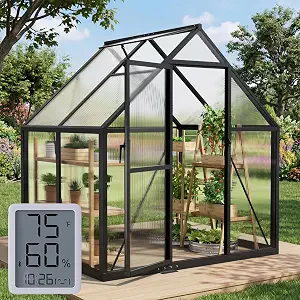 |
| Best Value The sweet spot between price and what you get | U'Artlines Portable Mini Greenhouse (36 x 18 x 33 inch) |  |
| Best Budget The cheapest option that still gets the job done reliably | Gardzen 27 x 27 x 31 in Pop-Up Mini Greenhouse |  |
| Highest Rated A top-rated pick with lots of positive feedback | Giantex 6×3.3×5.5 ft Mini Walk‑In Greenhouse with Roll‑Up Door and PE Cover |  |
| Most Popular A crowd favorite that many people choose with confidence | Pure Garden 4-Tier Mini Greenhouse with PVC Cover and Locking Wheels |  |
| Best Seller A high-volume bestseller chosen again and again | EAGLE PEAK 6×4 Pop-Up Walk-In Greenhouse |  |
Ohuhu 4-Tier Mini Greenhouse with Clear PVC Cover

| Number of Doors | 1 |
|---|---|
| Closure Type | Zipper |
| Weight Capacity | Maximum weight: 23.4 pounds |
| Cover Material | Plastic |
| Frame Material | Metal |
This Ohuhu 4-tier mini greenhouse is a straightforward, budget-friendly way to give seedlings and small potted plants winter protection. It uses a clear PVC cover over a rust-resistant metal frame to trap solar heat while letting you see plants without opening the cover. The unit assembles tool-free with push-fit connectors and has a roll-up zippered door for access and ventilation. Each shelf is rated to hold about 22 to 23 pounds, so it is stable enough for multiple pots or small grow lights. The compact vertical footprint makes it useful on balconies, patios, or next to a sunny wall where space is limited. Expect good short-term shelter from frost, wind, and light snow, but the single-layer PVC is not heavy-duty enough for prolonged exposure to deep snow or sustained high winds. Anchoring with the included stakes or placing it against a protected wall will improve durability. For growers wanting a simple, easy-to-move winter shelter to start plants earlier and protect tender varieties, this greenhouse does the job without complexity.
Best for: Buyers who want an easy-to-use, space-saving winter shelter to start seeds earlier and protect tender plants on a balcony or small patio.
Less Ideal for: Not a good fit for gardeners who need a heavy-duty, permanent greenhouse for large plants or for locations exposed to severe winter storms.
- Clear PVC cover provides high light transmission for seedlings and visibility without opening the shelter
- Rust-resistant metal frame and reinforced connectors for reasonable stability in winter conditions
- Tool-free push-fit assembly makes setup quick and easy
- Roll-up zippered door allows controlled ventilation and pest exclusion
- Shelves support roughly 22–23 lb each so you can stack multiple pots or small equipment
- Single-layer PVC cover offers limited insulation compared with double-wall or polycarbonate options
- Compact size and lightweight build are vulnerable to heavy snow loads and strong winds
Verdict: A compact, easy-to-assemble mini greenhouse that reliably extends the growing season for small-scale winter gardening.
Sylviera 6×4 ft Outdoor Greenhouse with Hygrometer and Ventilation
| Cover Material | Polycarbonate (PC) |
|---|---|
| Frame Material | Aluminum |
| Number Of Vents | 2 |
| Indoor Outdoor Usage | Outdoor |
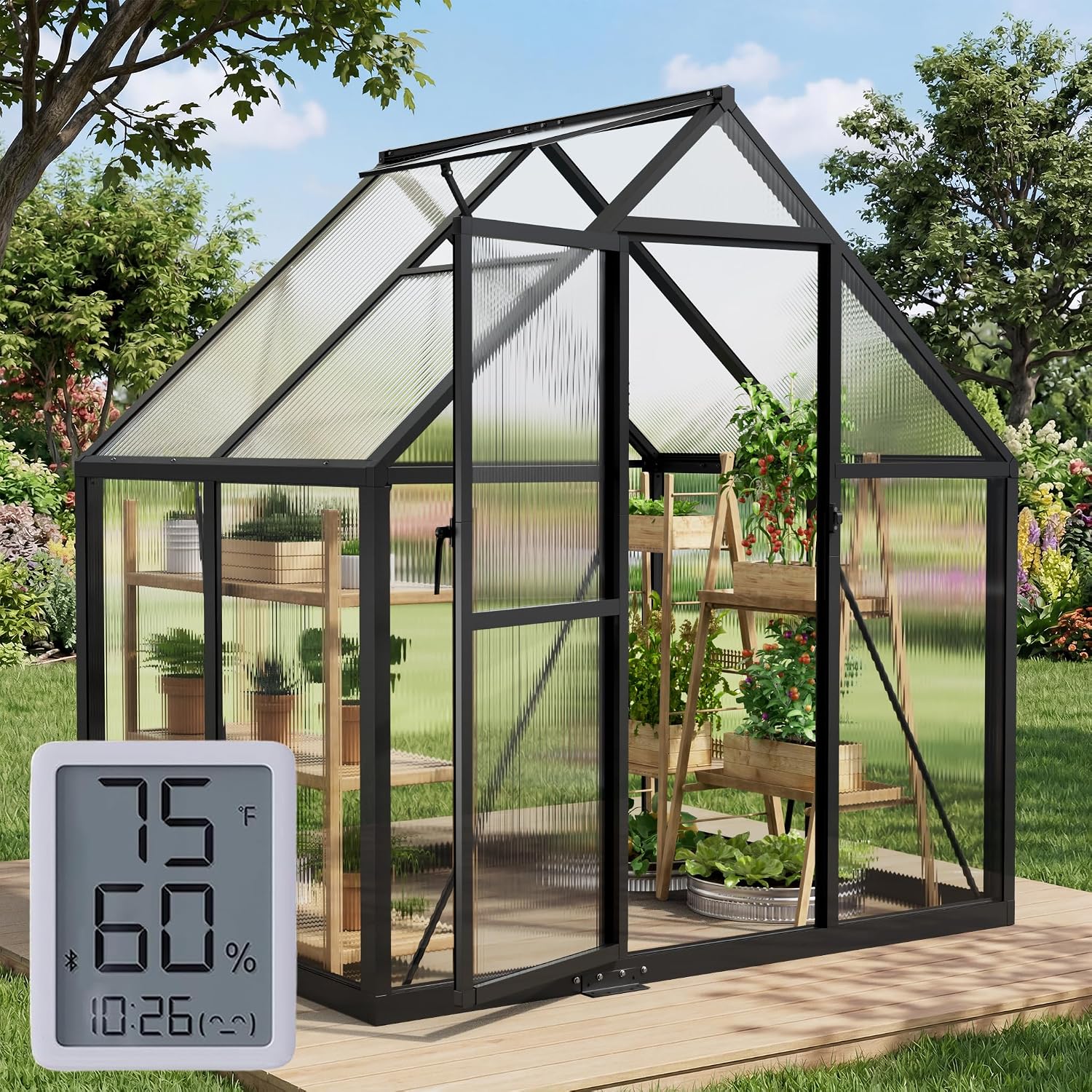
This Sylviera 6×4 ft greenhouse is a small walk-in kit built to extend the growing season and protect plants from wind, rain, and light snow. It assembles from labeled aluminum frame pieces and 4mm double-wall polycarbonate panels that are UV resistant and let a lot of light through while reducing harmful rays. Typical use is backyard vegetable, herb, or seedling production where you need a controlled environment without moving to a larger structure. Notable features include two adjustable roof vents, a lockable door, and included thermometers or a hygrometer for basic climate monitoring. The aluminum frame and multiwall panels give a sturdier feel than thin plastic covers, and the panels can be sealed further with adhesive to improve rigidity in harsher weather. Limits are its compact footprint and 4mm panel thickness, which means it is best for light to moderate winter conditions rather than heavy snow loads, and assembly will require two people and careful following of instructions to avoid alignment issues. For growers focused on steady performance in a small footprint this greenhouse balances light transmission, ventilation, and year-round protection.
Best for: Gardeners who want a compact, reliable greenhouse to extend the season and produce vegetables, herbs, or seedlings with predictable environmental control in a backyard setting.
Less Ideal for: People needing a large production greenhouse or a structure rated for heavy, prolonged snowfall should consider larger, heavier-duty models instead.
- Aluminum frame with polycarbonate panels offers better rigidity and weather resistance than fabric covers
- 4mm double-wall polycarbonate panels are UV resistant and provide good light transmission while reducing UV exposure
- Adjustable roof vents and a lockable door give practical airflow control for temperature and humidity
- Includes basic climate monitoring (thermometers/hygrometer) to help manage growing conditions
- 4mm panels and small footprint are not suited for heavy snow loads or very large crops
- Assembly requires at least two people and careful alignment for a weather-tight fit
Verdict: A compact, performance-minded mini greenhouse that gives year-round protection and good ventilation for backyard vegetable and seedling growers.
U'Artlines Portable Mini Greenhouse (36 x 18 x 33 inch)

| Frame material | Steel |
|---|---|
| Cover material | PE (tear-resistant) |
| Includes | Waterproof ground mat |
This compact portable greenhouse is built around a lightweight steel frame and a tear-resistant PE cover to provide a protected microclimate for seedlings, potted plants, and cold-sensitive herbs. It is typically used on patios, balconies, or indoors over planter pots to give plants an earlier start in spring or frost protection in winter. The roll-up zippered door and straps make accessing plants and controlling ventilation straightforward, while the included waterproof ground mat keeps the floor clean when watering and helps retain heat. The shelter is easy to assemble and move, so you can reposition it with changing sun angles or bring it indoors during severe weather. Expect modest insulation compared with rigid greenhouses and limited space for large pots or tall plants because of its compact footprint. For winter use it is best as a frost shield and seed-starting environment rather than a long-term heated greenhouse.
Best for: Buyers who want an affordable, easy-to-move shelter to start seeds or protect small potted plants from light frost and extend the growing season without committing to a permanent structure.
Less Ideal for: Gardeners needing year-round heated greenhouse space or who plan to grow large plants and multiple full-size pots should seek a larger, more robust structure.
- Durable steel frame provides stable support for the cover
- Tear-resistant PE cover offers basic weather protection and warmth retention
- Zippered roll-up door with straps allows easy access and ventilation control
- Waterproof ground mat keeps the area tidy and helps trap heat
- Compact interior limits use to small pots and seedlings
- Less insulating than rigid or double-wall structures for sustained winter heating
Verdict: A portable, no-fuss mini greenhouse that gives seedlings and small pots reliable frost protection and an easier winter start.
Gardzen 27 x 27 x 31 in Pop-Up Mini Greenhouse

| Cover Material | Polyvinyl Chloride (PVC) |
|---|---|
| Frame Material | Metal |
| Indoor Outdoor Usage | Outdoor |
| Closure Type | Zipper |
| Number of Doors | 1 |
The Gardzen pop-up mini greenhouse is a no-fuss, budget-friendly way to protect seedlings and potted plants through colder months. Its pop-up design requires no assembly and folds flat for storage, so it is easy to set up in seconds on a patio, balcony, or garden bed. The transparent PVC cover lets sunlight in for photosynthesis while the roll-up zipped door provides access and ventilation when needed. Metal side bars and included ground nails help keep the structure stable in wind and light snow, and the cover is described as waterproof and UV protected to extend the growing season. Practical benefits include simple seasonal frost protection, insect and pet barrier, and a small humid microclimate that helps young plants root sooner. Limitations are inherent to the size and materials: the interior only fits a few pots or flats and PVC cover and lightweight frame will not withstand heavy snow loads or sustained high winds, so it is best used as a seasonal shelter rather than a permanent structure.
Best for: Gardeners looking for an inexpensive, easy-to-use winter shelter for seedlings and small potted plants who prioritize convenience and seasonal frost protection.
Less Ideal for: People needing a larger, permanent greenhouse for many plants or for locations that receive heavy snow or frequent strong winds.
- True pop-up design that needs no assembly and folds flat for storage
- Transparent PVC cover provides full light transmission and lets you monitor plants
- Included ground nails and metal frame improve stability in windy conditions
- Roll-up zipped door allows easy access and adjustable ventilation
- Small interior limits the number and size of plants it can hold
- PVC cover and lightweight frame are not built for heavy snow or long-term outdoor permanence
Verdict: A very affordable, instant pop-up shelter that gives seedlings and small pots effective seasonal frost protection with minimal setup.
Giantex 6×3.3×5.5 ft Mini Walk‑In Greenhouse with Roll‑Up Door and PE Cover

| Cover Material | Polyethylene (PE) |
|---|---|
| Frame Material | PE‑Coated Metal |
| Indoor Outdoor Usage | Outdoor |
| Number Of Vents | 2 |
This Giantex mini walk‑in greenhouse creates a sheltered microclimate for overwintering and season‑extension. The PE cover is designed to retain heat and block driving rain while an overlong skirt plus ground stakes and guy rope rings let you anchor the cover for better wind resistance. A large zippered roll‑up door and a side vent provide easy access and adjustable airflow for seedlings, potted plants, and small beds. The frame uses PE‑coated metal pipes with fastening straps and reinforced connectors, which should resist corrosion better than bare steel and simplify assembly. Practical benefits include quick setup, usable interior space for multiple pots or seed trays, and improved protection from cold snaps. Limitations are that the cover is polyethylene rather than heavy-duty PVC or polycarbonate so it can wear faster in intense sun or abrasive conditions, and the lightweight frame still needs to be well‑anchored in windy locations. For a buyer prioritizing reliability, follow the included anchoring instructions and consider additional tie‑downs in exposed sites.
Best for: Someone who needs a dependable, easy‑to‑set‑up winter shelter to extend the growing season for vegetables, herbs, or potted plants and who plans to anchor the structure securely.
Less Ideal for: Gardeners seeking a permanent, high‑impact greenhouse with rigid glazing or those in extremely exposed coastal sites where a heavier, engineered structure is required.
- Heat‑retentive PE cover creates a stable microclimate for cold protection
- Overlong cover plus ground stakes and guy rope rings improve wind stability
- Roll‑up zippered door and side vent enable easy access and adjustable ventilation
- Rustproof PE‑coated metal frame with reinforced connectors for straightforward assembly
- Polyethylene cover is less UV‑durable than thicker PVC or polycarbonate panels
- Lightweight frame requires secure anchoring in strong winds
Verdict: A straightforward, reliability‑minded mini walk‑in greenhouse that provides practical winter protection when properly anchored.
Pure Garden 4-Tier Mini Greenhouse with PVC Cover and Locking Wheels

| Number of Doors | 2 |
|---|---|
| Closure Type | Zipper |
| Weight Capacity | Maximum weight: 24 pounds |
| Cover Material | Polyvinyl Chloride (PVC) |
| Frame Material | Alloy Steel |
This 4-tier Pure Garden mini greenhouse provides a compact, movable environment for starting seedlings, growing herbs, and protecting small potted plants from frost. Assembly is tool-free and the tubular alloy steel frame plus clear PVC cover create a warm, sheltered space; the zippered roll-up door gives easy access and ventilation control. Each shelf is rated to hold up to 24 pounds, so it accommodates multiple trays, medium pots, or seed flats across four levels. Locking caster wheels make it simple to move the unit onto a porch or into a sunroom, and you can remove the wheels to keep it stationary outdoors. Practical benefits include season extension for vegetables and tender perennials and convenient organization of plants and supplies. Limitations are the lightweight PVC cover, which will need careful anchoring and protection from strong wind and prolonged sun exposure, and the modest shelf spacing that limits very large pots or tall plants.
Best for: Gardeners who want a versatile, space-efficient greenhouse to start seedlings, grow herbs, or protect small plants through cooler months and who value portability and simple setup.
Less Ideal for: Growers who need a heavy-duty, long-term outdoor greenhouse for large plants or commercial propagation should look for sturdier, larger climate-controlled options.
- Compact four-tier design fits seed trays and multiple small to medium pots
- Tool-free assembly with locking wheels for easy repositioning
- Clear PVC cover with zippered roll-up door for protection and ventilation
- Alloy steel tubular frame offers basic stability for everyday use
- PVC cover is lightweight and can deteriorate under prolonged sun or rough weather
- Shelf spacing and weight limits restrict use with large or heavy containers
Verdict: A practical, easy-to-move four-shelf greenhouse that extends the season for seed starting and small-plant growing in compact spaces.
EAGLE PEAK 6×4 Pop-Up Walk-In Greenhouse

| Size | 6×4 |
|---|---|
| Cover Material | Reinforced Polyethylene Film |
| Frame Material | Alloy Steel |
| Number of Doors | 1 |
| Number Of Vents | 2 |
The EAGLE PEAK 6×4 pop-up walk-in greenhouse is a compact, easy-to-use shelter for starting seeds, protecting tender plants from frost, and extending fall or early-winter growth. Its pre-assembled pop-up frame and patented center lock let one person erect the structure quickly without tools, and the reinforced polyethylene cover holds warmth and humidity while filtering light. Mesh windows and a roll-up zippered door provide straightforward ventilation and access, and included stakes and guy ropes help stabilize the unit in light to moderate winds. The alloy steel frame and powder-coated finish add durability compared with flimsy hobby tents, but because it is a lightweight pop-up design it still needs care in heavy snow or high winds and can require additional anchoring or weight bags for stormy weather. The greenhouse is best for patios, balconies, and small backyards where a simple, portable shelter is desirable rather than a permanent heavy-duty structure.
Best for: Buyers who want a small, reliable portable greenhouse they can set up alone to start seeds, overwinter plants, or extend the growing season in a patio or small yard with minimal fuss.
Less Ideal for: Gardeners needing a permanent, heavy-duty greenhouse for large crops or those in exposed, high-wind or heavy-snow climates should choose a framed, rigid structure instead.
- One-person, tool-free pop-up frame for quick setup
- Reinforced PE cover that retains warmth and is UV and water resistant
- Alloy steel frame with powder-coated finish for improved durability
- Zippered roll-up door and mesh windows for ventilation and easy access
- Pop-up design is not suited to heavy snow loads or extreme wind without extra anchoring
Verdict: A compact, one-person pop-up greenhouse that delivers easy setup and season-extension performance for small-space gardeners.
Choosing the Right Mini Greenhouse for Winter: Key Factors to Consider
Thermal Performance and Insulation
How well a mini greenhouse holds warmth directly affects how low temperatures you can safely overwinter plants. Insulating panels, double-layered covers, and materials that trap a thin layer of air provide measurable temperature boosts compared with a simple plastic cover.
Pay attention to how the structure reduces night-time heat loss and whether it can work with low-wattage heaters or heat mats. Good thermal performance reduces freeze damage and lessens the need for active heating, but overly tight insulation without venting can cause humidity problems during daytime thaws.
Ventilation and Moisture Management
Ventilation determines how moisture behaves inside a winter shelter. Without controlled airflow, condensation forms on walls and can drip onto foliage and soil, encouraging rot and fungal infections.
Look for adjustable vents, roll-up panels, or doors that let you fine-tune airflow on mild sunny days. Materials that wick or shed condensation are useful, and the ability to open panels for short bursts of air helps prevent prolonged dampness while still protecting plants from sudden cold snaps.
Structural Strength for Wind and Snow
Winter conditions often include gusty winds and occasional snow loads, so a mini greenhouse must stay upright and intact. Strong frames, reinforced corners, and secure anchoring points reduce the chance of collapse or shifting.
Consider how the roof profile sheds light snow and whether the frame can bear intermittent heavier loads. Lightweight shelters that are poorly braced should be used only in protected locations or taken down during storms to avoid damage.
Materials and UV/Chemical Resistance
Materials face freeze-thaw stress, UV exposure from low-angle winter sun, and wet conditions. Choose covers and panels that resist cracking and yellowing in cold weather and frames that do not corrode or become brittle.
Durable zippers, treated fabrics, and powder-coated or plastic-coated tubing extend service life. Also think about how replacement parts or covers might be sourced if a component degrades over multiple seasons.
Size, Accessibility, and Layout
A practical winter mini greenhouse balances interior volume with available outdoor space. Larger interiors let you group pots and use small heaters, while narrow footprints fit balconies and porches.
Accessibility is important for daily watering, inspection, and rotating plants. Doors or full-length front access work better than top-only openings in winter when you are wearing gloves. Also plan the internal layout to avoid blocking vents and to allow good air circulation around pots.
Where to Place a Winter Mini Greenhouse
Choose a location with some winter sun and shelter from prevailing winds. South- or southeast-facing spots gain the most solar warmth, helping daytime temperatures rise on sunny winter days. Position the shelter near walls, fences, or hedges when possible because these features supply extra radiative heat and windbreak benefits that reduce stress on the structure.
- Avoid low spots where cold air pools overnight.
- Keep at least a small gap behind the shelter to prevent moisture buildup against structures.
- Place on a level surface; raised paving or wooden platforms improve drainage and reduce contact with frozen ground.
Temporary Heating and Safe Options
Supplemental heat can extend the range of plants you can protect, but safety is paramount. Low-wattage seedling heat mats, insulated cable thermostats, and small thermostat-controlled heaters designed for greenhouse use are typical choices. Always use equipment rated for outdoor or greenhouse environments and route cords to avoid tripping and moisture exposure.
- Use thermostats to prevent overheating during daytime sun.
- Place heaters on stable, noncombustible surfaces and keep a clear area around them.
- Consider battery or solar-powered sensors for remote temperature monitoring.
Seasonal Maintenance and Cover Care
Regular maintenance prolongs service life. Remove accumulated snow promptly, brush off debris, and inspect seams and connections after storms. During winter thaws, open vents briefly to let humid air escape and reduce the risk of mold and mildew. Store spare fasteners and an emergency patch kit with a roll of UV-resistant tape or spare clips. At season end, clean and dry covers fully before storing to prevent mildew and material degradation.
- Tighten straps and anchors after heavy winds.
- Replace brittle or torn panels at the first sign of failure.
- Lubricate zippers and test closures periodically.
Using a Mini Greenhouse for Overwintering Different Plants
Different plants have distinct winter needs. Hardy perennials and many potted shrubs usually need only frost protection and wind break, while tender subtropicals and overwintering seedlings require higher minimum temperatures and drier conditions. Group plants by temperature and moisture needs, placing more cold-tolerant specimens closer to edges and the most tender ones toward the center where temperatures are slightly higher. Rotate plants occasionally to equalize light exposure and check foliage for cold damage or pests.
- Place moisture-loving winter plants on raised trays with drainage.
- Keep salt-tolerant plants away from deicing runoff.
- Label pots with expected hardiness to help prioritize protection during cold snaps.
How We Chose the Best Mini Greenhouse for Winter
To assemble this list we applied practical, garden-focused filters that matter during cold months. We prioritized insulation performance and cold-weather durability because winter shelters must retain heat and resist snow and wind. Ease of ventilation and moisture control was another key criterion, since condensation and poor airflow raise the risk of rot and fungal diseases in winter. We also assessed build quality and materials that tolerate freeze-thaw cycles and UV exposure, plus portability and footprint to suit patios, balconies, and small yards. Usability factors included access for pots and seed trays, simple assembly, and compatibility with supplemental heat or lighting if needed. Finally, we considered adaptability for different winter tasks from seed starting to protecting mature potted plants. Excluded items include full-size garden houses, temporary row covers that do not provide rigid structure, and enclosures intended only for summer use. The resulting picks emphasize shelters that actually perform in winter conditions while remaining practical for everyday garden handling.
FAQ
Can a mini greenhouse really prevent frost damage?
Often yes for light frosts. A well-insulated mini greenhouse raises night temperatures enough to protect tender seedlings and potted plants from brief freezes. For prolonged deep freezes or hard hardiness limits, additional heating or moving plants indoors may still be required.
Do I need to remove snow from the roof every time it falls?
Not always. Light, dry snow may slide off or be supported by a sturdy frame, but wet heavy snow should be removed promptly to avoid excess weight. Check the roof after significant storms and clear accumulations to protect the structure.
How do I prevent mold and mildew inside a winter greenhouse?
Control is usually a mix of ventilation, reduced watering, and daylight. Open vents during sunny periods to let humid air escape, water only when soil is dry at the surface, and avoid overcrowding plants to improve air movement.
Is it safe to use electric heaters inside a mini greenhouse?
It can be safe if you use heaters designed for greenhouse or outdoor use, follow manufacturer safety guidance, and protect electrical connections from moisture. Use thermostats and keep combustible materials away from heat sources.
Will a mini greenhouse damage plants by restricting light in winter?
Some covers slightly diffuse or reduce light, but many modern panels still allow adequate winter light for dormant plants and seedlings. For light-sensitive seedlings, choose covers with higher light transmission or complement with low-intensity grow lights on short daily cycles.
Final Verdict
For winter gardening, prioritize thermal performance, ventilation, and structural strength when choosing a mini greenhouse. Expect tradeoffs: better insulation often reduces passive ventilation, and lighter portable frames are easier to move but need more careful siting or anchoring. Decide first how cold your winters get and which plants you will protect, then use the practical criteria in this guide to match a compact shelter to your space, maintenance preferences, and winter tasks. That approach will help you pick a mini greenhouse that reliably extends the season without creating extra problems to manage.
