

Note: This article contains affiliate links. If you click on these links and make a purchase, I may earn a small commission at no extra cost to you. This helps support my research and content. Read my full affiliate disclosure here.
If you plan to walk, lounge, or play barefoot in your garden, the wrong groundcover can be uncomfortable or even hazardous. Mulch meant for bare feet focuses on texture, cleanliness, and how materials hold up under repeated foot traffic. This guide shortlists the top mulch choices for bare-foot use and explains the practical tradeoffs you need to weigh. We evaluated options on factors that matter in real outdoor use: how a surface feels underfoot, potential for splinters or irritants, durability under traffic, and maintenance needs. Below are the best options for creating soft, safe paths and seating areas in yards, patios, and play spaces. Read on to see which characteristics match your yard and lifestyle.
Top Picks at a Glance
| Best Overall The best all-around choice for most situations | Plantonix Coco Chips Mulch Brick (10 lb) – Compressed Coconut Husk Chips |  |
| Best Quality Built to a higher standard if you want something more solid | Hull Farm Cocoa Bean Shell Mulch, 2 Cubic Feet |  |
| Best Value The sweet spot between price and what you get | PlantBest Coco Mulch Compressed Block (expands to 2.5 cu ft) |  |
| Best Budget The cheapest option that still gets the job done reliably | Miuwauer Compressed Coco Coir Brick (1-Pack) |  |
| Most Popular A crowd favorite that many people choose with confidence | HealthiStraw GardenStraw Premium Garden Mulch, 3 cu ft |  |
Plantonix Coco Chips Mulch Brick (10 lb) – Compressed Coconut Husk Chips

| Unit Count | 160 Ounce |
|---|---|
| Item Type Name | Soil and Soil Amendments |
| Brand Name | plantonix |
| Volume | 15 gallons |
Plantonix Coco Chips arrive as a compact 10 pound brick that hydrates and expands into lightweight coconut husk chips for use as mulch, soil amendment, or terrarium bedding. You soak or wet the block to break it apart, then spread the chips over garden beds, containers, orchid pots, or raised beds to reduce evaporation and moderate soil temperature. The product is pre-screened, washed, and aged to remove dirt and rocks, and the low electrical conductivity and near-neutral pH make it safe to mix with potting mixes. Practical benefits include improved drainage and aeration compared with heavy wood mulches, long-lasting moisture retention that can reduce watering frequency, and an attractive tropical look. Important limitations are that you must rehydrate and break up the compressed brick before use which adds prep time, and coco chips do not supply nutrients so you will still need to fertilize regularly. Also note the safety warning about dust and keeping it away from children and pets during handling.
Best for: Buyers who prioritize reliable, consistent mulch performance and want a sustainable, low-maintenance material that retains moisture and improves soil structure for beds and containers.
Less Ideal for: Gardeners who need a nutrient-rich soil amendment or who prefer a no-prep, ready-to-spread loose mulch should consider alternatives.
- Made from 100% recycled coconut husks, a renewable alternative to peat and wood mulches
- Pre-screened and washed to remove dirt, rocks, and excess fiber
- Excellent at retaining moisture while maintaining airflow and drainage
- Lightweight and long-lasting so it does not compact like some organic mulches
- Requires soaking and manual breakup of the compressed brick before use
- Does not provide plant nutrients and should be used with a fertilizer plan
Verdict: A dependable, renewable mulch solution that holds moisture and improves aeration without compacting, ideal for gardeners who want consistent performance.
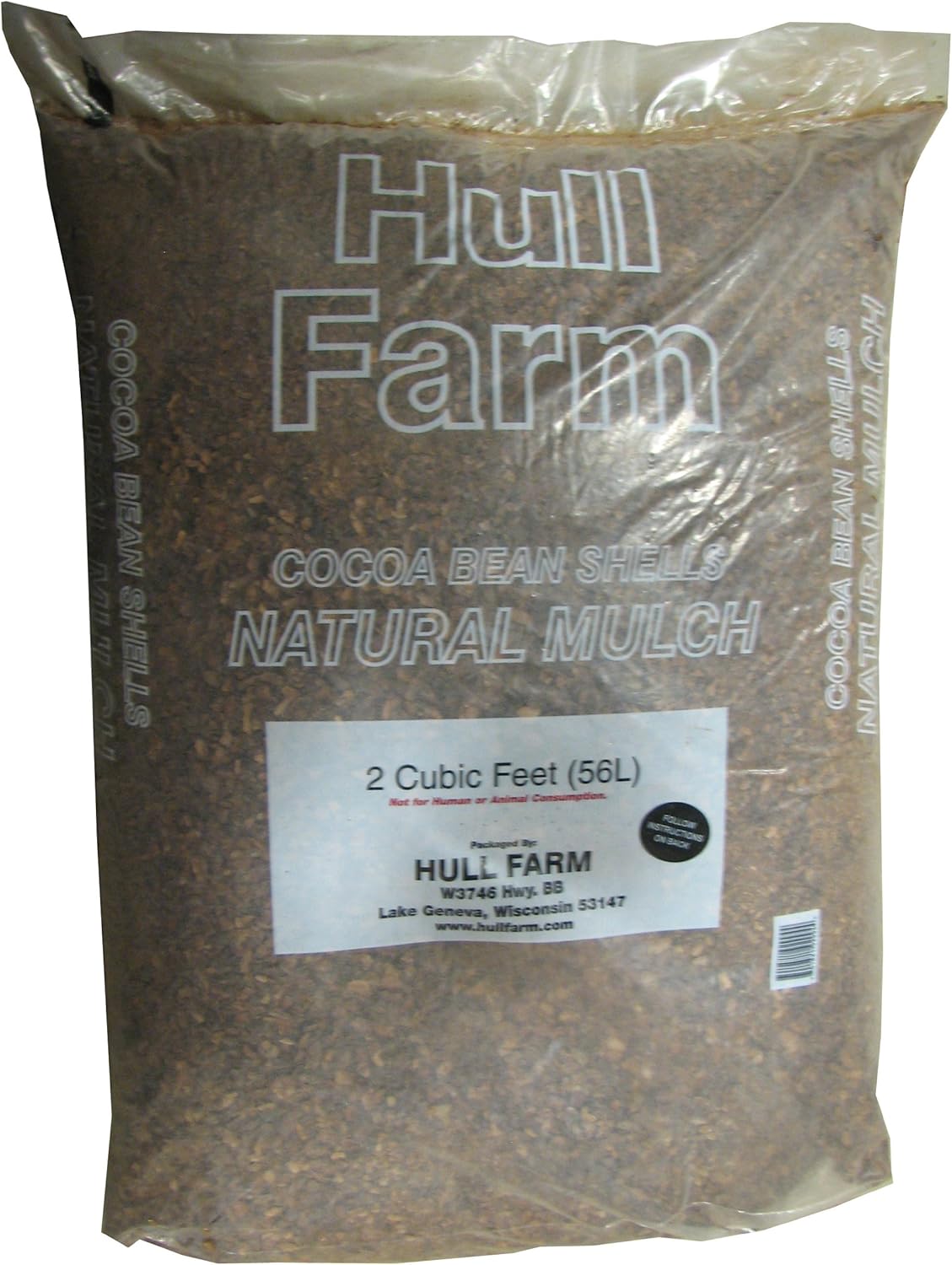
Hull Farm Cocoa Bean Shell Mulch, 2 Cubic Feet
| Brand Name | Hull Farm |
|---|---|
| Model Name | 50150 |
| Material | Plastic |
| Package Weight | 12.72 kg |
Hull Farm Cocoa Bean Shell Mulch is a bagged organic mulch made from cocoa bean shells marketed for landscape beds. It is typically applied as a 1 to 3 inch layer around ornamentals or edibles to suppress weeds, conserve soil moisture, and improve appearance; the shells also slowly break down and provide a small nutrient contribution with an approximate analysis near 2.5-1-3. The product is easy to spread from the 2 cubic foot bag and leaves a fine, attractive textured surface that is less likely to mat than some other fine mulches. Because it is organic it will decompose over time, so plan to replenish annually or as needed. Note that cocoa shell mulch can attract pets if they are tempted to eat it and should be used with care around animals and children; also its small particle size means it can compact in heavy rain and may require light fluffing. For gardeners looking for an attractive, nutrient-contributing mulch that supports moisture retention and weed suppression, this is a practical option for tomato beds when used correctly.
Best for: Gardeners who prioritize plant performance and want a decorative organic mulch that also contributes modest nutrients and conserves moisture for productive beds such as tomatoes.
Less Ideal for: Those with pets that scavenge mulch or gardeners who prefer an inert, longlasting inorganic mulch that will not decompose over a season.
- Adds a mild, slow-release nutrient contribution (approx. 2.5-1-3) as it breaks down
- Fine, attractive texture that spreads evenly and helps retain soil moisture
- Sold in a manageable 2 cubic foot bag for easy handling and targeted application
- Less likely to mat compared with very fine composts, maintaining surface airflow
- Can attract pets or wildlife that may chew or eat the shells
- Small particles can compact after heavy rain and may need occasional fluffing
Verdict: Choose this cocoa shell mulch when you want an attractive organic mulch that helps retain moisture and gives tomatoes a light nutrient boost as it decomposes.
PlantBest Coco Mulch Compressed Block (expands to 2.5 cu ft)

| Item Form | Block |
|---|---|
| Coverage | 2.5 cubic feet |
| Specific Uses For Product | gardening and landscaping |
| Mixing Ratio | 6 fold in 5 minutes |
| Target Species | plants |
This compressed coco mulch block is designed to expand quickly with water into a lightweight, easy-to-spread mulch for flower beds and borders. One 9.1 lb block soaks up water and expands to roughly 2.5 cubic feet, making it simple to store and handle compared with bulky bags. The coconut fibers form a cohesive layer that helps retain soil moisture, reduce watering frequency, and suppress weed growth while resisting mild washout on slopes. It is peat-free and made from renewable coconut coir, so it avoids dyes and chemicals and can last through up to two seasons in typical garden use. Mixing and expansion are fast using the provided water ratio, and the material is useful around plants, trees, and walkways. Limitations are that coverage claims assume a 1.5-inch depth so you may need more than one block for larger beds, and it will gradually decompose over time so expect to top up after a season or two.
Best for: Gardeners who want an easy-to-store, peat-free mulch for flower beds and borders that conserves water and reduces weed pressure without heavy bags.
Less Ideal for: People needing permanent, decorative bark that lasts many years or those covering very large beds where buying in bulk loose mulch is more economical.
- Expands with water to a usable mulch, reducing storage bulk and handling weight
- Made from renewable coconut coir with no dyes or chemicals
- Helps retain soil moisture and can reduce how often you need to water
- Fibrous structure suppresses weeds and resists minor erosion on slopes
- Coverage is calculated at a 1.5-inch depth so larger beds may require multiple blocks
- Will break down over time and typically needs replenishing after one to two seasons
Verdict: A compact, peat-free coco mulch that expands with water to give flower beds moisture-retaining, weed-suppressing coverage with easy storage and handling.
Miuwauer Compressed Coco Coir Brick (1-Pack)

| Brand Name | Miuwauer |
|---|---|
| Number of Packs | 1 |
| Unit Count | 1 Count |
| Style Name | Brick,Coco Coir |
This 1-pack compressed coco coir brick is a compact, budget-friendly way to get organic mulch and a reusable growing medium for seed starting, potting mixes, and garden beds. The brick hydrates quickly and expands into a fluffy, water-retentive substrate that improves aeration around roots and reduces the need for frequent watering. It is pH neutral and contains naturally occurring minerals that support plant growth, making it suitable for flowers, vegetables, succulents, and foliage. Practical benefits include easy storage and transport while compressed, low mess when hydrated, and versatility as a soil amendment or top dressing. Important limitations are the single small brick size and the need to premix or combine with compost or potting soil for long-term container plants, since coco coir lacks substantial nutrient content on its own. Also take care to add water slowly to avoid dust and to rehydrate fully before use to reach the advertised volume.
Best for: Gardeners on a tight budget who want an affordable, organic mulch alternative or a lightweight seed-starting and potting substrate; good for small beds, containers, and starting transplants.
Less Ideal for: Large-scale landscapers or gardeners who need ready-to-use, nutrient-rich potting mixes for many containers without additional amendments.
- Expands rapidly with water into a lightweight, easy-to-handle growing medium
- Good water retention while maintaining aeration to reduce root rot risk
- pH neutral and contains natural minerals useful for a range of plants
- Compact compressed form saves storage space and shipping bulk
- Sold as a single small brick so you may need multiple packs for larger projects
- Not a complete fertilizer and should be mixed with compost or feed for long-term nutrient needs
Verdict: A low-cost, space-saving organic coco coir brick that expands into a versatile mulch and seed-starting medium ideal for budget-focused small-scale gardeners.
HealthiStraw GardenStraw Premium Garden Mulch, 3 cu ft

| Net volume | 3 cu ft |
|---|---|
| Intended use | Garden mulch, lawn seeding, compost-friendly |
| Material | 100% wheat straw |
| Source | Sustainably sourced, non-GMO |
HealthiStraw GardenStraw is a 3 cubic foot compressed bale of cleaned wheat straw formulated for use as garden mulch and seed protection. It is designed for vegetable, herb, flower and shrub beds where you want a lightweight, compostable mulch that retains soil moisture and suppresses weeds. The straw is processed to reduce dust and stray seeds and the short, specially cut fibers interlock when watered so the mulch stays in place without chemical tackifiers. For bushes you can apply a 2 to 3 inch layer around the drip line to cut evaporation, reduce compaction and gradually add organic matter as it breaks down. Practical benefits include easy spreading from a compressed bale, fast composting into the soil, and reduced watering needs. Limitations are that straw is less decorative than bark or wood chips and will decompose faster, so it requires periodic replenishing; it also provides less long-term weed barrier than heavier mulches. For gardeners focused on soil health and moisture conservation, it is a straightforward, low-risk choice.
Best for: Gardeners who prioritize soil health and want an easy-to-apply, compostable mulch for shrubs and mixed beds that reduces watering and improves organic matter over time.
Less Ideal for: People seeking a long-lasting, decorative mulch or a heavy-duty weed barrier for high-traffic beds should consider wood chips or stone instead.
- Cleaned, non-GMO wheat straw with reduced dust and seeds
- Fibers interlock when wetted so the mulch stays in place without binders
- Helps retain soil moisture and can reduce watering needs substantially
- Composts quickly and adds organic carbon to improve soil structure
- Decomposes faster than wood mulches so it needs topping up more often
- Less decorative and provides a lighter-duty weed barrier compared with heavier bark or rock mulches
Verdict: A clean, fast-composting straw mulch that conserves moisture and improves soil health, making it a safe, practical choice for mulching bushes.
Choosing the Right Mulch for Bare Feet: Key Factors to Consider
Underfoot Comfort and Texture
How a material feels under bare feet is the single most important factor for barefoot mulch. Soft, rounded particles reduce pressure points and make walking or sitting more pleasant. Coarse chips or angular materials concentrate force and can cause discomfort or bruising over time.
Look at particle shape and size. Finer, smoother particles cushion better but may compact and become muddy when wet. Looser, coarser materials resist compaction but can feel crunchy. Consider where you will use the mulch: high-traffic paths benefit from slightly firmer surfaces, while seating areas can prioritize cushioning.
Splinter and Irritant Risk
Mulch intended for yards and garden beds often contains wood fragments that can splinter. For barefoot use, splinter risk is a safety concern, especially for children. Materials with rounded, weathered pieces or non-woody compositions lower the chance of skin cuts.
Allergic or skin-irritant compounds matter too. Some bark or leaf mulches release tannins or oils that can sting sensitive skin. Choose materials with low splinter potential and minimal irritant content for direct-contact areas.
Compaction Behavior and Drainage
How mulch compacts underfoot affects both comfort and drainage. Fine organic materials can mat down into a dense layer that holds water, becoming slick and unpleasant. Good barefoot mulch should shed water or dry quickly so it does not stay saturated and smelly after rain.
Assess the slope and drainage of the site. On flat, poorly draining spots you need mulch that resists matting and allows percolation. In well-drained beds, more absorbent materials can be acceptable if they dry between wet periods.
Durability Under Foot Traffic
Some mulch materials break down quickly when walked on, requiring frequent replenishment. Durability affects both the look and the ongoing work to keep paths usable. Hardier aggregates maintain texture longer and reduce the time you spend topping up.
Consider whether the area will see light, occasional use or heavy daily traffic. Higher-traffic routes should use materials that retain shape and do not float away or compress into mud with repeated steps.
Cleanliness and Pest Potential
Barefoot areas should stay relatively clean and free of pests. Organic mulches can trap seeds, encourage insects, or harbor slugs when damp. Fine dust and pollen on some mulches can also be a nuisance to bare skin.
Materials that resist seed transfer, dry out quickly, and do not offer easy shelter for pests make maintenance simpler, especially in play areas or near patios. Think about how often you will rake or replace material to maintain a clean surface.
Maintenance and Seasonal Behavior
Different mulch types behave differently through seasons. Organic options decompose, changing texture and requiring periodic replacement. Some materials freeze or become painfully cold in winter, while others retain a neutral thermal feel.
Factor in how much time you want to spend on upkeep. Low-maintenance materials may cost more up front or require an initial installation step, but they reduce the frequency of raking, topping up, and spot-cleaning.
Best Placements for Barefoot Mulch
Think about how you will use the surface before choosing material. Paths between garden beds and patios benefit from firmer, drainage-friendly options that resist displacement. Play areas and lounge spots can use softer, more cushioning material but should be monitored for compaction and cleanliness.
Install mulch in shallow layers where foot traffic is expected so the base surface remains stable. Adding a narrow edging or simple border keeps material contained and reduces migration into planting beds.
- High-traffic paths: choose materials that compact without matting.
- Seating or play areas: prioritize cushioning and low splinter risk.
- Edges and borders: use physical containment to prevent spreading.
Preparing the Site for Barefoot-friendly Mulch
Proper prep improves performance and longevity. Clear debris, level the area, and remove sharp stones that could work their way up through the mulch. If drainage is poor, consider installing a permeable base layer to help water escape.
A weed barrier fabric can reduce weeds but may affect drainage and feel. If you use a barrier, choose one with good permeability or leave gaps around edges to prevent water pooling. Test a small area first to confirm the combined feel of barrier plus mulch is acceptable underfoot.
- Remove rocks and roots that could press through the mulch.
- Address drainage issues before adding moisture-retaining materials.
- Test a small sample area to check comfort and compaction.
Seasonal Care and Upkeep Tips
Regular raking loosens compacted mulch and blends fresh material in. After wet weather, allow time for the surface to dry before heavy use to avoid matting. In winter, some materials may freeze hard; consider temporary coverings or switching use to less-exposed areas.
Top up worn spots annually or as needed. Inspect the surface for embedded debris and remove any sharp pieces. If pests or mold appear, improve airflow and drainage rather than switching materials immediately.
- Rake periodically to restore texture.
- Top up thin areas instead of full replacement when possible.
- Improve drainage and airflow to prevent mold or pests.
Integrating Barefoot Mulch with Plantings and Hardscape
Blend barefoot-friendly mulch with surrounding plantings by using transition strips of stone or pavers. This prevents mulch from washing into beds and creates a clear visual and functional boundary. Keep mulch a few inches away from tree trunks and plant stems to avoid moisture-related rot on woody plants.
Where mulch meets hard surfaces, a clean edge reduces tracking and maintains a tidy appearance. Use edging that complements the garden style while preventing migration.
- Use transition materials to define edges.
- Leave gaps at plant bases to prevent crown moisture issues.
- Choose edging that holds mulch without creating tripping hazards.
Safety Considerations for Kids and Pets
If children or pets will be using the area barefoot, prioritize materials with minimal splinter risk and low toxicity. Avoid materials that include sharp fragments, treated wood, or persistent dust that can irritate skin and eyes. Frequent inspection is important to remove any foreign objects.
Consider how the mulch behaves when wet, because damp surfaces can hide hazards and become slippery. Choose materials that remain stable and easy to clean in play zones.
- Inspect regularly for sharp bits and foreign debris.
- Avoid chemically treated materials in play areas.
- Choose options that remain stable and non-slippery when wet.
How We Chose the Best Mulch for Bare Feet
We shortlisted materials that gardeners commonly use as walkable groundcover and applied a consistent set of editorial filters to identify options best suited for barefoot use. Key evaluation criteria included foot comfort and texture, splinter or irritation risk, particle size and compaction behavior, drainage and mold resistance, and ongoing maintenance needs such as topping up or raking. We also considered durability under regular foot traffic and how materials interact with moisture, since damp mulch often changes feel and safety. Materials prone to staining, pests, or rapid breakdown were deprioritized unless they offered clear advantages for barefoot comfort. We excluded decorative mulches designed primarily for plant beds rather than walkable zones, and we did not consider materials that require specialized installation or heavy equipment. Final selections balance tactile comfort with practical garden performance so readers can choose mulch that stays pleasant and safe with realistic backyard maintenance.
FAQ
Is any mulch safe for walking barefoot?
It depends. Some mulches are specifically suited to direct contact because they have rounded, small particles and low splinter risk. Others are too coarse or sharp for comfortable barefoot use and are better left to planting beds.
How thick should barefoot-friendly mulch be installed?
A shallow layer of around 1 to 2 inches is often enough for cushioning while avoiding excessive compaction. Thicker layers can sink underfoot and hide hazards; very thin layers may not provide sufficient softness.
Will mulch attract pests if I use it on a play area?
Some organic mulches can attract insects or hold moisture that encourages slugs and other pests. Choosing materials that dry quickly and keeping the area clean reduces this risk. Regular inspection and improved airflow help prevent infestations.
How often will I need to replenish mulch in a barefoot area?
Replenishment frequency varies with traffic and material. Softer, organic options decompose or displace faster and may need topping up annually. More durable aggregates can last several years with occasional raking.
Can I mix different mulches to improve comfort?
Mixing can balance cushioning and drainage, but blending materials changes compaction behavior. Test small patches to see how the mixture settles and dries before committing to a larger area.
Final Verdict
Choose the mulch that best matches how and where you will use it. Prioritize underfoot comfort and low splinter risk for seating and play areas, and favor materials that resist compaction and drain well on heavily used paths. Expect tradeoffs: softer organic materials feel great at first but need more upkeep, while firmer, inert options require less maintenance but may be less cushiony. Think through traffic patterns, seasonal moisture, and maintenance willingness. With the right material and basic site prep, you can create pleasant, safe barefoot spaces that hold up over time.
