

Note: This article contains affiliate links. If you click on these links and make a purchase, I may earn a small commission at no extra cost to you. This helps support my research and content. Read my full affiliate disclosure here.
Choosing the right mulch for fall matters more than many gardeners expect. As temperatures drop and heavy rains or early snow arrive, the wrong material can wash away, mat down, or fail to insulate vulnerable roots. You want a product that preserves soil moisture through dry spells, reduces late-season weed pressure, and provides frost protection until spring. This guide covers six shortlisted mulches that perform well in autumn conditions. We evaluated options for moisture retention, winter durability, and how they behave under common garden tasks like planting, edging, and overwintering perennials. Read on to see the practical strengths and tradeoffs that will help you pick the best mulch for your fall garden beds.
Top Picks at a Glance
| Best Overall The best all-around choice for most situations | USA PINESTRAW Long Needle Pine Straw Mulch – 100 sq ft Coverage |  |
| Best Quality Built to a higher standard if you want something more solid | Plantonix Coco Chips Mulch Brick (10 lb) – Compressed Coconut Husk Chips |  |
| Best Value The sweet spot between price and what you get | Rio Hamza Trading Pine Bark Mulch Nuggets, 8 Quarts (All Natural) |  |
| Best Budget The cheapest option that still gets the job done reliably | ZeeDix Coco Husk Chips Mulch — 2 Pack Coco Coir Bricks |  |
| Highest Rated A top-rated pick with lots of positive feedback | Home And Country USA Triple Shredded Hardwood Mulch, 2 cu ft |  |
| Best Seller A high-volume bestseller chosen again and again | HealthiStraw GardenStraw Premium Garden Mulch, 3 cu ft |  |
USA PINESTRAW Long Needle Pine Straw Mulch – 100 sq ft Coverage
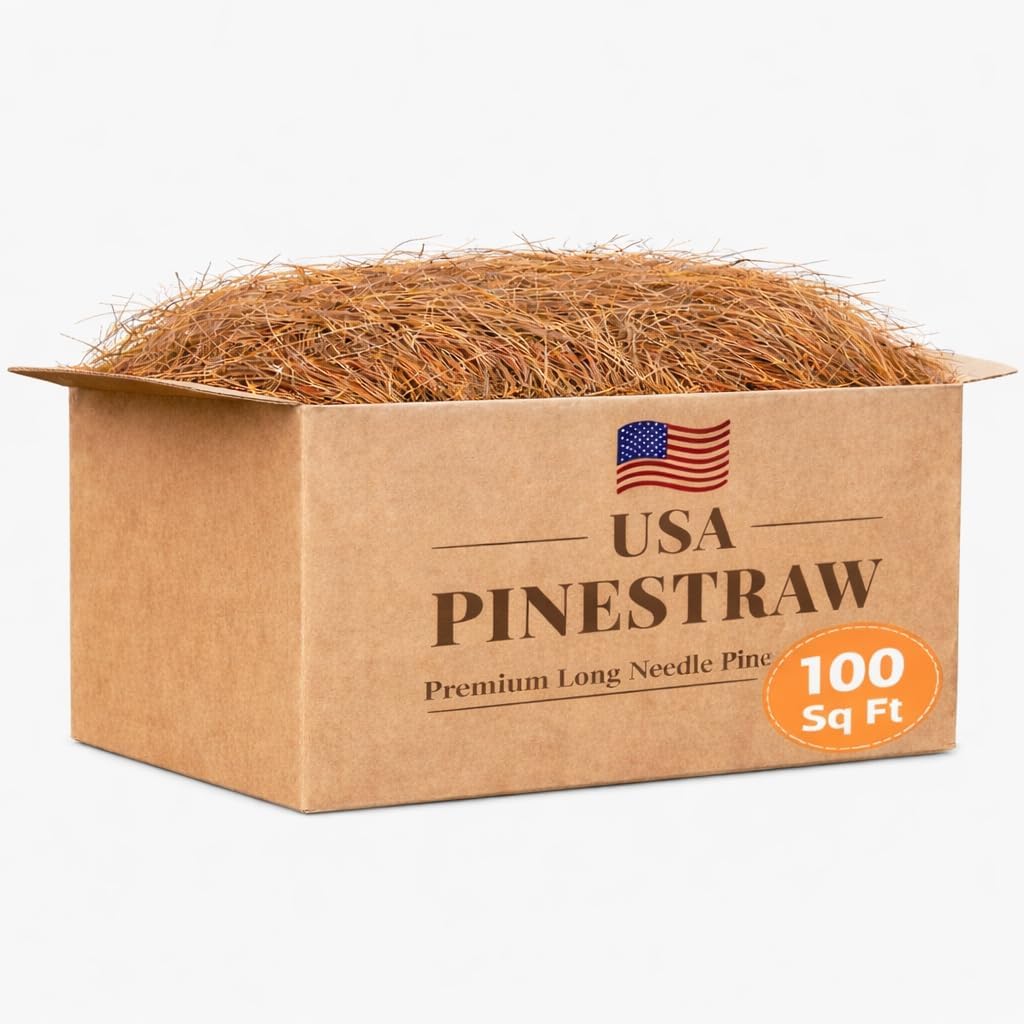
| Coverage | 100 Sqft |
|---|---|
| Material | 100% Pine Straw |
| Origin | USA harvested |
This pine straw mulch is a simple, natural option for suppressing weeds and conserving soil moisture in flower beds, around shrubs, and under trees. Sold as a compressed bale that covers roughly 100 square feet, the long needles form a breathable, interlocking layer that helps block sunlight to weed seeds while still allowing water to reach roots. It is lightweight to spread and stays in place better than loose fines, making it suitable for slopes and pathways where erosion control matters. Because it is 100% organic and USA harvested, it also adds organic matter as it slowly breaks down and helps improve soil structure over time. Limitations to expect are seasonal settling and gradual decomposition, so periodic topping up is needed to keep coverage and depth effective, and it may not form as compact a barrier as rubber or inorganic mulches for long-term weed exclusion in very high-weed-pressure areas.
Best for: Home gardeners who want a low-maintenance, natural mulch that improves soil health while controlling weeds and conserving moisture in beds and around shrubs.
Less Ideal for: People seeking a permanent, zero-maintenance weed barrier or those who prefer inorganic mulches that never decompose.
- Effective natural weed suppression by forming a dense, light-blocking layer
- Helps retain soil moisture and reduce watering frequency
- Breathable structure allows water and air to reach roots while reducing erosion
- Sustainably sourced 100% organic pine straw from the USA
- Breaks down over time and requires periodic replenishing to maintain depth
- May shift or thin out in very windy conditions without edging or staples
Verdict: Choose this pine straw bale if you want an eco-friendly mulch that suppresses weeds, retains moisture, and improves soil with regular replenishment.
Plantonix Coco Chips Mulch Brick (10 lb) – Compressed Coconut Husk Chips

| Unit Count | 160 Ounce |
|---|---|
| Item Type Name | Soil and Soil Amendments |
| Brand Name | plantonix |
| Volume | 15 gallons |
Plantonix Coco Chips arrive as a compact 10 pound brick that hydrates and expands into lightweight coconut husk chips for use as mulch, soil amendment, or terrarium bedding. You soak or wet the block to break it apart, then spread the chips over garden beds, containers, orchid pots, or raised beds to reduce evaporation and moderate soil temperature. The product is pre-screened, washed, and aged to remove dirt and rocks, and the low electrical conductivity and near-neutral pH make it safe to mix with potting mixes. Practical benefits include improved drainage and aeration compared with heavy wood mulches, long-lasting moisture retention that can reduce watering frequency, and an attractive tropical look. Important limitations are that you must rehydrate and break up the compressed brick before use which adds prep time, and coco chips do not supply nutrients so you will still need to fertilize regularly. Also note the safety warning about dust and keeping it away from children and pets during handling.
Best for: Buyers who prioritize reliable, consistent mulch performance and want a sustainable, low-maintenance material that retains moisture and improves soil structure for beds and containers.
Less Ideal for: Gardeners who need a nutrient-rich soil amendment or who prefer a no-prep, ready-to-spread loose mulch should consider alternatives.
- Made from 100% recycled coconut husks, a renewable alternative to peat and wood mulches
- Pre-screened and washed to remove dirt, rocks, and excess fiber
- Excellent at retaining moisture while maintaining airflow and drainage
- Lightweight and long-lasting so it does not compact like some organic mulches
- Requires soaking and manual breakup of the compressed brick before use
- Does not provide plant nutrients and should be used with a fertilizer plan
Verdict: A dependable, renewable mulch solution that holds moisture and improves aeration without compacting, ideal for gardeners who want consistent performance.
Rio Hamza Trading Pine Bark Mulch Nuggets, 8 Quarts (All Natural)

| Brand Name | Rio Hamza Trading |
|---|---|
| Unit Count | 256 Square Feet |
| Item Type Name | Potting Soil |
| Volume | 8 quarts |
| Ingredients | All natural pine shavings |
These 100% natural pine bark nuggets are small half-inch pieces intended as a top dressing or soil amendment for containers, bonsai, terrariums, and beds. You can sprinkle them as a decorative layer over potting mix to reduce surface evaporation and discourage pests, or blend a portion into heavy soil to increase aeration and reduce waterlogging around roots. The product emphasizes chemical-free bark with a red-brown look that tidies planters and complements evergreen plantings like arborvitae. An 8-quart bag covers modest container projects and provides enough to refresh a single large pot. Because the nuggets are coarse, they persist on the surface and do not compact quickly, which helps long-term drainage but means they will not break down fast to enrich soil. Also the bag size is small for landscape-scale mulching, so this is best for focused use around specimens rather than blanket beds. For someone managing moisture around ornamental evergreens, these nuggets work as an attractive, low-maintenance surface mulch.
Best for: A buyer who prioritizes plant safety and wants visible social validation will appreciate a chemical-free, attractive mulch for protecting root zones of specimen shrubs or container arborvitae and for tidying planters.
Less Ideal for: Not a good fit for someone needing bulk mulch for wide beds or wanting a fast-breaking organic amendment to quickly enrich soil.
- Made from 100% natural pine bark with no added chemicals
- Half-inch nuggets improve soil aeration and reduce surface compaction
- Durable, coarse texture provides long-lasting decorative top dressing
- Versatile for indoor pots, bonsai, terrariums, and small outdoor containers
- Small 8-quart bag is insufficient for mulching large landscape areas
- Coarse nuggets decompose slowly and provide limited short-term nutrient addition
Verdict: Choose these pine bark nuggets when you want a chemical-free, long-lasting decorative mulch to improve drainage and keep arborvitae planters looking tidy.
ZeeDix Coco Husk Chips Mulch — 2 Pack Coco Coir Bricks

| Number of Packs | 2 |
|---|---|
| Item Highlight | 100% Organic Coconut Chips Mulch with Low EC & PH Balance |
| Volume | 997 ml |
These ZeeDix coco husk chips arrive as two compressed bricks that swell into a flaky, well-aerated mulch after soaking. In a vegetable bed they work as a peat-free mulch layer to suppress weeds, retain moderate moisture, and improve soil aeration around roots. The product is 100% natural coconut husk with low EC and pH balance, so it mixes easily into potting blends or is used on top of soil without introducing salts. Practical benefits include lighter handling and storage because the bricks are compact until hydrated, and versatile use as a mulch, potting amendment, or orchid substrate. Important limitations are that the material is coarse compared with fine compost or shredded bark so it breaks down slowly and will need occasional topping up, and you must pre-soak and fluff the bricks to get consistent coverage. Also it provides little direct fertility so pair it with compost or fertilizer for vegetable beds.
Best for: Home vegetable gardeners looking for an affordable, peat-free mulch or soil amendment who prioritize moisture control and aeration over immediate fertility.
Less Ideal for: Gardeners who want a fast‑releasing organic fertilizer or a fine, soil‑like amendment that integrates quickly into bed soil should consider compost or leaf mold instead.
- Made from 100% natural coconut husk chips, a peat-free renewable mulch option
- Compresses for easy storage and expands into a loose, airy substrate when soaked
- Improves aeration and drainage to reduce risk of root rot in beds and containers
- Coarse texture decomposes slowly and does not supply nutrients to soil
- Requires pre-soaking and breaking apart for even application
Verdict: A compact, budget-friendly peat alternative that expands into a breathable mulch to keep vegetable beds aerated and conserve moisture.
Home And Country USA Triple Shredded Hardwood Mulch, 2 cu ft
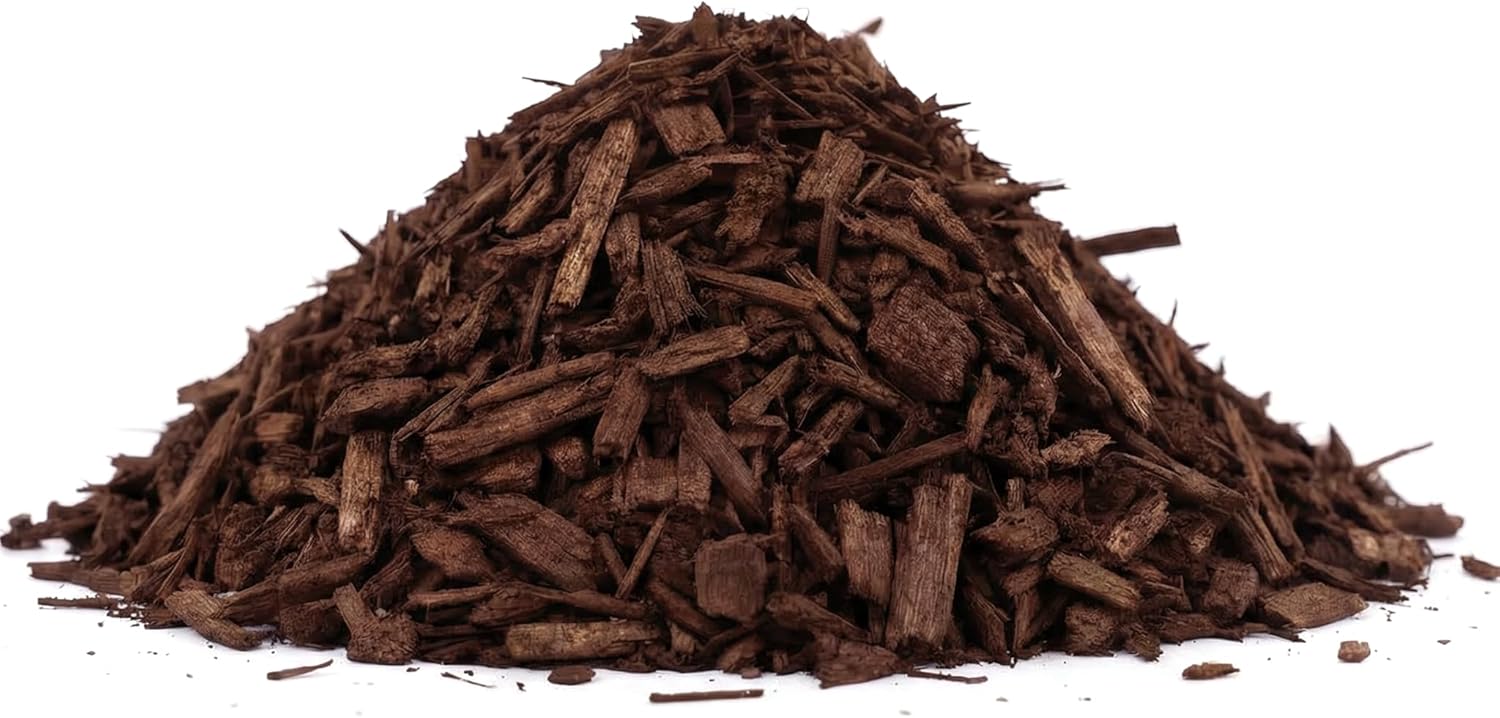
| Manufacturer | Home and Country USA |
|---|---|
| Item model number | HCM |
| ASIN | B0CVM9VW66 |
This triple-shredded hardwood mulch is a straightforward organic ground cover intended for garden beds, borders, and around shrubs and fruit plants. It is typically spread in a 2 to 3 inch layer to suppress weeds, reduce evaporation, and help regulate soil temperature. The product emphasizes long-lasting color and gradual decomposition that returns organic matter to the soil, which supports root health over time. Practical benefits for blueberry growers include better moisture retention and reduced weed pressure, both important for shallow-rooted berry bushes. Because it is hardwood and triple shredded, it provides good coverage without compacting heavily, yet still allows water and air to reach roots. Limits to expect are the usual ones with organic mulch: it will slowly break down and require annual top-ups, and hardwood mulches can temporarily immobilize nitrogen if incorporated into soil before fully decomposed, so monitor plant vigor and supplement with nitrogen if needed. For gardeners prioritizing a natural, reliable soil cover, this mulch performs the core tasks well.
Best for: Gardeners who want a dependable, natural mulch to maintain consistent soil moisture and reduce weed upkeep for berry beds and ornamental plantings.
Less Ideal for: Those who need a permanent inorganic groundcover or want a mulch that never needs replenishing should look at nonorganic alternatives.
- 100% natural organic hardwood that adds organic matter as it decomposes
- Triple-shredded texture gives even coverage without compacting
- Designed to retain soil moisture and reduce evaporation
- Helps suppress weeds by creating a physical barrier
- Requires periodic replenishing as it breaks down over a season or year
- May temporarily tie up soil nitrogen during decomposition if mixed into planting beds
Verdict: A reliable, natural hardwood mulch that helps blueberry beds retain moisture and suppress weeds while gradually improving soil health.
HealthiStraw GardenStraw Premium Garden Mulch, 3 cu ft

| Net volume | 3 cu ft |
|---|---|
| Intended use | Garden mulch, lawn seeding, compost-friendly |
| Material | 100% wheat straw |
| Source | Sustainably sourced, non-GMO |
HealthiStraw GardenStraw is a 3 cubic foot compressed bale of cleaned wheat straw formulated for use as garden mulch and seed protection. It is designed for vegetable, herb, flower and shrub beds where you want a lightweight, compostable mulch that retains soil moisture and suppresses weeds. The straw is processed to reduce dust and stray seeds and the short, specially cut fibers interlock when watered so the mulch stays in place without chemical tackifiers. For bushes you can apply a 2 to 3 inch layer around the drip line to cut evaporation, reduce compaction and gradually add organic matter as it breaks down. Practical benefits include easy spreading from a compressed bale, fast composting into the soil, and reduced watering needs. Limitations are that straw is less decorative than bark or wood chips and will decompose faster, so it requires periodic replenishing; it also provides less long-term weed barrier than heavier mulches. For gardeners focused on soil health and moisture conservation, it is a straightforward, low-risk choice.
Best for: Gardeners who prioritize soil health and want an easy-to-apply, compostable mulch for shrubs and mixed beds that reduces watering and improves organic matter over time.
Less Ideal for: People seeking a long-lasting, decorative mulch or a heavy-duty weed barrier for high-traffic beds should consider wood chips or stone instead.
- Cleaned, non-GMO wheat straw with reduced dust and seeds
- Fibers interlock when wetted so the mulch stays in place without binders
- Helps retain soil moisture and can reduce watering needs substantially
- Composts quickly and adds organic carbon to improve soil structure
- Decomposes faster than wood mulches so it needs topping up more often
- Less decorative and provides a lighter-duty weed barrier compared with heavier bark or rock mulches
Verdict: A clean, fast-composting straw mulch that conserves moisture and improves soil health, making it a safe, practical choice for mulching bushes.
Choosing the Right Mulch for Fall: Key Factors to Consider
Insulation and Frost Protection
Mulch creates a thermal buffer that moderates soil temperature swings through the first hard freezes. In fall, this insulation helps tender roots avoid repeated freeze-thaw cycles that can heave plants out of the soil. A material that provides even coverage and stays in place during wind and storms gives better frost protection than loose, fluffy products.
Depth matters. Generally two to four inches is effective for perennials and beds, while tree roots can need a shallower, wider mantle to avoid suffocation. Consider how the mulch settles over winter and whether it compacts or creates an impermeable layer that could trap excess moisture.
Moisture Management
Good fall mulch should retain soil moisture during dry spells while allowing excess water to drain in heavy rain. Materials that absorb water and hold it too tightly can create soggy conditions that promote root rot, whereas very porous mulches can fail to reduce evaporation during cold, windy weather.
Think about local rainfall patterns and soil type. Clay soils combined with a heavy, slow-draining mulch can exacerbate saturation, while sandy soils may benefit from a mulch that holds more water. The right choice balances moisture retention without creating prolonged wet feet.
Resistance to Washout and Compaction
Fall storms and seasonal runoff can strip lightweight mulches from beds, leaving roots exposed. Durability against wind and rain reduces maintenance trips to top up material and prevents soil erosion. Some mulches mat or compact when wet, forming a dense layer that repels water and air; others maintain a loose structure that sheds water and allows gas exchange.
Assess slope and exposure. For sloped beds or areas that receive runoff, choose a mulch that binds slightly or interlocks rather than a product that will float away. Consider anchoring strategies like edging or netting for very loose materials.
Decomposition and Soil Benefits
The rate at which mulch breaks down affects how often you need to replenish it and how it influences soil biology. Organic mulches that decompose add carbon and can improve soil structure and microbial life, but they may temporarily immobilize nitrogen if mixed into the soil. In fall, a moderate decomposition rate is often desirable so the material lasts through winter and begins to feed soil in spring.
Inorganic mulches do not decompose and require less frequent replacement, but they do not contribute nutrients. Decide whether you want an active soil-building approach or a low-maintenance winter cover.
Plant Compatibility and Application
Different beds have different needs. Annual flower beds, woody ornamentals, vegetable plots, and newly planted young shrubs all respond differently to mulch depth and type. Some materials can smother small plants or create a barrier to seedling emergence. Others can be left in place around established shrubs without issue.
Plan application to keep mulch away from direct stem and trunk contact to avoid rot. For vegetable beds, consider how easy it will be to remove or turn the mulch in spring for planting operations.
Pest and Disease Considerations
Certain mulches can provide habitat for rodents, slugs, or overwintering pests, while others discourage these problems. Wet, dense mulches are more likely to harbor slugs and create fungal hotspots. Materials that trap moisture against plant stems can increase disease risk in cool, damp conditions.
Choose a material that minimizes pest sheltering in your region and follow practices like keeping mulch pulled back from stems and monitoring for rodent activity, especially near young or fruit-bearing plants.
Best Practices for Applying Fall Mulch
Apply mulch after the first hard frost or when plants enter dormancy to avoid trapping heat during active growth. Clear weeds and cut back dead annuals before laying material so the mulch sits directly on the soil surface.
Spread an even layer, typically two to four inches for perennial beds. Avoid piling mulch against trunks or crowns to prevent rot. On slopes, use wider coverage and consider lighter, interlocking materials or an anchoring method to reduce runoff.
- Remove old, matted mulch that can impede water movement before adding fresh material.
- Keep mulch 2 to 3 inches away from trunks and crown tissue.
- Use a rake or gloved hands to fluff compressed layers in late winter if needed.
Timing and Seasonal Maintenance
Timing mulch application for fall is about both protection and practicality. Too early and the mulch can shelter pests and delay soil hardening. Too late and you risk root exposure from early storms. Aim to apply mulch after plants become dormant but before heavy precipitation or freezing sets in reliably.
Monitor the mulch through winter. Check for areas of washout after storms and repair thin spots in late fall or early winter. In spring, thin or remove compacted layers that could prevent soil warming and seed germination.
- Top up thin areas after significant rain.
- Inspect for rodent tunnels or slug activity in winter and address promptly.
- Plan to refresh mulch in early spring if decomposition is advanced.
How Mulch Affects Soil Biology Over Winter
Mulch moderates soil temperature, which slows microbial activity in cool months while protecting beneficial organisms from extreme cold. Organic materials release small amounts of nutrients as they break down, supplying food for soil microbes in early spring.
Be mindful that fresh high-carbon materials mixed into soil can temporarily reduce available nitrogen. If you plan heavy spring planting, consider using mulches that start to break down by late winter or incorporate slow-release amendments ahead of the growing season.
- Choose moderate decomposition products if you want a spring nutrient release.
- Avoid incorporating large quantities of woody chips into planting holes where nitrogen immobilization could stress new transplants.
Environmental and Aesthetic Considerations
Mulch choice also reflects environmental goals and the visual style of your garden. Locally sourced organic materials reduce transport impact and often match surrounding beds better. Inorganic options reduce replacement frequency but may not support soil life.
Consider how color and texture will look through winter. Natural tones tend to blend with dormant plant material, while darker mulches can warm the soil slightly but may fade. Balance aesthetics with function when making your selection.
- Look for sustainably sourced organic options when soil building is a priority.
- Select colors and textures that reduce maintenance and complement winter garden structure.
How We Chose the Best Mulch for Fall
We prioritized criteria that matter in real autumn garden conditions rather than abstract rankings. First, moisture retention shows how well a mulch keeps soil from drying during windy cool periods and prevents sudden saturation that leads to root rot. Second, winter durability captures resistance to wind, heavy rain, and freeze-thaw cycles that cause washout or matting. Third, decomposition rate matters because fast-breaking mulches need replenishing before spring, while very slow ones can hinder soil warming. Fourth, ease of application and cleanup reflects how simple a gardener will find spreading, edging, and removing the material around perennials and young shrubs. Fifth, winter pest and disease risk was considered to avoid materials that commonly harbor rodents or fungal problems. We excluded materials that are primarily decorative for short-term use or that require special handling beyond typical garden practice. Products that are single-use seasonal decorations, hazardous amendments, or not intended for outdoor soil contact were filtered out. The final selections focus on materials that deliver measured benefits for insulation, weed suppression, and winter resilience across common regional autumn conditions.
FAQ
When is the best time in fall to apply mulch?
Apply mulch after plants have gone dormant and after the first hard frost window approaches. This timing protects roots without sheltering pests or delaying soil cooling.
How thick should fall mulch be for perennials and shrubs?
A two to four inch layer is a good guideline for most perennials and garden beds. Keep mulch slightly thinner around shallow-rooted plants and pull it back from stems and trunks.
Should I remove old mulch before adding new in fall?
Remove matted, moldy, or compacted layers before adding fresh material. Light, intact mulch can often be topped up, but degraded layers can block water and air.
Will mulch cause rodent problems over winter?
Some dense, woody, or loose materials can provide shelter for rodents. To reduce risk, avoid piling mulch against structures, keep it away from trunk bases, and choose materials less likely to form tunnels.
Can I use mulch from the lawn as a fall covering?
Grass clippings can be used if applied thinly and allowed to dry first. Thick layers can mat and create anaerobic conditions, so mix with other materials or compost lightly before applying.
How do I handle mulch on sloped beds to prevent washout?
Use interlocking or textured materials, add edging, and apply mulch more widely to slow runoff. In some cases, installing temporary erosion control fabric under the mulch helps hold it in place through heavy rains.
Final Verdict
Pick a fall mulch that balances insulation, moisture management, and winter durability for your site. For beds prone to runoff or wind, favor materials that interlock or can be anchored. If soil improvement is a goal, choose organic mulches with a moderate decomposition rate so they feed soil by spring. Ultimately prioritize the factors that match your slope, soil type, and plantings. Proper timing and correct depth will maximize benefits and minimize pest or moisture problems, giving you a simpler, healthier start to the next growing season.
