

Note: This article contains affiliate links. If you click on these links and make a purchase, I may earn a small commission at no extra cost to you. This helps support my research and content. Read my full affiliate disclosure here.
Planting and maintaining hedges changes how the soil around their roots behaves. The right mulch for hedges moderates moisture, suppresses weeds, and helps keep pruning and root management straightforward. Poor mulch choice can create too-wet conditions, attract pests, or fail to deliver nutrients when hedges need them most. This guide shortlists seven top mulches suitable for hedges across common garden situations and explains how each type performs in real yard conditions. We evaluate these options against moisture management, longevity, soil benefits, and installation practicality to help you pick the best fit for your hedgerow. Read on for practical guidance before you lay the next layer of material.
Top Picks at a Glance
| Best Overall The best all-around choice for most situations | USA PINESTRAW Long Needle Pine Straw Mulch – 100 sq ft Coverage |  |
| Best Quality Built to a higher standard if you want something more solid | Wood Smith USA 100% Natural Cedar Shavings Mulch (16 Quart) |  |
| Best Value The sweet spot between price and what you get | Riare Organic Coco Coir Chips Bricks, 6-Pack |  |
| Best Budget The cheapest option that still gets the job done reliably | SuperMoss Coco Mulch Small Bale (200 cu in), Natural |  |
| Highest Rated A top-rated pick with lots of positive feedback | Halatool Coco Coir Chips Brick Pack (2-Pack) – Compressed Organic Coconut Husk Growing Medium |  |
| Most Popular A crowd favorite that many people choose with confidence | HealthiStraw GardenStraw Premium Garden Mulch, 3 cu ft |  |
| Best Seller A high-volume bestseller chosen again and again | Wood Smith USA 100% Natural Cedar Chips, 4 Quart Bag |  |
USA PINESTRAW Long Needle Pine Straw Mulch – 100 sq ft Coverage
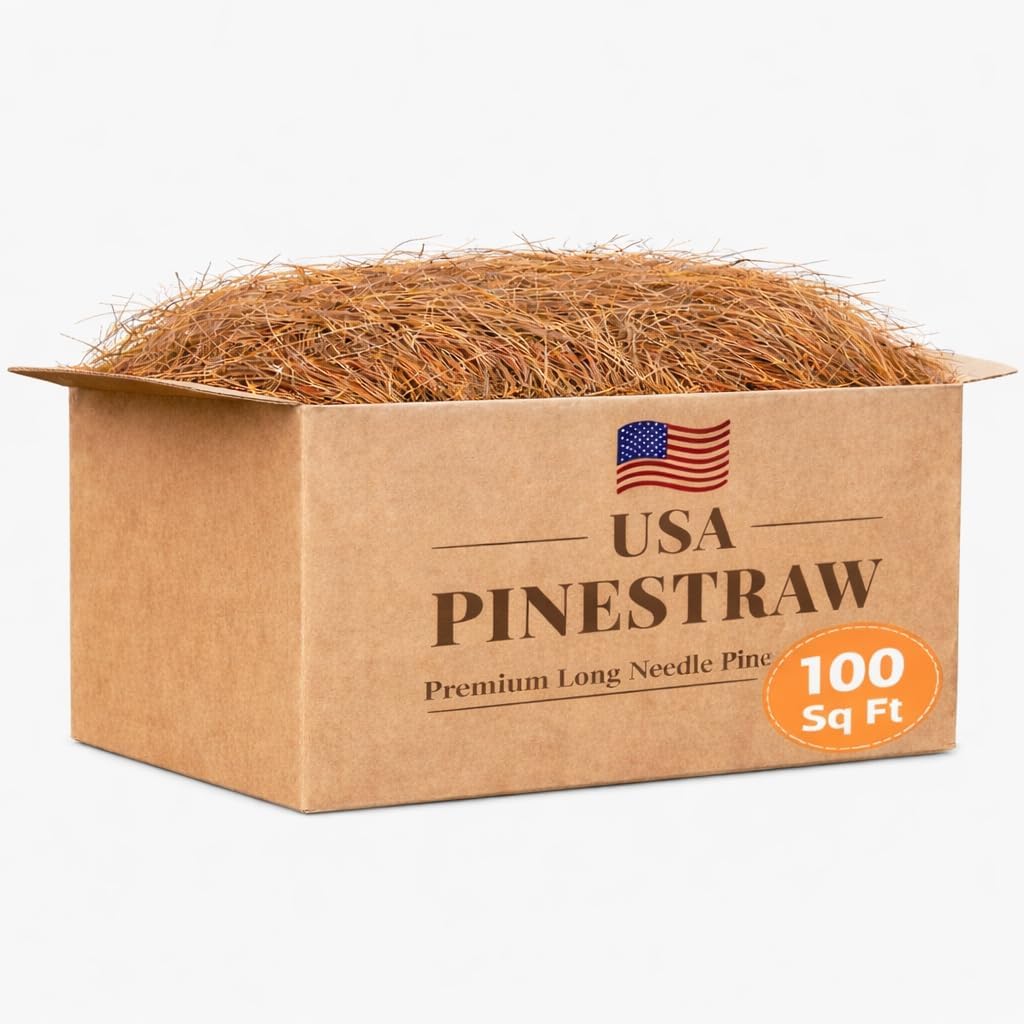
| Coverage | 100 Sqft |
|---|---|
| Material | 100% Pine Straw |
| Origin | USA harvested |
This pine straw mulch is a simple, natural option for suppressing weeds and conserving soil moisture in flower beds, around shrubs, and under trees. Sold as a compressed bale that covers roughly 100 square feet, the long needles form a breathable, interlocking layer that helps block sunlight to weed seeds while still allowing water to reach roots. It is lightweight to spread and stays in place better than loose fines, making it suitable for slopes and pathways where erosion control matters. Because it is 100% organic and USA harvested, it also adds organic matter as it slowly breaks down and helps improve soil structure over time. Limitations to expect are seasonal settling and gradual decomposition, so periodic topping up is needed to keep coverage and depth effective, and it may not form as compact a barrier as rubber or inorganic mulches for long-term weed exclusion in very high-weed-pressure areas.
Best for: Home gardeners who want a low-maintenance, natural mulch that improves soil health while controlling weeds and conserving moisture in beds and around shrubs.
Less Ideal for: People seeking a permanent, zero-maintenance weed barrier or those who prefer inorganic mulches that never decompose.
- Effective natural weed suppression by forming a dense, light-blocking layer
- Helps retain soil moisture and reduce watering frequency
- Breathable structure allows water and air to reach roots while reducing erosion
- Sustainably sourced 100% organic pine straw from the USA
- Breaks down over time and requires periodic replenishing to maintain depth
- May shift or thin out in very windy conditions without edging or staples
Verdict: Choose this pine straw bale if you want an eco-friendly mulch that suppresses weeds, retains moisture, and improves soil with regular replenishment.
Wood Smith USA 100% Natural Cedar Shavings Mulch (16 Quart)

| Unit Count | 595.68 Ounce |
|---|---|
| Item Weight | 12 ounces |
| Material Features | Natural, Organic |
| Indoor Outdoor Usage | Indoor, Outdoor |
| Other Special Features of the Product | Pet Friendly |
This 16-quart bag of 100% natural cedar shavings is a lightweight, pet-friendly mulch you can use around container plants, hanging baskets, garden beds and animal bedding. It is typically applied as a top layer to help retain soil moisture, suppress small weed seedlings and add a fresh cedar aroma that also helps mask odors around pet areas. The product is organic and hand-packed, which means particle size varies and the loose shavings suit decorative mulch rings around shrubs like arborvitae or as a top dressing in planters. Because it is a loose, lightweight material it is easy to spread by hand but can blow around in high wind if not mounded or paired with heavier edging. It is not a substitute for coarse bark when long-term ground coverage or heavy erosion control is required, but for gardeners who want a natural-smelling, moisture-retaining top layer for young arborvitae or potted evergreens it is an effective, easy-to-use option.
Best for: Home gardeners who want a natural, easy-to-apply top dressing that adds moisture retention and a fresh cedar scent to containers, young shrubs and pet areas.
Less Ideal for: Those needing heavy-duty, long-lasting erosion control or a dense bark mulch for large landscape beds should consider coarser bark products instead.
- 100% natural cedar provides a subtle, pleasant aroma and helps mask odors
- Lightweight, easy to spread by hand for quick top-dressing of beds and planters
- Helps retain soil moisture around plant roots, useful for young arborvitae
- Pet friendly formulation suitable for use around animal bedding and litter
- Loose shavings can be blown away in windy sites unless secured
- Not as long-lasting as coarse bark for heavy-duty ground coverage
Verdict: A convenient, natural cedar mulch that is ideal for moistening and freshening up small beds, containers and young arborvitae.
Riare Organic Coco Coir Chips Bricks, 6-Pack

| Number of Packs | 6 |
|---|---|
| Item Type Name | Garden Soil |
| Volume | 7 gallons |
| Item Weight | 6.6 pounds |
| Material | Coco Chips |
These compressed coco coir chip bricks expand into a lightweight, fibrous growing medium useful for potting, soil conditioning, and mulching. Each brick soaks up water and expands to several quarts, making it easy to mix into existing soil or use as a top mulch around plants. Coco coir holds moisture while remaining airy, which reduces watering frequency and helps prevent root rot by improving drainage and aeration. The product is low electrical conductivity and pH balanced, so it is safe to blend with potting mix, perlite, or bark for palms and container specimens. Practical buyers will appreciate the compact shipping size and the ability to portion bricks for multiple uses. Important limitations are that coir supplies little in the way of nutrients on its own and requires initial soaking and occasional rinsing to remove fines or dust that can irritate skin or be inhaled. For palm-tree mulching it works best mixed with coarser bark or used as a moisture-retentive underlayer rather than the sole mulch.
Best for: Gardeners who want a low-maintenance, moisture-retentive soil amendment or mulch that is easy to store and portion and who prefer to mix their own potting blends for palms and container plants.
Less Ideal for: Buyers seeking a ready-to-use, nutrient-rich mulch or those who prefer coarse, long-lasting decorative bark as the primary surface mulch for large landscape palms.
- High water retention while maintaining good aeration to reduce watering frequency
- Compressed bricks save storage space and expand easily with water for multiple uses
- Low EC and near-neutral pH suitable for sensitive roots and seed germination
- Versatile use as potting mix component, soil conditioner, or mulch layer
- Provides almost no plant nutrients and should be supplemented with fertilizer
- May produce dust and can irritate skin or respiratory system without precautions
Verdict: A compact, moisture-retentive coco coir option that makes portioning and mixing a cost-effective way to improve aeration and water-holding for palms and containers.
SuperMoss Coco Mulch Small Bale (200 cu in), Natural

| Brand Name | SuperMoss |
|---|---|
| Number of Packs | 4 |
| Volume | 200 cubic inches |
| pH | 5.7 – 6.24 |
SuperMoss Coco Mulch is a small bale of coconut-based soil amendment marketed for garden beds and containers. It hydrates quickly and holds more water than many peat-based mixes, which helps keep roots moist in raised beds between waterings. Because it is pH neutral and free of common soil-borne diseases, it can be blended into existing bed soil or used as a top layer to improve aeration and crumb structure. The mini-sizes make it easy to carry and store, and the product is described as long lasting when kept dry. It is not a complete potting mix on its own for larger plantings, so plan to amend with compost or fertilizer for nutrients. Also handle with care to avoid dust inhalation during mixing. For gardeners looking for a renewable, tidy alternative to peat, this coco mulch is convenient and effective for improving moisture retention in raised beds and containers.
Best for: Gardeners who need an affordable, renewable amendment to improve moisture retention and aeration in raised beds or containers and prefer something easy to carry and store.
Less Ideal for: Large-scale vegetable growers or those who want an all-in-one potting mix without additional amendments should consider bulk coir or ready-mixed soils instead.
- High water retention compared with peat, reducing watering frequency
- pH neutral and free from common soil-borne diseases
- Compact, easy-to-store bale format suitable for small jobs and containers
- Improves aeration and root vigor when mixed into bed soil
- Not a complete, nutrient-rich potting mix and needs compost or fertilizer for feeding plants
- Small volume per bale may require multiple bales for larger raised beds
- Can produce dust during handling so light respiratory caution is advised
Verdict: A compact, renewable coco mulch that boosts moisture retention and aeration in raised beds and containers, ideal for budget-conscious gardeners who want a tidy, easy-to-store amendment.
Halatool Coco Coir Chips Brick Pack (2-Pack) – Compressed Organic Coconut Husk Growing Medium

| Number of Packs | 2 |
|---|---|
| Unit Count | 35.2 Ounce |
| Material | coconut husk |
| Volume (expanded) | 7 quarts per brick |
These Halatool coco coir chip bricks are compressed coconut husk pieces sold as a 2-pack that expand to about 7 quarts per brick when rehydrated. You soak the bricks in water to break them apart, then mix the resulting chips into potting mixes, use them as a mulch layer, or add them to containers to improve aeration and drainage. The material is low in salts and has balanced pH, so it is suitable for sensitive vegetable roots and for improving heavy soils without altering soil chemistry. The chips hold moisture while still allowing oxygen to reach roots, which helps prevent waterlogging in containers and raised beds. Because they are lightweight and compressed, storage and transport are easy, but you will need a container and time for full expansion before planting. Also they are sold in small unit counts, so larger vegetable beds will require multiple packs or mixing with other bulk amendments. For gardeners looking to improve root health and drainage in vegetable containers or to top-dress small beds, these coir chips are a convenient organic option.
Best for: Gardeners who prioritize practical solutions to improve root health in containers and small vegetable beds and who prefer an easy-to-store organic medium to mix with potting soil or use as mulch.
Less Ideal for: Those needing bulk mulch for large in-ground vegetable rows or landscapers who require ready-to-use loose material without rehydration work.
- Low electrical conductivity and balanced pH suitable for sensitive plants
- Improves aeration and drainage while retaining some moisture for roots
- Compressed bricks are compact for storage and expand quickly with water
- 100% natural organic coconut husk, usable as mulch or mixed into potting soil
- Sold in small packs that may not be economical for large vegetable beds
- Requires soaking and manual breakup before use which adds prep time
Verdict: A compact, low-salt organic coir chip option that improves drainage and root oxygenation for containers and small vegetable beds.
HealthiStraw GardenStraw Premium Garden Mulch, 3 cu ft

| Net volume | 3 cu ft |
|---|---|
| Intended use | Garden mulch, lawn seeding, compost-friendly |
| Material | 100% wheat straw |
| Source | Sustainably sourced, non-GMO |
HealthiStraw GardenStraw is a 3 cubic foot compressed bale of cleaned wheat straw formulated for use as garden mulch and seed protection. It is designed for vegetable, herb, flower and shrub beds where you want a lightweight, compostable mulch that retains soil moisture and suppresses weeds. The straw is processed to reduce dust and stray seeds and the short, specially cut fibers interlock when watered so the mulch stays in place without chemical tackifiers. For bushes you can apply a 2 to 3 inch layer around the drip line to cut evaporation, reduce compaction and gradually add organic matter as it breaks down. Practical benefits include easy spreading from a compressed bale, fast composting into the soil, and reduced watering needs. Limitations are that straw is less decorative than bark or wood chips and will decompose faster, so it requires periodic replenishing; it also provides less long-term weed barrier than heavier mulches. For gardeners focused on soil health and moisture conservation, it is a straightforward, low-risk choice.
Best for: Gardeners who prioritize soil health and want an easy-to-apply, compostable mulch for shrubs and mixed beds that reduces watering and improves organic matter over time.
Less Ideal for: People seeking a long-lasting, decorative mulch or a heavy-duty weed barrier for high-traffic beds should consider wood chips or stone instead.
- Cleaned, non-GMO wheat straw with reduced dust and seeds
- Fibers interlock when wetted so the mulch stays in place without binders
- Helps retain soil moisture and can reduce watering needs substantially
- Composts quickly and adds organic carbon to improve soil structure
- Decomposes faster than wood mulches so it needs topping up more often
- Less decorative and provides a lighter-duty weed barrier compared with heavier bark or rock mulches
Verdict: A clean, fast-composting straw mulch that conserves moisture and improves soil health, making it a safe, practical choice for mulching bushes.
Wood Smith USA 100% Natural Cedar Chips, 4 Quart Bag
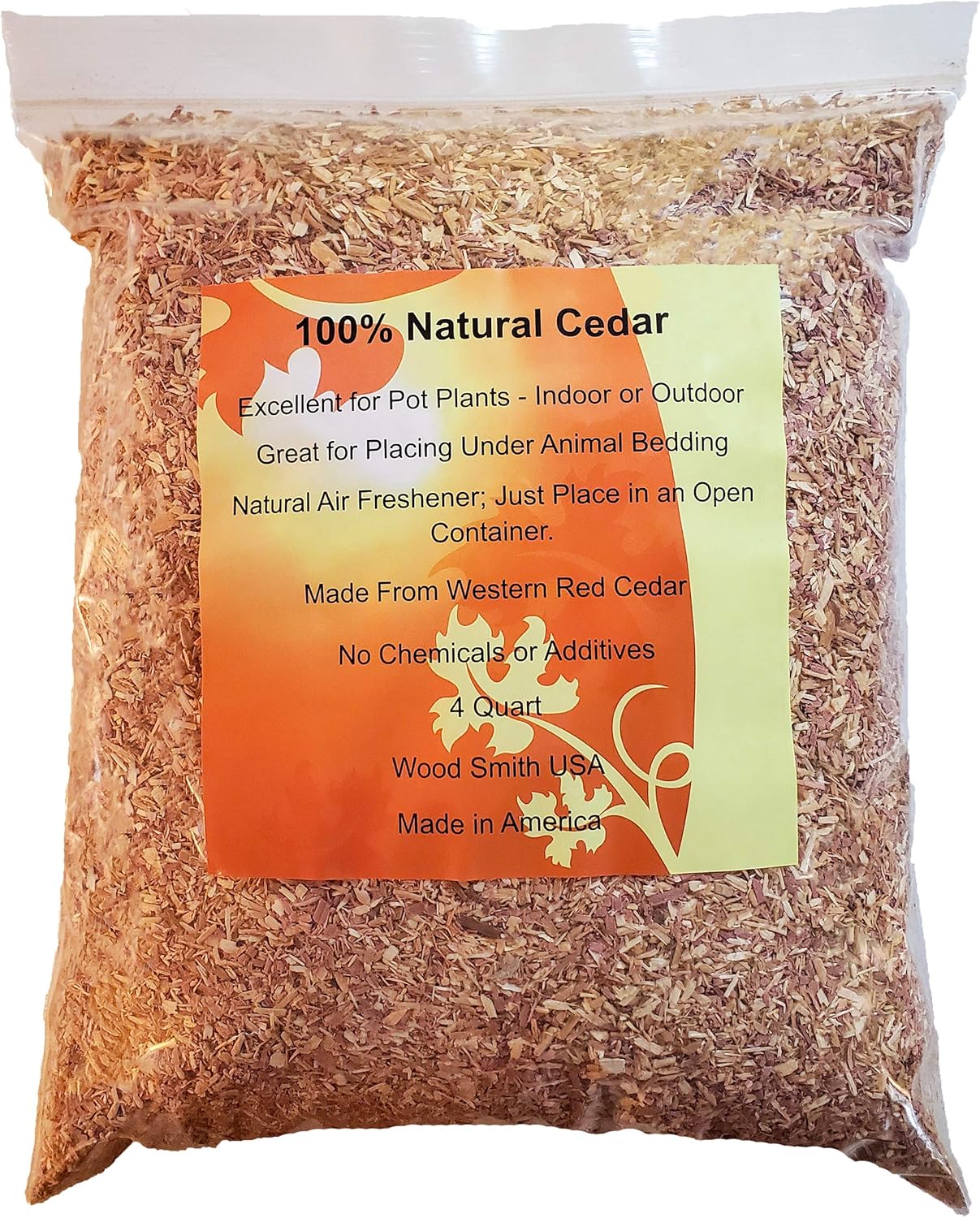
| Brand Name | Wood Smith USA |
|---|---|
| Unit Count | 148.92 Ounce |
| Number of Packs | 1 |
| Volume | 1 |
These 100% natural cedar chips are a lightweight, aromatic mulch sold in a 4-quart bag that works best as a top dressing for potted plants, hanging baskets, and small garden patches. The cedar scent helps deter some insects and can freshen indoor potting mixes, while the chips also help retain surface moisture and reduce light reaching weed seeds. Because the bags are hand sifted and packed, quality is generally consistent for small jobs, and the product is easy to spread with minimal tools. The obvious limitation is the small volume — a single 4-quart bag covers only a very small area, so multiple bags are required for beds or larger weed-control projects. The chips are also coarse compared with fine mulches, so they are better for decorative surface cover than for forming a dense, weed-suppressing mat. Handle the product carefully to avoid inhaling dust and follow guidance if using around animals.
Best for: Buyers looking for an inexpensive, small-quantity mulch to refresh pots, hanging planters, or to try cedar for insect control in limited areas.
Less Ideal for: Gardeners who need to cover large beds or who want a fine-textured mulch for dense weed-smothering should choose larger bulk bags or finer mulches instead.
- Natural cedar composition that repels some insects and adds a pleasant scent
- Small 4-quart bag useful for potted plants, hanging baskets, and spot treatments
- Helps retain surface moisture and reduces light to surface weed seeds
- Hand-sifted and hand-packed for generally consistent small-batch quality
- Very small volume so not cost-effective for large beds
- Coarse chip size offers less dense weed suppression than finer mulches
Verdict: A handy, low-cost 4-quart cedar chip bag for small-scale potting and spot weed control where you want a natural scent and insect-repellent benefits.
Choosing the Right Mulch for Hedges: Key Factors to Consider
Moisture Management
Hedges need steady access to water without prolonged saturation. A good mulch controls evaporation on hot days and reduces soil crusting during dry spells. Some mulches wick moisture toward the surface while others act as a breathable blanket; choose based on your soil type and local rainfall patterns.
Overly absorbent mulches can hold water against stems and encourage rot, so maintain a gap at the base of shrub trunks. Conversely, mulches that break down too quickly may require frequent top-ups and leave the soil exposed during critical growth periods.
Longevity and Breakdown Rate
Different materials decompose at different speeds, which affects how often you need to replenish the bed. Durable options reduce labor but may lock up nutrients temporarily or alter soil temperature. Fast-breaking mulches release organic matter sooner but need more frequent attention and can shift bed appearance.
Match the breakdown rate to your maintenance rhythm: if you top up annually, choose a material with moderate longevity; if you prefer a low-maintenance hedgerow, pick longer-lasting products that resist compaction and washout.
Soil Nutrition and pH Effects
Some mulches add organic matter and nutrients as they decompose, improving soil structure around hedge roots over time. Other materials are largely inert and mainly serve to suppress weeds and regulate moisture. Consider whether your hedges need a slow supply of organic matter or whether you prefer to manage fertility with specific soil amendments.
Be mindful of pH changes: certain wood-based mulches can temporarily tie up nitrogen as they break down, and some materials can alter surface pH in ways that affect nutrient availability. Test soil periodically when changing mulch types to catch shifts early.
Weed Suppression and Surface Stability
Effective weed suppression reduces competition for water and nutrients and keeps hedge lines clean for pruning and visual appeal. Heavier, interlocking mulches tend to resist wind and foot traffic better than lightweight options.
Combining a physical barrier such as landscape fabric with an appropriate mulch can improve weed control, but consider how that setup affects water infiltration and soil life. Choose a mulch thickness that blocks light without burying low branches or creating stem contact.
Pest and Disease Considerations
Some mulches can attract slugs, rodents, or fungal growth if placed directly against stems or kept overly wet. Avoid materials that trap moisture at the trunk or create continuous damp conditions where pests thrive. Regular inspection after mulching helps identify problems before they affect hedge health.
If your area is prone to rodent damage or fungal issues, select a material and application method that reduces sheltered spaces at the base of plants and promotes quick drying between rains.
Practical Installation and Maintenance
How easy a mulch is to spread, top up, and tidy around hedge stems affects whether it will be used correctly. Chunkier materials may be harder to tamp into narrow bed edges, while fine-textured materials can be raked and smoothed easily but might wash out. Consider access for pruners and the need to pull mulch back when pruning or planting.
Think about disposal or reuse when replacing mulch. Some gardeners prefer materials they can compost on-site; others select inert mulches that can be left undisturbed for several years.
Mulch Types and How They Behave
Different mulch families behave very differently in hedgerow settings. Wood chips and bark last longer and create a neat surface but vary in their breakdown speed depending on particle size and wood type. Composted bark and shredded bark settle to a denser layer that resists wind but can retain more moisture near stems.
Organic groundcovers like leaf mold or well-rotted compost integrate into the soil quickly and improve structure, but they require regular replenishment. Inorganic mulches such as gravel or crushed stone do not supply organic matter and heat the soil differently, which can be useful in some climates but less suitable in others.
- Coarse wood chips: long-lasting, good at allowing water penetration when applied correctly.
- Shredded bark: attractive and stable but can compact over time.
- Composted organic matter: improves soil quickly but needs frequent topping.
- Inorganic gravels: minimal breakdown and low maintenance but change soil temperature dynamics.
Applying Mulch Around Hedge Stems
Proper application is as important as the material chosen. Keep mulch pulled back several inches from the main stem bases to prevent moisture-trapping collars that lead to rot and pest hiding places. Build mulch in a shallow, even layer rather than mounding it against trunks.
Aim for a depth that suppresses weeds and conserves moisture without preventing oxygen exchange at the root collar. For most materials this means a finished depth between two and four inches, but adjustments are necessary depending on particle size and drainage.
- Avoid piling mulch against stems.
- Rake and level mulch annually to maintain consistent depth.
- Replace or refresh materials as they decompose to maintain effectiveness.
Seasonal Timing and Mulch Renewal
Timing mulch applications to the planting and pruning calendar helps hedges establish and recover. Apply a fresh layer in spring after soil has warmed and settled, and refresh in late autumn if you need added insulation during cold winters. Avoid heavy new applications immediately before a wet season unless you are certain drainage is excellent.
When refreshing, remove any old, compacted layers that restrict water flow. Lighter touch-ups can be used during the growing season to keep weed growth suppressed without stressing roots or burying low branches.
- Spring application supports moisture retention during summer.
- Autumn top-ups provide insulation and limit winter weed germination.
- Inspect beds after heavy rains to correct compaction or washout.
Mulch and Soil Health Over Time
Mulch is an active contributor to soil health, not just a cosmetic layer. Organic mulches feed soil organisms and help build crumb structure, which improves water infiltration and root penetration. Over time, a well-chosen organic mulch can reduce the need for mechanical cultivation and improve hedge resilience.
Monitor soil texture and nutrient levels periodically. If a mulch tendency to tie up nitrogen appears, supplement with a suitable fertilizer rather than switching materials abruptly. The best long-term approach balances steady organic inputs with occasional soil tests and targeted amendments.
- Use composted materials to accelerate soil improvement.
- Watch for signs of nutrient tie-up and adjust fertilization accordingly.
- Rotate or diversify organic mulch materials to broaden soil benefits.
Aesthetics and Practical Appearance
How a mulch looks affects how tidy a hedge appears and can change the garden's visual balance. Coarse bark and wood chips give a natural, rustic look that suits informal hedges, while shredded or dyed materials offer a neater, more uniform appearance. Gravel and stone provide a formal, low-maintenance look for evergreen hedges in dry climates.
Consider how color and texture age over time. Some materials fade or bleach in sun, while others darken as they break down. Choose a material that complements your hedging style and the surrounding plant palette.
- Match mulch texture to hedge style: coarse for informal, fine for neat lines.
- Expect color and texture changes with age and weather exposure.
- Balance aesthetics with functional needs like drainage and weed control.
How We Chose the Best Mulch for Hedges
We focused on horticultural performance and day-to-day yard handling when selecting mulches for hedges. Key evaluation criteria included moisture control, because hedges often need consistent root-zone moisture without waterlogging; longevity of the material to limit maintenance; nutrient contribution or stability so that mulching either feeds the plants or remains inert as appropriate; and ease of installation and renewal around planted stems and root crowns. We also considered weed suppression effectiveness and how each mulch interacts with soil biology and drainage. Products and materials that create persistent wet collars against stems or are known to compact and suffocate roots were excluded. Lightweight materials that blow away immediately, or those requiring specialized equipment for routine maintenance, were also filtered out. The resulting shortlist prioritizes materials that perform reliably in hedgerow contexts, balance maintenance demands, and support healthy root and canopy development.
FAQ
How thick should I lay mulch around hedges?
A typical finished depth is two to four inches depending on the material. Coarser materials may need a slightly thicker layer to suppress weeds, while fine composts require less to avoid smothering shallow roots. Always keep mulch pulled back from stems.
Can mulch prevent root growth outside the hedge line?
Mulch reduces surface weed competition and can discourage shallow root proliferation by moderating soil temperature and light. It does not stop roots from growing toward water and nutrients, so deep-rooted hedges will still expand their root zone beyond the mulched area.
Is it okay to use fresh wood chips around newly planted hedges?
Fresh wood chips can be used but may temporarily tie up soil nitrogen as they decompose, especially if incorporated into planting holes. For newly planted hedges, use aged chips or a thin layer of fresh chips combined with a light fertilizer if needed, and avoid piling chips against the trunk.
Will gravel mulch harm hedge roots in winter?
Gravel changes soil temperature dynamics and drains quickly, which can be beneficial in wet climates. In very cold areas it offers less insulation than organic mulches, so consider a mixed approach if frost protection is a concern. Monitor soil moisture in dry winters because gravel does not retain water.
How often should I refresh mulch around mature hedges?
Refresh schedules depend on material and climate. Many organic mulches benefit from an annual top-up, while coarse chips may only need replenishing every two to three years. Check bed depth each season and add material when the protective layer drops below the target depth.
Can mulch reduce the need for pruning or fertilizing hedges?
Mulch helps reduce stress by conserving moisture and improving soil structure, which can reduce the frequency of corrective pruning related to drought stress. It does not replace targeted fertilization when nutritional deficiencies exist, but composting mulches can gradually improve fertility over time.
Final Verdict
Choosing the right mulch for hedges means balancing moisture control, maintenance frequency, and how the material affects soil life. Prioritize a mulch that matches your drainage and climate, keeps a clear gap at the stems, and fits the time you can invest in renewal. Focus on practical tradeoffs: long-lasting materials cut maintenance but may change soil dynamics, while composting mulches improve structure but require more frequent topping. Use the evaluation criteria here to pick a mulch that supports steady growth and neat, healthy hedge lines.
