

Note: This article contains affiliate links. If you click on these links and make a purchase, I may earn a small commission at no extra cost to you. This helps support my research and content. Read my full affiliate disclosure here.
Feeding indoor plants with the right natural formula makes a visible difference in leaf color, root development, and pest resilience. Whether you tend tropical foliage, succulents, or flowering houseplants, choosing a plant food formulated for indoor use helps avoid salt build-up, leaf scorch, and unpredictable growth swings. This guide covers seven shortlisted natural house plant foods that suit a range of containers, light levels, and gardener preferences. We assessed each option for nutrient profile and application style, and we looked at how they behave in real home conditions. Read on to see the practical strengths gardeners rely on when selecting a natural indoor plant feed.
Top Picks at a Glance
| Best Overall The best all-around choice for most situations | Miracle-Gro Organic Liquid Plant Food, 32 fl. oz. |  |
| Best Quality Built to a higher standard if you want something more solid | BLESS YOUR SOIL Big Green Leaves Indoor Plant Food, 1 lb Powder |  |
| Best Value The sweet spot between price and what you get | Back to the Roots Organic All-Purpose Plant Food, 5 lb |  |
| Best Budget The cheapest option that still gets the job done reliably | True Organic All Purpose Liquid Plant Food (16 oz), OMRI Listed, NPK 3-2-2 |  |
| Highest Rated A top-rated pick with lots of positive feedback | Purived All-Purpose Liquid Houseplant Fertilizer, 16 fl oz |  |
| Most Popular A crowd favorite that many people choose with confidence | FoxFarm Big Bloom Liquid Plant Food, 16 fl oz |  |
| Best Seller A high-volume bestseller chosen again and again | Grow Queen Organic 5-5-5 Liquid Indoor Plant Food with Sea Kelp, 8 oz | 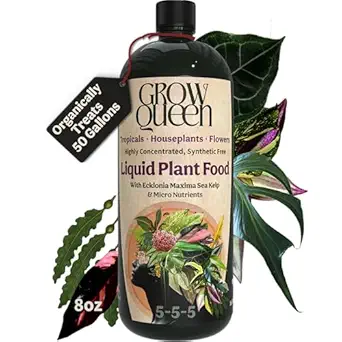 |
Miracle-Gro Organic Liquid Plant Food, 32 fl. oz.

| Item Form | Liquid |
|---|---|
| Application Method | Soak the soil around each plant |
| Target Species | plants |
| Mixing Ratio | 2:1 |
| Liquid Volume | 32 |
Miracle-Gro Organic Liquid Plant Food is a ready-to-mix liquid fertilizer designed for both houseplants and garden containers. Made with 94% plant-based ingredients and OMRI listed, it feeds plants quickly when diluted and soaked into the soil. Typical use is simple: shake, measure the capfuls per the label, mix with water and soak the root zone every 7 to 14 days for outdoor plants or every two weeks for indoor plants. Practical benefits include quick availability of nutrients, suitability for a wide range of species from flowers and herbs to shrubs and houseplants, and a straightforward mixing ratio that makes repeat feeding easy. The 32 fl. oz. bottle dilutes to over 10 gallons of solution, so it covers multiple plants through a season. Limitations to note are the relatively low NPK label of 1-0.5-1, which provides gentle feeding rather than heavy fertilization, and the need to follow the dilution schedule to avoid overfeeding sensitive species. For gardeners seeking an organic, versatile liquid feed, this is a convenient, low-effort option.
Best for: Buyers who want a dependable, low-effort organic liquid feed that works across houseplants and containers and value consistent, repeatable feeding routines.
Less Ideal for: Gardeners who need high‑strength, bloom‑boosting or rapid corrective fertilizers for nutrient‑deficient plants should choose a product with higher NPK values.
- OMRI listed and made from 94% plant-based ingredients suitable for organic use
- Works for indoor and outdoor container plants, in-ground gardens, and a wide range of species
- Easy-to-follow dilution and application method for regular feeding
- 32 fl. oz. concentrates into over 10 gallons of diluted feed for multiple applications
- Low NPK ratio (1-0.5-1) provides light feeding rather than heavy nutrient boost
Verdict: A simple, OMRI-listed liquid plant food that provides gentle, plant-based nutrition for people who want an easy organic feed for houseplants and containers.
BLESS YOUR SOIL Big Green Leaves Indoor Plant Food, 1 lb Powder

| NPK Ratio | 12-4-8 |
|---|---|
| Form | Powder, water‑soluble |
| Unit Count | 16 Ounce |
| Application Methods | Soil drench, foliar feed, hydroponic systems |
| Yield | Makes 90+ gallons of solution |
Big Green Leaves is a dry, water‑soluble houseplant fertilizer designed to drive leafy growth in tropical and foliage plants. It mixes instantly with water using the included teaspoon scoop and makes a large volume of solution from a single 1 lb pouch, so it is typically used as a soil drench, foliar spray, or in hydroponic and LECA systems. The 12-4-8 NPK formula emphasizes nitrogen for bigger leaves and stems while added sea kelp and a chelated micronutrient blend support root health and nutrient uptake across different pH levels. Practical benefits include low packaging waste compared with bottled liquids, a resealable pouch for tidy storage, and clear mixing directions for every 1–2 weeks feeding during active growth. Limitations to note are that the formula is targeted at leafy tropicals and is not appropriate for cacti or specialized high‑phosphorus flowering formulas, and as a concentrated powdered product it requires careful measuring to avoid overfeeding. For growers focused on vigorous foliage, this product offers an efficient, clean feeding option that scales well for multiple plants.
Best for: Buyers who prioritize fast, noticeable foliage growth and want a concentrated, low‑waste fertilizer to feed a collection of tropical houseplants on a regular schedule.
Less Ideal for: Casual plant owners who prefer ready‑to‑use liquid fertilizers or gardeners who primarily grow cacti, succulents, or plants that need high‑phosphorus bloom formulas.
- High nitrogen 12-4-8 NPK tailored for vigorous leafy growth
- Contains sea kelp and chelated micronutrients to support root health and uptake
- Very concentrated powder yields up to 90+ gallons of solution from one pound
- Versatile application: soil drench, foliar feed, hydroponic and LECA compatible
- Resealable pouch and included scoop simplify storage and accurate dosing
- Not recommended for cacti, succulents, or phosphorus‑needy flowering plants
- Requires careful measurement and dilution to prevent overfeeding sensitive plants
Verdict: If you want an efficient, high‑nitrogen houseplant fertilizer that delivers big leafy growth with minimal packaging waste, this concentrated powder is a strong choice.
Back to the Roots Organic All-Purpose Plant Food, 5 lb

| Unit Count | 80 Ounce |
|---|---|
| Item Type | Organic All-Purpose Plant Food |
| Item Highlight | Vegan organic fertilizer with kelp, alfalfa meal, mycorrhizae, rock phosphate |
| NPK | 2-3-3 |
This 5 lb bag of Back to the Roots All-Purpose Plant Food is a plant- and mineral-based granular fertilizer designed for routine feeding of houseplants, herbs and edible container crops. It mixes easily with water (directions recommend 1 tablespoon per gallon applied every 2 to 4 weeks) and uses kelp, alfalfa meal, rock phosphate and mycorrhizae to supply slow-release nutrients and support stronger root growth. The no-burn formulation makes it forgiving for indoor use and for beginners who might overapply synthetic feeds. Because it is organic and free of synthetic chemicals and animal byproducts, it fits gardens where sustainable inputs are a priority. Limitations are that the NPK is relatively low at 2-3-3, so heavy-feeding or fast-growing plants may need more frequent applications or a complementary feed for quick nitrogen response. Also being a granular/tea-style feed it requires mixing and regular application rather than a one-and-done slow-release stake.
Best for: Practical indoor gardeners who want an easy-to-use, sustainable organic feed for houseplants, herbs and mixed container plantings and who prefer predictable, repeatable feedings over complex regimens.
Less Ideal for: People seeking a single-application slow-release fertilizer or those who need high-nitrogen quick-growth boosts for heavy-feeding vegetables.
- 100% plant and mineral based formula without synthetic chemicals
- Includes kelp, alfalfa meal and mycorrhizae to support root health and sustained nutrition
- No-burn recipe suitable for indoor plants and beginner-friendly application
- Value-sized 5 lb bag reduces trips to replenish supply for multiple pots
- Relatively low NPK (2-3-3) may not satisfy heavy-feeding or very fast-growing plants
- Requires regular mixing and application rather than a single long-term release product
Verdict: A practical, beginner-friendly organic feed that reliably supports indoor plants and herbs with plant-based nutrients and root-supporting mycorrhizae.
True Organic All Purpose Liquid Plant Food (16 oz), OMRI Listed, NPK 3-2-2

| Unit Count | 16 Ounce |
|---|---|
| Item Form | Liquid |
| Specific Uses For Product | Agriculture, Gardening |
| Mixing Ratio | 2 fl oz per gallon of water |
True Organic All Purpose Liquid Plant Food is a concentrated, farm-grade liquid fertilizer designed for regular feeding of houseplants and garden edibles. It is mixed at 2 fl oz per gallon and used to soak soil every two weeks during the growing season, which makes dosing simple and predictable. The formula relies on organic inputs such as fish solubles, kelp extract and molasses to supply macro- and micronutrients while supporting soil microbial activity rather than relying on synthetic salts. Practical benefits include suitability for edible plants, OMRI listing for organic gardening, and a small 16 oz bottle that covers several applications for potted plants. Expect improved foliage and bloom production when used as directed, and easier integration into a routine feeding schedule. Limitations are that the NPK is modest compared with high-phosphorus bloom boosters and the product has a strong organic odor that some users may find unpleasant when mixing indoors.
Best for: Someone looking for an affordable, genuinely organic liquid feed to keep houseplants and kitchen herbs healthy with a straightforward biweekly routine.
Less Ideal for: Growers who need high-concentration bloom or fruit boosters or those who prefer odorless synthetic fertilizers.
- OMRI listed and made with organic inputs suitable for edible plants
- Simple mixing ratio (2 fl oz per gallon) and biweekly schedule for easy use
- Contains soil-supporting ingredients like fish solubles and kelp to boost microbial activity
- Manufactured in the USA from farm-grade ingredients
- Relatively low NPK (3-2-2) so not ideal when higher nutrient concentration is needed
- Strong organic odor when mixing that can be unpleasant indoors
Verdict: A compact, genuinely organic liquid feed that makes biweekly, low-cost care easy for houseplants and edible containers.
Purived All-Purpose Liquid Houseplant Fertilizer, 16 fl oz

| Item Form | Liquid |
|---|---|
| Specific Uses For Product | Houseplant Fertilizer |
| Application Method | soil drench, foliar feed, full & semi hydroponics |
| Mixing Ratio | 320:1 |
| Liquid Volume | 16 fluid ounces |
Purived All-Purpose Liquid Houseplant Fertilizer is a concentrated, nutrient-rich liquid designed for regular feeding of indoor potted plants. You use it by mixing one capful into a gallon of water (320:1 mixing ratio listed) and applying as a soil drench, foliar spray, or in full or semi-hydroponic systems. The formula lists primary macro- and micronutrients including nitrogen, phosphate, potassium and trace minerals like iron and magnesium, so it covers general feeding needs without needing multiple products. Practical benefits include a long usable volume—one 16 oz bottle claims it makes roughly 50 gallons of solution—an odorless, easy-to-mix liquid, and a two year shelf life for storage between uses. Limitations are that the label provides a single general mixing rate rather than plant-specific schedules and exact nutrient concentrations are not listed, so users seeking precise NPK numbers or tailored dosing for specialist plants may need additional testing or a different product. Safety notes recommend keeping it away from children and pets and avoiding skin or eye contact.
Best for: Reliable houseplant owners who want a single, easy-to-use fertilizer for routine feeding across a variety of common indoor plants and systems.
Less Ideal for: Specialist growers who need exact NPK labels, measured ppm targets, or crop-specific formulations for high-precision nutrient management.
- Concentrated formula that yields up to 50 gallons from one 16 oz bottle
- Versatile application: soil drench, foliar feed, and compatible with full or semi-hydroponics
- Contains both macro- and micronutrients for broad houseplant nutrition
- Odorless liquid with a two year shelf life for easy storage
- Product label does not list exact NPK ratios or ppm values for precise nutrient management
- Only a single general mixing rate provided rather than plant-specific dosing guidelines
Verdict: A concentrated, all-purpose liquid fertilizer that reliably covers routine feeding for most houseplants with simple mixing and versatile application.
FoxFarm Big Bloom Liquid Plant Food, 16 fl oz

| Item Form | Liquid |
|---|---|
| Specific Uses For Product | Organic |
| Application Method | watering can, sprayer, or drip system |
| Liquid Volume | 16 fluid ounces |
FoxFarm Big Bloom is a concentrated liquid plant food designed to boost blooms and fruiting across houseplants and garden ornamentals. It mixes into water (manufacturer suggests 4 tablespoons per gallon) and can be applied with a watering can, sprayer, or through a drip system, so it is easy to fit into regular watering routines. The formula is OMRI listed for organic gardening and lists natural inputs such as bat guano and earthworm castings, which provide readily available nutrients and support fast uptake. In practice the product helps enliven flowering plants, extend bloom periods, and perk up containers that are showing nutrient stress. Important limitations are that it contains phosphorus so you should follow local guidance about runoff and avoid overapplication, and the 16 fl oz bottle is a concentrate that will need careful measuring for repeated use. Overall it is a convenient, plant-focused liquid feed for people who want an organic option to encourage flowers and fruit.
Best for: Buyers who prioritize natural, certified organic feeds and want an easy-to-use liquid fertilizer to encourage blooms and fruit on houseplants and container specimens.
Less Ideal for: Those managing large gardens or high-volume plant collections who need bulk fertilizers or granular slow-release options.
- OMRI listed and certified for use in organic gardening
- Liquid concentrate mixes easily for watering cans, sprayers, or drip systems
- Contains natural nutrient sources like bat guano and earthworm castings for quick uptake
- Formulated to support flowering and fruiting across growth stages
- Contains phosphorus which may be restricted in some areas and requires careful runoff management
- Small 16 fl oz bottle will require frequent repurchasing for larger collections or frequent feedings
Verdict: A handy, OMRI-listed liquid concentrate that makes it simple to boost blooms and fruit on houseplants with organic ingredients.
Grow Queen Organic 5-5-5 Liquid Indoor Plant Food with Sea Kelp, 8 oz

| Item Form | Liquid |
|---|---|
| Mixing Ratio | 1:1 (1 capful per gallon) |
| Specific Uses For Product | Plant Growth |
| Application Method | Watering |
| Target Species | Plants |
This Grow Queen 5-5-5 liquid plant food is a concentrated, organic fertilizer intended for regular feeding of indoor and container-grown tropicals and houseplants. You mix one capful (about 4 ml) per gallon of water and either drench the soil or use as a foliar mist every 1 to 3 weeks during active growth. The balanced 5-5-5 NPK plus Ecklonia maxima sea kelp supplies macronutrients and trace minerals that support greener foliage, sturdier stems and stronger roots without the burn risk of high-strength synthetics. The 8 oz bottle is economical — one bottle treats up to 50 gallons — and works with soil or oxygenated hydroponic systems when changed frequently. Expect a natural ocean scent from the kelp that dissipates after watering. Limitations: it can form a film in standing, un-aerated water so it is not ideal for static reservoirs, and directions call for frequent mixing in hydro setups. For cautious indoor gardeners it pairs well with slow-release products for steady nutrition rather than aggressive, fast-acting feeding.
Best for: Buyers who prefer natural, gentle nutrition for indoor plants and want a product they can use regularly with low risk of leaf burn and easy mixing into routine watering.
Less Ideal for: Growers relying on static, non-aerated water systems or those who need a fast, high-salt corrective fertilizer for severely deficient plants.
- Balanced 5-5-5 NPK suitable for routine feeding of a wide range of houseplants
- Contains Ecklonia maxima sea kelp for added trace minerals and root support
- Concentrated 8 oz bottle treats up to 50 gallons, extending value
- Safe for foliar or soil application and gentle enough to use regularly without burning plants
- Not recommended for standing, non-aerated water because organic material can form a film
- Natural kelp scent may be noticeable indoors until it fades
Verdict: A gentle, concentrated organic houseplant fertilizer with kelp that makes regular feeding safe and simple for cautious indoor gardeners.
Choosing the Right Natural House Plant Food: Key Factors to Consider
Nutrient Balance and Formulation
Indoor plants have different nutrient needs than outdoor garden beds because root zones are confined and nutrient exchange is limited. A balanced nitrogen, phosphorus, and potassium ratio tuned for foliage or flowering affects leaf size, color, and bloom production. Overly high nitrogen can encourage soft, floppy growth in low-light conditions, while too little phosphorus can limit flowering in bloom-forming species.
Look for formulations that state the N-P-K ratio and explain secondary nutrients like calcium and magnesium. Natural feeds often release nutrients more slowly; that steadier supply reduces the chance of sudden growth spurts that indoor light cannot support.
Application Method and Dilution
How you apply plant food determines both effectiveness and safety for container plantings. Liquid concentrates and water-soluble powders allow precise dilution, which is important because potted plants are sensitive to overfeeding. Granular or slow-release natural products may be easier to use but can be harder to adjust for smaller pots.
Clear dosing instructions that include dilution for common pot sizes help avoid root burn. Foliar-feeding options can correct deficiencies faster, but foliar sprays should be used with caution on velvet or hairy leaves. Consider the time you want to spend mixing and applying when selecting a product.
Salt Accumulation and Residue
Potted plants are vulnerable to salt build-up because there is limited leaching in containers. Some natural feeds still contain soluble salts that accumulate over repeated feedings and can cause brown leaf tips or inhibited root uptake. Choose feeds that emphasize low salt index or that recommend periodic leaching with plain water.
Residue on soil or pot rims is also a practical concern for indoor settings. Products that leave minimal crusting are preferable to avoid mess and reduce the need to repot or flush pots frequently.
Ingredient Source and Transparency
Knowing what is in a natural plant food matters for safety around pets, children, and indoor air quality. Natural-sourced nutrients can come from composted plant materials, kelp, fish emulsion, or mineral rock powders. Each source behaves differently in soil and has different odor profiles and nutrient release patterns.
Clear labeling that lists ingredient sources and processing methods makes it easier to predict performance and manage potential smells. Transparent labels also help you match a product to organic or sustainability goals if those are priorities.
Compatibility with Potting Mixes and Plant Types
Different houseplants need different feeding approaches. Succulents and cacti require a low-frequency, low-nitrogen feed, while tropical foliage often benefits from steady, balanced nutrition. The potting mix plays a role too: mixes rich in slow-release amendments will reduce how often you need to add feed, while inert mixes require more regular fertilizing.
Check product guidance for compatibility with peat-based, bark-based, or soilless mixes, and consider whether the feed lists recommended frequencies for different plant groups.
How Natural Feeds Work Indoors
Natural house plant foods release nutrients through biological processes or slow mineral dissolution rather than relying solely on highly soluble salts. Indoors, where temperature and moisture cycles differ from the garden, natural feeds tend to provide steadier nutrient availability that matches slower houseplant growth rates.
Because microbial activity in potted soil can be lower than in garden beds, some natural feeds include pre-processed organics that are more readily available to roots. Understanding whether a product relies on microbial breakdown or immediate soluble nutrients helps you set realistic expectations for response time.
- Microbially driven feeds release nutrients more slowly and work well with regular watering schedules.
- Pre-processed natural inputs can show quicker results but may have a stronger odor.
- Mineral-based natural feeds can provide predictable micronutrients without organic breakdown.
Feeding Schedules for Common Houseplants
Adjust feeding frequency to plant growth cycle and indoor light. Most houseplants need little to no feeding in winter when growth slows. During active spring and summer growth, a diluted liquid feed every 2 to 4 weeks or a single application of slow-release natural granules can be sufficient.
Match the schedule to the plant type. Flowering houseplants often need more phosphorus during bud set, while leafy tropicals benefit from a steady, balanced approach. Always dilute natural concentrates below label strength for small pots to prevent build-up.
- Tropical foliage: diluted feed every 2 to 4 weeks during growth period.
- Succulents and cacti: very light feeding in spring only, using low-nitrogen formulas.
- Flowering varieties: targeted feeding during bloom initiation, with careful phosphorus balance.
Pet and Child Safety Considerations
Natural does not automatically mean non-toxic. Some organic ingredients can be harmful if ingested. Choose products with clear safety statements and minimal risk if you have pets or small children. Consider application methods that reduce exposure, such as mixing feed into the soil rather than foliar sprays.
Store concentrates out of reach and wipe any spills promptly. If odor is a concern, look for low-odor formulations or solid products that do not emit strong smells when applied.
- Check label warnings for toxicity and recommended first-aid steps.
- Prefer soil-mixed feeds in homes with curious pets or toddlers.
- Keep application tools and containers clean to avoid accidental ingestion.
Common Mistakes When Using Natural Feeds
Overdosing is the most common issue. Natural feeds can still cause root stress if applied too concentrated or too frequently. Another frequent mistake is failing to flush pots periodically to manage salt accumulation, even with some natural products.
Incompatible pairings are common as well. Using a heavy organic feed in a tiny pot or with a slow-draining decorative container can lead to soggy conditions and root problems. Read dilution guidance and observe plants for subtle signs of stress after the first few feedings.
- Always start at a fraction of the recommended strength for small pots.
- Flush pots with plain water once or twice a year to reduce buildup.
- Avoid feeding dormant plants even if the product is labeled natural.
Storing and Preparing Natural Plant Foods
Store concentrates and organic granules in a cool, dry place and keep containers tightly sealed. Exposure to moisture or heat can degrade natural ingredients and encourage clumping or microbial growth. For liquid organics, follow any refrigeration guidance and discard solutions that develop off odors or mold.
When preparing solutions, use clean water and clean measuring tools. Mixing in a separate container helps ensure consistent dilution and prevents contaminating the main supply. Label mixed solutions with the date and dilution to avoid dosing errors.
- Avoid storing natural feeds where pets can access them.
- Keep lids secure to prevent drying or hydration of powders.
- Prepare only the amount you will use within a week for best freshness.
How We Chose the Best Natural House Plant Food
We focused on attributes that matter in everyday indoor gardening and used concrete filters to narrow the field. Primary evaluation criteria included nutrient profile specificity for indoor plants, application method and dilution safety, salt and residue risk, and how the product behaves across common houseplant types. We also considered ingredient transparency and whether the formulation is derived from recognizable natural sources. Products were excluded if they were primarily formulated for outdoor use, contained high soluble salt levels that can cause root burn in pots, or lacked clear dosing instructions for container-grown plants. We prioritized feeds with clear N-P-K balance and identifiable organic sources, plus options that work with low-light plants and common potting mixes. The final short list reflects products that are practical to use in apartments and homes, minimize maintenance concerns like salt accumulation, and offer reliable nutrient delivery for steady indoor growth. These criteria align with the scoring metrics used across the review entries.
FAQ
How often should I feed my indoor plants with natural plant food?
It depends on plant type and product form. Many indoor plants do well with a diluted liquid feed every 2 to 4 weeks during the growing season, while slow-release granules may only need application once or twice per season. Reduce or stop feeding when growth slows in winter.
Will natural plant food prevent pests or diseases?
Natural nutrition supports plant vigor, which can improve resistance to pests and diseases, but it does not act as a pesticide. Proper cultural practices, such as good drainage and clean pots, remain essential to prevent issues.
Can I use the same natural feed for succulents and tropical houseplants?
Usually not ideal. Succulents prefer low-frequency, lower-nitrogen feeding, while tropical foliages benefit from steady, balanced nutrition. Choose a feed with guidance for specific plant groups or adjust dilution and frequency accordingly.
Is foliar feeding safe for indoor plants?
Foliar feeding can correct specific deficiencies faster, but it should be used cautiously. Avoid spraying delicate, hairy, or velvet leaves and do foliar applications in the morning so foliage dries quickly to reduce disease risk.
How do I avoid salt build-up when using natural plant foods?
Use low-salt-index products, follow dilution guidance closely, and periodically flush pots with plain water to leach accumulated salts. Also consider using slow-release natural granules that release nutrients gradually to reduce buildup.
Final Verdict
Choose a natural house plant food that matches your plants and containers. Prioritize clear nutrient balance, gentle application methods, and low salt or residue risk to protect roots in confined pots. Keep ingredient transparency and compatibility with your potting mix in mind. Focus on predictable feeding schedules rather than frequent ad hoc dosing. By matching formulation and frequency to plant type, you can support steady growth without common pitfalls like leaf burn or soil crusting, giving you healthy indoor plants with minimal fuss.
