

Note: This article contains affiliate links. If you click on these links and make a purchase, I may earn a small commission at no extra cost to you. This helps support my research and content. Read my full affiliate disclosure here.
If moss has overtaken shady patches of your lawn or slipped into container plantings, choosing the right natural moss killer matters for the health of your soil and turf. Natural options behave differently than harsh chemicals: some work by altering surface acidity, others by improving drainage or digesting moss tissue while leaving beneficial organisms intact. This guide presents five top shortlisted natural moss killers that suit lawns, garden beds, and patios. We evaluated how well each option kills moss, how safe it is for grass and soil, and how easy it is to apply so you can pick the best match for your garden situation.
Top Picks at a Glance
| Best Value The sweet spot between price and what you get | Lilly Miller Moss Out for Lawns Concentrate, 1 gal |  |
| Best Budget The cheapest option that still gets the job done reliably | Lilly Miller Moss Out for Lawns Ready-to-Spray, 32 oz |  |
| Highest Rated A top-rated pick with lots of positive feedback | Lilly Miller Moss Control Granules (2 × 20 lb) |  |
| Most Popular A crowd favorite that many people choose with confidence | ECO Garden PRO Organic Vinegar Ready-to-Use Weed Killer (1 Gallon) | 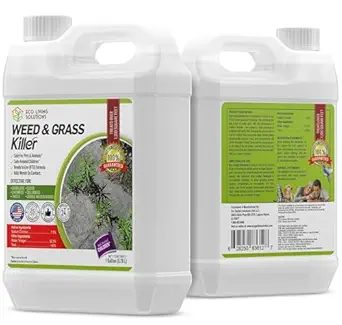 |
| Best Seller A high-volume bestseller chosen again and again | Ortho GroundClear Weed & Grass Killer with Comfort Wand, 1 gal. |  |
Lilly Miller Moss Out for Lawns Concentrate, 1 gal

| Item Form | Liquid Concentrate |
|---|---|
| Coverage | 2000 square feet |
| Active Ingredients | Ferric Sulfate |
| Unit Count | 128 Fluid Ounces |
Lilly Miller Moss Out is a liquid ferric sulfate concentrate designed to rapidly kill moss on turf and help prevent new growth. You attach the bottle to a garden hose and spray treated areas without mixing, which makes it convenient for treating up to the stated coverage area. The product acts quickly, with visible moss browning and die-off within hours, and is formulated to avoid harming established grass when applied according to the label. Its concentrated formula covers a large area per bottle, reducing the number of refills for typical suburban lawns. Important limitations are the safety precautions and re-entry restrictions while sprays are wet, and the need to follow the label exactly to avoid contact with skin, eyes, or pets. Also, it targets moss specifically and will not address underlying drainage, shade, or soil pH issues that encourage moss to return, so it is best used as part of a broader lawn care routine.
Best for: Homeowners who want a straightforward, fast way to remove moss from an existing lawn and prefer a hose‑attached concentrate to simplify application.
Less Ideal for: People looking for a long-term cultural fix for moss related to shade or soil issues or those who prefer granular or non-chemical control methods.
- Concentrated liquid attaches to a garden hose for one-step application without mixing
- Fast-acting ferric sulfate formula produces visible moss die-off in hours
- Covers up to 2000 square feet per bottle, suitable for typical lawn sizes
- Formulated to kill moss while being safe for established grass when used as directed
- Contains ferric sulfate and requires careful handling and re-entry restrictions until sprays dry
- Does not solve underlying causes of moss such as shade, compaction, or poor drainage
Verdict: A fast, easy hose‑attached ferric sulfate concentrate for homeowners who need quick and effective moss control on established lawns.
Lilly Miller Moss Out for Lawns Ready-to-Spray, 32 oz

| Liquid Volume | 32 fluid ounces |
|---|---|
| Coverage | 500 square feet |
| Item Form | Spray |
| Active Ingredients | Iron |
Lilly Miller Moss Out Hose N Go is a ready-to-use liquid iron moss treatment that attaches to a garden hose for quick application across affected turf. You connect the bottle to a hose and spray the product over mossy areas; the active ingredient (ferric sulfate/iron) darkens and kills moss within hours and can help reduce regrowth when used as directed. The built-in hose connection makes treatment fast and simple without measuring or mixing, and the 32 ounce bottle is intended to cover roughly 500 square feet. Important practical points are the safety precautions and re-entry guidance printed on the label since the product is corrosive to some materials and should not contact skin, eyes, clothing, or allow people and pets onto wet grass. This is a straightforward choice for spot treatments or small lawns where ease of use matters, though larger properties will require multiple bottles or alternative delivery methods.
Best for: Homeowners looking for an easy, no-mix solution to remove moss from small lawns or to spot-treat problem patches while keeping application simple and fast.
Less Ideal for: Large properties, turf managers, or users who need an organic or non-iron moss control should consider concentrated or different-format products.
- Ready-to-spray hose-attach design eliminates measuring and simplifies application
- Active iron formula works quickly and shows results in hours
- Covers about 500 sq ft per 32 oz bottle, suitable for small lawns or spot treatment
- Contains ferric sulfate so it requires careful handling and protective gear
- Not intended for very large lawns without buying multiple bottles
Verdict: A hassle-free, ready-to-spray iron treatment that makes fast spot removal of lawn moss easy for small lawns and quick fixes.
Lilly Miller Moss Control Granules (2 × 20 lb)

| Unit Count | 320 Ounce |
|---|---|
| Number of Packs | 2 |
| Item Form | Granule |
| Active Ingredients | Ferrous Sulfate Monohydrate |
These Lilly Miller granules are an iron-based moss treatment sold as two 20 lb bags intended for large lawns or repeat treatments. The granules are formulated to target and reduce moss where shade, moisture, compaction, or acidic soil encourage its growth, and they are applied with a broadcast or drop spreader for even coverage. Because iron is the active ingredient, the product both suppresses moss and can darken turf color, giving affected areas a quicker visual improvement. Each bag is stated to cover up to 5,000 sq ft which makes the two-pack convenient for larger properties or for treating in multiple passes during the season. Expect visible moss decline rather than an immediate removal overnight; repeat or follow-up treatments may be necessary in persistently damp or heavily shaded spots. The granular form is easy to store and handle compared with liquids, but it does require a spreader for the most consistent results and care to avoid staining hard surfaces if spilled.
Best for: Buyers who prioritize a dependable, season-long solution for moss on medium to large lawns and want a product that is simple to apply with standard spreaders.
Less Ideal for: Homeowners with very small lawns who prefer spot treatments, or those who need an immediate cosmetic removal method without follow-up treatments.
- Two 20 lb bags provide coverage for large lawns or multiple treatments
- Granular formula spreads evenly with standard broadcast or drop spreaders
- Contains iron (ferrous sulfate monohydrate) to both control moss and enhance turf color
- Suitable for common moss conditions in shaded, moist, compacted, or acidic lawn areas
- May require repeat applications in persistently damp or heavily shaded locations
Verdict: A reliable, iron-based granular treatment packaged for large lawns that controls moss while improving turf color.
ECO Garden PRO Organic Vinegar Ready-to-Use Weed Killer (1 Gallon)

| Unit Count | 128 Fluid Ounces |
|---|---|
| Coverage | 1000 square_feet |
| Item Form | Liquid |
| Active Ingredients | Sodium Chloride |
ECO Garden PRO is a one-gallon ready-to-use herbicide that uses organic vinegar, rock salt (sodium chloride), and biodegradable additives to burn back weeds and grasses on contact. It is applied with a sprayer directly to foliage on sunny days above 70°F and typically shows visible results within 24 to 48 hours. The product is designed for spot treatments on driveways, sidewalks, mulch beds and around hardscapes where root control is less critical. Notable features include a no-dilution RTU formula, instructions for fine-mist application, and claimed safety for pets, children, and beneficial wildlife when used as directed. Practical benefits are fast visible knockdown of broadleaf weeds, suitability for repeated use in sensitive areas, and an organic ingredient profile that avoids glyphosate. Important limitations are that it works primarily on foliage so deep or perennial-rooted weeds may regrow from roots, it requires warm, dry weather for best effect, and repeated applications may be necessary for heavy infestations or turf replacement planning.
Best for: Buyers who want a quick, low-toxicity, no-mix solution to control visible weeds on driveways, paths, and beds and who prefer organic ingredients over synthetic herbicides.
Less Ideal for: Gardeners seeking a systemic, long-term root kill for large turf areas or for persistent perennial weeds should consider a different approach or follow-up mechanical control.
- Ready-to-use spray eliminates the need to mix or measure
- Visible results in 24–48 hours for annual and surface weeds
- Formulated without glyphosate and with biodegradable ingredients
- Suitable for spot treatment on hard surfaces, sidewalks, and mulch beds
- Does not reliably kill deep roots or established perennial weeds
- Requires warm, dry, sunny conditions for best performance
Verdict: A fast, ready-to-use non-glyphosate spray that delivers quick visible weed knockdown for spot treatments where low-toxicity ingredients are a priority.
Ortho GroundClear Weed & Grass Killer with Comfort Wand, 1 gal.

| Item Form | Spray |
|---|---|
| Coverage | 5120 square feet |
| Unit Count | 128 Fluid Ounces |
| Active Ingredients | Ammonium Nonanoate |
Ortho GroundClear is a one-gallon ready-to-use weed and grass spray designed for spot and surface treatment on driveways, walkways, patios, and landscape beds. The formula absorbs on contact and shows visible browning in about 15 minutes, becoming rainproof roughly two hours after drying, which helps when weather is unpredictable. The included Comfort Wand makes it easy to aim at weeds growing between gravel and pavers without soaking surrounding surfaces. It is OMRI Listed, so it can fit into some organic-minded maintenance routines. Coverage is large for a single container, and the product lists ammonium nonanoate as the active ingredient, which works by contact so small or actively growing weeds are best treated. Because it is a contact herbicide, perennial or well-established weeds may need repeat applications or mechanical removal for full control, and care is required to avoid spray drift onto desirable plants. Follow safety directions and keep pets and children away until treated areas are dry.
Best for: Homeowners who want a practical, hands-on solution to remove weeds from gravel driveways and hardscapes and who prioritize quick, targeted results with minimal setup.
Less Ideal for: People seeking a long-term systemic control for deep-rooted perennial weeds or a total lawn herbicide should consider systemic products or integrated mechanical removal instead.
- Fast visible results on contact, often browning in about 15 minutes.
- Comfort Wand enables precise targeting in gravel joints and along edges.
- Becomes rainproof in approximately 2 hours, reducing loss from unexpected rain.
- OMRI Listed, compatible with some organic production standards.
- Contact-only action means deeper or perennial roots may require multiple applications.
- Spray can damage nearby desired plants if not applied carefully.
Verdict: A fast, ready-to-use contact spray with a comfort wand that makes quick, precise weed control on gravel driveways simple and practical.
Choosing the Right Natural Moss Killer: Key Factors to Consider
Effect on Turf Health
Natural moss killers vary in how they affect grass and nearby plants. Some treatments change surface pH or use mild salts to desiccate moss, which can stress shallow-rooted grass if overapplied. Others act by loosening moss mats for physical removal, posing minimal chemical risk to turf. Consider the type of grass, how deep its roots are, and whether you plan follow-up seeding or overseeding. A product that clears moss but also leaves grass thin will require extra lawn repair steps.
Timing and application rate influence turf outcomes. Apply treatments when grass is actively growing so it can recover, and avoid applications before heavy rain that could dilute protective effects or wash residues into beds. Read product guidance on repeat intervals to prevent unintended turf stress from frequent treatments.
Safety for Soil Life and Pollinators
Natural does not automatically mean harmless. Some botanical extracts and inorganic salts can reduce populations of soil microfauna or harm non-target insects if misused. Choose treatments with documented low toxicity to pollinators and soil microbes when used according to label instructions. Products that act mainly by changing surface conditions rather than by killing broadly tend to be gentler on beneficial organisms.
Where pollinators forage nearby, apply during times of low activity such as early morning or evening and avoid spraying open flowers. For potted plants and vegetable beds, prefer methods that emphasize physical removal and correction of underlying conditions rather than broad spraying.
Speed of Visible Control
Gardeners often want to see results quickly, but the fastest-acting agents may not be the most sustainable. Some natural treatments show browning within days, while others suppress growth gradually as they change soil conditions. Faster options can be useful for high-visibility areas like lawns bordering paths, but expect tradeoffs in the need for repeat applications.
If immediate aesthetic improvement is critical, plan follow-up care such as raking and overseeding to restore turf. If long-term moss suppression is the objective, prioritize solutions that also address shade, compaction, and drainage.
Ease and Practicality of Application
Consider how easy the product is to mix, apply, and store. Granules, liquids for hose-end sprayers, and ready-to-use sprays each have different practical tradeoffs. Granules can be simpler for large lawns but may require watering in; concentrates need measuring and proper dilution. Ready-to-use options are convenient for small patches or hard surfaces.
Application method also affects accuracy. Sprays can reach nooks and paved joints better than granules. Consider whether you have the gear and time to apply treatments correctly and whether the product instructions fit your garden schedule.
Long-Term Effectiveness and Recurrence
Moss is often a symptom of underlying site conditions: shade, compacted soil, poor drainage, or low soil fertility. A natural moss killer that only removes existing moss without addressing these factors will likely require repeated treatments. Look for options that pair effective moss reduction with guidance or supplemental steps to reduce recurrence, such as aeration, soil amendments, or targeted pruning to increase light.
Plan for a maintenance rhythm. Even effective natural treatments may need follow-up in damp seasons or heavily shaded areas. Combining treatment with cultural changes extends the interval between applications and improves lawn resilience.
Surface Compatibility and Residue
Different natural formulations are designed for lawns, hardscapes, or container surfaces. Some salts and acids can discolor stone, concrete, or wood, while others are formulated to be safe on paving. Choose a product labeled for the specific surface you need to treat. Consider rinsing treated hard surfaces after the moss has died to prevent staining and to remove residues.
Residue considerations also affect nearby plantings. If treating moss on paths that border flower beds, use careful application and containment methods to avoid runoff into sensitive planting areas.
When to Choose a Natural Approach
Natural moss control is a good fit when you want to reduce chemical exposure, protect beneficial soil life, or treat moss in areas near edible plants and pollinator habitat. It also suits gardeners who prefer to correct the conditions that favor moss rather than rely on fast-acting synthetic herbicides.
Opt for natural methods when moss cover is moderate and you have the ability to follow up with cultural fixes like aeration, improved drainage, and light management. In heavy infestations where immediate total removal is required for a high-traffic area, natural tactics still work but may need more time or repeated treatments.
- Best for environmentally sensitive sites
- Pairs well with cultural corrections
- May require multiple applications for heavy infestations
Combining Treatment with Cultural Fixes
Natural moss killers are most effective when part of a broader plan. After treating moss, address shade, compaction, and soil pH to reduce the chance it returns. Aerate compacted soil, improve surface drainage, and overseed thin turf areas to give grass a competitive advantage.
For shaded sites, selective pruning to increase light and reducing dense thatch will change the microclimate and make treatments more durable. On paved surfaces, improve water-shedding and scrub away dead moss to expose areas where regrowth could begin.
- Aeration and seed to strengthen grass
- Prune to increase sunlight in shady lawns
- Repair drainage issues to remove persistently damp conditions
Application Tips for Lawns and Hard Surfaces
Follow label directions for dilution and timing. Apply treatments when moss is actively growing and when rain is not imminent. For lawn applications, aim for times of mild weather and when grass can dry between treatments to reduce fungus risk.
On hard surfaces like patios and walkways, apply to thoroughly wet the moss mat, then allow the treatment time to act before scrubbing or pressure washing. Test a small, inconspicuous area first to check for staining or surface reaction.
- Avoid applying before heavy rain
- Test on a small area of hardscape before full application
- Water-in or rake as directed to remove treated moss and speed recovery
Seasonal Timing and Follow-Up
The best time to treat moss in lawns is during cool, moist periods when moss is actively growing but grass is not dormant. Early spring and fall often provide the right balance of growth and moisture. Avoid treating when turf is stressed by drought or extreme heat.
Schedule follow-up inspections after treatments and plan cultural tasks like overseeding or aeration within weeks of successful moss removal. Persistence over the first year usually reduces long-term recurrence.
- Treat during active moss growth in cool seasons
- Plan follow-up cultural work within weeks
- Monitor shaded areas more frequently
How We Chose the Best Natural Moss Killer
We shortlisted natural moss killers that strike a balance between visible moss control and low environmental impact. Selection began with products and formulations that rely on physical removal, botanical actives, or mild inorganic salts rather than harsh synthetic herbicides. We focused on options that are commonly used on lawns, hard surfaces, and around ornamentals. Evaluation prioritized measurable, garden-relevant dimensions: speed of kill and visible reduction, safety to turf and garden plants, persistence and need for repeat treatments, and ease of application for typical home gardeners. We also considered how each option affects soil biology and drainage since those influence long-term moss recurrence. Exclusions included any treatments that rely on banned or strongly restricted synthetic herbicides or that present clear risks to pollinators or aquatic life when used as directed. The result is a set of natural approaches that perform under realistic garden conditions and that align with sustainable lawn care practices.
FAQ
Will a natural moss killer harm my grass?
It depends on the product and application rate. Many natural options are formulated to minimize turf damage when used correctly, but overapplication or treating thin, stressed grass can cause burn or thinning. Apply according to instructions and time treatments when grass is actively growing to aid recovery.
How long before I see results from a natural treatment?
Visible browning can appear within days for some treatments, while others work more slowly as they change surface conditions. Expect a range from a few days to several weeks depending on the method and weather. Plan follow-up care based on observed response.
Can I use natural moss killers around vegetable beds or pollinator plants?
Many natural formulations are safer near edible and pollinator-attracting plants, but some salts and botanical mixes still pose risks if sprayed on flowers or edible foliage. Use targeted application, avoid spraying open blooms, and rinse edible surfaces if accidental contact occurs.
Should I remove dead moss after treatment?
Yes. Raking or light dethatching removes dead moss and clears room for seed or turf recovery. On hard surfaces, scrubbing or pressure rinsing removes residue and prevents regrowth in joints. Removing dead material also helps reveal underlying problems like compaction or drainage that need correction.
How often will I need to reapply a natural moss killer?
Reapplication frequency depends on site conditions. In favorable conditions for moss, you may need seasonal treatments until cultural fixes take hold. In well-drained, sunlit lawns, a single application combined with corrective measures may be enough for a season or longer.
Final Verdict
Natural moss killers are a practical choice when you want to reduce moss while protecting soil life and nearby plants. Prioritize options that match your surface type and that come with clear application guidance, then pair treatment with cultural fixes such as aeration, drainage improvement, and increased sunlight. Expect tradeoffs between speed and long-term durability; faster-acting treatments may require more follow-up, while gradual methods combined with site correction usually offer longer-lasting results.
