

Note: This article contains affiliate links. If you click on these links and make a purchase, I may earn a small commission at no extra cost to you. This helps support my research and content. Read my full affiliate disclosure here.
If you spend time on patios, decks, or working in a garden, wasps can quickly make outdoor time uncomfortable and unsafe. Picking the right natural wasp repellent helps reduce stings and preserve pollinator-friendly habits while letting you enjoy the yard. This guide covers the top natural wasp repellents shortlisted for real outdoor use, and explains how each option performs for effectiveness, application effort, and safety. Below we evaluate options against practical gardener concerns like how well they deter wasps, where you can safely apply them, and how long protection lasts. Read on to find an option that fits your outdoor routine and tolerance for maintenance.
Top Picks at a Glance
| Best Overall The best all-around choice for most situations | EcoVenger All Purpose Insect Spray, Plant-Based 16 oz |  |
| Best Value The sweet spot between price and what you get | Crobirware 36‑Pack Natural Wasp & Bee Repellent Pouches (Peppermint) |  |
| Best Budget The cheapest option that still gets the job done reliably | Patio Eden Wasp Nest Decoy, 3-Pack Hanging Paper Decoys |  |
| Highest Rated A top-rated pick with lots of positive feedback | Motrapso Natural Wasp and Bee Repellent Balls (24 pack) |  |
| Most Popular A crowd favorite that many people choose with confidence | Mighty Mint Peppermint Oil Insect Repellent Spray, 16 oz |  |
EcoVenger All Purpose Insect Spray, Plant-Based 16 oz

| Volume | 16 oz |
|---|---|
| Active ingredients | Geraniol, Cedarwood Oil, Citronella Oil, Sodium Lauryl Sulfate |
| Use | Indoor & outdoor ready-to-use spray |
| Kills on contact | Yes |
| Targets eggs | Yes |
EcoVenger All Purpose Insect Spray is a botanical, ready-to-use spray formulated to kill common household pests, including fruit flies, on contact while also disrupting eggs to reduce re-infestation. You use it the same way as any trigger-spray insecticide: shake, spray directly onto affected surfaces, entry points, and breeding areas, and let it dry. Key features are a plant-based active blend (geraniol, cedarwood, citronella) that gives a mild natural scent, non-staining formula safe for most surfaces, and claims of residual protection that lasts for days to weeks depending on conditions. For fruit fly control it is useful for treating countertops, drains, trash areas, and window frames where adults land and lay eggs, and the egg-targeting action helps break the life cycle. Limitations: as a non-synthetic formula it may act more slowly or require repeat applications versus stronger chemical insecticides for heavy infestations, and the nozzle is noted as delicate so treat it gently. Follow label directions and avoid eye contact.
Best for: Buyers who prioritize effective, plant-based pest control for kitchens and indoor spaces and want a product that targets adults and eggs without harsh chemical odors.
Less Ideal for: Those facing a large, established infestation who need the fastest-acting professional-strength chemical control should consider alternative options.
- Broad-spectrum list of target pests including fruit flies and their eggs
- Plant-based ingredients suitable for use around children and pets when used as directed
- Ready-to-use trigger spray for quick spot treatment
- Non-staining formula with a mild, natural scent
- Leaves a residual barrier to help prevent re-infestation for days to weeks
- May require repeated applications or longer to match the speed of stronger synthetic insecticides
- Nozzle described as delicate and can be damaged if handled roughly
Verdict: If you want a safer, plant-based spray that tackles fruit flies and their eggs while leaving a mild scent, this 16 oz ready-to-use formula is built for routine home use.
Crobirware 36‑Pack Natural Wasp & Bee Repellent Pouches (Peppermint)

| Ingredients | peppermint |
|---|---|
| Manufacturer | Crobirware |
| Pack count | 36 |
| Intended use | Indoor and outdoor repellency |
These Crobirware repellent pouches use peppermint (and other essential oils listed in the description) to create a strong natural aroma that discourages wasps, yellow jackets, hornets, and similar stinging insects. Each pouch is intended to be hung or placed near entryways, picnic areas, or garden seating so the scent disperses where insects typically patrol. The product is marketed as non‑toxic and safe around children and pets, which makes it a convenient option for family yards and outdoor gatherings. The main convenience is the 36‑count supply and the claim of up to 30 days' protection per application, reducing the need for frequent reapplication or active traps. Limitations are that effectiveness depends on placement, wind, and local insect pressure, and users relying solely on scent deterrents may see variable results compared with baiting or removal of nests. These pouches are best used as part of a broader prevention plan rather than a guaranteed single solution for heavy infestations.
Best for: Buyers who want a low‑maintenance, family‑safe deterrent to reduce wasp encounters around patios and outdoor eating areas without using chemical sprays.
Less Ideal for: People dealing with established nests, severe infestations, or who need immediate elimination of wasp colonies should consider professional removal or targeted insecticidal options.
- Plant‑based peppermint formula avoids harsh chemical insecticides
- Large 36‑pack reduces trips to restock and supports seasonal use
- Simple hang-or-place application requires no tools or sprays
- Repellent relies on scent dispersion so performance varies with wind and outdoor conditions
- Not a nest‑removal solution and may be less effective against heavy infestations
Verdict: A convenient 36‑pack of family‑safe peppermint pouches for low‑effort seasonal prevention of wasps around outdoor living spaces.
Patio Eden Wasp Nest Decoy, 3-Pack Hanging Paper Decoys

| Target Species | Wasp |
|---|---|
| Unit Count | 3 Count |
| Power Source | Air Powered |
| Material Type | Paper |
These paper decoy nests recreate the look and size of a real wasp hive and are intended to discourage wasps from building nearby by exploiting their territorial instincts. Each pack includes three lightweight, hanging nests you open and suspend 6 to 8 feet off the ground near patios, decks, gardens, or entryways. The product is chemical free and simple to deploy, so it is a low-effort option for seasonal outdoor protection and safe around people and pets. The realistic paper texture can fray over time if exposed to heavy rain or constant sun, so placement under eaves or a covered porch will prolong life. They work best as a preventive measure; they will not remove existing nests and effectiveness varies by species and local wasp pressure. For homeowners wanting a low-cost, non-toxic deterrent to reduce the chance of new nests forming, these decoys are an easy, no-fuss choice.
Best for: Buyers looking for an inexpensive, low-effort, chemical-free way to reduce the chance of new wasp nests around outdoor living spaces.
Less Ideal for: People who need an immediate solution for an existing wasp nest or live in areas with very high wasp activity should consider active removal or stronger control methods.
- Three decoys per pack allows coverage of multiple areas
- Chemical-free deterrent safe for use around people and pets
- Lightweight and easy to hang with simple placement instructions
- Paper construction degrades if exposed to heavy rain or prolonged direct sun
Verdict: A budget-friendly, chemical-free deterrent that gives easy, wide coverage to help prevent new wasp nests from forming.
Motrapso Natural Wasp and Bee Repellent Balls (24 pack)

| Ingredients | peppermint oil, lemongrass oil, geraniol, clove oil |
|---|---|
| Pack quantity | 24 pcs |
| Intended use | Indoor and outdoor wasp and bee deterrent |
| Protection duration | 60-90 days (per sealed unit) |
These plant-based repellent balls use peppermint, lemongrass, geraniol, and clove oils to create a non‑toxic deterrent for wasps and other stinging insects. Each ball is individually sealed for storage and is meant to be placed in the included mesh bags and hung or set near areas you want to protect such as porches, orchards, vegetable patches, sheds, or play areas. The manufacturer claims the active scent works immediately and remains effective for roughly 60 to 90 days per sealed unit, and the product is described as weather resistant so it can be used outdoors in rain or sun. The scent-based approach is humane and pet safe when used as directed, and it avoids sprays, traps, or poisons that can harm beneficial insects. Expect reliable short- to medium-term protection around specific hanging points rather than complete yardwide coverage; strong winds or heavy rain may reduce local effectiveness over time. If you prefer a straightforward, low-maintenance natural option for protecting seating areas, fruit trees, or small garden zones, these are convenient and easy to deploy.
Best for: Buyers who want a low‑maintenance, non‑toxic way to protect specific outdoor living areas or fruiting plants and who prioritize steady, predictable results over one‑shot extermination.
Less Ideal for: People who need entire‑yard pest exclusion, instant removal of nests, or a chemical insecticide solution for heavy infestations should consider other approaches.
- Uses plant essential oils (peppermint, lemongrass, geraniol, clove) rather than pesticides
- Individually sealed units for long shelf life and controlled potency
- Simple placement in mesh bags makes setup quick and low maintenance
- Rated for indoor and outdoor use and described as weather resistant
- Scent-based protection is localized to placement areas and may not protect large yards
- Effectiveness can diminish before the stated 60–90 days in very exposed or windy locations
Verdict: A convenient, pet‑safe natural option for reliably deterring wasps and similar stinging insects around specific outdoor spots without using pesticides.
Mighty Mint Peppermint Oil Insect Repellent Spray, 16 oz
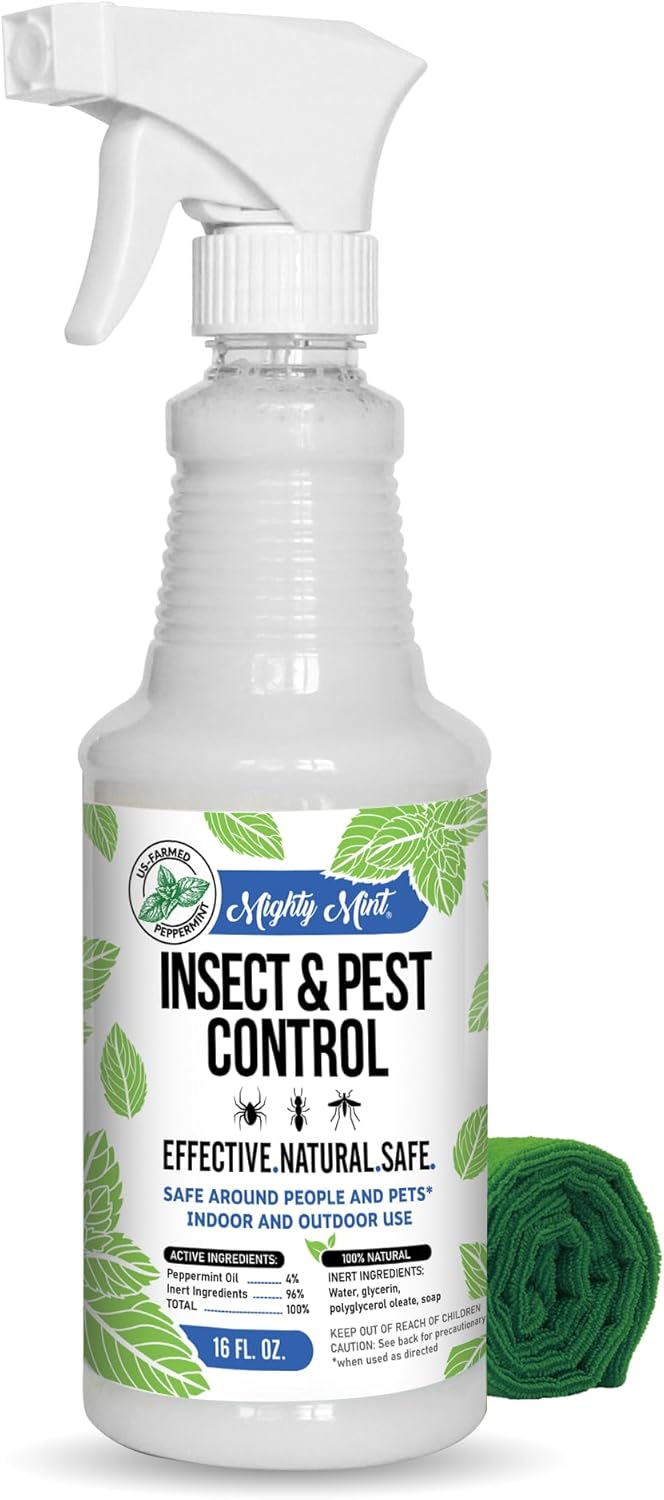
| Ingredients | Water, Glycerine, Polyglycerol oleate, Soap, Peppermint oil |
|---|---|
| Use Areas | Indoor / Outdoor |
| Size | 16 oz |
Mighty Mint is a plant-based, ready-to-use spray that uses concentrated peppermint oil to repel a broad range of household and patio pests. You apply it directly to problem areas such as baseboards, entryways, patios and around outdoor seating; the manufacturer recommends shaking and spraying until surfaces are covered and repeating applications two or more times per week for best results. Notable features include a peppermint-only scent profile, a formulation that avoids synthetic fragrances and the convenience of a 16 oz spray bottle for targeted spot treatments. Practical benefits are that it is safe to use around people and pets when dry and does not leave obvious stains on most surfaces, and the scent can make treated areas smell fresher than chemical alternatives. Important limitations are that it is a repellent rather than a pesticide so it works by discouraging pests rather than killing them, effectiveness depends on regular reapplication and it should not be applied when pollinators are present or to skin or food-contact surfaces.
Best for: Buyers who prioritize natural, low-toxicity solutions and want a targeted spray to reduce insects around patios and entryways while keeping family and pets in mind.
Less Ideal for: Anyone needing a one-time extermination or long-term residual pesticide for severe infestations should consider professional treatments or products formulated to kill pests rather than repel them.
- Plant-based peppermint formula that avoids synthetic fragrances
- Ready-to-use spray for quick, targeted indoor and outdoor applications
- Safe for people and pets when used as directed and allowed to dry
- Nonstaining on most surfaces and leaves a fresh mint scent
- Repels rather than kills insects so regular reapplication is needed to maintain protection
- Strong peppermint concentration may bother scent-sensitive individuals and requires keeping children and pets away until dry
Verdict: Choose Mighty Mint when you want a pet-friendly, plant-based spray to reduce patio and entryway insects with a fresh peppermint scent.
Choosing the Right Natural Wasp Repellent: Key Factors to Consider
Deterrent Effectiveness
How reliably a repellent reduces wasp activity matters most when you want to use outdoor spaces. Effective repellents are ones that address the sensory cues wasps use to locate food and nesting sites, such as strong botanical odors or altered surface chemistry. In practice this means looking for products or formulas with documented active botanical compounds or physical features that wasps avoid.
Keep in mind that effectiveness can vary with species and local wasp pressure. In high-activity sites a strong deterrent or repeated applications may be necessary. Also consider whether the product repels at a distance, deters landing, or discourages nest building, because each behavior affects how and where it will reduce encounters.
Duration and Persistence
Duration determines how often you have to reapply a repellent and whether it suits intermittent gatherings or continuous protection. Botanical oils and food-based deterrents often work well short-term but break down faster in sun and rain. Products formulated for longer persistence or delivered via slow-release carriers extend protection but may trade off some immediacy.
Think about the exposure your treated areas receive. Sunny, breezy spots and heavy rainfall will shorten protection, while shaded or sheltered areas hold treatments longer. Longer-lasting options reduce maintenance time but expect a balance between longevity and the desire to avoid lingering strong odors around plants and people.
Safety for People, Pets, and Beneficial Insects
One reason to choose a natural repellent is reduced risk to family and pollinators. Check whether ingredients are non-toxic at recommended dilutions, and whether application methods avoid direct contact with pollinator foraging zones like flowering plants. Even natural ingredients can irritate skin or eyes, so consider user safety during mixing and application.
For households with pets or small children, favor methods that minimize accessible residues, such as targeted sprays for eaves and seating areas rather than broad sprays over plant beds. Avoid products that list any restricted-use warnings and follow label guidance closely to keep beneficial insects protected.
Ease of Application and Maintenance
A repellent is only useful if you will actually apply and maintain it. Look for formats that match your comfort level: ready-to-use sprays, concentrate bottles you dilute, hanging sachets, or treated decoys and panels. Consider whether you need a sprayer, ladder access, or repeated spot treatments.
Maintenance includes frequency of reapplication and seasonal storage. Some natural treatments require weekly refreshes during high season, while others last longer but need careful storage to protect volatile oils. Choose a delivery method that fits how often you want to monitor and retreat outdoor areas.
Application Versatility
Different outdoor spaces demand different application styles. A repellent suitable for picnic tables and play areas might not be appropriate for ornamental beds or vegetable patches. Versatile options let you treat eaves, furniture, trash can lids, and entryways without harming plants or leaving problematic residues.
Also consider whether a repellent can be used indoors in screened porches or only outdoors. Products that permit both targeted indoor and outdoor use increase utility across the season.
Environmental and Residue Considerations
Even with natural ingredients, think about runoff, odor, and residues that could affect soil health or nearby water. Some essential oils can be potent in small doses and may stress sensitive plants if applied directly to foliage. Choose application patterns that avoid blossoms and minimize direct soil contact where possible.
If you are managing a garden with pollinator plantings or edible crops, prioritize products that leave minimal persistent residues and have clear guidance for use near food plants. Properly disposing of used sachets, fabric strips, or spent bait stations also reduces unintended environmental impact.
How Natural Repellents Work
Natural wasp repellents rely on sensory disruption more than lethal action. Wasps use smell and visual cues to find food and nesting sites, so botanicals like mint, citronella, clove, and spearmint can mask or create aversive signals. Other approaches use physical cues or visual decoys to discourage nesting.
Understanding the mechanism helps set expectations. A repellent that masks food odors reduces foraging but may not stop a nearby nest from remaining active. Similarly, slow-release options might lower visits over days, while fresh sprays give quick but shorter-lived relief.
- Botanical oils create odors wasps tend to avoid
- Physical decoys and textures discourage nest building
- Distracting or masking food scents reduce foraging activity
- Different species respond differently to the same cues
Best Places to Apply Repellents in a Yard
Target areas where people gather and where wasps are likely to forage or nest. Common spots include eaves, porch ceilings, outdoor lighting fixtures, garbage can lids, and seating areas. Treating entrances and shaded overhangs can reduce the chance of nests developing near living spaces.
Avoid spraying flowering plants or vegetable blossoms. If you need to protect garden beds, use non-contact methods like perimeter sachets or treated surfaces that do not deposit oils onto blooms.
- Eaves and porch ceilings for early-season nest prevention
- Near trash and compost lids where protein-foods attract wasps
- Seating and dining areas to minimize direct encounters
- Sheltered corners and storage sheds that attract nest-building
Seasonal Use and Timing
Wasps are most active from late spring through early fall. Early-season prevention is often more effective than reactive measures because it is easier to stop nest establishment than to eliminate an occupied nest. Monitor typical nesting spots weekly during peak months and apply repellents proactively.
For gatherings, apply short-duration sprays an hour before events for quick relief. For longer seasonal protection, consider slow-release formats or repeated applications following the product instructions to maintain a protective barrier.
- Treat potential nesting sites in spring before scouting activity peaks
- Reapply short-lived sprays after heavy rain or every few days if pressure is high
- Use longer-lasting options in sheltered areas where they persist longer
Combining Repellents With Non-Chemical Controls
Natural repellents work best as part of a broader strategy. Reducing attractants by keeping food and trash covered, sealing cracks and gaps around eaves and soffits, and removing early nest attempts reduces pressure on any repellent. Visual decoys and strategic habitat modification complement repellent use without increasing chemical exposure.
If you find an active nest, non-chemical removal or professional assistance may be needed for safe resolution. Repellents can make areas less attractive while you arrange safe nest management.
- Keep food and drinks covered during outdoor events
- Seal small openings in eaves and soffits to prevent nesting
- Remove early small nests by hand when safe to do so and allowed
Safety and Application Best Practices
Always follow label directions when mixing or applying natural concentrates. Use protective gloves and avoid spraying toward faces or exposed skin. Apply treatments on calm days to reduce drift and avoid contact with flowering plants to protect pollinators.
Store concentrates out of reach of children and pets and dispose of any used materials according to local guidelines. If irritation or allergic reaction occurs after exposure, rinse thoroughly and seek medical advice if needed.
- Apply at low wind to reduce drift onto non-target areas
- Keep applications away from open blossoms and pollinator foraging
- Use targeted treatments for human activity zones rather than blanket spraying
How We Chose the Best Natural Wasp Repellent
We focused on natural formulations and non-lethal approaches that gardeners and outdoor hosts can use without relying on synthetic insecticides. Selection prioritized products and methods with clear ingredient lists composed of botanical oils, food-safe compounds, or physical deterrence, and excluded any options that depend on persistent synthetic neurotoxic insecticides. Evaluation emphasized measurable, garden-relevant criteria: deterrent effectiveness against commonly encountered paper and yellowjackets, duration of protection under typical outdoor conditions, safety around people, pets, and desirable insects, ease and flexibility of application, and durability or weather resistance for treated surfaces. We also considered availability of clear usage instructions and whether follow-up treatments or frequent reapplications are required. We excluded repellents intended only for agricultural-scale use, live-trapping methods that require specialist handling, and homemade approaches lacking documented ingredients or safe application guidance. The final list highlights solutions that balance visible wasp reduction with practical use in yards, patios, and container gardens.
FAQ
Are natural wasp repellents safe to use around children and pets?
Many natural repellents use low-toxicity botanical oils that are safer than synthetic insecticides when used as directed. However, some oils can irritate skin or mucous membranes, so keep treated areas and concentrates out of reach and avoid direct contact with children and pets.
How quickly do natural repellents start working?
Some sprays and sachets create a deterrent effect within minutes by masking attractive scents or emitting aversive odors. Longer-lasting options may take hours to establish a protected zone but then persist for days depending on weather and formulation.
Will natural repellents harm bees and other pollinators?
If applied directly to flowering plants, certain essential oils can repel or stress pollinators. Use targeted applications away from blooms and favor placement on eaves, furniture, and trash lids to reduce unintended impacts on beneficial insects.
How often should I reapply a natural repellent outdoors?
Reapplication frequency depends on the product and conditions. Short-lived sprays may need refreshing every few days or after rain. Slow-release formats or treated materials typically last longer, but check the product guidance and monitor activity to decide when to retreat.
Can I use natural repellents to prevent nest building?
Yes. Preventative use on eaves, porch ceilings, and sheltered overhangs can discourage wasps from selecting those spots for nests. Start treatments in early season and keep monitoring potential nesting sites for new activity.
Final Verdict
Choosing the right natural wasp repellent comes down to matching deterrent strength with the area you need to protect and how much maintenance you are willing to do. Prioritize solutions that provide reliable deterrence, safe application around family and pets, and appropriate longevity for your climate and outdoor layout. Use repellents as part of a broader strategy that reduces attractants and excludes nesting sites. For quick relief at gatherings, select fast-acting sprays. For ongoing protection in sheltered areas, choose longer-lasting formats and follow reapplication guidance to maintain safe, wasp-reduced outdoor spaces.
