

Note: This article contains affiliate links. If you click on these links and make a purchase, I may earn a small commission at no extra cost to you. This helps support my research and content. Read my full affiliate disclosure here.
Growing herbs indoors rewards you with fresh flavor and convenience, but container plants need a steady, balanced nutrient supply. The right organic fertilizer for indoor herbs feeds plants without harsh salts or fumes, supports root and leaf growth, and avoids the leaf burn that can happen with strong synthetic fertilizers. This guide shortlists the top organic options suited to small pots, windowsill planters, and kitchen herb gardens. We evaluated products against practical gardener concerns like nutrient profile, application method, and salt safety so you can pick a solution that fits your space and routine. Read on for what mattered in our selection and how to match a fertilizer to your indoor herb setup.
Top Picks at a Glance
| Best Overall The best all-around choice for most situations | Espoma Organic Grow! Liquid Concentrate Plant Food (16 oz) |  |
| Best Quality Built to a higher standard if you want something more solid | Rosy Soil Organic Plant Food for Indoor Plants, 4 Quart |  |
| Best Value The sweet spot between price and what you get | Grow Queen Organic Liquid Indoor Plant Food 5-5-5 with Sea Kelp, 8 oz | 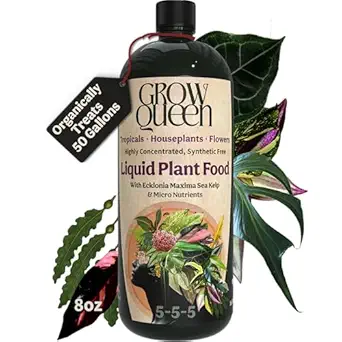 |
| Best Budget The cheapest option that still gets the job done reliably | Miracle-Gro Organic Liquid Plant Food, 32 fl. oz. |  |
| Highest Rated A top-rated pick with lots of positive feedback | Pegmapri Organic Liquid Plant Food, 8.45 fl oz Concentrated |  |
| Best Seller A high-volume bestseller chosen again and again | Dr. Earth Organic Tomato, Vegetable & Herb Fertilizer (64 oz) |  |
Espoma Organic Grow! Liquid Concentrate Plant Food (16 oz)

| Item Form | Liquid |
|---|---|
| Specific Uses For Product | Gardening,Organic,Plant Food |
| Application Method | water |
| Mixing Ratio | 1:3 |
Espoma Organic Grow! is a liquid concentrate designed to feed a wide range of plants, from houseplants and container herbs to landscape ornamentals. You mix the concentrate with water at the recommended 1:3 ratio and apply it every 2 to 4 weeks during the growing season, which makes routine feeding simple for busy gardeners. The formula uses natural proteins, kelp extracts, and humic acids and carries a 2-2-2 NPK analysis, so it supplies gentle, balanced nutrition without harsh salts or synthetic additives and is approved for organic gardening. Practical benefits include easy dilution for precise dosing, suitability for both indoor herbs and outdoor containers, and a low risk of overfertilizing when used as directed. Limitations are that the low NPK numbers mean it is a maintenance and growth-support fertilizer rather than a bloom-boosting or high-nitrogen solution, and frequent mixing is required because it is a concentrate rather than a ready-to-use spray.
Best for: Ideal for indoor herb growers and casual container gardeners who want an easy, organic feed schedule and prefer a gentle, all-purpose fertilizer for steady growth.
Less Ideal for: Not the best choice for growers seeking a specialized bloom enhancer or a high-nitrogen feed for rapid leafy growth.
- Organic-certified formula with kelp extracts and humic acids for natural nutrient support
- Balanced 2-2-2 formulation suitable for general maintenance of foliage and root health
- Concentrated liquid that dilutes for flexible dosing across pots and indoor plants
- Approved for use in organic gardening and safe for household herb use when applied as directed
- Low NPK numbers are not ideal when a high-nitrogen or bloom-specific boost is needed
Verdict: A simple, certified organic liquid concentrate that gives indoor herbs and container plants steady, gentle nutrition with easy dilution.
Rosy Soil Organic Plant Food for Indoor Plants, 4 Quart

| Brand | Rosy Soil |
|---|---|
| Unit Count | 128 Ounce |
| Item Type Name | Soil |
| Style Name | Potting Soil |
Rosy Soil Organic Plant Food is a 4-quart, microbially active fertilizer designed for regular feeding and repotting of houseplants and container vegetables. It combines biochar, kelp, worm castings, compost, bokashi and mycorrhizae to create a slow-release mix of nutrients and beneficial microbes that integrate with potting soil when top-dressed or mixed in during repotting. Typical use is sprinkling a small handful around the root zone at watering time or blending a bit into fresh potting mix to reduce transplant shock and promote stronger root establishment. The live mycorrhizae and organic amendments mean plants get steadier nourishment over weeks rather than spikes of soluble fertilizer, which suits sensitive tropicals and seedlings. Packaging is resealable for storage and the product avoids peat and synthetic additives. Limitations are that it is not a fast-acting corrective for acute nutrient deficiencies and the performance depends on regular watering and active soil biology, so impatient growers seeking immediate, high-N greening may prefer a soluble feed instead.
Best for: Growers who prioritize steady, long-term plant performance and healthier root systems for houseplants and container edibles and who prefer organic, peat-free inputs.
Less Ideal for: People who need quick visual results or who want a fast-acting liquid fertilizer for emergency nitrogen boosts.
- Contains mycorrhizae and active microbes to support root health and nutrient uptake
- Slow-release organic ingredients reduce risk of overfeeding and give steady nutrition
- Peat-free formula with biochar, kelp, worm castings and compost for improved soil biology
- Resealable packaging suitable for multi-month use and easy top-dressing
- Not designed for rapid correction of nutrient deficiencies
- Performance relies on active soil biology and consistent watering
Verdict: Choose this if you want an organic, microbially active slow-release fertilizer that improves root health and steady growth for indoor plants.
Grow Queen Organic Liquid Indoor Plant Food 5-5-5 with Sea Kelp, 8 oz

| Item Form | Liquid |
|---|---|
| Mixing Ratio | 1:1 |
| Specific Uses For Product | Plant Growth |
| Application Method | Watering |
| Target Species | Plants |
Grow Queen's 8 oz concentrated liquid plant food is a balanced 5-5-5 organic fertilizer designed for regular use on houseplants, tropicals and container gardens. You mix one capful (about 4 ml) per gallon of water and either drench the soil or apply as a foliar mist every one to three weeks, which makes it straightforward to fold into a weekly watering routine. The formula includes Ecklonia maxima sea kelp and trace micronutrients, which help support greener foliage, stronger stems and root development without the burning risk of high-strength synthetic feeds. At the stated dilution the bottle treats up to 50 gallons so it will last a small collection for months. It is also labeled safe for aerated hydroponic systems when reservoirs are changed regularly, though it can form a film in stagnant water so fresh mixes are recommended. The product has an earthy ocean scent from real kelp and excludes perfumes and dyes, but that natural smell may bother some users. Directions are simple and the fertilizer pairs well with slow-release feeds for longer-term nutrition.
Best for: Buyers who want a simple, one-bottle solution to feed a mixed collection of houseplants regularly and prefer organic ingredients and seaweed benefits.
Less Ideal for: Growers who need precision nutrient formulas for specific flowering or high-yield vegetable crops or those who require ready-to-use sprays without mixing.
- Balanced 5-5-5 NPK suitable for general indoor plant feeding
- Concentrated formula stretches up to 50 gallons from an 8 oz bottle
- Contains sea kelp and micronutrients to promote foliage color and root strength
- Safe for regular use at recommended dilution with low burn risk
- Natural kelp scent may be noticeable indoors
- Can form a film in standing water so not ideal for non-aerated reservoirs
Verdict: A concentrated, easy-to-use organic 5-5-5 liquid fertilizer with sea kelp that provides straightforward, all-purpose nutrition for indoor plant collections.
Miracle-Gro Organic Liquid Plant Food, 32 fl. oz.

| Item Form | Liquid |
|---|---|
| Application Method | Soak the soil around each plant |
| Liquid Volume | 32 |
| Mixing Ratio | 2:1 |
| Ingredients | 1(N)-0.5(P)-1(K) |
Miracle-Gro Organic Liquid Plant Food is a ready-to-mix, plant-based fertilizer designed for regular feeding of houseplants, container plants and in-ground garden beds. The concentrate is diluted with water (manufacturer directions call for 2 capfuls per gallon for outdoor use and 1 capful per gallon for some indoor uses) and applied by soaking the soil around each plant. It is OMRI listed and made from about 94% plant-based ingredients, which makes it suitable for gardeners looking for an organic option that acts quickly. Practical benefits include easy mixing, clear dosing lines on the cap, and broad compatibility with flowers, vegetables, herbs and potted plants. Because it is a liquid feed you can see effects faster than slow-release granules and it is convenient for regular fortnightly or weekly feedings during the growing season. Limitations are that you must mix and apply frequently to maintain results and a single 32 fl. oz. bottle yields a finite amount of diluted solution, so heavier feeders or larger plots may need multiple bottles over a season.
Best for: Gardeners who want an affordable, certified organic liquid fertilizer that is simple to mix and use regularly on houseplants, containers, and small vegetable or flower beds.
Less Ideal for: People managing large landscape areas or heavy-feeding vegetable plots who prefer low-maintenance, slow-release options that require fewer applications.
- OMRI listed and made with about 94% plant-based ingredients
- Liquid concentrate mixes easily and feeds plants quickly when watered in
- Clear dosing instructions and cap markings simplify dilution
- Suitable for indoor and outdoor use across flowers, vegetables, herbs and shrubs
- Requires frequent reapplication compared with slow-release fertilizers
- A single 32 fl. oz. bottle may not be economical for large gardens
Verdict: A practical, OMRI-listed liquid concentrate that delivers plant-based nutrition quickly and is best for gardeners who will feed regularly on containers and small beds.
Pegmapri Organic Liquid Plant Food, 8.45 fl oz Concentrated

| Item Form | Liquid |
|---|---|
| Specific Uses For Product | Plant Growth, Root Development, Seed Development, Soil Conditioning |
| Application Method | Watering can, Drip irrigation, Soil drenching |
| Target Species | Houseplants |
| Liquid Volume | 8.45 fluid ounces |
This Pegmapri liquid plant food is a small, concentrated bottle designed to stretch into multiple gallons of ready-to-use nutrient solution for houseplants, herbs, vegetables, and flowers. You use it by diluting the concentrate in water for routine watering, soil drenching, drip irrigation, or hydroponic feedings. Notable features include an all-purpose organic nutrient blend, fast root uptake compared with granular slow-release feeds, and a low-residue formula meant to avoid clogging pumps and lines. In practice it provides quick, visible green-up and supports root and stem development when applied at regular intervals. The compact, leak-resistant bottle is convenient for storage and precise pouring. Limitations are that the product listing does not show an NPK breakdown or specific dosing chart on the product page, so users should follow included directions carefully or start at reduced strength to avoid overfeeding sensitive plants.
Best for: Buyers who prioritize a dependable, easy-to-use feed for routine indoor container gardening and want a concentrated organic option that works across watering and hydroponic systems.
Less Ideal for: Growers who require exact nutrient formulations for advanced fertilization schedules or commercial-scale nutrient management should consider products with full lab-verified analyses and detailed dosing charts.
- Concentrated formula that dilutes to feed multiple gallons, saving shelf space
- Organic nutrient blend suitable for indoor and outdoor container plants
- Water-soluble and low-residue so it works with watering cans, drip systems, and hydroponics
- Fast root uptake to encourage quicker green-up and root development
- No explicit NPK ratio or full ingredient breakdown provided in the product details
Verdict: A compact, concentrated organic liquid fertilizer that reliably feeds indoor container plants and hydroponic setups for steady growth and stronger roots.
Dr. Earth Organic Tomato, Vegetable & Herb Fertilizer (64 oz)

| Unit Count | 64 Ounce |
|---|---|
| Item Form | Granules |
| Specific Uses For Product | Organic |
| Target Species | Herb |
| Coverage | Medium |
This granular organic fertilizer is designed to boost vegetable and herb production by supplying balanced nutrients and soil biology support. It is typically broadcast into beds, mixed into potting mixes, or applied at planting and midseason for a nutritional lift; the manufacturer recommends reapplying every six weeks for containers. Notable features include a fully organic ingredient list, fast but sustained nutrient release, and a blend of probiotic microbes plus ecto and endo mycorrhizae intended to improve nutrient uptake and drought tolerance. In practice that means healthier root systems and potentially better yields and flavor in crops like cucumbers when used as part of an organic program. Limitations are that it is a medium coverage product in a 64 ounce bag so larger plots will need more frequent purchases, and it contains phosphorus so local runoff rules should be checked before use. Follow the directions for pH and application timing to avoid overapplication in small containers.
Best for: Gardeners who prioritize organic soil health and want a single, biology‑focused fertilizer to support vegetables like cucumbers in beds or containers.
Less Ideal for: Large‑scale growers seeking a bulk, high‑coverage fertilizer or those who must avoid phosphorus due to local regulations should consider other options.
- 100 percent organic formula suitable for certified organic gardens
- Contains beneficial microbes and eight strains of mycorrhizae to support root health and nutrient uptake
- Granular form releases nutrients quickly and continues feeding for several months
- Works for beds, raised planters and containers and can be used at planting, transplanting or midseason
- Bag is medium coverage so not economical for very large vegetable plots
- Includes phosphorus which may be restricted in some local jurisdictions
Verdict: Choose this product if you want an organic, microbe‑rich granular fertilizer that supports root health and steady feeding for cucumber and other vegetable plantings.
Choosing the Right Organic Fertilizer for Indoor Herbs: Key Factors to Consider
Nutrient Balance and Ratios
Herbs grown indoors prioritize leafy growth and essential oils, so a fertilizer with a slightly higher nitrogen ratio and adequate micronutrients often works best. Look for clear N-P-K numbers and mention of micronutrients like iron, magnesium, and trace elements that support leaf color and scent.
Too much phosphorus or potassium in a small pot can cause nutrient lockup or reduce leaf tenderness. For multi-herb pots, choose a balanced formula that will keep flavor and growth consistent across basil, parsley, cilantro, and similar greens.
Salt Index and Container Safety
Salt buildup is a real concern in indoor pots because there is limited soil volume and less frequent leaching from rain. High-salt fertilizers can cause leaf-tip burn, slow root uptake, and reduce water absorption over time. Organic formulas that release nutrients slowly or have lower soluble salt concentrations reduce this risk.
When comparing products, consider how often you water and whether you can flush pots periodically. If you rarely flush, prioritize low-salt options or slow-release granules designed for containers.
Application Method and Dosing Control
Indoor herb gardens benefit from precise, low-volume dosing. Liquid concentrates and water-soluble powders allow fine control over strength and frequency, while slow-release granules reduce maintenance but are harder to adjust mid-season.
Think about how much time you want to spend feeding herbs. If you prefer dosing with every watering, a mild liquid is convenient. If you want a set-and-forget approach for multiple weeks, a low-dose slow-release product is preferable. Clear instructions and easy measuring help prevent accidental overfeeding.
Odor, Indoor Safety, and Handling
Some organic fertilizers emit strong odors or require mixing outdoors, which can be unpleasant or impractical in a kitchen or apartment. Choose formulations labeled low-odor or intended for indoor use, and check whether mixing needs ventilation.
Also consider handling safety around pets and children. Products with fewer concentrated animal byproducts or digestates tend to be milder. Proper storage in sealed containers keeps odors down and prevents spills from contaminating living areas.
Formulation Transparency and Ingredients
Understanding what is in a fertilizer helps you avoid surprises like unlisted salts or high-strength concentrates. Transparent labels that list organic inputs, guaranteed analysis, and micronutrient content make it easier to match the product to herb needs.
If you prefer truly organic inputs, verify certification or clearly described natural sources. For gardeners using a mixed potting medium, check compatibility with your soil mix to avoid nutrient imbalance.
Practical Shelf Life and Storage Needs
Indoor gardeners often buy small quantities, so shelf life and storage matter. Powders and granules typically store longer than liquid concentrates once opened, but liquids can be easier to use quickly.
Consider packaging that reseals and protects from moisture. If you only fertilize seasonally, choose a product that will remain stable between uses without clumping or microbial growth.
Why Organic Fertilizers Work Well for Indoor Herbs
Organic fertilizers deliver nutrients more gently than many synthetic feeds, releasing food through biological processes that match the slower pace of container-grown herbs. That gentler release reduces the risk of rapid salt buildup and leaf scorch, which is especially helpful when working with small pots and frequent harvesting.
Many organic inputs also support soil biology in potting mixes, encouraging better root health and nutrient cycling. For windowsill or kitchen gardens, this can translate to steadier growth and improved leaf flavor over a season without frequent heavy feeding.
- Lower soluble salt concentrations reduce leaf tip burn
- Supports soil microbes that improve nutrient availability
- Often milder odor and gentler on delicate herb foliage
Liquid Vs Granular Vs Slow-Release Formats
Liquid fertilizers provide quick, controllable feeding and are easy to dilute to safe strengths for small pots. They are ideal when you want to adjust feeding strength for different herb species or grow stages.
Granular and slow-release formats give the convenience of less frequent applications. They can be a good choice if you prefer not to dose every week, but they are less flexible if you need to correct nutrient issues quickly.
- Liquid: precise control, frequent feeding
- Granular: easy storage, periodic feeding
- Slow-release: low maintenance, harder to fine-tune
Managing Salt and Preventing Build-Up in Potted Herbs
Even organic fertilizers can raise soluble salts if over-applied. Flush pots with clear water periodically to remove accumulated salts, especially if you use a fertilizing schedule that concentrates feedings. Monitor plants for leaf-tip browning or slowed growth as warning signs.
Use a consistent watering routine and avoid foliar drenching with concentrated solutions. Repotting into fresh mix every year or two also resets salt levels and refreshes nutrient-holding capacity for herbs grown long term.
- Flush pots every 4-8 weeks if using frequent liquid feeds
- Watch for leaf-tip burn and reduced vigor as salt indicators
- Repot annually to reset medium and nutrient balance
Adjusting Feed Strength by Herb Type and Growth Stage
Different herbs have different appetite levels. Fast-growing herbs like basil benefit from slightly richer feeding during active growth, while slow-growers or ornamental herbs prefer lighter feeding. Seedlings and newly rooted cuttings need very dilute solutions to avoid root stress.
Scale feedings back during lower light months when growth slows. Always start at half the recommended strength for small pots and observe response before increasing concentration.
- Start with half-strength for seedlings and small pots
- Increase slightly during active growth and frequent harvest
- Reduce feeding in low-light or dormant periods
Safe Storage and Mixing Practices for Indoor Use
Keep fertilizers sealed and stored in a cool, dry place away from direct sunlight. Use dedicated measuring spoons or cups to avoid cross-contamination with kitchen utensils. If a product requires shaking or mixing, do so in a well-ventilated area to reduce any lingering odor.
Label containers with dilution ratios and dates opened, especially for concentrates. Proper storage preserves effectiveness and keeps your indoor herb area clean and safe for household members and pets.
- Store sealed in a cool, dry cabinet
- Use dedicated measuring tools for dosing
- Label containers with dilution and open date
How We Chose the Best Organic Fertilizer for Indoor Herbs
We limited our selection to fertilizers formulated or commonly used for indoor potted herbs and excluded products intended only for outdoor soil amendment or large-scale agriculture. Key evaluation criteria focused on nutrient balance, salt index, and application suitability for small containers. Nutrient balance assesses the presence and proportion of nitrogen, phosphorus, and potassium along with micronutrients that herbs need for leaf production and flavor. Salt index measures the likelihood of buildup in small pots and the chance of root stress or leaf tip burn. Application suitability considers how easy it is to dose and apply fertilizer without overfeeding-granules, liquids, and slow-release formats were reviewed for indoor friendliness. We also evaluated ingredient transparency and safety for indoor use, preferring fertilizers with clear sourcing and low odor. Ease of storage and shelf life were noted because small-quantity gardeners often keep product on a kitchen shelf. Products that required specialized equipment or outdoor-only activation were excluded. These criteria align with practical indoor herb care: steady nutrition, low salts, simple dosing, and safe indoor handling.
FAQ
How often should I fertilize indoor herbs with organic fertilizer?
Frequency depends on the format. Mild liquid feeds are often applied every 1-2 weeks at low strength, while slow-release or granular types may only need feeding every 6-8 weeks. Adjust frequency based on growth rate and pot size.
Can I use outdoor garden compost or manure for potted herbs indoors?
Outdoor compost and fresh manures can be too strong or contain weed seeds and pathogens for small indoor pots. Well-aged, sterilized compost applied sparingly can help, but purpose-formulated indoor organic fertilizers are generally safer and more predictable.
Will organic fertilizers reduce leaf flavor in herbs?
Properly balanced organic fertilizers support healthy leaf growth and flavor. Overfeeding, especially with high nitrogen, can make leaves lush but sometimes less intensely flavored. Moderate feeding and appropriate light levels preserve herb flavor.
How can I correct nutrient deficiencies in indoor herbs quickly?
A gentle, water-soluble organic liquid feed diluted to a low strength will produce the fastest response in small pots. Foliar feeding can give rapid leaf uptake, but use dilute solutions and avoid spraying during hot or poorly ventilated conditions.
Are there any safety concerns using organic fertilizers in kitchens or apartments?
Some organic inputs have odors or require outdoor mixing. Choose low-odor products labeled for indoor use, store them sealed, and mix in a ventilated area. Keep fertilizers out of reach of children and pets and clean spills promptly.
Final Verdict
Choose an organic fertilizer for indoor herbs by prioritizing a nutrient profile suited to leafy growth, a low salt index for small containers, and an application method that fits your routine. Expect tradeoffs between convenience and control: liquids offer precise dosing while slow-release products reduce maintenance. Prioritize gentle, transparent formulations that store well indoors and match feeding strength to pot size and light levels. With the right approach you can maintain healthy, flavorful herbs without the risks of overfeeding or salt buildup.
