

Note: This article contains affiliate links. If you click on these links and make a purchase, I may earn a small commission at no extra cost to you. This helps support my research and content. Read my full affiliate disclosure here.
If you want quicker nutrient uptake and gentler feeding for vegetables, houseplants, or container gardens, choosing the right organic liquid plant food matters. Liquid feeds can correct deficiencies faster than granular fertilizers and are easier to apply to foliage or soil, but formulations vary in nutrient balance, concentration, and suitability for different plants. This guide presents five carefully shortlisted organic liquid options for general garden use. We evaluate each pick on real gardener priorities like nutrient composition, application ease, and safety for sensitive plants so you can choose the feed that matches your planting style and crop needs.
Top Picks at a Glance
| Best Overall The best all-around choice for most situations | Neptune's Harvest Fish & Seaweed Liquid Fertilizer (2-3-1) 36 oz |  |
| Best Quality Built to a higher standard if you want something more solid | FoxFarm Big Bloom Liquid Plant Food, 16 fl oz |  |
| Best Budget The cheapest option that still gets the job done reliably | True Organic All Purpose Liquid Plant Food (16 fl oz) |  |
| Highest Rated A top-rated pick with lots of positive feedback | GroSuccess PlantWonder Organic Liquid Fertilizer Concentrate, 16 oz |  |
| Most Popular A crowd favorite that many people choose with confidence | Grow Queen Organic Liquid Indoor Plant Food 5-5-5 with Sea Kelp, 8 oz | 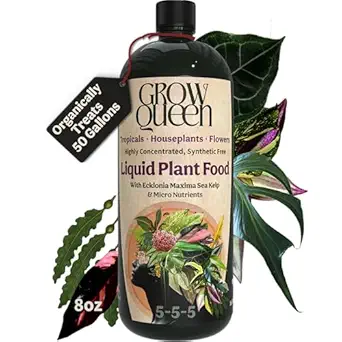 |
Neptune's Harvest Fish & Seaweed Liquid Fertilizer (2-3-1) 36 oz

| Item Form | Liquid |
|---|---|
| Mixing Ratio | 2:3 |
| Specific Uses For Product | Plant Growth |
| Liquid Volume | 946 ml |
Neptune's Harvest Fish & Seaweed Liquid Fertilizer is a concentrated organic plant food that mixes with water for use as a soil drench or foliar feed. It is typically diluted (manufacturer directions give roughly 1 fl oz per gallon for outdoor use and 1 tablespoon per gallon for houseplants) and applied every 1 to 3 weeks depending on the crop. The formula combines hydrolyzed fish and seaweed to deliver nitrogen, micronutrients, and seaweed-derived growth compounds in a plant-ready form, which helps green growth, flowering color, and vegetable flavor. Because it is a liquid concentrate it is easy to measure and applies evenly, and regular use can improve soil biology and structure over time. Limitations are that it is low in phosphorus and potassium relative to some specialty bloom or fruit formulas and it has an odor typical of fish-based fertilizers that some users may find strong. This product suits gardeners who want an effective, organic regular feed that supports both potted houseplants and garden beds.
Best for: Gardeners seeking a reliable, organic everyday fertilizer that simplifies feeding for a mixture of houseplants, vegetables, flowers and shrubs and who value soil health as well as plant vigor.
Less Ideal for: Growers who need a high-phosphorus bloom booster or a fertilizer formulated specifically for fruit set or lawns should look for a targeted specialty product instead.
- Organic concentrate blending hydrolyzed fish and seaweed for plant-ready nutrients
- Versatile application as soil drench or foliar feed for indoor and outdoor plants
- Supports soil biology and structure with regular use
- Easy-to-measure mixing ratios for routine feeding
- Has a strong fish odor that some users may find unpleasant
- Lower phosphorus and potassium compared with specialized bloom or fruit formulas
Verdict: A dependable organic liquid concentrate that provides balanced, plant-ready nutrients and improves soil health for routine feeding of mixed garden and houseplants.
FoxFarm Big Bloom Liquid Plant Food, 16 fl oz

| Item Form | Liquid |
|---|---|
| Specific Uses For Product | Organic |
| Application Method | watering can, sprayer, or drip system |
| Liquid Volume | 16 fluid ounces |
| Mixing Ratio | 4 |
Big Bloom is a concentrated liquid bloom fertilizer aimed at boosting flowers and fruit by supplying readily available organic nutrients. It mixes into water (manufacturer recommends 4 tablespoons per gallon) and can be applied with a watering can, sprayer, hose-end siphon, or through drip systems, so you can feed potted plants, beds, or containers without changing your routine. Notable features are its OMRI listing for organic use and the inclusion of bat guano and earthworm castings, which provide phosphorus and organic matter to encourage blooms and seed set. Because it is liquid and fast-acting, you can expect visible perk-up within a short time after feeding, and it is suitable for regular use at watering times to extend flowering. Limitations to consider are the small 16 fl oz size for larger gardens and the presence of phosphorus, which may be restricted in some locales and requires careful application to avoid runoff.
Best for: Gardeners focused on maximizing blooms and fruit who want an organic, fast-acting feed they can add to routine watering for container and bed-grown flowering plants.
Less Ideal for: Large-scale landscapers or very large perennial beds who need bulk fertilizer solutions or want to avoid phosphorus-based products due to local regulations.
- OMRI-listed organic formula with natural inputs like bat guano and earthworm castings
- Liquid concentrate allows fast nutrient uptake and flexible application methods
- Works with watering cans, sprayers, hose-end siphons, and drip systems for easy integration
- Small 16 fl oz bottle may require frequent repurchasing for larger flower beds
- Contains phosphorus so local restrictions on phosphorus fertilizers may apply
Verdict: Choose Big Bloom when you want an OMRI-listed, easy-to-apply liquid fertilizer that delivers fast organic nutrients to boost flowering and fruiting.
True Organic All Purpose Liquid Plant Food (16 fl oz)

| Item Form | Liquid |
|---|---|
| Specific Uses For Product | Agriculture, Gardening |
| Coverage | Full |
| Mixing Ratio | 2 fl oz per gallon, every two weeks |
True Organic All Purpose Liquid Plant Food is a ready-to-mix liquid fertilizer intended for regular feeding of vegetables, herbs, flowers and houseplants. You shake and dilute 2 fl oz per gallon of water and soak the soil every two weeks during the growing season, which makes it easy to add into an existing watering routine. The formula uses farm-grade organic inputs such as fish solubles, kelp extract and molasses designed to supply macronutrients and support microbial activity in soil rather than synthetic salts. The bottle size and mixing rate suit small beds, containers or indoor collections where you need frequent light feedings. Because it is concentrated and OMRI listed for organic gardening, it is a good choice for gardeners who prioritize organic inputs. Expect slower, steadier nutrient release compared with fast-release synthetic fertilizers and plan for repeated applications to see sustained results across a season.
Best for: Gardeners who want an easy-to-use, certified organic liquid fertilizer for containers, small beds, or indoor plants and who prefer steady, biology-friendly feeding.
Less Ideal for: Large-scale vegetable plots or landscapers who need bulk, fast-release fertilizers for one-off applications should consider higher-volume or synthetic options.
- OMRI listed and made with organic inputs suitable for organic gardens
- Concentrated liquid formula is easy to mix and apply with a regular watering schedule
- Contains multiple nutrient sources and kelp to support both plants and soil biology
- Made in the USA with farm-grade ingredients and clear mixing instructions
- Smaller 16 fl oz bottle requires frequent repurchasing for larger gardens
Verdict: A concentrated, OMRI-listed liquid fertilizer that makes regular organic feeding simple for containers and small garden plots.
GroSuccess PlantWonder Organic Liquid Fertilizer Concentrate, 16 oz

| Item Form | Liquid |
|---|---|
| Unit Count | 16 Fluid Ounces |
| Application Method | Mix with water for foliar spray or soil drench |
| Specific Uses For Product | Nutrient absorption, Plant Growth, Root Development, Soil Conditioning |
| Mixing Ratio | 1 tablespoon per gallon of water |
GroSuccess PlantWonder is a 16 oz concentrated liquid fertilizer formulated from natural black peat and enriched with humic and fulvic acids to improve nutrient uptake and stimulate visible growth within days. It is mixed at the manufacturer-recommended ratio (1 tablespoon per gallon) and can be applied weekly as a foliar spray or soil drench, making it practical for beds, containers, lawns, and even seedlings or hydroponic setups. The fast-absorbing formulation means plants often show quicker color and vigor improvement than with slow-release granular feeds, and the concentrate size converts into dozens of gallons of ready-to-use solution for routine maintenance. Notable limitations are the small bottle volume for larger landscapes and the absence of a detailed N-P-K label in the provided information, which means gardeners tracking specific nutrient ratios will need to accept a general soil conditioner rather than a targeted feed. For reliable, regular feeding that prioritizes improved uptake and overall plant health, this product brings an uncomplicated, organic option to weekly fertilizing routines.
Best for: Gardeners who want a dependable, easy weekly liquid feed to improve plant vigor and nutrient uptake across beds and containers without complex nutrient calculations.
Less Ideal for: Growers who need precise N-P-K dosing for corrective fertilization or those managing large acreages where a small concentrate would be consumed quickly.
- Concentrated formula stretches a 16 oz bottle into many gallons of feed for routine applications
- Contains humic and fulvic acids to improve nutrient absorption and root activity
- Usable as both foliar spray and soil drench for flexible application
- Made from natural black peat and positioned as safe for edible gardens
- No explicit N-P-K ratio provided in the product details for nutrient-specific planning
- Small 16 oz bottle may require frequent repurchasing for larger outdoor gardens
Verdict: A simple, fast-acting organic concentrate that reliably improves nutrient uptake and plant vigor when used as a weekly liquid feed for outdoor gardens and containers.
Grow Queen Organic Liquid Indoor Plant Food 5-5-5 with Sea Kelp, 8 oz

| Item Form | Liquid |
|---|---|
| Mixing Ratio | 1:1 |
| Specific Uses For Product | Plant Growth |
| Application Method | Watering |
| Target Species | Plants |
Grow Queen's 8 oz concentrated liquid plant food is a balanced 5-5-5 organic fertilizer designed for regular use on houseplants, tropicals and container gardens. You mix one capful (about 4 ml) per gallon of water and either drench the soil or apply as a foliar mist every one to three weeks, which makes it straightforward to fold into a weekly watering routine. The formula includes Ecklonia maxima sea kelp and trace micronutrients, which help support greener foliage, stronger stems and root development without the burning risk of high-strength synthetic feeds. At the stated dilution the bottle treats up to 50 gallons so it will last a small collection for months. It is also labeled safe for aerated hydroponic systems when reservoirs are changed regularly, though it can form a film in stagnant water so fresh mixes are recommended. The product has an earthy ocean scent from real kelp and excludes perfumes and dyes, but that natural smell may bother some users. Directions are simple and the fertilizer pairs well with slow-release feeds for longer-term nutrition.
Best for: Buyers who want a simple, one-bottle solution to feed a mixed collection of houseplants regularly and prefer organic ingredients and seaweed benefits.
Less Ideal for: Growers who need precision nutrient formulas for specific flowering or high-yield vegetable crops or those who require ready-to-use sprays without mixing.
- Balanced 5-5-5 NPK suitable for general indoor plant feeding
- Concentrated formula stretches up to 50 gallons from an 8 oz bottle
- Contains sea kelp and micronutrients to promote foliage color and root strength
- Safe for regular use at recommended dilution with low burn risk
- Natural kelp scent may be noticeable indoors
- Can form a film in standing water so not ideal for non-aerated reservoirs
Verdict: A concentrated, easy-to-use organic 5-5-5 liquid fertilizer with sea kelp that provides straightforward, all-purpose nutrition for indoor plant collections.
Choosing the Right Organic Liquid Plant Food: Key Factors to Consider
Nutrient Profile and Ratios
The N-P-K ratio and the presence of secondary nutrients and micronutrients determine what a liquid feed encourages in your plants. A higher nitrogen ratio supports leafy growth while higher phosphorus helps flowering and fruiting. For general maintenance, a balanced or slightly higher nitrogen feed is often useful, but flowering and fruiting crops usually benefit from a formula with more phosphorus and potassium.
Also consider the presence of calcium, magnesium, iron, and trace elements. Deficiencies in these can limit plant growth even when N-P-K levels look adequate. Organic sources of nutrients behave differently from synthetic salts, often releasing more gradually and interacting with soil biology, so ingredient notes matter.
Concentration, Solubility, and Dilution Guidance
Liquid feeds vary from very concentrated extracts to ready-to-use formulas. Concentration affects how much product you store, how easy it is to measure, and the risk of overfeeding. Look for clear dilution instructions for different uses: seedling strength, maintenance strength, and foliar spray strength. A product with precise, multi-tier dosing reduces guesswork and lowers the chance of burning plants.
Solubility and residue also matter. Well-formulated liquids dissolve cleanly and rinse from foliage; those that leave sticky residues can attract pests or scorch leaves under sun. If you plan to use a feed in an automatic irrigation system, confirm that it mixes reliably and does not clog emitters.
Source of Nutrients and Organic Certification
Organic liquid plant foods can be made from compost extracts, kelp, fish emulsion, molasses, rock minerals, or concentrated plant extracts. Each source behaves differently in the soil and around roots. Biological sources like compost tea and kelp add microbial food and hormones in addition to nutrients, whereas mineral-based inputs supply specific elements without organic carbon.
Organic certification or transparent ingredient lists are useful if you are growing edibles or follow strict organic practices. Certification is not the only sign of quality, but clear ingredient sourcing helps you anticipate smell, suitability for seedlings, and how the feed will interact with soil life.
Application Methods and Versatility
Consider whether you need a product that works both as a soil drench and a foliar feed, or one formulated specifically for one method. Some liquids are concentrated for weekly root feeding, while others are designed for regular light foliar sprays. If you use containers, hydroponics, or a drip system, check that the feed is compatible with those delivery methods.
Versatile products reduce the number of different feeds you must keep on hand. They also simplify crop rotations and mixed plantings, but you may still need to adjust dilution rates for different plant types and growth stages.
Plant Safety, Odor, and Residual Effects
Organic liquids can vary in smell and potential to cause leaf burn. Fish- or manure-based feeds often have stronger odors and require careful dilution to avoid burning foliage or attracting animals. Sugar-rich feeds can feed microbes in the soil and change oxygen levels around roots if overapplied.
Consider how close the treated area is to living spaces and whether pets or children will be present. Also assess any potential residue build-up from frequent use, which can increase soil salts over time and require periodic leaching or rest periods.
Cost Per Application and Storage Stability
Because liquids are consumed by dilution, the real cost is cost per application, not bottle price. More concentrated formulas may appear expensive but often go further. Storage stability is important for large bottles kept for a season; some organic liquids can separate, settle, or degrade if stored in heat or sunlight.
Look for clear shelf-life guidance and whether the product needs refrigeration after opening. Proper storage extends usefulness and prevents waste, especially if you only use small amounts across a large garden.
When to Use Liquid Feeding Instead of Granular
Liquid feeding is ideal when you need a quick correction of nutrient deficiency, want to target foliar sprays during critical growth stages, or are feeding young transplants that cannot tolerate strong granular fertilizers. Liquids become available to roots and leaves faster, so they are effective for short-term corrections and for providing soluble microelements that might otherwise remain locked in the soil.
For routine, slow-release nutrition in established beds, granular amendments are often lower maintenance. Use liquids to supplement between granular applications or when rapid response is required, such as after transplant shock or during rapid vegetative growth.
- Best for quick corrections and foliar feeding
- Useful for seedlings with gentle dilutions
- Works well as a supplement to a granular program
How to Apply Organic Liquid Plant Food Safely
Always follow dilution rates and start with the weakest recommended strength for young plants. Apply foliar sprays in the morning or evening to reduce leaf scorch and improve uptake. For soil drenching, water lightly before application to reduce root stress and help distribute the nutrients evenly.
Use measuring tools for consistency. Rinse sprayers and irrigation lines after use to prevent residues. When feeding edibles, follow harvest withholding guidance supplied on the product label and rinse produce if the feed contacted foliage.
- Test on a small plant or area before wide application
- Avoid spraying in hot, direct sun
- Rinse equipment to avoid clogging and residues
Adjusting Feed for Different Plant Types
Leafy greens, annuals, and young transplants often need higher nitrogen and lighter, more frequent feeding. Flowering and fruiting plants benefit from a switch to a phosphorus- and potassium-emphasized regimen as blooms set. Houseplants usually require lower concentrations and less frequent applications compared with vigorous outdoor vegetables.
Always alter dilution strength rather than volume when adapting a feed to a more sensitive plant. If switching from foliar to soil feeding, reduce concentration because the root zone will receive sustained contact with nutrients.
- Use weaker mixes for seedlings and houseplants
- Increase phosphorus slightly during bloom and fruit set
- Prefer soil drenches for roots and foliar sprays for quick micronutrient correction
Integrating Liquid Feed with Soil Biology
Organic liquids that include molasses, kelp, or compost extracts can feed soil microbes as well as plants. That can improve nutrient cycling and root health over time, but excessive sugar-rich feeds can create microbial imbalances. Alternate biological stimulants with nutrient-specific feeds to maintain diverse soil biology without overwhelming oxygen availability in the root zone.
If you rely on beneficial microbes, avoid pairing strong copper- or sulfur-based controls with immediate feeding, since some treatments can temporarily reduce microbial activity. Observe soil moisture and aeration when using high-organic liquids to prevent anaerobic hotspots.
- Rotate biological stimulants and nutrient feeds
- Watch for oxygen stress in heavy container mixes
- Avoid immediate feeding after broad-spectrum microbial treatments
Storing and Preparing Liquid Feeds
Store concentrates in a cool, shaded place and keep lids tight to prevent contamination. Many organic concentrates settle or separate; gently shake or invert according to label guidance before measuring. Prepare only the volume you will use within a short timeframe to avoid microbial growth in diluted mixes.
Label mixing containers with dilution strength and date. For larger gardens, consider pre-measured concentrates or dosing equipment to maintain consistent application rates across beds and containers.
- Keep concentrates cool and out of sunlight
- Prepare small batches and use promptly
- Keep clear labeling on mixed solutions
How We Chose the Best Organic Liquid Plant Food
We focused on characteristics that matter for hands-on gardeners using organic liquid plant food across beds, containers, and indoor plants. Key evaluation criteria included nutrient profile and ratios to assess whether a feed supports vegetative growth, flowering, or balanced maintenance. Concentration and dilution flexibility were checked so products can be adapted for seedlings, mature plants, and foliar sprays. We evaluated sources of nutrients to prefer biologically available inputs and organic-certified ingredients where possible. Application versatility and ease were assessed, including suitability for soil drenching, foliar feeding, and compatibility with drip systems. Safety for tender seedlings and edible crops, as well as odor and residual salt risk, were considered. We excluded any products that rely heavily on synthetic fertilizers, uncertain ingredient lists, or that lacked clear dilution instructions. The shortlisted items are those that best matched these practical gardener-focused filters and performed well across the specific dimensions described above.
FAQ
Can I use organic liquid feed on seedlings?
Often yes, but use a much weaker dilution than for established plants. Seedlings have delicate roots and foliage; a light weekly feed is usually sufficient until they develop several true leaves.
How often should I apply liquid feeding to container plants?
It depends on concentration and crop vigor. Light feeds every one to two weeks are common for actively growing containers, while slower schedules work for mature, less-demanding plants. Adjust frequency when using concentrated versus ready-to-use formulas.
Will liquid feeding reduce the need for soil amendments?
Liquid feeds supply soluble nutrients that provide quick uptake, but they do not replace the long-term benefits of organic matter and structure. Maintain compost and mulches for water retention, biological activity, and slow-release fertility.
Are all organic liquid feeds safe for edible crops?
Many are formulated for edibles, but check ingredient transparency and any harvest-hold instructions. Avoid products with unclear sourcing if you require strict organic standards for food crops.
Can I mix liquid feed with pesticides or other garden inputs?
Sometimes, but compatibility varies. Read label guidance for tank-mix compatibility and avoid mixing with strong foliar treatments during close application windows. Conduct a small-spray test to check for leaf sensitivity before broad use.
Final Verdict
Choose an organic liquid plant food that matches the crops and application methods you use most. Prioritize clear dilution guidance, a nutrient profile suited to the plant growth stage, and ingredient transparency if you grow edibles. Balance quick-acting liquid feeds with regular soil-building practices to support long-term fertility. If you need fast correction or foliar uptake, favor a gentle, easily diluted formula that minimizes burn risk. For ongoing maintenance, select a versatile product that adapts to seedlings, containers, and flowering cycles so you can feed confidently across the garden.
