

Note: This article contains affiliate links. If you click on these links and make a purchase, I may earn a small commission at no extra cost to you. This helps support my research and content. Read my full affiliate disclosure here.
Picking the right soil matters more for container-grown citrus than for many other potted plants. The wrong mix can hold too much water, burn tender roots with excess salts, or fail to supply steady nutrients through the growing season. This guide covers seven top shortlisted organic potting soils formulated for citrus trees, with a focus on mixes that encourage healthy root systems, reliable drainage, and consistent feeding. We evaluated each soil for things gardeners actually experience in patio and balcony citrus – drainage behavior, organic nutrient content, texture, and how the mix handles repotting and long-term culture. Read on to understand the criteria we used and the tradeoffs to weigh when selecting a soil for your citrus containers.
Top Picks at a Glance
| Best Overall The best all-around choice for most situations | GARDENWISE Citrus Potting Soil Mix (10 Quarts) |  |
| Best Quality Built to a higher standard if you want something more solid | Soil Sunrise Citrus Tree Potting Soil Mix (30 Quarts) |  |
| Best Value The sweet spot between price and what you get | Espoma Organic Cactus & Succulent Potting Mix (8 qt, 2-pack) |  |
| Best Budget The cheapest option that still gets the job done reliably | Doter Citrus Tree Potting Soil Mix (1 qt) |  |
| Highest Rated A top-rated pick with lots of positive feedback | LECHUZA CITRUSPON Citrus Potting Soil, 2.7 US dry gal |  |
| Most Popular A crowd favorite that many people choose with confidence | Duspro Pre-Mixed 4‑in‑1 Citrus Tree Potting Soil Mix, 6 Quarts |  |
| Best Seller A high-volume bestseller chosen again and again | Duspro Pre-Mixed 4‑in‑1 Citrus Tree Potting Soil Mix, 10 Quarts |  |
GARDENWISE Citrus Potting Soil Mix (10 Quarts)

| Unit Count | 320 Ounce |
|---|---|
| Included Components | Perlite, coarse sand, coconut coir, vermiculite, garden compost, acidic compost, peat moss, dolomite, organic fertilizer |
| Volume | 10 quarts |
| Brand Name | GARDENWISE |
This Citrus Potting Soil is a purpose-built mix for planting and repotting citrus trees, combining extra perlite and coarse sand for quick drainage with coconut coir and vermiculite for lightness and aeration. It is typically used in containers or raised beds for oranges, lemons, limes and grapefruit where avoiding waterlogged roots is important. The blend includes compost and peat moss to retain the right amount of moisture while organic acidic compost and dolomite lime help maintain a target pH of about 5.5 to 6.5, which suits citrus needs. A special organic fertilizer and added micronutrients such as iron, magnesium and manganese are intended to support leaf health and fruit development without immediate amendment. Practical benefits include reduced need for frequent pH adjustments and lower risk of root rot in pots. Limitations: a 10 quart bag is small for larger trees or multiple plants so you will likely need several bags for full pot fills, and like all mixes it does not replace regular feeding or pest and disease care for mature trees.
Best for: Gardeners who want an easy, purpose-made potting mix for container or small orchard citrus that minimizes pH fiddling and drainage problems.
Less Ideal for: People planting full-size ground-planted orchards or filling many large containers who need bulk soil or custom-amended mixes.
- Formulated drainage layer with perlite and coarse sand to reduce waterlogging risk
- Coconut coir and vermiculite improve aeration and ease root penetration
- Includes acidic compost and peat moss to maintain citrus-friendly pH
- Contains added micronutrients and organic fertilizer to support fruiting and foliage health
- Small 10 quart volume requires multiple bags for larger pots or several trees
Verdict: Buy this if you want a ready-made, well-draining acidic potting mix that simplifies growing citrus in containers or small spaces.
Soil Sunrise Citrus Tree Potting Soil Mix (30 Quarts)

| Volume | 30 quarts |
|---|---|
| Ingredients | Peat moss, perlite, sand, worm castings, lime |
| Unit Count | 1 Count |
| Style Name | Sandy |
This Soil Sunrise mix is a lightweight, well-draining potting soil designed for container fruit trees. It combines peat moss for water retention, perlite and coarse sand for quick drainage and aeration, worm castings for slow-release nutrients, and lime to keep pH suitable for acid-sensitive fruit. In use you would fill pots or repot rootballs with this blend to reduce soggy roots and encourage steady growth and fruiting. The resealable 30-quart bag and all-natural ingredient list make it a low-fuss option for regular repotting and seasonal top-ups. Important limitations: the formula is targeted at citrus and formulated with lime, so its pH profile and ingredient balance are optimized for citrus preferences rather than apple-specific needs; heavier-feeding or larger potted apple varieties may also require supplemental fertilizer over time. For growers seeking a clean, airy base for container fruit trees this mix provides a reliable starting medium, but you should monitor soil fertility and adjust amendments for apples as they mature.
Best for: Home gardeners who want a clean, well-draining base mix for potted fruit trees and prefer an all-natural, low-maintenance soil to encourage steady growth.
Less Ideal for: Growers who need a soil tailored precisely to apple tree pH or nutrient demands, or those planting large standard apple trees in oversized containers without planned fertilization.
- Designed for container fruit with a balance of peat, perlite, and sand to prevent waterlogging
- Includes worm castings to provide natural nutrients and improve soil biology
- Lime added to stabilize pH for fruit-bearing trees that prefer slightly higher pH
- All-natural, hand-blended ingredients with no fillers listed
- Resealable bag and 30-quart volume suited to repotting small to medium trees
- Formulated specifically for citrus so pH and lime content may not match apple preferences exactly
- May require additional fertilization for heavier-feeding apple varieties over a growing season
Verdict: A well-draining, all-natural container mix that gives small to medium potted fruit trees a healthy airy foundation and low-maintenance starting point.
Espoma Organic Cactus & Succulent Potting Mix (8 qt, 2-pack)

| Brand | Espoma |
|---|---|
| Number of Packs | 2 |
| Unit Count | 598.4 Ounce |
| Volume | 8 quarts |
This Espoma Cactus & Succulent Potting Mix is designed to give plants that prefer fast-draining soil a balanced, organic medium for container growing. It mixes sphagnum peat moss, humus, and perlite to improve aeration and drainage while including organic amendments such as earthworm castings, alfalfa meal, kelp meal, feather meal, and a proprietary Myco-tone mycorrhizae blend to support root establishment. Typical use is for repotting or planting ponytail palms, succulents, cacti, and other container palms and citrus where preventing water retention is important. The practical benefits are easy handling, organic-certified ingredients suitable for organic gardening, and added biological support from mycorrhizae that can help young roots access nutrients. Expect noticeably better drainage than standard potting soil and reduced risk of root rot when used properly. Limitations are that the mix contains peat moss which can compact over time and may require occasional amendment or top‑dressing, and very heavy feeders may need supplemental fertilization since the product avoids synthetic fertilizers.
Best for: Buyers who want an organic, well‑draining potting mix for container-grown ponytail palms, succulents, or other drought‑tolerant plants and who prioritize natural soil biology over synthetic feeds.
Less Ideal for: Gardeners seeking a moisture-retentive mix for heavy-water‑loving tropical plants or those who want a pre-fertilized, high-nutrient potting soil.
- Formulated for good aeration and drainage suitable for succulents and palms
- Contains organic amendments and earthworm castings to improve soil biology
- Includes Myco-tone mycorrhizae to help root establishment
- Approved for organic use and made without synthetic fertilizers or chemicals
- Contains sphagnum peat moss which can compact or dry out unevenly over time
Verdict: A ready-to-use, organic potting mix that gives ponytail palms and succulents superior drainage and biological support for healthier container roots.
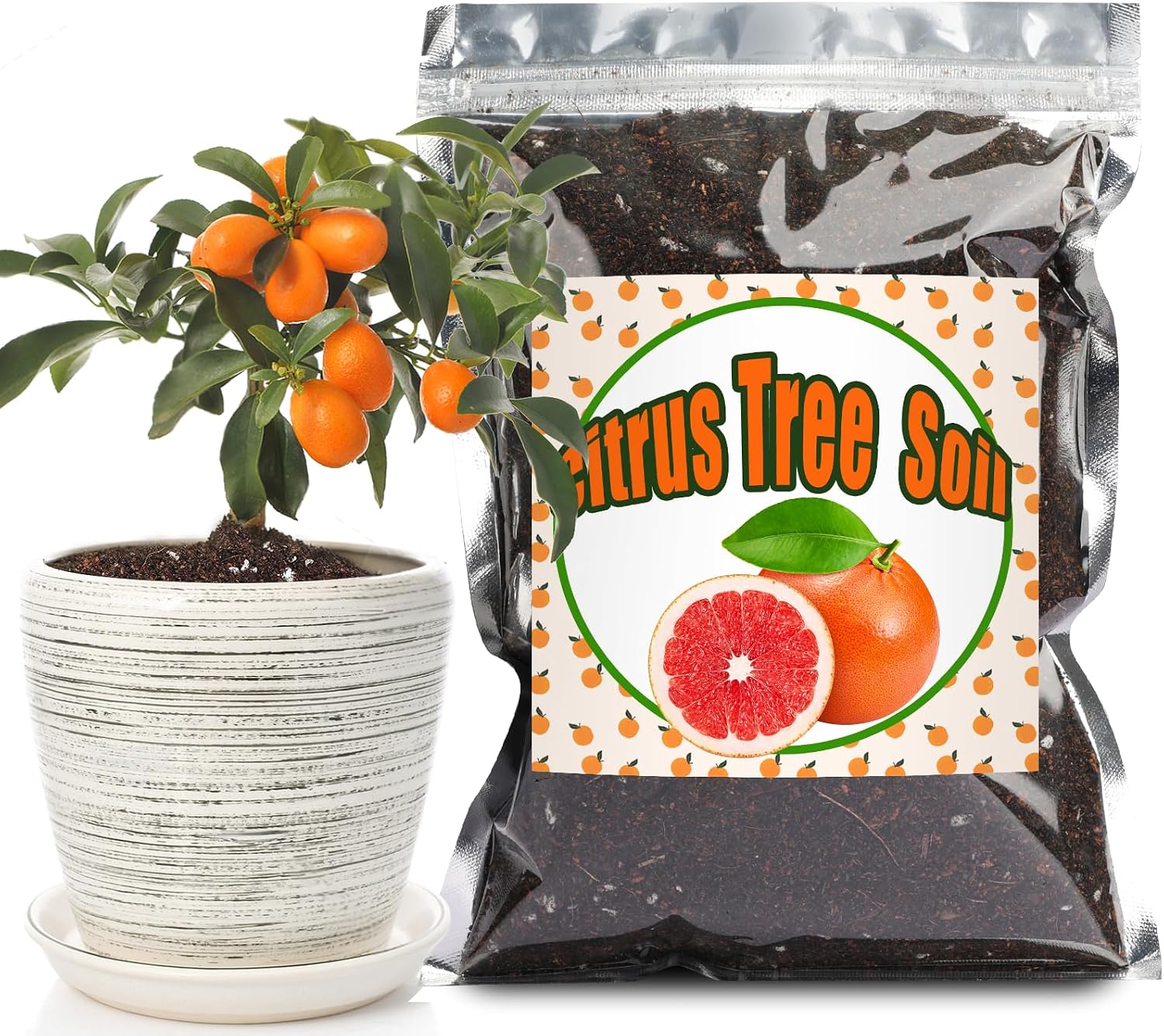
Doter Citrus Tree Potting Soil Mix (1 qt)
| Brand Name | Doter |
|---|---|
| Item Type Name | Garden soil |
| Volume | 1 quarts |
| Item Weight | 224 g |
This Doter citrus potting mix is a small, 1-quart, ready-to-use soil blend designed for container-grown lemon, lime, orange and other citrus trees. It mixes organic and mineral components to deliver a balanced nutrient profile and claims an ideal pH between 6.0 and 7.1, which helps citrus roots access nutrients. The formulation emphasizes drainage and aeration so pots do not stay waterlogged, and the bagged format makes it convenient for repotting seedlings or refreshing the top layer in containers. For budget-conscious gardeners the single-quart size is useful for small projects, trial runs, or blending into larger mixes, but you will likely need multiple bags for a single mature container tree. The product works best as a component or short-term potting medium rather than a sole long-term planting substrate for large trees. Expect good seedling establishment and faster drainage compared with generic garden soil, but plan to supplement with larger volumes or slow-release fertilizer for sustained feeding on mature citrus.
Best for: Gardeners looking for an inexpensive, small-batch citrus-specific soil to repot seedlings, top-dress containers, or trial a citrus blend before committing to larger quantities.
Less Ideal for: Growers with mature potted citrus or those who need large volumes for in-ground planting should choose bulk soils or custom mixes instead.
- Formulated pH between 6.0 and 7.1, suitable for citrus nutrient uptake
- Designed for improved drainage and aeration to reduce root rot risk
- Nutrient-rich blend of organic and mineral components to support growth
- Ready-to-use bag convenient for repotting seedlings and small containers
- Small 1-quart volume means multiple bags are required for larger pots or trees
- Not marketed as a long-term complete potting substrate for mature trees
Verdict: A convenient, budget-friendly small bag of citrus-specific potting mix ideal for repotting seedlings and topping up container citrus plants.
LECHUZA CITRUSPON Citrus Potting Soil, 2.7 US dry gal

| Brand Name | Lechuza |
|---|---|
| Item Highlight | peat-free mineral substrate; improves drainage and aeration; for lemon, orange and citrus |
| Volume | 12 liters |
LECHUZA CITRUSPON is a purpose-built potting mix for lemon, orange and other potted citrus that emphasizes fast drainage and root aeration. It is a mineral, peat-free substrate that comes pre-fertilized to feed plants for approximately six to eight months, so you can repot a citrus tree and expect steady nutrient availability during establishment. In practice the mix sheds excess water quickly and helps prevent the soggy root conditions that stunt fruiting, while its open structure improves oxygen access to root systems. That combination supports stronger flowering, better fruit set and healthier glossy foliage compared with generic potting soils. The product is sold in a 2.7 US dry gallon bag suitable for small to medium containers, and being mineral-based it is more stable and less compressible than peat mixes. Limitations are the fixed fertilizer payload and bag size: you may need to supplement nutrients after the initial feeding window and buy multiple bags for larger trees or repeated repots.
Best for: Growers who prioritize vigorous performance from potted citrus and want a ready-to-use, low-maintenance substrate that prevents waterlogging and supports fruiting.
Less Ideal for: Gardeners wanting a large-volume, budget bulk soil for landscape planting or those who prefer to custom-blend their own amendment and fertilizer schedule.
- Designed specifically for citrus so it targets the watering and nutrient needs of lemon and orange trees
- High drainage and aeration reduce risk of waterlogged roots and root rot in containers
- Pre-fertilized formula supplies nutrients for about six to eight months after repotting
- Peat-free, mineral composition offers a more sustainable, stable substrate than peat-heavy mixes
- Sold in a relatively small 2.7 US dry gallon bag which may require multiple bags for larger pots or trees
- Pre-fertilized nutrients are limited to about six to eight months and will need supplementation afterward
Verdict: Choose this mix when you want a peat-free, high-drainage, pre-fertilized substrate that helps potted lemon trees set fruit and avoid root waterlogging.
Duspro Pre-Mixed 4‑in‑1 Citrus Tree Potting Soil Mix, 6 Quarts

| Style Name | 6 Quarts |
|---|---|
| Brand Name | Duspro |
| Item Highlight | Indoor Fruit Tree Mix for Potted Lemon Tree, Oranges & Other Citrus Trees |
This Duspro 4-in-1 citrus potting mix is built for repotting potted lemon, lime and other citrus trees without the need to measure or blend ingredients yourself. The pre-mixed formula pairs coco coir and coco fiber with vermiculite to help retain balanced moisture while perlite increases drainage and root aeration, which reduces the risk of waterlogged roots in containers. It is easy to use: pour into a pot with drainage, center the tree, fill around roots and water. The product is double-screened for a consistent texture that pours cleanly and is available in sizes suitable for one to several 8-inch pots. Practical benefits include saving time, avoiding mixing errors, and a formulation tailored to the moisture and airflow needs of container citrus. Limitations to note are that the bag can be dusty when opened so some caution is needed during handling and the smallest 6-quart size only covers a limited number of repots for larger trees.
Best for: Buyers who want a reliable, no-mix potting medium for indoor or patio citrus trees and prefer a ready-made blend that reduces repotting guesswork and effort.
Less Ideal for: Growers who need very large volumes for multiple mature trees or who prefer to custom-blend their own media with specific amendments.
- Pre-mixed 4-in-1 formula (coco coir, coco fiber, perlite, vermiculite) tailored for container citrus
- Double-screened texture for cleaner pouring and more consistent repotting
- Promotes balanced moisture retention while improving drainage and root aeration
- Available in multiple sizes to match small to medium container needs
- Dusty when opened, requiring a mask or careful handling to avoid inhaling particles
- 6-quart size covers only a small number of repots for larger citrus trees
Verdict: A convenient, professionally blended potting mix that takes the guesswork out of repotting potted citrus trees.
Duspro Pre-Mixed 4‑in‑1 Citrus Tree Potting Soil Mix, 10 Quarts

| Style Name | 10 Quarts |
|---|---|
| Item Highlight | Indoor Fruit Tree Mix for Potted Lemon Tree, Oranges & Other Citrus Trees, Drainage, Root Aeration & Balanced Moisture |
| Unit Count | 1 Ounce |
| Item Weight | 1.24 kg |
This Duspro 4‑in‑1 citrus potting mix is a pre-mixed blend of coco coir, coco fiber, perlite and vermiculite formulated for repotting lemons, limes, oranges and similar potted fruit trees. It is used straight from the bag: pour into a drainage pot, position the tree and backfill around the rootball, or blend with other substrates if you need a different texture. The double-screened ingredients give a consistent, pourable texture that reduces dust and makes filling pots easier. Perlite improves drainage and root airflow while the coco components and vermiculite help hold balanced moisture so roots avoid staying waterlogged. Practical benefits include saving time versus buying and mixing components yourself and predictable performance for standard container citrus. Limitations are typical for lightweight mixes: it contains no slow‑release fertilizer so you will need to supplement nutrients, and a 10‑quart bag suits only a few repots of 6–8 inch containers, so buy accordingly for larger projects.
Best for: Buyers who want a no‑fuss, ready-made soil mix to repot or refresh potted citrus trees and prefer predictable moisture and drainage without measuring ingredients.
Less Ideal for: Growers who need a fertilized or heavy feeding mix out of the bag or those repotting many large trees who require bulk quantities.
- Formulated specifically for potted citrus with components that balance drainage and moisture
- Pre-mixed 4‑in‑1 blend saves time and simplifies repotting
- Double-screened texture for cleaner pouring and consistent fill
- Perlite improves aeration around roots to reduce risk of root rot
- No nutrients or fertilizer included so regular feeding is required
- 10 quart size is modest for multiple or larger trees
Verdict: A convenient pre-mixed potting medium that delivers balanced drainage and moisture control for potted citrus, saving you the time and guesswork of blending components yourself.
Choosing the Right Organic Potting Soil for Citrus Trees: Key Factors to Consider
Drainage and Porosity
Citrus trees dislike saturated roots. In containers, drainage and porosity control how quickly water moves through the root zone and how much oxygen remains available. A good citrus potting soil combines fine material that holds moisture and coarse particles that create air pockets. If a mix is too fine it will compact and hold excess water, which invites root diseases and poor growth. If it is too coarse the soil will dry out too quickly and stress the tree. Gardeners should look for visible chunky components such as coarse bark, pumice, perlite, or rice hulls and consider adding extra coarse material for larger pots or humid climates.
Organic Nutrient Profile and Feeding Behavior
Organic citrus soils rely on slow-releasing nutrient sources rather than a single soluble charge. Compost, well-aged manure, fish meal, kelp, and rock powders supply a steadier flow of nitrogen, phosphorus, and micronutrients that support fruiting without spikes that can scorch roots. Because organic nutrients release as microbial activity warms, soil temperature and moisture management influence feeding pace. Gardeners should anticipate supplementing with periodic liquid organic feeds during active growth or applying a top-dress of compost each season to maintain vigor.
pH and Chemical Balance
Citrus trees perform best in slightly acidic to neutral soils. The potting medium should not push pH to extremes that lock out iron or other micronutrients, which can cause chlorosis in citrus. Organic mixes sometimes trend acidic due to peat or composted bark; others include lime or shell grit to buffer pH. Understanding the expected pH behavior of a mix helps you plan amendments like dolomitic lime or iron chelate if needed. Regular testing of container runoff and occasional substrate tests will keep chemical balance in a safe range for fruit development.
Salt Accumulation and Leaching
Salt buildup from fertilizers, water, and mineral amendments concentrates in container soils and can damage fine roots over time. Organic mixes with slow-release materials tend to build salts more slowly than mixes heavy with soluble chemical fertilizers, but salts still accumulate. The potting medium should allow effective leaching when you flush containers with extra water and should not trap salts in dense pockets. Gardeners should select mixes with good drainage and plan a regular flushing schedule and occasional repotting to minimize accumulation.
Structure Stability and Compaction Resistance
A potting mix that holds its structure lets roots grow freely and keeps drainage predictable across seasons. Some organic components break down quickly and cause the mix to settle and compact, reducing aeration. Durable components like coarse bark, aged compost, and mineral aggregates slow collapse. Longevity matters if you want to keep a citrus tree in the same container for multiple years without a full soil replacement. Consider how long the mix will stay friable under repeated watering and root growth.
Repotting and Root Handling
How a soil behaves during repotting affects transplant shock and how easily you can tease out roots. A mix that clumps when wet or adheres to the root ball can hide girdling roots and make repotting messy. Lighter, well-structured mixes allow easier inspection and pruning of roots and encourage quick reestablishment. For gardeners who repot annually or move citrus seasonally, ease of handling and the ability to adjust bulk with amendments are practical considerations.
Choosing the Right Texture for Your Climate
Texture needs change with local climate and container size. In hot, dry areas, mixes with more water-holding components help prevent rapid dessication between waterings. In cool or humid regions, favor coarser mixes to avoid prolonged wetness.
For small patio containers, a slightly finer mix holds enough moisture for the smaller root mass. For large tubs and half-barrels, increase coarse particles so the deep root zone drains well and does not develop anaerobic pockets.
- Hot, arid climates: add organic matter that retains moisture plus some coarse mineral to keep air spaces.
- Humid climates: increase pumice or perlite and reduce fine peat to speed drying.
- Large containers: scale up coarse material proportionally to prevent a waterlogged deep profile.
How to Amend a Store Mix for Citrus
Many general-purpose organic potting soils work acceptably if you amend them for citrus. Simple tweaks can change drainage, pH tendency, and nutrient release.
Common amendments include coarse bark or pumice for porosity, well-rotted compost for slow nutrients, and dolomitic lime if the mix trends too acidic. Additions should be mixed thoroughly to give a uniform medium and avoid layered pockets that trap water.
- Improve drainage: work in 15 to 30 percent coarse bark or pumice by volume.
- Boost organic nutrition: add 10 percent well-aged compost or a small amount of slow-release organic granular feed.
- Adjust pH: test and add lime sparingly, retesting after a season.
Potting and Repotting Tips for Container Citrus
When potting or repotting citrus, inspect the root ball and trim circling roots to prevent future girdling. Use a container with drainage holes and position coarse material at the bottom only if the pot needs help staying upright; otherwise, keep the mix uniform to avoid waterlogging layers.
After repotting, water thoroughly until water flows from drainage holes to settle the mix and encourage root contact. Hold off heavy feeding for a few weeks to allow minor root damage to recover before nutrient demands ramp up.
- Always use pots with adequate drainage and a stable base.
- Avoid adding a thick gravel layer at the bottom; it can create a perched water table.
- Allow newly potted trees to acclimate for a week before full-sun exposure if roots were disturbed.
Managing Fertility Through the Seasons
Citrus have seasonal nutrient needs: vegetative growth in spring and early summer, then flowering and fruit development. Organic potting soils supply baseline fertility, but regular feeding keeps production steady. Apply a balanced organic feed during early growth and switch to slightly higher potassium inputs as fruits develop.
Slow-release organic components mean timing matters. Apply top-dress compost or an organic granular feed in spring, and use liquid seaweed or fish-based foliar feeds intermittently for an extra boost when flowering or fruit set is underway.
- Spring: top-dress compost and apply a balanced organic feed.
- Summer: monitor water and provide supplemental liquid feeds during stress.
- Fall: reduce nitrogen-heavy feeds as growth slows and prepare for cooler months.
Watering Practices That Protect Roots
Watering frequency depends on pot size, mix texture, and weather. Rather than a fixed schedule, check the substrate moisture an inch or two below the surface for small pots and deeper for large tubs. Allow the top portion to dry slightly between waterings to maintain oxygen around roots.
When you water, do so thoroughly until excess drains to flush salts. Periodic deep watering that saturates the root zone and drains freely helps prevent concentrated salt pockets that can harm new root growth.
- Stick an index finger into small pots or use a moisture meter for larger containers.
- Perform a leaching irrigation a few times per season to reduce salt buildup.
- Adjust watering as seasons change; plants need less water in cool, dormant periods.
How We Chose the Best Organic Potting Soil for Citrus Trees
We assembled this list by applying practical, garden-focused filters to lots of available organic potting mixes. First, we required an explicitly organic ingredient list to reduce synthetic fertilizer and pesticide inputs and to ensure the mix relied on composted, plant-based, or mineral components. Next, we prioritized porosity and drainage characteristics suited to citrus in containers: mixes needed visible coarse components such as pine bark, perlite, pumice, or rice hulls to prevent waterlogging. Nutrient profile was the next key filter. We looked for mixes with balanced organic sources of nitrogen, phosphorus, and potassium plus slow-release amendments like compost, kelp, or rock minerals that support flowering and fruit set. pH behavior also mattered; citrus prefer slightly acidic to neutral conditions, so we favored mixes that trend around pH 5.5 to 7.0. Other practical criteria included mix stability (resistance to compaction), suitability for repotting younger and semi-mature trees, and low salt buildup potential. We excluded mixes that were primarily peat-only, lacked coarse drainage components, or relied heavily on synthetic controlled-release fertilizers. The resulting shortlist reflects these measurable dimensions: drainage and aeration, organic nutrient content, pH suitability, structural stability, and repotting friendliness.
FAQ
Can I use any organic potting soil for citrus trees?
Often you can start with a general organic potting soil, but citrus benefit from mixes adjusted for better drainage and slightly acidic pH. Simple amendments like coarse bark and compost improve structure and nutrition for container citrus.
How often should I repot my citrus tree in containers?
It depends on growth rate and pot size. Many container citrus benefit from light repotting or root pruning every two to three years to refresh the medium and relieve compaction. Faster-growing specimens or small pots may need attention more often.
Is peat-based organic soil OK for citrus?
Peat can be part of an organic citrus mix but tends to hold water and compact over time. If you use a peat-based mix, add coarse amendments and monitor moisture to avoid waterlogged conditions that harm citrus roots.
Do I need to test the soil pH for container citrus?
Testing periodically is useful because pH affects nutrient availability and fruit quality. Container soils can drift over seasons, so test every year or when you see nutrient deficiency symptoms, and adjust with lime or acidic amendments as needed.
How should I handle salt buildup in container potting soil?
Perform a thorough leaching irrigation several times per season and avoid overusing soluble fertilizer. Top-dress with fresh compost occasionally and plan for partial soil replacement during repotting to reduce accumulated salts.
What amendments help encourage flowering and fruit set?
Organic sources of phosphorus and potassium, such as bone meal alternatives, wood ash in moderation, or seaweed extracts, can support bloom and fruit development. Timing matters, so shift to bloom-supporting feeds as flowers form and fruit sets begin.
Final Verdict
When choosing organic potting soil for citrus trees, prioritize mixes that balance drainage with steady nutrient supply and maintain a slightly acidic to neutral pH. Expect to make small amendments based on your local climate, pot size, and watering routine to get the texture and fertility right. Focus first on aeration and salt management, then layer in organic fertility and pH adjustments. With the right soil behavior and seasonal feeding, you can keep container citrus vigorous and productive without frequent emergency fixes.
