

Note: This article contains affiliate links. If you click on these links and make a purchase, I may earn a small commission at no extra cost to you. This helps support my research and content. Read my full affiliate disclosure here.
Choosing the right outdoor potted perennials matters because container conditions are harsher than garden beds. Pots heat and dry faster, soil volume is limited, and root space constrains growth. The right perennials resist stress, rebloom or hold foliage interest, and fit your pot and light conditions. This guide presents seven carefully shortlisted options for outdoor containers across common patio situations. We evaluated plants for container vigor, seasonal interest, maintenance needs, and hardiness so you can pick perennials that thrive in pots. Read on to understand the tradeoffs and the practical care points that help container perennials succeed.
Top Picks at a Glance
| Best Overall The best all-around choice for most situations | Stargazer Perennials Valentino Bearded Iris Potted (Fragrant Red) |  |
| Best Quality Built to a higher standard if you want something more solid | Proven Winners Double Play Doozie Spirea Shrub, 2 Gal. |  |
| Best Value The sweet spot between price and what you get | Gardening4Less Hosta Bare Root Perennial 9-Pack |  |
| Best Budget The cheapest option that still gets the job done reliably | Obedient Plant (Physostegia virginiana) live plant in 2.5" pot |  |
| Highest Rated A top-rated pick with lots of positive feedback | Green Promise Farms Proven Winners Stokesia laevis 'Totally Stoked Riptide' Perennial (1‑count) |  |
| Most Popular A crowd favorite that many people choose with confidence | Perfect Plants Peach Drift Rose, 1 Gallon Live Flower Plant |  |
| Best Seller A high-volume bestseller chosen again and again | Touch Of ECO Hosta Bare Roots 6-Pack (Mixed Heart-Shaped) |  |
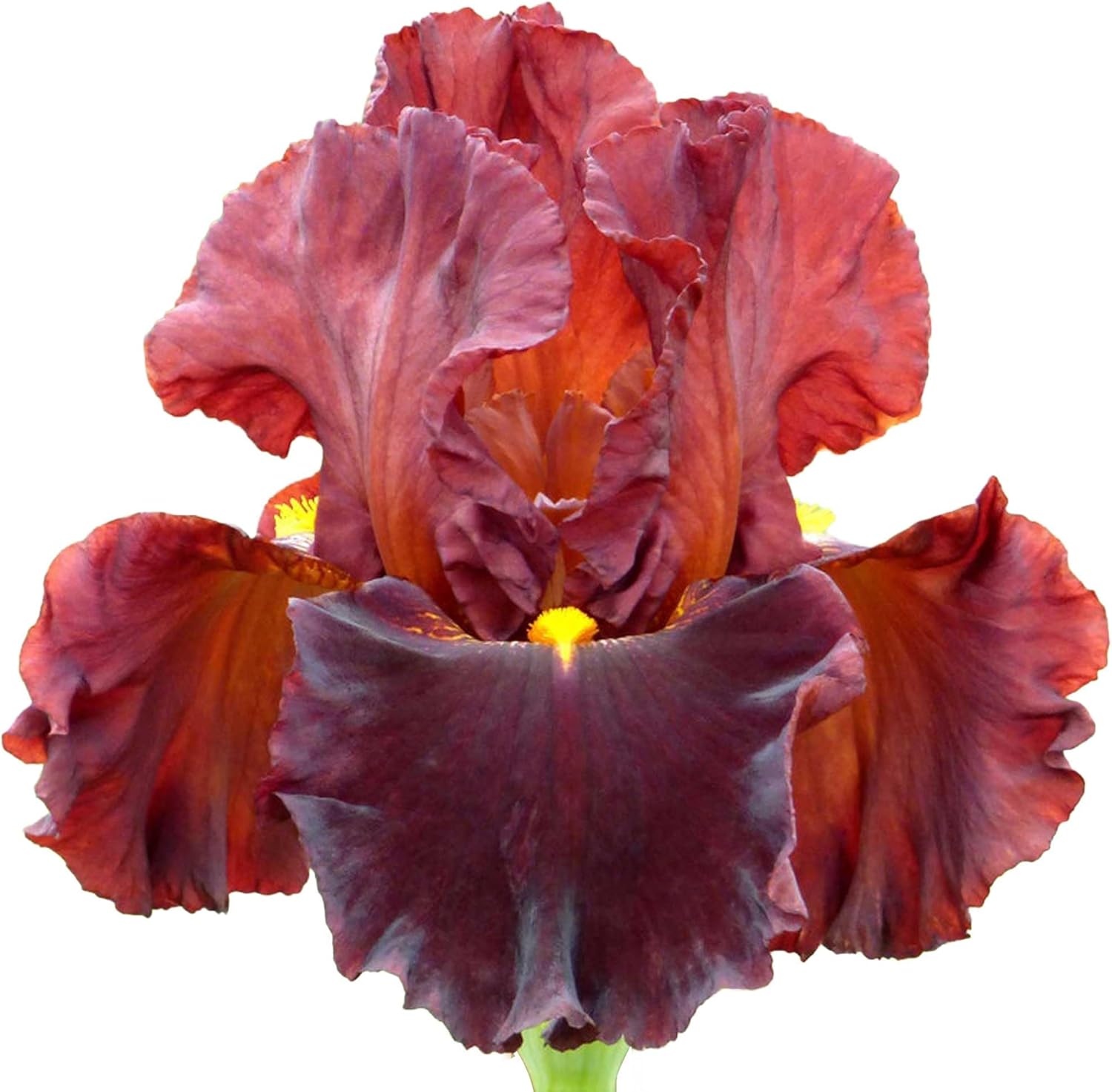
Stargazer Perennials Valentino Bearded Iris Potted (Fragrant Red)
| Indoor Outdoor Usage | Outdoor |
|---|---|
| Other Special Features of the Product | Fragrant |
| Expected Blooming Period | Spring to Summer |
| Sunlight Exposure | Full Sun |
| USDA Hardiness Zone | 3,4,5,6,7,8,9,10 |
This potted Valentino bearded iris arrives actively growing in a quart nursery pot and is ready to plant into outdoor beds or large containers. It produces fragrant red blooms in late spring and is a hardy perennial that naturalizes, returning and multiplying year after year. The plant is grown without GMOs at a licensed Oregon nursery and includes planting and care instructions, which makes it easy to establish in the first season. It prefers full sun and moderate watering and is listed for USDA zones 3–10, so it will suit a wide range of climates and garden sites. Practical benefits include strong cut flowers, pollinator attraction, and reported resistance to deer and rabbits. Expect a seasonal display rather than continuous bloom since its main flowering is spring to summer. Because it ships potted, you can plant any time of year, but long-term vigor will depend on proper site preparation, sun exposure, and summer watering.
Best for: Gardeners who want an easy-to-establish, spring-flowering perennial for outdoor beds or large pots and who value fragrance and reliable yearly returns.
Less Ideal for: People seeking continuous summer-long blooms or who need an immediate multi-plant display from a single order.
- Ships potted and actively growing so it can be planted and established quickly
- Fragrant red blooms that are good for cut flowers and attract pollinators
- Hardy across USDA zones 3–10 and naturalizes to return each year
- Includes planting and care instructions from the nursery
- Main bloom period is spring to summer rather than continuous flowering
- Listed as a single-count plant so multiple purchases are needed for larger displays
Verdict: A ready-to-plant, fragrant bearded iris that delivers strong spring color and reliable perennial performance for outdoor beds and containers.
Proven Winners Double Play Doozie Spirea Shrub, 2 Gal.

| Sunlight Exposure | Full sun to partial shade |
|---|---|
| USDA Hardiness Zone | 3, 4, 5, 6, 7, 8 |
| Expected Blooming Period | Spring to Fall |
| Moisture Needs | Moderate Watering |
| Soil Type | Sandy Soil |
The Double Play Doozie spirea is a compact ornamental shrub prized for nonstop spring-to-fall flowering and striking red-to-purple foliage and blooms. Sold in a 2 gallon pot, it is typically used as a container accent, grouped edge planting, or low hedge where bright seasonal color is desired. Notable features include seedless, non-invasive habit that channels energy into continuous blooms, broad USDA hardiness (zones 3 to 8), and tolerance for sandy soils and moderate water. Practical benefits are reliable color without constant deadheading, easy placement in full sun containers on patios, and low maintenance care: plant in sun to part shade, water at planting, mulch and fertilize in early spring. Limitations are its modest mature spread and height, which make it unsuitable as a large specimen, and the need to keep it watered during establishment; it is deciduous so it loses foliage in winter. For growers seeking a high-impact, low-effort container plant, this spirea hits the brief, but plan for seasonal dormancy and appropriate spacing when using multiple pots.
Best for: Gardeners who want a low-maintenance, high-impact container or border plant that provides continuous color in full sun and values reliable performance over novelty.
Less Ideal for: People seeking an evergreen focal shrub or a large specimen to fill expansive beds should consider larger or evergreen alternatives.
- Repeat blooming from spring through fall delivers long season color
- Seedless, non-invasive habit directs energy to flowers rather than reseeding
- Performs across USDA zones 3 to 8 for wide climate adaptability
- Works well in containers and as a low hedge or landscape accent
- Deciduous nature means no winter foliage interest
- Modest mature size limits use as a large specimen plant
Verdict: Choose this spirea when you need a compact, low-maintenance container or border plant that delivers long season, showy blooms in full sun.
Gardening4Less Hosta Bare Root Perennial 9-Pack

| Expected Blooming Period | Summer |
|---|---|
| Sunlight Exposure | Full Shade |
| Expected Planting Period | Summer |
| USDA Hardiness Zone | 3 |
| Soil Type | Sandy Soil |
This 9-pack of bare-root hostas supplies a mix of shade-tolerant perennials that fill low-light patio beds with varied foliage and summer flowers. Plant in summer in well-draining, sandy soil and choose a full-shade to part-shade site; the plants are intended to spread and create dense clumps over time, bringing heart-shaped leaves in different textures and mid-to-late-summer bell-shaped purple or white blooms. The bare-root format makes them lightweight to handle at planting and economical when reestablishing shade borders or filling gaps under trees. These hostas are hardy to USDA zone 3, so they suit cold climates and will come back each year with minimal care once established. Expect medium growth rate and a mix of leaf forms for visual interest. Because they are bare-root, you will need to plant promptly and water regularly during establishment, and slugs or deer may still browse foliage in some areas. For gardeners who want a straightforward, reliable shade groundcover, these offer an easy way to bulk up plantings quickly.
Best for: Gardeners who need dependable, low-maintenance shade plants to bulk up borders or fill under-tree areas and who prefer hardy perennials that return year after year.
Less Ideal for: Those who need instant potted plants or require named cultivars with predictable size and variegation should look elsewhere.
- Nine plants per unit lets you fill borders or establish a patch quickly.
- Hardy to USDA zone 3 so suitable for cold-climate gardens.
- Varied foliage textures add visual interest in shade where flowering options are limited.
- Produces mid-to-late-summer bell-shaped purple or white blooms for seasonal color.
- Sold as bare-root plants so they require prompt planting and initial attentive watering.
- No cultivar names or size ranges provided, so exact mature spread is uncertain.
Verdict: A cost-effective way to establish reliable, cold-hardy shade plantings that provide varied foliage and summer blooms.
Obedient Plant (Physostegia virginiana) live plant in 2.5" pot

| USDA zones | 3–9 |
|---|---|
| Light | Full sun to part sun |
| Moisture | Average to moist |
| Bloom | Summer into fall |
This is a straightforward offering of a rooted obedient plant in a 2.5" grower pot, suitable for adding vertical summer-to-fall blooms to outdoor pots or garden beds. The plant thrives in full sun to part sun and tolerates average to moist soil, making it easy to place on a sunny patio or mixed perennial container. Mature plants reach roughly 2 to 4 feet, so expect upright spires that fill vertical space and provide late-season color. It is hardy in USDA zones 3 to 9, so it will survive a wide range of climates with basic winter protection in colder areas. Because this listing is for a single small potted plant, buyers should plan for potting up into a larger container or grouping several for a fuller display; initial size means limited immediate impact until it establishes. Shipping notes indicate grower pot form, and certain regional shipping restrictions apply. For budget-focused gardeners this is an affordable way to trial a perennial that spreads over time, but budget buyers should factor in potting soil and space for the plant to reach its mature habit.
Best for: Budget-minded gardeners who want an easy-to-grow perennial for outdoor pots or mixed borders and are willing to pot it up and let it establish over a season or two.
Less Ideal for: Buyers seeking instant, full-size container displays or a multi-plant bundle for immediate coverage should consider larger specimens or multi-packs instead.
- Hardy across a wide USDA zone range (zones 3–9) for reliable overwintering
- Does well in full sun to part sun, flexible for many patio spots
- Produces summer into fall blooms that add vertical color to containers or beds
- Sold as a single small grower pot so it requires repotting or grouping to fill a container
Verdict: A low-cost way to add hardy, late-season vertical blooms to patios or mixed perennial containers when you are willing to pot up and let it establish.
Green Promise Farms Proven Winners Stokesia laevis 'Totally Stoked Riptide' Perennial (1‑count)

| Indoor Outdoor Usage | Outdoor |
|---|---|
| Expected Blooming Period | Summer to Fall |
| Sunlight Exposure | Full Sun |
| USDA Hardiness Zone | 5, 6, 7, 8, 9 |
| Moisture Needs | Moderate Watering |
This potted Stokes' aster arrives ready to plant and provides reliable summer-to-fall color in borders or containers. It produces compact mounds of light green foliage topped with periwinkle-purple flowers that attract bees and butterflies, and it tolerates a range of moisture levels so long as roots are not left in standing water. Typical use is as a low filler in mixed perennial beds or in patio pots where repeated deadheading will extend bloom time; winter mulch is recommended in the coldest part of its hardiness range. Notable features include pollinator appeal, extended bloom period, and low maintenance cultural needs when grown in full sun and well-drained soil. Buyers should expect a garden-ready plant rather than a bare-root or seed option, and it does not ship to several western states and territories. In colder climates plan for winter protection and in poorly drained sites consider raised beds or amended soil to avoid waterlogging.
Best for: Gardeners who want a low-fuss, garden-ready perennial to provide dependable summer-to-fall color and pollinator support in borders or patio containers.
Less Ideal for: People with persistently waterlogged soil or those seeking plants that ship to the excluded states and territories should consider alternative varieties or local nursery purchases.
- Arrives potted and ready to plant for immediate use in beds or containers
- Attractive periwinkle-purple blooms that draw pollinators
- Performs reliably across USDA zones 5–9 when planted in full sun and well-drained soil
- Extended bloom period from summer into fall with simple deadheading to prolong flowering
- Cannot tolerate standing water so unsuitable for very poorly drained sites
- Restricted shipping to several states and territories limits availability in some regions
Verdict: A garden-ready, pollinator-friendly perennial that reliably adds long-lasting purple blooms to sunny beds and containers in zones 5–9.
Perfect Plants Peach Drift Rose, 1 Gallon Live Flower Plant

| Indoor Outdoor Usage | Outdoor |
|---|---|
| Sunlight Exposure | Full Sun |
| Other Special Features of the Product | Drought Tolerant |
| Expected Blooming Period | Winter |
| Moisture Needs | Moderate Watering |
The Peach Drift rose is a compact, groundcover-style rose sold as a 1-gallon live plant intended for outdoor planting in full sun. It produces peach-colored blooms for much of the year and is offered with plant food to help establishment. Typical uses are massing along walkways, in pots on sunny patios, or as a low hedging/groundcover where a 1 to 2 foot plant height and spreading habit are desired. Notable features listed are drought tolerance, winter hardiness across multiple USDA zones, and moderate water needs, which together make it forgiving for busy gardeners and suitable for containers that drain well. Practical benefits include long bloom periods, attractive low-maintenance form, and easy placement in full-sun spots. Limitations are that it ships as a small 1-gallon specimen so it will take a season or two to fill a space, and it is not suitable for shady locations or climates outside the listed hardiness zones.
Best for: Buyers who want a low-maintenance, sun-loving container plant or groundcover that provides long-lasting color with minimal fuss and proven customer satisfaction.
Less Ideal for: Gardeners seeking an instant, mature specimen or plants for shady locations should look elsewhere.
- Long bloom period with peach-colored flowers for seasonal interest
- Drought tolerant and winter hardy across several USDA zones for low-maintenance care
- Compact, groundcover growth habit works well in pots or mass plantings
- Includes easy-to-use plant food to support establishment
- Arrives as a 1-gallon plant so it needs time to reach mature spread and height
Verdict: An easy-care, sun-loving rose that delivers long-lasting peach blooms in containers or mass plantings for gardeners who prioritize reliable performance.
Touch Of ECO Hosta Bare Roots 6-Pack (Mixed Heart-Shaped)

| Unit Count | 6 Count |
|---|---|
| Indoor Outdoor Usage | Outdoor |
| USDA Hardiness Zone | 3-9 |
| Moisture Needs | Regular Watering |
These Touch Of ECO hosta bare roots arrive dormant and are intended to be planted in fall or early spring for reliable, low-maintenance shade interest. Each pack contains six mixed heart-shaped hosta crowns that produce rich green foliage and fragrant white or purple flowers on tall stems from spring through fall. Hostas are typically used in shady borders, under trees, or in large planters where regular watering and indirect light suit them best. The listing notes hardiness to zones 3 through 9, so they will return year after year in a wide range of climates, and the plants attract pollinators while being resistant to deer. Practical gardeners will appreciate that the plants ship as bare roots for easy planting and faster establishment when placed with the crown at soil level and watered in. Limitations are that these are not container-ready potted plants and need initial attention to planting depth and moisture; smaller or shallow planters may not give the crowns enough room to spread.
Best for: Gardeners who want reliable, low-maintenance shade plants to establish in planters or beds and prefer economical bare-root stock they can plant themselves.
Less Ideal for: Buyers who want instant, display-ready potted plants or who need specimens sized for very small decorative containers.
- Six bare-root crowns per pack provide quick value for filling multiple planters or a shady border
- Hardy across USDA zones 3–9 so they are suitable for most climates
- Attractive heart-shaped foliage with seasonal fragrant blooms adds texture and pollinator value
- Ships dormant for easy handling and planting in fall or early spring
- Arrives as bare roots rather than established potted plants, so initial planting care is required
- Not suitable for very small or shallow containers where crowns cannot spread
Verdict: A cost-effective way to fill shady planters or beds with hardy, low-maintenance hostas if you are comfortable planting bare-root stock.
Choosing the Right Outdoor Potted Perennials: Key Factors to Consider
Container Size and Root Space
Containers limit root growth, so pot size directly affects plant health and how long a perennial can stay in the same container. A compact or clumping perennial may be fine in a 10- to 12-inch pot for several seasons, while larger, spreading plants need bigger containers to avoid becoming root bound. If you plan to leave perennials in place year after year, choose species with slower root expansion or be prepared to repot or divide every few seasons.
Also consider pot depth. Shallow pans favor plants with fibrous, shallow roots, while deeper pots support perennials that send roots downward. The pot material matters too; porous clay increases water loss while plastic retains moisture. Match container volume and material to the plant's water and root requirements for reliable performance.
Light Exposure and Bloom Timing
Sun and shade conditions determine what will flower well and what will only provide foliage interest. Many vigorous flowering perennials need at least six hours of sun for abundant blooms, while tolerant foliage plants will perform in part shade. Consider daily sun patterns on your patio through the season, not just one snapshot.
Also think about bloom succession. Some perennials provide a spring flush while others rebloom into summer and fall. Combining plants with complementary bloom windows or selecting varieties known for extended flowering gives continuous color from a single container with minimal intervention.
Watering Needs and Drought Response
Potted plants dry out faster than in-ground plants, so drought tolerance is a practical advantage for container perennials. Some species wilt quickly and require daily watering in hot weather, while others handle intermittent drying and recover rapidly after irrigation. Know whether a plant prefers evenly moist soil or tolerates drying between waterings.
Also consider how water is supplied. Self-watering planters or larger pots reduce watering frequency and can expand the list of suitable perennials. If you travel or want low-maintenance containers, prioritize plants with conservative water needs and predictable recovery after short droughts.
Cold Hardiness and Overwintering Strategy
Pots are more vulnerable to winter conditions than garden soil because roots are exposed to more severe temperature swings and freezing. A perennial's hardiness rating is a starting point, but in containers you may need to choose plants that can tolerate colder root zone conditions or plan to insulate or move pots indoors.
Some perennials die back to a hardy crown and resprout reliably, while others may need mulching or lifting and storing. Decide whether you will overwinter pots in place, move them to a protected location, or accept annual replanting when making selections.
Growth Habit and Maintenance
Growth habit governs how a plant looks and how much upkeep it demands. Clumping perennials stay tidy and often only need occasional division. Runners, stolons, or aggressive spreaders give quick coverage but will outgrow containers and require frequent thinning. Tall or floppy plants may need staking, which is harder in a pot than in the ground.
Maintenance also includes deadheading, dividing, and seasonal pruning. If you want low-effort containers, choose perennials with self-cleaning blooms or neat evergreen foliage that reduces seasonal cleanup.
Soil and Fertility Requirements
Containers hold a limited nutrient supply, so perennials intended for pots should perform well with regular but moderate feeding. Some species need rich, moisture-retentive mixes, while others prefer leaner, well-draining substrates. Overfertilizing can lead to excessive, floppy growth that is problematic in a pot.
Understand each perennial's fertilizer rhythm. Slow-release granular feeds or periodic liquid feeding are common approaches. Also plan for seasonal replenishment of potting mix or partial repotting to refresh nutrients and structure when plants have been in the same container for multiple seasons.
Best Perennials for Sun-exposed Patios
Perennials that thrive in full sun are valuable for sunny balconies and south-facing patios where pots heat up quickly. Look for species with heat tolerance and steady water-response so they keep producing color even during hot spells.
In these containers prioritize sturdy stems and foliage that resists sun scorch. Complement a focal perennial with low-growing companions to disguise the soil surface and reduce evaporation.
- Choose plants with proven container vigor in strong sun
- Combine bloom timing to extend seasonal color
- Use reflective or light-colored pots to reduce root-zone heat when necessary
Perennials That Perform in Part Shade and Dappled Light
Shaded patios or spots under trees need perennials that tolerate lower light and milder temperatures. In pots, available light is even more limiting than in beds, so pick plants that reliably produce foliage interest or partial blooms in filtered light.
Avoid varieties that demand full sun to bloom. Focus on texture, evergreen leaves, and the subtle charm of spring and fall blooms to keep containers attractive across seasons.
- Prioritize foliage contrast over nonstop flowering
- Keep pots slightly moister in shade to prevent drought stress
- Use taller background plants to give layered interest
Year-round Container Strategies
If you want containers that look good beyond the main growing months, plan for seasonal swaps and structural elements. Use a perennial as an anchor for the container, then change annuals or decorative elements each season for fresh color and texture.
For winter interest consider evergreen perennials or those with attractive seed heads. Alternatively, plan a simple overwintering routine: insulate pots, move them against a protected wall, or lift crowns indoors depending on plant hardiness.
- Combine perennials with seasonal accents for continuous appeal
- Protect root zones in cold climates with mulch or bubble wrap
- Use pots with good drainage to prevent winter rot
Soil Mixes and Pot Care for Long-term Success
A well-draining but moisture-retentive potting mix supports healthy roots in containers. Add materials that improve structure and aeration to prevent compaction. Refresh or top up potting mix every one to three seasons depending on growth.
Good drainage and occasional root inspection help catch problems early. Clean pots between plantings and sterilize if disease was present to reduce future problems.
- Use mixes formulated for containers with organic matter and drainage
- Ensure pots have adequate drainage holes and a layer of coarse material if needed
- Fertilize at a steady schedule appropriate to the perennial's growth habit
Combining Perennials with Annuals and Edibles
Layering small annuals or herbs around a perennial can provide continuous bloom and useful foliage without overwhelming the root system. Choose companions with similar light and water needs to reduce stress on the container community.
Be mindful of nutrient competition in small pots. Trim back vigorous annuals if they begin to dominate, and consider separate pots for heavy-feeding edibles while using perennials as ornamental anchors.
- Match companions by moisture and light requirements
- Use shallow-rooted fillers to avoid competing with deeper-rooted perennials
- Rotate companions seasonally to refresh color and manage vigor
How We Chose the Best Outdoor Potted Perennials
We prioritized traits that matter for plants kept in containers rather than in-ground beds. First, container vigor and root architecture: we favored perennials that establish well in restricted soil volumes and resist pot-bound stress. Second, seasonal display and longevity: selections needed to provide sustained bloom or attractive foliage across the growing season. Third, drought tolerance and water-management behavior: plants that tolerate intermittent drying or respond predictably to routine watering scored higher. Fourth, cold hardiness and overwintering potential relevant to potted culture were considered, since pots experience more freeze-thaw stress than beds. Fifth, pest and disease resilience in container settings was included to reduce maintenance. We excluded plants that require deep, in-ground rooting, excessive staking, or specialized soil mixes that are impractical for typical patio containers. We also filtered out varieties known for invasive spreading that can outgrow a pot quickly. The final selections balance container-friendly growth habit, seasonal interest, and realistic care demands. These criteria align with the scoring metrics used in our product cards.
FAQ
How often should I water perennials in pots?
Watering frequency depends on pot size, material, and exposure. Small pots in hot sun often need daily checks and may require watering every morning. Larger or self-watering containers hold moisture longer and can be watered less frequently. Check soil moisture by hand and water when the top inch feels dry.
Can all perennials survive winter in containers?
Not all perennials tolerate overwintering in pots because roots are more exposed to cold. Some hardy species will survive with insulation or by placing pots in a protected spot. Others are better lifted and stored or treated as annuals. Your local hardiness zone and the plant's crown hardiness determine the best approach.
Do container perennials need different soil than in-ground perennials?
Yes. Containers need mixes that balance drainage with moisture retention and provide nutrients. Typical garden soil is too heavy. Use a high-quality container potting mix with organic matter and components that keep the medium light and well aerated for root health.
How do I prevent a perennial from outgrowing a pot?
Choose species with compact or clumping habits for long-term containers. If a plant starts to look root bound, repot into a larger container or divide the crown and replant parts. Regular pruning and selective root trimming when repotting can also keep size manageable.
Are there low-maintenance perennials suited to busy gardeners?
Yes. Look for perennials with drought tolerance, tidy growth habits, and minimal deadheading needs. Species that hold foliage interest or have self-cleaning blooms reduce seasonal upkeep. Pairing them with a self-watering container further reduces maintenance.
How do I fertilize perennials in containers?
Containers require steady nutrients since soil volume is limited. Use either a slow-release granular fertilizer at the start of the season or regular dilute liquid feedings during active growth. Adjust frequency based on how vigorously the plant is growing and avoid overfeeding.
Final Verdict
For outdoor potted perennials, prioritize container-adapted traits: compact root habits, reliable seasonal interest, and sensible water needs. Assess your light, pot size, and winter conditions before selecting species so the plants you choose fit the microclimate of your patio. Tradeoffs are unavoidable. More dramatic bloomers may demand extra watering and fertility, while low-maintenance choices often offer foliage interest instead of nonstop flowers. Use the factors above to decide which compromises fit your routine and space, and you will get attractive, long-lived containers that suit your outdoor area.
