

Note: This article contains affiliate links. If you click on these links and make a purchase, I may earn a small commission at no extra cost to you. This helps support my research and content. Read my full affiliate disclosure here.
If you grow vegetables in beds, containers, or raised planters, the right peat moss can make a noticeable difference in soil structure and water management. Peat moss helps loosen heavy soils, increases water-holding capacity in sandy mixes, and provides a stable organic component that encourages consistent seedling emergence. This guide shortlists six top peat moss options and explains how they perform in real garden situations. We examined moisture retention, acidity and buffering needs, and physical texture to highlight products that suit common vegetable-garden uses. Below are concise evaluations and decision-focused guidance to help you choose the right peat moss for your planting situation.
Top Picks at a Glance
| Best Overall The best all-around choice for most situations | Hoffman Canadian Sphagnum Peat Moss Soil Conditioner, 10 qt (Pack of 2) |  |
| Best Quality Built to a higher standard if you want something more solid | Hoffman Canadian Sphagnum Peat Moss (18 Quart) |  |
| Best Budget The cheapest option that still gets the job done reliably | Doter Sphagnum Peat Moss — 1 qt Soil Amendment |  |
| Highest Rated A top-rated pick with lots of positive feedback | Hoffman Canadian Sphagnum Peat Moss, 10 Qt Soil Conditioner |  |
| Most Popular A crowd favorite that many people choose with confidence | Miracle-Gro Sphagnum Peat Moss, 8 qt. (2-Pack) |  |
| Best Seller A high-volume bestseller chosen again and again | ZeeDix 30mm Peat Seed Starter Pellets (55 pcs) |  |
Hoffman Canadian Sphagnum Peat Moss Soil Conditioner, 10 qt (Pack of 2)

| Unit Count | 120 Ounce |
|---|---|
| Item Type Name | FERTILIZER |
| Ingredients | 100% Sphagnum Peat Moss |
| Volume | 10 quarts |
This Hoffman Canadian sphagnum peat moss comes as two 10-quart bags and is a straightforward soil conditioner for vegetable gardens and container vegetables. Use it mixed into garden beds or blended with perlite/vermiculite to loosen heavy clay, increase organic matter, and hold moisture without making the soil compacted. The product is 100% sphagnum peat moss harvested from Canadian bogs, so it performs predictably as a moisture-retaining amendment and helps improve drainage and root development in dense soils. Practical benefits include easy measuring and mixing from the flexible bags and a neutral, inert material that will not burn plants. Limitations are inherent to peat moss: it is acidic and low in nutrients so it should be combined with compost or balanced fertilizer for vegetable beds, and it is not a renewable resource in the same way as some alternatives. For typical home vegetable garden use it is a simple, effective choice when used as part of an overall soil improvement plan.
Best for: Gardeners who want a reliable, easy-to-use soil conditioner to improve moisture retention and drainage in vegetable beds and containers while building soil structure over time.
Less Ideal for: People seeking a nutrient-rich amendment or a fully sustainable substitute should consider compost or coconut coir blends instead.
- 100% Canadian sphagnum peat moss provides consistent moisture retention
- Improves aeration and loosens heavy or clay soils to aid root growth
- Works well blended with perlite or vermiculite for soilless mixes
- Comes as two convenient 10-quart bags for easier handling and storage
- Acidic and low in nutrients so it requires pairing with compost or fertilizer
- Peat is a slowly renewable resource unlike some alternative organic amendments
Verdict: A dependable peat moss amendment that meaningfully improves moisture retention and soil structure for vegetable gardens when used with compost or fertilizer.
Hoffman Canadian Sphagnum Peat Moss (18 Quart)

| Volume | 18 quarts |
|---|---|
| Unit Count | 1 Count |
| Ingredients | peat moss |
| Brand Name | Hoffman |
Hoffman Canadian Sphagnum Peat Moss is a coarse New Brunswick peat sold in an 18‑quart bag that gardeners use to increase soil water and nutrient retention and to lighten heavy soils. Typical uses include mixing it with perlite or vermiculite for custom soilless potting mixes, topdressing seed runs to help maintain moisture, or blending with topsoil before overseeding. Its coarse texture holds water well while still allowing some aeration, which helps grass seed stay moist during germination. Because it is pure peat moss with no added fertilizers, you control nutrient inputs but will need to add starter fertilizer for best turf establishment. The bag size makes it convenient for small lawn patches and container work but means multiple bags are needed for larger lawns. In short, it is a simple, reliable moisture‑holding medium that integrates easily into seedbed mixes, with the limitation that additional amendments or nutrients are required for complete lawns.
Best for: Gardeners who prioritize reliable, easy‑to‑use moisture retention when overseeding or starting grass in small to medium areas and who plan to control fertilization themselves.
Less Ideal for: Large lawn owners who need bulk amendments delivered or users who want an all‑in‑one product with built‑in fertilizers and pH correction.
- Coarse Canadian sphagnum grade that improves moisture retention during seed germination.
- Pure peat moss with no additives so you can control fertilizer and pH adjustments.
- Appropriate bag size for small lawn patches, container mixes, and topdressing work.
- No added nutrients or lime so additional fertilization and pH correction may be required.
- 18‑quart volume is small for large lawn projects and requires multiple bags for full coverage.
Verdict: Use this coarse Canadian sphagnum peat moss when you need a dependable moisture‑holding amendment to help grass seed establish in small to medium areas.
Doter Sphagnum Peat Moss — 1 qt Soil Amendment
| Brand | Doter |
|---|---|
| Unit Count | 32 Ounce |
| Volume | 1 quarts |
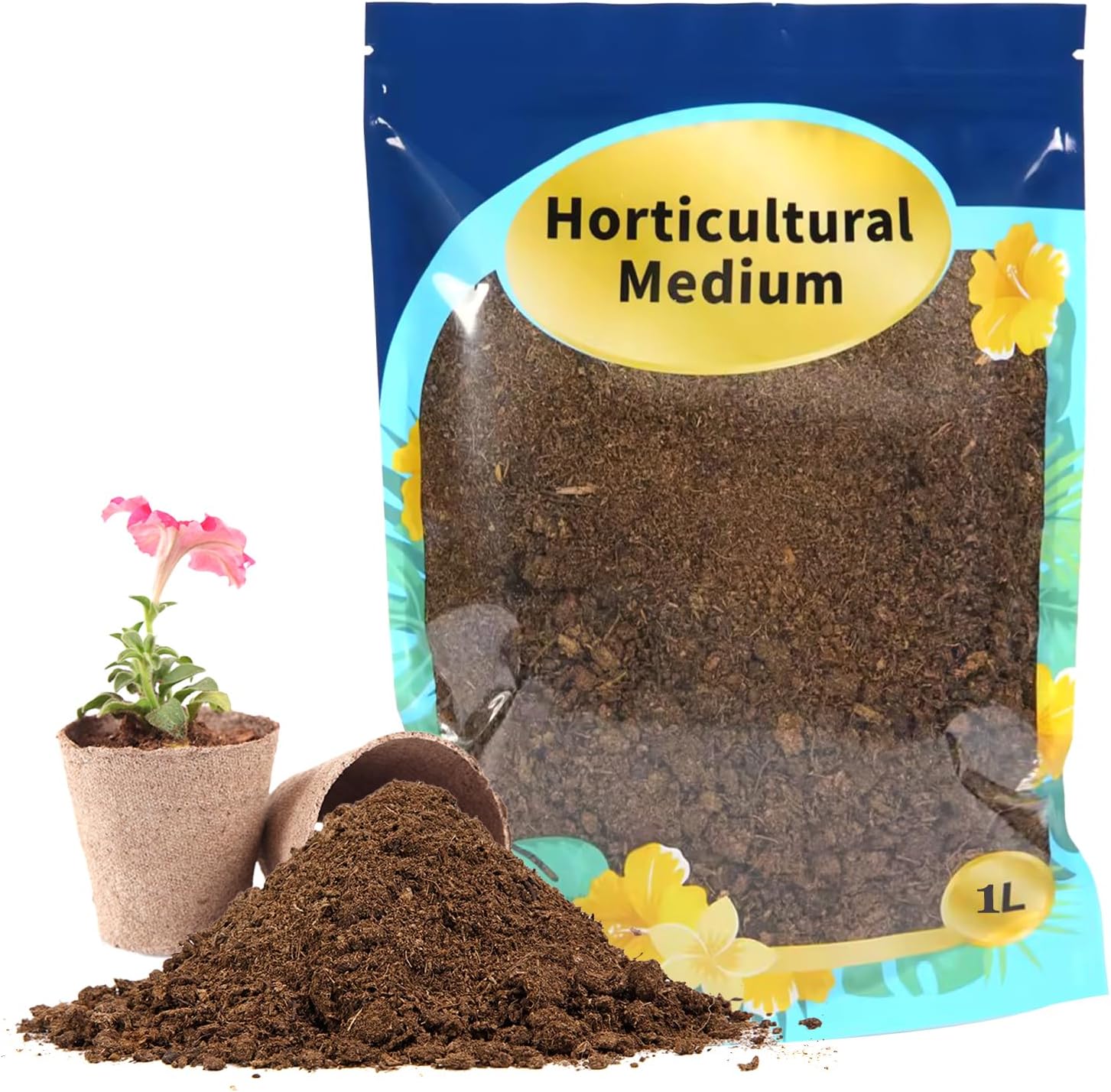
This 1-quart bag of Doter sphagnum peat moss is a straightforward soil amendment for vegetable gardeners who want better moisture control and lighter planting mixes. Gardeners typically mix it into raised bed soil or container potting mixes to increase water retention, loosen compacted soils, and slightly lower pH for acid-preferring crops. The package emphasizes good aeration and organic matter that supports root development and seed starting when blended with perlite or vermiculite. Because it is sold in a small volume the product is easy to handle and practical for patching pots, starting seedlings, or adjusting a few containers. The main limitation is the small 1-quart volume, so larger beds will need multiple bags or a larger source; also peat is naturally acidic which is great for blueberries but requires balancing if you grow vegetables that prefer neutral pH. Follow safety guidance to avoid inhaling dust and protect skin and eyes when mixing.
Best for: Home vegetable gardeners on a tight budget who need a small, easy-to-use amendment for containers, seed starting, or spot-improving garden beds.
Less Ideal for: Those establishing large raised beds or amending an entire vegetable plot should choose bulk peat or alternative amendments to avoid buying many small bags.
- Improves moisture retention and helps keep potting mixes evenly damp
- Lightweight, easy to mix into containers, seed-starting mixes, and raised beds
- Adds organic matter that supports root development and soil structure
- Small 1-quart volume is not sufficient for large vegetable beds
- Naturally acidic pH may require adjustment for vegetables that prefer neutral soil
Verdict: A handy small-bag peat moss for budget-minded gardeners who need an affordable, easy-to-mix amendment for containers and seed starting.
Hoffman Canadian Sphagnum Peat Moss, 10 Qt Soil Conditioner

| Item Type Name | Peat Moss |
|---|---|
| Brand Name | Hoffman |
| Volume | 17.9 ml |
| Unit Count | 1 Count |
| Style Name | Peat Moss |
Hoffman Canadian Sphagnum Peat Moss is a straightforward peat-based soil conditioner intended to boost water retention and loosen compacted soils. Gardeners typically work it into native soil or mix it with perlite and vermiculite when making potting media; it is also commonly used as a top dressing or component in mulches for acid-loving plants. The product is made from sphagnum peat harvested from Canadian bogs and sold in a 10 quart bag that is easy to handle for small beds and containers. Practical benefits include improved aeration in heavy or clay soils, increased organic content, and better moisture holding capacity—qualities that help shallow-rooted shrubs establish and stay evenly moist. Important limitations are that peat acidifies soil over time and does not readily break down to supply nutrients, so it is best used as part of a balanced amendment plan rather than the sole soil amendment. Peat is also a nonrenewable resource, so gardeners concerned with sustainability may prefer alternatives like composted bark or coconut coir.
Best for: Buyers who want a reliable, easy-to-use soil conditioner to hold moisture and improve structure in small beds and containers, especially when preparing acidic soil mixes for shrubs and berries.
Less Ideal for: Gardeners prioritizing sustainable or renewable amendments or those who need a nutrient-rich amendment as a primary soil improvement should consider compost or bark alternatives.
- Improves moisture retention for plants that need consistent soil moisture
- Loosens dense or clay soils to improve drainage and root penetration
- Premium-grade sphagnum peat from Canadian bogs suggests consistent texture and performance
- Acidifying nature means pH effects should be monitored for certain plants
- Provides little in the way of nutrients and breaks down slowly
- Peat is a nonrenewable material compared with some alternatives
Verdict: A practical moisture-retentive soil conditioner that reliably improves aeration and structure for acid-loving plants like blueberries.
Miracle-Gro Sphagnum Peat Moss, 8 qt. (2-Pack)

| Brand Name | Miracle‑Gro |
|---|---|
| Item Type Name | Sphagnum Peat Moss |
| Number of Packs | 2 |
| Unit Count | 256 Fluid Ounces |
This two‑pack of Miracle‑Gro sphagnum peat moss is a straightforward soil amendment for gardeners who want to improve water retention and root development in containers or beds. Use it to lighten heavy native soils, blend into potting mixes, or create seed‑starting media when combined with perlite. The product is enriched with Miracle‑Gro plant food, so it contributes basic nutrients while helping soil hold moisture longer and reducing how often you need to water. Practical benefits include easier repotting of container plants because the peat resists compaction and a simple recipe for gardeners to mix their own blends. Important limitations are inherent to peat moss: it is acidic and not a complete fertilizer, so it is best paired with balanced amendments for neutral pH plants and additional nutrients over time. Also follow handling guidance to avoid inhalation or skin contact and wear gloves when working with dry peat.
Best for: Gardeners looking for a reliable, easy‑to‑use amendment to improve soil structure and moisture retention for containers, raised beds, or seed starting who value proven products with positive reviews.
Less Ideal for: Those growing plants that require neutral or alkaline soils or gardeners seeking an all‑in‑one fertilizing solution without adding other amendments.
- Helps retain moisture and nutrients, reducing watering frequency
- Lightens heavy potting soil and improves aeration for roots
- Enriched with plant food to give an initial nutrient boost
- Versatile use for containers, in‑ground beds, and seed starting mixes
- Acidic by nature so not ideal for plants that prefer neutral to alkaline soil
- Not a long‑term complete fertilizer so additional feeding is needed
Verdict: A dependable peat moss blend that improves moisture retention and lightens heavy soils, making it an easy choice for gardeners refining their own potting or seed mixes.
ZeeDix 30mm Peat Seed Starter Pellets (55 pcs)

| Unit Count | 50 Count |
|---|---|
| Item Highlight | Easy Transplant & High Expansion, Ideal Seedling Soil for Vegetables, Herbs, Flowers, Succulents & Cacti, Cat Grass, Bonsai |
| Material | Organic sphagnum peat moss |
| Style Name | Indoor & Outdoor Gardening |
These ZeeDix peat pellets are ready-made seed-starting plugs designed for indoor germination. Each compressed pellet expands when watered into a loose, peat-based plug held in a non-woven net so you can sow seeds directly into the pellet, keep them moist while they germinate, then transplant the whole plug into a pot or garden without disturbing roots. The sphagnum peat composition provides good water retention and aeration that helps delicate seedlings and improves transplant survival. The netting keeps the medium intact and reduces mess on trays, which is handy for windowsill setups and beginner-friendly seed trays. They are simple to use for vegetables, herbs, flowers, succulents and grass, making them suitable for quick projects or parent-child planting activities. Limitations are that these are peat-based rather than a balanced potting mix so you may want to fertilize seedlings before long-term potting, and peat can compact if overwatered or used for very slow-growing plants that need more volume. For cautious indoor seed starting they offer a low-effort, low-mess option with reliable germination performance.
Best for: Buyers who want a simple, low-mess indoor seed-starting solution that minimizes handling of fragile seedlings and prioritizes reliable germination over tinkering with custom mixes.
Less Ideal for: Gardeners who prefer peat-free or DIY seed mixes, or those who need larger-volume plugs for slow-growing seedlings or extended nursery periods.
- Ready-to-use compressed plugs that expand with water for quick setup
- Non-woven netting allows transplanting the whole plug without root disturbance
- Peat-based medium holds moisture and supports early root development
- Compact and tidy for indoor trays and windowsill seed starting
- Made from sphagnum peat which may need supplemental fertilization for longer-term growth
- Smaller 30mm size offers limited growing volume for larger or slow-growing seedlings
Verdict: If you want a low-effort, low-mess indoor seed-starter that makes transplanting easy, these preformed peat pellets are a practical choice.
Choosing the Right Peat Moss for Vegetable Gardens: Key Factors to Consider
Moisture Retention Capacity
Moisture retention is the main reason gardeners use peat moss in vegetable soils. Peat holds many times its own weight in water, which helps reduce irrigation frequency and keeps young roots consistently hydrated. For seed starting, a finer, lighter peat that stays evenly moist without becoming waterlogged is preferable.
In garden beds and raised planters, mixing peat with compost and mineral soil balances the water-holding benefit so surfaces do not crust and root zones remain aerated. Consider how often you can water and how fast your garden drains when choosing a peat with higher or lower retention.
Acidity and pH Buffering
Most peat moss is naturally acidic, which affects nutrient availability for many common vegetable crops. If you grow acid-tolerant vegetables the natural acidity can be acceptable, but many gardeners will need to amend peat-amended beds with lime or choose a peat product with lower acidity or clear buffering guidance.
Assess whether you will be mixing peat into a neutral compost or amending sodic or alkaline soils. Knowing the expected pH impact lets you plan lime applications or run a soil test after incorporation to avoid micronutrient lock-up.
Physical Texture and Particle Size
Texture determines how peat interacts with mineral soil and compost. Fine peat creates a silky seed-starting mix that holds moisture and gives small roots easy contact with nutrients. Coarser or fibrous peat resists compaction and improves aeration when mixed into clay-heavy beds.
Match particle size to the task: seed starting, potting mixes, or bulk bed amendment. Texture also affects mixing ratios and how readily you can incorporate peat into existing beds without creating a layered interface that repels water.
Decomposition Rate and Longevity
Peat decomposes slowly compared with many other organic amendments, which is useful because it provides a long-lasting structure to soil. A slower decomposition rate means the benefit to tilth and water retention persists across seasons.
However, very slow decomposition can also create long-term acidity changes. Consider how often you plan to refresh beds or topdress containers; quicker-decomposing materials mixed with peat can speed nutrient release for heavy-feeding vegetables.
Ease of Handling and Application
Practical handling matters in the garden: bag size, compressibility, and dust levels affect how easily you can spread and mix peat. Fine dust can be a nuisance and a respiratory irritant when dry, so products with lower dust content or that arrive moist are easier to work with.
Also consider how peat re-expands after opening and how much labor is required to incorporate it into beds, raised planters, or potting mixes. Easy-to-measure volumes simplify mix recipes for consistent results.
Sourcing and Environmental Disclosure
Peat harvesting has environmental implications, so transparency about sourcing, rehabilitation practices, and certification can influence the choice of conscientious gardeners. Products that provide clear information about harvested bogs, restoration commitments, or third-party verification allow you to balance soil needs with stewardship concerns.
If minimizing environmental impact is a priority, look for peat with clear sourcing statements or consider mixing peat sparingly with alternative organic materials to reduce overall peat demand.
Using Peat Moss in Seed-Starting Mixes
Fine-grade peat is common in seed-starting mixes because it creates a light, uniform medium that holds moisture without compacting. For most vegetable seeds, blend peat with a small proportion of fine perlite or vermiculite and a gentle organic starter to provide both moisture retention and drainage.
Keep seed trays evenly moist rather than saturated, and avoid letting the peat dry out completely. If you prefer a less acidic mix, pre-lime the peat lightly and check seed germination rates for sensitive varieties.
- Use fine-textured peat for small-seeded vegetables.
- Combine with perlite or vermiculite for drainage.
- Consider light liming for neutral pH-sensitive seeds.
Amending Garden Beds and Raised Planters
When incorporating peat into beds, mix it with compost and native soil rather than layering. A common approach is blending 20 to 30 percent peat by volume into the upper foot of soil to improve structure and water retention without creating a distinct peat layer that sheds water.
For heavy clay, increase the coarse organic fraction and work the mix through the root zone to improve friability. For containers, use a higher proportion of peat in the potting mix but balance with compost to supply nutrients.
- Avoid adding a pure peat layer on top of soil.
- Work peat into the rooting zone to prevent layering.
- Adjust mix ratios based on clay or sand content.
Managing pH After Adding Peat
Test soil pH a few weeks after incorporating peat. If the reading is below the target range for your vegetables, apply garden lime according to soil test recommendations and recheck the pH later in the season.
For ongoing beds, use compost and wood-ash sparingly with peat to avoid unexpected pH swings. Some gardeners pre-mix lime into peat before planting sensitive crops to avoid root stress during establishment.
- Run a soil pH test post-incorporation.
- Adjust with lime based on vegetable species needs.
- Monitor pH periodically through the growing season.
Long-Term Soil Health and Organic Matter Cycling
Peat contributes stable organic matter but does not supply a rapid nutrient pulse like fresh compost. To maintain fertility for heavy-feeding vegetables, pair peat use with regular compost applications and green-manure cover crops to replenish nutrients and microbial activity.
Think of peat as a structural amendment. Over time, balance it with nutrient-rich organics so soil biology remains vibrant and supports steady vegetable production.
- Topdress with compost annually for nutrient supply.
- Use cover crops between seasons to rebuild organic matter.
- Rotate heavy feeders to avoid localized nutrient depletion.
Alternatives and Peat-Reduced Mixes
If you want to reduce peat use, consider blends that substitute coir, well-rotted compost, or aged bark while keeping some peat to maintain structure where needed. Coir has a near-neutral pH and good water retention but differs in decomposition and nutrient dynamics.
Test small batches of any peat-reduced mix in pots before using it across an entire bed to ensure water behavior and pH meet your crop needs.
- Trial blends in containers before full-scale use.
- Combine peat sparingly with coir or compost for balance.
- Adjust fertility plans when using peat alternatives.
How We Chose the Best Peat Moss for Vegetable Gardens
We prioritized peat moss options that address the real needs of vegetable gardeners rather than marketing claims alone. Selection filters included moisture retention capacity, natural acidity and buffering behavior, physical texture and decomposition rate, sourcing and environmental considerations, and usability in common vegetable-garden tasks like seed starting, bed amendment, and container mixes. We also looked for consistent product descriptions that allowed comparisons across moisture-holding volume per bag, particle fineness, and visible contaminants. Products were excluded if they lacked clear specification on acidity or had insufficient detail about fiber grade and decomposition rate. We did not consider blends where peat was a minor component unless specifications showed peat characteristics clearly. The final picks represent peat moss options that range from fine grades suited to seed starting to coarser grades better for amending heavy clay or improving raised beds. These evaluation points map to the scoring criteria used in each product block: moisture retention, acidity control, texture and friability, environmental sourcing, and ease of use.
FAQ
How much peat moss should I mix into a vegetable bed?
A common guideline is to mix peat to roughly 20 to 30 percent of the upper soil volume when amending beds. This improves water retention and tilth without creating a distinct layer that repels water. Adjust proportions based on your soil texture and the crops you grow.
Will peat moss change my soil pH significantly?
Peat is typically acidic and can lower soil pH over time, especially if used in large quantities. Many gardeners counteract this by applying lime based on soil test results. The degree of change depends on the peat amount, your starting soil pH, and buffering capacity.
Can I use peat moss in containers for vegetables?
Yes. Peat is widely used in container mixes because it holds moisture while remaining airy when combined with drainage materials. For containers, mix peat with compost and a drainage amendment like perlite or coarse sand and monitor moisture more closely since containers dry differently from in-ground beds.
How often do I need to reapply peat to maintain benefits?
Because peat decomposes slowly, it does not require frequent reapplication. Most gardeners topdress with compost annually and rework soil with a light peat addition every few years as needed to maintain structure. The exact interval depends on cropping intensity and tillage practices.
Are there environmental considerations when choosing peat?
Yes. Peat harvesting affects wetland ecosystems, so many gardeners look for products with clear sourcing information or consider reducing peat use by blending with alternatives. If environmental impact matters to you, seek products that disclose harvest and restoration practices or use peat sparingly.
Should I lime peat before mixing or after planting?
Lime can be applied either before mixing or after planting, but applying lime to the peat and mixing it into the bed a few weeks before planting gives time for pH to stabilize. Always base lime rates on a soil test to avoid overcorrection.
Final Verdict
Peat moss is a practical amendment for vegetable gardens when you need improved water retention and better soil texture. Prioritize peat grades and quantities that match the task, such as fine peat for seed starting and coarser grades for amending heavy soils. Balance peat use with compost and periodic pH checks so fertility and biology remain healthy. Decide based on how often you water, how heavy your soil is, and whether long-term acidity or sourcing concerns matter to you. With the right grade and mix ratios, peat can make vegetables easier to establish and manage while you maintain overall soil health with regular organic inputs.
