

Note: This article contains affiliate links. If you click on these links and make a purchase, I may earn a small commission at no extra cost to you. This helps support my research and content. Read my full affiliate disclosure here.
Picking the right plant food for bedding plants shapes how well annuals and tender perennials bloom, how long flowers hold color, and how resilient foliage is through heat and rain. You want a feed that supports frequent flowering without burning roots or causing floppy growth. This guide covers the top shortlisted plant foods for bedding plants, each chosen for nutrient balance, application method, and how they behave in real garden conditions. Read on to see the criteria we used to evaluate these options and which types of gardeners each feeding approach suits best.
Top Picks at a Glance
| Best Overall The best all-around choice for most situations | ferti-lome Premium Bedding Plant Food 7-22-8, 16 lb |  |
| Best Quality Built to a higher standard if you want something more solid | Nelson Plant Foods ColorStar Granular Plant Fertilizer (2 lb) |  |
| Highest Rated A top-rated pick with lots of positive feedback | Miracle-Gro Water Soluble All Purpose Plant Food, 1.5 lb |  |
| Most Popular A crowd favorite that many people choose with confidence | Miracle-Gro Shake 'N Feed All Purpose Plant Food, 1 lb |  |
| Best Seller A high-volume bestseller chosen again and again | Miracle-Gro Watering Can Singles All Purpose Plant Food, 24 Packets | 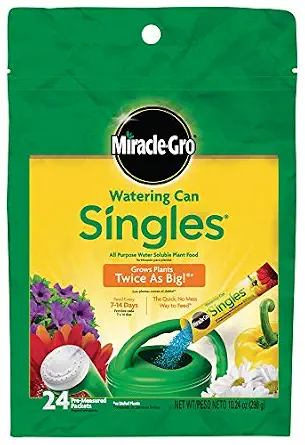 |
ferti-lome Premium Bedding Plant Food 7-22-8, 16 lb

| Item Form | Granules |
|---|---|
| Specific Uses For Product | Plant Food |
| Target Species | Hibiscus |
| Mixing Ratio | 7:22:8 |
| Unit Count | 256 Ounce |
This 16 lb bag of ferti-lome Premium Bedding Plant Food is designed for regular feeding of bedding plants, perennials and flowering tropicals. The granules contain slow-release water-insoluble nitrogen plus micronutrients, which lets you feed at monthly intervals without a high risk of nitrogen burn. Typical use is broadcasting into beds (about 1 lb per 100 sq ft) or mixing a measured amount into planting holes for individual transplants; the package includes clear application rates for beds and individual plants. The high phosphorus content (22) supports root establishment and blooms, making it useful at planting and during the flowering season. Practical benefits include easy granular application, broad coverage from a single 16 lb bag, and instructions tailored for common bedding species. Limitations are the fixed 7-22-8 formulation, which may not suit foliage-focused plants or gardeners wanting a low-phosphorus feed, and a single product form with no liquid option for foliar feeding or quick corrective applications.
Best for: Gardeners who want a dependable, easy-to-apply fertilizer for flower beds and perennials and prefer a monthly slow-release program to support blooms and root growth.
Less Ideal for: Growers focused on leafy vegetables, houseplants, or those needing a liquid or low-phosphorus fertilizer should consider alternatives.
- Slow-release nitrogen reduces risk of burn and cuts reapplication frequency.
- High phosphorus ratio supports strong root development and more blooms at planting and during the season.
- Granular form is easy to broadcast or mix into planting holes with clear application rates.
- Includes micronutrients to address common minor deficiencies in bedding plants.
- Fixed 7-22-8 formula may not be appropriate for non-flowering or foliage-focused plantings.
- Only available as granules so it cannot be used for foliar feeding or quick soluble corrections.
Verdict: A practical, slow-release granular fertilizer that simplifies monthly feeding to boost blooms and establish roots in bedding plants and perennials.
Nelson Plant Foods ColorStar Granular Plant Fertilizer (2 lb)

| Item Form | Granules |
|---|---|
| Specific Uses For Product | Plant Food,Plant Growth |
| Target Species | Plants |
| Liquid Volume | 2 liters |
ColorStar is a granular, performance-focused plant food designed to increase bloom size and quantity on bedding plants, containers, hanging baskets, bulbs, and flowering shrubs. You apply it sparingly to soil or topdress containers and it releases nutrients over a 3 to 5 month period thanks to multiple nitrogen sources and a blend that includes bone and blood meal plus several micronutrients. For gardeners seeking big, consistent flowering with minimal repeat feeding, the long release schedule and nutrient density are practical: one application supports an entire season of blooms and reduces the need for frequent liquid feeding. Notable features are the multi-source nitrogen release for staged feeding and the inclusion of trace minerals that support color and foliage. Important limitations are that it is a granular organic-heavy formula that may release more slowly in cool soils and it is not a fast foliar tonic for plants needing immediate green-up. Expect the best results when used at planting or as a deliberate seasonal feed rather than as an emergency pick-me-up.
Best for: Gardeners who prioritize strong flowering performance and want a low-maintenance seasonal feed that supports larger, longer-lasting blooms across bedding plants and containers.
Less Ideal for: Growers who need rapid foliar correction, want an instant water-soluble feed for weekly dosing, or who avoid animal-derived fertilizer ingredients.
- Long-lasting feed that supports 3 to 5 months per application, reducing reapplication frequency
- Formulated with multiple nitrogen sources to stagger nutrient release for steady growth
- High organic nutrient content including bone and blood meal to promote larger, fuller blooms
- Suitable for both indoor and outdoor flowering plants and for containers or in-ground use
- Slower nutrient release in cool or dry soils means it will not quickly correct sudden deficiencies
- Contains bone and blood meal which may not suit gardeners wanting fully synthetic or vegan formulations
Verdict: Choose ColorStar when you want a single seasonal granular feed that delivers nutrient-dense, staged release to maximize bloom size and consistency.
Miracle-Gro Water Soluble All Purpose Plant Food, 1.5 lb

| Item Form | Powder |
|---|---|
| Application Method | Watering Can |
| Target Species | For all flowers, vegetables, trees, shrubs and houseplants |
| Mixing Ratio | 24-8-16 |
Miracle-Gro Water Soluble All Purpose Plant Food is a powdered, water-soluble fertilizer formulated to deliver fast nutrition to a broad mix of plants. You mix the powder into a watering can or a garden feeder and apply every 1 to 2 weeks depending on whether plants are indoors or out. The 24-8-16 NPK ratio supplies a strong nitrogen boost for leafy growth along with phosphorus and potassium to support flowering and fruit set. For pepper growers this means it can help produce vigorous plants and encourage fruit development when used at the recommended strengths. Notable features include clear mixing guidance for both indoor and outdoor use and compatibility with container and in-ground plantings. Practical benefits are quick uptake by roots and flexible application options. Important limitations are the high nitrogen proportion, which can favor foliage over fruit if overused, and the need to follow dilution instructions to avoid nutrient burn. This product is best used as a regular boost within a balanced feeding plan rather than the only fertility source for long-term soil health.
Best for: Home gardeners looking for an affordable, easy-to-use boost to support vigorous pepper plant growth and quick results in both containers and garden beds.
Less Ideal for: Growers who want a low-nitrogen or slow-release fertility plan for long-term soil building should consider specialized or organic alternatives.
- Water-soluble powder that feeds plants quickly through the roots
- Clear mixing instructions for indoor and outdoor applications
- Broadly labeled for use on flowers, vegetables, trees, shrubs and houseplants
- Feeds approximately 600 sq. ft. from the 1.5 lb container
- High nitrogen ratio may encourage foliage more than fruit if used too frequently
Verdict: A budget-friendly, fast-acting soluble fertilizer that gives bell pepper plants a regular nitrogen-rich boost to promote vigorous growth and quicker results.
Miracle-Gro Shake 'N Feed All Purpose Plant Food, 1 lb

| Item Form | Granules |
|---|---|
| Application Method | Shake and work into soil |
| Target Species | Flowers, Vegetables, Herbs |
| Unit Count | 16 Ounce |
| Mixing Ratio | 10-10-10 |
Miracle-Gro Shake 'N Feed is a 1 lb granular fertilizer designed to be shaken onto soil and lightly worked in to provide slow-release nutrition for flowers, vegetables and herbs. It is typically used at planting or as a seasonal top-dress: apply around the root zone, water to activate, and reapply every three months. The formula includes macronutrients and micronutrients that support root strength and above-ground growth and is intended to feed soil microbes for better nutrient availability. For herb growers this product is convenient because it is easy to apply, does not require mixing, and covers small beds or several container herbs from a single container. Important limitations are that the mix is a generic 10-10-10 style feed so it is not tailored to specific herb needs or high-phosphorus bloom boosting, and a single 1 lb jar covers roughly 30 sq ft so larger beds will need more product or larger sizes. Also avoid applying to wet foliage and follow label rates to prevent overfeeding.
Best for: Herb gardeners who want an inexpensive, no-mix, easy-to-apply fertilizer for small beds and container herbs and prefer low-effort seasonal feeding.
Less Ideal for: Growers who need specialty nutrient balances for particular herbs or who manage larger vegetable/herb plots needing bulk fertilizer options.
- Slow-release granules feed plants for up to three months reducing application frequency
- Works for both in-ground beds and container herbs without mixing
- Contains micronutrients and ingredients that support soil microbes and root development
- All-purpose 10-10-10 formula is not specialized for herbs with specific nutrient preferences
- Small 1 lb container covers about 30 sq ft so frequent repurchase for larger gardens
Verdict: A simple, budget-friendly slow-release granular feed that makes quarterly feeding of small herb beds and containers quick and easy.
Miracle-Gro Watering Can Singles All Purpose Plant Food, 24 Packets

| Number of Packs | 24 |
|---|---|
| Unit Count | 10.24 Ounce |
| Item Form | SOLID |
| Application Method | watering can |
| Mixing Ratio | 1 teaspoon per 1 gallon of water |
Miracle-Gro Watering Can Singles are single-use, pre-measured fertilizer packets intended to make feeding roses and other garden plants simple and reliable. To use, tear a packet into a watering can, add the specified amount of water, then apply the solution while watering; the manufacturer recommends feeding every 7 to 14 days during active growth. The packets remove measuring errors and mess, which helps prevent accidental overfeeding. Because the formula is labeled for all flowers, vegetables, trees and shrubs, it fits into regular rose care routines for bloom and bush development. Practical benefits include instant solubility, clear application instructions for outdoor and indoor containers, and consistent coverage per packet for about 10 sq. ft. of garden. Limitations are that you must keep up with the every-1–2-week schedule for best results and that the product is sold as a general-purpose feed rather than a rose-specific bloom booster, so dedicated rosarians seeking targeted NPK ratios might prefer a specialized rose fertilizer.
Best for: Gardeners who want a low-risk, no-mess way to feed roses and mixed flower beds as part of routine watering and prefer simple, foolproof dosing.
Less Ideal for: Specialist rose growers seeking a targeted bloom-boosting formula or those who want a single, slow-release application instead of frequent liquid feedings.
- Pre-measured packets eliminate measuring and reduce mess and dosing errors
- Water-soluble formula mixes quickly in a watering can for immediate application
- Labeled for use on flowers, roses, shrubs, trees and vegetables so it suits mixed beds
- Clear directions for indoor and outdoor application and coverage per packet
- General all-purpose formula rather than a rose-specific NPK for bloom boosting
- Requires regular reapplication every 7–14 days to maintain results
Verdict: If you want a safe, fuss-free way to feed roses while you water, these pre-measured soluble packets make regular feeding simple and consistent.
Choosing the Right Plant Food for Bedding Plants: Key Factors to Consider
Nutrient Balance and N-P-K Ratio
The ratio of nitrogen, phosphorus, and potassium affects whether bedding plants focus on leafy growth, root development, or flowering. Higher phosphorus can support stronger blooms, but too much nitrogen will favor foliage at the expense of flowers. Choose a formulation targeted at flowering ornamentals, or one with a balanced ratio that supports both healthy foliage and repeat blooms.
Consider micronutrients such as magnesium and iron as well. These trace elements influence color intensity and chlorophyll production. If your soil is known to be deficient or you use soilless potting mixes, a fertilizer with added micronutrients can make a noticeable difference in bloom color and leaf vigor.
Release Profile: Quick-Release Versus Slow-Release
Quick-release feeds deliver nutrients immediately and are useful when you need a rapid bloom boost or to correct a visible deficiency. They require more frequent reapplication and carry a higher risk of salt buildup or root burn if overused. Slow-release or controlled-release formulations give a steadier nutrient supply over weeks to months, reducing application frequency and lowering burn risk.
Decide based on how intensively you manage beds and containers. For busy gardeners or for seasonal displays where steady performance is preferred, slow-release granules or coated prills are convenient. For short-term color peaks or corrective feeding, soluble quick-release feeds applied at recommended rates work well.
Application Method and Frequency
Plant foods come as granules, spikes, water-soluble powders, and liquid concentrates. Granules and spikes are low-maintenance and good for larger beds or when you want minimal disturbance. Soluble powders and liquids allow precise control and even foliar feeding but require mixing and more frequent applications.
Think about where you will use the feed. Hanging baskets and small containers often benefit from weekly liquid feed because nutrient leaching is high. Large ground beds can use slow-release granules applied at planting and mid-season top-ups. Choose a format that fits the amount of time you want to spend feeding.
Compatibility With Soil and Potting Mixes
Different growing media hold and release nutrients differently. Soilless mixes and peat-based potting media often drain quickly and need more frequent feeding, while heavy garden soils retain nutrients longer. Consider whether the plant food is formulated for containers, garden beds, or both.
Also check whether the product specifies pH considerations or recommendations for use with organic mulches and compost. A feed that works in a range of media lets you maintain a consistent program across beds, borders, and containers.
Flowering Response and Timing
Some feeds are formulated to encourage repeat blooming through slightly higher phosphorus or bloom-boosting formulations. Others prioritize overall vigor and leaf health. Think about the timing of color you want in the season and whether you need a product that promotes quick bud set or one that sustains flowering throughout the season.
For peak displays like a garden show or a special event, schedule a corrective liquid feed a week or two before bloom. For season-long displays, pick a product with steady feed characteristics or plan a combined approach: slow-release baseline feeding plus periodic liquid boosts.
Environmental Considerations and Runoff Risk
Excess fertilizer can run off into storm drains and harm local waterways, so choosing low-runoff formulations and following label rates reduces environmental impact. Slow-release products generally lower immediate runoff risk, while soluble feeds can leach if overapplied or used before heavy rain.
Apply fertilizers sparingly near water bodies and follow recommended dosages. Consider using targeted application methods such as root drenching in containers or banding in beds to reduce waste and limit nutrient movement offsite.
When to Start Feeding Bedding Plants
Begin feeding after plants have rooted in and are actively growing, typically a couple of weeks after transplanting or after new seedlings have their first true leaves. Feeding too early can stress young roots, while starting too late may delay bloom production.
For perennial bedding plants left in place year after year, begin a light feeding cycle in spring as growth resumes. For annual displays, plan a baseline slow-release application at planting and supplement with liquid feeds during peak bloom periods to maintain color.
- Transplants: wait until roots are established
- Containers: start sooner because media drains faster
- Established beds: annual spring top-up plus mid-season feed
Feeding Frequency for Different Formats
Liquid concentrates are typically applied every one to two weeks at a diluted rate. They are ideal for correcting deficiencies quickly and for high-leach applications like hanging baskets.
Slow-release granules or coated prills can last from eight to twelve weeks depending on formulation and temperature. These are lower maintenance and reduce the chance of accidental overfeeding.
- Liquid feed: weekly to biweekly
- Granules/spikes: every 2 to 3 months
- Foliar sprays: occasional use for rapid correction
Feeding Containers Versus In-Ground Beds
Containers require more frequent feeding because watering flushes nutrients out of potting mixes. Use a regular liquid feed schedule or combine a slow-release baseline with fortnightly liquid top-ups for best results.
In-ground beds are buffered by soil and organic matter, so they demand less frequent feeding. Work compost or a measured granular feed into the soil at planting and use seasonal liquid feeds only when blooms fade or growth appears weak.
- High-drain containers need weekly feeds
- Large beds respond well to seasonal granular top-ups
- Monitor plants for signs of deficiency rather than following a rigid schedule
Organic Versus Synthetic Plant Foods
Organic feeds release nutrients more slowly as microbes break down material. They improve soil structure and microbial health over time but may act more slowly for immediate bloom boost. Synthetic feeds offer precise N-P-K numbers and faster uptake, which helps when you need quick results.
Many gardeners use a mixed approach: organic products to build soil health and a light synthetic liquid feed for short-term color demands. Consider the garden's long-term goals when choosing a feeding strategy.
- Organic: soil-building and steady release
- Synthetic: fast-acting and precise
- Combining approaches can balance immediate needs and soil health
Spotting Overfeeding and Nutrient Deficiencies
Leaf scorch, brown leaf margins, and stunted root growth can indicate overfeeding or salt buildup. Flush containers with plain water if you suspect excess salts and reduce application frequency. Regularly check for yellowing leaves, weak stems, or poor blooming as common deficiency signals.
Soil tests and media pH checks help pinpoint which nutrient is missing. Corrective feeds targeted to the specific deficiency are more effective than blanket increases in fertilizer strength.
- Overfeeding signs: leaf burn, wilting, crusty soil surface
- Deficiency signs: pale leaves, poor bloom set, slow growth
- Use soil tests to guide targeted corrections
How We Chose the Best Plant Food for Bedding Plants
We focused on features that matter to gardeners who grow mass plantings and seasonal bedding displays. Key evaluation criteria included nutrient formulation and release profile, because the right N-P-K balance and whether feed is quick-release or slow-release directly affects bloom frequency and leaf health. Application method and convenience were weighed, since hand-feeding hanging baskets and large beds require different formats. Safety and risk of foliar or root burn were considered to ensure plants tolerate regular use. Compatibility with common soil mixes and potting media was assessed, along with any extra micronutrients or bloom-boosting additives. Finally, environmental impact and runoff risk were considered for responsible garden management. We excluded niche specialty fertilizers meant only for vegetables, lawns, or woody shrubs, and we did not include experimental or unproven homebrew formulas. Products that lacked clear nutrient information or used ambiguous release claims were filtered out. The resulting list emphasizes balanced feeding strategies that work across common bedding species and container-grown displays.
FAQ
How often should I feed bedding plants in hanging baskets?
Hanging baskets drain quickly and usually need feeding every one to two weeks with a dilute liquid fertilizer. Combining a slow-release base at planting with weekly liquid top-ups reduces the risk of deficiencies between waterings.
Can I use the same plant food for annual bedding and perennials?
Often you can, but look for a balanced formulation suitable for flowering ornamentals. Perennials may need less frequent feeding, so adjust rate and timing accordingly to avoid excessive soft growth.
Is foliar feeding useful for bedding plants?
Foliar feeding can be helpful for rapid correction of micronutrient deficiencies or for a quick boost to stressed plants. It is not a substitute for regular root feeding because foliar uptake delivers only small amounts of nutrients.
Will slow-release fertilizers prevent bloom failures in hot weather?
Slow-release fertilizers provide steady nutrition but will not eliminate bloom drop caused by extreme heat or drought. Combine steady feeding with good watering practices and deadheading to maintain flower displays during heat spells.
How can I avoid burning roots when feeding bedding plants?
Follow the label dilution and frequency recommendations and avoid applying concentrated feeds to dry media. Using slow-release formats or dilute weekly liquid feeds lowers the risk of salt buildup and root burn.
Final Verdict
Choose a plant food that matches how you grow bedding plants: quick-release liquids for fast corrections and frequent watering situations, or slow-release formulations for low-maintenance beds and long-lasting displays. Prioritize nutrient balance, an appropriate release profile, and application convenience. Keep an eye on plant response and adjust feeding frequency or format to manage tradeoffs between bloom intensity and plant health. With the right feeding strategy, you can sustain vibrant, long-running bedding displays.
