

Note: This article contains affiliate links. If you click on these links and make a purchase, I may earn a small commission at no extra cost to you. This helps support my research and content. Read my full affiliate disclosure here.
Pansies respond quickly to the right feeding rhythm, and the right plant food can make the difference between sparse, short-lived flowers and a full, colorful display. If you grow pansies in beds, containers, or window boxes you need a formula that supports steady flowering without encouraging excessive foliage at the expense of blooms. This guide covers seven top plant food options for pansies, shortlisted for their nutrient balance, ease of use, and suitability for cool-season bedding plants. Expect clear notes on feeding frequency, application method, and what to watch for when using fertilizers around pansies.
Top Picks at a Glance
| Best Overall The best all-around choice for most situations | ferti-lome All Purpose Water Soluble Plant Food 20-20-20 (8 oz) |  |
| Best Quality Built to a higher standard if you want something more solid | Osmocote Smart-Release Plant Food Flower & Vegetable, 1 lb. |  |
| Best Value The sweet spot between price and what you get | Miracle-Gro Water Soluble All Purpose Plant Food, 3 lb |  |
| Best Budget The cheapest option that still gets the job done reliably | Miracle-Gro Watering Can Singles All Purpose Plant Food, 24 Packets |  |
| Highest Rated A top-rated pick with lots of positive feedback | Voluntary Purchasing Group Water-Soluble Geranium & Pansy Plant Food, 16 fl oz (2-Pack) |  |
| Most Popular A crowd favorite that many people choose with confidence | Miracle-Gro Water Soluble All Purpose Plant Food, 1.5 lb |  |
| Best Seller A high-volume bestseller chosen again and again | Miracle-Gro Pour & Feed Liquid Plant Food, 32 fl. oz. | 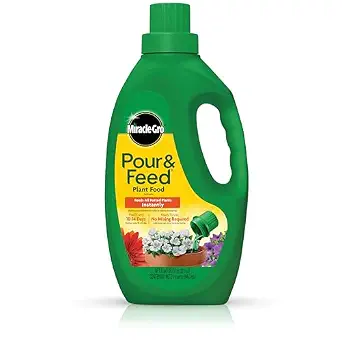 |
ferti-lome All Purpose Water Soluble Plant Food 20-20-20 (8 oz)

| Item Form | Liquid |
|---|---|
| Application Method | soil drench and foliar spray |
| Target Species | Geraniums, Pansies, Petunias, Impatiens, annuals, perennials, hanging baskets |
| Mixing Ratio | 1:64 (soil), 1:256 (foliar) |
This 8 oz bottle of ferti-lome 20-20-20 is a straightforward, balanced water‑soluble fertilizer for flowering annuals like zinnias. It mixes easily—directions call for 1–2 teaspoons per gallon for soil applications and a much weaker foliar spray—so you can feed plants either through the potting mix or by spraying leaves. The even N-P-K ratio supports steady vegetative growth while supplying phosphorus and potassium for blooms and overall vigor. Because it is liquid and concentrated, small amounts treat many plants and you can apply it every watering or every few days for continuous bloom production. Limitations are the small 8 oz size if you maintain a large planting area and the lack of granular slow‑release option for low‑maintenance schedules. Also it is a general purpose formula rather than a zinnia-specific bloom booster, so some growers may prefer a higher-phosphorus feed when pushing heavy flower set.
Best for: Gardeners who want an affordable, easy-to-mix liquid fertilizer to keep zinnias and other bedding annuals blooming regularly without complicated feeding schedules.
Less Ideal for: Large-scale or low-maintenance gardeners who prefer slow‑release granules or a high‑phosphorus bloom formula tailored specifically for heavy flowering.
- Balanced 20-20-20 formula suitable for foliage and flowering needs
- Water‑soluble concentrate that mixes quickly for soil or foliar feeding
- Concentrated dosing means small bottle treats many plants when mixed correctly
- Small 8 oz bottle may require frequent repurchase for larger beds or repeated use
- Not a high-phosphorus bloom booster if you want to force extra-heavy flowering
Verdict: A compact, easy-to-use 20-20-20 liquid fertilizer that delivers frequent, balanced feeding to keep zinnias blooming without complicated mixing.
Osmocote Smart-Release Plant Food Flower & Vegetable, 1 lb.

| Item Form | Granules |
|---|---|
| Specific Uses For Product | Root Development |
| Application Method | Mix into soil |
| Target Species | vegetables and perennials |
| Unit Count | 16 Ounce |
Osmocote Smart-Release Flower & Vegetable is a granular, slow-release fertilizer with a balanced 14-14-14 NPK designed to support both root development and vigorous top growth. Typical use is mixing the granules into the top 1–3 inches of soil or incorporating into raised-bed mix before planting; one pound covers about 40 sq ft and feeds for up to four months based on soil temperature. The included applicator and mistake-proof slow-release formulation make it easy to apply without frequent refeeding, and the product is intended for edible gardens, perennials, and ornamentals. For rhubarb specifically, the balanced nutrients support leafy growth and steady root development without sharp spikes of soluble fertilizer. Limitations are that this is a general-purpose, season-long feed rather than a rhubarb-specific formula and nutrient release depends on soil temperature, so uptake can be slower in cool conditions early in the season.
Best for: Gardeners who want a low-maintenance, season-long feed for vegetable beds and perennials and prefer a straightforward, mistake-resistant product that reduces repeat applications.
Less Ideal for: Growers seeking a specialty fertilizer formulated specifically for rhubarb or those who need quick-release nutrient boosts during cool weather should consider alternative products.
- Balanced 14-14-14 NPK supports both roots and leafy growth
- Slow-release formula feeds up to four months, reducing reapplications
- Granular form and included applicator make soil mixing straightforward
- Mistake-proof release that is unlikely to burn plants if slightly overapplied
- Release rate is temperature dependent and may be slow in cool soils
- Not tailored specifically to rhubarb or high-potassium needs that some growers prefer
Verdict: A simple, low-maintenance slow-release fertilizer that supplies balanced nutrients for a full season, ideal for gardeners wanting steady growth without frequent feeding.
Miracle-Gro Water Soluble All Purpose Plant Food, 3 lb

| Item Form | Powder |
|---|---|
| Application Method | Mix with water in a watering can |
| Fertilizer Analysis (N‑P‑K) | 24-8-16 |
| Unit Count | 48 Ounce |
| Coverage | Feeds approximately 1,200 sq. ft. |
Miracle‑Gro Water Soluble All Purpose Plant Food is a powdered NPK 24‑8‑16 formula that dissolves in water to give plants a quick nutrient boost. You mix measured scoops into a watering can and apply to the soil at the base of plants every 7–14 days for outdoor use or every 14 days for houseplants. Notable features include a high nitrogen content for leafy growth, compatibility with containers and in‑ground beds, and guidance for use with a Miracle‑Gro Garden Feeder for larger areas. In practical terms this is a fast‑acting feed that encourages bigger, greener foliage and works well in regular maintenance of perennials like hostas. Limitations are that it is a fast‑release fertilizer rather than a slow‑release option, so it requires regular reapplication and careful measuring to avoid overfeeding. Also, the 24‑8‑16 balance is geared toward vegetative growth, so it is not optimized if you want to prioritize flowering or bloom boosting.
Best for: Buyers who want a reliable, fast‑acting feed to maintain lush, leafy perennials and container plants and who value proven products with broad user endorsement.
Less Ideal for: Gardeners seeking a single, long‑lasting granular fertilizer or a bloom‑focused formula should consider alternative slow‑release or high‑phosphorus products.
- Water‑soluble powder mixes easily for quick uptake by roots
- High nitrogen formula promotes robust leafy growth ideal for shade plants
- Clear mixing and application instructions for both indoor and outdoor use
- Suitable for containers and in‑ground gardens and compatible with garden feeders
- Requires frequent applications so it is not a low‑maintenance, slow‑release option
- High nitrogen ratio is less suitable when the primary goal is more flowers than foliage
Verdict: A fast‑acting, water‑soluble fertilizer that reliably produces bigger, greener hosta leaves when used as directed.
Miracle-Gro Watering Can Singles All Purpose Plant Food, 24 Packets

| Number of Packs | 24 |
|---|---|
| Unit Count | 10.24 Ounce |
| Item Form | SOLID |
| Application Method | watering can |
| Mixing Ratio | 1 teaspoon per 1 gallon of water |
Miracle-Gro Watering Can Singles are single-use, pre-measured fertilizer packets intended to make feeding roses and other garden plants simple and reliable. To use, tear a packet into a watering can, add the specified amount of water, then apply the solution while watering; the manufacturer recommends feeding every 7 to 14 days during active growth. The packets remove measuring errors and mess, which helps prevent accidental overfeeding. Because the formula is labeled for all flowers, vegetables, trees and shrubs, it fits into regular rose care routines for bloom and bush development. Practical benefits include instant solubility, clear application instructions for outdoor and indoor containers, and consistent coverage per packet for about 10 sq. ft. of garden. Limitations are that you must keep up with the every-1–2-week schedule for best results and that the product is sold as a general-purpose feed rather than a rose-specific bloom booster, so dedicated rosarians seeking targeted NPK ratios might prefer a specialized rose fertilizer.
Best for: Gardeners who want a low-risk, no-mess way to feed roses and mixed flower beds as part of routine watering and prefer simple, foolproof dosing.
Less Ideal for: Specialist rose growers seeking a targeted bloom-boosting formula or those who want a single, slow-release application instead of frequent liquid feedings.
- Pre-measured packets eliminate measuring and reduce mess and dosing errors
- Water-soluble formula mixes quickly in a watering can for immediate application
- Labeled for use on flowers, roses, shrubs, trees and vegetables so it suits mixed beds
- Clear directions for indoor and outdoor application and coverage per packet
- General all-purpose formula rather than a rose-specific NPK for bloom boosting
- Requires regular reapplication every 7–14 days to maintain results
Verdict: If you want a safe, fuss-free way to feed roses while you water, these pre-measured soluble packets make regular feeding simple and consistent.
Voluntary Purchasing Group Water-Soluble Geranium & Pansy Plant Food, 16 fl oz (2-Pack)

| Item Form | Liquid |
|---|---|
| Application Method | Water Soluble |
| Specific Uses For Product | Plant Food |
| Target Species | Geranium Hanging Plant and Pansy |
| Unit Count | 16 Fluid Ounces |
This is a simple, water-soluble liquid fertilizer formulated specifically for geraniums and pansies and sold as two 16-ounce units. You mix it with water according to the package directions and apply it to soil or container plants to supply regular nutrition. The product’s targeted formulation and medium coverage make it practical for hanging baskets and potted displays where consistent feeding helps blooms and foliage. Because it is water soluble it dissolves quickly and feeds plants more immediately than granular options, which is helpful during the growing season. Limitations are that the label gives only basic application guidance and the product listing does not provide a detailed N-P-K ratio, so users who need precise nutrient levels for corrective feeding may prefer a fertilizer with full analysis printed. For gardeners looking for an easy, reliable monthly feed for geraniums and pansies, this delivers straightforward liquid nutrition in a convenient two-pack.
Best for: Gardeners who want a no-fuss, plant-specific liquid feed to keep geraniums and pansies blooming without needing to research precise nutrient blends.
Less Ideal for: Growers seeking a fertilizer with a full, labeled nutrient analysis for corrective or precision feeding should consider alternatives with complete N-P-K and micronutrient information.
- Formulated specifically for geraniums and pansies which simplifies choice for those plants
- Water-soluble liquid that mixes quickly and delivers nutrients promptly to roots
- Sold as a two-pack providing extra supply for regular feeding cycles
- Medium coverage suitable for hanging baskets and potted plants
- No detailed N-P-K analysis provided in the product information
- Mixing ratio listed but limited application guidance may require users to estimate dosing frequency
Verdict: Choose this water-soluble, geranium- and pansy-focused liquid feed if you want a straightforward, reliable fertilizer to keep container and hanging plants blooming.
Miracle-Gro Water Soluble All Purpose Plant Food, 1.5 lb

| Item Form | Powder |
|---|---|
| Application Method | Watering Can |
| Target Species | For all flowers, vegetables, trees, shrubs and houseplants |
| Mixing Ratio | 24-8-16 |
Miracle-Gro Water Soluble All Purpose Plant Food is a powder concentrate you mix with water to give a quick nutrient boost to flowers, vegetables, houseplants, shrubs and trees. It is typically dissolved in a watering can or used with a compatible garden feeder to soak soil at the base of plants, delivering nitrogen-heavy nutrition that shows effects faster than granular fertilizers. Notable features include an easy scooping method for indoor and outdoor dosing, compatibility with containers and in-ground planting, and clear directions for feeding every one to two weeks. In practice this makes the product a convenient option when you want visible growth and greener foliage quickly, and the 1.5 lb container covers roughly 600 sq. ft. Important limitations are that it is a fast-release, high-nitrogen formula best used as a regular quick feed rather than a long-term slow-release solution, and it requires careful measuring to avoid overfeeding. For routine maintenance combine with good watering and follow the label to avoid nutrient imbalance.
Best for: Buyers who prefer proven, easy-to-use feeding routines and want noticeable growth quickly for a variety of garden and houseplants, guided by established usage directions and broad user experience.
Less Ideal for: Gardeners seeking a single, long-term slow-release solution or those who prefer organic or low-nitrogen fertilizers for sensitive plantings should consider alternative products.
- Water-soluble powder starts working quickly at the roots when mixed and applied
- Clear, simple dosing for indoor and outdoor use with included scoop guidance
- Suitable for a wide range of plants including vegetables, flowers, shrubs and houseplants
- Covers a large area from a small container (about 600 sq. ft. per 1.5 lb)
- Fast-release formula means benefits are short-term compared with slow-release granular fertilizers
- Requires precise measuring and regular reapplication to avoid overfeeding
Verdict: A reliable, fast-acting water-soluble plant food for gardeners who want easy, repeatable feeding and quick visible results.
Miracle-Gro Pour & Feed Liquid Plant Food, 32 fl. oz.

| Item Form | Liquid |
|---|---|
| Application Method | Directly to the soil |
| Target Species | potted plants |
| Unit Count | 32 Fluid Ounces |
Miracle-Gro Pour & Feed is a ready-to-use liquid fertilizer designed for container plants and houseplants. You apply it by measuring with the bottle cap and pouring the recommended amount directly onto the soil around each pot, so no mixing or watering-can prep is required. Its convenience makes it easy to maintain a regular 10–14 day feeding schedule for bedding plants like petunias in containers. The product is formulated for potted plants only, and the liquid form gives fairly quick nutrient availability compared with slow-release granules. Practical benefits include simple dosing with the cap, suitability for indoor and outdoor use, and a clearly stated application rhythm that helps keep flowering plants vigorous. Important limitations are that it is not intended for in-ground beds and that frequent applications mean you need to remember regular feedings; it is also a general all-purpose formula rather than a petunia-specific bloom booster.
Best for: A plant owner who prefers simple, low-effort care for container flowers and wants a dependable, easy-to-measure fertilizer to keep petunias and other potted ornamentals blooming.
Less Ideal for: Gardeners seeking a long-term, in-ground soil amendment or those who prefer an infrequent, slow-release feeding schedule should consider other products.
- Ready-to-use liquid requires no mixing so application is fast and low-effort
- Cap-measure dosing makes it easy to apply the correct amount for each container
- Suitable for both indoor and outdoor container plants so one product covers many uses
- Feeds on a 10–14 day schedule for consistent nutrient supply to flowering containers
- Not formulated for in-ground planting so unsuitable for garden beds
- Requires frequent application compared with slow-release fertilizers
Verdict: Use this if you want a no-mix, easy-to-measure liquid fertilizer to keep container petunias fed and blooming on a regular schedule.
Choosing the Right Plant Food for Pansies: Key Factors to Consider
Nutrient Ratio and Bloom Focus
Pansies need a fertilizer ratio that encourages flowers rather than excessive leafy growth. A bloom-focused formula has a moderate phosphorus level to support bud set and blossom retention without overwhelming nitrogen that drives foliage. Too much nitrogen can produce lush leaves but fewer flowers, while too little phosphorus can limit bloom size and longevity.
Consider also the micronutrient profile. Elements like iron and magnesium help maintain leaf color and photosynthetic efficiency, which supports consistent flowering. For seasonal plantings, look for balanced formulas designed for flowering annuals rather than general lawn or shrub feeds.
Release Profile and Solubility
How quickly nutrients become available matters for pansies in containers and beds. Water-soluble fertilizers deliver a fast response, useful for quick color boosts or to revive plants showing nutrient deficiency. Slow-release granules provide a steadier supply and reduce the need for frequent applications, which is helpful for busy gardeners or long-term plantings.
Match the release profile to your watering habits and growing container. In small pots that dry quickly, a slow-release formula designed for frequent watering cycles prevents salt buildup. For in-ground plantings or cool spring conditions, water-soluble feeds used on a regular schedule can give the predictable bloom push pansies often need.
Application Method and Frequency
Different plant foods come as crystals, liquids, spikes, or granular slow-release. Liquids and water-soluble crystals are applied more often but let you correct deficiencies fast. Granules and spikes reduce feed frequency but require accurate placement and correct rates to avoid under- or overfeeding.
Think about how often you will fertilize and whether you prefer a weekly quick feed or a monthly slow-release approach. For containers and hanging baskets, more frequent diluted liquid feeds are often preferable. For larger beds, an initial granular application with periodic liquid boosts can be more efficient.
Salt Index and Root Safety
Pansies have relatively fine root systems that are sensitive to high soluble salt levels in potting mixes and soil. Fertilizers with a high salt index increase the risk of root burn, especially if watering is irregular. Choose products labeled safe for seedlings and container plants or those with lower recommended concentrations for delicate bedding plants.
Always follow mixing directions and consider flushing pots periodically to prevent salt buildup. When planting or repotting, pre-mixing a gentler feed into the new substrate can reduce initial stress and support establishment.
Compatibility with Potting Mixes and Soil
Pansies are commonly grown in lightweight potting mixes and garden beds with good drainage. Some plant foods can alter the pH or interact with particular substrates, affecting nutrient availability. Water-soluble feeds tend to be less disruptive to mix structure, while granular products can sit in pockets and release unevenly if not evenly distributed.
Consider the existing soil or mix pH and the plants' seasonal needs. In cool weather, nutrient uptake slows, so choose a feed that remains available at lower temperatures. Also account for any organic components in the soil that will continue releasing nutrients over time.
Form and Convenience for Routine Care
Gardeners value formats that fit their routines. Liquid concentrates need storage and measuring but allow precise dosing. Pre-measured spike or tablet formats are low-effort but can be hard to calibrate for small pots. Water-soluble crystals are a middle ground when they dissolve quickly and do not leave residue.
Think about storage space, how you mix and apply feeds, and whether you prefer one-and-done options or regular maintenance. Convenience often determines whether a feeding schedule is followed consistently, which directly affects bloom performance.
Feeding Schedule for Peak Bloom
Pansies respond best to a regular, moderate feeding rhythm rather than infrequent heavy feedings. For water-soluble fertilizers, a common approach is a half-strength feed every one to two weeks during active flowering. For slow-release granular feeds, apply according to label timing and supplement with light liquid feeds if blooms start to fade.
Adjust frequency based on location and season. In cooler spring weather feeding can be slightly less frequent because uptake is slower. In warm or high-light conditions, maintain the schedule to support continuous bud production.
- Containers: light liquid feed every 7 to 10 days or a slow-release at potting time
- In-ground beds: slow-release at planting plus occasional liquid boosts
- Seedlings and transplants: very dilute, infrequent feeds until established
Using Plant Food Safely in Small Pots and Baskets
Small containers concentrate salts faster than larger pots or garden beds, so always err on the side of weaker mixes and more frequent watering to flush salts. Measure liquids carefully and avoid full-strength doses unless the product is explicitly designed for flowering annuals.
When using spikes or tablets in small pots, consider halving or spacing them to reduce local salt concentration near roots. Top-dress granular feeds and mix lightly into the surface media rather than placing in a single spot.
- Flush containers with clear water occasionally to remove excess salts
- Use a balanced, mild formula for seedlings and small pansy plants
- Avoid applying granular feed directly against stems or root crowns
Organic Vs Synthetic Options for Pansies
Organic plant foods release nutrients more slowly and can improve soil structure over time. They are gentler on roots and less likely to cause burn if used at recommended rates. However, they may not provide the immediate bloom lift that water-soluble synthetic feeds offer.
Synthetic or inorganic feeds tend to give faster visible results and are easier to dose for a quick color boost. Many gardeners use a combination approach: an organic base at planting with periodic synthetic or soluble feeds during peak bloom for instant color.
- Organic: gentler release, builds soil biology, slower bloom response
- Synthetic: faster uptake, precise N-P-K control, quick bloom stimulus
Troubleshooting Common Feeding Problems
Yellowing leaves, reduced blooms, or scorched leaf edges often point to feeding issues. Pale leaves can indicate nutrient deficiency, while brown crispy edges suggest salt damage from overfeeding or inconsistent watering. Diagnose by checking growing conditions first, then adjust feeding strength or frequency.
If you suspect salt buildup, flush the pot thoroughly with water and pause fertilizer applications for a few weeks. For deficiency signs, try a diluted water-soluble feed to see if foliage and bud production respond within a week or two.
- Yellow leaves with green veins: possible nitrogen or iron imbalance
- Brown leaf edges: likely salt burn from overfeeding
- Poor flowering despite healthy foliage: consider phosphorus or bloom-focused feed
Adjusting Feed for Seasonal Changes
Pansies are cool-season plants in many climates and their nutrient uptake changes with temperature. In cool periods reduce feed strength and frequency since roots absorb nutrients more slowly. As the season warms or as light increases, gradually return to a normal feeding schedule to support renewed bloom activity.
Avoid heavy late-season feeding if plants are about to enter dormancy or if extreme heat will shorten bloom life. Adapting the feed timing to weather and light conditions helps maintain steady flowering without stressing plants.
- Cool weather: lighter, less frequent feeds
- Warmer, high-light periods: maintain regular schedule for continuous blooms
- Before transplanting: hold off heavy feeding until plants have re-established
How We Chose the Best Plant Food for Pansies
We prioritized products that fit the feeding needs and growing habits of pansies, using measurable, garden-relevant criteria. We checked nutrient balance to ensure a bloom-focused ratio without excessive nitrogen. Application method was evaluated for common garden scenarios such as containers, hanging baskets, and in-ground beds. Solubility and release profile were considered so pansies receive steady nutrition without root stress. Safety for tender roots and seedlings was assessed to avoid burn risk. Ease of sourcing and everyday handling was included because gardeners often need straightforward, repeatable routines. We excluded broad-purpose landscape concentrates that are formulated for trees or lawns rather than bedding and flowering plants. We also set aside products that require complex mixing or specialized equipment. The final short list emphasizes formulas and formats likely to deliver predictable flowering, practical feeding schedules, and minimal risk when used as directed. Those evaluation dimensions align with the score metrics used in the product summaries.
FAQ
How often should I feed pansies in containers?
Containers dry and deplete nutrients faster than beds. Use a diluted water-soluble feed every one to two weeks, or a slow-release product at potting time supplemented by light liquid feeds during peak bloom.
Can I use houseplant fertilizer on pansies?
Houseplant fertilizers can work if the ratio suits flowering plants, but they are often tailored to foliage. Check the nutrient ratio and reduce strength to avoid excessive leaf growth at the expense of blooms.
Will organic plant food give as many blooms as synthetic feeds?
Organic feeds tend to release nutrients more slowly, so they may not provide the immediate boost that synthetics do. Over a season, organics can support healthy flowering, but many gardeners pair organic base amendments with occasional soluble feeds for quick color.
What signs show my pansies are overfertilized?
Common signs include brown, crispy leaf edges, wilting despite moist soil, and reduced flowering. Salt buildup in pots is a frequent cause. If you see these signs, flush containers with water and pause fertilizing until plants recover.
Is phosphorus important for pansy blooms?
Phosphorus supports bud set and flower development, so a balanced feed with adequate phosphorus helps bloom production. Avoid extreme formulations; aim for a balanced bloom-focused ratio rather than very high phosphorus alone.
Final Verdict
Choose a plant food that matches how you grow pansies and the container or bed conditions. Prioritize a bloom-focused nutrient balance and a release profile that fits your watering habits. Be mindful of salt index and root sensitivity in small pots and adjust feeding frequency through seasonal temperature changes. With those tradeoffs in mind, you can pick a feeding routine that keeps pansies flowering reliably and vibrantly.
