

Note: This article contains affiliate links. If you click on these links and make a purchase, I may earn a small commission at no extra cost to you. This helps support my research and content. Read my full affiliate disclosure here.
If you want attractive, easy-care greenery on a deck or balcony, choosing the right plants for deck planters makes all the difference. Deck containers expose roots to heat, wind, and variable moisture, so the best choices tolerate those stresses and still look good. This guide shortlists seven top options that perform reliably in planter boxes and large pots, with practical notes on light, watering, and winter care. We evaluate each pick against the growing conditions most deck gardeners face, including sun exposure and container hardiness. Read on to find suitable options and quick tips for success.
Top Picks at a Glance
| Best Overall The best all-around choice for most situations | American Plant Exchange Texas Sage (10-inch pot) |  |
| Best Quality Built to a higher standard if you want something more solid | Tropical Plants of Florida Dipladenia Bush with Yellow Flowers (6" Grower Planter) |  |
| Best Value The sweet spot between price and what you get | Sandys Nursery Plumbago Auriculata 'Imperial Blue' 4" Potted Perennial Shrub |  |
| Best Budget The cheapest option that still gets the job done reliably | Carpet Creeping Striped Coleus Seeds (150 Count) |  |
| Highest Rated A top-rated pick with lots of positive feedback | Perfect Plants Confederate Jasmine (2-Pack), Star Vine, 1 Gal |  |
| Most Popular A crowd favorite that many people choose with confidence | KVITER Rainbow Coleus Seeds — 1,600 Heirloom Coleus (Plectranthus scutellarioides) |  |
| Best Seller A high-volume bestseller chosen again and again | HOME GROWN Rainbow Mix Coleus Seeds (approx. 400) |  |
American Plant Exchange Texas Sage (10-inch pot)

| Indoor Outdoor Usage | Outdoor |
|---|---|
| Other Special Features of the Product | Attracts Pollinators |
| Expected Blooming Period | Fall |
| Sunlight Exposure | Full Sun |
| Moisture Needs | Moderate Watering |
This potted Texas Sage is a hardy, sun‑loving shrub intended for warm, well‑drained outdoor spots such as sunny patios or borders. It arrives in a 10‑inch plastic container and is typically used as a focal container plant or in a mixed sunny bed where its silvery leaves contrast with greener foliage. Key selling points are its tolerance for dry conditions once established, attraction to pollinators, and seasonal flushes of lavender‑pink tubular flowers. Practical benefits include low ongoing water needs after establishment, evergreen branching habit that adds texture year‑round, and suitability for USDA zones 8–11 with some cold tolerance down to about 10°F. Important limitations are that it needs 6–8 hours of direct sun and excellent drainage to avoid root problems, can eventually grow much larger than the pot so will need replanting or pruning over time, and young plants require regular watering while they establish.
Best for: Buyers who want a low‑maintenance, sun‑loving container shrub to add silvery texture and seasonal color to a sunny patio or border and who prefer plants that withstand dry periods once established.
Less Ideal for: Those seeking a shade‑tolerant or small, permanently containerized houseplant or gardeners in climates colder than USDA zone 8 without winter protection.
- Silvery evergreen foliage provides season‑long visual contrast
- Drought tolerant once established, lowering watering needs
- Attracts pollinators when it blooms
- Suitable for sunny afternoon exposure and warm climates
- Requires full sun and very well‑drained soil to avoid root rot
- Will outgrow a 10‑inch pot over time and needs eventual replanting or pruning
Verdict: Choose this Texas Sage if you need a hardy, drought‑tolerant potted shrub that thrives in afternoon sun and adds silvery foliage with seasonal lavender blooms.
Tropical Plants of Florida Dipladenia Bush with Yellow Flowers (6" Grower Planter)

| Indoor Outdoor Usage | Indoor, Outdoor |
|---|---|
| Expected Blooming Period | Spring to Fall |
| Sunlight Exposure | Full Sun |
| Soil Type | Sandy Soil |
This live Dipladenia arrives in a 6-inch grower planter and is intended for bright, sunny locations where it will bloom from spring through fall. It is typically used as a container or patio plant that tolerates direct sun and sandy soils, producing recurring yellow flowers that add long-season color. The product’s straightforward presentation in a grower pot makes it easy to place in a sunny spot or transplant into a larger container or garden bed in spring. Practical benefits include consistent flowering in full sun exposure and low soil-type fussiness when planted in well-draining, sandy mixtures. Limitations are that size and mature habit are not specified in detail on the listing and the plant may need regular watering and fertilizing in hot, direct-sun sites to maintain blooms. For performance-driven buyers looking for reliable sun-loving color, this Dipladenia offers a simple, ready-to-use option that performs best when given consistent light and routine care.
Best for: Gardeners seeking a performance-oriented, sun-loving flowering shrub for containers or sunny patios who prioritize consistent seasonal blooms and easy placement.
Less Ideal for: People wanting a large, established specimen or those who need detailed mature dimensions for precise landscape placement.
- Designed for full sun exposure and long bloom period from spring to fall
- Arrives in a 6" grower planter ready for placement or easy transplanting
- Tolerates sandy, well-draining soils common in warm, sunny sites
- Listing lacks detailed size and mature habit information for landscape planning
- May require frequent watering and feeding in hot, direct-sun locations
Verdict: A compact, sun-loving flowering shrub that delivers reliable yellow blooms for containers and sunny patios throughout the growing season.
Sandys Nursery Plumbago Auriculata 'Imperial Blue' 4" Potted Perennial Shrub

| Expected Blooming Period | Year Round |
|---|---|
| Sunlight Exposure | Full Sun |
| USDA Hardiness Zone | 8,9,10,11 |
| Soil Type | Sandy Soil |
This 4-inch potted Plumbago Auriculata 'Imperial Blue' is a budget-friendly option for adding year-round blue blooms to a patio container or small landscape spot. It grows with a mounding to slightly climbing habit and can be trained on a small trellis or kept as a rounded accent in a planter. The plant prefers full sun and well-drained, sandy soils and will need regular watering while it establishes, then occasional water during drought or extreme heat. Notable practical benefits are its continuous blooming potential in warm zones and its adaptability to containers, making it a good pick for decks and small patios. Because it ships as a small potted specimen, expect several months of growth before it reaches mature height and width, and plants may not arrive in bloom. Also it is suitable only in USDA zones 8 to 11 and will require winter protection or indoor overwintering outside those zones.
Best for: Buyers who want an affordable, easy-to-grow flowering shrub for patio pots or small containers in warm climates and prefer a plant that can be trained as an accent or small climber.
Less Ideal for: Gardeners in cold-winter regions who cannot provide winter protection or those seeking an immediately large specimen straight from the nursery.
- Produces sky-blue flowers for much of the year in warm climates
- Compact growth habit that works well in containers and on small trellises
- Adaptable to a range of soils if well drained
- Easy to establish with regular watering the first seasons
- Only hardy in USDA zones 8 to 11 so not suited to colder climates
- Ships as a small 4-inch pot so it takes time to reach its mature size
Verdict: A low-cost way to add a compact, year-round blue-flowering shrub to patio containers in warm climates.
Carpet Creeping Striped Coleus Seeds (150 Count)

| Indoor Outdoor Usage | Indoor, Outdoor |
|---|---|
| Other Special Features of the Product | Low Maintenance, Shade Resistant |
| Expected Blooming Period | Summer |
| Sunlight Exposure | Full Shade |
| Unit Count | 150 Count |
These coleus seeds produce colorful, variegated foliage plants that are grown for dramatic leaves rather than flowers. Start seeds indoors 8–10 weeks before last frost, sow them on the surface (do not cover) and keep soil around 70–75°F for germination in 10–14 days. Transplanted plants form tidy mounds roughly 8–12 inches tall and spread to fill planters and window boxes, making them an easy option for deck planters in partial to full shade. Notable features include low maintenance needs, shade tolerance, and a fast growth habit that quickly fills container space; pinch tips to encourage bushier plants and remove flower spikes to preserve leaf quality. Limitations are that coleus is hardy only in zones 10–11 and is treated as an annual elsewhere, and delicate tiny seeds require light for germination so sowing technique matters. For budget planting projects this seed count gives many starts but success depends on basic seed-starting care and attention to moisture and light during germination.
Best for: Budget-minded gardeners who want to fill shaded deck planters with colorful, low-maintenance foliage without buying mature plants; ideal for do-it-yourself seed starting and staggered plantings.
Less Ideal for: Gardeners seeking long-lived perennials or instant, fully grown plants for immediate display should choose nursery-grown specimens instead.
- Large 150-count packet gives enough seed for multiple planters or repeat plantings
- Non-GMO seeds suitable for casual and beginner gardeners
- Shade-tolerant variety that performs well in deck planters and containers
- Fast-growing, compact habit fills pots quickly when transplanted and pinched
- Hardy only in USDA zones 10–11 so plants are annual in most climates
Verdict: A cost-effective seed packet to quickly populate shaded deck planters with showy, low-maintenance coleus foliage.
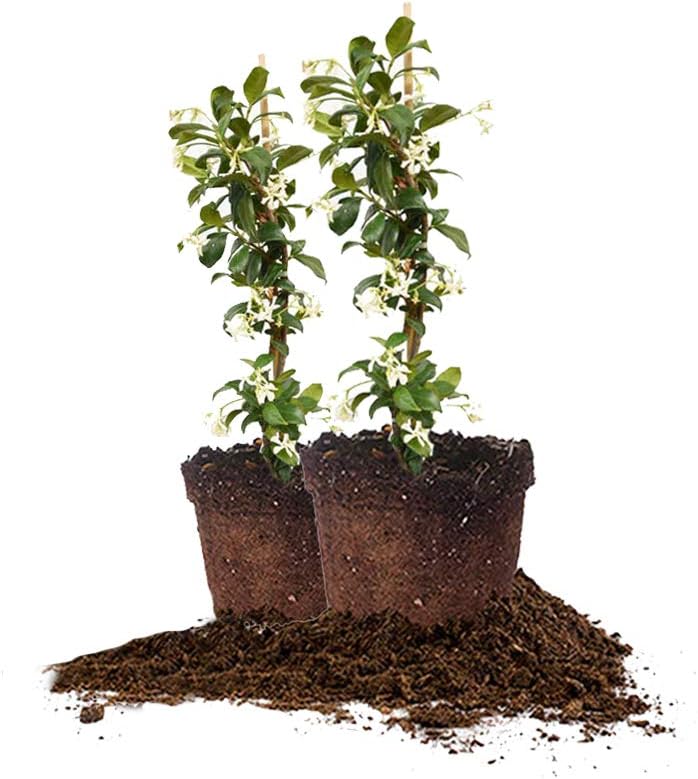
Perfect Plants Confederate Jasmine (2-Pack), Star Vine, 1 Gal
| Indoor Outdoor Usage | Outdoor |
|---|---|
| Expected Blooming Period | Spring |
| Sunlight Exposure | Full Sun, Partial Shade |
| Moisture Needs | Moderate Watering |
| Unit Count | 1 Count |
These two Confederate jasmine vines arrive in individual 1‑gallon nursery pots and are meant to be trained on fences, trellises, railings or other supports to form a fragrant, evergreen screen. They perform best in full sun to part shade and are rated for USDA zones 7–11, so on a shaded porch they will tolerate lower light but bloom most reliably where they get some sun. The plants are described as easy to establish; new arrivals need deep watering every day or two for the first two weeks and can drop some leaves while roots settle. Notable features are the glossy evergreen foliage, sweet white pinwheel flowers in spring and early summer, and organic plant material. Limitations include that each order contains small 1‑gallon pots so expect a period of growth before reaching the listed mature height, and some variability between the two plants. Buyers should plan to provide a structure and basic training to get a neat coverage and to monitor moisture while the plants establish.
Best for: Gardners who want a fragrant, evergreen climbing vine to train on a porch trellis or railing and who prefer a low‑maintenance plant that establishes quickly with basic watering.
Less Ideal for: Those seeking instant privacy or mature coverage right away or gardeners unwilling to train or support vines as they grow.
- Two evergreen vines per order for quicker coverage when planted together
- Fragrant white spring blooms that add scent to a porch area
- Tolerates full sun to partial shade, making it adaptable to sheltered porches
- Ships in 1‑gallon nursery pots so plants are ready to plant immediately
- Described as easy to establish with straightforward watering guidance
- Plants are small 1‑gallon specimens so visual impact takes time as they grow to mature height
- Some leaf drop and minor shipping damage to stems is possible during establishment
Verdict: A practical choice for porch gardeners who want a fragrant, adaptable evergreen vine they can train for seasonal blooms and long‑term screening.
KVITER Rainbow Coleus Seeds — 1,600 Heirloom Coleus (Plectranthus scutellarioides)

| Unit Count | 1600 Count |
|---|---|
| USDA Hardiness Zone | 4-10 |
| Sunlight Exposure | Partial Shade |
| Material Features | GMO Free, Heirloom |
| Moisture Needs | Regular Watering |
These KVITER Rainbow Coleus seed packets deliver a high-count mix of heirloom, non-GMO coleus seeds designed for easy container and border planting. The seeds are billed for part-shade locations and come with a step-by-step growing guide on every packet, which helps take the guesswork out of starting indoors 6–8 weeks before the last frost or sowing directly into pots and trays. Coleus produces colorful foliage rather than showy flowers and reaches about a foot tall, making it well suited to outside pots, hanging baskets, and shaded patio corners. The seeds are labeled low-maintenance and shade resistant, so once established they respond well to regular watering and occasional pinching to encourage bushier growth. Because this is a bulk 1,600-count pack, it is best for gardeners who want to fill several containers or create repeated plantings through the season. Expect germination within 7–14 days under good light; results can vary with local soil and care. The package focuses on starter guidance rather than advanced cultivation details, so experienced growers may want more specific spacing or fertilization notes.
Best for: Gardeners who prefer low-risk, easy-to-follow planting and want colorful, shade-tolerant foliage for multiple outside pots or shaded patio containers.
Less Ideal for: Buyers who only need a few plants for a single small pot or who want edible or flowering plants rather than foliage-focused coleus.
- Very large 1600-seed count is suitable for filling many pots or repeating plantings
- Heirloom, non-GMO seeds with a step-by-step growing guide on each packet
- Shade-tolerant foliage plant that performs well in part-sun/part-shade container locations
- Low-maintenance habit and responds to pinching for bushier growth
- Bulk quantity may be more than needed for casual single-pot gardeners
- Limited cultivation details on fertilizing and advanced care provided
Verdict: A risk-averse choice for filling multiple shaded pots with colorful, low-maintenance coleus foliage thanks to a large heirloom seed pack and clear growing instructions.
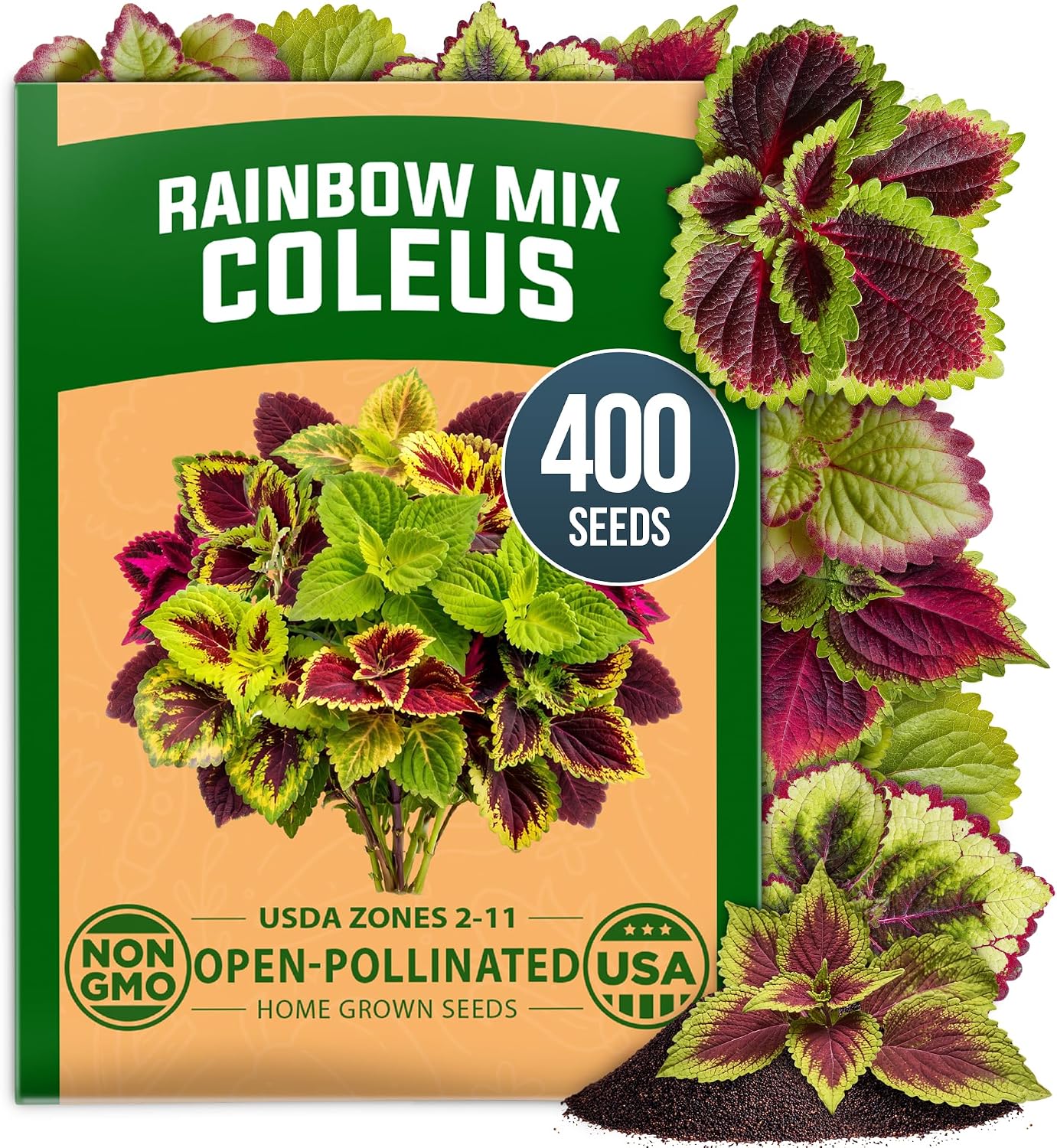
HOME GROWN Rainbow Mix Coleus Seeds (approx. 400)
| Sunlight Exposure | Part Shade to Shade |
|---|---|
| USDA Hardiness Zone | 2-11 |
| Expected Blooming Period | Spring through Frost |
| Material Features | GMO Free, Heirloom |
| Unit Count | 1 Count |
These Rainbow Mix coleus seeds produce compact, colorful foliage plants that are well suited to containers and shaded patio spots. Surface-sow the tiny seeds (do not cover), keep the medium warm and consistently moist, and seedlings typically appear in 10–14 days; pinch growing tips to encourage bushy, mounded plants. The mix is valued for season-long leaf color in shades of rose, green, bronze, cream, and scarlet, so you get visual impact without relying on flowers. Coleus grows indoors near bright north or east windows and outdoors in part shade to shade, making it a flexible choice for window boxes, mixed planters, and small pots. Important limitations are that coleus is a tender annual in most regions and needs protection from frost and prolonged drought, and it prefers warm temperatures for best germination and growth. For container gardeners who want low-maintenance, high-impact foliage, this seed mix is an easy way to produce many plants from one packet.
Best for: Gardeners who want easy-to-grow, high-impact foliage for containers and shaded patios and prefer predictable, low-fuss plants they can start from seed.
Less Ideal for: People seeking long-lived perennial landscaping or plants that tolerate full sun and drought without extra care.
- High seed count (about 400) gives many starts for containers or massing
- Open-pollinated non-GMO seeds from a mix that yields varied, colorful foliage
- Specifically suited to part shade and shade where many flowering plants struggle
- Compact, mounded habit that performs well in pots, window boxes, and mixed planters
- Tender annual in most zones and requires frost protection or indoor overwintering
- Requires consistent moisture and will suffer if soil dries out or remains waterlogged
Verdict: A high-count, non-GMO coleus seed mix that reliably produces compact, colorful foliage perfect for containers and shaded patios.
Choosing the Right Plants for Deck Planters: Key Factors to Consider
Light Exposure and Placement
Deck planters sit in microclimates that range from full sun to deep shade. Assess the exposure where you will place containers for most of the day before selecting plants. South- and west-facing decks typically receive hot afternoon sun that can scorch delicate foliage and dry soil quickly. North-facing spaces often have limited direct light and perform better with plants rated for shade or bright, indirect light.
Choosing plants matched to the actual light period reduces stress, prevents leggy growth, and often determines whether blooms appear. Also think about reflected heat from siding or floors; proximity to railings and walls changes effective light and temperature. When in doubt, select species with broad light tolerance or place containers on casters so you can move them seasonally.
Root Volume and Container Size
Plants in deck planters depend entirely on the soil in their container for nutrients and moisture. A plant that prefers deep soil will suffer quickly in a shallow box. Match plant root habits to container depth and width: shallow-rooted annuals need less depth, while shrubs and small perennials require deeper, wider planters.
Adequate root volume also buffers temperature swings and helps retain moisture between waterings. If space limits you to smaller pots, prioritize compact cultivars and use a high-quality potting mix with good water retention. Consider occasional root pruning or repotting for long-lived container specimens to keep growth balanced.
Watering Needs and Drought Tolerance
Deck planters dry out faster than ground beds because they have less soil mass and are exposed on all sides. Understanding a plant's water needs prevents both overwatering and chronic drought stress. Choose drought-tolerant species if you prefer low-maintenance care or expect periods when you cannot water daily.
For plants that need steady moisture, use larger containers, water-retentive potting mixes, and consider adding water reservoirs or polymer crystals where appropriate. Grouping plants with similar moisture requirements in the same planter simplifies upkeep and reduces the risk of root rot or wilting.
Wind Exposure and Mechanical Stress
Decks and balconies are often windier than garden beds, and wind can dry foliage, desiccate soil, and break flower stems. Select sturdy-stemmed plants or low-growing forms for highly exposed locations. Taller, top-heavy specimens can be staked, but staking adds maintenance and may not suit every deck aesthetic.
Wind tolerance influences placement and how you cluster containers. Placing windbreaks like lattice or taller planters strategically can protect more delicate plants. Also consider how frequent gusts will affect watering frequency and staking needs.
Seasonal Interest and Bloom Timing
For deck planters you want plants that provide visual payoff across the season. Consider a mix of early spring bulbs, summer-blooming annuals, and fall foliage or seed heads to prolong interest. Some container plants offer strong foliage contrast rather than continuous blooms, which can be equally valuable on a small deck.
Think about bloom length, timing, and whether deadheading or other routine tasks are needed to maintain display quality. Combining short-lived showy bloomers with long-season foliage plants creates steady appeal without constant replanting.
Cold Tolerance and Overwintering
Containers freeze through more quickly than ground soil, which affects winter survival. If you want perennial plants to return, choose cold-hardy varieties rated for your climate zone and provide winter protection like insulating wraps or moving containers to a sheltered area. Some plants are best treated as annuals in containers and replaced each season.
When using woody perennials, larger containers help protect roots from deep freezes. Alternatively, select tender plants with clear overwintering strategies, such as moving them indoors or lifting and storing rootballs for the winter.
Best Plants by Light Condition
Different plants perform best under distinct light regimes. For sunny decks, look for heat- and sun-tolerant species that keep blooms and foliage from fading. In part shade, choose plants that accept morning sun and afternoon protection. For shaded or north-facing spaces, favor species that thrive on bright, indirect light and avoid those that need full sun to bloom reliably.
Group plants on your deck by light needs so you can water and tend similar plants together. If a planter will be moved seasonally, consider portable stands or caster-equipped pots to reposition plants into optimal light.
- Sun-loving options hold color in hot afternoons.
- Part-shade picks avoid leaf scorch and elongated stems.
- Shade-tolerant species retain foliage density without full sun.
Container Soil and Fertility Tips
Use a high-quality container potting mix that balances drainage and water retention. Avoid garden soil in planters because it compacts and drains poorly. Adding slow-release fertilizer at planting helps establish plants, but many container plants will need supplemental feeding during the season.
Topdress with compost or apply a water-soluble feed every few weeks for heavy bloomers. Refresh the potting mix or repot after two to three seasons to restore fertility and prevent salt buildup from frequent fertilization.
- Choose mixes labeled for containers or with added peat and perlite.
- Fertilize regularly for prolonged flowering displays.
- Repot or refresh soil every couple of years to maintain vigor.
Designing Attractive Planter Combinations
A balanced planter combines thriller, filler, and spiller elements to create depth and movement. Use one taller, structural plant as the focal point, surround it with mid-height bloomers for color, and add trailing species to soften the edges. Keep scale in mind so plants do not overwhelm the container or the deck space.
Consider repeating a color or foliage texture across several planters to tie a deck's look together. Also think about contrast between leaf shapes and bloom styles to avoid a flat appearance.
- Thriller: a single upright plant for height.
- Filler: medium plants that add fullness and color.
- Spiller: trailing plants that drape and soften edges.
Watering Systems and Practical Care
Hand watering is common for deck planters, but drip lines or self-watering inserts reduce daily labor and help maintain consistent moisture. Mulch the surface of containers with decorative bark or gravel to slow evaporation and keep soil temperature steadier. Monitor containers during heat waves when evaporation accelerates.
Check drainage frequently; standing water can cause root rot. Place saucers or trays under pots only when necessary and empty them after watering to prevent soggy roots and insect issues.
- Use saucers to catch overflow but avoid prolonged standing water.
- Consider drip irrigation or capillary mats for larger planter groupings.
- Mulch container surfaces to reduce watering frequency.
Managing Pests and Common Problems
Containers can concentrate pest pressures because plants are close together and often stressed by heat or drought. Inspect foliage regularly for aphids, spider mites, slugs, or fungal symptoms. Prompt action with targeted cultural controls is usually enough; improve airflow, reduce overhead watering, and remove affected leaves.
Avoid overfertilizing flowering plants, which can attract pests. For chronic issues, rotate plant types between seasons to break pest cycles and refresh soil to remove eggs or pathogens.
- Regular inspection prevents small problems from becoming outbreaks.
- Improve air circulation and avoid dense overcrowding in planters.
- Replace potting mix if pests or diseases persist season after season.
How We Chose the Best Plants for Deck Planters
We focused on attributes that matter for plants grown exclusively in deck planters and containers. Evaluation prioritized sun and shade tolerance, drought resistance in constrained root volumes, seasonal interest including bloom and foliage, compact growth habit to fit planter dimensions, and winter survival or overwintering options when relevant. We also considered ease of maintenance for typical deck gardeners, looking at pest and disease resilience and frequency of pruning or deadheading. Plants were excluded if they routinely grow too large for common deck planter sizes or require in-ground rooting to thrive. The shortlist reflects selections that balance visual impact with predictable container performance. In short, we filtered for species and cultivars suited to container microclimates, manageable care routines, and clear guidance for light and water needs.
FAQ
How often should I water plants in deck planters?
It depends on container size, plant type, and exposure. Small pots in full sun may need daily watering in summer, while larger containers or shade-tolerant species may only need watering every few days. Check soil moisture with your finger and adjust frequency during heat waves or rainy periods.
Can I overwinter perennial plants in deck containers?
Some perennials tolerate winter in containers if they are cold-hardy and the container is large enough to protect roots. Smaller pots freeze through more easily. For marginal cases, move containers to a sheltered spot or provide insulation around the pot to improve survival.
Should I use potting soil or garden soil for deck planters?
Use a commercial potting mix formulated for containers. Garden soil compacts and drains poorly in pots, which can lead to root stress. Potting mixes give the right balance of drainage and water retention for healthy container plants.
How can I keep plants from drying out on a sunny deck?
Choose drought-tolerant species, use larger containers, apply mulch to the surface, and select mixes with good water-holding capacity. Installing a drip system or self-watering insert also helps maintain consistent moisture during hot spells.
What container size is best for long-lived planter specimens?
Bigger is generally better for long-term health because larger soil volume stabilizes moisture and temperature. Choose the deepest and widest container you can fit on your deck for shrubs or clumping perennials to reduce stress and the need for frequent repotting.
Final Verdict
Choose plants for deck planters by matching light exposure, pot size, and water needs to the species you select. Prioritize drought tolerance and compact habits for exposed decks, and use larger containers or winter protection for perennials you want to keep long-term. Balancing seasonal bloomers with lasting foliage plants reduces maintenance while keeping displays interesting. With attention to container soil, watering, and placement, you can create attractive planter arrangements that perform consistently throughout the season.
