

Note: This article contains affiliate links. If you click on these links and make a purchase, I may earn a small commission at no extra cost to you. This helps support my research and content. Read my full affiliate disclosure here.
A container water garden brings sound, texture, and wildlife to a small patio, balcony, or courtyard without the work of a full pond. Choosing the right plants matters because container-grown aquatic and marginal species behave differently than garden bed plants: they need the right light level, suitable root space, and cold tolerance for your climate. This guide covers seven top plants well suited for container water gardens. Each pick is shortlisted for predictable container performance and ease of care. We evaluate choices by light needs, hardiness, growth habit, and how they influence maintenance and aesthetics in a small water feature.
Top Picks at a Glance
| Best Overall The best all-around choice for most situations | 5 Live Water Hyacinth Plants (Floating Aquatic Plants) for Ponds and Water Gardens |  |
| Best Quality Built to a higher standard if you want something more solid | Aquarium Plant Center Giant Duckweed (Spirodela polyrhiza) — Live Floating Aquarium/Pond Plants, 30 Plants |  |
| Best Value The sweet spot between price and what you get | Fruivity Bowl Lotus Seeds (60 Count) — Mixed Color Water Lotus Seeds for Indoor Bonsai, Containers and Ponds |  |
| Best Budget The cheapest option that still gets the job done reliably | AquaLeaf Aquatics Water Lettuce (live floating pond plant) |  |
| Highest Rated A top-rated pick with lots of positive feedback | CZ Grain Live Pink Lotus Plant Start (1 Count) |  |
| Most Popular A crowd favorite that many people choose with confidence | Aqualeaf Aquatics Pre-Grown Hardy Water Lily Rhizome (Red) |  |
| Best Seller A high-volume bestseller chosen again and again | Aqualeaf Aquatics Common Water Hyacinth (1 count) |  |
5 Live Water Hyacinth Plants (Floating Aquatic Plants) for Ponds and Water Gardens

| Indoor Outdoor Usage | Outdoor |
|---|---|
| Sunlight Exposure | Full Sun |
| USDA Hardiness Zone | 9-11 |
| Moisture Needs | Fully Aquatic – Requires Constant Water |
These live water hyacinths are fast‑growing floating plants intended for still or slow-moving ponds and water gardens. The five-plant pack arrives as buoyant plants ready to place on the water surface; once established they spread quickly to create shade, shelter for fish, and natural nutrient uptake that helps improve water clarity. They prefer full to partial sun and warm water above about 50°F, and will bloom in summer under the right conditions. Practical benefits include easy no-soil installation, quick pond coverage for visual impact, and roots that act as a biofilter for excess nutrients. Important limitations are their vigorous growth habit, which requires thinning to prevent overcrowding, and lack of frost tolerance so they must be removed or protected in cold climates. Also check local regulations before planting because water hyacinth is restricted in some regions due to its invasive potential.
Best for: Gardeners who want an easy, low-effort floating plant to add quick coverage and natural filtration to small ponds or water gardens and who monitor plant health and local regulations.
Less Ideal for: People with ponds in cold climates who cannot provide winter protection or those who prefer noninvasive, slow-growing aquatic plants for minimal maintenance.
- Provides rapid surface coverage for ponds, creating immediate shade and visual impact
- Roots absorb excess nutrients, contributing to natural filtration and improved water quality
- No soil required so plants are easy to place and maintain in established water features
- Produces attractive lavender-blue summer flowers when conditions are favorable
- Very fast growth can lead to overcrowding and requires regular thinning
- Not frost hardy so plants must be removed or sheltered in cold climates
Verdict: Choose these water hyacinths if you want fast, attractive floating coverage and natural nutrient filtration for a warm outdoor pond.
Aquarium Plant Center Giant Duckweed (Spirodela polyrhiza) — Live Floating Aquarium/Pond Plants, 30 Plants

| Sunlight Exposure | Partial Shade |
|---|---|
| Other Special Features of the Product | Fast Growing, Easy Care, Low Maintenance, Natural Surface Cover, Nutrient Absorption |
| USDA Hardiness Zone | 3 |
| Unit Count | 30 Count |
Giant Duckweed (Spirodela polyrhiza) is a fast‑growing floating plant intended to provide surface cover, shade, and nutrient uptake in freshwater tanks and ponds. It is typically used as a free‑floating mat over the water where its larger fronds and dangling roots shelter fry and shrimp while absorbing excess nitrates and phosphates. This variety is low maintenance, tolerates low to medium light without CO2, and ships in counted bundles (30 plants) so you can scale coverage. Practical features include quick establishment, organic material, and suitability for indoor or outdoor use within the recommended temperature and pH ranges. Important limitations are that duckweed multiplies rapidly and can overwhelm small systems without regular thinning, it requires monitoring of surface coverage to maintain gas exchange and light for submerged plants, and it is sensitive to extreme shipping temperatures so timing matters when ordering. For a bog filter application it works well as a surface nutrient sink but must be managed to avoid clogging inlets or blocking intended plantings below the surface.
Best for: Practical pond or aquarium keepers who want an inexpensive, low‑maintenance surface plant to reduce nutrient loads and provide shelter without complex care routines.
Less Ideal for: Those who prefer a hands‑off system in very small tanks or in setups with fragile surface‑feeding equipment, or buyers unwilling to manage plant spread should consider different plants or containment methods.
- Fast growing and establishes a dense surface cover that absorbs excess nutrients
- Works under low to medium light without CO2 making it easy to keep indoors
- Provides natural shade and shelter for fry, shrimp, and small fish
- Sold in counted quantities so you can add plants incrementally
- Can reproduce quickly and require regular thinning to prevent complete surface coverage
- Sensitive to extreme temperatures during transit and needs prompt attention on arrival
Verdict: Choose Giant Duckweed when you need a fast, low‑maintenance floating plant to quickly soak up nutrients and provide surface cover for bog filter setups.
Fruivity Bowl Lotus Seeds (60 Count) — Mixed Color Water Lotus Seeds for Indoor Bonsai, Containers and Ponds

| Unit Count | 60 Count |
|---|---|
| Indoor Outdoor Usage | Indoor, Outdoor |
| Other Special Features | High Germination Rate |
| Sunlight Exposure | Full Sun |
| Material Features | Heirloom |
These Fruivity bowl lotus seeds are a beginner-friendly option for adding compact, colorful lotus plants to containers, small ponds, and indoor water gardens. The pack of 60 heirloom seeds is sold untreated so growers file the hard outer shell, soak the seeds, and then transfer sprouts into nutrient-rich silt or containers of water. They are marketed for year-round planting where water temperatures stay above about 60°F and prefer full sun, which makes them well suited to sunny patios or outdoor ponds and heated indoor setups. Notable features include a high germination rate claim, mixed pink, red, purple and yellow blooms for visual variety, and a planting guide included with the seeds. Practical benefits are the ability to establish several compact plants from one pack and the flexibility to use them in pots, decorative bowls or koi ponds. Limitations are the extra prep required to scarify and soak untreated seeds and the need for warm water and strong light to produce reliable blooms, so they are not a zero-effort option.
Best for: Gardeners who want to maximize output from a single purchase and are comfortable with a bit of hands-on seed preparation to establish colorful, compact lotus plants in containers or small ponds.
Less Ideal for: People seeking instant, low-effort pond plants or those who cannot provide steady warmth and strong sunlight for germination and flowering.
- Large 60‑seed count lets you start multiple containers or replace failed attempts
- Heirloom, untreated seeds give control over scarification and soaking for fresher germination
- Mixed-color selection creates varied blooms for more visual interest in a container water garden
- Cataloged for compact bowl growth, suitable for small pots, bonsai-style water containers, and features
- Seeds require manual scarification and soaking before planting, adding setup steps
- Needs consistent warm water and full sun to germinate and flower reliably
Verdict: This pack is the practical choice for container water gardeners who want many compact, mixed-color lotus plants and are willing to do simple seed prep to achieve reliable results.
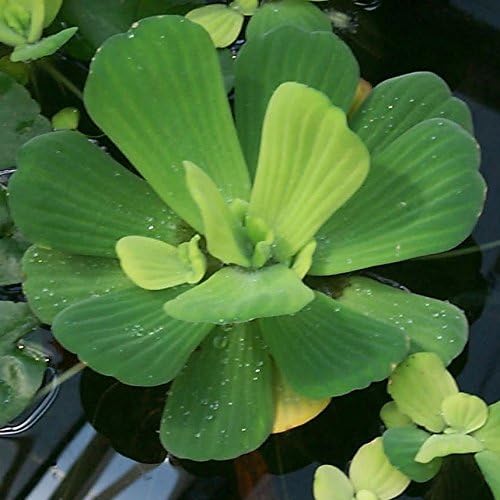
AquaLeaf Aquatics Water Lettuce (live floating pond plant)
| Indoor Outdoor Usage | Indoor |
|---|---|
| Sunlight Exposure | Full Sun |
| Moisture Needs | Moderate Watering |
| Unit Count | 1 Count |
This live water lettuce arrives as a ready‑to‑use floating rosette that quickly forms dense clumps across calm pond surfaces. Typically placed in small ponds or backyard water gardens, it shades the water, gives fish cover, and its dangling roots help absorb excess nutrients to improve water clarity. The plant is tropical by nature so it grows rapidly in full sun and warm conditions and can be treated as an annual or brought indoors to overwinter in colder climates. Practical benefits include easy placement—no planting media needed—fish‑safe, chemical‑free growth, and the ability to reproduce so a single purchase can supply more coverage over the season. Important limitations are that it prefers calm water away from strong currents or waterfalls, it can be eaten by koi if you do not want it grazed, and it may require thinning because of fast growth in high light. Also avoid ordering during extreme temperatures since live plants are sensitive in transit.
Best for: Gardeners on a budget who want an inexpensive, low‑effort way to add shade, natural filtration, and fish shelter to small backyard ponds or water features.
Less Ideal for: Owners of large, fast‑moving water features or pond keepers who need plants resistant to heavy fish grazing should consider sturdier, anchored species instead.
- Provides quick shade and cover for fish and reduces algae by absorbing pond nutrients
- Ready to float with no planting required and reproduces to expand coverage
- Fish safe and chemical free so it can be used with wildlife and pond fish
- Works well in small, calm ponds and water features where it can form dense mats
- Sensitive to extreme temperatures during shipping and needs protection to overwinter in cold climates
- Will perish in strong currents or near waterfalls and needs calm water to thrive
- Koi and some fish species may eat or uproot the plants if left unchecked
Verdict: A fast‑growing, low‑cost floating plant that quickly shades and helps clean small, calm ponds while providing fish shelter.
CZ Grain Live Pink Lotus Plant Start (1 Count)

| Expected Blooming Period | Summer to Winter |
|---|---|
| Sunlight Exposure | Full Sun |
| USDA Hardiness Zone | Zones 4,5,6,7 and 8 |
| Soil Type | Loam Soil |
| Moisture Needs | Moderate Watering |
These are live rooted lotus starts sold as individual young plants for use in ponds, water gardens, or suitably large containers. You plant the start in an aquatic growing medium, keep it in dechlorinated water, and place it in full sun; with warm conditions and proper care the foliage and flower stalks will rise above the water and produce pink blooms from summer into winter in favorable climates. The listing notes heirloom material and recommends loam soil and moderate moisture, and the plants arrive established so you skip the seed stage. Expect variation in leaf size and root development since these are not mature specimens, and growth will slow or go dormant in cooler conditions. This is a straightforward option for adding a dramatic focal plant to a container water garden, but it requires sufficient sunlight, warm temperatures, and an appropriate container depth and planting medium to reach its full ornamental potential.
Best for: Buyers who want a reliable way to establish a showy focal lotus in a container water garden and who prioritize predictable, established plants over starting from seed.
Less Ideal for: Not a good choice for gardeners who cannot provide sustained full sun, warm growing conditions, or a sufficiently large/deep container for aquatic plants.
- Arrives as a live, rooted start so you avoid seed germination time
- Distinctive foliage and pink flowers create a strong focal point in water gardens
- Suitable for ponds and large containers when given full sun and warm conditions
- Heirloom plant material preserves traditional lotus characteristics
- Plant size and root development vary because these are young starts rather than mature flowering plants
- Performance is temperature dependent and may go dormant in cooler seasons
Verdict: A dependable live lotus start that gives container water gardens a fast route to bold foliage and pink blooms when grown in full sun and warm conditions.
Aqualeaf Aquatics Pre-Grown Hardy Water Lily Rhizome (Red)

| Expected Blooming Period | Winter |
|---|---|
| Sunlight Exposure | Full Sun |
| Expected Planting Period | Fall |
| Moisture Needs | Regular Watering |
| Plant or Animal Product Type | water lilies |
This pre-grown hardy water lily rhizome arrives ready to drop into a pond or patio container and is intended to establish quickly when planted correctly. The seller recommends positioning the tuber at a 45 degree angle with the crown exposed, pressing soil around the roots, and placing the pot in 6 to 12 inches of still water away from waterfalls or fountains. As a perennial aquatic plant it oxygenates water and can improve pond water quality while providing seasonal red flowers and floating pads. It is described as a heavy feeder, so regular aquatic fertilizer will help sustained blooms. The product is convenient for gardeners who prefer a nearly instant start rather than growing from seed, but buyers should note it is a tuber not a mature plant with pads and needs proper planting depth and routine feeding. Success depends on following the planting instructions and maintaining still, regularly watered conditions through the growing season.
Best for: Gardeners who want a low-effort way to add a hardy, flowering aquatic plant to a pond or container and value starting from a pre-rooted plant rather than seed.
Less Ideal for: People seeking an immediate, fully grown lily with established pads for instant coverage or those who prefer plants that tolerate flowing water environments.
- Sold pre-rooted for an easier start compared with seed or ungrown tubers
- Suitable for ponds and deck or patio containers with recommended 6 to 12 inch water depth
- Helps oxygenate water and can contribute to improved pond water quality
- Perennial habit lets it overwinter in pond bottoms and return in following seasons
- Arrives as a tuber not a mature plant with pads so initial visual impact is limited
- Requires regular fertilization because it is a heavy feeder
Verdict: If you want an easy-to-establish hardy water lily for a still, shallow pond or container, this pre-rooted rhizome gets you growing quickly with minimal setup.
Aqualeaf Aquatics Common Water Hyacinth (1 count)

| Indoor Outdoor Usage | Outdoor |
|---|---|
| Expected Blooming Period | Summer |
| Sunlight Exposure | High |
| Product Care Instructions | Float in freshwater; full sun to partial shade; remove excess growth regularly |
The Aqualeaf Aquatics common water hyacinth is a single, ready-to-float plant for freshwater ponds and water gardens that rapidly produces broad leaves and purple blooms in summer. You place it directly on the water surface—no substrate needed—and it shades the pond, reduces evaporation, and uptakes nitrates and ammonia to help control algae. Its rapid growth makes it useful for quick surface coverage and creating shelter for fish and invertebrates, but you will need to thin plants regularly to prevent overcrowding and to keep water flow and light balanced. It prefers full sun to partial shade and warm conditions, so it performs best in summer and in temperate to warm climates. Note that this species is regulated or banned in several U.S. states because it can become invasive in open waterways, so check local restrictions before using it in outdoor ponds. For small ponds and controlled water gardens it provides low-effort filtration and fast visual impact when managed properly.
Best for: Buyers who want a low-effort, fast-acting floating plant to improve water quality and provide shade in small, managed ponds or water gardens.
Less Ideal for: People with open natural waterways, large unmanaged ponds, or those in states where this species is restricted should avoid this plant and choose sterile or noninvasive alternatives.
- Provides natural filtration by absorbing excess nutrients
- Fast surface coverage for shade and shelter
- No planting or substrate required so setup is immediate
- Low maintenance once established if regularly thinned
- Very fast growth requires frequent removal to avoid overcrowding and reduced water circulation
- Restricted or prohibited in multiple U.S. states due to invasive risk
Verdict: A fast, low-effort floating plant that quickly improves pond water quality and shade when kept under active management.
Choosing the Right Plants for Container Water Garden: Key Factors to Consider
Light Requirement
Different container water plants have distinct sunlight needs, and matching those to your patio or balcony exposure is essential. Full-sun bloomers produce the best flowers with six or more hours of direct sun, while many marginal species and foliage-focused plants do well in part shade or dappled light.
Poor light matching leads to leggy growth, fewer blooms, or stretched foliage that looks untidy in a small container. Before buying, observe the water garden site for several days to note morning versus afternoon sun and plan plants accordingly so bloom and leaf color are maximized.
Winter Hardiness and Overwintering
Containers expose roots and crowns to colder conditions than in-ground plantings, so winter hardiness is a critical consideration. Some aquatic plants can stay in an unheated container through frost if rated hardy for your zone, while others need lifting into frost-free storage or added insulation around the pot.
Decide whether you will overwinter plants in place, move containers to a protected area, or treat them as annuals. That decision affects which species are practical: choose hardy types for year-round containers or easy-to-divide tender plants if you plan seasonal rotation.
Root Size and Containment
In a container water garden, root volume is limited. Plants with sprawling rhizomes or fast-spreading stolons can quickly fill or escape a pot. Root containment affects how soon you will need to divide or repot and whether plants will compete with each other for space.
Select plants with compact root systems for small containers, or use root barriers and larger baskets for more vigorous species. Understanding typical mature root size helps you plan pot diameter and depth to avoid frequent maintenance.
Water Depth and Planting Position
Different plants have strict preferences for how deep their crowns and roots sit relative to the water surface. True floating plants need only surface cover while marginal plants prefer a planted basket with roots submerged and crowns at the waterline.
Match plant choice to the container depth and consider using graduated planting pockets so each species sits at its optimal depth. Improper depth can stress plants, reduce bloom, and invite rot or algae issues in a confined water body.
Maintenance and Growth Rate
Maintenance demands vary widely: some container water plants are nearly carefree, while others require frequent trimming, division, or deadheading to prevent decay in the water. Growth rate interacts with container size; fast growers may need seasonal divisions to keep plants healthy and attractive.
Think about how much time you will spend on pruning and dividing, and choose species whose upkeep matches your available effort. Low-maintenance foliage plants can provide season-long interest with minimal intervention.
Best Plants for Small Shallow Containers
Shallow containers are ideal for marginal species that prefer their crowns at or just above the waterline. Look for compact emergent plants with tidy clumping habits so they do not overwhelm limited surface area.
These plants are useful for adding texture and vertical interest without requiring deep pots. Pair them with a small floating cover or a few foliage accents to balance the composition.
- Choose plants with short stems and well-behaved clumping roots.
- Use wide, shallow containers to increase surface area while keeping depth modest.
- Place in morning sun to prevent midday heat stress in exposed locations.
Using Tall or Architectural Plants in Deep Containers
If you have a deep container or a large patio urn, you can introduce taller aquatic or marginal specimens to create height and a focal point. These plants need sufficient root volume and stable pots to avoid tipping in wind.
Anchor taller plants with heavy substrate and consider a sheltered location if the plant produces a lot of top growth. Tall plants work well as centerpieces in a mixed container planting.
- Ensure the container has enough weight and width to support height.
- Plant crowns at the correct depth to prevent crown rot.
- Combine with lower companions to hide the pot rim and soften the edges.
Combining Floating and Marginal Plants
Pairing floating cover with marginal border plants gives a natural, layered look while helping shade the water and control algae. Floating plants reduce surface glare and provide shelter for beneficial microfauna.
Be cautious about surface cover density; too much floating foliage can reduce oxygen exchange and limit light for submerged plants. Balance is key to a healthy micro-ecosystem.
- Use floating plants sparingly to maintain open surface and dissolved oxygen.
- Trim excess floating growth regularly to prevent overcrowding.
- Pair contrasting leaf shapes for visual interest.
Container Choice and Planting Techniques
Select containers made for water use or line regular pots with waterproof material. Containers should be stable, resistant to UV and freezing if they remain outdoors, and sized to match the plant's mature root volume.
Use heavy aquatic compost or clay pebbles with a layer of planting medium to anchor roots. Plant in baskets or mesh pots to make seasonal maintenance and division easier without disturbing the entire container.
- Match container depth to each plant's water depth preference.
- Use planting baskets to keep aggressive roots contained.
- Add a layer of gravel or river stones to conceal media and prevent turbidity.
Managing Pests, Algae, and Water Quality
Small container water gardens can develop algae, mosquito problems, or pests if water is stagnant or plant debris accumulates. Regular light maintenance prevents most problems: remove dead foliage, maintain some circulation, and avoid overfeeding with fertilizers.
Consider introducing beneficial invertebrates or very small pump-driven circulation for larger containers. Monitor water clarity and change part of the water if it becomes foul or overly green.
- Skim dead material weekly to reduce nutrient build-up.
- Provide partial shade or floating cover to limit algae in hot sun.
- Inspect plants for snails and aphids and remove pests by hand when practical.
Seasonal Care and Display Ideas
Plan container displays with seasonal interest: foliage contrast in spring, flowers in summer, and attractive seed heads or structure in fall. Moving containers to sheltered spots or grouping them can create microclimates that extend the display season.
Rotate tender plants indoors or treat them as annual accents if you prefer low winter chores. Creative containers, like glazed urns or repurposed tubs, add character while supporting plant health when sized correctly.
- Group containers by sun exposure and watering needs for easier maintenance.
- Use mulch or insulating wraps for winter protection when needed.
- Swap seasonal companions to refresh the display without replanting the aquatic centerpiece.
How We Chose the Best Plants for Container Water Garden
We selected plants based on criteria that matter for small container water gardens where space and water depth are limited. Primary evaluation points included light requirement, because available sun on a patio determines which water plants will flower or simply survive; winter hardiness and cold tolerance, to know whether a container needs winter protection or plant lifting; growth habit and root containment, to ensure aggressive spreaders do not overrun small pots; and maintenance needs, including pruning, deadheading, and how often plants need dividing or repotting. We also considered pest and disease resilience in confined water, and ornamental value across seasons so containers remain attractive beyond peak bloom. Exclusions included plants that require deep natural ponds, species listed as invasive in most regions, and plants that need specialized aquatic systems. The result is a practical shortlist of container-compatible aquatic and marginal plants that balance beauty with manageable care.
FAQ
How deep should a container be for water plants?
Depth depends on the species. Many marginal plants do well in shallow pots 4 to 8 inches deep, while taller or submerged varieties need deeper containers. Measure the mature root and crown depth for each plant and match the container accordingly.
Can I grow aquatic plants on a shaded balcony?
Yes. Choose shade-tolerant or foliage-focused aquatic plants that do not require full sun to flower. Expect fewer blooms in heavy shade, but many marginal and floating species remain healthy and decorative with limited direct sunlight.
How do I prevent mosquitoes in a small water container?
Keep water moving when possible, remove decaying plant material, and maintain a balanced mix of floating cover that supports predators like small invertebrates. In very small, stagnant containers, refresh the water regularly or add a small aerator to deter mosquito breeding.
When should I divide container water plants?
Divide clumping or spreading plants when they become crowded or show reduced vigor, typically every 1 to 3 years. Early spring or late summer are common times to divide, allowing plants to re-establish before extreme heat or cold.
Do aquatic plants need special fertilizer in containers?
Some benefit from periodic aquatic plant fertilizer, especially bloomers. Use fertilizers formulated for water plants and apply sparingly to avoid excess nutrients that fuel algae. Root-feeding slow-release tabs in the planting basket are often effective.
Final Verdict
Choose container water garden plants by matching plant light requirements and winter hardiness to your site and maintenance plans. Prioritize root containment and correct planting depth so plants stay healthy in confined media, and balance floating cover with marginal species to maintain water quality. Accept tradeoffs between showy seasonal bloomers that need more care and low-maintenance foliage plants that offer all-season interest. With the right match of plant habit, container size, and basic seasonal care, you can create an attractive, manageable container water garden that fits your space and effort level.
