

Note: This article contains affiliate links. If you click on these links and make a purchase, I may earn a small commission at no extra cost to you. This helps support my research and content. Read my full affiliate disclosure here.
Choosing the right plants for lattice shapes how quickly the screen fills in, how much maintenance you will face, and whether the planting fits your light and climate. The best climbing and vining plants attach easily to lattice, give reliable coverage, and add seasonal interest without constant pruning. This guide shortlists seven top options that suit common lattice uses: privacy screens, decorative trellises, and patio shading. Each pick was evaluated on how it behaves on a lattice, its growth rate, and the care it demands, so you can pick plants that match your space and time commitment.
Top Picks at a Glance
| Best Overall The best all-around choice for most situations | Plants by Mail Star Jasmine 'Large Leaf' (2.5 Quart) – Evergreen Climbing Vine |  |
| Best Quality Built to a higher standard if you want something more solid | Flora's Market Confederate Jasmine (1 Gallon, 2-Pack) with Planting Kit |  |
| Best Value The sweet spot between price and what you get | SPROUTARAQ Morning Glory Seeds (Dark Red/Dark Purple) |  |
| Best Budget The cheapest option that still gets the job done reliably | TomorrowSeeds Mixed Colors Cypress Vine Seeds (200 Count) |  |
| Highest Rated A top-rated pick with lots of positive feedback | Seeds Of Strength Scented Climbing Jasmine Seeds (5 g) |  |
| Most Popular A crowd favorite that many people choose with confidence | HOME GROWN Heavenly Blue Morning Glory Seeds (150 seeds) |  |
| Best Seller A high-volume bestseller chosen again and again | Perfect Plants Confederate Jasmine Live Plant, 1 Gallon |  |
Plants by Mail Star Jasmine 'Large Leaf' (2.5 Quart) – Evergreen Climbing Vine

| Expected Blooming Period | Spring to Summer |
|---|---|
| Sunlight Exposure | sun to partial shade |
| USDA Hardiness Zone | 9 |
| Moisture Needs | Moderate Watering |
| Soil Type | Loam Soil |
This large-leaf Star Jasmine is a versatile, fast-growing evergreen vine that is typically used on trellises, arbors, fences, or as a groundcover. It produces clusters of fragrant white, star-shaped flowers in late spring through summer and can be trained to reach tall supports where it will twine and fill in quickly. The plant prefers full sun but tolerates partial shade and benefits from regular watering during its first seasons to establish strong roots. Practical features include vigorous twining habit that makes it easy to train on a trellis and glossy leathery leaves that provide year-round greenery. Expect steady vertical coverage and strong fragrance that attracts pollinators. Limitations to consider are its USDA zone preference (best in warmer climates) and the need for routine watering and occasional pruning after flowering to keep it neat and encourage denser growth. For gardeners wanting a reliable, fragrant climber for sunny trellis sites, this jasmine is a straightforward choice.
Best for: Gardeners who want a reliable, fragrant climber to quickly cover a sunny trellis or fence and value year-round evergreen screening with seasonal blooms.
Less Ideal for: Those in consistently cold climates or gardeners seeking a low-water, drought-tolerant climber should consider alternative species better adapted to cooler or xeric conditions.
- Fast-growing twining habit that quickly covers trellises and fences
- Fragrant clusters of white star-shaped flowers in spring and summer
- Evergreen glossy foliage provides year-round screening
- Tolerates full sun to partial shade and attracts pollinators
- Best suited to warmer USDA zones so may not survive cold winters without protection
- Requires regular watering and occasional pruning to maintain shape and vigor
Verdict: Choose this Star Jasmine when you need a fast, fragrant evergreen climber to quickly fill a full-sun trellis and provide seasonal white blooms.
Flora's Market Confederate Jasmine (1 Gallon, 2-Pack) with Planting Kit

| Indoor Outdoor Usage | Outdoor |
|---|---|
| Sunlight Exposure | Full Sun-Partial Shade |
| USDA Hardiness Zone | 7-10 |
| Included Components | Pebbles, Plant Hanger, Saucer |
This Confederate Jasmine arrives as a ready-to-plant 1-gallon vine and is designed for fast training up pergolas, trellises, fences, or as a dense groundcover. Typical use is to train the twining stems onto a support so the plant can quickly cloak structures with glossy evergreen foliage and masses of white, star-shaped, highly fragrant flowers in late spring into early summer. The listing includes a planting kit with premium mix and nursery fertilizer plus a planting guide, which helps establish the plant and speeds early growth. Practical benefits include year-round green screening, strong fragrance that enhances outdoor seating areas, and good drought tolerance once established. Limitations are inherent to young potted vines: you will need to prune and train regularly to direct growth on a pergola and expect several seasons before full coverage; success is best in warmer zones where winter hardiness is assured. The plant favors well-draining soil and produces the most blooms with full sun exposure.
Best for: Gardeners who want a fast-climbing, fragrant evergreen vine to cover pergolas or trellises and value performance and seasonal bloom impact.
Less Ideal for: People seeking instant full coverage or those in cold climates below zone 7 should consider larger established vines or hardier alternatives.
- Fragrant, abundant white blooms that enhance outdoor living spaces
- Evergreen foliage provides year-round screening and visual structure
- Includes planting kit with fertilizer and premium mix to aid establishment
- Performs in full sun to partial shade and is drought tolerant once established
- Young 1-gallon plants require several seasons of training and pruning to fully cover a pergola
- Best flowering and hardiness are limited to USDA zones 7–10
Verdict: Choose this Confederate Jasmine if you want a fragrant, fast-climbing evergreen vine that performs on pergolas and improves quickly with basic training and planting support.
SPROUTARAQ Morning Glory Seeds (Dark Red/Dark Purple)

| Indoor Outdoor Usage | Outdoor |
|---|---|
| Expected Blooming Period | Summer to Fall |
| Sunlight Exposure | Full Sun |
| Expected Planting Period | Spring |
| Moisture Needs | Regular Watering |
These morning glory seeds grow vigorous climbing annuals that suit a whiskey barrel planter where you want fast vertical coverage and bold summer to fall blooms. Sow in spring in a sunny spot and provide a trellis or stake; the plants reach up to about 6–10 feet and quickly fill vertical space while flowering through warm months. The listing highlights full sun preference, regular watering, and sandy, well draining soil which matches typical morning glory needs, and the pack contains multiple seeds for repeated sowing or filling several barrels. Because they are annuals, expect a season of heavy flowering rather than permanent structure, and you will need to manage self-seeding and thinning if you prefer tidier growth. These seeds are presented in a small-count packet, so you may need multiple packets to densely cover larger planters or multiple barrels. For gardeners seeking an inexpensive, fast, flowering climber for container displays, these deliver strong visual impact with straightforward care.
Best for: Buyers who want an inexpensive, fast-blooming climber to quickly add vertical color to a whiskey barrel planter and who prefer easy, low-effort annuals.
Less Ideal for: Gardeners seeking permanent perennial structure or exact control over self-seeding and spread should choose more long-lived or clump-forming plants instead.
- Fast-growing climber ideal for vertical coverage in containers
- Produces abundant summer to fall flowers for strong seasonal impact
- Suitable for full sun locations common for barrel planters
- Annual habit means plants need replanting each year
- Packet unit count is small so multiple packets may be required for larger displays
Verdict: An affordable, fast-growing annual vine that quickly provides bold seasonal color and vertical coverage for whiskey barrel planters.
TomorrowSeeds Mixed Colors Cypress Vine Seeds (200 Count)

| Unit Count | 200 Count |
|---|---|
| Plant or Animal Product Type | Flower |
These mixed cypress vine seeds produce fast-growing climbers with delicate, fern-like foliage and star-shaped red, pink, and white flowers that are well suited to lattices and trellises. Typically sown in full sun into well-drained soil or containers with a support, the vines reach up to about 7 feet and quickly cover vertical structures, giving rapid color and screening for budget-conscious gardeners. The packet size is generous at 200 seeds, so you can plant densely for quick coverage or space seedlings out for longer bloom runs. Notable practical benefits are the plant's attractiveness to hummingbirds and its low-maintenance habit once established. Expect continuous summer into fall blooms in favorable conditions, but be aware these are annual climbers in most climates and will need reseeding or fresh planting each year to maintain coverage. Germination, spacing, and trellis setup affect how uniform the display looks, and results vary with local growing conditions.
Best for: Gardeners who want an inexpensive, fast solution to cover lattices and trellises with colorful, hummingbird-attracting blooms without spending much on plants or infrastructure.
Less Ideal for: People seeking permanent woody vines or year-round coverage should choose perennial climbers instead.
- Large 200-seed packet provides plenty of plants for covering lattices or replacing thin spots
- Fast-growing habit reaches up to 7 feet to quickly cover vertical structures
- Produces nectar-rich, star-shaped blooms that attract hummingbirds
- Suitable for both in-ground and container planting for flexible placement
- Cypress vine is typically annual and must be replanted or reseeded each year
Verdict: Plenty of seeds and a rapid, hummingbird-friendly growth habit make this an excellent budget pick for quickly covering lattices and trellises.
Seeds Of Strength Scented Climbing Jasmine Seeds (5 g)

| Sunlight Exposure | Full Sun |
|---|---|
| USDA Hardiness Zone | 3-9 |
| Expected Blooming Period | Spring to Fall |
| Unit Count | 50 Count |
| Seed Treatment Method | Soak Seeds In Warm Water For 24 Hours Prior |
These Scented Climbing Jasmine seeds are an heirloom, open‑pollinated option for adding a fragrant, evergreen climber to a pergola or trellis. Sow after soaking the seeds for 24 hours in well‑draining sandy soil and place in full to partial sun; seedlings benefit from a trellis or pergola for support as they establish. The packet emphasizes a high germination rate and notes frost tolerance, making it suitable for cooler climates within zones 3–9. You can expect blooms from spring through fall and regular watering without waterlogging will keep plants healthy. Practical benefits include the ability to save true‑to‑type seed, year‑round foliage for screening, and a strong scent that improves outdoor living areas. Limitations are that these are seeds rather than established plants, so they require patience and some seed starting care, and the package does not include detailed size progression beyond an expected mature height, so planning for long‑term support is needed.
Best for: Gardeners who prioritize reliable, hardy plants for vertical structures and are willing to start from seed to get true‑to‑type plants and long‑term dependability.
Less Ideal for: Buyers who need immediate coverage or low‑effort planting solutions should choose established vines or container plants instead.
- Heirloom open‑pollinated seeds allow saving true‑to‑type seed for future seasons
- High germination rate promoted for reliable establishment from seed
- Frost‑tolerant to USDA zones 3–9 so it can survive cooler climates
- Fragrant blooms from spring through fall that enhance pergola and trellis areas
- Sold as seeds only so slower to achieve coverage compared with established plants
- Limited planting detail for size progression and long‑term growth management
Verdict: A dependable heirloom climbing jasmine for pergolas that offers fragrant, frost‑tolerant foliage when you are willing to start plants from seed.
HOME GROWN Heavenly Blue Morning Glory Seeds (150 seeds)

| Number of Pieces | 150 |
|---|---|
| Sunlight Exposure | Full Sun |
| Expected Blooming Period | Spring to Fall |
| Material Features | GMO Free, Heirloom |
| Moisture Needs | Moderate Watering |
These Heavenly Blue Morning Glory seeds are aimed at gardeners who want a fast, showy climber for full-sun trellises and balconies. The packet contains 150 heirloom, non-GMO seeds with a high reported germination rate and moisture- and light-resistant packaging to preserve viability. Planted in spring in loam or well-drained soil and given full sun, the vines grow vigorously to create dense coverage and daily trumpet-shaped blue blooms that open in the morning and fade by evening. The variety attracts pollinators and works well in containers, hanging baskets, or along fences where quick vertical color is needed. The included online grow guide helps with sowing, support setup, and basic care, which is helpful for gardeners who prefer step-by-step instructions. Expect moderate watering needs and routine maintenance like occasional pinching to encourage fuller growth. Note that individual blooms last one day and the plant is an annual in many regions, so continuous color depends on steady flowering rather than long-lived single blooms.
Best for: Gardeners who want a low-effort, fast-covering climber to add bright blue vertical interest to full-sun trellises, balconies, or fences and value clear growing instructions and reliable germination.
Less Ideal for: People seeking long-lived perennial vines or a plant that blooms for weeks on a single flower should consider perennial climbers or shrubs instead.
- High germination rate and sealed packaging to preserve seed viability
- Vigorous, fast-climbing habit that quickly covers trellises and fences
- Large, vivid sky-blue trumpet flowers that attract bees, butterflies, and hummingbirds
- Suitable for containers and small-space vertical gardening
- Heirloom and non-GMO seed variety
- Individual flowers last only a single day so continuous display requires many blooms over the season
- Annual growth habit in many climates means replanting is needed each year
Verdict: A reliable, fast-growing seed choice for gardeners who want vibrant blue, pollinator-friendly vines to quickly cover trellises and other full-sun vertical spaces.
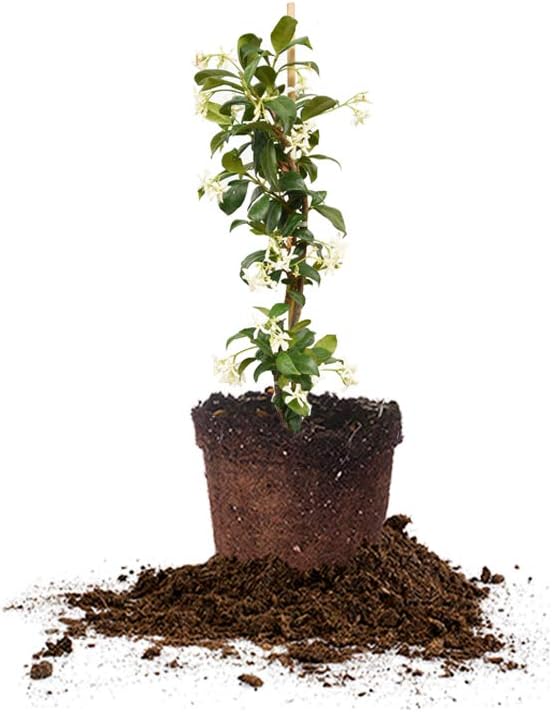
Perfect Plants Confederate Jasmine Live Plant, 1 Gallon
| Indoor Outdoor Usage | Outdoor |
|---|---|
| Other Special Features of the Product | Fragrant |
| Expected Blooming Period | Summer, Spring |
| Sunlight Exposure | Full Sun, Partial Shade |
| USDA Hardiness Zone | 4 |
This 1-gallon Confederate jasmine arrives as a young vine that quickly establishes in sunny spots and rewards with heavily scented, pale pinwheel flowers in spring and summer. Growers typically train it on a trellis, fence, hanging basket with support, or along railings; the vine is noted for cascading lime-green foliage and responds well to light shaping with clips or garden wire. Notable features from the listing include suitability for full sun to partial shade, moderate watering needs, and USDA hardiness to zone 4, which means it can persist in a wide range of climates when planted in appropriate sites. As a live plant it is straightforward to plant in loam-based soils and is described as easy to grow and maintain. Limitations to consider are that this is a young, single-plant offering so it will take time to reach its mature height and spread, and it requires support and periodic pruning to control vigor if used in baskets or confined containers. Also it does not ship to certain states according to the product notes.
Best for: Buyers who want an easy-care, fragrant climbing vine to add scent and cascading foliage to sunny baskets or supported containers and who value proven plant performance backed by customer feedback.
Less Ideal for: Gardeners seeking an instant full basket display or a no-maintenance groundcover should look elsewhere, as this vine needs time, training, and occasional pruning to fill space.
- Fragrant spring and summer blooms that add strong scent to outdoor spaces
- Tolerates full sun to partial shade making placement flexible
- Described as easy to grow which suits novice gardeners
- Hardy to USDA zone 4 so adaptable across many climates
- Sold as a single 1-gallon plant so it needs time and space to reach full coverage
- Requires a trellis or support and pruning to train and control growth
Verdict: A fragrant, easy-to-grow jasmine vine ideal for gardeners who want a proven, sun-tolerant climber to add scent and cascading foliage to hanging baskets and supported containers.
Choosing the Right Plants for Lattice: Key Factors to Consider
Climbing Method and Attachment
How a plant climbs affects whether it will stay attached to lattice or need training. Some vines use tendrils or twining stems that naturally grip slats, while others rely on aerial roots or adhesive pads. Plants that cling on their own reduce the amount of tying and support hardware you will need.
If a plant is a loose twiner it may require periodic tying to keep it on the lattice, and heavy-flowering varieties may pull away under bloom weight. Consider the lattice material and spacing too: dense slats are easier for self-clinging plants to use, while wide gaps favor twining stems that can wrap around supports.
Growth Rate and Coverage Speed
The pace at which a plant grows determines how long you wait for privacy or shade. Fast-growing climbers can cover lattice in a single season under ideal conditions, while slower species may take several seasons to build a full screen. Rapid cover is desirable for quick privacy but often means more pruning and higher nutrient needs.
Balance the desire for quick coverage with available maintenance time. If you want instant screening but low upkeep, plan to combine faster annual or perennial climbers with slower evergreen or woody species to fill gaps over time.
Light and Soil Requirements
Matching a plant to the light exposure and soil at the lattice site prevents poor performance. Some lattice locations are full sun, others are deep shade or dappled light against a north-facing wall. Soil moisture and fertility matter too: shallow, dry soils favor drought-tolerant climbers, while rich, moist soils encourage vigorous flowering but may require more management.
Check a plant's preferred exposure and adapt planting choices or micro-site conditions. Where light is limited, prioritize shade-tolerant vines that still produce foliage interest; in hot, sunny spots choose species that resist scorching and drought stress.
Structural Weight and Support Needs
Mature vines can become heavy, especially when woody or when they bear fruit and flowers. Lattice must be sturdy enough to carry the mature weight without sagging or collapsing. Lightweight plants like herbaceous vines impose little load, while woody climbers need stronger framing and secure fixings.
Consider also wind exposure. In windy sites a heavy, flexible plant can act as a sail and damage lattice. Plan for anchoring points, adequate posts, and occasional structural inspection when using larger climbers.
Maintenance and Pruning Frequency
Different climbers demand different levels of pruning, training, and seasonal cleanup. Some species need annual hard pruning to control size and encourage blooms, while others require only light shaping. Maintenance time influences plant choice when lattice is installed near living spaces where overgrowth would be inconvenient.
Think about accessibility to the lattice for trimming, whether you can reach the entire plant safely, and whether seasonal debris like dropped leaves or spent flowers will be a nuisance in nearby patios or paths. Low-effort options are better for hands-off gardeners, while high-maintenance choices suit those seeking dramatic blooms or dense screening.
Pest, Disease Resistance, and Longevity
Climbers that are prone to common pests or diseases can turn a lattice into an ongoing management task. Choose plants with known resilience in your region to avoid repeated treatments and replacements. Longevity is another factor: some climbing perennials will persist and thicken over many years, improving coverage with age, while annual or short-lived perennials require replanting.
Also consider nearby plantings: avoid species that host pests or diseases that could spread to adjacent shrubs or vegetables. Durable, long-lived climbers often deliver better long-term value despite slower early growth.
Best Climbers for Quick Privacy and Screening
When immediate privacy is the priority, choose vigorous, fast-climbing species that establish dense foliage in one to two seasons. These are excellent for blocking views on fences, balconies, or temporary lattice installations and are often used to hide unsightly structures while a slower-growing specimen matures.
Fast growers require monitoring early on to keep them on the lattice and prevent them from overtaking nearby plants. Plan to train new shoots and provide regular pruning to maintain the desired shape and coverage.
- Ideal where rapid screening is needed
- Requires early-season training and more frequent pruning
- Good option to pair with longer-lived climbers for staged coverage
Long-Lived Woody Climbers for Permanent Structures
Woody vines establish a thick framework over years and can become a permanent feature on sturdy lattice or trellis systems. They typically offer year-round structure and can support heavier blooms and fruits once established.
Because they gain girth and weight with age, woody climbers need a robust lattice and occasional structural checks. They reward patience with longevity, improved screening, and stronger attachment to supports.
- Best for durable, long-term coverage
- Requires a strong support frame and occasional heavy pruning
- Adds permanence and character to garden structures
Flowering Climbers to Add Seasonal Interest
If you want color and scent in addition to coverage, select climbers known for reliable blooms. Flowering species can turn a plain lattice into a focal point during their peak season and provide visual variety across the year if mixed with evergreen foliage.
Consider bloom timing so you do not end up with simultaneous heavy flowering that overloads the lattice. Staggered bloom times or combining foliage-focused climbers with bloomers gives continuous appeal without too much structural stress.
- Enhances visual appeal and fragrance
- Plan for the bloom season and associated care
- Combine with foliage plants for all-season interest
Low-Maintenance Options for Busy Gardeners
Not every lattice needs a high-care specimen. Several climbers establish and require minimal upkeep beyond an annual tidy. These are suitable for renters, busy homeowners, or sites where easy maintenance is essential.
Low-maintenance choices typically have moderate growth rates, good pest resistance, and a predictable habit that does not need constant retraining. They are ideal for decorative lattice panels, patio privacy, or low-intervention screens.
- Requires little pruning or training
- Durable and pest-resistant selections
- Perfect for low-intervention landscapes
Training and Seasonal Care Tips
Initial training is crucial: secure new shoots to the lattice using soft ties and guide growth along intended paths. Start ties loosely and adjust as stems thicken. For twining vines, rotate stems so they wrap around supports naturally.
Prune to control size after the primary growth period, removing dead or crossing stems and thinning to allow air circulation. For flowering climbers, learn whether they bloom on old or new wood to avoid cutting off next season's flowers. Mulch and targeted feeding during the growing season support healthy coverage without excess vigor that can overwhelm the lattice.
- Use soft ties and adjust as stems grow
- Prune after flowering when appropriate
- Mulch and feed to maintain steady, healthy growth
Combining Climbers with Companion Planting
Companion plants at the base of lattice climbers can soften the transition from ground to vertical growth, hide stems, and add layered interest. Choose lower-growing perennials or shrubs that match the climber's cultural needs to avoid competition for water and nutrients.
Consider root space and watering regimes. Deep-rooted companions can coexist with climbers that prefer consistent moisture, while drought-tolerant groundcovers pair well with sun-loving vines that tolerate drier conditions.
- Use companions that share light and water preferences
- Plant to conceal base stems and add textural contrast
- Avoid heavy feeders under fast-growing climbers
How We Chose the Best Plants for Lattice
We shortlisted plants based on traits gardeners care about when using lattice supports. Primary evaluation criteria included growth habit and attachment, which determines how readily a plant will climb and cling to lattice materials. We assessed hardiness and site tolerance to ensure plants survive where they are commonly planted. Flowering and seasonal interest were weighted to prioritize plants that provide more than just green coverage. Maintenance needs, including pruning frequency and training, were evaluated because lattice installations often aim to limit ongoing work. Finally, pest and disease resilience was considered to reduce the chance of repeated interventions. We excluded plants that require specialized structures rather than standard lattice, species that are invasive in many regions, and varieties that need aggressive pruning regimes unsuitable for casual gardeners. The result is a practical shortlist of plants that will reliably use lattice as a support, perform across typical garden exposures, and offer a balance of coverage, visual appeal, and manageable care. These editorial filters align with the scoring criteria used to rate each option on the final list.
FAQ
How soon will a lattice be fully covered after planting climbers?
Coverage can vary widely. Fast-growing species may fill a lattice within a single season in ideal conditions, while slower, woody climbers can take several years. Growth rate depends on light, soil, and water, so plan expectations around the plant's typical habit.
Can I use a lattice against a wall without damaging the siding?
A freestanding lattice or a lattice with air gap between it and the wall reduces moisture and prevents direct contact that can trap dampness. Ensure fasteners are appropriate for the wall material and allow good airflow to avoid trapping moisture against siding.
What if a chosen climber spreads beyond the lattice area?
Regular pruning and timely training keep growth in bounds. If a species shows invasive tendencies in your region, choose an alternative or install root barriers and strict maintenance routines to prevent unwanted spread.
Do climbing plants damage the lattice over time?
Plants themselves do not usually damage properly constructed lattice, but heavy woody vines can strain weak supports. Inspect the structure periodically, reinforce attachments, and remove overly thick stems that could pry boards apart.
How often should I prune lattice climbers?
Pruning frequency depends on species and desired form. Many climbers benefit from an annual prune to control size and encourage flowering, while some require light shaping several times during the growing season. Follow the plant's flowering habit to time cuts effectively.
Are there good choices for shady lattice locations?
Yes. Several shade-tolerant climbers provide attractive foliage and some bloom in low light. For deep shade, prioritize plants that naturally perform well under trees or against north-facing walls and avoid sun-loving varieties that will struggle.
Final Verdict
Choosing plants for lattice is about matching growth habit, maintenance, and site conditions. Prioritize how a plant attaches and how quickly it will cover the structure, and balance that against pruning time, structural support, and seasonal interest. For quick screening choose vigorous climbers and be ready to train them; for low-maintenance or permanent installations select slower-growing or woody species with good resilience. With the right match you can create attractive, functional vertical plantings that suit your light, space, and maintenance preferences.
