

Note: This article contains affiliate links. If you click on these links and make a purchase, I may earn a small commission at no extra cost to you. This helps support my research and content. Read my full affiliate disclosure here.
If you are building a paludarium, picking the right plants shapes how the habitat looks and how well it functions. Plants for paludarium need to cope with consistently high humidity, fluctuating water levels at the land-water interface, and the often limited light typical of enclosed displays. This guide covers seven shortlisted species that work especially well in paludarium setups. We explain practical care traits, placement options, and the evaluation criteria used so you can match plants to the structure, substrate, and lighting of your enclosure. Read on for plant-specific needs and placement tips that help the whole system stay stable and attractive.
Top Picks at a Glance
| Best Overall The best all-around choice for most situations | Marcus Fish Tanks Anubias Nana Petite live aquarium plant (potted) | 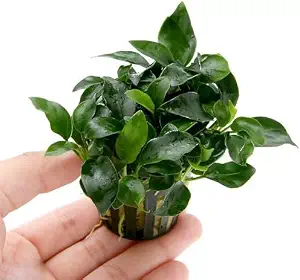 |
| Best Quality Built to a higher standard if you want something more solid | Aquarium Plants Factory Bucephalandra Pack (Grower's Choice, 6 Count) |  |
| Best Value The sweet spot between price and what you get | Aquarium Plant Center Salvinia Minima (Water Spangles) Live Floating Aquarium Plants – 6 Plants (30+ Leaves) |  |
| Best Budget The cheapest option that still gets the job done reliably | Greenpro Live Java Moss (cup portion) |  |
| Highest Rated A top-rated pick with lots of positive feedback | Canton Aquatics Paludarium/Riparium Live Plant Bundle |  |
| Most Popular A crowd favorite that many people choose with confidence | LUCKYRUNES Live Moss 4-Pack for Terrariums and Floral Decor |  |
| Best Seller A high-volume bestseller chosen again and again | Water Plants Echinodorus bleheri (Amazon Sword) — 3 live aquarium plants |  |
Marcus Fish Tanks Anubias Nana Petite live aquarium plant (potted)

| Indoor Outdoor Usage | Indoor |
|---|---|
| Expected Blooming Period | Winter |
| Expected Planting Period | Winter |
| Moisture Needs | Moderate Watering |
| Material Features | Organic |
This is a single potted Anubias nana petite sold as a live aquarium plant suitable for low-light, humidity-friendly setups like paludariums. It arrives with multiple small leaves on a compact plantlet that can be attached to rock or driftwood or left potted in a shallow substrate. Anubias is slow-growing and hardy, so it is commonly used to create foreground or midground clumps without demanding much light or frequent trimming. The listing notes moderate watering and indoor winter planting and gives guidance about avoiding shipment in freezing temperatures. Practical benefits include easy establishment, low maintenance, and suitability for humid paludarium margins where roots stay moist but not waterlogged. Limitations are that you receive one small specimen (20 to 30 leaves at time of listing may vary) so building a fuller display requires multiple purchases or time for propagation, and live-arrival sensitivity to extreme temperatures during transit can affect success if conditions are poor. Care is straightforward but patience is required for visible spread.
Best for: Buyers who want a low-maintenance, attractive foreground or midground plant for a paludarium and prefer a hardy species that establishes easily and grows slowly.
Less Ideal for: People seeking instant dense planting or large decorative plants in a single purchase should consider larger specimens or multiple pots rather than this single petite plant.
- Hardy, low-light plant well suited to humid paludarium conditions
- Arrives potted and ready to place on rock, wood, or shallow substrate
- Low maintenance once established with moderate watering needs
- Organic material features and small size make it easy to integrate into planted layouts
- Single plant count means achieving dense coverage requires buying multiple units or waiting to propagate
- Live plants can be vulnerable to extreme transit temperatures which may affect arrival health
Verdict: A reliable, low-maintenance Anubias nana petite that is perfect for adding hardy foreground or midground greenery to a paludarium.
Aquarium Plants Factory Bucephalandra Pack (Grower's Choice, 6 Count)

| Unit Count | 6 Count |
|---|---|
| Sunlight Exposure | Partial Shade |
| Other Special Features of the Product | Disease Resistant |
This Bucephalandra pack delivers six live, slow‑growing rosette plants chosen by the grower for healthy appearance and variety. It is intended for aquascaping small freshwater setups, nano tanks, shrimp tanks, bettas, and paludarium displays where low‑light, humidity‑stable plants are preferred. Plants arrive bare‑root, bunched, or potted depending on availability and are best attached by their rhizomes to driftwood, rock, or décor rather than buried in substrate. Notable features are disease resistance and suitability for partial shade conditions, which makes these plants low‑maintenance once established. The random assortment gives visual variety but means you cannot request specific species. For paludarium use the plants’ tolerance for humid, semi‑emergent conditions and slow growth make them good for layered layouts and long‑term low‑light planting, though establishment can be slow compared with faster stem plants. Expect to spend some time positioning and attaching rhizomes during setup, but once anchored these Bucephalandra provide durable foreground and midground coverage.
Best for: Buyers who prioritize a reliable, low‑maintenance foreground/midground plant for paludariums or small freshwater tanks and want healthy specimens selected by growers rather than choosing exact species.
Less Ideal for: People who need specific Bucephalandra species or uniform appearance across multiple orders or who require fast‑growing plants to quickly fill open substrate.
- Hand‑selected healthy specimens suitable for aquascaping and paludarium displays
- Disease resistant and tolerant of partial shade, reducing maintenance needs
- Rhizome‑based growth that anchors well to wood or rock for stable layouts
- Includes six plants for immediate multi‑plant coverage in small setups
- Species are random and not labeled so you cannot choose specific varieties
Verdict: A convenient six‑plant assortment of hardy, low‑light Bucephalandra that anchors well to décor and fits paludariums and small freshwater assemblies seeking durable, low‑maintenance greenery.
Aquarium Plant Center Salvinia Minima (Water Spangles) Live Floating Aquarium Plants – 6 Plants (30+ Leaves)

| Indoor Outdoor Usage | Indoor |
|---|---|
| Other Special Features of the Product | Easy Care, Fast Growing, Low Maintenance, Natural Surface Cover, Provides Shade and Shelter |
| Sunlight Exposure | Partial Shade |
| Material Features | Organic |
These Salvinia Minima plants arrive as small, velvety floating mats that are placed directly on the water surface to create instant surface cover in a paludarium or aquarium. They do not need substrate or CO2 so setup is straightforward: drop them on the water, provide moderate to high light and gentle surface flow, and trim excess growth as needed. The plants grow quickly under suitable conditions and their root-like filaments offer hiding spots for shrimp and fry while shading lower plants. Because they are shipped from established tanks, small amounts of algae or harmless hitchhikers can occur, and some root loss during transit is possible but usually recovers. Important practical limitations are that Salvinia spreads rapidly and will need regular thinning to keep light for plants below, and they prefer partial shade and moderate temperatures so they are unsuitable for very hot or cold setups. For a paludarium this pack provides an easy, effective way to add floating cover and microhabitat without complex care.
Best for: Practical paludarium keepers who want an easy, low-effort floating plant to provide shade and habitat without changing tank substrate or adding CO2.
Less Ideal for: People building high-light or desert-style paludariums or those who prefer plants that stay rooted and do not require frequent surface maintenance.
- Ready-to-use floating plants that require no substrate or CO2
- Fast growth creates natural surface cover and shade for lower plants
- Provides hiding places for shrimp, fry, and small aquatic creatures
- Low maintenance under moderate lighting and gentle water flow
- Can spread quickly and requires regular trimming or removal to prevent surface overcrowding
- Sensitive to extreme shipping temperatures and may show temporary root loss on arrival
Verdict: An easy, fast-growing floating plant that adds immediate surface cover and shelter to paludariums with minimal ongoing effort.
Greenpro Live Java Moss (cup portion)

| Unit Count | 1 Count |
|---|---|
| Indoor Outdoor Usage | Indoor |
| Plant or Animal Product Type | java |
This Greenpro Java moss arrives as a small cup portion of Vesicularia dubyana intended for easy planting in aquariums or humid terrariums. It is typically rinsed, then tied or glued onto driftwood, rocks, or background surfaces to form a dense carpet or clump where snails can graze and hide. The listing emphasizes that it is real Java moss, inspected and packed to stay fresh, and notes compatibility with nano tanks, shrimp tanks, bettas, and reptile or snail enclosures. Practical benefits include simple setup, suitability for low-tech tanks, and steady growth under modest care, making it useful for creating natural cover and biofilm that benefits snails. Limitations are that you receive a single small portion so larger projects require multiple cups, and growth speed and appearance depend on tank conditions rather than any enhanced performance from the product itself. Buyers should expect basic live plant care such as gentle rinsing and attachment until the moss secures itself.
Best for: A budget-minded hobbyist setting up a snail terrarium or small aquarium who wants an easy, low-maintenance live plant to provide grazing surface and cover without complex care.
Less Ideal for: Someone who needs large quantities of moss for instant full-coverage landscaping or who expects rapid, guaranteed dense carpeting from a single cup portion.
- Ready-to-grow live Java moss suitable for aquariums and terrariums
- Can be attached to rocks, driftwood, or used to form a moss carpet
- Suitable for small tanks and enclosures like nano tanks, shrimp tanks, and snail terrariums
- Sold as a single small cup portion so multiple portions are needed for larger setups
- Growth and appearance depend on your tank conditions and care
Verdict: A cheap, low-effort way to add authentic Java moss to a snail terrarium or small tank when you only need a small starter portion.
Canton Aquatics Paludarium/Riparium Live Plant Bundle

| Ships quantity | 3 plants (varies) |
|---|---|
| Care level | Beginner |
| Light tolerance | Low to high |
| Temperature range | Tropical |
This live plant bundle delivers three greenhouse-grown aquatic plants chosen by the seller to serve as mid-ground or centerpiece specimens in paludariums and ripariums. Plants arrive packaged with insulated materials and temperature protection, which helps ensure healthy transit for buyers who prioritize consistent arrivals. The selection is aimed at easy care, thriving across low to high light and within tropical temperature ranges without requiring CO2 injection, so it fits into both beginner and experienced setups. Typical use is planting the specimens into substrate or attaching them to hardscape where they can fill center areas or create a natural transition between water and land. Practical benefits include reduced planning time since the seller picks complementary plants and lower maintenance thanks to tolerant growth requirements. Limitations are that you cannot choose specific species in the bundle and quantities vary, so exact plant types and sizes are unpredictable for collectors who need particular specimens.
Best for: Buyers who want reliable, low-maintenance live plants for a paludarium centerpiece and prefer the convenience of a preselected bundle that arrives ready to plant.
Less Ideal for: Collectors seeking specific rare species or exact specimen sizes or hobbyists who require detailed plant provenance for breeding or display.
- Greenhouse-grown and inspected before shipping to improve survival on arrival
- Packaged with insulated materials and heat/cold packs when needed for transit protection
- Easy-care plants that tolerate low to high light and do not require CO2 injection
- Sized and selected for mid-ground or centerpiece placement in paludariums and ripariums
- Buyer cannot choose exact species or sizes because plants are selected by the seller
- Quantity and specific plant types vary between bundles
Verdict: A hassle-free, greenhouse-grown plant bundle that reliably supplies easy-care centerpiece plants for paludariums.
LUCKYRUNES Live Moss 4-Pack for Terrariums and Floral Decor

| Indoor Outdoor Usage | Indoor |
|---|---|
| Sunlight Exposure | Full Shade; Indirect Light |
| USDA Hardiness Zone | 3 to 9 |
| Moisture Needs | Moderate to High |
| Unit Count | 4 Count |
This LUCKYRUNES live moss 4-pack supplies four different small sheets of real moss intended for closed terrariums and other indoor plant displays. Each piece arrives compressed or dry at times but revives easily when misted and placed in a shaded, humid environment, making it suitable for closed containers where steady moisture and indirect light are maintained. The pack is marketed as mixed varieties commonly used as top dressing for bonsai, fairy gardens, orchid pots, and closed terraria, and the moss is untreated and dye-free so it integrates naturally with live plantings. Practical benefits include simple upkeep for beginners, instant natural texture without potting or propagation, and compatibility with reptile or amphibian display accents when used decoratively. Important limitations are that the moss needs moderate to high humidity and regular misting to stay healthy in a closed terrarium, and it is sold as decorative living material rather than a complete substrate or pet bedding replacement.
Best for: Buyers who want low-effort, natural greenery to finish a closed terrarium or miniature indoor scene and prefer plants that revive quickly with simple misting and humidity management.
Less Ideal for: People who want a maintenance-free decorative that tolerates drying out completely or those needing a full substrate solution for planting rather than top-dressing.
- Real living moss with no dyes or preservatives for a natural look
- Works well in closed terrariums and other high-humidity indoor displays
- Easy to revive after shipping by misting and providing shade
- Variety pack offers mixed textures suitable for miniature landscapes and floral arranging
- Requires consistent moderate to high humidity and occasional misting to stay healthy
- Sold as decorative pieces only and not a substitute for complete substrate or pet bedding
Verdict: A ready-to-use, dye-free mixed moss pack that makes closed terrariums and miniature landscapes look natural with minimal beginner-friendly care.
Water Plants Echinodorus bleheri (Amazon Sword) — 3 live aquarium plants

| Indoor Outdoor Usage | Indoor |
|---|---|
| Sunlight Exposure | Partial Shade |
| USDA Hardiness Zone | 3 |
| Moisture Needs | Moderate Watering |
| Unit Count | 3 Count |
These Amazon Sword (Echinodorus bleheri) plants arrive as three hardy, natural rosettes intended for indoor aquariums or small planted ponds. They are typically planted in substrate at the tank or pond bottom where they form broad, upright leaves that can reach about 20 to 50 cm tall, providing a strong midground or background focal point and shelter for fish. The plants tolerate moderate lighting and will grow even in lower light by stretching toward available light, so they are forgiving in mixed light setups. They prefer sandy soil and moderate moisture, and benefit from a nutrient-rich substrate or occasional root tab to keep growth full and green. You will need to prune older leaves periodically to prevent them shading smaller plants beneath. These are straightforward to establish but are not bonsai-style foreground plants and will eventually need space to spread, so plan planting spots accordingly.
Best for: Buyers who want a reliable, low-fuss midground or background plant for a planted pond or aquarium and prefer plants that establish quickly and tolerate variable lighting.
Less Ideal for: Not a good choice for people who need small foreground plants for tight layouts or those who want a floating plant that requires no substrate.
- Hardy and tolerant of lower light, suitable for beginners
- Arrives as three established plants for quicker aquarium/pond impact
- Forms tall, attractive rosettes that provide cover and a background focal point
- Benefits noticeably from nutrient-rich substrate or root feeding
- Can grow large and shade smaller plants if not regularly pruned
- Requires substrate planting and root nutrients to thrive rather than floating use
Verdict: A tough, easy-to-grow midground/background plant that quickly fills space and tolerates lower light, making it a smart pick for balanced pond or aquarium setups.
Choosing the Right Plants for Paludarium: Key Factors to Consider
Humidity Tolerance and Leaf Structure
High, consistent humidity defines paludarium interiors. Plants with waxy leaves or glossy cuticles often shed excess moisture without rot, while thin-leaved species can tolerate damp air if airflow is adequate.
Consider leaf texture and thickness when choosing species. Succulent-like leaves resist constant moisture but may need brighter light, while delicate foliage can thrive under filtered light if you control standing water and avoid prolonged saturation of crowns.
Root Zone Flexibility
Paludaria combine terrestrial and aquatic elements, so plants that handle both saturated substrate and well-drained pockets are invaluable. Species that grow as marginal plants or as emersed forms adapt to changing water levels and can be positioned at the land-water transition to stabilize banks.
Look for plants that accept potting mix, gravel, and hardscape anchoring. Those that send roots into shallow water can help filter nutrients and limit algae growth, while others that require strictly dry feet should be kept above the waterline.
Light Requirements and Placement
Most paludaria receive filtered or artificial light rather than direct sun. Choose plants whose light needs match your enclosure: low-light species for shaded background areas, moderate-light plants for midground features closer to fixtures, and higher-light options only where you can provide stronger, focused lighting.
Planning placement by canopy position helps maintain plant health. Taller, light-needing specimens belong near top or front-lit zones; smaller, shade-tolerant groundcovers fill lower shelves and crevices.
Size, Growth Rate, and Habit
Confined spaces magnify the impact of fast growers. Pick species with manageable mature size, predictable clumping, or trailing habits that can be pruned without stressing the ecosystem.
Consider growth habit relative to hardscape: runners and stolons are useful for covering substrate, upright clumps make good vertical accents, and epiphytes can occupy rock faces or wood without competing for soil volume.
Resistance to Rot and Common Pests
Constant humidity raises the risk of fungal issues and rot at crowns and roots. Choose species with a history of resilience in humid displays and avoid plants that develop crown rot easily when their crowns stay wet.
Also consider susceptibility to common enclosure pests like springtails, fungus gnats, or scale. Plants that tolerate a bit of pest pressure or that can be quarantined and treated without collapsing are easier to manage long-term.
Compatibility with Fauna and Water Quality
Many paludaria house amphibians or aquatic invertebrates, so plant choices should support good water quality and safe habitat. Plants that uptake nutrients quickly can reduce algae and lower maintenance, while others can provide important cover and microhabitats.
Avoid species treated with systemic chemicals before planting. Balance fast nutrient uptake with long-term stability so plants do not crash and release nutrients that encourage algal blooms.
Best Placement Strategies Inside a Paludarium
Successful plant placement balances moisture needs and light gradients. Use higher positions and well-draining pockets for species that dislike saturated roots, and reserve the waterline and marginal substrate for wet-tolerant plants.
- Place epiphytes and air plants on driftwood or rock faces above the waterline.
- Group low-light groundcovers in shaded lower zones to prevent etiolation.
- Position fast-growing bankers where occasional pruning is easy to access.
Substrate Layers and Planting Techniques
Create distinct substrate zones: a saturated lower layer near the water, a capillary-active planting medium, and a drier top for terrestrial plants. Barrier layers can protect crowns from standing water while allowing roots to access moisture below.
- Use a substrate mix with coarse drainage near hardscape and finer media in planting pockets.
- Anchor epiphytes with fishing line or natural twine until roots establish.
Lighting Setup for Diverse Plant Needs
Aim for a lighting plan that creates vertical zones of intensity. Full-spectrum LED fixtures with dimming let you give brighter pockets for high-light specimens without overexposing shade lovers.
- Measure light at planting height with a PAR meter or a lux smartphone app to match plant needs.
- Provide a daily cycle of 8 to 10 hours to mimic natural rhythms and reduce algal growth.
Pruning, Propagation, and Routine Care
Regular pruning prevents overcrowding and keeps airflow moving across leaves. Many paludarium plants propagate from cuttings, so controlled trimming both shapes the display and supplies replacements.
- Isolate new plants for a short quarantine to watch for pests and diseases.
- Trim spent or decaying leaves promptly to reduce detritus in water.
Managing Algae and Water Balance
Plants can help control algae by outcompeting free-floating nuisances for nutrients; balancing plant coverage with light and filtration is key. Avoid overfeeding fauna and watch for sudden nutrient spikes when plants are replaced or removed.
- Introduce marginal and submerged plants in proportion to water volume to help nutrient uptake.
- Perform partial water changes and substrate vacuuming as part of plant maintenance.
How We Chose the Best Plants for Paludarium
We focused on plants that perform reliably inside paludarium environments and that provide complementary visual and ecological roles. Selection prioritized species with known tolerance for sustained humidity, adaptability to saturated or periodically wet substrates, and compatibility with lower to moderate light common in small enclosures. Evaluation criteria included humidity tolerance, root zone flexibility (ability to grow in wet substrate or anchored on hardscape), light requirements, growth habit and size control for enclosed spaces, and contribution to water quality or microhabitat stability like biofilm reduction or shade. We also considered ease of propagation to support long-term maintenance and the likelihood of remaining healthy without heavy pruning. Excluded were plants that require fully aquatic conditions, species known to be invasive when grown wet, and large tropical trees or climbers that quickly outgrow confined setups. The final shortlist balances visual diversity-groundcover, upright foliage, and epiphytes-while favoring plants that are low-maintenance for hobbyists who manage small ecosystems.
FAQ
Can all terrarium plants be used in a paludarium?
Not all terrarium plants are suitable. Many terrarium species prefer consistently dry soil and can rot in high-humidity, water-adjacent conditions. Choose plants labeled or known to tolerate wet feet or high ambient moisture.
How do I prevent root rot in paludarium plants?
Use well-draining planting pockets, avoid burying crowns, and provide some airflow around foliage. Position susceptible species above the waterline and use substrate layers that wick moisture without keeping crowns wet.
Should I pot plants before adding them to the paludarium?
Potting in small, open-bottom pots or in substrate cubes can help control roots and make maintenance easier. Potted plants are simpler to remove for treatment or propagation while still allowing roots to access the enclosure substrate.
How much light do paludarium plants typically need?
Light needs vary by species, but many paludarium plants do well under moderate, filtered light. Measure light where plants will sit and match species to the measured intensity rather than guessing by eye.
Can paludarium plants handle the presence of amphibians or fish?
Many paludarium plants tolerate fauna, but you should avoid species treated with systemic pesticides. Some amphibians may disturb roots, so anchor plants firmly and choose robust species for high-traffic areas.
How often should I replace or propagate plants in a paludarium?
It depends on growth rate and health. Fast growers may need regular trimming and occasional division every season, while slow-growing or clumping plants can remain in place for years if healthy.
Final Verdict
Prioritize plants that match your paludarium's moisture regime, light availability, and the enclosure's size. Focus on species with flexible root habits, controlled growth forms, and resistance to rot so the planting remains stable and attractive. Balance visual variety with maintainability: use a mix of epiphytes, marginal plants, and compact groundcovers to create depth while keeping pruning and pest management straightforward. With careful placement and routine care you can build a resilient, low-stress paludarium planting scheme.
