

Note: This article contains affiliate links. If you click on these links and make a purchase, I may earn a small commission at no extra cost to you. This helps support my research and content. Read my full affiliate disclosure here.
Spring pots transform a porch, balcony, or patio quickly, but the wrong plants can flop, scorch, or demand constant fussing. Choosing container-ready species affects how long blooms last, how often you water and deadhead, and whether plants survive early heat or late cool snaps. This guide shortlists seven top options suited specifically for spring pots and focuses on traits that matter in real outdoor containers: sun tolerance, bloom longevity, and ease of care. Read on for practical notes that will help you pick plants that perform in pots and keep containers looking good through the season.
Top Picks at a Glance
| Best Overall The best all-around choice for most situations | Tended Bloom 40 Large Flowering Crocus Bulb Mix |  |
| Best Quality Built to a higher standard if you want something more solid | CZ Grain Lenten Rose (Hellebore) Mixed-Color Live Plant Plugs, 5-Pack |  |
| Best Value The sweet spot between price and what you get | CZ Grain Mixed Crocus Bulbs (10-Pack) |  |
| Best Budget The cheapest option that still gets the job done reliably | SVI Kings Seeds Pansy Winter Flowering Mixed — 100 Seeds |  |
| Highest Rated A top-rated pick with lots of positive feedback | CZ Grain Blue Moon Crocus Bulbs (Top Size) |  |
| Most Popular A crowd favorite that many people choose with confidence | Hands DIY Oxalis Triangularis Bulbs (10 Count) |  |
| Best Seller A high-volume bestseller chosen again and again | Hirt's Gardens Blue Moon Mix Crocus Bulbs (20 bulbs) |  |
Tended Bloom 40 Large Flowering Crocus Bulb Mix

| Unit Count | 40 Count |
|---|---|
| Expected Blooming Period | Spring |
| Sunlight Exposure | Full Sun |
| USDA Hardiness Zone | 3,4,5,6,7,8 |
These Tended Bloom crocus bulbs are a straightforward way to add early spring color to pots and small containers. The package contains 40 top-size bulbs intended to produce compact 5-inch stems with large cup-shaped blooms in mixed colors. They are designed for fall planting in well-drained loam, need moderate watering, and perform in USDA zones 3–8. Notable features include a planting guide in each pack, non-GMO bulbs, and deer resistance with pollinator-friendly flowers. In practice they are simple to plant 2–4 inches deep and 1–2 inches apart in pots or shallow beds, then left to naturalize year to year if foliage is allowed to mature. Expect reliable early-season displays that work well alongside other perennial or container spring bulbs. Limitations are that crocuses are low-growing (about 5 inches) so they are best for front-of-pot placement or paired with taller companions, and they need a cool dormancy period so indoor forcing or very warm winter climates may reduce performance.
Best for: Gardeners who want dependable, early-season color in pots and small containers and prefer low-effort bulbs that naturalize over time.
Less Ideal for: Those seeking tall, showy single-season cut-flower producers or gardeners in very mild-winter regions who cannot provide necessary chilling for spring bloom.
- Large, top-size bulbs intended to produce bigger blooms than typical small crocus corms
- Contains 40 bulbs, enough to fill multiple containers or naturalize a small area
- Planting guide included for straightforward fall planting depth and spacing
- Suitable for a wide range of climates (USDA Zones 3–8) so reliable across many regions
- Short mature height around 5 inches limits use to front-of-pot displays or low beds
- Performance depends on proper winter chill and well-drained soil so may underperform in very warm or waterlogged sites
Verdict: A compact, reliable option for gardeners who want fuss-free early-spring color in pots and small container plantings.
CZ Grain Lenten Rose (Hellebore) Mixed-Color Live Plant Plugs, 5-Pack

| Expected Blooming Period | Summer to Winter |
|---|---|
| Sunlight Exposure | Full Sun |
| USDA Hardiness Zone | Zones 3 4,5,6,7 and 8 9 10 |
| Soil Type | Loam Soil |
| Moisture Needs | Moderate Watering |
These CZ Grain Lenten Rose plugs deliver early-season color for shaded pots and borders by producing distinctive hellebore flowers in mixed shades of pink, purple, white, green and burgundy. Sold as five live plugs, they are intended to be planted into fertile, well-drained soil and kept consistently moist while establishing. Notable features include heirloom material, a long expected bloom window from late winter into summer and compatibility with woodland-style plantings. In practice they work well in partial-shade containers, paired with hostas or ferns for layered texture, and will naturalize into a small clump over time. Limitations to expect are natural variation in flower color and pattern so you will not get specific guaranteed hues, and they prefer consistent moisture without sitting in water so potting mixes must drain well. For spring pots plan on positioning them out of hot afternoon sun and allowing a season to evaluate mature flower colors and performance in your microclimate.
Best for: Gardeners who want dependable early spring color for shaded or partially shaded pots and borders and who prioritize seasonal performance and plant pairing over exact flower color selection.
Less Ideal for: Buyers who need precise, uniform flower colors or who prefer plants that tolerate full, hot sun and dry soil conditions.
- Provides early-season blooms when many perennials are still dormant
- Mixed colors add visual variety and natural interest to containers
- Heirloom plant material suited to shade and woodland-style plantings
- Works well with shade companions like hostas and ferns
- Flower colors and patterns vary naturally so exact shades are not guaranteed
- Requires consistently moist but well-drained soil during establishment
Verdict: Choose these mixed-color hellebore plugs when you want reliable late-winter to spring blooms that add varied color and refined foliage to shaded spring pots.
CZ Grain Mixed Crocus Bulbs (10-Pack)

| Expected Blooming Period | Late Winter to Early Spring |
|---|---|
| Sunlight Exposure | Full Sun |
| USDA Hardiness Zone | Zones 4,5,6,7 and 8 |
| Soil Type | Loam Soil |
| Moisture Needs | Moderate Watering |
These mixed crocus bulbs provide a simple way to add early spring color to pots and small beds. Plant them in fall in well-draining potting mix or garden loam and they spend the winter underground before producing low, cup-shaped flowers in several colors when temperatures warm. The bulbs are heirloom and low-maintenance, needing full sun to bloom best and moderate watering during the growing season. They are well suited to mass planting in containers or the front of borders where a carpeted display is desirable, and they can naturalize over time if left undisturbed. Limitations to keep in mind are that crocuses are short-statured and best for front-of-pot placement rather than as a tall focal plant, and they require fall planting to get reliable spring blooms. For gardeners seeking dependable, early-season color in pots, these bulbs are an easy, no-fuss option.
Best for: Buyers who want an easy, low-maintenance way to add reliable early-season color to pots and the front of beds and prefer plants that can naturalize over time.
Less Ideal for: Gardeners seeking tall container specimens or instant single-season focal plants should choose larger spring bulbs or potted perennials instead.
- Provides early spring color with a mix of purple, lavender, white, and yellow blooms
- Heirloom bulbs advertised as low maintenance and suitable for naturalizing
- Works well in containers and mass plantings to create a carpeted display
- Suitable for a wide range of climates within USDA zones 4 through 8
- Short, ground-level flowers that do not provide height or structure in pots
- Must be planted in fall to bloom reliably the following spring
Verdict: An easy, low-maintenance way to get dependable early-spring color in pots and front-of-bed plantings.
SVI Kings Seeds Pansy Winter Flowering Mixed — 100 Seeds

| Indoor Outdoor Usage | Outdoor |
|---|---|
| Expected Blooming Period | spring,winter |
| Sunlight Exposure | Full Sun |
| Moisture Needs | Moderate Watering |
| Unit Count | 100 Count |
These mixed pansy seeds are a straightforward option for adding color to spring containers and winter beds. The packet contains 100 seeds and is marketed for sowing in spring (or July for winter displays), with plants that prefer full sun, sandy soil, and moderate watering. Notable attributes are the high germination rate and clear growing instructions included with the packet, which make getting seed-to-flower easier for first-time sowers. In practice you can direct-sow or start in trays for transplanting into pots; the plants are compact and suitable for small pots or edging in larger planters. Because they are non-GMO and bred for cold-season flowering, they work well where you want reliable early-season color without specialist care. Limitations to be aware of are that pansies need regular watering and benefit from deadheading to extend bloom, and the packet does not specify exact varieties or color distribution so final color mix is unpredictable.
Best for: Buyers who want an affordable way to fill spring pots or winter displays with early-season color and prefer simple, no-frills seed packets they can sow themselves.
Less Ideal for: Gardeners who need guaranteed single-color cultivars or who prefer ready-grown bedding plants rather than starting from seed.
- Large seed count (100) provides good value for multiple pots or repeat sowings
- High germination rate improves the chance of successful stands from seed
- Suitable for cold-season and early spring flowering, extending color into cooler months
- No detailed breakdown of varieties or exact color mix is provided
- Requires routine watering and maintenance like deadheading to maximize bloom duration
Verdict: A budget-friendly 100-seed packet that delivers reliable early-season color for spring pots and winter displays.
CZ Grain Blue Moon Crocus Bulbs (Top Size)
| Expected Blooming Period | Summer to Winter |
|---|---|
| Sunlight Exposure | Full Sun |
| USDA Hardiness Zone | Zones 4,5,6,7 and 8 |
| Soil Type | Loam Soil |
| Moisture Needs | Moderate Watering |
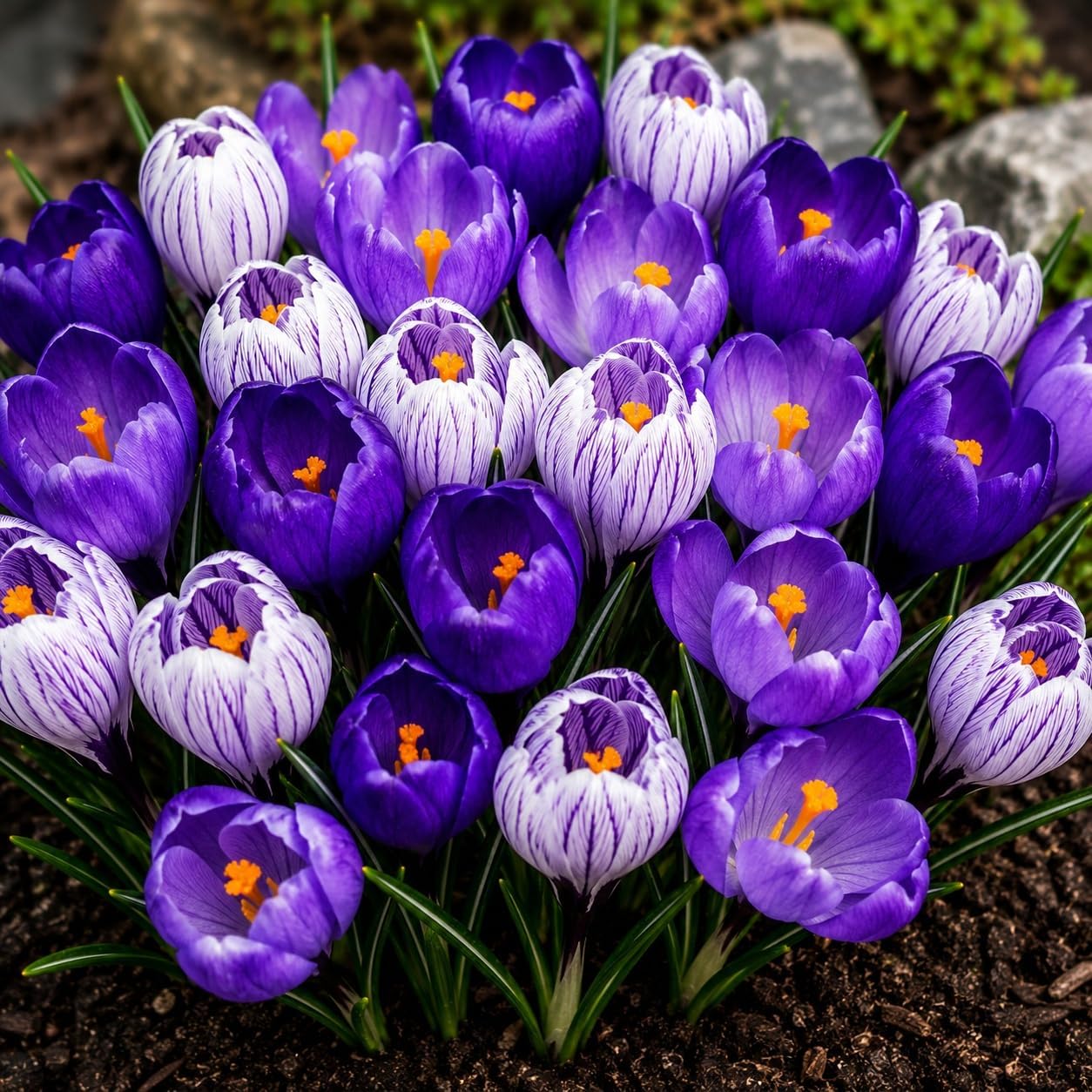
These Blue Moon crocus bulbs are an easy-to-grow early spring option for adding concentrated color to containers and the front of beds. Planted in fall in well-draining soil and exposed to full sun, the bulbs produce a mix of deep purple, lavender and striped blooms with bright orange-yellow centers. They are low maintenance and hardy in USDA zones 4 through 8, so once established they can return year after year and slowly naturalize. Typical use is massing bulbs in clusters or planting several in a single decorative pot to create an instant, jewel-toned display; their compact habit also suits rock gardens and pathway edges. Practical benefits include simple fall planting, minimal moisture needs beyond moderate watering, and heirloom material that is suitable for repeat seasonal displays. Limitations are that they need fall planting and a sunny, well-draining spot to perform well, and single packets are intended for small groupings rather than large landscape sweeps unless multiple packs are used.
Best for: Buyers who want a reliable, low-effort perennial bulb to deliver dependable early-spring color in pots and small garden spots and who plan fall planting and basic seasonal care.
Less Ideal for: Gardeners who need instant height or summer-blooming container plants or those unwilling to plant in fall should consider other options.
- Compact bulbs that are ideal for containers and front-of-bed planting
- Low maintenance once planted and hardy across USDA zones 4–8
- Vivid mix of purple, lavender and striped blooms for an early spring color boost
- Requires fall planting before ground freezes to ensure spring blooms
Verdict: A dependable, low-maintenance crocus for planting in fall to give reliable, vivid early-spring color in pots and small displays.
Hands DIY Oxalis Triangularis Bulbs (10 Count)

| Indoor Outdoor Usage | Indoor |
|---|---|
| Expected Blooming Period | Fall to Spring |
| Sunlight Exposure | Partial Sun |
| Unit Count | 10 Count |
These Oxalis triangularis bulbs produce the familiar purple shamrock foliage and seasonal flowers for brightening low‑to‑moderate light indoor spots. Plant the bulbs in well‑draining, sandy soil in fall and keep them watered when the topsoil starts to dry; the bulbs are active from fall through spring so you get several months of color. The small unit count is convenient for grouping in pots, window boxes, or under light canopy where partial sun reaches. Because they are sold as bulbs, you will need to supply pots, soil, and basic care rather than receiving mature plants. The variety prefers consistent but not waterlogged soil and may go dormant outside the expected season, so expect seasonal cycles rather than year‑round growth. Overall this is a simple way to add vivid purple foliage to indoor spaces that do not get full sun, provided you are prepared to plant and maintain bulbs on a modest budget.
Best for: Buyers on a tight budget who want colorful, low‑light indoor plants and are willing to plant and care for bulbs themselves.
Less Ideal for: Those who want instant, year‑round houseplants or who prefer fully grown specimens ready to display without planting and seasonal dormancy.
- Vibrant purple foliage and seasonal blooms that brighten low to moderate light areas
- Sold in a 10‑bulb pack suitable for multiple pots or small group plantings
- Designed for indoor use and partial sun situations common in apartments and shaded rooms
- Arrives as bulbs rather than established plants so buyers must pot and establish them themselves
- Active growth is seasonal, so plants may go dormant outside fall to spring bloom period
Verdict: An affordable way to add bold purple foliage to low‑light indoor spots for buyers willing to plant and care for bulbs.
Hirt's Gardens Blue Moon Mix Crocus Bulbs (20 bulbs)

| Unit Count | 20 |
|---|---|
| Expected Blooming Period | Spring, Winter |
| Sunlight Exposure | Partial Sun |
| USDA Hardiness Zone | 3, 4, 5, 6, 7, 8, 9 |
These Blue Moon Mix crocus bulbs deliver early spring color with low fuss and reliable returns when planted in appropriate climates. They are sold as 20 bulbs of 8–9 cm size that establish quickly and suit small garden beds, borders, rock gardens, and containers for spring pots. Notable features include partial-sun tolerance, deer resistance, and hardiness across USDA zones 3 through 9, which makes them adaptable to a wide range of yards and climates. Practical benefits are straightforward planting and low maintenance: crocuses naturalize and will come back year after year with basic care, giving a dependable splash of blue and purple when other plants are still waking up. Limitations are inherent to crocuses: they are low-growing and provide seasonal interest for a relatively short window in early spring, so they work best combined with taller or longer-blooming plants in a container display. Also they perform best when planted in well-drained soil and may be less noticeable in large, sprawling landscapes compared with concentrated pots or bulb drifts.
Best for: Gardeners who want a reliable, low-effort way to add early spring color to pots and small displays and prefer plants that come back year after year with minimal maintenance.
Less Ideal for: People seeking long-season flowering in a single container or those who want tall, showy summer blooms as these bulbs only provide a brief early-spring display.
- Low-maintenance perennial bulbs that naturalize and return each spring
- Suitable for containers and small spring pots as well as beds and rock gardens
- Hardy across USDA zones 3–9, offering wide climate adaptability
- Deer resistant, reducing risk of animal damage in many areas
- Short bloom window limited to early spring, so color is seasonal
- Low-growing habit means they can be easily hidden by larger plants in mixed containers
Verdict: A dependable, low-maintenance choice for adding early spring blue and purple color to pots and small garden displays.
Choosing the Right Plants for Spring Pots: Key Factors to Consider
Light Requirements
Light level dictates which plants will actually thrive in a pot. Containers on a sunny balcony experience much higher light and heat than shaded patios, and some spring-blooming plants will scorch if they get hot afternoon sun. Match plant selection to the specific exposure of the pot location and remember that light often changes through spring as trees leaf out. Consider varieties that tolerate a range of exposures if you plan to move pots around. If a plant needs bright light but will sit in filtered sun, it will stretch, bloom poorly, or become leggy.
Watering Frequency and Drought Response
Pots dry out faster than garden beds because they have less soil mass and higher surface area. Choose plants whose drought tolerance matches how often you can water. Some spring pot plants bounce back quickly after drying and show minimal stress, while others wilt rapidly and refuse to rebloom. Also factor in pot size and material, because small or porous pots require more frequent watering. Plants that handle brief dry spells reduce maintenance and lower the risk of root rot from overwatering.
Root System and Pot Size Compatibility
Different plants develop distinct root habits and that affects how well they perform in a pot. Shallow-rooted or fibrous-rooted species do well in shallow or medium pots, while vigorous tap-rooted or sprawling plants need deeper or larger containers to avoid being root-bound quickly. Consider whether a plant tolerates root restriction and whether it benefits from occasional repotting or root pruning. Overcrowding a pot reduces airflow and can shorten bloom cycles, so match mature root size to available container volume.
Bloom Season and Repeat Flowering
When you want a pot to look its best throughout spring, bloom timing matters. Some plants put on a single showy flush and then fade, while others rebloom with deadheading and feeding. Choose a mix that gives layered interest: early spring florals for instant impact and later rebloomers to extend color. Understand whether a plant needs deadheading, cutting back, or fertilizer to maintain blooms in a container setting. Plants with longer bloom windows reduce the need to swap out pots midseason.
Maintenance Tasks and Pest Resilience
Container gardening concentrates pests and disease, so pick plants that tolerate minor pest pressure and do not need daily attention. Evaluate how often a plant requires pruning, deadheading, fertilizing, or leaf cleaning. Some showy spring plants need frequent grooming to look their best; others stay tidy with minimal input. Also consider susceptibility to common container pests and fungal issues caused by humid microclimates, since frequent interventions increase maintenance time and stress on plants.
Aesthetic and Design Fit
Beyond hardiness and care, the visual role of a plant in a pot should guide selection. Think about texture, leaf color, growth habit, and how a plant pairs with companions in the same container. Trailing plants soften pot edges, upright forms add structure, and mounding plants provide solid color blocks. Consider how big each variety will get in a season so spacing creates a balanced container composition. Plants that harmonize in scale and color reduce the need for early replacement and keep pots attractive from first bloom through late spring.
Designing a Spring Container Scheme
Plan pots by combining three basic roles: a thriller for height or focal interest, a spiller to trail and soften edges, and a spiller or spiller-filler to provide mass and continuous color. This design approach works for small and large pots and makes maintenance predictable.
Select plants whose ultimate sizes complement the pot. Keep taller elements near the back of window boxes and center in round pots. Mix leaf textures as much as flower color to add interest when blooms fade.
- Use a thriller, spiller, filler framework for balanced composition
- Cluster plants with similar water and light needs together
- Choose one dominant color and add one or two accent tones
Potting Mix and Drainage Tips
A well-draining, lightweight potting mix prolongs bloom life by preventing waterlogging while retaining enough moisture between waterings. Avoid using garden soil alone because it compacts and reduces aeration around roots.
Ensure pots have adequate drainage holes and consider adding a thin layer of coarse material under the soil only if you also use a freely draining mix. Pots made of terracotta dry faster than plastic, so match pot material to plant drought sensitivity.
- Use a premium potting mix with added perlite or coarse sand
- Verify drainage holes are open and unobstructed
- Line pots with breathable fabric for lighter soils in windy spots
Watering and Feeding Routine for Spring Pots
Establish a watering routine that reflects pot size, exposure, and plant mix. Check soil moisture with a finger or probe rather than sticking to a fixed schedule, especially during cool or rainy periods in spring.
Feed containers with a balanced, water-soluble fertilizer at a reduced rate compared with garden beds. Frequent light feeding supports repeat bloom without forcing excessive foliage growth that can shade flowers.
- Water thoroughly until excess drains, then allow partial drying
- Feed every two to four weeks with container-appropriate fertilizer
- Adjust frequency when temperatures rise or plants are in peak bloom
Dealing with Early Cold and Late Heat
Spring weather can swing between chilly nights and early heat. Protect sensitive pots from late frosts by moving them to sheltered spots or covering them overnight. Conversely, be ready to increase watering and provide afternoon shade when spring temperatures spike.
Choose plants with flexible temperature tolerance for exposed locations, or plan to swap temporary cool-weather bedding for heat-tolerant choices as the season progresses.
- Move pots to protect from frost or intense sun as needed
- Use frost cloths for brief cold snaps
- Consider temporary shade for sudden warm spells
Mixing Annuals and Perennials in Pots
Combining short-lived annuals with hardy perennials can extend visual interest and reduce replanting. Perennials provide structure and foliage between annual bloom flushes, while annuals offer bright seasonal color.
When pairing, match pot depth and feeding needs. Perennials in shallow pots may struggle later in the season, so choose perennials known to succeed in confined soil volumes.
- Use perennials for backbone and annuals for seasonal color
- Plan for long-term root growth when adding perennials
- Replace annuals midseason if they decline after their bloom peak
How We Chose the Best Plants for Spring Pots
We prioritized traits that matter for plants grown in containers rather than in-ground beds. Selection favored plants with proven container vigor, reliable spring bloom windows, and tolerance for typical pot stresses such as faster drying and root restriction. We evaluated sun and shade adaptability, bloom duration and repeat flowering, drought tolerance and realistic water needs for small to medium pots, and how forgiving the plant is to common container problems like root crowding or nutrient leaching. Ease of maintenance was included to reflect deadheading, pruning, and feeding requirements that affect day-to-day management. Plants that require complicated wintering, specialized grafting, or very large containers were excluded. The final list balances aesthetic impact with practical container performance so gardeners get vibrant spring pots without excessive upkeep.
FAQ
How large should a pot be for spring-flowering plants?
Pot size depends on the plant's mature root volume. In general, choose a pot at least 6 to 10 inches deep for small bedding plants and 10 to 14 inches for larger mounded or multi-plant compositions. Larger pots hold moisture longer and reduce watering frequency.
Can I reuse potting mix from last year for spring pots?
You can reuse mix if it still drains and is free of pests or disease, but refresh it with new compost or fresh potting mix to restore nutrients and structure. Replacing the top few inches and adding slow-release fertilizer helps rejuvenate older media.
When should I start planting spring pots?
Plant spring pots after the risk of hard frost has passed for your area for tender species. Cool-tolerant spring bloomers can go in earlier, but watch for late cold snaps. Stagger planting to extend bloom succession across the season.
How often do spring pots need fertilizing?
Containers usually need feeding every two to four weeks with a balanced water-soluble fertilizer during active growth and bloom. Use a lower concentration than label maximums to avoid lush foliage at the expense of flowers.
What is the easiest way to keep spring pots looking tidy?
Regular deadheading, removing spent foliage, and thinning crowded stems keep pots attractive and encourage more blooms. Check pots weekly in spring and address pests or signs of stress early to prevent larger problems.
Final Verdict
When choosing plants for spring pots, prioritize light compatibility, container-compatible root habits, and bloom timing to match how much maintenance you want to do. Balance a few bold bloomers with structural perennials or foliage plants so pots look full even after peak flowering. Consider pot material and soil to manage watering demands and protect plants from temperature swings. By focusing on these tradeoffs you will end up with spring containers that deliver consistent color without excessive work.
