

Note: This article contains affiliate links. If you click on these links and make a purchase, I may earn a small commission at no extra cost to you. This helps support my research and content. Read my full affiliate disclosure here.
Choosing the right plants for terrariums matters because enclosed displays create a unique microclimate. Humidity, limited root space, and filtered light change how plants grow, so picking species suited to those conditions keeps the display healthy and reduces maintenance. This guide shortlists seven top plants for terrariums across different growth habits and light tolerances. We evaluated candidates for humidity tolerance, size control, and ease of care to help you find the right mix for a closed or open terrarium. Read on for what to expect from each plant type and how they behave in a real miniature garden.
Top Picks at a Glance
| Best Overall The best all-around choice for most situations | Altman Plants Assorted 12-Pack Live Houseplants (2 in.) |  |
| Best Quality Built to a higher standard if you want something more solid | LUCKYRUNES Live Moss 4-Pack for Terrariums and Floral Decor |  |
| Best Value The sweet spot between price and what you get | Optiflora Mini Terrarium Plants (6-Pack, 2" Pots) |  |
| Best Budget The cheapest option that still gets the job done reliably | The Succulent Cult 10 Assorted Live Succulent Cuttings (10 Pack) |  |
| Highest Rated A top-rated pick with lots of positive feedback | Sprig & Stone Live Mini Ferns Terrarium Plants (Brilliance) |  |
| Most Popular A crowd favorite that many people choose with confidence | Altman Plants 20-Pack Live Succulent Assortment (2" Pots) |  |
| Best Seller A high-volume bestseller chosen again and again | Sukh Sphagnum Moss for Reptiles, 5 oz |  |
Altman Plants Assorted 12-Pack Live Houseplants (2 in.)

| Indoor Outdoor Usage | Indoor |
|---|---|
| Other Special Features of the Product | Air Purification, Compact, Low Maintenance |
| Sunlight Exposure | Partial Sun |
| Moisture Needs | Regular Watering |
| Unit Count | 1 Count |
This 12-pack from Altman Plants delivers a variety of popular, compact houseplants grown in 2-inch grower pots that work well for grouped displays, terrariums, desks, and windowsills. The assortment commonly includes pothos, peperomia, spider plant, fittonia, croton and other foliage varieties that tolerate indirect light and regular, moderate watering. Plants arrive rooted and packaged for safe delivery, and seasonal rotation keeps the selection interesting. The small size makes them convenient for creating mixed mini-planters or filling a terrarium, but expect limited initial foliage and the need to repot as they establish. Care guidance is simple: indirect bright light and water when the soil dries, though specific varieties in the box may have slightly different needs. If you want an easy way to populate a small indoor display or start multiple terrarium specimens, this pack provides a cost-effective, low-maintenance jump start, while buyers who need mature plants or exact variety selection should plan to upgrade individual specimens later.
Best for: Gardeners and hobbyists who want an efficient way to fill terrariums, create mixed mini-planters, or stock-test several easy-care indoor varieties at once.
Less Ideal for: Buyers who need mature, display-ready plants or must select exact species for a collection should consider ordering individual larger specimens instead.
- Twelve fully rooted, ready-to-use plants ideal for groupings, terrariums, or small planters
- Rotating assortment exposes you to a variety of popular indoor species
- Small 2-inch pots make placement flexible for desks, shelves, and windowsills
- Low-maintenance varieties that do well in indirect light with moderate watering
- Plants are juveniles and will need repotting for long-term growth
- Varieties are not guaranteed so you may not receive specific species you want
Verdict: A convenient, low-effort way to populate terrariums and small indoor displays with a diverse set of young, easy-care houseplants.
LUCKYRUNES Live Moss 4-Pack for Terrariums and Floral Decor

| Indoor Outdoor Usage | Indoor |
|---|---|
| Sunlight Exposure | Full Shade; Indirect Light |
| USDA Hardiness Zone | 3 to 9 |
| Moisture Needs | Moderate to High |
| Unit Count | 4 Count |
This LUCKYRUNES live moss 4-pack supplies four different small sheets of real moss intended for closed terrariums and other indoor plant displays. Each piece arrives compressed or dry at times but revives easily when misted and placed in a shaded, humid environment, making it suitable for closed containers where steady moisture and indirect light are maintained. The pack is marketed as mixed varieties commonly used as top dressing for bonsai, fairy gardens, orchid pots, and closed terraria, and the moss is untreated and dye-free so it integrates naturally with live plantings. Practical benefits include simple upkeep for beginners, instant natural texture without potting or propagation, and compatibility with reptile or amphibian display accents when used decoratively. Important limitations are that the moss needs moderate to high humidity and regular misting to stay healthy in a closed terrarium, and it is sold as decorative living material rather than a complete substrate or pet bedding replacement.
Best for: Buyers who want low-effort, natural greenery to finish a closed terrarium or miniature indoor scene and prefer plants that revive quickly with simple misting and humidity management.
Less Ideal for: People who want a maintenance-free decorative that tolerates drying out completely or those needing a full substrate solution for planting rather than top-dressing.
- Real living moss with no dyes or preservatives for a natural look
- Works well in closed terrariums and other high-humidity indoor displays
- Easy to revive after shipping by misting and providing shade
- Variety pack offers mixed textures suitable for miniature landscapes and floral arranging
- Requires consistent moderate to high humidity and occasional misting to stay healthy
- Sold as decorative pieces only and not a substitute for complete substrate or pet bedding
Verdict: A ready-to-use, dye-free mixed moss pack that makes closed terrariums and miniature landscapes look natural with minimal beginner-friendly care.
Optiflora Mini Terrarium Plants (6-Pack, 2" Pots)

| Indoor Outdoor Usage | Indoor |
|---|---|
| Other Special Features of the Product | High Humidity Tolerant, Low Maintenance, Pest Resistant |
| Sunlight Exposure | Partial Shade |
| Moisture Needs | Moderate Watering |
| Unit Count | 6 Count |
These Optiflora mini terrarium plants are a set of six different small varieties sold in 2-inch pots and intended for closed or open terrariums. They are greenhouse-grown and presented as easy-care, humidity-loving plants that prefer indirect or shaded light and consistently damp soil. Typical use is placing them inside a closed glass container or a fairy garden where low light and high humidity are maintained; trim back growth to keep them compact or let them establish slightly larger forms. Notable features include clear care guidance to keep the soil damp, compatibility with sandy potting mixes, and pest-resistant, low-maintenance varieties that suit beginners. Because they come as assorted varieties, ordering multiple packs increases diversity in a single terrarium. Limitations are that the plants are tiny and will need careful moisture monitoring in small closed systems to avoid rot, and exact varieties are not specified so you may get different foliage types than pictured.
Best for: Buyers who want a reliable, low-maintenance set of small plants specifically for creating or replenishing closed terrariums and value easy-care, humidity-tolerant stock.
Less Ideal for: Gardeners seeking named specimen plants, large decorative foliage, or instant mature displays should look for larger, identified plants instead.
- Six different mini plants provide immediate variety for a small terrarium
- Grown for high humidity and low light so they suit closed terrarium conditions
- Sold in 2" pots that make planting into a terrarium straightforward
- Labeled low maintenance with pest resistance and simple watering instructions
- Specific plant varieties are not listed so exact foliage types may vary
- Small size means they will need attention to moisture levels to prevent rot
Verdict: A dependable, low-light, high-humidity plant pack that makes assembling a closed terrarium quick and low-effort.
The Succulent Cult 10 Assorted Live Succulent Cuttings (10 Pack)

| Indoor Outdoor Usage | Indoor |
|---|---|
| Sunlight Exposure | Partial Sun |
| Soil Type | Well draining |
| Moisture Needs | Little To No Watering |
| Number of Pieces | 10 |
These are ten assorted live succulent cuttings intended for indoor displays and terrarium-style projects. The cuttings arrive without roots or soil, which makes them ideal for hobbyists who want to propagate and root plants themselves or use the stems and rosettes as decorative accents in mini gardens. Varieties change regularly so you get a random mix rather than a fixed set, and most pieces are small — roughly starter size — so they fit well into shallow or compact containers. Care notes emphasize partial sun and minimal watering, so they suit low-light tabletop terrariums when given indirect light and well-draining media for rooting. The main limitations are that you must root them yourself and supply pots, soil, and humidity control, and the exact species and pigmentation will vary. For a tight-budget terrarium project these cuttings are a cost-effective way to get multiple plants, but expect some hands-on work to establish healthy rooted specimens.
Best for: Budget-minded gardeners or crafters who want an inexpensive, hands-on way to populate small terrariums or mini gardens and are willing to root and establish plants themselves.
Less Ideal for: Buyers who want mature, ready-to-display succulents or a guaranteed selection of specific species and colors should choose pre-potted or labeled plants instead.
- Includes ten assorted cuttings, giving variety for a multi-plant terrarium
- Small starter sizes are well suited to compact containers and shallow arrangements
- Low moisture needs make them compatible with low-watering terrarium setups
- Arrives bare-root which keeps shipping weight low and simplifies initial handling
- Cuttings are sold without roots, soil, or pots so you must root and pot them yourself
- Varieties are random and may not match photos or specific color expectations
- Some pieces may show color change from transit due to light deprivation
Verdict: A low-cost way to add ten starter succulents to a small terrarium if you are prepared to root and pot them yourself.
Sprig & Stone Live Mini Ferns Terrarium Plants (Brilliance)

| Sunlight Exposure | Partial Shade |
|---|---|
| Moisture Needs | Moderate Watering |
| Soil Type | Sandy Soil |
| USDA Hardiness Zone | 3 |
| Unit Count | 1 Count |
These Sprig & Stone live mini ferns are offered as a single plant sized for terrarium use and habitat décor. They are suited to partial-shade environments and moderate watering, which makes them an easy choice for enclosed glass terrariums where direct sun and overwatering are common problems. Typical uses include lining the foreground of a small terrarium, adding low-growing green texture around moss, or providing hiding cover in reptile and amphibian habitats. Notable features from the product information are suitability for USDA zone 3, sandy soil preference, and expected growth activity in spring, summer, and winter. Practical benefits include straightforward care requirements, broad seasonal resilience, and a compact form that fits tight spaces. Limitations are that you receive only one plant per unit and specific size details are not provided, so matching it to a particular terrarium layout may require estimation. If you need multiple plants or exact dimensions for a planned arrangement, you will need to order additional units or plan placement conservatively.
Best for: Buyers who want a low-maintenance, dependable live fern to add durable green texture to a small terrarium or reptile habitat without complex care routines.
Less Ideal for: People who need specific plant dimensions for a precise design plan or those who want an immediate multi-plant carpet effect without ordering extras.
- Formulated for partial shade, reducing risk of sun stress inside glass terrariums
- Moderate watering requirement simplifies routine care in enclosed environments
- Seasonally resilient with expected activity across spring, summer, and winter
- Compact single-plant format fits small terrarium layouts and habitat decor
- Sold as one plant per unit so larger displays require multiple purchases
- No exact size or mature dimensions provided to precisely plan placement
Verdict: A small, easy-care fern suited to shaded, moderately watered terrariums when you need a reliable single-plant green accent.
Altman Plants 20-Pack Live Succulent Assortment (2" Pots)

| Indoor Outdoor Usage | Indoor, Outdoor |
|---|---|
| Moisture Needs | Little To No Watering |
| Sunlight Exposure | Full Sun |
| USDA Hardiness Zone | 5 |
This 20-pack from Altman Plants delivers a varied selection of 2" succulents intended for starting container displays, terrariums, or gifting. Each pack contains ten paired varieties such as Echeveria, Crassula, Sedum and others, so you get color and texture variety without sourcing plants individually. The plants are grown to be drought tolerant and prefer bright light and sandy, well-draining media, which makes them easy to place in small pots or mixed container gardens. Practical benefits include low watering needs, year-round interest, and visibly healthy nursery-rooted stock suited to DIY arrangements. Limitations to note are the small nursery pot size, so plan to pot up into larger containers for long-term growth, and full sun preferences mean some indoor spots may require very bright light or supplemental light. For container projects these give a quick, coordinated start but expect to replant or group them for mature displays.
Best for: Buyers who want a reliable, low-maintenance way to start multiple container displays or DIY succulent projects and who value visible social proof that the mix performs well for other gardeners.
Less Ideal for: Gardeners seeking mature, display-size specimens or those who need plants for consistently low-light indoor spots should consider larger, sun-tolerant varieties or shade-adapted houseplants instead.
- Twenty individually potted succulents provide immediate variety for mixed container arrangements
- Pairs of ten different varieties make it easy to create balanced, symmetrical plantings
- Low watering needs and drought tolerance reduce maintenance for container growers
- Suitable for both indoor and outdoor container use when given bright light
- Plants come in 2" nursery pots and will need repotting for sustained growth
- Many varieties prefer full sun, which can limit bright indoor placement options
Verdict: A convenient, low-maintenance 20-pack that gets container succulent projects started quickly with a variety of ready-to-pot plants.
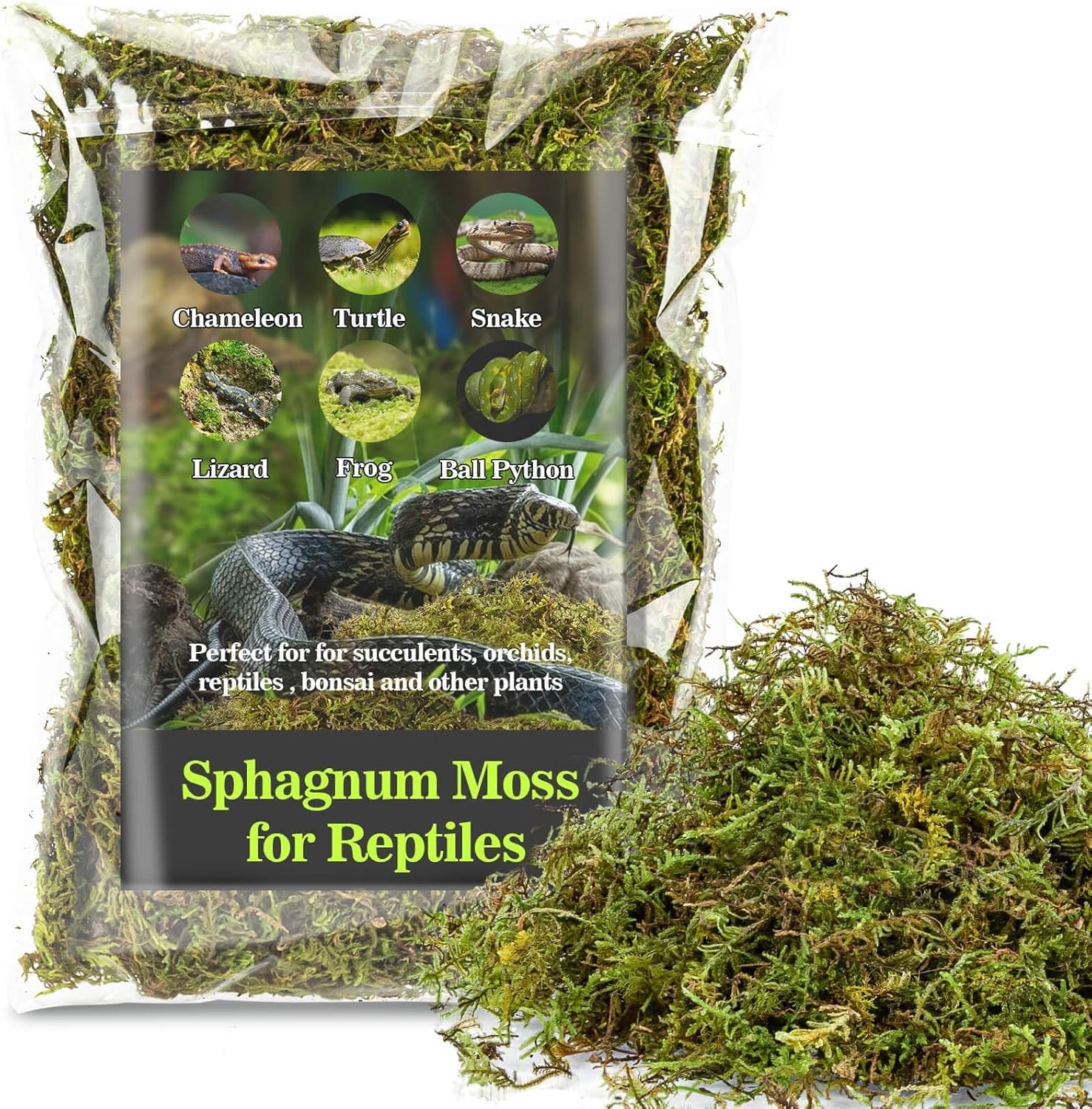
Sukh Sphagnum Moss for Reptiles, 5 oz
| Item model number | H-Re-SphagnumMoss-112 |
|---|---|
| Manufacturer | H-Re-SphagnumMoss |
| Date First Available | October 16, 2023 |
| Size | 5 Ounces |
This 5 ounce pack of Sukh sphagnum moss is a simple, single-ingredient substrate intended to help maintain higher humidity in reptile enclosures and support orchid or fern roots. Typical use is as a top layer, nest material, or mixed into a substrate blend rather than as the sole base. The long fibers and high absorbency mean it soaks up water and releases it slowly, which helps stabilize humidity for tree frogs, geckos, and other species that need a moist microclimate. It also provides soft hiding and nesting pockets and can aid shedding by offering a damp surface. Practical benefits include ease of use, versatility for small decorative projects, and suitability for humidity-sensitive plants. Important limitations are the small package size for larger enclosures and that the manufacturer notes it should not be used as a primary substrate by itself, so you will likely need additional substrate components and periodic replacement to avoid buildup of debris or excess moisture.
Best for: Buyers who want a low-effort way to maintain humidity and provide soft nesting or hiding spots in small to medium terrariums and who prefer ready-to-use natural materials.
Less Ideal for: People needing a complete substrate solution for large or floor-covering installations or owners who want a long-term primary substrate without periodic replacement.
- High absorbency that holds moisture and helps stabilize terrarium humidity
- Long fibers create soft hiding and nesting pockets for burrowing or egg-laying
- Versatile for use with reptiles and as moisture-retentive material for orchids and ferns
- Packaged in a lightweight, easy-to-handle amount for small tanks or spot use
- Small 5 oz package is not sufficient for large enclosures
- Not suitable as a sole primary substrate and requires mixing with other materials
Verdict: Choose this sphagnum moss if you need an easy, natural material to boost and hold humidity and provide nesting spots in small terrariums or for humidity-loving plants.
Choosing the Right Plants for Terrariums: Key Factors to Consider
Humidity Tolerance
Terrariums often trap moisture, creating near-constant high humidity. Plants that tolerate saturated air without developing fungal leaf spots or crown rot are far more reliable. Choose species with thick or waxy leaves, aerial root tolerance, or natural habitat origins in damp understories.
A plant that wilts in high humidity will invite mold and quick decline, while a tolerant species can thrive with minimal ventilation. Humidity tolerance also affects watering frequency; tolerant plants usually need less frequent direct soil watering because the ambient moisture helps prevent drought stress.
Light Requirements
Most terrariums sit indoors under indirect or filtered light. Plants that do well in low to medium light avoid legginess and keep fuller shapes. Consider how much natural light the intended spot receives and choose plants whose light needs match that level.
Avoid species that demand strong direct sun unless you plan to place the terrarium in a very bright window or add supplemental horticultural lighting. Light requirements influence leaf color, growth rate, and the need for pruning to maintain scale in the planting.
Size and Growth Habit
Terrarium plants must stay proportionate to the container. Slow-growing, compact species or plants that naturally form rosettes or tight clumps are ideal. Understand both the mature height and lateral spread, and account for root depth because many terrarium containers are shallow.
Plants that sucker, vine aggressively, or develop deep taproots can become problematic quickly. Choosing species known for remaining small or that respond well to frequent light pruning preserves the miniature landscape and reduces repotting needs.
Resistance to Rot and Pests
High humidity can encourage fungal diseases and some pest outbreaks. Plants with robust root health and natural defenses hold up better in an enclosed environment. Look for species with firm stems, good drainage tolerance, and leaves that do not trap water in leaf axils.
Regular visual checks are still necessary, but starting with plants that resist common terrarium issues lowers the maintenance burden. Pest problems spread fast in a closed container, so choosing resilient plants reduces the risk of losing the display.
Soil and Drainage Compatibility
Terrarium plantings rely on well-draining, lightweight mixes that still retain enough moisture. Plants that tolerate a mix of coarse material and peat or fiber-based soils perform better than those needing heavy garden loam. Some species prefer a slightly acidic mix, while others do fine in neutral pH.
Because many terrariums lack standard drainage holes, the soil choice and the plant's tolerance for periodic saturation are linked. Selecting plants whose root systems adapt to a shallow, airy substrate helps prevent waterlogging and subsequent root issues.
Maintenance and Propagation
Think about how much pruning, grooming, and occasional dividing you are willing to do. Some terrarium plants require almost no trimming, while others need regular pinching to keep them compact. Ease of propagation matters because quick propagation lets you replace problem plants or expand the display without sourcing new stock.
Species that root readily from cuttings or offset readily are practical choices for beginners. Also consider how easy it is to clean leaves and remove spent growth in the confined space of a terrarium.
Matching Plants to Terrarium Types
Closed and open terrariums create different environments. Closed containers hold humidity and stabilize temperatures, favoring moisture-loving species. Open bowls and jars allow more air exchange and suit drier, more light-tolerant plants.
When planning a planting, group plants by moisture needs and light preferences. Mixing very different requirements in one container increases maintenance and the risk that one plant will fail, which can create conditions that harm the others.
- Closed terrariums: pick humidity-loving, low-light plants
- Open terrariums: choose drier-tolerant or sun-loving small plants
- Balance height and spread so taller plants do not shade lower layers
Designing for Scale and Texture
A pleasing terrarium combines contrasts of leaf size, color, and texture. Use a mix of groundcover, small upright forms, and a focal plant to create depth. Keep proportions small so foliage does not touch the container sides too quickly.
Layering substrate, charcoal, and decorative elements helps both drainage and visual interest. Use small stones, bark, and moss sparingly to avoid overwhelming the plants and to maintain airflow around stems.
- Include at least one groundcover to fill gaps
- Use a single focal plant rather than several medium-sized types
- Trim regularly to preserve scale and prevent overcrowding
Watering and Ventilation Tips
Water sparingly in terrariums. Enclosed containers recycle moisture, so light misting or infrequent small pourings are usually sufficient. Overwatering is the most common cause of decline in terrarium plants.
Occasional ventilation helps prevent mold. Open the lid briefly every few days for a closed terrarium that seems very damp, or leave a small gap to allow minimal air exchange. Adjust based on condensation levels and plant response.
- Look for morning condensation as a guide; heavy drip means reduce watering
- Use a syringe or small watering tool to avoid flooding the substrate
- Remove dead leaves promptly to cut disease risk
Lighting Strategies Without Direct Sun
Most terrarium plants perform well with bright, indirect light. North- or east-facing windows are often ideal. If natural light is limited, compact LED grow lights provide even illumination without raising temperature excessively.
Avoid placing terrariums in direct midday sun, which can magnify heat and scorch leaves. Rotate the container occasionally to keep growth balanced and prevent plants from leaning toward a single light source.
- Aim for even, indirect light rather than intense direct rays
- Supplement with a low-profile LED panel if indoors with low light
- Rotate terrarium weekly to maintain symmetric growth
Common Troubleshooting Scenarios
If leaves yellow and the substrate smells sour, you are likely overwatering or the container lacks sufficient ventilation. Cut back on watering, remove any rotting plant material, and leave the container open until conditions improve.
If plants become leggy or pale, they are probably not getting enough light. Move the terrarium to brighter indirect light or add supplemental lighting. For pests such as scale or mealybugs, isolate the terrarium and manually remove or treat affected growth carefully.
- Yellowing plus odor: reduce moisture and remove rotten material
- Leggy growth: increase indirect light and prune back elongated stems
- Pest sightings: isolate and remove affected foliage immediately
How We Chose the Best Plants for Terrariums
We selected plants based on traits that matter in the closed or partially closed environment of a terrarium. Key evaluation criteria included humidity tolerance, size at maturity and rate of growth in confined soil, light tolerance under typical indoor conditions, resistance to rot and fungal issues in high-moisture settings, and ease of propagation for long-term maintenance. We also considered aesthetic factors such as leaf texture and growth habit because compact, layered visuals are part of terrarium appeal. Plants were excluded if they consistently outgrow small containers, require frequent transplanting, or demand very bright direct sunlight that most indoor terrariums cannot provide. We filtered out candidates prone to aggressive root systems or sap that damages companion plants. The final shortlist emphasizes species that stay small, respond well to pruning, and tolerate the warmer, humid atmosphere found in many terrarium setups.
FAQ
Can any houseplant live in a terrarium?
No. Many common houseplants need more root space, brighter light, or drier air than terrariums provide. Choose species that tolerate high humidity, limited soil depth, and indoor light levels for the best results.
How often should I water plants in a closed terrarium?
Often terrarium plantings need only occasional light watering. Check for condensation and soil moisture and water sparingly when the topsoil feels dry. Overwatering is more harmful than waiting a bit longer between waterings.
Will terrarium plants need fertilizing?
Usually terrarium plants need very little fertilization because the small soil volume concentrates nutrients and plants grow slowly. If growth is pale or very slow, apply a diluted, low-strength fertilizer sparingly during the growing season.
How do I control mold inside a terrarium?
Reduce moisture and improve ventilation by opening the container for a few hours each day until the mold subsides. Remove any decaying plant matter and avoid overwatering. Choosing plants with good disease resistance also lowers mold risk.
Can I reuse soil from an old terrarium?
Reusing soil is risky because it can harbor pathogens and pests. If you do reuse substrate, refresh it with fresh coarse material, sterilize if possible, and remove any old root debris to reduce the chance of carrying problems into the new planting.
Final Verdict
Prioritize plants that tolerate high humidity, stay compact, and handle low to medium light when choosing for terrariums. Tradeoffs include accepting slower growth and occasional pruning to maintain scale in a confined space. Focus on humidity tolerance, size control, and easy propagation to keep a healthy miniature landscape. With the right plant choices and simple maintenance, you can create a durable, attractive terrarium that requires minimal intervention.
