

Note: This article contains affiliate links. If you click on these links and make a purchase, I may earn a small commission at no extra cost to you. This helps support my research and content. Read my full affiliate disclosure here.
Choosing the right plants for hanging pots changes how a balcony, porch, or shaded patio looks and performs. The plants you hang need to tolerate different wind, light, and watering conditions than in-ground specimens, and they must establish quickly in limited soil volume. This guide covers six strong choices suited for hanging containers. Each shortlisted option was selected for real garden performance and predictability. We evaluate practical care needs like light tolerance and watering frequency so you can pick pots that thrive in your home or outdoor space.
Top Picks at a Glance
| Best Quality Built to a higher standard if you want something more solid | Plants for Pets Golden Pothos Live in 6" Hanging Planter |  |
| Best Value The sweet spot between price and what you get | Shop Succulents 6" String of Pearls Hanging Succulent Live Plant |  |
| Best Budget The cheapest option that still gets the job done reliably | Altman Plants Live String of Pearls (Senecio rowleyanus) Hanging Succulent |  |
| Highest Rated A top-rated pick with lots of positive feedback | Altman Plants String of Raindrops Trailing Succulent |  |
| Most Popular A crowd favorite that many people choose with confidence | American Plant Exchange Golden Pothos 8-Inch Hanging Basket |  |
| Best Seller A high-volume bestseller chosen again and again | THE NEXT GARDENER.COM String of Pearls Live Succulent, 4-inch, Fully Rooted |  |
Plants for Pets Golden Pothos Live in 6" Hanging Planter

| Indoor Outdoor Usage | Indoor, Outdoor |
|---|---|
| Other Special Features of the Product | Low Maintenance |
| Sunlight Exposure | Full Sun |
| Soil Type | Loam Soil |
| Moisture Needs | Moderate Watering |
This Golden Pothos arrives fully rooted in a 6-inch hanging basket and is designed for straightforward hanging display or quick repotting into a larger hanger. Pothos are forgiving plants that tolerate a wide range of indoor light from bright indirect to low light, and this variety shows attractive yellow variegation that livens up a hanging arrangement. Typical use is as a hanging accent in living rooms, kitchens, or bathrooms where higher humidity helps but is not required. Notable features include being shipped ready-to-hang, low maintenance watering needs that prefer the soil to dry between waterings, and general resilience that makes pruning and training simple if you want a bushier or trailing look. Practical benefits are ease of care for busy owners and reliable visual impact from the variegated leaves. Limitations are the plant’s pet toxicity, which means it should be placed out of reach of cats and dogs, and the small 6-inch nursery pot may require repotting sooner for faster growers or if you want a very full hanging display.
Best for: Buyers who want a low-effort hanging houseplant that delivers quick visual impact and can tolerate varied indoor light while requiring minimal hands-on care.
Less Ideal for: Those who keep curious pets within reach of plants or buyers wanting an immediately large, full hanging specimen without repotting and growth time.
- Arrives fully rooted in a 6-inch hanging basket ready to display
- Tolerates low to bright indirect light, making placement flexible
- Low maintenance watering habits that forgive occasional missed waterings
- Attractive golden variegated leaves add strong visual impact in hanging arrangements
- Toxic to pets, so placement must keep animals away
- Supplied in a small nursery pot that may need repotting for faster growth
Verdict: A forgiving, decorative hanging pothos that delivers instant variegated foliage with very low daily care.
Shop Succulents 6" String of Pearls Hanging Succulent Live Plant

| Plant or Animal Product Type | Shrub & Hedge |
|---|---|
| Mounting Type | Hanging |
| Indoor Outdoor Usage | Indoor, Outdoor |
| Other Special Features of the Product | Drought Tolerant |
This 6" String of Pearls is a straightforward hanging succulent aimed at low-maintenance decor and small-space gardeners. It arrives in a nursery pot ready to hang or sit on a shelf and is best placed in bright indirect light or a spot with moderate illumination. The plant is drought tolerant and needs water roughly every one to two weeks, making it convenient for someone who prefers minimal watering schedules. It can be used in hanging baskets, vertical gardens, or as a decorative indoor accent; the trailing beads add texture and soft movement when suspended. Practical benefits include low care needs, versatility for indoor or sheltered outdoor use, and suitability for beginners. Limitations are typical of small nursery pots: it may need repotting as it grows and the short 6" size means limited trailing length initially. Also avoid overwatering since damp soil increases risk of root rot. Overall this is a useful, low-effort option if you want an attractive hanging succulent that performs reliably with basic care.
Best for: Buyers who want a low-maintenance hanging plant to add greenery to small spaces or hanging pots and prioritize convenience and minimal watering.
Less Ideal for: Gardeners seeking an already long-trailing specimen or a large statement plant should look for larger, more mature plants instead.
- Low water needs thanks to drought tolerant habit
- Ready-to-display in a nursery pot suitable for hanging or tabletop use
- Works indoors or in sheltered outdoor locations under indirect light
- Attractive trailing habit that adds texture to hanging pots and vertical gardens
- Small 6" size limits immediate trailing length and visual impact
- May require repotting as it establishes to support future growth
Verdict: An easy-care, space-saving hanging succulent that reliably adds trailing texture to small hanging pots with minimal upkeep.
Altman Plants Live String of Pearls (Senecio rowleyanus) Hanging Succulent

| Indoor Outdoor Usage | Indoor |
|---|---|
| Other Special Features of the Product | Low Maintenance |
| Sunlight Exposure | Full Sun |
| Moisture Needs | Regular Watering |
| Material Features | Compostable |
This Altman Plants String of Pearls is a classic trailing succulent intended for hanging baskets, shelves, or elevated planters where its bead-like stems can cascade freely. It thrives in bright, indirect light and is drought-tolerant, so most users water only when the top inch or two of potting mix dries. The plant’s distinctive round leaves create an immediate decorative effect without much upkeep, making it a straightforward pick for beginners or busy households. Practical benefits include strong visual impact in small spaces, low ongoing water needs, and the ability to tolerate short dry periods. Important limitations are sensitivity to prolonged direct sun and overwatering, so it needs a well-draining soil and careful watering routine; it is also sold as a single plant, so larger displays require multiple purchases or repotting. Overall this is a simple, attractive hanging-plant option if you want a sculptural trailing succulent that needs minimal day-to-day care.
Best for: Buyers who want an easy-care, decorative hanging succulent that delivers instant visual impact with minimal daily attention and fits small indoor spaces.
Less Ideal for: People seeking a large, fast-growing hanging display from a single plant or those who prefer plants that tolerate constant low light.
- Distinctive trailing beads create a strong decorative effect in hanging pots
- Drought-tolerant so requires infrequent watering when kept in bright indoor light
- Low maintenance suitable for beginners and busy plant owners
- Suffers if left in direct sun or if soil remains consistently wet
Verdict: Choose this String of Pearls when you want an affordable, low-maintenance hanging succulent that adds instant trailing impact to bright indoor pots.
Altman Plants String of Raindrops Trailing Succulent

| Indoor Outdoor Usage | Indoor |
|---|---|
| Other Special Features of the Product | Low Maintenance |
| Sunlight Exposure | Full Sun |
| Moisture Needs | Regular Watering |
| Material Features | Compostable |
The Altman Plants String of Raindrops is a trailing succulent built for hanging pots and elevated planters where its teardrop leaves can cascade freely. It is typically used as a decorative indoor hanging plant or on a high shelf to create flowing texture in a plant collection. Notable features include drought-tolerant behavior, a preference for bright light, and compact trailing vines that form a sculptural display. In practice it is easy to care for: allow the top 1–2 inches of soil to dry between waterings and avoid prolonged direct sun to prevent leaf scorch. The plant's low-maintenance nature and compostable potting material make it a sensible choice for people who want attractive hanging greenery without frequent watering or fuss. Important limitations are that it needs bright conditions to look its best and is not suited to persistently dark rooms or heavy, constant watering regimes, so placement and a well-draining mix matter for success.
Best for: Buyers who want a reliable, low-effort hanging plant to add sculptural texture to indoor hanging pots and shelves and who prioritize easy care and consistency over novelty.
Less Ideal for: People who keep plants in very low-light rooms or who prefer large, fast-growing trailing vines that tolerate heavy watering should consider other species.
- Distinctive trailing habit with teardrop leaves that create an attractive hanging display
- Drought tolerant and low maintenance once established
- Performs well in bright indoor locations, ideal for hanging pots and shelves
- Arrives as a living plant suitable for immediate display
- Requires bright light to maintain compact form and leaf color
- Not tolerant of overwatering or persistently damp soil
Verdict: A dependable, low-maintenance trailing succulent that delivers a decorative hanging display with minimal care.
American Plant Exchange Golden Pothos 8-Inch Hanging Basket

| Indoor Outdoor Usage | Indoor, Outdoor |
|---|---|
| Other Special Features of the Product | Air Purification, Disease Resistant, Drought Tolerant, Low Maintenance, Shade Resistant |
| Sunlight Exposure | Partial Shade |
| Soil Type | Loam Soil |
| Moisture Needs | Little To No Watering |
The Golden Pothos hanging basket is a classic trailing vine sold ready to hang and designed to add cascading greenery to indoor spaces. It arrives in a nursery pot with potting soil and a plant hanger, and it is typically placed near a window with bright, indirect light or in a shady corner where it will still grow. Notable features are the golden-variegated heart-shaped leaves, rapid trailing growth for hanging displays, and the plant's reputation as an easy-care, air-purifying houseplant. In practice this means minimal weekly attention: water when the top inch of soil is dry, allow good drainage, trim stems to control length, and rotate the basket occasionally for even growth. The plant is resilient to occasional neglect and adapts to a range of indoor conditions, making it suitable for beginners. Important limitations are that it is toxic to pets and children and that outdoor use is limited to warm USDA zones only; buyers should also expect natural variation in variegation and growth rate between individual plants.
Best for: Buyers who want a low-effort hanging plant that provides fast visual impact and air-purifying benefits, and who prefer proven, easy-care houseplants with plenty of user feedback.
Less Ideal for: Those who need an edible or pet-safe indoor plant or who require a plant guaranteed to tolerate prolonged direct sun or freezing outdoor conditions.
- Fast-growing trailing habit creates an attractive hanging display with minimal effort
- Tolerant of low to bright indirect light, making placement flexible in many rooms
- Low maintenance care: water only when the top inch of soil is dry and use well-draining soil
- Includes nursery pot, potting soil, and a plant hanger for immediate hanging installation
- Toxic to pets and children so it must be placed out of reach
- Outdoor use is practical only in warm USDA zones, limiting versatility for colder climates
Verdict: This Golden Pothos hanging basket is the easy, reliable choice for anyone who wants fast, low-maintenance greenery in a hanging pot that quickly fills a room with trailing foliage.
THE NEXT GARDENER.COM String of Pearls Live Succulent, 4-inch, Fully Rooted
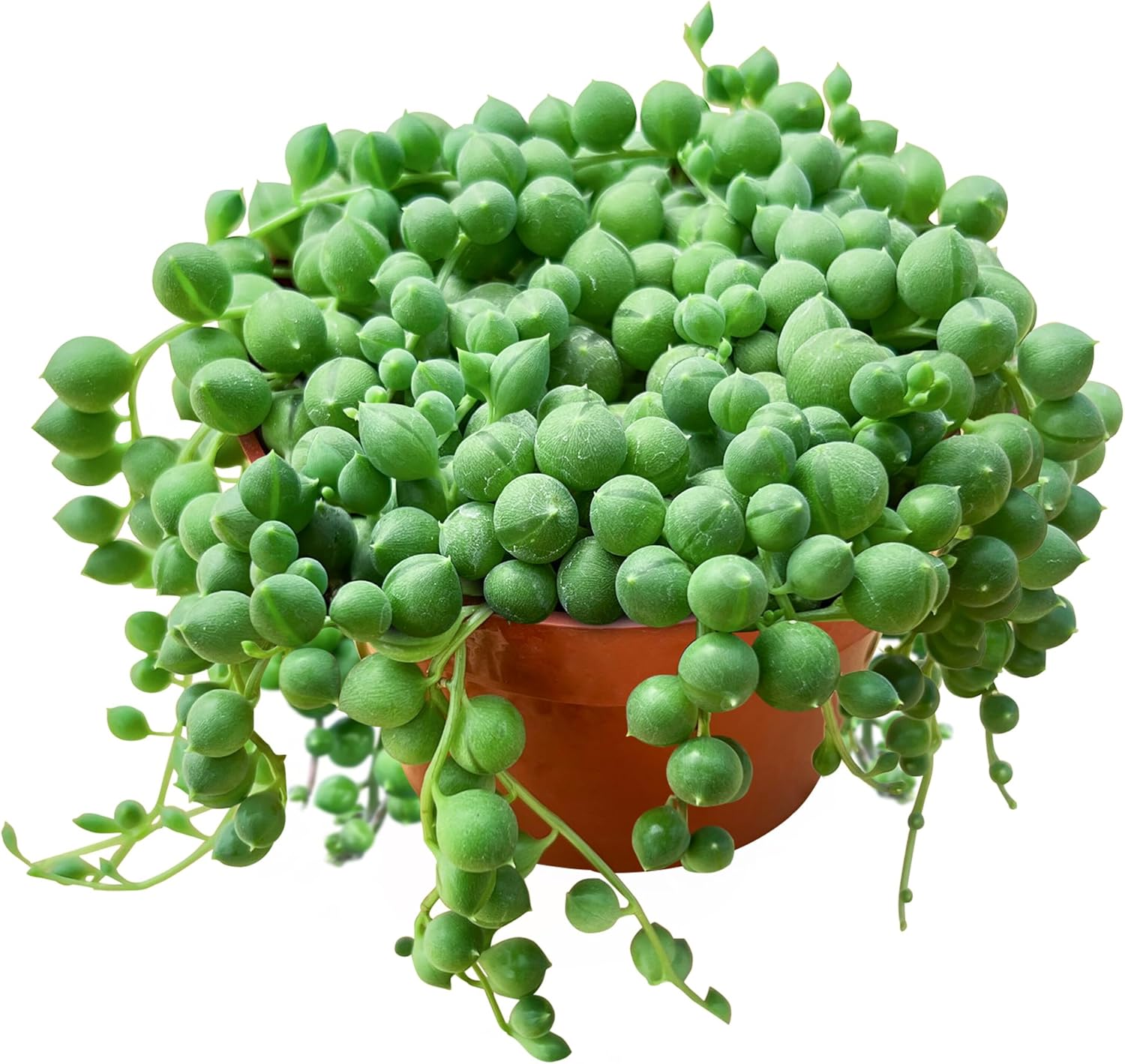
| Indoor Outdoor Usage | Indoor |
|---|---|
| Other Special Features of the Product | Drought Tolerant |
| Sunlight Exposure | Partial Sun |
| Soil Type | Sandy Soil |
| Moisture Needs | Moderate Watering |
This String of Pearls arrives fully rooted in a 4-inch nursery pot and is designed as an easy-care, trailing succulent for hanging pots, shelves, or bright windows. It performs best with bright, partial sun and a "soak and dry" watering approach, which means water thoroughly only after the soil has completely dried. The plant is drought tolerant and low maintenance, so it is well suited to busy owners or those new to succulents. Because it is a live plant, expect seasonal variations in fullness and growth and occasional need to trim damaged stems. Practical benefits include attractive pearl-like foliage that drapes nicely from a hanging planter and an established root system that helps the plant settle in faster than cuttings. Limitations are typical of small nursery pots: you may need to repot into a larger hanging container for longer-term growth, and careful light management is required to prevent stretching or sunburn.
Best for: Buyers who want an attractive, low-effort trailing plant for hanging pots or high shelves and prefer established nursery plants that are easy to care for.
Less Ideal for: Gardeners who want instant large coverage or those who plan heavy watering routines and indoor areas with very low light should look for different species.
- Fully rooted in a 4-inch grower pot for easier establishment
- Drought tolerant and low maintenance, suitable for infrequent watering
- Trailing habit with pearl-like leaves ideal for hanging planters
- Prefers bright, partial sun which fits typical indoor windowsills
- Comes in a small nursery pot so it will likely need repotting for long-term growth
- Live plant appearance and fullness may vary with season and care
Verdict: An easy, low-maintenance trailing succulent that makes a reliable choice for hanging pots and bright indoor spots.
Choosing the Right Plants for Hanging Pots: Key Factors to Consider
Light Conditions and Placement
Light availability dictates which plants will thrive in hanging pots. A bright, south-facing porch has very different demands than a covered balcony or a north-facing indoors space.
Evaluate the actual hours of direct sun and the intensity at the intended location. Many popular hanging plants do best in bright indirect light or morning sun rather than hot afternoon sun. Choosing plants rated for the correct light reduces stress, leaf scorch, and excessive watering needs.
Water Retention and Frequency
Hanging pots have limited soil and greater exposure to wind and sun, which increases evaporation. That makes water retention and how often you will need to water primary concerns.
Consider soil mix, pot material, and drainage. Lighter mixes drain faster but dry quickly; mixes with moisture-retaining components reduce watering frequency. Also think about access-if you cannot water daily, choose plants with better drought tolerance or use self-watering inserts to buffer moisture swings.
Growth Habit and Aesthetic Effect
The growth habit affects both care and the visual outcome. Trailing or cascading plants create soft spillover and are ideal for high baskets. Upright or clumping plants work well in mixed combinations where height contrast is desired.
Match the plant habit to the pot size and placement. Vigorous trailers may need periodic pruning to prevent tangling, while compact clumpers may require pinching to encourage bushiness and fuller presentation.
Pot Size, Weight, and Mounting
Hanging containers have limits on soil volume and overall weight. The pot size you choose affects root space, watering intervals, and how often you must fertilize.
Select a pot that balances root room with manageable weight when wet. Consider the strength of hooks, railings, or ceiling anchors and factor in seasonal conditions like wind. Lightweight materials can reduce load but may dry faster than clay or ceramic.
Soil Mix and Nutrition
Soil in hanging pots needs to be well-draining yet able to hold enough moisture for the plant between waterings. Container mixes designed for potted plants often include components that support both drainage and moisture retention.
Because nutrients leach quickly from small containers, plan a feeding schedule. Slow-release fertilizer at planting and light liquid feeds during the growing season keep blooms and foliage healthy without overfertilizing, which can harm roots in tight spaces.
Maintenance and Pruning Requirements
Maintenance needs vary widely among hanging-plant choices. Some require regular deadheading to prolong bloom, while others benefit from periodic trimming to maintain shape.
Factor in how often you are willing to tend the pots. Low-maintenance plants reduce chores but may offer less dramatic flowering. Regular light maintenance preserves vigor and prevents overcrowding in the constrained root volume of hanging containers.
Matching Plants to Exposure Zones
Assess the microclimate where the hanging pot will live. South-facing exposure gives the most intense light and heat; choose plants that tolerate or prefer full sun. East-facing locations typically deliver cool morning sun and bright afternoons, which suits many flowering trailers. North-facing or deeply shaded spots need plants adapted to low light and slower growth.
When grouping pots or mixing varieties in one basket, combine plants with similar light needs. Mixing a high-light specimen with shade-tolerant companions creates constant stress for one or the other and raises maintenance demands.
- Full sun: choose heat- and sun-tolerant selections and ensure frequent watering.
- Partial shade: many flowering and foliage plants flourish here with moderate watering.
- Deep shade: pick plants with low light requirements and slower growth cycles.
Designing Hanging Arrangements
Think about scale and texture when composing hanging pots. Use a mix of trailing, filler, and thriller elements to build visual interest: a trailing plant provides spill, a mid-height filler adds volume, and a taller center piece gives vertical emphasis.
Color and leaf texture matter as much as blooms. Combine foliage contrasts such as variegated leaves, glossy greens, and finely textured foliage to keep the basket attractive even when not in full bloom.
- Place trailing plants at the rim to cascade down.
- Use compact or mounding fillers toward the middle.
- Add a vertical element only if the pot depth and root space can support it.
Seasonal Care and Overwintering
Hanging pots can be vulnerable in winter depending on your climate. Above-ground containers are colder than in-ground soil and may stress roots in freeze-prone areas.
For cold climates, either bring sensitive hanging pots indoors or select hardy species that tolerate freeze and thaw cycles. Reduce watering in winter and cut back on fertilizing as growth slows. For milder climates, monitor for pests and continue light feeding through the growing season.
- Move pots to sheltered locations during storms or hard freezes.
- Reduce watering frequency in dormant months.
- Prune back long growth in late season to reduce wind damage.
Troubleshooting Common Hanging Pot Problems
Yellowing leaves, rapid wilting, and root-bound symptoms are common issues in hanging containers. Yellow leaves often signal inconsistent watering or nutrient deficiency. Rapid wilting usually means the pot dried out due to high exposure or a too-fast-draining mix.
Prevent root-bound stress by choosing plants suited to container life and repotting when roots visibly circle the pot. For pest and disease issues, isolate affected pots, prune damaged foliage, and adjust watering and airflow to reduce recurrence.
- Check drainage holes regularly to prevent waterlogging.
- Inspect undersides of leaves for pests that prefer sheltered hanging environments.
- Adjust soil mix if pots dry out much faster or retain too much water.
Practical Watering Strategies
Establish a consistent watering routine that matches the plant choices and pot materials. Water thoroughly until it runs from drainage holes, then allow the top inch of soil to dry for most flowering and foliage plants. In hot spells or windy exposures you may need to water daily.
Consider using water-retentive additives, self-watering inserts, or drip systems on rails for hard-to-reach baskets. These tactics reduce stress on plants and save time while maintaining more even moisture for healthier growth.
- Water in the morning to reduce fungal risk.
- Use mulch or root covers to slow evaporation in very exposed spots.
- Rotate pots occasionally so all sides receive equal light and airflow.
How We Chose the Best Plants for Hanging Pots
We focused on plant traits that matter most in suspended containers rather than ideal garden beds. Key evaluation criteria included light tolerance to reflect shade, part-sun, and full-sun balconies; drought tolerance and watering frequency because hanging pots dry out faster; growth habit and trailing versus upright form for attractive spillover; root control and container suitability to avoid rapid overcrowding; pest and disease resistance common to containers; and seasonal interest such as long bloom periods or evergreen foliage. Plants were excluded if they require large rooting volumes, heavy mulching regimes, or frequent transplanting to perform well. We prioritized species and cultivars known for consistent container behavior across climate ranges, predictable size, and manageable maintenance. The result is a shortlist of adaptable options that perform well in hanging pots under realistic care and exposure scenarios.
FAQ
How often should I water hanging pots?
Watering frequency depends on exposure, pot size, and soil mix. In hot, sunny conditions you may water daily; in partial shade once every few days is common. Check the top inch of soil and water when it feels dry.
Can I use regular garden soil in hanging pots?
Regular garden soil is usually too dense for hanging containers and can inhibit drainage and root oxygen. Use a well-draining container mix formulated for pots to promote healthy roots and proper moisture retention.
What is the best way to keep hanging plants blooming longer?
Deadhead spent flowers, provide steady nutrition with light fertilizer during the growing season, and ensure appropriate light and watering. Removing faded blooms redirects energy to new flower production.
How do I prevent root rot in hanging containers?
Good drainage and proper watering are key. Use pots with drainage holes, avoid waterlogged soil, and let the top layer dry slightly between waterings. If drainage is poor, repot into a lighter mix and improve container drainage.
When should I repot plants in hanging baskets?
Repot when roots visibly circle the pot, growth slows, or the soil becomes compacted. For most hanging plants this is every one to two years depending on growth rate and pot size. Refresh soil and trim roots sparingly to maintain a healthy container balance.
Final Verdict
Choose hanging plants by matching light tolerance and watering needs to the site, then balance growth habit with pot size and mounting strength. Prioritize species that perform predictably in limited soil and that require maintenance levels you can support. Accept tradeoffs between showy, high-maintenance bloomers and lower-care foliage plants. With the right placement, soil mix, and routine care you can create durable hanging displays that deliver seasonal interest with manageable effort.
