

Note: This article contains affiliate links. If you click on these links and make a purchase, I may earn a small commission at no extra cost to you. This helps support my research and content. Read my full affiliate disclosure here.
When you have rooms without direct sunlight it does not mean you have to live with empty corners. Choosing the right plants for no sunlight keeps interiors green without constant fuss. This guide covers seven shortlisted options that perform reliably in very low light and explains why they succeed where many plants fail. We evaluated practical traits such as real-world light tolerance, watering and feeding needs, and how well plants cope with indoor heat and dry air. Read on to pick plants that match your available light and care routine before the product list.
Top Picks at a Glance
| Best Overall The best all-around choice for most situations | Plants for Pets Sansevieria Superba (Snake Plant) – Fully Rooted Houseplant |  |
| Best Quality Built to a higher standard if you want something more solid | American Plant Exchange Cast Iron Plant (10-inch potted) |  |
| Best Value The sweet spot between price and what you get | Costa Farms Golden Pothos Live Indoor Trailing Vine (Medium) |  |
| Best Budget The cheapest option that still gets the job done reliably | Altman Plants Snake Plant (Laurentii) in 4 in Grower Pot |  |
| Highest Rated A top-rated pick with lots of positive feedback | Plants for Pets Calathea 'Purple Rose' (6" Grower Pot) – Pet Friendly Indoor Houseplant |  |
| Most Popular A crowd favorite that many people choose with confidence | Costa Farms Snake Plant 3-Pack (Live Indoor Plants, 8–12 in, in Grower Pots) |  |
| Best Seller A high-volume bestseller chosen again and again | Plants for Pets Pothos 4-Pack (4" Assorted) |  |
Plants for Pets Sansevieria Superba (Snake Plant) – Fully Rooted Houseplant

| Indoor Outdoor Usage | Indoor, Outdoor |
|---|---|
| Other Special Features of the Product | Air Purification, Compact, Drought Tolerant, Low Maintenance |
| Sunlight Exposure | Partial Sun |
| USDA Hardiness Zone | 10, 11, 9 |
| Moisture Needs | Little To No Watering |
The Plants for Pets Sansevieria Superba is a compact, fully rooted snake plant that delivers the classic, nearly indestructible qualities buyers expect from this species. It is typically kept in a small grower pot on a windowsill, shelf, or office desk and prefers bright indirect light but tolerates low light, making placement flexible. Notable features include drought tolerance, variegated upright leaves with chartreuse margins, and claims of air-purifying benefits. Practical benefits are straightforward: infrequent watering needs, low attention requirements, and a sculptural look that suits modern interiors. Because it ships fully rooted, it is ready to go into a decorative cachepot or remain in its grower pot with minimal setup. Limitations are minimal for most owners but include the plant's suitability mainly for indoor use in mild climates and the typical size cap of a compact variety, which may not satisfy someone wanting a large specimen quickly. Occasional overwatering or very cold conditions will be the main care pitfalls to avoid.
Best for: A buyer who values a dependable, low-maintenance houseplant that survives occasional neglect and fits small indoor spaces; ideal for busy households, offices, or first-time plant owners who want a reliable decorative plant.
Less Ideal for: Not ideal for gardeners seeking rapid growth into a large floor plant or those who need a cold-hardy outdoor specimen for harsh climates.
- Fully rooted and ready to display or repot upon arrival
- Tolerates low light and infrequent watering, ideal for low-effort care
- Compact, upright variegated foliage provides decorative interest indoors
- Described as drought tolerant and low maintenance, suitable for busy owners
- Best suited to indoor or mild outdoor conditions rather than harsh climates
- Compact size may not meet buyers seeking an immediate large specimen
Verdict: Buy this fully rooted Sansevieria Superba when you want a near-indestructible, low-effort houseplant that reliably looks good in small indoor spaces.
American Plant Exchange Cast Iron Plant (10-inch potted)
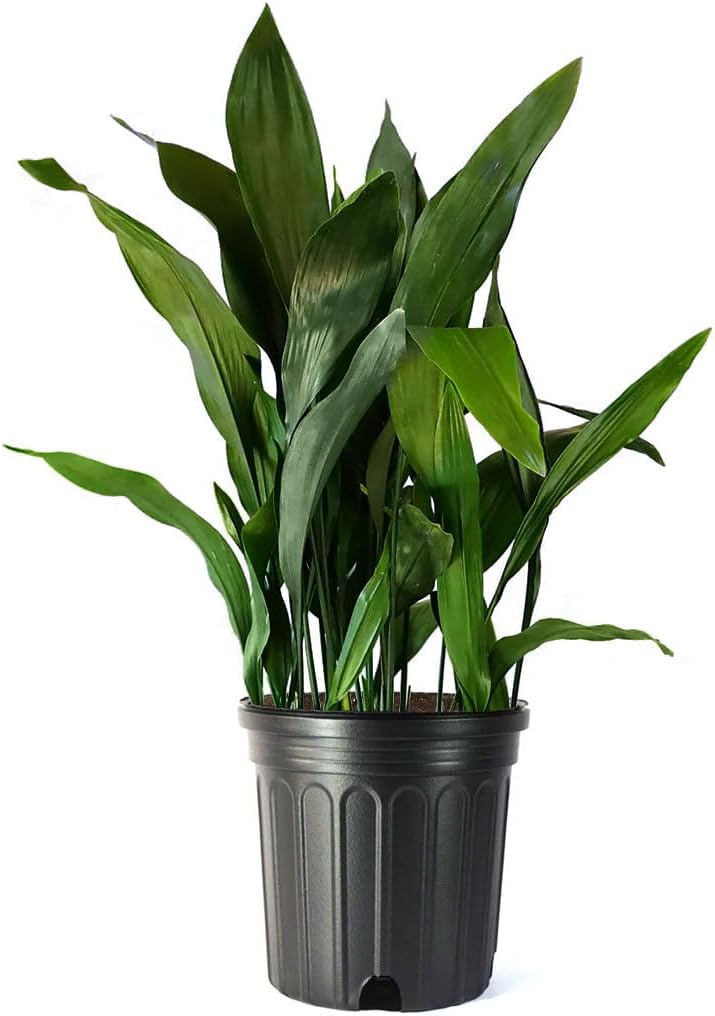
| Indoor Outdoor Usage | Indoor, Outdoor |
|---|---|
| Other Special Features of the Product | Air Purification, Drought Tolerant, Low Maintenance, Pet Friendly, Shade Resistant |
| Sunlight Exposure | Partial Shade |
| Soil Type | Peat Soil |
| Moisture Needs | Moderate Watering |
This 10-inch Cast Iron Plant is built to deliver reliable, low-effort greenery in low-light rooms and shaded patios. It’s typically used as a floor specimen, hallway accent, or patio centerpiece where other tropicals would falter. Notable features include drought tolerance, shade resistance, and broad upright leaves that form a dense, architectural clump; the plant arrives in potting soil and a nursery pot so it can go straight into display. Practical benefits are straightforward: minimal watering needs, tolerance of inconsistent care, and pet-friendly, air-purifying foliage that improves indoor ambiance without much fuss. Important limitations are that it is primarily foliage-focused so it does not flower for decorative blooms and its formal look may be large for very small tabletops. Also the listing specifies peat-based potting soil and a 10-inch pot which may require repotting or different soil if you prefer alternative mixes. For someone prioritizing dependable performance in low light, this plant delivers a durable, low-maintenance presence.
Best for: Buyers who want a dependable, low-maintenance shade plant that performs with minimal attention and improves a room’s greenery without demanding bright light or frequent care.
Less Ideal for: People seeking a showy flowering houseplant, highly compact tabletop specimens, or those who prefer hands-on, high-maintenance tropicals that need bright indirect light.
- Tolerates low light and shade, allowing placement in dim rooms or covered patios
- Drought tolerant and low-maintenance, good for busy owners or inconsistent watering
- Arrives potted in nursery soil and pot ready for immediate display
- Pet-friendly and noted for air-purifying qualities
- Primarily ornamental foliage with little to no decorative flowering
- May require repotting or soil change for long-term growth preferences
Verdict: Choose this Cast Iron Plant when you need a tough, low-care shade plant that reliably brings big, lasting foliage to dim indoor or shaded outdoor spots.
Costa Farms Golden Pothos Live Indoor Trailing Vine (Medium)

| Indoor Outdoor Usage | Indoor |
|---|---|
| Other Special Features of the Product | Air Purification |
| Sunlight Exposure | Partial Sun |
| Moisture Needs | Regular Watering |
| USDA Hardiness Zone | 10 |
The Costa Farms Golden Pothos is a classic, easy-care indoor vine that arrives ready to display in a grower pot and is well suited to east-facing windows where it receives morning sun and bright indirect light. It is typically used as a trailing plant on shelves or in hanging baskets, or kept as a compact desk or tabletop specimen. Notable features from the listing include tolerance for medium, indirect light, a recommended weekly watering routine of about one cup, and natural air-purifying qualities. Practically, this means the pothos will tolerate inconsistent care, recover from occasional underwatering, and grow quickly when given moderate light and occasional fertilizer in spring and summer. Limitations are that it is shipped in a plastic grower pot and may need repotting as it grows, and it is not frost-hardy so it is strictly an indoor plant in most climates. Expect variability between individual plants since these are living items sourced from growers.
Best for: Buyers who want a reliable, low-maintenance houseplant to brighten an east-facing window, desk, or shelf and prefer a plant that tolerates irregular care.
Less Ideal for: People seeking a flowering or cold-hardy outdoor specimen or those who want a decorative plant in a permanent show pot without repotting.
- Tolerates low to medium indirect light, making it suitable for east-facing windows
- Low watering needs and forgiving of inconsistent care
- Fast-growing trailing habit useful for shelves, hanging baskets, or to fill space
- Listed air-purifying properties add a functional indoor benefit
- Arrives in a plastic grower pot and will likely need repotting as it matures
- Hardy only as an indoor plant in warm zones and not suitable for outdoor cold climates
Verdict: An easy, fast-growing pothos that reliably brightens east-facing windows and suits busy or beginner plant owners.
Altman Plants Snake Plant (Laurentii) in 4 in Grower Pot

| Indoor Outdoor Usage | Indoor, Outdoor |
|---|---|
| Other Special Features of the Product | Low Maintenance |
| Sunlight Exposure | Full Sun |
| USDA Hardiness Zone | 10, 11, 12 |
| Soil Type | Sandy Soil |
The Altman Plants Laurentii is a classic variegated snake plant that provides tall, architectural foliage with minimal fuss. Sold fully rooted in a 4-inch grower pot, it is grown to handle typical indoor conditions and is frequently used as a low-light office or home plant to add vertical structure and color. Notable features are its tolerance for a wide range of light levels, drought resilience, and simple watering needs — water only when the top few inches of soil dry out. Because it is hardy and low maintenance it works well on shelves, in corners, or near windows with indirect light and helps improve indoor air quality. Limitations are inherent to the small nursery pot size on arrival, which means you may want to repot within a few months for fuller growth, and it is listed for warm USDA zones if placed outdoors. Overall care is straightforward, making it a reliable pick for someone who wants a durable, low-effort plant.
Best for: Buyers who want a no-fuss, durable houseplant to brighten low-light rooms or busy environments without frequent care. Ideal for people seeking a reliable, easy-care plant that can be left to dry between waterings.
Less Ideal for: Gardeners wanting instant, large statement plants or those who need outdoor-hardy specimens for cooler climates should look elsewhere.
- Very low maintenance and drought tolerant, suitable for irregular watering
- Tolerates low, medium, and bright indirect light, versatile placement indoors
- Variegated leaves add height and visual interest to small spaces
- Arrives fully rooted in a grower pot so it can be displayed immediately
- Ships in a small grower pot which may require repotting for faster growth
- Not cold-hardy outside except in warm USDA zones listed
Verdict: A tough, variegated snake plant that delivers low-light tolerance and minimal care, perfect for practical buyers who want a dependable, low-effort indoor plant.
Plants for Pets Calathea 'Purple Rose' (6" Grower Pot) – Pet Friendly Indoor Houseplant

| Indoor Outdoor Usage | Indoor |
|---|---|
| Other Special Features of the Product | Air Purification, Pet Friendly |
| Sunlight Exposure | Partial Sun |
| Moisture Needs | Regular Watering |
| Item Type Name | Calathea 'Purple Rose' |
The Plants for Pets Calathea 'Purple Rose' is a decorative prayer plant intended for indoor use where light is limited or indirect. It is typically kept on a shelf, table, or plant stand away from direct sun and drafts, and benefits from regular watering and extra humidity such as a pebble tray or occasional misting. Notable features include richly patterned foliage with purple undersides, non-toxic status for pets, and a preference for partial to low light that fits rooms without strong sunlight. Practically, this makes it a good choice to add color to north-facing rooms, bathrooms with windowless corners, or offices with fluorescent light. Expect year-round interest from the leaves rather than showy flowers and plan to monitor soil moisture to avoid both underwatering and waterlogging. The main limitations are that it prefers consistent humidity and stable indoor temperatures, so it may need occasional fussing compared with very low-maintenance plants, and its appearance can suffer if exposed to drafts or hard water when misting.
Best for: Buyers who want a reliable, pet-safe decorative houseplant for low-light rooms and are willing to provide steady watering and occasional humidity support.
Less Ideal for: People seeking a virtually maintenance-free plant or those who cannot provide occasional humidity or consistent indoor temperatures.
- Pet-safe non-toxic foliage suitable for homes with cats and dogs
- Tolerates low to bright indirect light, fitting rooms with little direct sun
- Attractive purple-backed, patterned leaves that provide strong decorative impact
- Helps improve indoor air quality through mild air-purifying properties
- Requires consistent humidity and temperature to look its best
- Needs regular watering and attention to avoid leaf browning or droop
Verdict: Choose this Calathea when you need a reliable, pet-safe houseplant that brings vivid foliage color to low-light indoor spaces.
Costa Farms Snake Plant 3-Pack (Live Indoor Plants, 8–12 in, in Grower Pots)

| Indoor Outdoor Usage | Indoor |
|---|---|
| Other Special Features of the Product | Air Purification, Drought Tolerant, Low Maintenance |
| Sunlight Exposure | Partial Sun |
| Moisture Needs | Little To No Watering |
| Product Care Instructions | Bright, Indirect Sunlight; Water 2-3 cups once a week |
These Costa Farms snake plants are a practical choice when you want low-maintenance greenery that still makes a visual impact. The 3-pack arrives in grower pots with plants sized about 8 to 12 inches tall, ready to place on shelves, desks, or narrow corners. Snake plants tolerate a wide range of light and require very little water, so they work well in dim bedrooms, windowless offices, or busy homes where regular care is unlikely. Notable features include drought tolerance, air-purifying qualities, and packaging designed to protect upright leaves during transit. The main benefits are instant decor with architectural vertical foliage, ease of care for beginner plant owners, and the flexibility to split the trio across rooms or give individual plants as gifts. Limitations are inherent to small potted plants: they are starter-size rather than mature floor specimens and come in plain grower pots so you may want to repot into decorative containers for long-term display.
Best for: Buyers who want reliable, low-effort houseplants to brighten low-light rooms or busy spaces and who value proven, widely purchased varieties with straightforward care.
Less Ideal for: People seeking large, mature statement floor plants or those who want decorative pots included out of the box.
- Very low water needs and tolerant of neglected watering
- Performs well in low to partial sun, suitable for dim indoor spots
- Arrives in a coordinated 3-pack for consistent styling across multiple areas
- Small, vertical growth habit fits narrow shelves and desks
- Advertised air-purifying benefit for healthier indoor air
- Ships in basic grower pots, so repotting or decorative containers are needed for long-term display
- Plants are starter-size (8–12 inches) rather than fully mature floor specimens
Verdict: Choose this 3-pack if you want dependable, nearly indestructible plants that add vertical greenery to low-light rooms with minimal care required.
Plants for Pets Pothos 4-Pack (4" Assorted)

| Indoor Outdoor Usage | Indoor |
|---|---|
| Other Special Features of the Product | Air Purification |
| Sunlight Exposure | Full Sun |
| Moisture Needs | Regular Watering |
| USDA Hardiness Zone | 3 |
This four-pack delivers beginner-friendly pothos varieties that suit low-light rooms and simple indoor care routines. Each plant comes rooted in a 4" nursery pot and the assortment rotates between familiar types such as Marble Queen, Golden, Neon, and Satin, so you get visual variety without extra effort. Pothos are typically grown in hanging planters, on shelves, or trained up a support; they prefer bright, indirect light but tolerate lower light levels that many apartments and offices have. The listing emphasizes air-purifying benefits and gives clear care guidance: allow the soil to dry between waterings and keep temperatures above about 60 F. Practical strengths are resilience, fast trailing growth for a lush look, and compatibility with common indoor spots like living rooms, kitchens, or bathrooms. Limitations are that you may receive different varieties than pictured and plants arrive in small 4" pots, so plan to repot sooner if you want bigger specimens or longer-term display without frequent watering.
Best for: Buyers who want low-maintenance greenery for indoor spaces and prefer reliable, easy-to-care-for plants that tolerate lower light and occasional neglect.
Less Ideal for: Growers seeking large, mature plants ready for instant statement displays or those who want guaranteed, specific rare varieties.
- Easy to grow and tolerant of low to bright indirect light
- Four different varieties provide visual variety in one purchase
- Ships in small nursery pots that establish quickly and are ready for hanging or shelving displays
- Listed care guidance is straightforward for first-time plant owners
- Arrives in 4" pots so plants may need repotting soon for faster growth or long-term display
- Specific varieties are not guaranteed and assortment can vary
Verdict: A simple, low-maintenance way to add trailing, low-light-friendly pothos to your home with minimal fuss.
Choosing the Right Plants for No Sunlight: Key Factors to Consider
Actual Light Levels and Light Quality
Not all low-light situations are the same. A north-facing room with some indirect daylight offers different photon levels than a windowless hallway lit only by fluorescent fixtures. Measure or observe how bright a spot feels during the day and whether any indirect or reflected light reaches the area.
Light quality matters too. Warm, incandescent-like bulbs provide different spectra than cool white fluorescents or LEDs. Some low-light tolerant plants will survive under a range of indoor bulbs, while others do better with a small amount of natural daylight. Knowing your light situation helps you pick species that will maintain color and form rather than stretching and losing leaves.
Watering Frequency and Tolerance for Drought
Plants grown in low light use far less water than those in bright conditions because photosynthesis and growth slow down. Choose plants that tolerate irregular watering or brief droughts if you cannot water frequently. Look for species that store water in leaves or have a conservative growth habit.
Overwatering is a common killer in low light. A plant that tolerates lower soil moisture and has good root aeration will be calmer in a dim room. Consider potting mix and drainage as part of this factor since fast-draining soil reduces the risk of root rot in slow-growing, low-light specimens.
Tolerance of Indoor Temperature and Air Dryness
Many interior spaces have dry air from heating or cooling, and temperatures that fluctuate more than outdoors. Select plants that handle household temperature ranges and lower humidity without rapid leaf drop or brown edges.
Some species will tolerate a wide temperature window and drier air by adjusting stomatal behavior or leaf texture. If your space is particularly dry, favor plants with thicker leaves or those adapted to understory conditions where humidity is moderate but not high.
Size, Growth Habit, and Pruning Needs
Consider how large a plant will get in low light and whether you want a trailing, upright, or compact form. Many plants grow more slowly in dim conditions but can become leggy as they reach for light. Choose species with natural compactness or ones that respond well to occasional pruning to maintain shape.
Maintenance time matters. If you prefer minimal grooming, pick plants that keep an attractive habit without frequent trimming. For small interiors, compact or slow-growing varieties save space and reduce repotting frequency.
Pest Susceptibility and Longevity
Low-light, low-energy plants can still fall prey to common indoor pests like scale, mealybugs, or spider mites, especially in dry conditions. Favor plants that historically show lower pest pressure or that can be treated easily without disruptive repotting or aggressive chemicals.
Longevity is also a practical factor. Some low-light plants decline quickly once stressed while others persist for years with light care. Choosing varieties known for steady, long-term performance reduces replacement frequency and keeps interiors consistently green.
How to Place Plants in No-Sun Rooms
Placement changes outcomes more than many gardeners expect. Position plants near the brightest spot available, such as close to a doorway that receives spill light or under ceiling fixtures that run during daylight hours. Rotate occasionally so one side does not become permanently shaded and sparse.
Use reflective surfaces like light-colored walls or mirrors to amplify available light. Grouping plants together can raise local humidity and create a microclimate that benefits foliage health. If a spot is completely dark for long stretches, plan to move plants to a brighter room for occasional recovery periods.
- Keep plants within a few feet of any indirect light source.
- Rotate pots every few weeks to prevent one-sided growth.
- Group plants to boost local humidity and reduce stress.
Simple Care Routines for Low-Light Specimens
Adopt a conservative feeding and watering schedule. In low light, reduce fertilizer to a mild, infrequent feed to avoid forcing soft, weak growth. Water only when the top few inches of soil are dry and always use pots with adequate drainage to prevent waterlogging.
Wipe leaves periodically to improve light capture and check for pests. Monitor for leggy stems and trim back selectively to encourage a fuller habit. For most low-light plants, a light pruning once or twice a year keeps them compact and healthy.
- Fertilize sparingly during the growing season.
- Check soil moisture before watering to avoid overwatering.
- Inspect leaves regularly for pests and dust buildup.
When to Use Supplemental Lighting
Supplemental light is a practical option for truly windowless spaces or where you want stronger foliage color. Choose a low-intensity grow light that provides a balanced spectrum and run it on a daily cycle similar to natural daylength. Even a few hours of supplemental light can reduce stretching and maintain leaf tone.
Install lights aimed across the canopy rather than directly beneath plants to mimic natural overhead light. Keep the fixture at an appropriate distance to avoid heat stress and adjust timing according to plant response rather than a fixed schedule.
- Use low-intensity, broad-spectrum lights for several hours daily.
- Position lights overhead and keep them far enough to prevent heat damage.
- Watch plant response and reduce run time if leaves pale or scorch.
Potting Mix and Container Tips for Low-Light Growth
Choose a well-draining mix that retains some moisture but allows excess water to escape. Adding coarse material such as perlite or pumice helps maintain aeration around the roots, which is critical when plants are not using water quickly.
Select containers with drainage holes and occasionally refresh the top layer of soil to prevent compaction. For very slow-growing plants, repotting frequency is lower but be mindful of root-bound stress which can cause decline even in low light.
- Use a light, well-aerated potting mix with good drainage.
- Avoid heavy garden soil that holds too much moisture.
- Repot only when roots crowd the container to avoid unnecessary stress.
Troubleshooting Common Problems in Dark Interiors
Yellowing lower leaves often indicate natural leaf aging or overwatering. Remove yellow leaves, check soil moisture, and reduce watering intervals. Sparse, elongated growth usually signals insufficient light; consider moving the plant closer to light or adding short-term supplemental lighting.
Watch for pest signs like sticky residue or cottony masses. Treat infestations early with gentle methods such as manual removal or a mild soap spray. If leaves develop brown edges, evaluate humidity and irrigation practices before changing light or fertilizer routines.
- Yellow leaves: check for overwatering and remove affected foliage.
- Leggy growth: increase indirect light or provide supplemental lighting.
- Pest outbreaks: address early with physical removal and gentle sprays.
How We Chose the Best Plants for No Sunlight
We focused on traits that matter in genuinely dark or windowless indoor spaces. Selection prioritized proven shade tolerance under artificial or indirect light, documented low watering and feeding needs, adaptability to typical indoor humidity and temperature, and ease of propagation or replacement. We also considered resilience to common indoor pests and diseases, and whether the plant maintains an attractive form without heavy pruning. Excluded were plants that require bright indirect light, specialized humidity setups, or seasonal outdoor rotation. We did not include species known for toxic sap or extreme fragility in low-light conditions. The final list favors plants that perform with minimal supplemental light and routine care, so readers in apartments, basements, or interior offices can keep greenery with realistic maintenance expectations.
FAQ
Can any plant survive with no natural sunlight at all?
A few species will tolerate long stretches with no natural sunlight when given stable indoor conditions and occasional supplemental light. However, most plants perform better with at least some indirect or artificial light. Choose species known for shade tolerance and adjust care accordingly.
How often should plants in low light be watered?
Watering frequency is much lower than for sunlit plants and usually depends on soil moisture rather than a fixed schedule. Check the top few inches of soil and water only when it is dry. Overwatering is the most common problem in low-light conditions.
Do low-light plants need fertilizer?
They benefit from light, occasional feeding during the growing season but require far less fertilizer than sun-loving varieties. Overfertilizing can trigger weak, leggy growth, so use a diluted feed and space applications several weeks apart.
Will low indoor humidity harm these plants?
Some low-light plants tolerate dry indoor air well, while others develop brown leaf edges or drop foliage. Grouping plants, using pebble trays, or choosing thicker-leaved species helps mitigate low humidity issues without complex humidifiers.
How can I prevent leggy growth in dim rooms?
Rotate plants regularly, move them closer to available light, and perform light pruning to encourage bushier growth. If stretching persists, provide short periods of supplemental light to reduce elongation.
Are any low-light plants toxic to pets?
Some shade-tolerant plants can be toxic if chewed by pets, while others are considered pet-safe. Check toxicity information before placing plants within reach of animals and choose non-toxic varieties if pets regularly sample greenery.
Final Verdict
In no-sun spaces you should prioritize species that naturally slow growth and tolerate lower light without frequent watering. Focus on light tolerance, conservative watering habits, and resistance to common indoor stresses when choosing plants. Expect tradeoffs: very low light limits flowering and speeds leaf drop in some species, but the right plant will persist and add enduring green to dim interiors. Choose based on the amount of spill light available, how much care you can provide, and whether you can add occasional supplemental light. When those factors are matched, you will get steady, low-maintenance greenery even in rooms without direct sun.
