

Note: This article contains affiliate links. If you click on these links and make a purchase, I may earn a small commission at no extra cost to you. This helps support my research and content. Read my full affiliate disclosure here.
If you garden where the ground stays wet after rain or where runoff collects, choosing the right plants matters more than extra amendments. Plants that tolerate soggy soil avoid root rot, stabilize saturated ground, and provide seasonal interest without constant replanting. This guide highlights six top picks suited for persistently moist spots and low-lying beds, explaining why each type performs in wet conditions. We shortlisted durable, site-adapted options and evaluated them for water tolerance, root health, and how they fit into garden design. Below are the top selections followed by practical advice for planting, maintenance, and designing with wet areas.
Top Picks at a Glance
| Best Overall The best all-around choice for most situations | CZ Grain Soft Rush (Juncus effusus) Live Plant Plugs, 3-Pack |  |
| Best Value The sweet spot between price and what you get | CarpetC Gotu Kola (Centella) Seeds, 400 Count |  |
| Best Budget The cheapest option that still gets the job done reliably | Seedville Broadleaf Arrowhead (Sagittaria latifolia) Pond Seed Pack — 500 Count |  |
| Highest Rated A top-rated pick with lots of positive feedback | CZ Grain Acorus americanus Live Plant Plug (Sweet Flag) for Ponds & Rain Gardens |  |
| Most Popular A crowd favorite that many people choose with confidence | CZ Grain Cattail Seeds for Pond and Water Gardens (600 Count) |  |
| Best Seller A high-volume bestseller chosen again and again | Whitetail Hill Soggy Bottoms Food Plot Seed Mix (Turnips + Moisture-Tolerant Clovers) |  |
CZ Grain Soft Rush (Juncus effusus) Live Plant Plugs, 3-Pack

| Botanical name | Juncus effusus |
|---|---|
| Unit Count | 1 Count |
| Sunlight Exposure | Partial Sun |
These CZ Grain Soft Rush plugs are live, rooted starter plants designed for wet-site gardening. Each pack contains three Juncus effusus plugs that transplant easily into pond margins, rain gardens, bioswales, or consistently moist beds. The plants produce upright, cylindrical green stems that add vertical texture and movement to a landscape while tolerating full sun to partial shade. Their preference for saturated or shallow-water conditions makes them a practical choice for erosion control and stabilizing damp edges. They are hardy perennials that require little maintenance once established, although they do need consistently moist conditions early on and will not perform well in dry, well-drained soil. As live plants shipped as starter plugs, successful establishment depends on proper planting and watering in the first season and occasional site management to prevent spreading in favorable wet habitats. For gardeners seeking low-fuss, architectural foliage for wet areas, these plugs offer a straightforward way to add structure and function to water-adjacent plantings.
Best for: Gardeners who need reliable, low-maintenance plants specifically for wet or water-adjacent sites and who want architectural, vertical texture in rain gardens, ponds, or drainage areas.
Less Ideal for: People looking for drought-tolerant, dry-sunny border plants or those who prefer fully mature specimens rather than starter plugs.
- Ready-rooted starter plugs simplify transplanting into ponds, rain gardens, or moist borders
- Thrives in consistently wet or shallow-water conditions useful for erosion control and edge stabilization
- Upright cylindrical stems provide strong vertical texture and low-maintenance seasonal structure
- Tolerates full sun to partial shade, giving flexibility for varied planting locations
- Requires consistently moist or saturated soil and will not tolerate dry planting sites
- Sold as starter plugs so establishment needs attentive watering and planting care initially
Verdict: Choose these live soft rush plugs when you want an easy-to-establish, low-maintenance plant that performs reliably in consistently wet soil and pond-edge plantings.
CarpetC Gotu Kola (Centella) Seeds, 400 Count

| Unit Count | 400 Count |
|---|---|
| Sunlight Exposure | Partial Shade to Full Shade |
| Moisture Needs | Constant Watering |
| Expected Planting Period | Spring |
| Expected Blooming Period | Summer to Fall |
These Gotu Kola seeds produce small, round, coin-shaped leaves on a creeping mat that establishes quickly in consistently moist or waterlogged soil. Sow seeds on the surface after a 12-hour soak and keep the bed warm and constantly damp; germination typically appears in 7 to 14 days. The plants tolerate low light and can grow submerged or at the edge of ponds, in container water gardens, terrariums, or damp garden corners, making them versatile for moist-soil sites. Notable features include shade tolerance, disease resistance, and a low maintenance habit once established, and the creeping runners root at nodes to form a dense cover that helps suppress weeds. Limitations are that the plants prefer persistent moisture and are hardy mainly in USDA zones 8 to 11, so growers in cooler climates will need to treat them as annuals or keep them indoors. If you need a fast-spreading, water-loving groundcover for boggy spots or pond margins, this seed packet delivers a lot of value for small-scale projects.
Best for: Gardeners who need an inexpensive, water-loving groundcover for ponds, boggy borders, or container water gardens and who prioritize filling moist areas quickly on a budget.
Less Ideal for: People seeking a drought-tolerant or low-water groundcover for dry garden beds or those who do not want to manage an annual in cooler climates.
- Large 400-count packet provides many plants for covering ponds, containers, or damp patches
- Tolerates partial to full shade and low light, useful for shaded moist areas
- Adapts to submerged or terrestrial growth so it works at pond edges and in water gardens
- Low maintenance and disease resistant once established
- Requires consistently moist to waterlogged soil and constant watering while establishing
- Hardy mainly in USDA zones 8–11 so growers in cooler climates must overwinter indoors or replant annually
Verdict: A cost-effective seed packet for creating a fast-spreading, water-loving groundcover in ponds, bogs, and other consistently moist areas.
Seedville Broadleaf Arrowhead (Sagittaria latifolia) Pond Seed Pack — 500 Count

| Unit Count | 500 Count |
|---|---|
| USDA Hardiness Zone | 4 – 11 |
| Sunlight Exposure | Sun – Part Shade |
| Soil Type | Moist – Pond, Bog, Or Water Garden |
| Moisture Needs | High – Requires Moist To Wet Conditions, Suitable For Ponds, Bogs, And Water Gardens |
Seedville Broadleaf Arrowhead seeds provide an inexpensive way to establish a native wetland plant in ponds, bogs, or consistently moist garden areas. The pack of 500 untreated seeds is intended for sowing in fall with cold stratification, starting indoors before last frost, or direct planting after frost; plants grow 24 to 36 inches tall and produce 1‑inch white flowers from late spring through summer. This species tolerates sun to part shade, attracts wildlife, and produces edible rhizomes, so it is useful for naturalizing margins and restoring wet ground on a budget. Because it prefers standing water or very wet soil and spreads via rhizomes, it is best contained in pots or monitored to avoid unwanted spreading. Germination and establishment will require consistent moisture and some patience, and you should expect variable germination from untreated seed compared with treated or pelleted options.
Best for: Buyers who want an affordable way to naturalize or revegetate ponds, bogs, or other wet ground with a native, wildlife‑friendly plant and are prepared to manage containment and germination steps.
Less Ideal for: Gardners seeking a sterile, slow‑spreading ornamental or those who cannot provide consistently wet conditions and ongoing containment should consider alternative plants.
- Large seed count provides good value for seeding ponds or bogs
- Suitable for sun to part shade and hardy across zones 4–11
- Attracts waterfowl and wildlife and produces edible rhizomes
- Adapted to moist or standing water so it establishes in persistently wet sites
- Seeds are untreated which can lead to variable germination rates
- Will spread via rhizomes if not contained, requiring management to prevent takeover
Verdict: A budget‑friendly bulk seed pack for establishing native Broadleaf Arrowhead in ponds and wet ground when you want wildlife value and broad hardiness.
CZ Grain Acorus americanus Live Plant Plug (Sweet Flag) for Ponds & Rain Gardens

| Unit Count | 1 Count |
|---|---|
| Other Special Features of the Product | Low Maintenance |
| Sunlight Exposure | Partial Sun |
| Brand Name | CZ Grain |
This live Acorus americanus plug is a straightforward way to add hardy marginal planting to a pond, rain garden, or wetland edge. Sold as a single established plug, it arrives with roots ready to transplant into shallow water or consistently moist soil. Sweet flag is noted for vertical, sword-like foliage that gives structure around pond margins and tolerates full sun to partial shade once established. Its low-maintenance habit and cold hardiness mean it needs little ongoing care beyond keeping the planting area wet while roots take hold. The plant also provides habitat value for aquatic wildlife and beneficial insects, which is useful in naturalized water features. Expect a simple planting process but remember this is one starter plug only, so creating a filled-in border will require multiple purchases and time for spread. If you want quick, dense coverage right away or a pre-grown container specimen, this plug will be slower to deliver that look.
Best for: Gardeners who want a reliable, low-maintenance marginal plant for pond edges or rain gardens and prefer established starter plugs they can transplant themselves.
Less Ideal for: Buyers seeking instant, full coverage or large, mature pond plants should look for larger container specimens or pre-established planting mats instead.
- Live, rooted plug ready for transplanting into ponds or wet soil
- Low-maintenance perennial that tolerates full sun to partial shade
- Cold hardy and dependable once established
- Adds vertical texture and supports aquatic wildlife and pollinators
- Sold as a single plug so achieving dense planting requires multiple purchases
- Not a mature specimen so it takes time to fill in and establish
Verdict: A dependable, low-maintenance starter plug for adding hardy marginal planting and wildlife value to ponds and rain gardens.
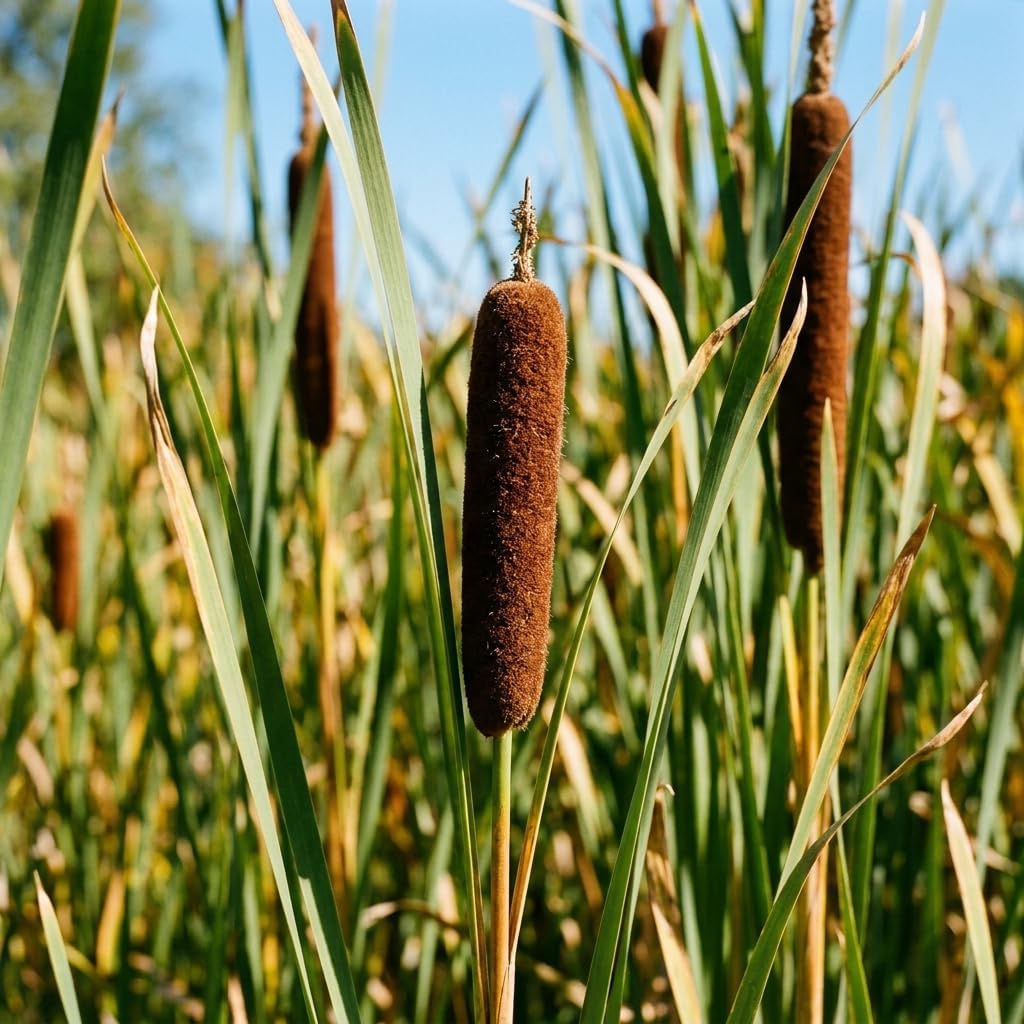
CZ Grain Cattail Seeds for Pond and Water Gardens (600 Count)
| Unit Count | 600 Count |
|---|---|
| Other Special Features of the Product | Aquatic Perennial, Brown Flower Spikes, Upright Leaves |
| Expected Blooming Period | Summer |
| Sunlight Exposure | Full Sun |
| Moisture Needs | Moderate Watering |
These cattail seeds are a straightforward, budget-friendly option for introducing wetland plants to a managed pond edge or water garden. The packet contains 600 seeds and the seller provides planting guidance to surface-sow the tiny seeds into wet soil, keep them light-exposed, and maintain constant moisture until they germinate. In practice you would start seeds in a shallow tray or moist mix, move seedlings into saturated containers or the pond margin once established, and expect tall upright foliage and brown cylindrical flower spikes in the growing season. Because cattails are perennial and spread by rhizomes they are useful for quickly adding vertical texture and stabilizing muddy banks, but they can form dense colonies so plan containment. The seeds are labeled heirloom and organic and the care notes match typical pond-plant methods, making this a cost-effective way to start multiple plants from one packet. Some buyers report variable germination, so expect to over-sow and monitor moisture and light closely for best results.
Best for: Gardeners on a tight budget who want an inexpensive way to introduce tall, pond-edge plants to managed water gardens or saturated containers and who are willing to reseed and manage spread.
Less Ideal for: People seeking a low-maintenance, non-spreading plant for small or natural wetlands that cannot be controlled should choose a less aggressive marsh species or potted alternatives.
- Large 600-count packet provides enough seed to establish multiple plants or fill a pond edge affordably
- Heirloom and organic-labeled seeds suitable for gardeners seeking non-hybrid seed stock
- Instructions advise surface sowing in wet soil and maintaining constant moisture, which matches standard pond-plant propagation
- Seeds produce perennial plants that add strong vertical texture and help stabilize wet soils once established
- Germination can be variable so successful establishment may require over-sowing and careful moisture management
- Cattails spread via rhizomes and can become invasive in unmanaged settings, requiring containment or regular control
Verdict: If you need an economical way to establish tall, perennial wetland plants around a managed pond or saturated planter, this 600-count packet gives you plenty of seed to get started.
Whitetail Hill Soggy Bottoms Food Plot Seed Mix (Turnips + Moisture-Tolerant Clovers)

| Indoor Outdoor Usage | Outdoor |
|---|---|
| Other Special Features of the Product | High Germination Rate |
| Sunlight Exposure | Full Sun to Partial Shade |
| Expected Blooming Period | Year Round |
This blend combines turnips with three specially selected clover species chosen for tolerance to wet ground, making it a practical option for planting low spots that stay damp but do not hold standing water. Typical use is straightforward: prepare the seedbed by light tilling or no-till raking, broadcast at the recommended shallow depth, and roll or cultipack; it can be frost-seeded in appropriate seasons. Notable features include species selected for moisture resilience, suitability for full sun to moderate shade, and guidance for moderate soil fertility and pH 5.5–7.0. In practice the mix opens up areas where conventional cover crops fail, establishing forage and ground cover that is cold hardy and shade tolerant. Limitations are that it will not grow in standing water and it benefits from at least moderate fertility and basic soil preparation for best results. For someone who wants a reliable option for consistently wet but plantable spots, this makes sensible use of species choice to reduce planting failures.
Best for: Buyers who need a dependable seed mix for persistently damp but plantable low spots and prefer a conservative choice that reduces the risk of planting failure.
Less Ideal for: Gardeners with permanently flooded ground or those seeking seed mixes for dry, well-drained upland plots should look elsewhere.
- Formulated specifically for moist, low-lying plots where many mixes fail
- Includes cold-hardy turnips for quick biomass and clovers for longer-term cover and attractant value
- Suitable in full sun to moderate shade, expanding planting options
- Can be frost-seeded and used with no-till or light soil prep
- Not suitable for areas with standing water
- Requires at least moderate soil fertility to perform well
Verdict: If you need a low-risk seed mix that establishes in moist, low-lying spots where standard mixtures fail, this turnip-and-clover blend is a reliable choice.
Choosing the Right Plants for Soggy Soil: Key Factors to Consider
Water Tolerance and Flood Duration
How long a plant can survive with saturated roots matters more than a simple label of “moisture-loving.” Some plants tolerate daily wet feet but fail if roots are submerged for weeks. Consider both short-term ponding after storms and chronic saturation from a high water table. Plants adapted to riversides or bog edges typically withstand longer inundation than upland moisture-tolerant species.
Match plant selection to the site's flood duration. For areas that pond briefly, many moisture-tolerant perennials will thrive. For spots that stay waterlogged through seasons, choose true wetland species with aerenchyma or other adaptations that allow oxygen exchange in the root zone.
Soil Texture and Drainage Characteristics
Soggy soil can be heavy clay that holds water or organic muck that drains slowly but stays damp. A plant that performs in one wet soil type may struggle in another. Soil texture influences root oxygen levels, nutrient availability, and how quickly water moves away after rainfall.
Before planting, assess whether the site could be improved by amending with coarse material or installing shallow drains. In many cases, choosing species adapted to the existing soil is simpler and more durable than trying to engineer drainage.
Root System Structure
Plants with fibrous, shallow root mats or specialized oxygen-transporting tissues are often better suited to saturated soils than deep tap-rooted species. Fibrous roots can spread laterally and help stabilize the soggy substrate, reducing erosion. Species that develop rhizomes or stolons may colonize wet patches and hold soil in place.
Evaluate whether you need anchoring plants for a slope or spreading groundcovers to suppress weeds in flat, wet areas. Root architecture also affects transplant success; shallow-rooted wetland plants are generally easier to establish from divisions.
Disease and Pest Susceptibility in Wet Conditions
Persistent moisture increases risks from root-rotting fungi and some foliar diseases. Plants that naturally resist or tolerate common wet-site pathogens reduce long-term maintenance. Look for species with proven field resistance to root rot and crown rot rather than those that only survive in controlled conditions.
Regular inspection during the first establishment year is important because wet stress shows up as yellowing or sudden collapse. Good cultural practices like avoiding soil compaction and protecting crowns from standing water will lower disease pressure.
Seasonal Interest and Wildlife Value
Wet areas need not be functional only. Choose plants that provide seasonal flowers, fall color, or seed heads that feed birds. Pollinator-friendly wetland species help beneficial insects and can integrate the soggy spot into the larger garden ecosystem.
Balancing utility and interest means selecting a mix of structural plants for erosion control and bloomers for visual impact. Consider how the plant will look at different times of year, especially if the area is a focal point in the landscape.
Maintenance and Long-Term Management
Even the best-adapted plants need appropriate maintenance in wet sites. Some species require annual division to prevent overcrowding, while others can be left alone. Consider winter dieback, seed spread, and how easy it is to access the site for pruning or dividing without compaction.
Plants that demand heavy feeding, frequent amendments, or constant deadheading may not be the right choice for marginal wet areas. Favor low-maintenance options if the spot is difficult to reach or if you prefer hands-off gardening.
Designing With Wet Areas
Treat wet patches as deliberate features rather than problems. A planting plan that groups moisture-loving species by height and bloom time creates a cohesive look and hides poorly drained soil. Use taller, structural plants at the back of a bed or at the highest point near the margin, and fill closer-to-water edges with low, spreading plants that tolerate periodic submersion.
Incorporate textures and vertical elements to break up expanses of green. Seed heads, foliage contrast, and seasonal color help a wet garden read as intentional. Paths and stepping stones can provide access without compacting the saturated soil.
- Place water-tolerant shrubs and grasses at erosion-prone edges for stabilization
- Group plants with similar flood tolerance together to reduce replacement work
- Use mulch sparingly to avoid creating an impermeable layer that traps water
Establishing Plants in Saturated Ground
Timing and technique influence establishment success. Plant during a drier period when roots can begin to spread before facing prolonged saturation. When installing in heavy clay, lift the root ball slightly so crowns sit just above the highest water level to reduce rot risk.
Use soil conditioners only when appropriate; excessive peat or compost can hold more moisture and worsen anaerobic conditions. Where possible, create a shallow berm or hummock for species that prefer moist but not standing water, and plant true wetland species lower where occasional flooding occurs.
- Avoid compacting soil around new transplants; work from boards or paths
- Water in gently but do not drown newly planted roots
- Consider root barriers if aggressive spreaders may become invasive
Managing Excess Water Without Heavy Engineering
You do not always need major drainage work to improve a wet corner. Redirecting roof runoff, adding a rain garden outlet, or installing a shallow swale planted with moisture-tolerant species can relieve standing water while creating habitat. These low-impact solutions work well at the scale of home gardens and are often less disruptive than trenching.
When modifying the site, maintain natural hydrology where possible. If water flows across more than one yard, coordinate any interventions to avoid shifting the problem downstream.
- Use native wetland plants in swales to filter and slow runoff
- Keep outlets clear of debris and check them after heavy storms
- Work with neighbors or local authorities when altering shared drainage
Combining Aesthetics With Function
A successful wet-site planting plan balances utility and beauty. Mix evergreen and deciduous wetland plants so the area has structure year-round. Add a few flowering perennials that peak at different times to extend visual interest and support pollinators throughout the season.
Think in layers: tall emergent plants, mid-height perennials, and low groundcovers. This layered approach improves habitat complexity and reduces bare, erosion-prone soil.
- Use clumping rushes or sedges for vertical rhythm
- Place splash-tolerant flowering perennials near paths for close viewing
- Avoid monocultures; diversity reduces disease risk
When to Call a Professional
If your wet area floods to the point of damaging foundations, utilities, or public walkways, consult a landscape professional or civil engineer. They can assess grading, surface runoff, and subsurface water tables and recommend solutions that integrate with your garden plans.
For typical garden-scale soggy spots, a landscape designer experienced with rain gardens and wetland plants can provide planting plans and species lists tailored to your climate and soil without expensive drainage installs.
- Seek advice when changes affect neighboring properties
- Bring soil descriptions and photographs to consultations for faster recommendations
How We Chose the Best Plants for Soggy Soil
We focused on species and cultivars that reliably tolerate extended soil saturation and occasional standing water, plus those that contribute to garden health in wet microclimates. Selection prioritized documented water tolerance, root system structure that resists rot, and adaptability to a range of soils from heavy clay to organic muck. We also weighed landscape utility such as erosion control, seasonal interest, and wildlife value so that picks serve both functional and aesthetic roles in a garden. Evaluation criteria included observed survival in saturated soils, resistance to common root diseases in wet sites, root architecture and anchoring ability, maintenance needs when grown in wet ground, and ecological benefits like pollinator support or habitat. Plants requiring constant winter protection or highly specialized soil amendments were excluded. We did not include species known to become invasive in most temperate garden regions or those that need artificially installed drainage to persist. The result is a practical set of options suited to real-world wet-site gardening.
FAQ
Can any plant survive in constantly soggy soil?
No. While many plants tolerate intermittent moisture, only specific wetland-adapted species will survive constant saturation. Choose plants described as tolerant of standing water or true wetland species for persistently soggy spots.
Will amending soil with compost fix waterlogged ground?
Compost can improve structure in some cases, but it may also increase water retention in already heavy soils. Improving drainage works best when combined with plant selection and, where appropriate, modest grading or swales.
Are native plants better for wet areas?
Often yes. Native wetland species are adapted to local hydrology and support local wildlife. However, select noninvasive cultivars carefully when a native option is not available for the aesthetic or functional role you need.
How should I plant shrubs in a wet spot?
Plant shrubs that tolerate wet feet on slightly higher ground when possible, and ensure crowns are not buried. Use soil lifts or small berms for species that prefer moist but not flooded conditions and reserve lower areas for true water-tolerant varieties.
Can wet areas attract pests or diseases more than dry areas?
Yes. Excess moisture can increase root-rotting pathogens and some fungal leaf diseases. Choosing species with good disease resistance and avoiding crown burial reduces risk.
Is it okay to let wet areas naturalize?
Letting a wet patch naturalize with appropriate moisture-loving plants can create valuable habitat and reduce maintenance. Avoid letting invasive, aggressive species dominate by selecting desired colonizers and managing early establishment.
Final Verdict
Prioritize plants with proven tolerance to the specific flooding and soil conditions in your garden. Match root architecture and maintenance needs to the site, and use a mix of structural stabilizers and flowering species for year-round interest. Consider modest landscape modifications only when necessary, and favor ecological benefits like pollinator support and erosion control when choosing species. With the right selections and simple establishment steps, soggy soil becomes an opportunity to add resilient, attractive plantings rather than an ongoing problem. Focus on adaptation and practicality to choose plants that will thrive where water lingers.
