

Note: This article contains affiliate links. If you click on these links and make a purchase, I may earn a small commission at no extra cost to you. This helps support my research and content. Read my full affiliate disclosure here.
If you garden where the ground stays damp after rain or near ponds and low spots, choosing plants suited to saturated conditions prevents rot and frustration. The right plants will survive short-term flooding, help stabilize soggy ground, and still provide flowers, foliage, or structure through the season. This guide shortlists seven top choices for wet soil, focusing on plants that thrive in consistently moist conditions rather than those that merely tolerate occasional wet feet. We evaluate moisture tolerance, landscape performance, and maintenance needs to help you pick species that work in your yard or wetland edge.
Top Picks at a Glance
| Best Overall The best all-around choice for most situations | CZ Grain Soft Rush (Juncus effusus) Live Plant Plugs, 3-Pack |  |
| Best Quality Built to a higher standard if you want something more solid | CZ Grain Blue Wood Sedge (Carex flaccosperma) Live Plant Plugs (5) |  |
| Best Value The sweet spot between price and what you get | CZ Grain Water Lily Bare Root Plants (Nymphaea) — 3 Rhizomes |  |
| Best Budget The cheapest option that still gets the job done reliably | CZ Grain Cattail Seeds for Pond and Water Gardens (600 Count) |  |
| Highest Rated A top-rated pick with lots of positive feedback | Lobelia cardinalis (Cardinal Flower) — 3" Starter Pot |  |
| Most Popular A crowd favorite that many people choose with confidence | 5 Live Water Hyacinth Plants (Floating Aquatic Plants) for Ponds and Water Gardens |  |
CZ Grain Soft Rush (Juncus effusus) Live Plant Plugs, 3-Pack

| Botanical name | Juncus effusus |
|---|---|
| Unit Count | 1 Count |
| Sunlight Exposure | Partial Sun |
These CZ Grain Soft Rush plugs are live, rooted starter plants designed for wet-site gardening. Each pack contains three Juncus effusus plugs that transplant easily into pond margins, rain gardens, bioswales, or consistently moist beds. The plants produce upright, cylindrical green stems that add vertical texture and movement to a landscape while tolerating full sun to partial shade. Their preference for saturated or shallow-water conditions makes them a practical choice for erosion control and stabilizing damp edges. They are hardy perennials that require little maintenance once established, although they do need consistently moist conditions early on and will not perform well in dry, well-drained soil. As live plants shipped as starter plugs, successful establishment depends on proper planting and watering in the first season and occasional site management to prevent spreading in favorable wet habitats. For gardeners seeking low-fuss, architectural foliage for wet areas, these plugs offer a straightforward way to add structure and function to water-adjacent plantings.
Best for: Gardeners who need reliable, low-maintenance plants specifically for wet or water-adjacent sites and who want architectural, vertical texture in rain gardens, ponds, or drainage areas.
Less Ideal for: People looking for drought-tolerant, dry-sunny border plants or those who prefer fully mature specimens rather than starter plugs.
- Ready-rooted starter plugs simplify transplanting into ponds, rain gardens, or moist borders
- Thrives in consistently wet or shallow-water conditions useful for erosion control and edge stabilization
- Upright cylindrical stems provide strong vertical texture and low-maintenance seasonal structure
- Tolerates full sun to partial shade, giving flexibility for varied planting locations
- Requires consistently moist or saturated soil and will not tolerate dry planting sites
- Sold as starter plugs so establishment needs attentive watering and planting care initially
Verdict: Choose these live soft rush plugs when you want an easy-to-establish, low-maintenance plant that performs reliably in consistently wet soil and pond-edge plantings.
CZ Grain Blue Wood Sedge (Carex flaccosperma) Live Plant Plugs (5)

| Expected Blooming Period | Spring to Summer |
|---|---|
| Sunlight Exposure | Full Sun |
Blue Wood Sedge (Carex flaccosperma) plugs are a practical choice for establishing a shade-tolerant groundcover in damp or low-light areas. Sold as starter plugs, these five young plants transplant easily and establish faster than bare-root stock, letting you fill a bed more quickly. The plants produce soft blue-green, arching foliage that holds color through the season and spreads slowly to form dense clumps useful for erosion control and underplanting beneath trees. They are drought tolerant once established and pair naturally with hostas and ferns. Practical benefits for performance-minded gardeners include rapid establishment from plugs and low maintenance after the first season. Limitations to consider are that plugs need initial irrigation and protection while roots develop, and they spread gradually rather than instantly covering large areas, so larger-scale projects require multiple packs or time to fill in. Expect steady seasonal performance rather than instant turf-like coverage.
Best for: Gardeners who need a reliable, low-maintenance shade groundcover and want faster establishment from plugs rather than waiting for seeds or divisions.
Less Ideal for: Those who need instant, full-coverage groundcover for large areas or prefer a rapidly spreading turf alternative.
- Starter plugs establish faster and transplant easier than bare-root plants
- Native shade lover suited to partial to full shade
- Forms dense clumps that help with erosion control and underplanting
- Soft blue-green foliage provides season-long texture and color
- Low maintenance and drought tolerant once established
- Requires initial watering and care while plugs develop roots
- Spreads gradually so multiple packs or time are needed to cover large areas
Verdict: Choose these starter plugs when you want a durable, shade-tolerant native sedge that establishes quickly and builds dense, low-maintenance groundcover.
CZ Grain Water Lily Bare Root Plants (Nymphaea) — 3 Rhizomes

| Expected Blooming Period | Summer to Winter |
|---|---|
| Sunlight Exposure | Full Sun |
| USDA Hardiness Zone | 3-10 |
| Soil Type | Loam Soil |
These CZ Grain water lily bare roots are straightforward aquatic perennials for adding floating foliage and flowers to ponds, koi ponds, or large water containers. Each rhizome arrives without a pot so you plant directly into an aquatic basket or heavy soil, orienting the growing tip and covering the soil with a thin layer of gravel before lowering to the proper depth. The plants are described as compact, hardy from USDA zones 3 to 10, and suited to full sun where they will bloom from summer into winter in favorable climates. Practical benefits include easy planting for someone who wants reliable pond impact, low ongoing maintenance once established, and the ability to naturalize and return year after year. Limitations are that these arrive as bare roots so they require basic pond planting supplies and correct depth/sun exposure to flower well, and specific flower colors are not guaranteed for each crown. Expect modest effort up front to establish them and seasonal care for overwintering in colder zones.
Best for: Gardeners who want a low-maintenance, practical plant to fill wet soil or pond space with seasonal flowers and floating foliage, preferring straightforward planting and long-term returns.
Less Ideal for: People who need instant potted displays or who cannot provide at least six hours of direct sun and appropriate pond depth for aquatic plants.
- Ships as live bare-root rhizomes ready for direct pond planting
- Hardy across a wide USDA zone range (3–10) for broad climate compatibility
- Compact habit suitable for small to medium ponds and containers
- Long expected bloom period from summer into winter in suitable climates
- Requires aquatic planting basket, heavy soil, and correct planting depth to establish
- Color assortment listed but specific bloom color per rhizome is not guaranteed
Verdict: A practical choice for pond owners who want easy-to-plant, hardy water lilies that establish into reliable seasonal bloomers.
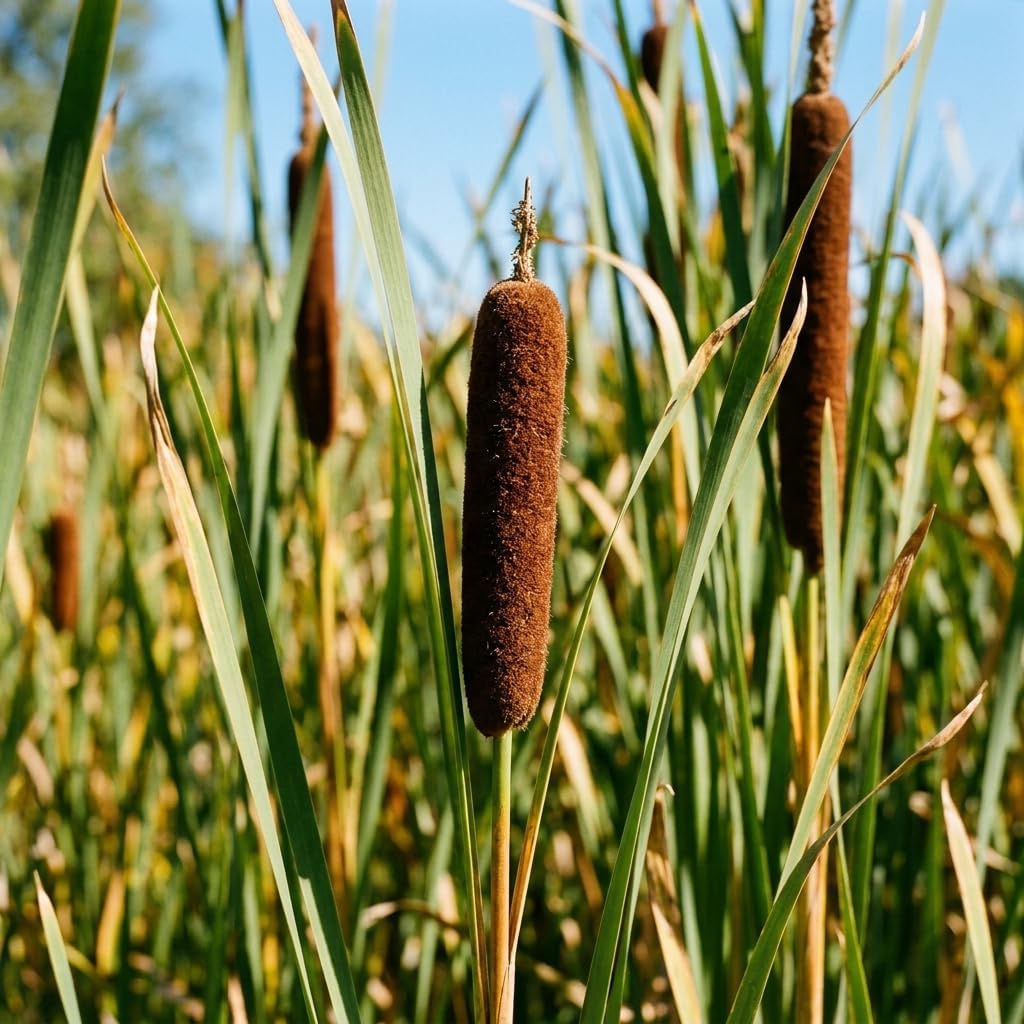
CZ Grain Cattail Seeds for Pond and Water Gardens (600 Count)
| Unit Count | 600 Count |
|---|---|
| Other Special Features of the Product | Aquatic Perennial, Brown Flower Spikes, Upright Leaves |
| Expected Blooming Period | Summer |
| Sunlight Exposure | Full Sun |
| Moisture Needs | Moderate Watering |
These cattail seeds are a straightforward, budget-friendly option for introducing wetland plants to a managed pond edge or water garden. The packet contains 600 seeds and the seller provides planting guidance to surface-sow the tiny seeds into wet soil, keep them light-exposed, and maintain constant moisture until they germinate. In practice you would start seeds in a shallow tray or moist mix, move seedlings into saturated containers or the pond margin once established, and expect tall upright foliage and brown cylindrical flower spikes in the growing season. Because cattails are perennial and spread by rhizomes they are useful for quickly adding vertical texture and stabilizing muddy banks, but they can form dense colonies so plan containment. The seeds are labeled heirloom and organic and the care notes match typical pond-plant methods, making this a cost-effective way to start multiple plants from one packet. Some buyers report variable germination, so expect to over-sow and monitor moisture and light closely for best results.
Best for: Gardeners on a tight budget who want an inexpensive way to introduce tall, pond-edge plants to managed water gardens or saturated containers and who are willing to reseed and manage spread.
Less Ideal for: People seeking a low-maintenance, non-spreading plant for small or natural wetlands that cannot be controlled should choose a less aggressive marsh species or potted alternatives.
- Large 600-count packet provides enough seed to establish multiple plants or fill a pond edge affordably
- Heirloom and organic-labeled seeds suitable for gardeners seeking non-hybrid seed stock
- Instructions advise surface sowing in wet soil and maintaining constant moisture, which matches standard pond-plant propagation
- Seeds produce perennial plants that add strong vertical texture and help stabilize wet soils once established
- Germination can be variable so successful establishment may require over-sowing and careful moisture management
- Cattails spread via rhizomes and can become invasive in unmanaged settings, requiring containment or regular control
Verdict: If you need an economical way to establish tall, perennial wetland plants around a managed pond or saturated planter, this 600-count packet gives you plenty of seed to get started.
Lobelia cardinalis (Cardinal Flower) — 3" Starter Pot

| Indoor Outdoor Usage | Outdoor |
|---|---|
| Expected Blooming Period | Late Summer |
| Sunlight Exposure | Full Sun, Partial Shade, Partial Sun |
| USDA Hardiness Zone | 4+ |
| Moisture Needs | Regular Watering Needs |
This Lobelia cardinalis arrives as a fully rooted 3" starter pot intended for planting into consistently moist sites such as streambanks, wet meadows, or woodland gardens. It produces scarlet red blooms in late summer that reliably attract hummingbirds and butterflies. Typical use is planting into rich, peat-based or medium to wet soils in full sun to partial shade, then keeping soil evenly moist and mulched to retain water. Notable features from the listing include deer and pest resistance, low maintenance once established, and suitability for USDA zone 4 and warmer. Practical benefits are its strong appeal to pollinators and its ability to hold color in wetter areas where many ornamentals struggle. Limitations are that it needs regular watering and moist soil to perform well, which makes it a poor choice for dry sites, and the 3" starter size will require a season of growth before reaching full height and peak flower display. Shipping notes in the product description suggest some variability in size and occasional minor cosmetic damage on arrival, so plan for a short establishment period after planting.
Best for: Buyers who need reliable, moisture-loving perennials for wet or boggy areas and prioritize plants that establish predictably and attract pollinators.
Less Ideal for: Gardeners with dry sites, drought-prone yards, or those who want instant large displays without time to establish small starter plants.
- Fully rooted 3" starter pot ready to plant into moist garden sites
- Attractive scarlet blooms that draw hummingbirds and butterflies
- Suitable for wet soils and designed for late-summer flowering
- Listed as deer resistant and low maintenance once established
- Requires consistent moisture and regular watering to thrive
- Small starter size will take time to reach mature height and full bloom
Verdict: A dependable moisture-loving perennial that reliably brings vivid late-summer red blooms and pollinators to wet garden spots.
5 Live Water Hyacinth Plants (Floating Aquatic Plants) for Ponds and Water Gardens

| Indoor Outdoor Usage | Outdoor |
|---|---|
| Sunlight Exposure | Full Sun |
| USDA Hardiness Zone | 9-11 |
| Moisture Needs | Fully Aquatic – Requires Constant Water |
These live water hyacinths are fast‑growing floating plants intended for still or slow-moving ponds and water gardens. The five-plant pack arrives as buoyant plants ready to place on the water surface; once established they spread quickly to create shade, shelter for fish, and natural nutrient uptake that helps improve water clarity. They prefer full to partial sun and warm water above about 50°F, and will bloom in summer under the right conditions. Practical benefits include easy no-soil installation, quick pond coverage for visual impact, and roots that act as a biofilter for excess nutrients. Important limitations are their vigorous growth habit, which requires thinning to prevent overcrowding, and lack of frost tolerance so they must be removed or protected in cold climates. Also check local regulations before planting because water hyacinth is restricted in some regions due to its invasive potential.
Best for: Gardeners who want an easy, low-effort floating plant to add quick coverage and natural filtration to small ponds or water gardens and who monitor plant health and local regulations.
Less Ideal for: People with ponds in cold climates who cannot provide winter protection or those who prefer noninvasive, slow-growing aquatic plants for minimal maintenance.
- Provides rapid surface coverage for ponds, creating immediate shade and visual impact
- Roots absorb excess nutrients, contributing to natural filtration and improved water quality
- No soil required so plants are easy to place and maintain in established water features
- Produces attractive lavender-blue summer flowers when conditions are favorable
- Very fast growth can lead to overcrowding and requires regular thinning
- Not frost hardy so plants must be removed or sheltered in cold climates
Verdict: Choose these water hyacinths if you want fast, attractive floating coverage and natural nutrient filtration for a warm outdoor pond.
Choosing the Right Plants for Wet Soil: Key Factors to Consider
Degree of Water Saturation
Not all wet sites are the same. Some areas experience standing water for days after heavy rain, while others have persistently high water tables that keep soil saturated for weeks. Choose plants rated for the specific length and frequency of inundation in your garden. Plants that survive temporary ponding may still fail if roots sit in water permanently.
Also consider seasonal variation. A low spot that floods in spring but dries by midsummer will support a different plant mix than a permanently boggy edge. Matching plants to the real moisture regime prevents replacement and long-term labor.
Soil Type and Drainage Layers
Clay, silt, or organic-rich soils retain water differently than sandy loam. Clay soils hold moisture and can become oxygen-poor for roots, favoring species adapted to low-oxygen conditions. Sandy soils drain quickly but may still be wet if fed by groundwater.
Amendments or added drainage layers can change soil behavior, but they also alter the planting environment and may not be practical in large wet areas. Choose species suited to the native soil unless you plan a major soil modification.
Rooting Habit and Stability
Plants with fibrous or deep root systems help stabilize soggy banks and reduce erosion. Shallow-rooted species can be dislodged during floods or by foot traffic, while aggressive spreaders can form dense mats that control sediment but may crowd out diversity.
Consider whether you need erosion control, bank stabilization, or simply ornamental planting. Balance rooting habit against site function so you do not create maintenance problems by introducing overly invasive spreaders.
Disease Resistance and Rot Susceptibility
Constant moisture increases risk of root rot and fungal diseases. Select plants with natural resistance to common root pathogens or those known to maintain healthy roots in low-oxygen soils. Avoid species that are only drought-adapted or that require quick-draining mixes.
Good cultural practices such as appropriate spacing, avoiding mulch piled against crowns, and planting at the right depth reduce disease pressure even in wet sites.
Wildlife Value and Pollinator Support
Wet-site plantings can provide important habitat and food resources. Many wet-tolerant blooms attract pollinators, while seedheads and dense foliage offer shelter for birds and amphibians. Prioritizing species with ecological benefits improves garden biodiversity and supports nearby waterways.
If your site drains to a stream or pond, choose plants that filter runoff and slow water flow, using native species where possible to maximize habitat value.
Maintenance and Long-Term Management
Some wet-site plants establish quickly and need little care after the first year, while others require dividing, seasonal cutting back, or monitoring to prevent spread. Consider how much ongoing maintenance you are willing to do when choosing species.
Also plan for long-term changes: as plants mature, they can alter site hydrology and shade, which affects the next generation of plants. Choose species whose lifecycle and maintenance fit your garden plan.
Designing Plantings Around Water Patterns
Map the wetness gradients in your yard before you plant. Create zones from permanently saturated margins to intermittently wet swales and drier adjacent beds. Place the most water-tolerant species at the lowest points and transition into less tolerant shrubs and perennials upslope.
Consider how water moves across the landscape after storms. Orient beds and mulched areas to slow runoff and let plants intercept sediment. Group plants by moisture requirement to make irrigation and maintenance straightforward.
- Plant lowest-tolerance species in the actual drainage line
- Use berms or gravelly transition strips for drier-edge species
- Avoid piling mulch against crowns in continually wet areas
Using Wet-Tolerant Plants for Erosion Control
Dense clumping grasses, sedges, and some groundcovers form mats that trap soil and slow flowing water. On banks, prefer species with strong fibrous roots that bind the topsoil. Layer plantings with deeper-rooted shrubs or small trees to reinforce stability over time.
When planting for erosion control, space plugs or divisions to close gaps quickly and use biodegradable erosion control fabric only when the site is vulnerable to immediate washout.
- Choose staggered spacing to close bare ground fast
- Combine mat-forming species with deeper-rooting anchors
- Avoid tall, floppy plants alone on steep banks
Planting and Establishment Tips for Soggy Sites
Timing and technique matter. Plant outside of the wettest season when root disturbance is less likely to compact the soil, unless the species needs to establish in saturated conditions. Use larger root balls or potted specimens for faster establishment in moving water.
Protect new plants from strong currents with temporary rock barriers or brush bundles until roots gain purchase. Avoid planting too deep; set crown level with the surrounding soil to reduce rot risk.
- Use straight-sided holes to avoid root circling
- Firm soil around roots gently to eliminate air pockets
- Mulch sparingly and keep mulch away from the base
Native Vs. Ornamental Choices for Wet Areas
Native wetland species are often the best ecological fit because they evolved with local hydrology and support regional wildlife. They can be more resilient and require less intervention over time. However, ornamental non-natives can add long bloom times and diverse foliage where ecological impact is low.
If you plant non-native ornamentals, avoid species known to naturalize aggressively in wetlands. Check regional invasive species lists and favor plants that contribute to pollinators and water quality.
- Prioritize natives for stream buffers and large wetland restorations
- Use ornamentals in contained garden beds where escape risk is low
- Mix species to extend seasonal interest while maintaining function
Seasonal Care and Winter Management
Many wet-site plants can be cut back in late winter or early spring to remove dead growth and encourage fresh shoots. Leave some seedheads for wildlife over winter where appropriate. In colder climates, account for freeze-thaw cycles that can heave shallow-rooted perennials.
Watch for nitrogen run-off or nutrient imbalances in pond-edge plantings. Periodic checks and light feeding where necessary help maintain vigor without overloading adjacent water bodies.
- Delay heavy pruning until new growth starts
- Monitor for winter heaving on exposed crowns
- Maintain buffer plantings to filter runoff
How We Chose the Best Plants for Wet Soil
We selected plants based on traits that matter when soil stays saturated or regularly soggy. Primary criteria included proven tolerance to standing water or poor drainage, measured by documented survival through multi-day inundation or consistently wet planting tests. We also prioritized garden performance indicators such as reliable flowering or foliage interest across seasons, ability to establish without repeated replanting, and competitiveness with surrounding vegetation. Hardiness and regional adaptability were considered so selections suit a range of temperate climates. Maintenance requirements were another filter: we favored species that do not need constant dividing, heavy pruning, or soil amendments to tolerate moisture. Ecological benefits such as wildlife value and erosion control were weighted, especially for planting near ponds, swales, or streambanks. We excluded plants that only tolerate very brief wet periods or that require specialized wetland permits. We also excluded cultivars with unproven garden performance in wet sites. The result is a shortlist of resilient, garden-ready plants matched to consistently damp conditions.
FAQ
Can any plant survive occasional flooding?
Many plants tolerate occasional brief flooding, but sustained waterlogged soil is a different challenge. Look for species specifically noted for standing-water tolerance or bog conditions rather than relying on occasional flood hardiness.
How do I tell if my yard has a high water table or standing water problem?
Observe the site after heavy rain and dig a test hole in the low area to see how quickly it fills and drains. A high water table will keep soil saturated near the surface for weeks, while quick drains indicate temporary ponding. Local extension services can also help interpret soil behavior.
Are wetland plants more work than typical garden perennials?
Not necessarily. Many wetland-adapted species are low maintenance once established because they are matched to the site conditions. Some require division or seasonal cutting back, but they usually avoid the chronic rot and replanting issues that unsuitable plants create in wet spots.
Should I use mulch in constantly wet beds?
Use mulch sparingly in permanently wet beds. A thin layer of coarse mulch can suppress weeds and slow erosion, but thick or fine mulches that stay soggy against crowns can encourage rot. Keep mulch pulled back from plant bases.
Can wet-site plantings help with stormwater management?
Yes. Strategic plantings on swales, rain gardens, and pond edges slow runoff, trap sediment, and uptake nutrients. Choosing the right mix of deep-rooted and mat-forming species improves infiltration and reduces erosive flow.
Final Verdict
Choosing the right plants for wet soil reduces replacement and maintenance while improving the function of soggy spots in your landscape. Prioritize species with demonstrated tolerance for the specific duration and frequency of wetness in your site, together with rooting habits that match your goals for erosion control or ornamental display. Balance seasonal interest and maintenance needs so the planting fits both the hydrology and the time you can commit. When in doubt, lean to plants adapted to saturated conditions and consider native options for habitat benefits. That approach gives the best chance that your wet-area planting will thrive and contribute positively to the garden over time.
