

Note: This article contains affiliate links. If you click on these links and make a purchase, I may earn a small commission at no extra cost to you. This helps support my research and content. Read my full affiliate disclosure here.
If your balcony, patio, or sunny window gets intense midday sun, choosing the right potted plants matters for season-long color and survival. Plants adapted to strong light and high temperatures use water efficiently, resist leaf scorch, and keep their shape rather than collapsing under heat stress. This guide covers six top picks suited specifically for hot, sunny settings and explains the traits that make them reliable in containers. Each shortlisted option was selected for planter performance, heat tolerance, and straightforward care needs. Read on to learn the practical differences in water needs, soil, and placement so you can pick plants that thrive where heat is the rule.
Top Picks at a Glance
| Best Overall The best all-around choice for most situations | American Plant Exchange Texas Sage (10-inch pot) |  |
| Best Value The sweet spot between price and what you get | Altman Plants Snake Plant (Laurentii) in 4 in Grower Pot |  |
| Best Budget The cheapest option that still gets the job done reliably | THE NEXT GARDENER.COM Succulent Plants, 4-Pack, Fully Rooted in 2" Pots |  |
| Highest Rated A top-rated pick with lots of positive feedback | CitronellaKing Hesperaloe (Red Yucca) 2-Plant Starter Pack |  |
| Most Popular A crowd favorite that many people choose with confidence | Perfect Plants Confederate Jasmine Live Plant, 1 Gallon |  |
| Best Seller A high-volume bestseller chosen again and again | THE NEXT GARDENER Turtle Vine (4-inch) Fully Rooted Succulent |  |
American Plant Exchange Texas Sage (10-inch pot)

| Indoor Outdoor Usage | Outdoor |
|---|---|
| Other Special Features of the Product | Attracts Pollinators |
| Expected Blooming Period | Fall |
| Sunlight Exposure | Full Sun |
| Moisture Needs | Moderate Watering |
This potted Texas Sage is a hardy, sun‑loving shrub intended for warm, well‑drained outdoor spots such as sunny patios or borders. It arrives in a 10‑inch plastic container and is typically used as a focal container plant or in a mixed sunny bed where its silvery leaves contrast with greener foliage. Key selling points are its tolerance for dry conditions once established, attraction to pollinators, and seasonal flushes of lavender‑pink tubular flowers. Practical benefits include low ongoing water needs after establishment, evergreen branching habit that adds texture year‑round, and suitability for USDA zones 8–11 with some cold tolerance down to about 10°F. Important limitations are that it needs 6–8 hours of direct sun and excellent drainage to avoid root problems, can eventually grow much larger than the pot so will need replanting or pruning over time, and young plants require regular watering while they establish.
Best for: Buyers who want a low‑maintenance, sun‑loving container shrub to add silvery texture and seasonal color to a sunny patio or border and who prefer plants that withstand dry periods once established.
Less Ideal for: Those seeking a shade‑tolerant or small, permanently containerized houseplant or gardeners in climates colder than USDA zone 8 without winter protection.
- Silvery evergreen foliage provides season‑long visual contrast
- Drought tolerant once established, lowering watering needs
- Attracts pollinators when it blooms
- Suitable for sunny afternoon exposure and warm climates
- Requires full sun and very well‑drained soil to avoid root rot
- Will outgrow a 10‑inch pot over time and needs eventual replanting or pruning
Verdict: Choose this Texas Sage if you need a hardy, drought‑tolerant potted shrub that thrives in afternoon sun and adds silvery foliage with seasonal lavender blooms.
Altman Plants Snake Plant (Laurentii) in 4 in Grower Pot

| Indoor Outdoor Usage | Indoor, Outdoor |
|---|---|
| Other Special Features of the Product | Low Maintenance |
| Sunlight Exposure | Full Sun |
| USDA Hardiness Zone | 10, 11, 12 |
| Soil Type | Sandy Soil |
The Altman Plants Laurentii is a classic variegated snake plant that provides tall, architectural foliage with minimal fuss. Sold fully rooted in a 4-inch grower pot, it is grown to handle typical indoor conditions and is frequently used as a low-light office or home plant to add vertical structure and color. Notable features are its tolerance for a wide range of light levels, drought resilience, and simple watering needs — water only when the top few inches of soil dry out. Because it is hardy and low maintenance it works well on shelves, in corners, or near windows with indirect light and helps improve indoor air quality. Limitations are inherent to the small nursery pot size on arrival, which means you may want to repot within a few months for fuller growth, and it is listed for warm USDA zones if placed outdoors. Overall care is straightforward, making it a reliable pick for someone who wants a durable, low-effort plant.
Best for: Buyers who want a no-fuss, durable houseplant to brighten low-light rooms or busy environments without frequent care. Ideal for people seeking a reliable, easy-care plant that can be left to dry between waterings.
Less Ideal for: Gardeners wanting instant, large statement plants or those who need outdoor-hardy specimens for cooler climates should look elsewhere.
- Very low maintenance and drought tolerant, suitable for irregular watering
- Tolerates low, medium, and bright indirect light, versatile placement indoors
- Variegated leaves add height and visual interest to small spaces
- Arrives fully rooted in a grower pot so it can be displayed immediately
- Ships in a small grower pot which may require repotting for faster growth
- Not cold-hardy outside except in warm USDA zones listed
Verdict: A tough, variegated snake plant that delivers low-light tolerance and minimal care, perfect for practical buyers who want a dependable, low-effort indoor plant.
THE NEXT GARDENER.COM Succulent Plants, 4-Pack, Fully Rooted in 2" Pots

| Indoor Outdoor Usage | Indoor |
|---|---|
| Expected Blooming Period | Fall |
| Sunlight Exposure | Partial Sun |
| Moisture Needs | Moderate Watering |
| Unit Count | 4 Count |
This 4-pack supplies four common succulents already rooted in 2" grower pots, which makes them a convenient pick for starting a small indoor collection or filling a windowsill. Plants arrive potted in a well-draining mix so you can transfer them to decorative pots or keep them as-is for low-effort display. The listing emphasizes low maintenance and moderate watering needs, so typical use is simple: bright, partial sun and water only when the soil dries. Practical benefits are that you get four different plants in one purchase, they tolerate occasional neglect, and the small pot size keeps them compact for crowded spaces. Limitations are the tiny pot size and young plant stage, so expect to repot within a few months as they grow and plan for minimal initial foliage rather than mature specimens. This set is best when you want an inexpensive, low-care starter grouping rather than established, larger plants.
Best for: Buyers wanting an inexpensive, low-effort way to start a small indoor succulent collection or fill compact spots with live plants.
Less Ideal for: Gardeners seeking mature, showy specimens or specific named varieties should look for larger potted plants or nursery-grown options.
- Sold as a four-pack so you receive multiple plants in one purchase
- Shipped in 2" grower pots with soil and established roots for immediate display
- Low maintenance and tolerant of infrequent watering
- Suitable for indoor use and small spaces like windowsills or desks
- Plants are small and will need repotting relatively soon
- Limited variety detail provided so specific cultivars may vary
Verdict: A practical, low-cost way to add four easy-care succulents to small indoor spaces with minimal fuss.
CitronellaKing Hesperaloe (Red Yucca) 2-Plant Starter Pack

| Sunlight Exposure | Full Sun to Partial Shade |
|---|---|
| USDA Hardiness Zone | 5-11 |
| Expected Blooming Period | Spring, Summer, Fall |
| Soil Type | Well-Draining Soil |
These two Hesperaloe (red yucca) starter plants are low-maintenance evergreen succulents meant for full sun sites where strong vertical form and long-lasting coral-red blooms are desired. Supplied in 3.5" nursery cubes, the plants are typically set into well-draining soil and established with moderate watering until roots take hold, then tolerated to long dry periods. Notable features include drought and cold hardiness across USDA zones 5–11, tall flower spikes that attract hummingbirds, and narrow arching foliage that keeps the base tidy year-round. Practical benefits are obvious for sunny, low-water landscapes: they provide durable structure, seasonal color without frequent care, and work well in xeriscapes, rock gardens, and large containers. Limitations are that they need full sun to perform best and will require space at maturity since plants can spread several feet and produce very tall bloom stalks; beginners should plan planting locations accordingly. Overall these are reliable sun-loving perennials for gardeners who want striking, low-effort color in hot, dry sites.
Best for: Gardeners who prioritize dependable, low-water plants for sunny exposures and want long-lasting architectural form with seasonal blooms and minimal ongoing care.
Less Ideal for: People with small shady yards, crowded plantings, or those who need compact, slow-growing foliage for very tight container spaces.
- Very drought- and heat-tolerant once established, suited to xeriscapes
- Cold-hardy across USDA zones 5–11 for wide climate adaptability
- Produces tall coral-red flower spikes that attract pollinators
- Low-maintenance evergreen habit that stays tidy at the base
- Requires full sun to reach best flowering and form
- Can spread and produce tall bloom stalks that need spacing and occasional pruning
Verdict: A dependable, sun-loving perennial that delivers low-water structure and long-lasting coral-red blooms for reliable direct-sun landscaping.
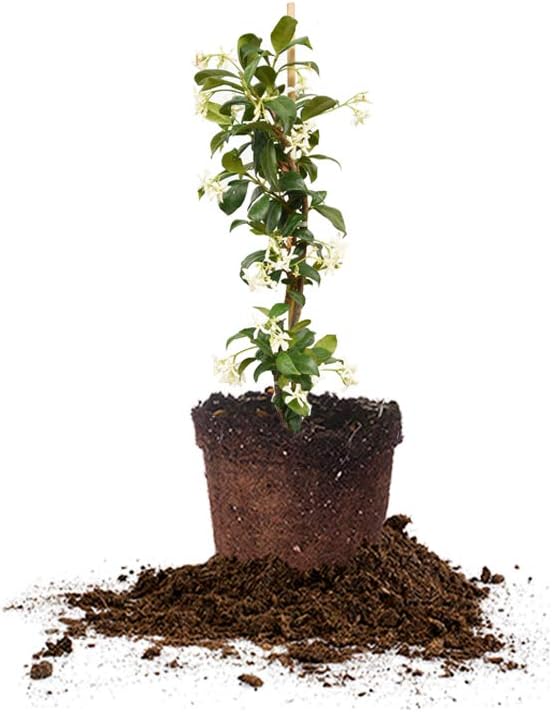
Perfect Plants Confederate Jasmine Live Plant, 1 Gallon
| Indoor Outdoor Usage | Outdoor |
|---|---|
| Other Special Features of the Product | Fragrant |
| Expected Blooming Period | Summer, Spring |
| Sunlight Exposure | Full Sun, Partial Shade |
| USDA Hardiness Zone | 4 |
This 1-gallon Confederate jasmine arrives as a young vine that quickly establishes in sunny spots and rewards with heavily scented, pale pinwheel flowers in spring and summer. Growers typically train it on a trellis, fence, hanging basket with support, or along railings; the vine is noted for cascading lime-green foliage and responds well to light shaping with clips or garden wire. Notable features from the listing include suitability for full sun to partial shade, moderate watering needs, and USDA hardiness to zone 4, which means it can persist in a wide range of climates when planted in appropriate sites. As a live plant it is straightforward to plant in loam-based soils and is described as easy to grow and maintain. Limitations to consider are that this is a young, single-plant offering so it will take time to reach its mature height and spread, and it requires support and periodic pruning to control vigor if used in baskets or confined containers. Also it does not ship to certain states according to the product notes.
Best for: Buyers who want an easy-care, fragrant climbing vine to add scent and cascading foliage to sunny baskets or supported containers and who value proven plant performance backed by customer feedback.
Less Ideal for: Gardeners seeking an instant full basket display or a no-maintenance groundcover should look elsewhere, as this vine needs time, training, and occasional pruning to fill space.
- Fragrant spring and summer blooms that add strong scent to outdoor spaces
- Tolerates full sun to partial shade making placement flexible
- Described as easy to grow which suits novice gardeners
- Hardy to USDA zone 4 so adaptable across many climates
- Sold as a single 1-gallon plant so it needs time and space to reach full coverage
- Requires a trellis or support and pruning to train and control growth
Verdict: A fragrant, easy-to-grow jasmine vine ideal for gardeners who want a proven, sun-tolerant climber to add scent and cascading foliage to hanging baskets and supported containers.
THE NEXT GARDENER Turtle Vine (4-inch) Fully Rooted Succulent

| Indoor Outdoor Usage | Indoor |
|---|---|
| Other Special Features of the Product | Drought Tolerant |
| Expected Blooming Period | Spring to Summer |
| Sunlight Exposure | Partial Sun |
| Material Features | Low Maintenance |
This 4-inch Turtle Vine arrives as a fully rooted succulent in a nursery pot and is designed for bright indoor placement where it can trail from shelves or hanging planters. The plant shows green leaves with purple undersides that deepen in stronger light, giving seasonal variation in color and fullness. It is drought tolerant and low maintenance, so it fits a simple soak-and-dry watering routine and prefers partial to bright sun for best color. Practical benefits include an established root system that helps reduce shock when re-potted and an attractive trailing habit that adds vertical interest to windowsills or desks. Limitations to expect are typical of small potted succulents: growth is modest from a 4-inch starter pot so you will likely need to re-pot for long-term display, and color and fullness depend on light levels so indoor placements with limited direct sun will produce less vibrant tones. Handle gently during transport and follow the provided recovery tips if the plant shows stress from cold or rough handling.
Best for: Buyers who want an easy-care, visually striking trailing succulent for bright indoor locations and value a low-risk, established starter plant.
Less Ideal for: People seeking large, fast-growing landscape specimens or those who cannot provide at least partial to bright sun indoors should consider other options.
- Fully rooted in a 4-inch grower pot which reduces transplant shock
- Drought tolerant and low maintenance, suitable for a simple soak-and-dry watering schedule
- Trailing habit and colorful purple-green foliage add decorative interest in bright indoor spots
- Small 4-inch pot limits immediate size and will require re-potting for fuller growth
Verdict: A reliable, low-maintenance choice for buyers who want an attractive, established trailing succulent for bright indoor spots.
Choosing the Right Potted Plants for Sun and Heat: Key Factors to Consider
Heat Tolerance and Leaf Adaptations
Plants differ in how they cope with sustained high temperatures. Species that evolved in open, sunny habitats often have thicker leaves, reflective or hairy leaf surfaces, or the ability to close stomata during midday to conserve water. In containers these adaptations are crucial because root volume is limited and pots heat up quickly. Choose plants whose foliage shows known resistance to leaf scorch and sun-bleaching so you avoid repeated replanting.
Pay attention to seasonal behavior. Some plants hold foliage and flowers through heat, while others survive but go semi-dormant and stop flowering until temperatures drop. If you want continuous color, prioritize species rated for full sun heat resilience rather than those that only tolerate it briefly.
Water Needs and Irrigation Rhythm
Watering frequency matters more for pots in full sun than for similar plants in the ground. Shallow potting mixes and dark container materials heat up and dry faster, so even drought-tolerant plants may need more consistent watering during heat waves. Consider a plant's water-use category: some species store water in leaves or stems and cope with infrequent deep watering, while others prefer steady moisture but still tolerate high light.
Match the plant to your watering routine. If you cannot water daily in hot weather, select succulent or semi-succulent species. If you can supply regular moisture, you can choose plants with higher flowering rates that reward more frequent watering.
Container Size and Rooting Behavior
Root volume limits nutrient and water availability and affects how a plant responds to heat. Some sun-loving plants develop compact, fibrous root systems that adapt well to modest container sizes. Others need large, deep pots to avoid root-bound stress in hot conditions. Pick plants whose typical root habits match the container you plan to use, and upsize containers where rooting becomes constraining.
Also consider root insulation. Wide, shallow containers warm differently than deep ones. For hotter climates, using light-colored or insulated pots can reduce soil temperature spikes and protect roots, enabling plants that might otherwise struggle in small dark pots to perform well.
Soil Mix and Drainage
A free-draining yet moisture-retentive potting mix gives plants the balance they need under strong sun. Too much water retention can suffocate roots when foliage transpires heavily in heat, and too little retention forces overly frequent watering. Look for mixes formulated for containers that include coarse drainage components and organic matter to hold enough moisture between waterings.
Amendments such as coarse sand, perlite, or small bark pieces improve airflow while maintaining structure. Good drainage also reduces the risk of soil-borne diseases that can spread quickly when stressed plants are moved between wet and dry extremes.
Flowering Vs. Foliage Performance
Some sun-loving container plants shine with long bloom periods, while others contribute color mainly through persistent, heat-tolerant foliage. Flowering plants often require more consistent water and nutrients to sustain blossoms in hot months, whereas foliage-focused species may be lower maintenance and more drought-resistant.
Decide whether your priority is steady blooms, bold architectural foliage, or a mix. That preference should guide choices about feeding, deadheading, and pot placement to maximize the trait you care about most.
Maintenance Needs and Seasonal Care
Maintenance requirements include pruning, deadheading, fertilizing, and overwintering where relevant. High-heat performers vary: some need periodic trimming to keep compact form, others benefit from removing spent flowers to encourage more blooms. In containers, nutrient depletion is faster, so plan a feeding schedule suited to heavy bloomers.
Also plan for summer heat spikes with temporary shading or adjusted watering. Think about how you will protect tender species during brief extreme heat events. Low-maintenance options reduce labor but may offer less dramatic seasonal displays.
Best Container Soils and Amendments for Hot Sites
In full sun and high temperatures the right potting mix can be as important as the plant choice. Use a mix that balances drainage and water retention, with coarse components like perlite, pumice, or coarse sand to keep soil from compacting. Organic matter such as compost or well-aged bark supplies nutrients and helps the soil hold moisture between waterings without becoming waterlogged.
Top-dress containers with mulch or decorative grit to reduce surface evaporation and moderate soil temperature. Replenish or refresh the potting mix annually for heavy feeders or every two to three years for lower-maintenance specimens.
- Add 10-30% coarse amendment for improved aeration
- Use light-colored pots to reflect heat where possible
- Mulch the soil surface to slow evaporation
Placement, Microclimates, and Shade Strategies
Full sun exposure varies by site. Southern exposures and dark walls reflect extra heat that can push plants beyond their limits. Observe your space through the hottest part of the day and place containers where the intensity matches each species' tolerance.
Temporary shade cloths, morning sun with afternoon shade locations, or grouping pots to create microclimates are practical ways to reduce stress during heat waves without sacrificing overall sun exposure needs.
- Group pots to create shared humidity and shade
- Use screens or pergolas to diffuse strongest afternoon rays
- Position tall containers to shield more sensitive pots
Watering Techniques to Beat Heat Stress
Deep, thorough watering encourages roots to grow deeper into the potting mix and helps plants ride out the hottest part of the day. Water early morning to reduce evaporation and allow foliage to dry before nightfall. Avoid light surface watering that only wets the top inch of mix and forces frequent rewatering.
Consider using self-watering containers or water-retentive granules for gardeners who cannot water daily. Check moisture with a finger or a moisture meter rather than relying solely on surface dryness.
- Water deeply and infrequently rather than shallow daily sprays
- Adjust schedule during heat waves and after heavy fertilizing
- Use saucers and trays carefully to avoid prolonged soggy conditions
Fertilizing and Nutrient Management in Hot Weather
Nutrient uptake changes with temperature and water availability. Many flowering potted plants benefit from regular, balanced feeding during the growing season, but avoid heavy applications right before extreme heat spikes. Slow-release granular fertilizers or diluted liquid feeds applied consistently support steady bloom without causing salt buildup in the root zone.
Flush containers occasionally with plain water to prevent fertilizer salts from concentrating. Monitor foliage for signs of nutrient imbalance, which can be aggravated by heat stress.
- Apply moderate slow-release fertilizer at potting or early season
- Use lower-strength liquid feeds every few weeks during active growth
- Flush the container periodically to avoid salt build-up
Design Ideas for Sunny Containers
Mix structural, heat-tolerant foliage plants with long-blooming sun lovers to create containers that look good across heat fluctuations. Combine trailing, mounded, and upright forms to add interest and to create self-shading between plants. Choose a color palette that tolerates sun bleaching; cooler foliage tones often hold up better under intense light.
Place heat-tolerant specimens as the focal point in mixed containers and use drought-resistant groundcovers or succulents at the edges to reduce soil surface evaporation.
- Use contrasting leaf textures to maintain visual interest
- Employ trailing plants to shade the pot rim and soil
- Choose cohesive color schemes for long-lasting summer impact
How We Chose the Best Potted Plants for Sun and Heat
We shortlisted plants that demonstrably tolerate prolonged direct sun and elevated temperatures when grown in containers. Selection emphasized species and varieties with known heat and drought tolerance, robust rooting habits for pots, and predictable seasonal performance in bright exposures. We prioritized plants that are easy to establish in common potting mixes, resist sunscald or leaf drop, and show sustained flowering or attractive foliage through heat waves. Important evaluation criteria included heat tolerance, container rooting behavior, water-use efficiency, sun-exposed pest and disease resistance, and ornamental value under stress. We excluded plants that need consistent shade, high humidity, or unusually large ground volumes to survive hot spells. Also excluded were species with highly specific soil chemistry needs or those that require frequent transplanting to stay healthy in pots. The final list focuses on choices that perform reliably for gardeners seeking low-fuss, sun-loving container specimens.
FAQ
How often should sun-loving potted plants be watered in a heat wave?
It depends on pot size and plant type, but most sun-exposed containers need deep watering every one to three days during extreme heat. Larger pots and drought-adapted species may go longer. Check the root zone moisture rather than guessing from surface dryness.
Can you move potted plants to shade during the hottest part of the day?
Yes, moving containers to a cooler spot or providing temporary shade can reduce stress and prevent scorch. Be cautious with sudden, permanent changes in light exposure because some sun-adapted plants may suffer if kept too shady for long periods.
Do self-watering pots help for plants in hot, sunny locations?
Self-watering containers can maintain more consistent moisture and reduce stress during heat, but they also increase the risk of overly wet conditions for species that prefer very free drainage. Choose self-watering designs with proper reservoir ventilation and match plants to the moisture regime they prefer.
What pot colors and materials work best in intense sun?
Light-colored pots reflect heat and keep root zones cooler, while dark pots absorb more heat. Materials like terracotta breathe but dry out faster, whereas plastic and glazed containers retain moisture longer. Match material choice to your watering habits and the plant's heat tolerance.
How can I encourage continued flowering during hot months?
Provide consistent, appropriate watering and regular, balanced feeding. Deadhead spent blooms on flowering species to redirect energy to new flowers, and avoid overfertilizing, which can increase water demand and stress plants in high heat.
Final Verdict
In hot, sunny settings the best container choices balance natural heat tolerance with rooting behavior and water needs. Prioritize plants that evolved for bright, dry conditions if you want low-maintenance color, or choose higher-performing bloomers if you can commit to more regular watering and feeding. Consider pot size, soil mix, and placement as part of the plant choice rather than separate concerns. With the right match of species to container and microclimate, you can enjoy resilient, attractive pots that hold up through long stretches of sun and heat.
