

Note: This article contains affiliate links. If you click on these links and make a purchase, I may earn a small commission at no extra cost to you. This helps support my research and content. Read my full affiliate disclosure here.
If you grow azaleas in containers or want to pot-up young plants, the right potting soil makes a big difference in bloom performance and root health. Azaleas prefer an acidic, loose mix that holds moisture without becoming waterlogged, so standard all-purpose mixes often fall short. This guide covers seven top potting soils for azaleas shortlisted for their pH stability, drainage profile, and organic content. We explain the practical tradeoffs so you can pick a mix suited to your container size, watering style, and whether you want a ready-to-use product or a base to amend.
Top Picks at a Glance
| Best Overall The best all-around choice for most situations | E.B. Stone Organics Azalea, Camellia & Acid Mix |  |
| Best Quality Built to a higher standard if you want something more solid | Coast of Maine Acid-Loving Planting Soil, 20 qt |  |
| Best Value The sweet spot between price and what you get | Perfect Plants Blueberry Soil Mix, Acidic Potting Mix for Berries, 8 qt |  |
| Best Budget The cheapest option that still gets the job done reliably | Doter Organic Blueberry Soil Mix (2 qt) |  |
| Highest Rated A top-rated pick with lots of positive feedback | Premium Azalea Bonsai Soil Mix with Japanese Kanuma and Mycorrhizae (2.5 qt) |  |
| Most Popular A crowd favorite that many people choose with confidence | Soil Sunrise Acid-Loving Potting Soil Mix (12 Quarts) |  |
| Best Seller A high-volume bestseller chosen again and again | Coast of Maine Planting Soil for Acid-Loving Plants (20 qt, 2-pack) |  |
E.B. Stone Organics Azalea, Camellia & Acid Mix

| Brand Name | Armstrong Garden Centers |
|---|---|
| Unit Count | 1 Count |
This organic Azalea, Camellia & Acid Mix is designed to give acid-loving shrubs the soil conditions they need without extra amendments. It is sold ready to use for both containers and in-ground planting, and the formula focuses on good drainage and a slightly acidic environment that encourages healthy root development and persistent foliage. In practice the mix simplifies planting and repotting by removing the guesswork about pH and structure, so you can plant directly and expect better establishment for rhododendrons and similar shrubs. Because it is organic, it supports soil biology over time but will not replace routine feeding for heavy feeders. The product is straightforward and convenient for gardeners who prefer a purpose-built option for acidophilic plants, though those needing specific measured pH or custom nutrient profiles may still test and amend for precise results.
Best for: Gardeners who want a convenient, purpose-made soil for planting and repotting azaleas, camellias, and other acid-loving shrubs without having to mix their own blend.
Less Ideal for: Growers who need precise, measured pH and nutrient figures for professional trials or those who prefer to custom-blend their own potting media.
- Formulated specifically for acid-loving plants so pH adjustment is minimized
- Ready to use for pots or in-ground planting which saves prep time
- Organic composition supports long-term soil health and microbial activity
- No specific pH or nutrient analysis provided on the listing
- May require additional fertilization for fast-growing or nutrient-hungry specimens
Verdict: Choose this ready-made organic mix when you want a simple, reliable soil that sets up acid-loving shrubs for healthier roots and foliage with minimal prep.
Coast of Maine Acid-Loving Planting Soil, 20 qt

| Volume | 20 quarts |
|---|---|
| Style Name | Peat Moss, Compost, Aged Bark |
| OMRI Listed | Yes |
This Coast of Maine planting soil is formulated for acid-loving plants and works well as a potting/top-up mix for potted hydrangeas. The blend of sphagnum peat moss, composted manure, and aged bark produces a naturally lower pH and a loose texture that helps roots access nutrients while retaining enough moisture to keep hydrangeas hydrated between waterings. It is OMRI listed and uses organic amendments, so it supports living soil biology rather than relying on synthetic additives. In practice the 20 qt bag is lightweight and easy to work with for container fills or refreshing the top few inches of potting media. Expect better foliage color and bloom performance in plants that prefer acid conditions, and follow the brand guidance to mix with existing soil for planting holes or reapply annually. Limitations are the modest bag volume for larger containers and the peat-based formula, which some gardeners avoid for sustainability reasons, so it is best for routine potting tasks rather than large-scale bed renovation.
Best for: Gardeners who want an off-the-shelf organic potting/top-up mix that creates acidic, nutrient-accessible conditions for potted hydrangeas and similar acid-loving plants.
Less Ideal for: Growers who need bulk soil for large containers or beds or who prefer peat-free formulations should consider other options.
- Formulated with a naturally low pH specifically for acid-loving plants like hydrangeas
- Blend of peat moss, composted manure, and aged bark improves moisture retention, drainage, and aeration
- OMRI listed organic ingredients that support soil biology
- Lightweight 20 qt bag is easy to handle for container gardening and top dressing
- 20 qt bag provides limited volume for large pots or multiple containers
- Contains peat moss, which some gardeners avoid for environmental reasons
Verdict: A ready-to-use organic planting soil that simplifies potting and top-dressing for hydrangeas by providing a naturally acidic, moisture-balanced medium.
Perfect Plants Blueberry Soil Mix, Acidic Potting Mix for Berries, 8 qt

| Unit Count | 256 Ounce |
|---|---|
| Item Type Name | Blueberry Soil Mix 8qt |
| Item Highlight | Peat moss naturally lowers pH with no added sulfur, 18-6-8 slow release feeds 12 months |
| Style Name | Acidic, Fast Draining, and Nutrient retaining soil |
This blueberry-specific potting mix is designed for container-grown rabbiteye and highbush varieties and brings together peat moss, composted pine bark, granite sand, and an 18-6-8 slow-release fertilizer to support plants in pots. It naturally lowers pH through peat moss so you do not need to add sulfur, and the medium-draining texture helps prevent waterlogged roots while retaining enough moisture for berries. The included slow-release feed supplies nutrients for up to 12 months, which reduces how often you need to supplement with liquid fertilizer for the season. Packaged in resealable bags sized for containers, it is hand-mixed in the USA by a family nursery, which is convenient for hobbyists managing a few pots on a balcony or patio. Expect a lighter, more acidic mix than standard potting soil, so monitor moisture and avoid overwatering until plants are established. For larger landscape plantings or gardeners who prefer to custom-blend their mixes, this ready formula may be less flexible than sourcing individual amendments.
Best for: Gardeners growing blueberries in containers who want a ready-made, acidic potting mix that reduces the need for frequent fertilizing and pH adjustments.
Less Ideal for: People planting blueberries directly in large garden beds or those who prefer to custom-blend amendments and fertilizers for specific soil profiles.
- Formulated to be acidic using peat moss so extra acidifiers are not required
- Includes 18-6-8 slow-release fertilizer that feeds up to 12 months
- Medium-draining texture balances moisture retention and aeration for containers
- Resealable bag and small volume sizes suited to pot-grown blueberries
- Contains peat moss which can compress over time and may require occasional reconditioning
- Small 4 or 8 quart volumes mean multiple bags are needed for several large pots
Verdict: A convenient, acidic potting mix with long-lasting slow-release fertilizer that simplifies growing blueberries in containers.
Doter Organic Blueberry Soil Mix (2 qt)

| Brand Name | Doter |
|---|---|
| Item Type Name | Garden soil |
| Volume | 2 quarts |
| Number of Packs | 1 |
This 2-quart Doter mix is a compact, acidic potting medium designed for plants that prefer low pH and good drainage. It combines peat moss and pine bark to lower pH and retain moisture while perlite and sand improve aeration and prevent waterlogging. The formula is also amended with basic nutrients and mycorrhizal inoculant to help young roots access water and minerals. In practice the bag works well for repotting a single azalea or refreshing the top few inches of soil in a small container where acidity and steady moisture are important. Because it is sold in a small 2-quart size it is easy to handle and avoids waste when you only need mix for one or two potted shrubs. The main limitations are the small volume for larger plants and the product safety note about dust and skin irritation, so use ventilation and gloves while potting. Expect to supplement with slow-release fertilizer over the season if you repot mature azaleas that will bloom heavily.
Best for: Buyers who need a small, affordable acidic mix for repotting or top-dressing a single potted azalea or other acid-loving container plants and prefer a ready-made solution rather than blending amendments themselves.
Less Ideal for: Gardeners who need large volumes for multiple shrubs, in-ground beds, or those who prefer a precise, lab-analyzed fertilizer program for mature flowering plants.
- Acidic formulation suitable for ericaceous plants
- Includes organic components (peat moss and pine bark) to retain moisture and improve structure
- Perlite and sand improve drainage to reduce root rot risk
- Contains mycorrhizae to boost root nutrient and water uptake
- Small 2-quart volume limits use to one or two small containers or top-dressing tasks
- No detailed nutrient analysis or long-term feeding schedule provided
Verdict: A budget-friendly, ready-to-use acidic potting mix ideal for repotting or refreshing a single potted azalea.
Premium Azalea Bonsai Soil Mix with Japanese Kanuma and Mycorrhizae (2.5 qt)
| pH | 5.4 – 5.6 |
|---|---|
| Volume | 2.5 Quarts |
| Grain size | Medium (6–10 mm) |
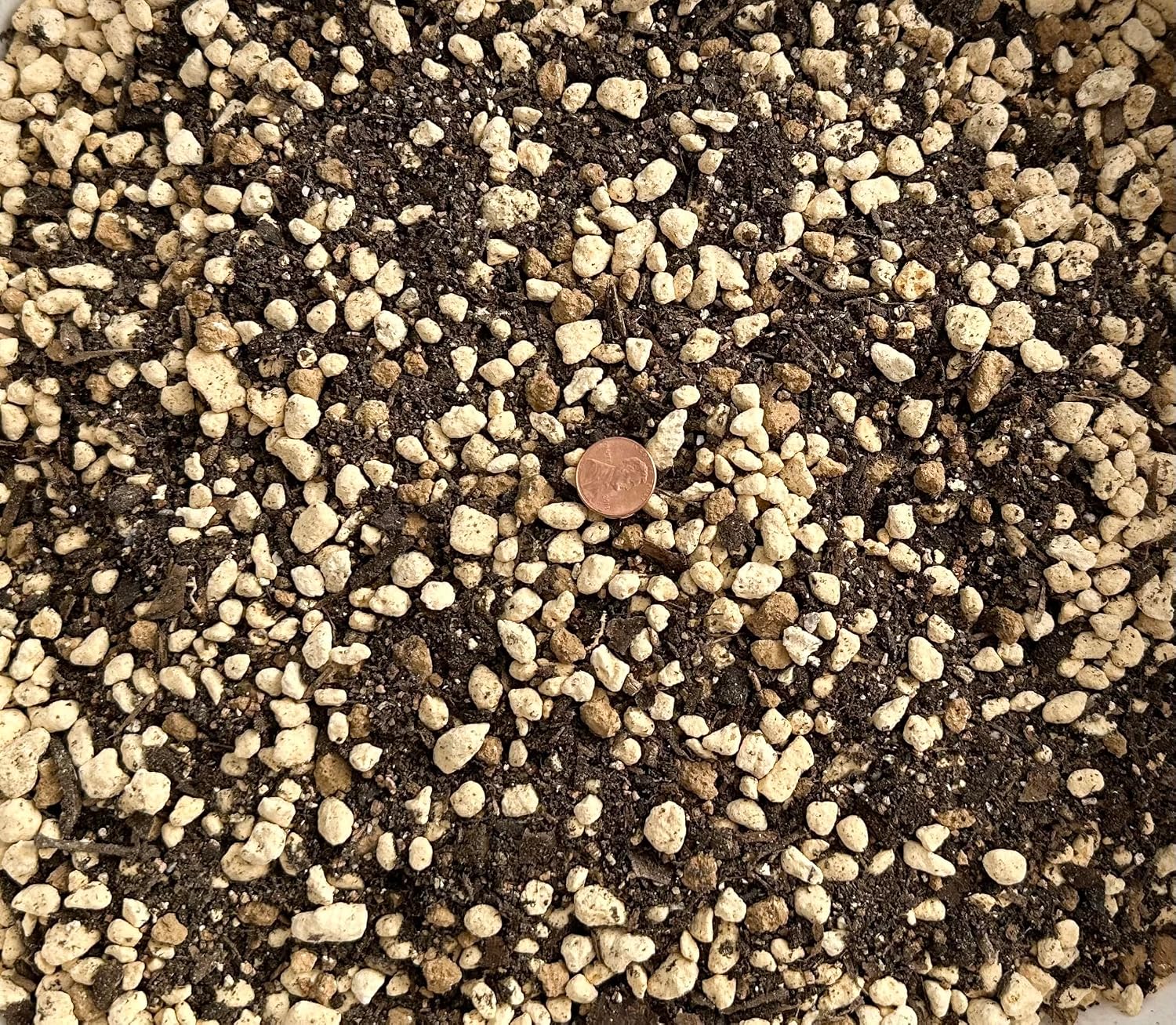
This 2.5 quart premium azalea bonsai soil is a ready-to-use acidic mix designed for container-grown acid-loving plants. It combines Japanese Kanuma with composted fir bark, oak leaf mold and added mycorrhizae to create a medium-grain, well-draining substrate with a measured pH of about 5.4 to 5.6. Typical uses include repotting azaleas, rhododendrons, camellias and bonsai where you need an acidic, airy media that resists compaction and promotes root colonization by beneficial fungi. The medium particle size helps maintain oxygen around roots while organic components retain enough moisture between waterings. Because it is a specialist blend in a small 2.5 quart package, it is convenient for single pots, small bonsai, or for topping and amendment rather than large-scale garden beds. Expect to pay attention to supply quantities if you need to treat many plants, and supplement nutrients over time since the mix focuses on structure and acidity rather than long-term fertilization.
Best for: Buyers who want a dependable, specialty acidic soil for repotting azaleas, camellias or bonsai and who prioritize consistent pH and root-friendly structure for small containers.
Less Ideal for: People needing bulk soil for garden beds or large numbers of plants should choose larger volume products or mix this as an amendment rather than the sole media.
- Formulated for acid-loving plants with Kanuma and oak leaf mold to maintain low pH
- Includes mycorrhizae to support root health and nutrient uptake
- Medium-grain texture provides good drainage and aeration
- Ready-mixed and convenient for repotting small plants or bonsai
- Small 2.5 quart volume limits use to single pots or as an amendment for multiple plants
- Does not list any preloaded fertilizer so regular feeding may be required
Verdict: A reliable, ready-made acidic bonsai and azalea mix that delivers the right pH and root-friendly structure for small container-grown acid-loving plants.
Soil Sunrise Acid-Loving Potting Soil Mix (12 Quarts)

| Volume | 12 quarts |
|---|---|
| Ingredients | Peat moss, vermiculite, pine bark, pine needles, sphagnum moss |
| Brand Name | Soil Sunrise |
This 12-quart Soil Sunrise mix is built specifically for acid-loving container plants and combines peat moss, sphagnum, pine bark, pine needle mulch and vermiculite to deliver a consistently acidic, well-aerated medium. In practice it is easiest used for repotting azaleas, rhododendrons and blueberries or filling decorative containers where maintaining lower pH and steady moisture retention matter. The peat and sphagnum hold water and nutrients between waterings while pine bark and vermiculite keep the mix loose so roots do not suffocate. Because it is hand-blended in small batches with natural components, the texture and pH are tailored for long-term health rather than quick-release feeding. Expect improved root development and fewer problems with compaction compared with standard all-purpose mixes. Limitations are the modest bag size for larger shrubs and that it does not include fertilizer, so feeding is still required for fruiting or heavy bloom cycles.
Best for: Gardeners seeking reliable performance for container-grown acid-loving plants who prioritize consistent pH and healthy root environments over convenience blends.
Less Ideal for: Large-scale plantings or gardeners who want an all-in-one fertilized mix for immediate heavy bloom or fruit production.
- pH-balanced blend formulated for acid-loving species
- Peat moss and sphagnum retain moisture and nutrients between waterings
- Pine bark and vermiculite improve drainage and prevent compaction
- Hand-blended small-batch mix made from natural ingredients
- No added fertilizer, so plants will need separate feeding for fruiting or heavy blooms
- 12-quart bag is small for large containers or multiple shrubs
Verdict: Choose this mix when you need a purpose-built, pH-balanced potting medium that promotes strong roots and moisture management for acid-loving container plants.
Coast of Maine Planting Soil for Acid-Loving Plants (20 qt, 2-pack)

| Unit Count | 2 Count |
|---|---|
| Volume | 20 quarts |
| Item Weight | 18 pounds |
| Style Name | Planting Soil |
This Coast of Maine planting soil is formulated specifically for acid-loving plants such as blueberries, rhododendrons, azaleas, and hydrangeas. It combines sphagnum peat moss, composted manure, and aged bark to create a naturally low-pH mix that improves structure, drainage, aeration, and moisture retention. Typical use is mixing it into garden beds, raised beds, or containers when planting or refreshing soil for blueberries and other ericaceous species. Notable features include OMRI listing, ocean- and farm-sourced organic amendments like kelp and lobster meal, and a focus on supporting beneficial soil microbes. Practical benefits are better root establishment and healthier foliage and fruit when used to correct alkaline or neutral soil around acid-loving plants. Limitations are the modest 20 quart bag size and lightweight volume, which means multiple bags are needed for larger beds or heavy soil correction; gardeners should test soil pH to confirm how much amendment is required. This product favors organic, biodiversity-minded gardeners who want a proven low-pH planting medium rather than a bulk topsoil solution.
Best for: Gardeners growing blueberries and other acid-loving plants who prioritize a reliable, organic low-pH soil amendment for containers, raised beds, or small in-ground patches.
Less Ideal for: People needing to fill large garden beds or who want a bulk, no-frills topsoil alternative; commercial growers or landscapers needing high volume should look elsewhere.
- Formulated with a naturally low pH suitable for blueberries and other acid-loving plants.
- OMRI-listed organic ingredients that support soil biology and long-term soil health.
- Blend of peat moss, composted manure, and aged bark improves moisture retention, drainage, and aeration.
- Pack of two 20 qt bags provides a convenient starter quantity for containers and small raised beds.
- Small bag volume means you will need many bags to amend larger planting areas.
- Contains peat moss, which some gardeners avoid for sustainability reasons.
Verdict: A reliable OMRI-listed low-pH planting mix that makes correcting soil for blueberries straightforward and organic.
Choosing the Right Potting Soil for Azaleas: Key Factors to Consider
Soil pH and Acid Buffers
Azaleas thrive in mildly acidic conditions. A potting soil formulated for acid-loving plants or containing acidifying components helps keep root zone pH in the desired range. Without a stable acidic environment, azaleas can develop chlorosis and reduced flower set.
Look for mixes that list ingredients such as pine bark, peat, or sulfur-containing additives, or that state acidity for ericaceous plants. Avoid mixes that include lime or have no pH guidance. If the soil does not come pre-acidified, you should plan to test and adjust pH periodically with acidifying fertilizers or small sulfur applications to maintain vigor.
Moisture Retention Vs Drainage Balance
Azaleas need consistent moisture but cannot tolerate waterlogged roots. Potting soil must hold enough water between waterings while allowing excess to drain quickly to prevent root rot. The balance is especially important in containers that dry faster than garden beds.
Materials like fine sphagnum peat or coconut coir increase water-holding capacity, while coarse bark, perlite, or pumice improve drainage and aeration. Choose a mix where the texture combines both types of components, and consider your local climate and watering schedule when prioritizing retention or drainage.
Particle Size and Rooting Texture
Root development depends on a friable texture with a mix of fine and coarse particles. Fine particles help seedlings and fine roots establish, while larger particles create pores for air and water movement. A very compacted or very fine-only mix can restrict oxygen, while an overly chunky mix may dry too fast.
For container azaleas, a medium-textured mix that crumbles easily and retains some structure under moisture is ideal. That texture supports feeder root growth, improves nutrient uptake, and reduces the frequency of repotting.
Organic Matter Type and Nutrient Release
The source and stability of organic matter determine how nutrients become available and how long the mix remains fertile. Composted bark, well-aged leaf mold, and slow-release organic components supply steady nutrition without causing rapid pH swings. Fresh uncomposted materials can tie up nitrogen or break down unevenly.
Select mixes with stabilized organic ingredients and clear labeling about nutrient sources. If you plan to top-dress or fertilize, choose a base mix that complements the fertilizer rhythm rather than creating pH or nutrient shocks as it decomposes.
Container Compatibility and Weight
Potting soil must suit the container size and material. Heavy mixes can make large pots difficult to move, while ultra-light mixes may dry out too quickly in small containers or windy sites. Porous containers like unglazed clay wick moisture differently than plastic; the soil choice should account for that.
Consider how often you will move containers, whether pots sit on hot surfaces, and whether the planting spot is exposed. Choose a mix weight and moisture profile that matches those conditions so you do not need to repot or constantly adjust watering.
Preparing a Potting Mix for Different Azalea Stages
Young transplants, established shrubs, and blooming container specimens have slightly different preferences. Seedlings and newly rooted cuttings benefit from a lighter, finer mix that supports delicate root hairs, while mature azaleas flourish in a sturdier mix with more coarse bark to maintain structure over time.
When repotting a large flowering specimen, avoid completely replacing the root ball. Instead, amend the existing soil with fresh acid mix around the outer ring to refresh nutrients and improve drainage without shocking roots.
- Seedlings: higher fine components for moisture contact
- Established plants: more coarse bark and stable organic matter
- Large specimens: refresh outer soil and add aeration, avoid full root disturbance
How to Test and Adjust Potting Soil pH
Test soil pH using a simple tester or home kit on an extract of potting mix. For azaleas, target a slightly acidic window. If pH drifts upward, lower it slowly with sulfur products or iron sulfate according to product directions.
Acidifying liquid fertilizers formulated for ericaceous plants can help maintain acidity between larger soil adjustments. Avoid quick, heavy-handed acidification which can stress roots; gradual correction is safer for container plants.
- Use a small sample from the potting mix and follow kit instructions
- Adjust pH gradually and retest after a few weeks
- Use acid-formulated fertilizers if minor correction is needed
Watering Practices That Match Potting Mix Behavior
Match your watering rhythm to how the potting soil holds and releases moisture. A moisture-retentive mix needs less frequent saturations, while a fast-draining mix benefits from more regular, lighter waterings. Check moisture by feeling the top few inches and by lifting the pot to sense weight changes.
Avoid watering on a strict calendar. Instead, use plant cues and soil feel to decide. For containers, ensure there is adequate drainage through holes and avoid saucers that trap standing water beneath the potting mix.
- Feel the topsoil and lift the pot to estimate moisture
- Water thoroughly but let excess drain freely
- Reduce watering frequency in cooler, humid weather
Amending and Reconditioning Old Potting Soil
Over time, potting soil breaks down and becomes denser and less porous. To rejuvenate an old mix, work in coarse bark, fresh organic matter, or perlite to restore aeration. Replenish acidity and nutrients with ericaceous fertilizer if tests show pH creep or nutrient depletion.
If a mix smells sour or looks slimy, it may be waterlogged or anaerobic and should be replaced. For older soil in decent condition, a partial replacement with a fresh acid mix reduces waste and refreshes the planting environment.
- Stir in coarse amendments to improve porosity
- Top-dress with slow-release, acid-formulated fertilizer
- Replace heavily degraded or anaerobic mix
Choosing Between Ready Mixes and Building Your Own
Ready-made potting soils formulated for acid-loving plants are convenient and consistent, which is helpful if you want a plug-and-play solution. Building your own mix gives you control over exact pH, texture, and organic components, which benefits gardeners who like to fine-tune conditions.
If you choose to blend your own, start with a base of coarse bark and a moisture-retentive component, then add a measured amount of sphagnum or coir and an acidifying element. Keep records of your ratios so you can repeat successful batches.
- Ready mixes: consistent pH and texture
- Custom mixes: tailored drainage and organic choices
- Record and test your custom blend before wide use
How We Chose the Best Potting Soil for Azaleas
We focused on properties that materially affect azalea health in pots and raised planters. Key evaluation criteria included stable acidic pH or acid-buffering ingredients, a moisture-retentive but well-draining physical structure, and organic content that supplies slow-release nutrients and supports beneficial microbes. We also weighed particle size and texture for root penetration and aeration, the presence of natural amendments such as composted bark or peat alternatives, and how easily the mix accepts further amendments like lime-free fertilizer or iron chelates. Products that were excluded included generic houseplant soils without acidifying agents, mixes clearly formulated for succulents or vegetables, and any potting medium lacking basic labeling on pH or ingredients. We prioritized mixes with ingredient transparency, consistent texture for container culture, and suitability across common container types gardeners use for azaleas. Practical handling factors such as dust levels, compost stability, and rewetting behavior were also part of the selection filters.
FAQ
What pH should potting soil for azaleas be?
Azaleas prefer a mildly acidic root zone. Aim for a slightly acidic pH range. Test periodically because container soils can drift, and adjust gradually with appropriate acidifying products if needed.
Can I use regular potting soil if I add fertilizer?
Often regular potting soil lacks the acid-buffering ingredients azaleas need. Adding fertilizer may supply nutrients but will not reliably correct pH. Use a mix designed for acid-loving plants or amend a base mix with acidifying components.
How often should I repot container azaleas?
Repotting frequency depends on growth rate and soil breakdown. Many container azaleas need attention every 2 to 4 years. Refreshing the outer mix or top-dressing annually can delay full repotting while maintaining soil structure and nutrients.
What amendments improve drainage without raising pH?
Coarse pine bark, perlite, and pumice improve drainage and aeration without raising pH. Avoid lime-containing amendments. These materials help create pore space while leaving acidity unchanged.
Is peat or coir better for azaleas?
Both hold moisture, but peat is naturally acidic while coir is more neutral. Peat can help maintain acidity but has sustainability concerns. Coir requires deliberate acidifying if used alone. Choose based on pH needs and your environmental preferences.
Final Verdict
For azaleas in containers, prioritize a potting soil that maintains a slightly acidic pH while balancing moisture retention and drainage. Focus on mixes with stable organic matter and a medium texture that supports root development without compacting. Tradeoffs include choosing heavier, moisture-holding mixes in dry climates or lighter, faster-draining blends in hot, windy spots. Use pH testing and incremental amendments rather than abrupt corrections, and refresh or partially replace potting soil when structure degrades. With attention to acidity, porosity, and organic matter quality, you can pick a soil that supports healthy foliage and abundant blooms.
