

Note: This article contains affiliate links. If you click on these links and make a purchase, I may earn a small commission at no extra cost to you. This helps support my research and content. Read my full affiliate disclosure here.
Picking the right potting soil for containers changes how well your potted plants grow, whether you have a balcony, patio, or large deck. Container mixes behave differently than garden soil: they must drain fast enough to avoid root rot while holding enough moisture and nutrients between waterings. This guide shortlists the top options for container gardening and explains the specific tradeoffs to expect in real outdoor and indoor pots. We evaluate mixes for moisture retention, aeration, nutrient content, and how they affect watering frequency and root health. Read on to see the top-rated choices and what will work best in your containers.
Top Picks at a Glance
| Best Overall The best all-around choice for most situations | FoxFarm Happy Frog Potting Soil, Container Garden, 2 cu ft (with 2 plant tags) |  |
| Best Quality Built to a higher standard if you want something more solid | FoxFarm Ocean Forest Potting Soil, 12 qt |  |
| Best Value The sweet spot between price and what you get | Miracle-Gro Potting Mix, 16 qt. (2-Pack) |  |
| Best Budget The cheapest option that still gets the job done reliably | Miracle-Gro Organic Outdoor Potting Mix, 16 qt. |  |
| Highest Rated A top-rated pick with lots of positive feedback | KXUPOIAV Premium Potting Mix (Compressed Bale, Expands to 4 cu ft) |  |
| Most Popular A crowd favorite that many people choose with confidence | Miracle-Gro Potting Mix, 16 qt. |  |
| Best Seller A high-volume bestseller chosen again and again | Back to the Roots Organic Expanding Coco Coir Potting Soil Brick |  |
FoxFarm Happy Frog Potting Soil, Container Garden, 2 cu ft (with 2 plant tags)

| Brand | FoxFarm |
|---|---|
| Style Name | Container Garden |
| Unit Count | 600 Ounce |
| Volume | 2 cubic feet |
FoxFarm Happy Frog Potting Soil is a ready-to-use blend designed specifically for container plants. You fill pots with the mix and plant directly; the formula includes earthworm castings, bat guano, aged forest products, and a proprietary mix of soil microbes and mycorrhizal fungi to encourage vigorous root growth and improved nutrient uptake. That makes it well suited for annuals, ornamentals, shrubs and small fruiting trees grown in containers where roots cannot reach native soil. Practical benefits include a nutrient-rich starting medium that is pH adjusted and biologically active, plus the included plant tags for tracking varieties and dates. Because it is a premium, amended mix, it reduces the need for immediate feeding in the first weeks after potting and supports better flower and fruit production. Limitations are inherent to any bagged potting soil: container-grown plants will still need regular feeding and watering, and heavy feeders may require additional fertilizer over time. Also this product is tailored for containers rather than in-ground bed filling.
Best for: Gardeners who want a high-quality, ready-made potting mix that promotes strong root growth and improved flowering or fruiting in containers, without spending time blending amendments.
Less Ideal for: People who need a soil for in-ground beds or those who prefer to custom-blend media for specific seed starting or hydroponic setups.
- Formulated for containers with beneficial microbes and mycorrhizal fungi to improve root development
- Contains organic amendments like earthworm castings and bat guano for immediate nutrient availability
- pH adjusted for better nutrient uptake
- Ready to use out of the bag, reducing prep time
- Includes two plant tags for labeling and tracking plantings
- Does not replace regular fertilization for heavy-feeding plants
- Packaged soil can compact over time in large, long-term containers
Verdict: Choose this potting soil when you want a premium, biologically active container mix that jump-starts root health and supports better blooms and fruit production.
FoxFarm Ocean Forest Potting Soil, 12 qt

| Item Form | Granules |
|---|---|
| Specific Uses For Product | Dry Fertilizer |
| Coverage | 4.8 sq ft |
| Mixing Ratio | 1:1 |
FoxFarm Ocean Forest is a premium potting mix formulated to be used straight from the bag for container gardens and houseplants. It combines aged forest products, sandy loam, and sphagnum peat moss for a light, aerated texture that helps roots breathe and drains excess water while still retaining moisture. The mix is amended with organic inputs such as fish meal, crab meal, and earthworm castings so young plants and transplants receive available nutrients without immediate supplemental feeding for the first month. Typical use is filling pots or topping up containers, planting seedlings and starts, or blending 1:1 with other soils to boost fertility and structure. Practical benefits include good seedling establishment, reduced need for early fertilization, and versatility across ornamental and edible container crops. Important limitations are that it is a bagged, single-use volume suited for small to medium containers so larger projects require many bags, and users with very specific pH or low-salt needs should test before use.
Best for: Gardeners focused on fast, vigorous container growth who want a high-performance, ready-made mix that reduces early feeding and supports strong root development.
Less Ideal for: Growers planning to fill very large beds or many large containers who need bulk soil or a custom-formulated, low-salt medium should look elsewhere.
- Ready-to-use blend with organic amendments for early nutrient availability
- Light, aerated texture that promotes drainage and root oxygenation
- Designed for container use and seedling starts so no immediate fertilizer needed for about 30 days
- Sold in modest 12 qt volume so multiple bags are required for larger container collections or planters
- Contains nutrient-rich amendments that may not suit strict low-salt or specialty growing regimens
Verdict: Choose this soil if you want a high-performance, ready-to-use potting mix that jump-starts container plant growth without immediate feeding.
Miracle-Gro Potting Mix, 16 qt. (2-Pack)

| Feeds up to | 6 months |
|---|---|
| Volume per bag | 16 quarts |
| Number of packs | 2 |
| Intended use | Outdoor containers |
| Ingredients | Sphagnum peat moss, perlite, compost, fertilizer |
Miracle-Gro Potting Mix is a ready-to-use container soil designed for outdoor pots, hanging baskets, and planters. It combines peat, perlite, compost, and fertilizer to create a loose, fast-draining medium that helps roots establish and reduces the risk of overwatering when used in pots with drainage. Typical use is simple: fill a pot about one third, position the plant, top off, and water through until excess drains. Notable features include an in‑mix fertilizer that feeds plants for up to six months and a texture aimed at keeping roots aerated. In practice this makes potting, repotting, and seasonal planting quicker and more reliable than mixing your own blend. Limitations to consider are that it is formulated specifically for containers, so it is not a soil amendment for in‑ground beds, and the built‑in feeding eventually runs out so annual repotting or supplemental feeding is needed for long-term containers. Also gardeners who prefer organic-only inputs should check the ingredient list before buying.
Best for: Gardeners who want a no-fuss, store-ready potting mix to quickly fill and maintain outdoor containers with consistent results during a growing season.
Less Ideal for: People looking to amend in-ground beds or those who only use strictly organic inputs should consider alternative products tailored to those needs.
- Formulated for outdoor containers to promote healthy root growth and aeration
- Includes fertilizer that feeds plants for up to six months
- Fast-draining texture reduces risk of waterlogged roots in pots
- Pack includes two 16-quart bags, enough to refill multiple 12-inch containers
- Not intended as a garden bed soil or heavy amendment for in-ground planting
- Nutrient boost is temporary and requires repotting or extra feeding after about six months
Verdict: A convenient, fast-draining potting mix that simplifies planting and keeps outdoor containers fed for up to six months.
Miracle-Gro Organic Outdoor Potting Mix, 16 qt.

| Item Highlight | Plant Soil For Outdoor Container Plants, Contains Quick-Release Natural Fertilizer, OMRI Listed |
|---|---|
| Brand Name | Miracle-Gro |
| Volume | 1 cubic feet |
| Unit Count | 1 Count |
This 16 qt. Miracle-Gro Organic Outdoor Potting Mix is made for planting in outdoor containers like hanging baskets, patio pots, and window boxes. It combines responsibly sourced peat and upcycled green waste with a quick-release natural fertilizer that the brand says feeds for up to two months. In practice the mix blankets roots, holds moisture better than plain garden soil, and gives new transplants a nutrient boost without needing immediate additional fertilizer. The bag fills roughly one 12-inch pot, which makes it convenient for small container projects and seasonal repotting. It is OMRI listed, so it fits organic container gardens. Expect to repot container plants about every six months to avoid compaction and refresh nutrients since the feeding period is limited. Also, a single 16 qt. bag is best for small setups rather than large-scale container beds, so you may need multiple bags for many pots.
Best for: Gardeners who want an organic-ready, easy-to-use potting mix for a handful of patio pots, herbs, or small vegetable containers and prefer an off-the-shelf option that gives plants an initial nutrient boost.
Less Ideal for: People managing large numbers of containers or building deep, high-volume container beds who need bulk soil or long‑lasting feed in a single application.
- Formulated for outdoor containers to retain moisture and support root health
- Includes quick-release natural fertilizer that feeds up to about two months
- OMRI listed for use in organic gardening
- Locally crafted blend with responsibly sourced peat and upcycled green waste
- 16 qt. bag covers only small containers so multiple bags are needed for larger container gardens
- Fertilizer is short-term so additional feeding or repotting is required after about two months
Verdict: A convenient OMRI-listed potting mix that gives outdoor container plants immediate moisture retention and a short-term fertilizer boost, ideal for small patios and seasonal repotting.
KXUPOIAV Premium Potting Mix (Compressed Bale, Expands to 4 cu ft)
| Brand Name | KXUPOIAV |
|---|---|
| Volume | 4 cubic feet |
| Number of Packs | 1 |
| Model Number | 0305RG |
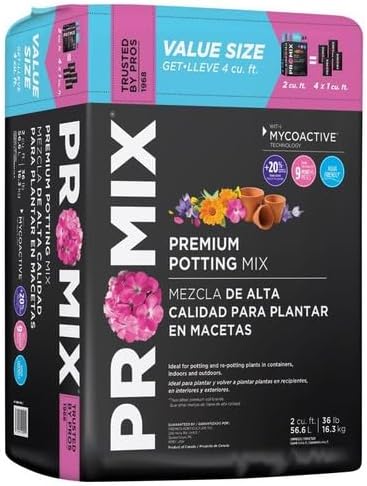
This compressed potting mix is designed for container gardeners who want a low-maintenance, reliable growing medium. The bale expands from a compressed 2 cu ft pack to about 4 cu ft, making it convenient to store and easy to hydrate before use. It includes mycorrhizae to support root development and a slow-release fertilizer that the manufacturer says feeds for up to nine months, which reduces the need for frequent feeding. A polymer water-holding gel helps the mix retain moisture so containers dry out less quickly between waterings. Typical uses are filling hanging baskets, patio containers, and mixed planters where consistent moisture and steady nutrients matter. Important limitations are that exact nutrient analysis and pH are not listed, so heavy feeders or plants with specific pH needs may require supplemental amendments or testing. Also, compressed bales require time and space to fully expand and integrate before planting. For reliability-focused container gardening this mix simplifies watering and feeding, but expect to monitor specific nutrient needs for demanding plants.
Best for: Gardeners who prioritize a low-maintenance, consistent potting mix for containers and want products that reduce watering and feeding frequency.
Less Ideal for: Growers who need exact nutrient profiles or strict pH control for specialist or heavy-feeding plants should consider blends with labeled analysis or amend this mix accordingly.
- Expands from compressed bale to usable potting mix for easier storage and transport
- Contains mycorrhizae to promote stronger root growth and stress resistance
- Includes slow-release fertilizer that provides extended feeding up to nine months
- Polymer water-holding gel improves moisture retention in containers
- No detailed N-P-K or pH values provided for precise nutrient management
- Requires time and space to fully hydrate and expand before planting
Verdict: Buy this mix if you want a convenient, low-maintenance container soil that expands from a compressed bale and supplies root-supporting biology plus long-lasting nutrients.
Miracle-Gro Potting Mix, 16 qt.

| Volume | 16 quarts |
|---|---|
| Feeds up to | 6 months |
| Guaranteed analysis (N-P-K) | 0.21-0.11-0.16 |
| Unit count | 592 Ounce |
| Intended use | Container plants, flowers, vegetables, shrubs, annuals, perennials |
Miracle-Gro Potting Mix is a general-purpose container soil designed to give potted flowers, vegetables and shrubs a balanced growing medium with built-in nutrients. You use it by filling a drain-holed container about one third, seating the plant, topping off and watering; one 16 qt. bag is sized to fill roughly a 12-inch pot. The mix combines peat/coir, perlite and processed forest products for good drainage and airflow while a coated slow-release fertilizer feeds plants for up to six months, which reduces the need for frequent feeding. Practical benefits include easier transplanting, less compaction than straight garden soil, and noticeable bloom and growth improvement versus unfed plants. Limitations are that it is a one-bag solution for containers only and will need replenishing or repotting annually to maintain nutrient levels; gardeners who prefer organic-only inputs or want custom soil blends may find the prefertilized mix less suitable.
Best for: Buyers who want a reliable, ready-made container mix that reduces setup time and provides measurable growth and bloom improvement for patio or balcony plants.
Less Ideal for: Not ideal for gardeners who want to craft custom soil recipes, strictly organic amendments, or who are filling large beds where bulk soil is more economical.
- Formulated for container use with good drainage and aeration components
- Includes coated slow-release fertilizer that feeds up to six months
- Easy, no-mix application suitable for quick repotting and new plantings
- Consistent bagged product reduces variability versus homemade mixes
- Prefertilized formulation may not suit gardeners seeking fully organic or unfed mixes
- Single 16 qt. bag is only enough for a few medium pots and requires repurchasing for larger projects
Verdict: A convenient, ready-to-use potting mix that reliably improves container plant growth and reduces the need for frequent feeding.
Back to the Roots Organic Expanding Coco Coir Potting Soil Brick

| Item Highlight | 10 lb compressed coco coir brick; peat-free; OMRI Listed |
|---|---|
| Item Type Name | Coconut Coir |
| Volume | 2 cubic feet (expanded) |
| Ingredients | Coconut Coir |
This compressed coco coir brick rehydrates into a light, fluffy potting medium that expands to roughly 2 cubic feet, making it a compact, easy-to-store option for container gardeners. You add water to the brick, break it up, and either use the coir alone for improved aeration and moisture retention or blend it with existing potting mix to loosen heavy soils. It is OMRI listed and peat free, so it suits organic-minded gardeners and reduces reliance on peat. Practical benefits include much lower storage bulk compared with loose bagged soil, a neutral pH that works for vegetables, flowers, herbs, and good seed-starting performance. Expect cleaner handling and less dust than loose composted mixes. Important limitations are that coco coir usually lacks nutrients on its own, so plan to mix in fertilizer or use a nutrient-rich potting mix for long-term container plants, and you need to fully rehydrate and fluff the block before planting to avoid uneven moisture pockets.
Best for: Buyers who prefer low-risk, easy-to-store potting options for containers and seed starting and who want an organic, peat-free growing medium they can mix or amend as needed.
Less Ideal for: Gardeners who want an all-in-one, pre-fertilized potting mix ready for long-term container plants or those who prefer a mineral-based substrate should consider alternative mixes.
- Expands to about 2 cubic feet from a compact 10 lb compressed brick for easy storage
- Peat-free and OMRI listed for organic use
- Light, airy texture that improves aeration and water retention in containers
- Neutral pH suitable for a wide range of vegetables, flowers, herbs and seed starting
- Contains no significant nutrients on its own and requires fertilization for long-term container growth
- Requires full rehydration and manual fluffing before use to avoid wet clumps
Verdict: A compact, organic peat-free coco coir brick that gives container gardeners a clean, airy base medium they can easily store and amend for reliable potting and seed starting.
Choosing the Right Potting Soil for Containers: Key Factors to Consider
Moisture Retention and Watering Frequency
How long a mix holds moisture directly affects how often you water. In hot, sunny locations a mix with higher water-holding components will reduce daily watering, while in cool, shaded spots a fast-draining mix prevents sogginess. Consider how long you want to go between waterings and choose a blend with peat, coconut coir, or other water-retentive components if you need longer intervals.
Moisture retention also interacts with pot size and material. Small pots dry out faster, and terracotta wicks moisture more than plastic. Balancing retention with drainage is critical because over-retentive mixes can suffocate roots if pore space is too low.
Drainage and Aeration
Good drainage and pore space keep roots oxygenated and prevent compaction over time. Look for mixes with perlite, pumice, or coarse sand to maintain air-filled porosity, especially for plants that resent wet feet like succulents and many annuals.
Aeration matters more in deeper pots and tightly packed arrangements. When potting several plants close together, a lightweight, open mix reduces root crowding and helps roots explore the container without becoming waterlogged.
Nutrient Content and Feeding Schedule
Some container mixes arrive with a base charge of fertilizer or slow-release nutrients, while others are essentially inert and require regular liquid feeding. If you prefer low-maintenance care, choose a mix with an initial nutrient charge designed to last several weeks. For heavy feeders or long-season plantings, plan a feeding schedule and select a base mix that complements your fertilizer routine.
Consider how long the planting will stay in one container. Long-lived summer annuals, patio perennials, and container vegetables often need sustained nutrition, so blends that hold and release nutrients predictably will save time and reduce stress on plants.
Mix Weight and Ease of Handling
Potting soil weight affects how you move and hang containers. Heavier mixes make large pots difficult to reposition and increase load on railings and supports. Lightweight soilless mixes are easier to lift and are often preferred for window boxes, hanging baskets, and rooftop containers.
Also consider bag size and how easy the mix is to scoop and tamp into pots. A bulky, uncompacted mix can be easier to work with than one that settles into a dense mass during storage and transport.
Ingredient Stability and Long-Term Performance
Some organic materials break down quickly, causing the mix to collapse and hold less air over a season. Stability matters for perennials and taller containers where root health over multiple months is important. Look for mixes with composted components that maintain structure or with stable inorganic additives that slow compaction.
Stable ingredients also reduce the need to repot frequently. If you prefer seasonal replanting, rapid breakdown may not be an issue, but for longer-term plantings plan for mixes that retain porosity.
Cleanliness and Pest/Weed Seed Risk
Potting mixes should be free of pathogens, insect egg stages, and weed seeds that can cause problems in small containers. Sterilized or pasteurized mixes lower the risk of soil-borne diseases and unwanted plants, which is particularly important for indoor containers and windowsill herbs.
Cleanliness also affects plant appearance and maintenance. A mix with low weed seed content and minimal debris reduces the time you spend managing seedlings and pests in containers.
Matching Mix Texture to Plant Types
Different plants prefer different pore structures. Vegetables and flowering annuals typically do well in moderately moisture-retentive mixes that also have good drainage. Herbs and succulents need a grittier, faster-draining texture to avoid rot.
Think about the plants you grow most often and choose a texture that supports their root habits. When in doubt, aim for a medium-texture mix and adjust with added perlite or compost when repotting.
- Vegetables: medium texture with steady nutrient release
- Herbs: lighter mixes, good drainage
- Succulents: coarse, gritty blends with high aeration
Adjusting Mixes for Hanging Baskets and Window Boxes
Hanging baskets and window boxes dry out faster because they are exposed on all sides. Choose a lighter mix with higher water-holding capacity or add water-retention crystals for longer intervals between waterings.
Also consider weight. Use a lighter base mix to avoid overloading supports and choose blends that maintain structure despite frequent drying and wetting cycles.
- Add coir or small amounts of water-retention additives for longer drought tolerance
- Reduce heavy compost content to keep hanging containers lighter
Preparing Containers and Repotting Practices
Always clean used containers and inspect drainage holes before adding new mix. A fresh layer of well-draining mix at the bottom helps root growth and prevents waterlogging in newly potted plants.
When repotting, gently tease compacted roots and use a slightly larger container with a fresh mix that matches the plant's moisture needs. Avoid overfilling pots and leave a margin under the rim to allow for watering without overflow.
- Check drainage holes and clear any blockages
- Leave space at the top for watering and topdressing
Storing Potting Mix Properly
Store unopened bags in a dry, cool spot out of direct sunlight to prevent nutrient loss and breakdown. Once opened, reseal or move the mix into airtight containers to slow moisture absorption and keep pests out.
Avoid stacking heavy bags on top of each other; compression can reduce the mix's loft. Use older mixes first and refresh with a small proportion of fresh mix when topping up containers.
- Keep open bags sealed or in bins
- Rotate stock: use older bags before newer ones
Common Additives and When to Use Them
Perlite, pumice, coir, compost, and slow-release fertilizers are common additives that tune a mix to specific needs. Perlite and pumice boost aeration, coir improves moisture retention while staying lighter than peat, and compost adds nutrients and beneficial microbes.
Use perlite or pumice when you need more drainage, add coir or small amounts of compost for longer water intervals, and rely on controlled-release feeders when you want lower-maintenance nutrition.
- Perlite/pumice for aeration
- Coir/peat for moisture retention
- Compost for nutrients and biology
How We Chose the Best Potting Soil for Containers
We focused on characteristics that matter in live container gardening and used measurable, gardener-relevant filters. Primary evaluation criteria included moisture retention under typical container conditions, drainage and aeration to prevent compaction, nutrient profile and slow-release feeding behavior, and ingredient stability to avoid rapid breakdown. We also assessed mix weight and handling for common pot sizes, and pest and weed seed cleanliness for safe indoor and patio use. Products were excluded if their ingredient lists were opaque, if mixes relied mainly on heavy field soil rather than soilless components, or if they are formulated only for in-ground beds. We prioritized mixes that balance water holding with pore space, use stable organic components that do not compact quickly, and provide predictable feeding schedules for container plants. The scoring labels align with these evaluation dimensions so gardeners can compare drainage, moisture hold, nutrient delivery, handling weight, and long-term stability.
FAQ
How often should I water containers filled with potting soil?
Watering frequency depends on pot size, exposure, and mix texture. Small or sunny containers may need daily checks in summer, while larger or shaded pots can go several days. Check moisture by probing the soil an inch down; water when the top inch feels dry.
Can I use garden soil in containers instead of potting mix?
Garden soil is usually too heavy and can compact in containers, limiting drainage and oxygen to roots. Potting mixes are formulated to stay light and provide consistent pore space, so they are the better choice for container plants.
Should I add fertilizer to potting soil for containers?
Many mixes include an initial nutrient charge, but active container crops often need regular feeding. Use a balanced liquid feed or slow-release fertilizer according to the plants' needs and the mix's stated feeding interval.
How long does potting soil last in a container before repotting?
That depends on plant growth and mix stability. Annual plantings might go a season without repotting, while perennials and heavy feeders may need fresh mix or repotting every one to two years to restore aeration and nutrient levels.
Is peat-free potting mix as effective for containers?
Peat-free mixes using coir or other organic fibers can work well and hold water while being more sustainable. Performance varies by formulation, so choose a peat-free blend that maintains good aeration and nutrient retention for your plant types.
Final Verdict
Choose a potting soil for containers by matching mix texture and water-holding traits to the plants you grow and the conditions where your pots sit. Prioritize drainage and aeration for plants that dislike wet feet, and seek mixes with steady nutrient release for long-season crops. Balance weight and stability for hanging or large containers so you can manage and move them safely. Focus on the tradeoffs between moisture retention and pore space. When you pick a mix that fits your container size, plant type, and watering habits, you will spend less time troubleshooting root problems and more time enjoying healthy container plants.
