

Note: This article contains affiliate links. If you click on these links and make a purchase, I may earn a small commission at no extra cost to you. This helps support my research and content. Read my full affiliate disclosure here.
If you grow rain lilies, the right fertilizer can mean the difference between a few sporadic flowers and a dependable seasonal show. Rain lilies have small bulbs and a short, intense flowering habit, so they need nutrients timed and balanced to encourage blooms without forcing soft growth that attracts pests or rot. This guide shortlists the top picks for rain lily fertilizer that work in containers, borders, and rain gardens. We evaluated each option for nutrient ratio, application ease, and suitability for bulb health to help you choose the right feeding approach. Read on to see the shortlisted products and the criteria we used to evaluate them.
Top Picks at a Glance
| Best Overall The best all-around choice for most situations | Espoma Bulb-Tone Organic Fertilizer 3-5-3, 4 lb |  |
| Best Quality Built to a higher standard if you want something more solid | Jobe's Organics Granular Bulb Fertilizer, 4 lb | 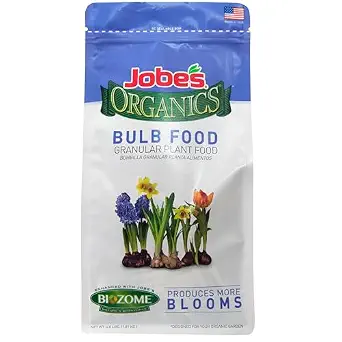 |
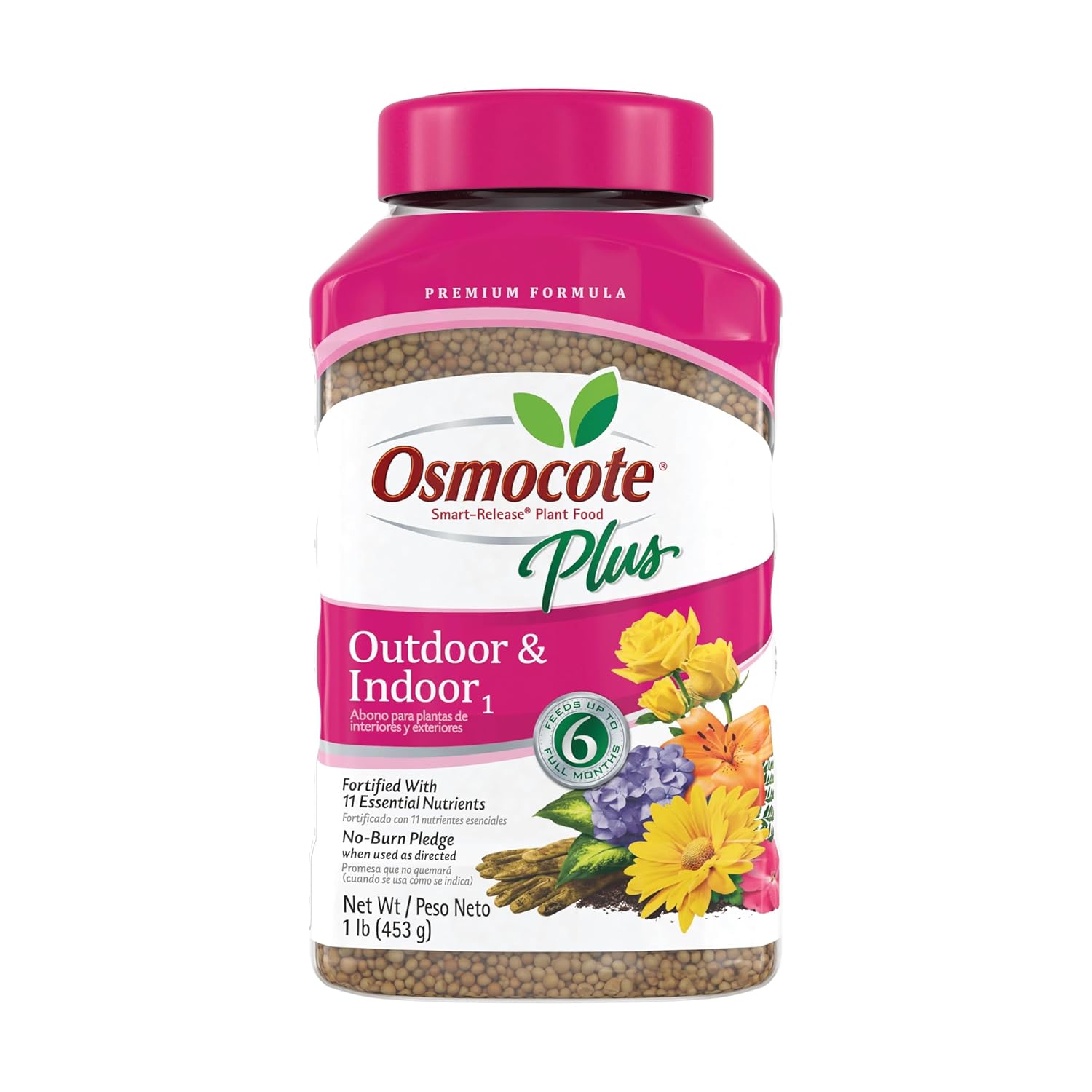
| Best Value The sweet spot between price and what you get | Osmocote Smart-Release Plant Food Plus Outdoor & Indoor, 1 lb |  |
| Highest Rated A top-rated pick with lots of positive feedback | Espoma Bulb-Tone Organic Fertilizer (3-5-3), 4 lb. bag (Pack of 2) |  |
| Most Popular A crowd favorite that many people choose with confidence | Miracle-Gro Water Soluble All Purpose Plant Food, 1.5 lb |  |
Espoma Bulb-Tone Organic Fertilizer 3-5-3, 4 lb

| Item Form | Granules |
|---|---|
| Specific Uses For Product | Gardening,Organic,Plant Food |
| Coverage | Medium |
| Target Species | bulbs |
| Mixing Ratio | 3:5:3 |
Espoma Bulb-Tone is an organic granular fertilizer designed primarily for planting and feeding spring and fall bulbs, but it can be applied to other allium crops like onions when a balanced, natural boost is desired. It is ready to use out of the bag and recommended for placing in the planting hole for new bulbs or sprinkling on the soil surface for established plants then watering in. Notable features include its 3-5-3 NPK ratio, inclusion of calcium, and Espoma's Bio-tone formula made from organic ingredients approved for organic gardening. In practice this product provides steady nutrient release and helps support root development and flowering; for onions that translates to healthier sets and improved bulb formation when applied at planting and during early growth. Limitations are that it is formulated for bulbs rather than specifically for vegetable onions, so growers seeking higher nitrogen for heavier foliage or a slow-release formulation tailored to vegetable production may want a fertilizer made for vegetables. For gardeners who prioritize natural inputs and predictable, gentle feeding, Bulb-Tone is a dependable choice.
Best for: Gardeners who prefer organic, reliable products and want a gentle, easy-to-apply fertilizer to support bulb and bulb-like crops during planting and early growth.
Less Ideal for: Growers who need a vegetable-specific fertilizer with higher nitrogen or a targeted slow-release program for commercial onion production.
- Organic formula approved for organic gardening
- Ready-to-use granular form that can be placed at planting or sprinkled on soil
- Balanced 3-5-3 NPK with added calcium to support root and bulb development
- Produces steady, gentle nutrient release suitable for sensitive bulb roots
- Formulated for ornamental bulbs rather than specifically for vegetable onions
- Not a high-nitrogen feed if you want vigorous foliage growth
Verdict: Choose Bulb-Tone when you want an organic, ready-to-use granular fertilizer that reliably supports bulb and bulb-like crops with balanced nutrients.
Jobe's Organics Granular Bulb Fertilizer, 4 lb

| Item Form | Granules |
|---|---|
| Specific Uses For Product | Plant Growth, Root Development, Seed Development, Soil Conditioning |
| Target Species | bulbs, flowers |
| Mixing Ratio | 3-5-4 |
Jobe's Organics Granular Bulb Fertilizer is an OMRI-listed, pet- and kid-friendly granular formula designed to feed tulips and other spring bulbs through bloom. It uses a 3-5-4 NPK ratio aimed at supporting flowering and root development and is applied every 3 to 5 weeks during the growing season. In practice the granules are easy to measure and sprinkle into bulb beds or mixed into the planting hole, and because it is organic it reduces the risk of burning delicate bulbs when used as directed. The product is versatile for both new plantings and established beds and is intended to minimize runoff and mess compared with liquids. Limitations to know are that granular organics release nutrients more slowly than soluble feeds, so you should expect gradual results rather than an immediate boost, and regular reapplication is required during bloom. For growers seeking steady, low-risk feeding tailored to bulb flowering, this delivers practical, reliable nutrition.
Best for: Gardeners who prioritize steady, low-risk feeding for tulips and other bulb flowers and want an organic product that protects delicate bulbs while supporting bloom production.
Less Ideal for: Growers who need an immediate, dramatic bloom response or who prefer quick-release, water-soluble feeds for rapid correction of nutrient deficiencies.
- OMRI listed organic formula suitable for certified organic production
- 3-5-4 NPK ratio formulated to promote blooms and root development
- Granular form is easy to measure and apply to beds or planting holes
- Labeled safe for use around children and pets when used as directed
- Slower nutrient release than water-soluble fertilizers, so effects are gradual
- Requires repeated applications every 3–5 weeks during the season for best results
Verdict: Choose this product if you want a reliable organic granular fertilizer that steadily promotes bulbs' blooms and root health without risking burn.
Osmocote Smart-Release Plant Food Plus Outdoor & Indoor, 1 lb
| Item Form | Granules |
|---|---|
| Specific Uses For Product | Plant Food |
| Application Method | sprinkle around the base and work into the soil |
| Unit Count | 16 Ounce |
Osmocote Smart-Release Plant Food Plus is a resin-coated granular fertilizer designed to deliver steady nutrition to a wide range of plants for up to six months from a single application. You apply it by sprinkling the recommended scoop into the top inch or so of potting mix for containers or around plants in garden beds, then watering to activate the coating. The product contains 11 essential nutrients and is formulated to release based on soil temperature, which helps reduce overfeeding and supports consistent bloom and foliage performance in hanging baskets. Its no-burn pledge makes it easy to use at the recommended rates for mixed annuals, trailing plants, and container veggies. Limitations are that coverage is modest from a 1 lb. container so frequent use on many large baskets will require buying more, and release timing still depends on temperature so plants in cool, shaded spots may receive nutrients more slowly than those in warm sun.
Best for: Gardeners who prioritize steady, low-maintenance feeding for hanging baskets and containers and want consistent bloom and foliage without frequent fertilizing.
Less Ideal for: Those who need immediate, short-term nutrient boosts or precise liquid feeding schedules for plants that demand fast correction.
- Resin-coated granules provide controlled release of nutrients for up to six months
- Formulated with 11 essential nutrients suitable for a wide variety of plants
- No-burn pledge when used as directed reduces risk of damaging roots in containers
- Simple sprinkle-and-water application works well for hanging baskets and pots
- 1 lb container covers a limited area so multiple baskets will need additional product
- Release rate depends on temperature so nutrient delivery can be slower in cool conditions
Verdict: An easy, low-maintenance slow-release fertilizer that keeps hanging baskets fed for months with minimal effort.
Espoma Bulb-Tone Organic Fertilizer (3-5-3), 4 lb. bag (Pack of 2)

| Item Form | Powder |
|---|---|
| Specific Uses For Product | Plant Food |
| Coverage | 60 Sq. Ft. |
| Target Species | Fall and spring flowering bulbs |
| Mixing Ratio | 3-5-3 |
Espoma Bulb-Tone is an organic bulb fertilizer designed to feed spring and fall bulbs and encourage strong blooms. It is applied at planting by placing granules in the planting hole for new bulbs or sprinkled on the soil surface and watered in for established bulbs. The 3-5-3 formula emphasizes phosphorus for bloom development while added calcium and Espoma’s Bio-tone support root establishment and soil biology. Because it is ready to use and approved for organic gardening, it is convenient for gardeners who prefer natural inputs and do not want to mix solutions. Coverage is listed at about 60 sq ft per 4 lb bag, so larger beds will require multiple bags. It is focused on bulb flowering rather than general-purpose feeding, so gardeners needing balanced, continuous feed for foliage or non-bulb ornamentals may need a supplemental product. Overall this is a straightforward, reliable option when you want an organic, bloom-focused fertilizer for bulbs like ranunculus, tulips and daffodils.
Best for: Gardeners who prioritize consistent, organic bloom feeding for bulbs and want a low-effort product they can rely on each planting season.
Less Ideal for: People seeking a general-purpose fertilizer for foliage-heavy or non-bulb plants should consider a different balanced or slow-release formula.
- Organic formula approved for organic gardening and safe for use in ornamental beds
- Ready-to-use granular form requires no mixing and is easy to apply at planting or post-bloom
- Higher phosphorus ratio (3-5-3) and added calcium support bloom development and root health
- Coverage per bag is modest so multiple bags are needed for large beds
Verdict: Choose this for an easy, certified-organic bloom booster that reliably supports bulbs like ranunculus at planting and post-bloom.
Miracle-Gro Water Soluble All Purpose Plant Food, 1.5 lb

| Item Form | Powder |
|---|---|
| Application Method | Watering Can |
| Target Species | For all flowers, vegetables, trees, shrubs and houseplants |
| Mixing Ratio | 24-8-16 |
Miracle-Gro Water Soluble All Purpose Plant Food is a powder concentrate you mix with water to give a quick nutrient boost to flowers, vegetables, houseplants, shrubs and trees. It is typically dissolved in a watering can or used with a compatible garden feeder to soak soil at the base of plants, delivering nitrogen-heavy nutrition that shows effects faster than granular fertilizers. Notable features include an easy scooping method for indoor and outdoor dosing, compatibility with containers and in-ground planting, and clear directions for feeding every one to two weeks. In practice this makes the product a convenient option when you want visible growth and greener foliage quickly, and the 1.5 lb container covers roughly 600 sq. ft. Important limitations are that it is a fast-release, high-nitrogen formula best used as a regular quick feed rather than a long-term slow-release solution, and it requires careful measuring to avoid overfeeding. For routine maintenance combine with good watering and follow the label to avoid nutrient imbalance.
Best for: Buyers who prefer proven, easy-to-use feeding routines and want noticeable growth quickly for a variety of garden and houseplants, guided by established usage directions and broad user experience.
Less Ideal for: Gardeners seeking a single, long-term slow-release solution or those who prefer organic or low-nitrogen fertilizers for sensitive plantings should consider alternative products.
- Water-soluble powder starts working quickly at the roots when mixed and applied
- Clear, simple dosing for indoor and outdoor use with included scoop guidance
- Suitable for a wide range of plants including vegetables, flowers, shrubs and houseplants
- Covers a large area from a small container (about 600 sq. ft. per 1.5 lb)
- Fast-release formula means benefits are short-term compared with slow-release granular fertilizers
- Requires precise measuring and regular reapplication to avoid overfeeding
Verdict: A reliable, fast-acting water-soluble plant food for gardeners who want easy, repeatable feeding and quick visible results.
Choosing the Right Rain Lily Fertilizer: Key Factors to Consider
Nutrient Ratio and Bloom Emphasis
Rain lilies respond best to a fertilizer that encourages flowering more than vegetative growth. A formula with moderate nitrogen, higher phosphorus, and balanced potassium supports bud formation and stronger blooms. Too much nitrogen can produce lush foliage at the expense of flowers and increase susceptibility to pests and rot.
When evaluating labels, look for lower first-number N values compared with the middle P value in the N-P-K ratio. Slow-release or controlled-release phosphorus is helpful because it provides a steady supply during the bloom window without a sharp nutrient spike that stresses bulbs.
Bulb Health and Overwintering Support
Fertilizers influence how well rain lily bulbs store energy for the next season. Bulb-friendly formulas include nutrients and minerals that promote carbohydrate storage in the bulb rather than forcing repeated top growth. Adequate potassium and balanced micronutrients help bulbs withstand dry spells and resist fungal diseases.
Avoid heavy-feeding regimens late in the season; the goal is to build reserves, not push new shoots that will not survive dormancy. Products that highlight support for root development and dormant-season hardening are preferable for long-term bulb health.
Application Method and Timing
How you apply fertilizer affects results. Granular slow-release products applied at planting or early in the growing season give a steady nutrient supply, while liquid feeds provide quick uptake for active bloom periods. Foliar feeds can give a rapid color boost but are not a substitute for soil-applied nutrition for bulbs.
Timing matters. Begin feeding just as new growth appears and taper off once flowering ends. For containers, feed more cautiously and on a slightly reduced schedule because media holds salts and nutrients at higher concentrations than garden soil.
Soil Type and Salt Sensitivity
Rain lilies are shallow-rooted and can suffer if salts build up in the root zone. Sandy soils drain quickly and may need more frequent, lighter feedings, while clay soils retain nutrients longer but can hold excess salts. Choose low-salt or slow-release formulations for containers and soils with poor drainage.
If your site has older bulbs with a history of rot, prefer fertilizers with lower soluble salt indexes and incorporate organic matter to buffer salts and improve drainage.
Container Versatility Versus In-Ground Use
Many gardeners grow rain lilies in pots, window boxes, or mixed borders. Container media concentrates nutrients and dries faster, which changes how fertilizers behave. A product that lists container-safe dosing simplifies care and reduces risk of overfeeding. In-ground plantings may tolerate broader formulation types and slightly higher application rates.
Select a fertilizer that provides clear guidance for both container and in-ground use if you plan to grow rain lilies in mixed settings.
Micronutrients and Long-Term Soil Health
Beyond primary N-P-K values, micronutrients like magnesium, calcium, and iron affect flower color intensity and overall plant vigor. A balanced trace element profile can correct subtle deficiencies that reduce bloom quality over multiple seasons.
Organic or mineral-based supplements that improve soil structure and microbial activity can be beneficial when combined with targeted fertilization, especially in poor soils or heavily amended containers.
When to Feed Rain Lilies
Feed rain lilies when shoots first appear and again during the active flowering period. Early feeding supports leaf and root growth that will sustain bloom production. After flowering, reduce or stop feeding to allow bulbs to build reserves for dormancy.
If you grow bulbs in containers, use lighter, more frequent applications because potting mix dries and concentrates nutrients faster than garden soil. Always water well after applying granular feeds to move nutrients into the root zone.
- Begin at first green-up, repeat lightly every 4 to 6 weeks during active growth
- Stop or cut back feeding once blooms fade
- Adjust frequency for containers and very sandy soils
Organic Versus Synthetic Options
Organic fertilizers release nutrients more slowly and improve soil structure and microbial life. They are gentler on bulbs and reduce salt buildup risks, but may not correct acute deficiencies as quickly as soluble synthetics.
Synthetic or water-soluble formulas give faster results and are useful when you want an immediate bloom boost. Use them cautiously in containers and follow label dilution rates to avoid root damage.
- Choose organics for long-term soil health and gentle feeding
- Use water-soluble feeds for quick bloom response when needed
Adjusting Feed for Different Climates
In warm, wet climates, bulbs can be more prone to rot. Favor fertilizers that do not promote excessive soft growth and pair feeding with improved drainage and air circulation. In drier climates, more frequent but lighter feeds help maintain steady nutrition without stressing bulbs.
Season length influences how aggressively you feed. Short growing seasons need timely phosphorus and potassium to maximize the brief bloom window, while long-season regions can afford a gentler, sustained feeding schedule.
- Prioritize drainage and low-salt feeds in wet climates
- Use lighter, more frequent feeding in dry climates
Feeding Rain Lilies in Mixed Containers and Borders
When rain lilies share containers or mixed borders with other ornamentals, match the fertilizer schedule to the most sensitive species. Bulb-specific feeds work well in single-species pots, but mixed plantings benefit from balanced, low-salt formulas that satisfy everyone without harming bulbs.
Topdress with compost or slow-release granules for gentle, long-term nutrition and add a light liquid feed during peak bloom if other plants show higher demand.
- Use low-salt, balanced feeds for mixed plantings
- Topdressing provides slow nutrition that is safe for bulbs
Signs of Overfeeding and How to Recover
Yellowing leaves, burnt leaf tips, or soft, rotting bulbs are common signs of overfeeding or salt buildup. If you suspect overfeeding, flush containers thoroughly with water and avoid further fertilizer for several weeks. In ground plantings, water deeply to leach excess salts if drainage allows.
Restore soil structure with organic matter and consider repotting severely affected containers. After recovery, switch to a gentler feeding program with lower frequency and monitor new growth before resuming regular applications.
- Flush containers and leach salts if overfeeding occurs
- Amend soil with organic matter to improve drainage and resilience
How We Chose the Best Rain Lily Fertilizer
We focused on attributes that matter specifically to rain lilies and small-bulb species. Primary evaluation criteria included nutrient ratio and bloom promotion to ensure the fertilizer supplies the correct balance of nitrogen, phosphorus, and potassium for flowering rather than excessive leaf growth. We checked formulation form and application flexibility so the product can be used in containers, beds, or during seasonal planting. Bulb health and root support measures how well a formula promotes robust, disease-resistant bulbs over multiple seasons. Ease of use and dosing clarity were included because accurate, repeatable application reduces the risk of overfeeding. Finally, soil compatibility and salt buildup potential were assessed to avoid formulas that concentrate salts around shallow bulbs. We excluded general-purpose heavy-feeding fertilizers designed for large shrubs or lawns and any products primarily marketed for turf or vegetables. We also filtered out options that require advanced equipment or irrigation integration that most home gardeners do not have. The final selections prioritized accessible formulations and clear instructions so gardeners can replicate feeding schedules safely.
FAQ
How often should I fertilize rain lilies during the growing season?
Usually feed once at first green-up and then every 4 to 6 weeks during active growth. Containers may need lighter, more frequent feedings because media dries and concentrates nutrients faster.
Is a high-phosphorus fertilizer always best for more blooms?
Higher phosphorus can encourage bud formation, but excess P may unbalance the soil. Look for balanced bloom-focused formulas rather than extremely high-phosphorus mixes to avoid nutrient imbalances.
Can I use the same fertilizer for rain lilies and other bulbs?
Often you can, as many bulb fertilizers are formulated for multiple species. Choose a product that supports bloom production and bulb storage and follow dosing guidelines for each species, adjusting for container versus in-ground use.
Should I fertilize rain lilies during their dormant period?
No. Avoid feeding during dormancy. Fertilize when growth resumes in spring so nutrients support new shoots and upcoming blooms rather than forcing premature growth.
Are organic fertilizers safe for rain lilies in small pots?
Yes. Organic options are generally gentler and reduce salt buildup, which makes them a good choice for small pots. They release nutrients slowly and also improve potting media structure over time.
What should I do if my rain lily bulbs show signs of rot after feeding?
Stop fertilizing immediately, flush the soil or repot into fresh media if possible, and reduce watering to improve aeration. For in-ground plantings, improve drainage and avoid high-salt fertilizers going forward.
Final Verdict
Choose a rain lily fertilizer that matches your planting style and seasonal goals. Prioritize formulas that promote blooms through a balanced N-P-K ratio while protecting bulb health with adequate potassium and micronutrients. Match application method and timing to containers or in-ground settings, and prefer low-salt or slow-release options if bulbs have shown sensitivity. The right tradeoff depends on whether you need quick flower response or long-term bulb resilience. Focus on nutrient balance, clear dosing instructions, and soil compatibility to get dependable flowering from season to season.
