

Note: This article contains affiliate links. If you click on these links and make a purchase, I may earn a small commission at no extra cost to you. This helps support my research and content. Read my full affiliate disclosure here.
If you need a riding lawn mower for towing, the right choice affects more than cutting performance. Towing tasks-hauling trailers, moving compost, pulling spreaders-place extra demands on engine torque, transmission gearing, hitch strength, and chassis stability. Choosing a mower suited to towing keeps attachments secure, reduces strain on the drivetrain, and helps you complete yard work faster with less risk of damage. This guide covers our six shortlisted riding lawn mowers for towing and explains the practical differences you should weigh. We evaluated machines for towing capacity, hitch compatibility, engine torque and cooling, transmission gearing, and handling while loaded. Read on to see how those criteria matter in real garden use and which features deserve priority for your property and tasks.
Top Picks at a Glance
| Best Overall The best all-around choice for most situations | Husqvarna TS 140X 54" 24HP Riding Lawn Tractor |  |
| Best Quality Built to a higher standard if you want something more solid | Husqvarna TS 140X 48" Riding Lawn Tractor with 24 HP Briggs V-Twin |  |
| Best Budget The cheapest option that still gets the job done reliably | Husqvarna TS 120 42" 19HP Briggs Lawn Tractor |  |
| Highest Rated A top-rated pick with lots of positive feedback | Husqvarna TS 120 46" 22HP Briggs Lawn Tractor |  |
| Most Popular A crowd favorite that many people choose with confidence | EGO Power+ TR4204 42" Electric Riding Lawn Tractor |  |
| Best Seller A high-volume bestseller chosen again and again | Husqvarna TS 154X 54" Riding Lawn Tractor (24HP Briggs) |  |
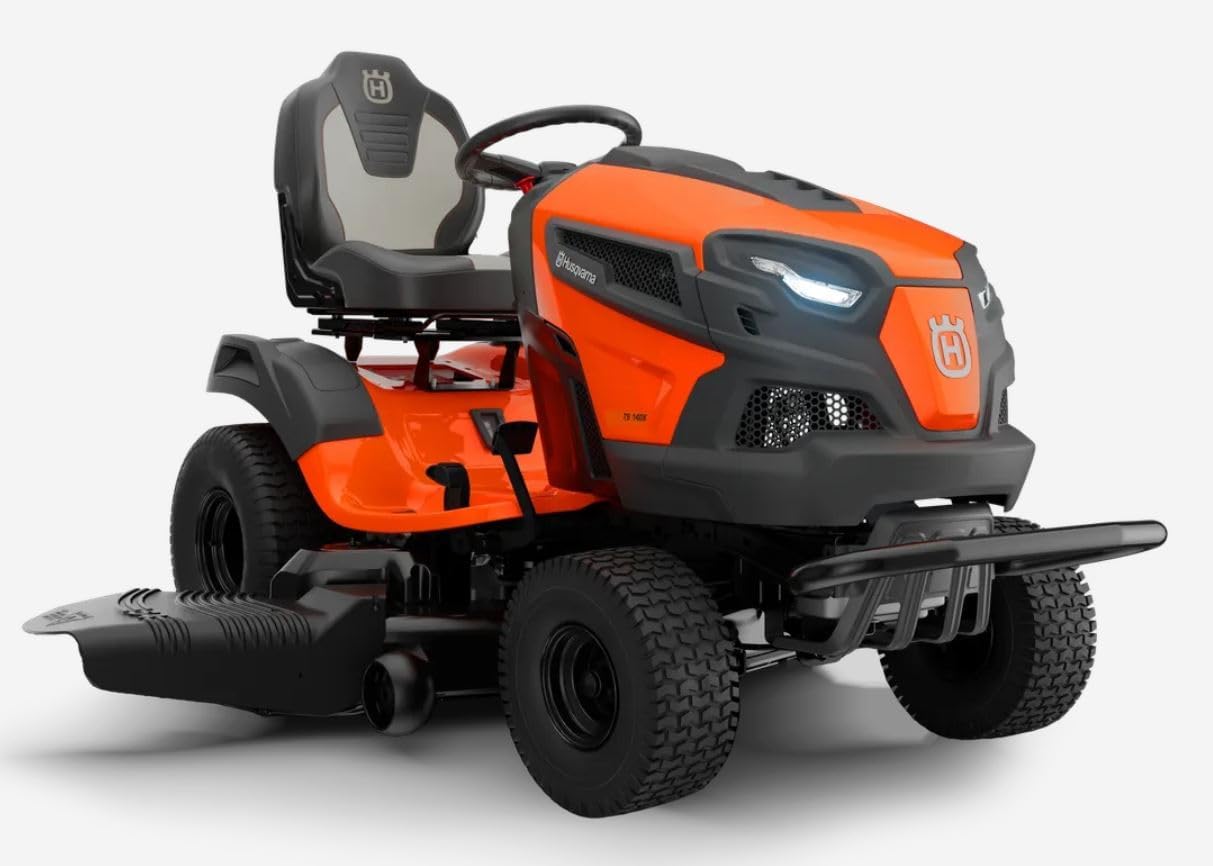
Husqvarna TS 140X 54" 24HP Riding Lawn Tractor
| Cutting width | 54 inches |
|---|---|
| Power Source | Gas Powered |
| Operation Mode | Manual |
| Engine | 24HP Briggs PXi series |
| Fuel capacity | 3 gallon |
The Husqvarna TS 140X is a straightforward riding tractor built for homeowners who need a wide cut and reliable power for larger lawns and light towing. It pairs a 24 HP Briggs PXi series engine with a Tuff Torq hydrostatic transmission for smooth speed changes without clutching, and the 54-inch stamped, three-blade deck covers ground quickly. The reinforced steel deck and Air Induction technology aim to produce an even, high-quality cut, while an upgraded seat and ergonomic steering wheel make longer mowing sessions more comfortable. Notable practical benefits include a 3 gallon fuel tank for extended run time and a ground speed suited to steady mowing and pulling small trailers or carts. Limitations to consider are that this model is manual operation with modest top speeds and it is intended for homeowner towing loads rather than heavy commercial trailers; larger or specialized towing needs will require a dedicated utility tractor. Maintenance and storage space should also be planned given its size.
Best for: A homeowner with a medium to large yard who wants a durable, easy-to-drive tractor that speeds up mowing and can tow small trailers or carts for occasional yard work.
Less Ideal for: Not a good choice for buyers who need heavy-duty towing, commercial use, or advanced electronic controls and attachments.
- Powerful 24 HP Briggs engine for reliable cutting and light towing.
- Wide 54-inch stamped deck reduces mowing time on larger lawns.
- Hydrostatic transmission provides smooth, easy speed control without shifting.
- Reinforced steel deck and Air Induction technology for consistent cut quality.
- 3 gallon fuel tank supports longer run times between refills.
- Designed for homeowner use so towing capacity is limited compared with utility tractors.
- Manual operation lacks advanced electronic features some buyers expect.
Verdict: Choose the Husqvarna TS 140X if you want a roomy 54-inch deck and solid 24 HP performance for faster mowing and occasional light towing.
Husqvarna TS 140X 48" Riding Lawn Tractor with 24 HP Briggs V-Twin

| Cutting width | 48 inches |
|---|---|
| Power Source | Gas Powered |
| Operation Mode | Manual |
The Husqvarna TS 140X is built for homeowners who need a robust, straightforward riding tractor for mowing roughly an acre, including moderate slopes. It pairs a 24 HP Briggs & Stratton V-twin engine with a 48-inch stamped steel deck and pedal-operated transmission so you can keep both hands on the wheel while changing speed. The reinforced deck and Air Induction technology aim to improve cut quality and reduce clumping, while an upgraded seat and ergonomic steering wheel increase comfort during longer jobs. Typical use will be regular property maintenance: striping driveways, cutting large open areas, and handling rolling terrain where a wider deck reduces passes. The tractor’s strengths are engine power, simple mechanical controls, and a roomy cutting width that shortens mowing time. Important limitations are its manual operation and gas power, which require fuel and routine engine maintenance, and the stamped deck is durable but less serviceable than heavier fabricated decks for extreme commercial use. For homeowners seeking a capable, no-frills machine, this balances performance and ease of use.
Best for: Homeowners with about an acre of lawn who want a powerful, easy-to-operate riding tractor that speeds up mowing and handles modest hills while prioritizing comfort during longer jobs.
Less Ideal for: Users who need a commercial-grade mower for daily heavy use or those seeking a zero-emission electric option should look elsewhere.
- Powerful 24 HP Briggs & Stratton V-twin engine provides strong performance on hills and larger lawns
- 48-inch stamped steel cutting deck reduces mowing time on an acre-sized property
- Pedal-operated transmission lets you keep both hands on the wheel for better control
- Ergonomic seat and steering wheel improve comfort for longer mowing sessions
- Gas engine requires regular fuel, oil changes, and tune-ups
- Stamped deck is less heavy-duty than fabricated commercial decks for extreme, frequent use
Verdict: A practical, comfortable gas tractor that cuts large yards quickly and handles modest hills for homeowners who want dependable performance and simple controls.
Husqvarna TS 120 42" 19HP Briggs Lawn Tractor

| Cutting width | 42 inches |
|---|---|
| Power Source | Gas Powered |
| Operation Mode | Manual |
The Husqvarna TS 120 is a straightforward, homeowner-oriented riding tractor built around a 19 HP Briggs & Stratton engine and a 42-inch twin-blade stamped deck. It is used like a conventional lawn tractor: sit in the ergonomic seat, use the pedal-operated transmission for smooth speed control, and choose side ejection or add optional mulching or collection accessories. Notable features include the proven gas engine, pedal-operated hydrostatic transmission that keeps both hands free for steering, and a deck width that balances cut speed with maneuverability. In practice the TS 120 will make quick work of small to mid-size properties while offering a comfortable ride and simple controls that reduce operator fatigue. Limitations are its basic stamped deck and homeowner-focused equipment level, which mean it is not targeted at heavy commercial use or extremely large properties where wider decks and commercial-grade components would be preferable.
Best for: Buyers who prioritize a reliable, easy-to-operate gas riding mower for maintaining small to mid-size lawns and who value straightforward controls and proven engine performance.
Less Ideal for: Not a good fit for commercial operators or homeowners with very large properties who need wider decks and more heavy-duty, commercial-grade components.
- Proven 19 HP Briggs & Stratton gas engine for reliable power
- Pedal-operated hydrostatic transmission for easy, hands-on steering and smooth speed changes
- 42-inch twin-blade deck balances cutting efficiency and maneuverability
- Ergonomic seating and intuitive controls reduce operator fatigue during longer mows
- Designed for homeowner use rather than commercial or heavy-duty applications
- Stamped mower deck is less durable than heavier fabricated decks
Verdict: A reliable, easy-to-use gas riding tractor that delivers proven Briggs & Stratton power and simple hydrostatic controls for homeowners with small to mid-size lawns.
Husqvarna TS 120 46" 22HP Briggs Lawn Tractor

| Cutting width | 46 inches |
|---|---|
| Power Source | Gas Powered |
| Engine | 22HP Briggs PXi |
| Transmission | Tuff Torq Hydrostatic |
| Fuel capacity | 2.5 gallon |
The Husqvarna TS 120 is a compact riding tractor built for homeowners who need a capable, easy-to-maneuver machine for medium to large lawns. It pairs a 22 HP Briggs PXi engine with a 46-inch stamped two-blade deck, delivering a quality cut while keeping run time straightforward thanks to a 2.5 gallon fuel tank. The hydrostatic Tuff Torq transmission and compact footprint make slow, precise turns and tight-area work practical, and the Air Induction design helps maintain consistent cut quality. Typical use is weekly mowing, clearing wide swaths quickly while still fitting through narrower gates than full-size tractors. Expect straightforward maintenance typical of gas tractors and the ability to add common attachments for light hauling or collection. Limitations are typical for this class: it is gas powered so it requires fuel and routine engine upkeep, and the stamped deck is durable but not as serviceable as heavier fabricated decks for heavy commercial use. Ground speed is modest, so very large properties will require more runtime.
Best for: Homeowners who want a dependable, easy-to-drive riding tractor that balances cutting width, power, and maneuverability for regular lawn care.
Less Ideal for: Commercial landscapers or users who need an industrial-duty tractor for daily heavy workloads on large acreage should consider larger, heavier-duty models.
- Generous 46-inch cutting width covers ground quickly for residential properties
- 22 HP Briggs PXi engine provides reliable, everyday power
- Hydrostatic Tuff Torq transmission for smooth, variable speed control and easy operation
- Compact design and maneuverability suit tighter yards and smaller storage spaces
- Gas power requires regular fuel, oil, and engine maintenance
- Stamped deck is less heavy-duty than fabricated commercial decks
Verdict: A compact, dependable residential lawn tractor that delivers strong mowing performance and easy handling for most homeowner yards.
EGO Power+ TR4204 42" Electric Riding Lawn Tractor

| Power Source | Battery Powered |
|---|---|
| Cutting width | 42 inches |
| Battery Average Life | 60 minutes |
| Maximum Adjustable Cutting Height | 4 inches |
| Number of Positions | 12 |
The EGO Power+ TR4204 is a cordless riding lawn tractor built to replace small gas tractors for yards up to about 1.5 acres. It combines up to six 56V ARC Lithium batteries to produce the equivalent of a 21-horsepower gas engine and runs dual brushless, belt-free cutting motors under a 42-inch stamped steel deck. Typical use is straightforward: charge the included batteries, set one of three blade speeds and one of three drive speeds on the digital display, and mow with cruise control engaged for consistent passes. Notable features include LED lights, USB charging, Bluetooth, anti-scalp wheels, and a rear tow hitch for light hauling. Practical benefits are quiet operation, reduced maintenance from no belts or gas engine upkeep, and modular battery compatibility with other EGO tools. Important limitations are the runtime ceiling—advertised at up to 1.5 acres with six 6.0Ah batteries—which means larger properties will require additional batteries or more frequent charging, and the tractor’s heavier weight and battery system make it less suitable for tight, steep, or highly maneuvered lawn work compared with compact zero-turns.
Best for: Buyers who want to replace a small gas tractor with a low-maintenance, quiet electric riding mower for regular care of roughly one to one and a half acre lawns and who value battery ecosystem flexibility.
Less Ideal for: Those with larger properties well over 1.5 acres or who need high-speed, tight-turning commercial zero-turn capability should consider other options.
- Battery platform compatibility with all EGO 56V ARC Lithium batteries for flexibility and tool ecosystem sharing
- Dual brushless cutting motors and a stamped steel 42-inch deck for gas-like cutting performance with lower maintenance
- Customizable digital controls including three blade settings, three drive speeds, and cruise control for consistent results
- Premium conveniences such as LED lights, USB charging port, Bluetooth, and rear tow hitch for utility beyond mowing
- Advertised single-charge coverage tops out at about 1.5 acres with the included batteries, limiting use on larger properties without extra batteries
- Heavier battery package increases vehicle weight and may be less nimble in very tight or steep yards
Verdict: A practical electric alternative to small gas tractors that delivers gas-like power and low maintenance for lawns up to about 1.5 acres.
Husqvarna TS 154X 54" Riding Lawn Tractor (24HP Briggs)

| Cutting width | 54 inches |
|---|---|
| Power Source | Gas Powered |
| Operation Mode | Automatic |
| Material Type | Metal |
The Husqvarna TS 154X is a straightforward, workmanlike riding tractor centered on a 24HP Briggs engine and a 54-inch stamped three‑blade deck. It is used like a conventional lawn tractor for mowing medium‑sized lawns: drive with the hydrostatic transmission, set deck height, and cut long swaths quickly. Notable features include the K46 Tuff Torq hydrostatic transmission for variable ground speed, an automatic choke for easier starts, air‑induction deck airflow for improved cut quality, and LED gauges and headlights on the X‑line. Practical benefits are faster job completion thanks to the wide deck, simple controls that reduce learning time, and decent fuel capacity for longer sessions. Important limitations are that the stamped deck and 24HP engine are aimed at light to medium duty rather than heavy commercial or very steep, hilly terrain where higher torque, dedicated hill‑climb gearing, or heavier fabricated decks perform better. Expect competent residential performance but plan upgrades or a heavier model if you frequently mow steep slopes or very dense turf.
Best for: A budget-minded homeowner who needs a dependable, easy‑to‑use riding tractor to cut medium‑sized lawns efficiently and prefers straightforward controls over heavy‑duty commercial features.
Less Ideal for: Landscape professionals or owners who regularly tackle steep, large acreage or thick, turf‑heavy hills should choose a higher‑torque, fabricated‑deck model designed for sustained hillside work.
- 54‑inch stamped three‑blade deck covers large swaths for faster mowing
- 24HP Briggs engine offers reliable, conventional power for residential lawns
- Hydrostatic K46 transmission gives smooth, variable speed control for easy operation
- Air induction deck design helps improve airflow and cut quality
- Automatic choke and soft‑touch steering make starts and maneuvering user‑friendly
- Stamped deck and engine sizing are better suited to light or medium duty rather than heavy commercial use
- Not specifically configured for steep, heavy‑duty hill climbing compared with purpose‑built hillside tractors
Verdict: Choose the Husqvarna TS 154X if you want a reliable, budget‑friendly riding tractor that quickly covers medium lawns with simple, user‑friendly controls.
Choosing the Right Riding Lawn Mower for Towing: Key Factors to Consider
Towing Capacity and Hitch Type
Towing capacity is the single most direct specification for hauling. It determines how much weight the mower can safely pull without overstressing the drivetrain or risking loss of control. Look at the rated drawbar load and whether the hitch is a dedicated tow ball, pin-style clevis, or universal plate. A stronger, bolted hitch connection reduces flex and keeps trailers tracking straight behind the mower.
Hitch placement and height also matter. A low hitch can make trailers sit level and reduce tongue weight on slopes, while a high hitch can tip loads backward. Confirm that the hitch height matches common small trailers or carts you plan to use, or that simple adapters are available.
Engine Torque, Power Delivery, and Cooling
Towing puts a continuous load on the engine, so peak horsepower alone is not enough. Torque at low RPMs and a robust cooling system are crucial for pulling weight without bogging down. Engines that deliver steady torque across the midrange let you accelerate from a stop while hauling and climb modest slopes without overheating.
Check for features that help sustained pulls, such as larger cooling fins, dedicated oil coolers, or airflow designs that keep the engine temperature stable during slow towing. Engines that are easy to service also reduce downtime if heavy towing becomes routine.
Transmission Type and Gear Range
Transmission gearing affects how the mower responds when moving a load. Hydrostatic transmissions offer smooth, variable speed control and can be easier to manage under changing loads, while manual gearboxes may provide mechanical advantage through lower gear ratios. A wide, low gear range is helpful for starting uphill with a trailer or for slow, controlled work like spreading or towing a dethatcher.
Durable transmission components and accessible service points matter because towing increases wear. Look for reinforced driveline elements and clear service instructions to keep the system reliable.
Chassis, Axles, and Weight Distribution
A strong frame and solid axle design reduce flex and maintain alignment when pulling. Lightweight sheet-metal frames can twist under load, causing steering issues and premature component wear. Heavier, well-braced chassis keep the mower tracking straight, especially when a loaded trailer shifts weight.
Consider the mower's weight and how it balances with a loaded trailer. Adding ballast or choosing a mower with a sturdier rear axle can improve traction and reduce the chance of wheel slip on wet grass or slopes.
Braking, Handling, and Safety When Loaded
Towing changes stopping distance and handling. Effective service brakes and a stable steering geometry are critical when you are hauling heavier loads. Some mowers offer upgraded brake systems or parking brakes that engage more securely with a load attached.
Anti-sway measures, such as trailer dampers or tongue-weight limits, reduce fishtailing. Evaluate how the mower behaves at slow speeds and when braking with weight behind it. Operator controls should be intuitive and allow quick reductions in speed without jerky responses.
Common Towing Tasks and Matching Mower Features
Different towing tasks place different demands on a riding mower. Moving a few bags of mulch across flat turf is lighter duty than hauling a fully loaded utility cart up a sloped lawn. Match mower features to the task rather than aiming for the highest towing rating alone.
For frequent heavy hauling, prioritize engine torque, a low transmission gear, and a reinforced hitch. For occasional light towing, a standard hitch and a mower with good low-end power may be sufficient and will save on complexity.
- Light hauling: compost bags, small carts, spreaders
- Medium hauling: topsoil bags, full utility carts, small trailers
- Heavy hauling: compact landscaping trailers or large water tanks
Hitch Options and Simple Upgrades
Most riding mowers accept aftermarket hitches or simple adapters that change hitch height or connector type. A reinforced plate hitch with a removable tow ball is versatile for different trailer couplers. Pin-style clevis hitches are robust for high-torque pulls but can be less convenient for frequent hookup.
Consider upgrading to a higher-strength hitch or adding a weight-distributing device if you regularly haul heavy loads. Small changes in hitch geometry can improve trailer tracking and reduce stress on the mower's rear axle.
- Tow ball adapters for quick connections
- Clevis or pin hitches for high-strength pulls
- Hitch extenders to adjust height and tongue weight
Traction and Tire Choices for Towing
Tires affect how a mower transfers power to the ground when towing. Deeper-lug turf tires increase traction but can tear sensitive lawn surfaces. Wider rear tires spread the load and reduce soil compaction, which can be important if you haul regularly on soft ground.
Air pressure matters. Lowering rear tire pressure slightly can boost grip, but avoid going so low that sidewall damage or rim slip becomes likely. For wet or sloped conditions, look for tires with aggressive tread patterns designed to maintain bite without excessive turf damage.
- Turf-friendly lugs for general towing
- Wider rear tires to reduce compaction
- Consider non-pneumatic options only if punctures are a frequent problem
Maintenance Practices That Keep Tow Systems Reliable
Regular maintenance extends the life of towing components. Inspect hitch bolts, drawbar welds, and mounting points for cracks or looseness. Grease pivot points and check the driveline for play after heavy use.
Also monitor engine cooling systems, transmission fluid level, and brake condition more frequently when towing becomes routine. Small preventive steps prevent breakdowns that often occur when towing increases component stress.
- Inspect hitch mounts and fasteners before each heavy tow
- Check transmission and engine fluids after long towing sessions
- Service brakes more often if you frequently haul heavy loads
Accessory Choices That Improve Towing Versatility
A few well-chosen accessories make towing tasks easier and safer. Weight-distributing plates, trailer dampers, and tongue supports reduce sway and improve control. Integrated cargo racks or bed extensions on utility carts help secure loads and prevent shifting.
Use chaining or proper couplers to ensure trailers stay attached on rough ground. Simple additions like a hitch lock or a secondary safety chain are inexpensive ways to reduce the chance of a runaway trailer.
- Weight-distribution plates to balance tongue load
- Trailer dampers to reduce sway
- Safety chains and secure couplers for all towed loads
How We Chose the Best Riding Lawn Mower for Towing
We shortlisted options that demonstrably perform when used for towing typical yard loads rather than light mowing-only duty. Our selection filters focused on mechanical and practical dimensions that matter under load: rated towing capacity and hitch type, engine torque and cooling for sustained pulls, transmission gearing and braking under load, frame and axle strength, and user ergonomics for control when hauling. We excluded machines designed solely for ornamental mowing or compact zero-turns without tow hitches or rated drawbar strength. We also filtered out units that lack clear drivetrain specs or use lightweight components prone to flex under load. The final picks were chosen for a balance of towing capability, drivetrain durability, safe handling when loaded, serviceability, and compatibility with common yard trailers and attachments. Evaluation emphasized measurable specs and real-world behavior rather than marketing claims. Where manufacturer data was sparse, we favored units with robust frame and axle design and user-friendly hitch options that make towing practical for homeowners.
FAQ
How much weight can a typical homeowner riding mower tow?
It depends on the mower's rated towing capacity and hitch strength. Many homeowner mowers handle light to medium loads like utility carts and bags of soil, while heavier trailers require higher-rated drawbars and stronger axles. Check the manufacturer's towing rating and match it to your trailer and cargo weight.
Can I add a hitch to a riding mower that does not have one?
Often you can add an aftermarket hitch plate or adapter, but installation quality and frame strength matter. Ensure the attachment point is on a structural part of the mower and rated for the loads you plan to pull. If in doubt, consult a technician to avoid mounting on weak sheet-metal sections.
Will towing damage my mower's transmission or engine?
Towing increases wear and heat on the drivetrain and engine, especially with frequent heavy loads. Properly rated equipment and maintenance reduce the risk, but regular towing may shorten service intervals for transmission fluid, brakes, and cooling components. Use appropriate gearing and avoid overloading.
Are hydrostatic transmissions better for towing than gear drives?
Hydrostatic transmissions offer smooth, variable speed control that can make towing easier at low speeds, while gear-drive systems can provide mechanical advantage in low gears. The best choice depends on load type and operator preference. Durability and serviceability are more important than transmission type alone.
How should I adjust tire pressure when towing a loaded cart?
Slightly reducing rear tire pressure can improve traction and load distribution, but avoid pressures low enough to risk rim damage or sidewall flex. Adjust in small increments and test handling. Heavier loads may benefit from wider tires or flotation options rather than very low pressure.
What safety checks should I do before towing?
Inspect hitch hardware and safety chains, ensure trailer lights if applicable are working, check tire condition and pressure, test brakes at low speed, and confirm the load is secured and balanced. Also verify the mower's parking brake and transmission respond predictably under load.
Final Verdict
When choosing a riding lawn mower for towing, prioritize towing capacity, hitch strength, and steady low-end engine torque over cosmetic features. Transmission gearing and a robust chassis determine how well a mower copes with uphill starts and sustained pulls, while brakes and handling govern safety when loaded. Balance your typical trailer size and cargo weight with the mower's rated capabilities and invest in sensible accessories and maintenance. Prioritize reliable mechanical connections and predictable low-speed control so you can tow confidently and extend the life of your equipment.
