

Note: This article contains affiliate links. If you click on these links and make a purchase, I may earn a small commission at no extra cost to you. This helps support my research and content. Read my full affiliate disclosure here.
Tomato plants are surprisingly particular about how much sun and heat they get. The right shade cloth for tomatoes reduces sunscald, moderates daytime temperatures, and preserves pollination without trapping humidity that invites disease. This guide covers six carefully shortlisted shade cloth options suited specifically for tomato-growing situations, from container gardens and small raised beds to larger backyard rows and greenhouse coverings. We evaluated factors that matter in real gardens, including how much UV is blocked, how well heat and air move through the fabric, durability under sun and wind, and practical installation considerations. Read on to find the shade approach that matches your site and season needs.
Top Picks at a Glance
| Best Overall The best all-around choice for most situations | Cool Area 55% Sun Shade Cloth with Grommets, 6.5 x 10 ft |  |
| Best Quality Built to a higher standard if you want something more solid | Coolaroo 50% UV Block Garden Shade Cloth, 6ft x 15ft Roll |  |
| Best Value The sweet spot between price and what you get | TREEVEX 55% Shade Cloth for Garden, 6.5 x 10 ft |  |
| Best Budget The cheapest option that still gets the job done reliably | BeGrit 50% Shade Cloth with Grommets, 6 x 6.5 ft |  |
| Highest Rated A top-rated pick with lots of positive feedback | SKYJORMY Plant Shade Cover Bags with Drawstring, 3.3 x 2.6 ft, 4 Pack |  |
| Most Popular A crowd favorite that many people choose with confidence | winemana 50% Shade Cloth Mesh Tarp, 10 x 20 ft |  |
Cool Area 55% Sun Shade Cloth with Grommets, 6.5 x 10 ft
| Shade rating | 55% |
|---|---|
| Material | 100% High Density Polyethylene (HDPE) |
| Mounting | Grommets for zip-tie or rope installation |
| Model | 6.5*10 |
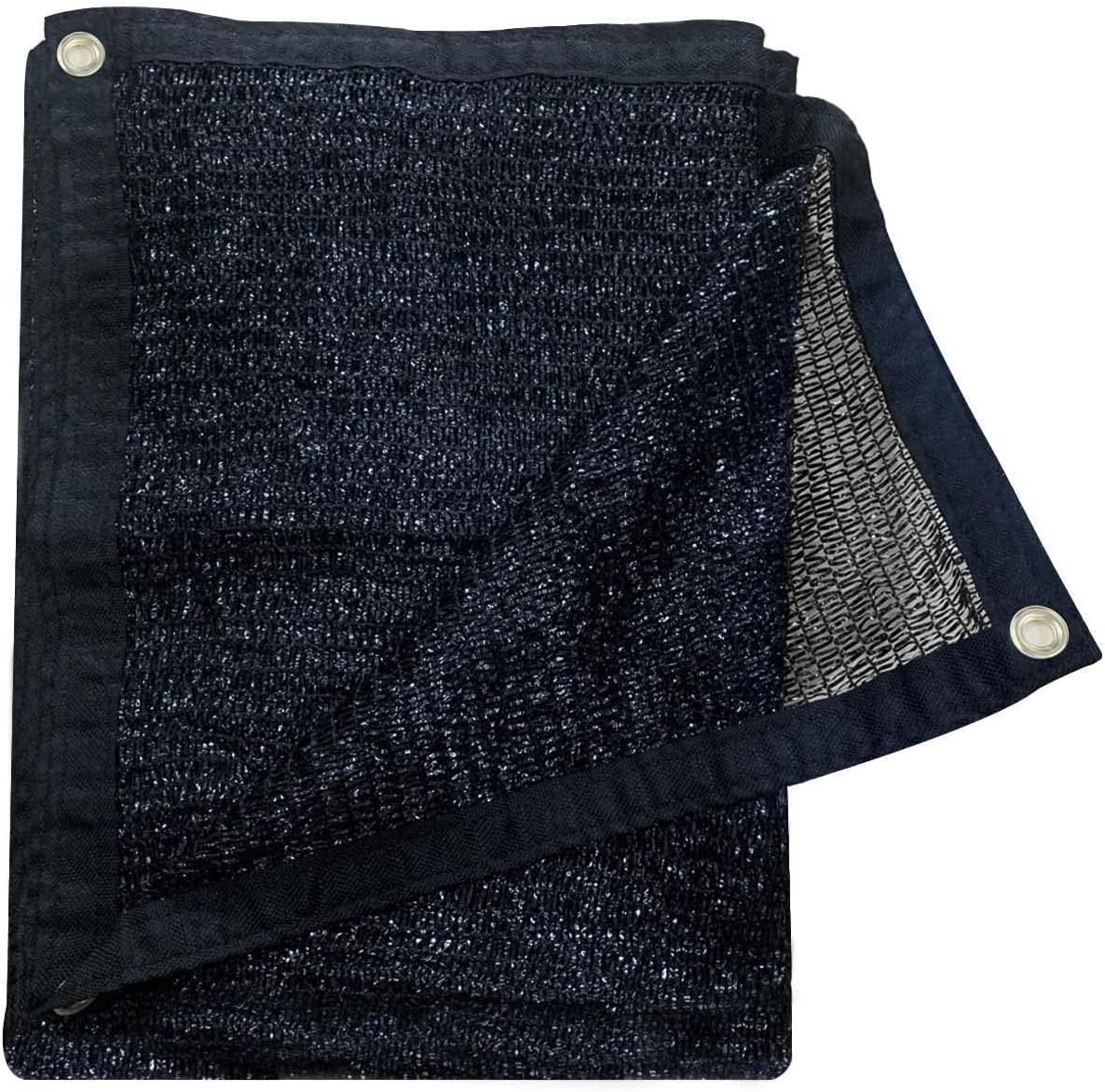
This Cool Area 55% shade cloth is a lightweight HDPE mesh designed to cut about half the sun while still letting air move through, which makes it useful for protecting sun-sensitive vegetables like tomatoes during hot, bright periods. It comes with preinstalled grommets so you can secure it quickly with zip ties or rope to a frame, hoop house, or pergola. The manufacturer says it is made from new HDPE for tear resistance and higher temperature tolerance, and the fabric’s open weave reduces heat buildup compared with solid tarps. Typical uses include mounting above tomato beds, shading container tomatoes on a balcony, or draping over a garden hoop to prevent sunscald and reduce water stress. Expect a modest service life of a couple of seasons in strong sun; the cloth is durable for general garden use but not a permanent roofing material. The trade-offs are obvious: 55% shade is a middle ground that cools plants without blocking too much light, but if you need heavier protection from intense sun or hail you would want a higher-density cloth or rigid cover.
Best for: Gardeners growing tomatoes who want to reduce heat stress and sunscald while preserving enough light for fruiting, and who prefer an easy-to-install, temporary shading solution.
Less Ideal for: Growers needing permanent, heavy-duty covers or users in extremely high-sun climates who require much higher shade percentages or impact protection.
- 55% shading balances sun protection and light transmission for fruiting crops
- Preinstalled grommets simplify mounting to frames, pergolas, or hoops
- Made from 100% new HDPE for tear resistance and improved heat tolerance
- Open mesh design permits airflow to reduce heat buildup and humidity around plants
- Not rated for long-term permanent roofing so may need replacement after a few seasons
- Middle-density (55%) may be insufficient under extreme sun where 70%–90% shade is preferable
Verdict: A practical middle-ground shade cloth that protects tomato plants from excess sun while keeping enough light and airflow for fruit development.
Coolaroo 50% UV Block Garden Shade Cloth, 6ft x 15ft Roll

| Material Type | High Density Polyethylene (HDPE) |
|---|---|
| Product Style | 50% UV Block |
| Water Resistance Level | Water Resistant |
| Mount Type | Tie |
| Size | 6' x 15' |
This Coolaroo 50% UV Block shade cloth is designed to protect young vegetables like tomatoes from sun scorch while allowing airflow to prevent overheating. It is made from high density polyethylene with an open-knit structure that reduces light intensity by about half, conserves soil moisture, and creates a milder microclimate for earlier planting and extended season growth. Typical use is cutting the roll to size, tying or clipping it over beds, hoop houses, or temporary frames, and removing it on cloudy or cooler days. Notable features include tear- and fray-resistant construction, water resistance, and a manufacturer 15-year UV degradation warranty. For tomato growers this means less leaf burn, reduced evaporation and lower transplant stress without trapping humidity. Limitations are that 50% block may be too much for fruit ripening in low-light climates and the fabric needs secure fastening in windy conditions; it is not meant for use in extreme weather. Installation requires basic tools and occasional repositioning as plants grow.
Best for: Gardeners growing tomatoes who prioritize plant performance and reduced stress during establishment and hot weather, and who want a durable, reusable cover for beds or hoop houses.
Less Ideal for: Growers in consistently low-light regions or those who need maximum sunlight for fruit ripening should consider a lighter-density option or removable partial shade instead.
- Blocks approximately 50% of UV to protect leaves and reduce sunburn on young plants
- Breathable HDPE knit that maintains airflow and reduces heat buildup
- Tear- and fray-resistant construction suited for repeated seasonal use
- Water resistant and helps conserve soil moisture to reduce watering frequency
- Requires secure tying or clips and can flap in high winds if not properly fastened
Verdict: Choose this shade cloth if you want a durable, breathable 50% UV cover that protects tomato seedlings and reduces heat stress while conserving water.
TREEVEX 55% Shade Cloth for Garden, 6.5 x 10 ft

| Shade factor | 55% |
|---|---|
| Material | HDPE (knitted mesh) |
| Size | 6.5 x 10 ft |
This TREEVEX 55% shade cloth is a simple, utilitarian solution for shading vegetable beds and protecting sun-sensitive tomatoes from heat stress. Made from knitted HDPE mesh the 6.5 x 10 ft panel blocks about 55% of incoming light to lower leaf temperature and reduce sunscald while still allowing airflow and some daylight for photosynthesis. Typical use is attaching the cloth over a hoop frame, greenhouse bench, or stretched between posts using zip ties or clips; it can be trimmed to fit irregular beds. The material is tear-resistant and weatherproof so it will last multiple seasons with basic fastening and tensioning. Because it cuts down intensity rather than eliminating light it helps sustain fruit set on heat-prone varieties and can reduce watering frequency. Limitations are that 55% shade is a mid-level density so plants needing full sun will still show slower growth and the fixed panel size means larger plots require multiple panels and secure joins to avoid sagging or wind lift.
Best for: Gardeners who want a practical, durable way to reduce heat stress on tomato plants and extend productive conditions during hot weather, preferring a moderate shade level that preserves airflow and light.
Less Ideal for: Growers seeking full-sun conditions for high-light tomato cultivars or those who need large continuous coverage without joining multiple panels.
- Blocks about 55% of sunlight to reduce leaf temperature and sunscald on tomatoes
- Knitted HDPE construction resists tearing and stands up to outdoor weather
- Can be easily trimmed to fit beds, hoop houses, or uneven layouts
- Allows airflow while softening UV intensity, helping maintain fruit set
- 55% density may still be too dark for varieties that require full sun for maximum yield
- Single 6.5 x 10 ft size means covering larger areas requires seams and secure fastening
Verdict: A tough, mid-density shade cloth that pragmatically reduces heat and sunscald on tomatoes while preserving airflow and daylight.
BeGrit 50% Shade Cloth with Grommets, 6 x 6.5 ft

| Material Type | Polyethylene (PE) |
|---|---|
| Shading Rate | 50% 6×6.5ft |
| Mount Type | Tie |
| Water Resistance Level | Not Water Resistant |
This BeGrit 50% shade cloth is a simple, budget-friendly way to protect sun-sensitive crops like tomatoes from heat stress while still allowing airflow and light transmission. Made from high-density polyethylene, the fabric is lightweight, UV resistant, and tear-resistant for seasonal use. The cloth has reinforced edges and metal grommets spaced roughly 1 meter apart so you can tie or hook it to a frame, greenhouse, or stakes; installation is straightforward and adaptable to small raised beds or a backyard row of tomato plants. In practice the 50% rating reduces ambient temperature modestly and helps prevent leaf scorch without blocking photosynthesis, which suits tomatoes in hot, sunny periods. It is not waterproof and is intended mainly as shade rather than a weatherproof cover, so you should remove or secure it in strong wind and inspect it periodically for wear. For longer-term or high-wind installations a heavier-duty shade or permanent shade structure would be more durable.
Best for: Gardeners who want an inexpensive, easy-to-fit shade solution to protect tomato plants during hot, sunny periods and prefer a temporary, removable cover.
Less Ideal for: Growers needing a waterproof or permanent shadehouse, or those in very windy locations who require heavy-duty, long-term protection.
- 50% shade balance reduces heat while still allowing enough light for tomato photosynthesis
- Lightweight, UV-resistant polyethylene that resists tearing for seasonal garden use
- Reinforced edges with metal grommets for easy attachment and flexible mounting options
- Not water resistant so it will not protect plants from heavy rain
- Lightweight construction is not ideal for permanent, high-wind installations
Verdict: A low-cost, easy-to-install 50% shade cloth that reduces heat stress on tomatoes without blocking needed sunlight.
SKYJORMY Plant Shade Cover Bags with Drawstring, 3.3 x 2.6 ft, 4 Pack

| Mesh density | 60‑mesh (approx. 0.5 x 0.6 mm) |
|---|---|
| Material | Polyethylene (tear‑resistant, UV treated) |
| Included pack | 4 pack |
| Size | 3.3 x 2.6 ft |
These SKYJORMY shade cover bags are designed to reduce direct sunlight and heat stress on individual plants such as tomato pots and small bushes. The 60‑mesh polyethylene fabric diffuses harsh rays while still allowing airflow and water permeability, so you can water and ventilate plants without removing the cover. Practical touches include a heavy‑duty cord lock toggle at the bottom for a snug, wind‑resistant fit and a side zipper on larger sizes for quick access to prune or harvest. The material is lightweight yet tear resistant and rated for outdoor UV exposure, which supports multi‑season use. Because the covers are sized for potted plants and smaller shrubs, they are best used for individual tomato plants, seedlings, or dwarf fruit trees rather than large garden rows. Expect straightforward protection from sun scorching and reduced heat buildup around foliage, but plan to monitor humidity under the cover during very hot, still weather to avoid excess moisture buildup around leaves.
Best for: Gardeners who prioritize dependable, season‑to‑season protection for individual tomato plants or potted vegetables and want a cover that stays secure in wind and allows easy access.
Less Ideal for: Growers who need to shade large beds or full‑size field tomatoes should consider larger shade structures or row covers instead.
- 60‑mesh fabric diffuses harsh sunlight while maintaining airflow and water permeability
- Adjustable bottom drawstring with cord lock creates a secure, wind‑resistant fit
- Durable tear‑resistant polyethylene construction for seasonal outdoor use
- Side zipper on select larger sizes allows quick access for pruning and harvesting
- Sized for individual pots and small shrubs so not suitable for covering larger plants or rows
Verdict: Choose these covers when you want reliable, secure sun protection for individual tomato plants or potted vegetables that still allows watering and access.
winemana 50% Shade Cloth Mesh Tarp, 10 x 20 ft

| Material Type | High Density Polyethylene (HDPE) |
|---|---|
| Shade Rate | 50% |
| Mount Type | Tie |
| Water Resistance Level | Water Resistant |
This 50% shade cloth is designed to reduce light intensity while keeping air moving, which makes it well suited for protecting young tomato plants from intense spring sun and heat stress. Made from UV-stabilized high-density polyethylene, the woven mesh lets roughly half the light through so seedlings and cool-season varieties still get needed light while being shielded from scorching midday sun. Reinforced hems and metal grommets spaced for easy tie-downs make it straightforward to attach to poles, fences, or a simple frame; common fasteners like zip ties or bungee cords work fine. The material is tear-resistant and water resistant, so it stands up to seasonal outdoor use, though it is not a waterproof barrier. Because it is a single large panel, you may need to fold, overlap, or cut sections to fit small raised beds or irregular greenhouse frames. Also secure it well in windy locations since cloth panels can catch gusts. For tomato growers looking for a practical, reusable way to temper strong sun during establishment and early fruit set, this cloth is a solid, low-maintenance option.
Best for: Tomato growers who want a straightforward, reusable way to soften strong spring and summer sun for seedlings and young plants and who prefer a product with visible performance and construction features.
Less Ideal for: Growers who need precise, custom-sized shade solutions or full waterproof covers for heavy rain protection should consider alternatives made for those specific needs.
- 50% shade rate balances light reduction with sufficient photosynthetic light for seedlings and early tomato growth
- UV-stabilized HDPE woven fabric promotes airflow and reduces heat buildup under the canopy
- Reinforced hems and metal grommets simplify anchoring to poles, frames, fences, or hoop houses
- Large 10×20 ft panel covers multiple beds or a patio area for versatile use
- Single-panel design may require trimming, folding, or overlap to fit small or irregular planting areas
- Not a waterproof tarp so it will not fully block heavy rain
Verdict: A durable, breathable 50% shade cloth that gives tomato seedlings and young plants reliable sun reduction and easy mounting for season-long protection.
Choosing the Right Shade Cloth for Tomatoes: Key Factors to Consider
UV Blockage Percentage
Shade percentage directly determines how much sunlight the plants receive. Tomatoes need strong light to flower and set fruit, but too much direct afternoon sun can cause leaf scorch and sunscald on exposed fruit. Choosing a cloth rated for the right percent shade lets you dial back peak irradiance without starving the plants.
Lower percentage cloths (for example 30 percent) reduce heat gain while still allowing abundant light for fruiting. Higher percentage cloths better protect fruit in extremely hot, reflective sites but can retard flowering if used full time. Consider seasonal use so you can apply heavier shading during heat waves and lighter shading as days cool.
Airflow and Breathability
Good airflow is essential to avoid trapped heat and humidity that encourage fungal disease on tomato foliage. A high open-weave or breathable fabric promotes convective cooling and helps pollen remain viable for pollination. When airflow is limited, leaf wetness times increase and disease pressure goes up, particularly in dense canopies.
Assess weave structure and look for stated airflow or porosity values. Installation spacing matters too; leaving a gap between the canopy and cloth improves circulation. Breathability also affects night cooling, which can influence set of blossom clusters in warm climates.
Durability and UV Stability
Shade cloth is exposed to constant sunlight and variable weather, so UV-stable materials and reinforced edges extend useful life. UV additives in the weave slow polymer breakdown and maintain shade percentage over seasons rather than losing efficacy after a year.
Check how edges are finished and whether the fabric resists fraying when cut. More durable cloth tolerates repeated seasonal handling and reduces the need to replace or re-tie coverings every year. Durability matters especially if you attach the cloth to structures that create abrasion points in wind.
Edge and Fastening Design
How the cloth connects to frames, hoops, or support lines affects both performance and ease of use. Hemmed edges with grommets or reinforced tape help distribute load in windy conditions and prevent tearing at attachment points. A cloth that can be quickly clipped, bungee-corded, or tied allows seasonal removal and reattachment without damage.
Also consider compatibility with common fastening hardware so you do not have to modify the fabric extensively. Fastening design influences how taut the cloth can be installed, which in turn affects airflow and how well water sheds during storms.
Cutting, Fitting, and Versatility
Gardeners often need to adapt shade cloth to odd-shaped beds, hoops, or greenhouse frames. Fabrics that cut cleanly without excessive fraying and that tolerate trimmed edges without failure save time. Versatile cloth comes in multiple widths and lengths so you can minimize seams over crop rows.
Consider whether the material can be layered for adjustable shade levels and if it drapes well over supports or needs rigid framing. A cloth that is easy to size and refit makes it practical for different growing seasons and setups.
How Much Shade Do Tomatoes Actually Need
Tomatoes are sun-loving but sensitive to extreme heat. In most climates, morning sun combined with filtered or reduced afternoon light produces the best results. A moderate shade level preserves the plant's ability to photosynthesize while cutting the intensity that causes sunscald on fruit.
Think seasonally. Use heavier shading during heat waves or midsummer spikes and lighter shading as daylength shortens. For container-grown tomatoes that sit on hot patios, slightly higher shade percentages are often helpful compared with in-ground plants with cooler root zones.
- Morning sun is desirable; protect from harsh afternoon rays.
- Adjust shade level during peak heat instead of keeping heavy shade all season.
- Containers and reflective surfaces often require more protection.
Installation Tips for Garden and Greenhouse
Plan for airflow when you hang shade cloth. Space the fabric above the canopy or use vents so warm air can escape. If you mount cloth directly to hoops or a rigid frame, leave at least a few inches between leaves and fabric.
Secure edges with grommets, clips, or reinforced ties to prevent tearing in wind. When covering greenhouse glazing, attach cloth to external ribs or a removable frame so you can take it down for cleaning or winter storage.
- Use reinforced attachment points to avoid concentrated stress.
- Slope covers so rainwater and debris slide off instead of pooling.
- Test a small section before cutting large pieces to confirm fit and coverage.
Managing Microclimate and Disease Risk
Shade cloth changes temperature and moisture dynamics. Proper placement reduces heat stress without creating humid pockets that prolong leaf wetness. Keep canopies pruned to improve air movement and consider morning watering to let surfaces dry quickly.
If disease pressure is a concern, favor more breathable weaves and avoid cloth that traps condensation against leaves. Regularly inspect undersides of the cloth and the canopy for signs of increased humidity or mold so you can adjust distance or shade percentage.
- Prune lower foliage to improve airflow under the cloth.
- Avoid overnight coverings in cool, damp climates where moisture may linger.
- Layer lighter and heavier cloths only when you can maintain circulation between layers.
Seasonal Strategies and Layering
Use a modular approach to shading so you can adapt through spring, summer, and fall. Lightweight cloths are handy for occasional afternoon protection, while heavier fabric can be deployed during heat waves. Layering two lighter fabrics can provide intermediate shade levels without sacrificing breathability.
Store cloth clean and dry in the off-season to protect UV-stable coatings. Inspect for frayed edges or damaged grommets before redeploying and repair or reinforce attachment points as needed.
- Keep several shade options on hand for varying heat events.
- Store flat and away from direct light to prolong material life.
- Label pieces by percentage shade to speed seasonal decisions.
Sizing and Layout for Rows, Beds, and Containers
Match cloth width to bed or row dimensions to minimize seams. Long continuous runs reduce gaps where sun can concentrate. For small patios or containers, pre-cut panels or pieces that wrap around individual pots make adjustments easier.
When covering rows, consider end treatments to manage wind uplift and use overlap to avoid sun gaps. For hoop tunnels, choose cloth widths that fit with minimal stitching or fastener use to maintain integrity.
- Minimize seams over high-value plants to avoid concentrated wear.
- Allow for extra material at edges for secure fastening.
- Consider pre-sized panels for portable or temporary covers.
How We Chose the Best Shade Cloth for Tomatoes
We selected candidates based on performance characteristics that affect tomato health and fruiting rather than marketing claims. Our editorial filters prioritized fabrics that offer consistent UV blockage ratings, documented breathability or open-weave percentage, and clear manufacturer guidance on expected lifespan under sun exposure. Materials and construction mattered for durability: edge reinforcement, UV-stable additives, and resistance to fraying were required to make the cut. We also considered gardener-facing features such as available widths and lengths, fastening options, and whether the cloth can be layered or trimmed on site. Ease of installation and maintenance were important because shade adjustments are seasonal for tomatoes. We excluded materials designed exclusively for heavy structural use or for blocking light entirely, since tomatoes need partial sunlight to set fruit. Final selections balance protection, airflow, durability, and practical fit for common tomato setups.
FAQ
What percentage shade is best for tomatoes in hot climates?
Often a moderate 30 to 50 percent shade works well in hot climates because it cuts peak heat without eliminating the light tomatoes need to flower. Exact needs depend on local peak temperatures and whether plants are in containers or in-ground.
Can I leave shade cloth on tomatoes overnight?
It depends. In very hot areas leaving shade on overnight usually presents little risk, but in cool, damp climates overnight coverage can trap moisture and increase disease risk. If nights are cool and humid, remove or raise the cloth to improve airflow.
How do I attach shade cloth to a hoop tunnel without tearing it?
Use hemmed edges and grommets or a reinforced tape to distribute load, and attach with clips or soft ties rather than nailing. Keeping the cloth slightly loose and adding wind breaks reduces stress at attachment points and prevents tearing.
Will shade cloth reduce fruit production?
Shade cloth can reduce fruit production if it cuts light below the level tomatoes need for flowering and fruit set. Using lighter shade percentages, seasonal application, and ensuring good airflow helps maintain production while protecting fruit from excessive sun.
How long does shade cloth typically last in the garden?
Lifespan varies by material, UV treatment, and exposure. UV-stabilized fabrics often last several seasons with proper care, while untreated fabrics may degrade faster. Inspect annually for fraying and UV breakdown and replace when shade percentage or integrity declines.
Final Verdict
Choose a shade cloth that matches the intensity of your site and the growing situation for your tomatoes. Prioritize a balance of UV blockage and breathability so you protect fruit without creating humid pockets that invite disease. Durable edges and compatible fastening options make seasonal use practical and reduce replacement frequency. Final decisions should weigh local peak temperatures, whether plants are in pots or ground, and how easily you can adjust or remove coverings. Pick a solution that you can fit, secure, and modify as seasonal conditions change to keep tomatoes productive and healthy.
