

Note: This article contains affiliate links. If you click on these links and make a purchase, I may earn a small commission at no extra cost to you. This helps support my research and content. Read my full affiliate disclosure here.
Picking the right soil for azaleas in pots makes the difference between sparse growth and a blooming container. In pots you control every element the plant experiences, so soil needs to hold the acidic conditions azaleas prefer while still providing steady moisture and reliable drainage. This guide shortlists seven top-performing mixes suited to container rhododendrons and explains the real garden tradeoffs that matter. We evaluated mixes for pH stability, moisture retention, drainage, and nutrient delivery so you can match a soil to your container size, watering habits, and climate. Read on to see the criteria we used and practical tips for potting, feeding, and overwintering azaleas in containers.
Top Picks at a Glance
| Best Overall The best all-around choice for most situations | 1 Quart Azalea Bonsai Soil Mix with Japanese Kanuma and Mycorrhizae |  |
| Best Quality Built to a higher standard if you want something more solid | Soil Sunrise Acid-Loving Potting Soil Mix (12 Quarts) |  |
| Best Value The sweet spot between price and what you get | 2.5 qt Azalea Bonsai Soil Mix with Kanuma, Mycorrhizae & Oak Leaf Mold |  |
| Best Budget The cheapest option that still gets the job done reliably | E.B. Stone Organics Azalea, Camellia & Acid Mix |  |
| Highest Rated A top-rated pick with lots of positive feedback | Premium Azalea Bonsai Soil Mix with Japanese Kanuma and Mycorrhizae (2.5 qt) | |
| Most Popular A crowd favorite that many people choose with confidence | Coast of Maine Planting Soil for Acid-Loving Plants (20 qt, 2-pack) |  |
| Best Seller A high-volume bestseller chosen again and again | My Garden Pool Coast of Maine AL3500 Acid-Loving Planting Soil 20 qt (with Soil Test Strips & Gloves) |  |
1 Quart Azalea Bonsai Soil Mix with Japanese Kanuma and Mycorrhizae
| Item Type Name | Azalea Bonsai Soil |
|---|---|
| Volume | 1 quarts |
| Style Name | Japanese |
| pH | 5.4 – 5.6 |
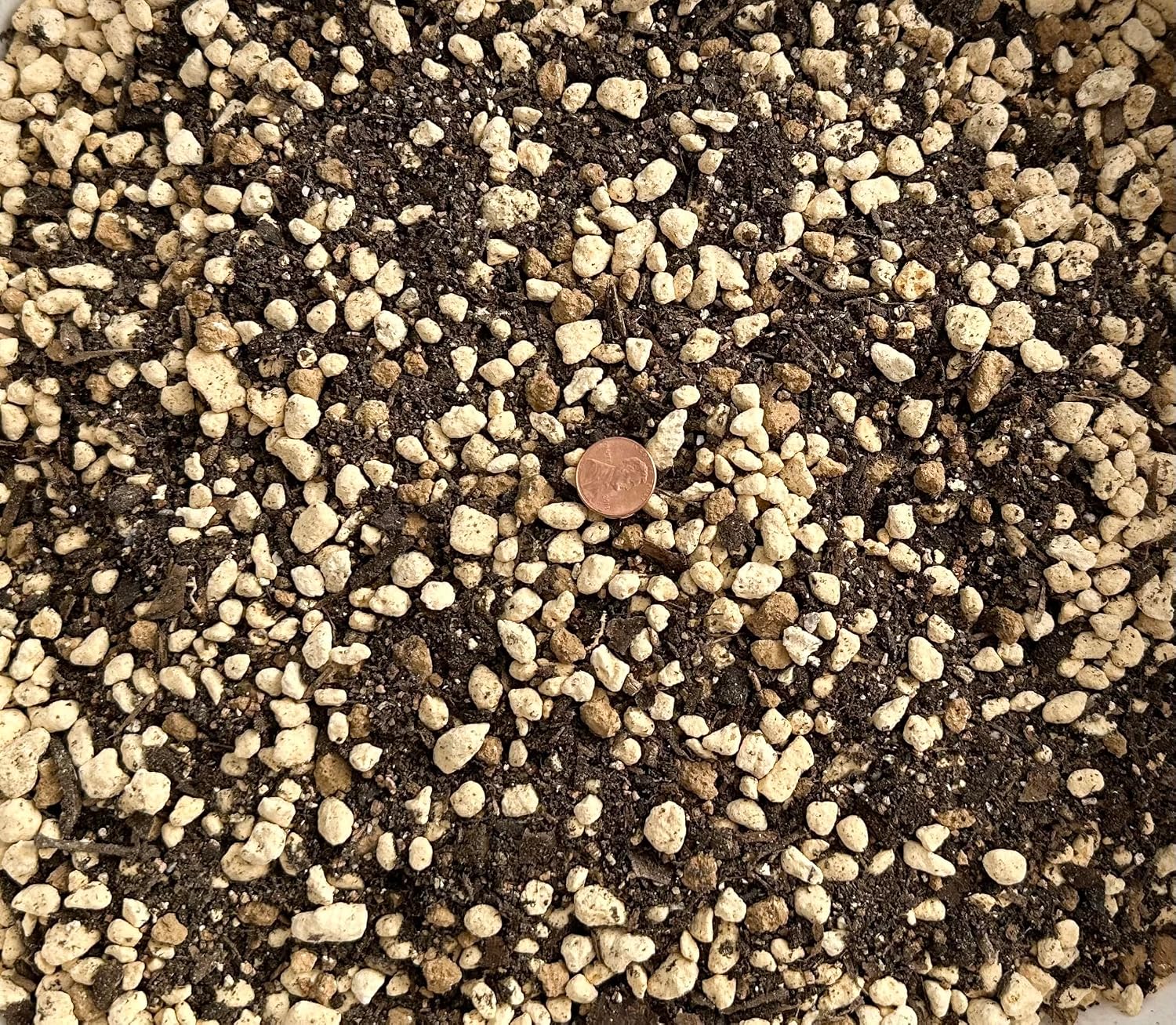
This 1-quart azalea bonsai soil is designed for potted acid-loving plants and bonsai, using Japanese Kanuma as the primary inorganic component combined with composted fir bark, oak leaf mold, and mycorrhizae. With a measured pH around 5.4 to 5.6 and medium grain size, the mix gives good aeration and drainage while retaining enough organic matter to hold moisture for shallow pots and bonsai containers. The included mycorrhizae can help root establishment and nutrient uptake for repotting or top-dressing azaleas. Its small, consistent particle size makes it easy to work into tight root balls and gives predictable watering behavior for container culture. Limitations are quantity and cost efficiency since one quart is small for multiple pots, and the medium grain means very fast-draining conditions that may require more frequent watering compared with heavier potting mixes. For single-plant repotting, bonsai work, or testing a new substrate, it provides a ready-to-use acidic option that avoids DIY mixing.
Best for: Buyers repotting a single azalea or working on bonsai who want a preblended acidic substrate that delivers reliable drainage and root support for potted ericaceous plants.
Less Ideal for: Gardeners needing soil for multiple large pots or bed planting who require larger volumes or a slower-draining potting mix should consider bulk alternatives.
- Formulated acidic pH (5.4–5.6) suited for azaleas and other ericaceous plants
- Medium-grain Kanuma-based mix offers good aeration and predictable drainage
- Contains mycorrhizae to support root establishment and nutrient uptake
- Organic components like oak leaf mold and fir bark help retain some moisture and add organic matter
- Small 1-quart volume is only enough for a single small pot or bonsai repotting session
- Medium-grain, fast-draining texture may require more frequent watering in warm conditions
Verdict: A ready-to-use, acidic Kanuma-based mix ideal for repotting a single azalea or bonsai when you need a well-aerated, ericaceous substrate.
Soil Sunrise Acid-Loving Potting Soil Mix (12 Quarts)

| Volume | 12 quarts |
|---|---|
| Ingredients | Peat moss, vermiculite, pine bark, pine needles, sphagnum moss |
| Brand Name | Soil Sunrise |
This 12-quart Soil Sunrise mix is built specifically for acid-loving container plants and combines peat moss, sphagnum, pine bark, pine needle mulch and vermiculite to deliver a consistently acidic, well-aerated medium. In practice it is easiest used for repotting azaleas, rhododendrons and blueberries or filling decorative containers where maintaining lower pH and steady moisture retention matter. The peat and sphagnum hold water and nutrients between waterings while pine bark and vermiculite keep the mix loose so roots do not suffocate. Because it is hand-blended in small batches with natural components, the texture and pH are tailored for long-term health rather than quick-release feeding. Expect improved root development and fewer problems with compaction compared with standard all-purpose mixes. Limitations are the modest bag size for larger shrubs and that it does not include fertilizer, so feeding is still required for fruiting or heavy bloom cycles.
Best for: Gardeners seeking reliable performance for container-grown acid-loving plants who prioritize consistent pH and healthy root environments over convenience blends.
Less Ideal for: Large-scale plantings or gardeners who want an all-in-one fertilized mix for immediate heavy bloom or fruit production.
- pH-balanced blend formulated for acid-loving species
- Peat moss and sphagnum retain moisture and nutrients between waterings
- Pine bark and vermiculite improve drainage and prevent compaction
- Hand-blended small-batch mix made from natural ingredients
- No added fertilizer, so plants will need separate feeding for fruiting or heavy blooms
- 12-quart bag is small for large containers or multiple shrubs
Verdict: Choose this mix when you need a purpose-built, pH-balanced potting medium that promotes strong roots and moisture management for acid-loving container plants.
2.5 qt Azalea Bonsai Soil Mix with Kanuma, Mycorrhizae & Oak Leaf Mold

| Item Type Name | Azalea Bonsai Soil |
|---|---|
| Style Name | Japanese |
| Volume | 2.5 quarts |
| pH | 5.4 – 5.6 |
This 2.5 quart premium azalea bonsai soil is a ready-to-use acidic mix intended for potted azaleas and similar acid-loving plants. It combines Japanese kanuma, composted fir bark, oak leaf mold and added mycorrhizae in a small-grain blend, producing a gritty, free-draining medium with a measured pH of about 5.4 to 5.6. In practice it works well for repotting small azaleas or topping up containers and bonsai where good aeration and low pH matter. The small particle size makes it easy to work into shallow pots and encourages root contact while the organic components retain some moisture without becoming waterlogged. The included mycorrhizae can help seedlings and transplants establish faster. The obvious limitation is volume: 2.5 quarts covers only small pots or a few plants, so you will need multiple bags for larger container collections or full repots. Also the small grain size means it may dry faster than heavier mixes, so you will need to check watering frequency for outdoor containers in warm weather.
Best for: Practical gardeners with a few potted azaleas or bonsai who want a purpose-made, acidic repotting mix that improves drainage and root health without extra blending.
Less Ideal for: People who need large quantities for multiple large containers or garden beds should choose bulk mixes or combine this with higher-volume substrates.
- Formulated specifically for acid-loving plants with pH 5.4–5.6
- Gritty small-grain mix improves drainage and aeration in shallow pots
- Contains mycorrhizae to support root establishment
- Includes organic components (kanuma, fir bark, oak leaf mold) for nutrient-holding and structure
- Small 2.5 quart volume is only suitable for a few small pots or topping up
- Fine grain dries faster than heavier mixes and may require more frequent watering
Verdict: Buy this if you need a small, ready-made acidic bonsai soil that boosts drainage and root establishment for potted azaleas.
E.B. Stone Organics Azalea, Camellia & Acid Mix

| Brand Name | Armstrong Garden Centers |
|---|---|
| Unit Count | 1 Count |
This organic Azalea, Camellia & Acid Mix is designed to give acid-loving shrubs the soil conditions they need without extra amendments. It is sold ready to use for both containers and in-ground planting, and the formula focuses on good drainage and a slightly acidic environment that encourages healthy root development and persistent foliage. In practice the mix simplifies planting and repotting by removing the guesswork about pH and structure, so you can plant directly and expect better establishment for rhododendrons and similar shrubs. Because it is organic, it supports soil biology over time but will not replace routine feeding for heavy feeders. The product is straightforward and convenient for gardeners who prefer a purpose-built option for acidophilic plants, though those needing specific measured pH or custom nutrient profiles may still test and amend for precise results.
Best for: Gardeners who want a convenient, purpose-made soil for planting and repotting azaleas, camellias, and other acid-loving shrubs without having to mix their own blend.
Less Ideal for: Growers who need precise, measured pH and nutrient figures for professional trials or those who prefer to custom-blend their own potting media.
- Formulated specifically for acid-loving plants so pH adjustment is minimized
- Ready to use for pots or in-ground planting which saves prep time
- Organic composition supports long-term soil health and microbial activity
- No specific pH or nutrient analysis provided on the listing
- May require additional fertilization for fast-growing or nutrient-hungry specimens
Verdict: Choose this ready-made organic mix when you want a simple, reliable soil that sets up acid-loving shrubs for healthier roots and foliage with minimal prep.
Premium Azalea Bonsai Soil Mix with Japanese Kanuma and Mycorrhizae (2.5 qt)
| pH | 5.4 – 5.6 |
|---|---|
| Volume | 2.5 Quarts |
| Grain size | Medium (6–10 mm) |
This 2.5 quart premium azalea bonsai soil is a ready-to-use acidic mix designed for container-grown acid-loving plants. It combines Japanese Kanuma with composted fir bark, oak leaf mold and added mycorrhizae to create a medium-grain, well-draining substrate with a measured pH of about 5.4 to 5.6. Typical uses include repotting azaleas, rhododendrons, camellias and bonsai where you need an acidic, airy media that resists compaction and promotes root colonization by beneficial fungi. The medium particle size helps maintain oxygen around roots while organic components retain enough moisture between waterings. Because it is a specialist blend in a small 2.5 quart package, it is convenient for single pots, small bonsai, or for topping and amendment rather than large-scale garden beds. Expect to pay attention to supply quantities if you need to treat many plants, and supplement nutrients over time since the mix focuses on structure and acidity rather than long-term fertilization.
Best for: Buyers who want a dependable, specialty acidic soil for repotting azaleas, camellias or bonsai and who prioritize consistent pH and root-friendly structure for small containers.
Less Ideal for: People needing bulk soil for garden beds or large numbers of plants should choose larger volume products or mix this as an amendment rather than the sole media.
- Formulated for acid-loving plants with Kanuma and oak leaf mold to maintain low pH
- Includes mycorrhizae to support root health and nutrient uptake
- Medium-grain texture provides good drainage and aeration
- Ready-mixed and convenient for repotting small plants or bonsai
- Small 2.5 quart volume limits use to single pots or as an amendment for multiple plants
- Does not list any preloaded fertilizer so regular feeding may be required
Verdict: A reliable, ready-made acidic bonsai and azalea mix that delivers the right pH and root-friendly structure for small container-grown acid-loving plants.
Coast of Maine Planting Soil for Acid-Loving Plants (20 qt, 2-pack)

| Unit Count | 2 Count |
|---|---|
| Volume | 20 quarts |
| Item Weight | 18 pounds |
| Style Name | Planting Soil |
This Coast of Maine planting soil is formulated specifically for acid-loving plants such as blueberries, rhododendrons, azaleas, and hydrangeas. It combines sphagnum peat moss, composted manure, and aged bark to create a naturally low-pH mix that improves structure, drainage, aeration, and moisture retention. Typical use is mixing it into garden beds, raised beds, or containers when planting or refreshing soil for blueberries and other ericaceous species. Notable features include OMRI listing, ocean- and farm-sourced organic amendments like kelp and lobster meal, and a focus on supporting beneficial soil microbes. Practical benefits are better root establishment and healthier foliage and fruit when used to correct alkaline or neutral soil around acid-loving plants. Limitations are the modest 20 quart bag size and lightweight volume, which means multiple bags are needed for larger beds or heavy soil correction; gardeners should test soil pH to confirm how much amendment is required. This product favors organic, biodiversity-minded gardeners who want a proven low-pH planting medium rather than a bulk topsoil solution.
Best for: Gardeners growing blueberries and other acid-loving plants who prioritize a reliable, organic low-pH soil amendment for containers, raised beds, or small in-ground patches.
Less Ideal for: People needing to fill large garden beds or who want a bulk, no-frills topsoil alternative; commercial growers or landscapers needing high volume should look elsewhere.
- Formulated with a naturally low pH suitable for blueberries and other acid-loving plants.
- OMRI-listed organic ingredients that support soil biology and long-term soil health.
- Blend of peat moss, composted manure, and aged bark improves moisture retention, drainage, and aeration.
- Pack of two 20 qt bags provides a convenient starter quantity for containers and small raised beds.
- Small bag volume means you will need many bags to amend larger planting areas.
- Contains peat moss, which some gardeners avoid for sustainability reasons.
Verdict: A reliable OMRI-listed low-pH planting mix that makes correcting soil for blueberries straightforward and organic.
My Garden Pool Coast of Maine AL3500 Acid-Loving Planting Soil 20 qt (with Soil Test Strips & Gloves)

| Brand Name | My Garden Pool |
|---|---|
| Style Name | moisture-retaining, nutrient-rich |
| Unit Count | 640 Ounce |
This ready-to-use acid-loving planting soil is formulated for azaleas, rhododendrons and hydrangeas and is intended for container and bed use where an acidic pH is preferred. It contains organic material and compost to improve texture and nutrient availability while boosting water retention so potted shrubs stay evenly moist without frequent watering. The included 7-in-1 soil test strips let you quickly check pH and basic soil parameters, and the gloves are a convenient extra for potting. For cautious gardeners, the premixed acidic formulation removes the need to blend amendments yourself and reduces the risk of pH mistakes. Limitations are that exact ingredient ratios are not listed and the product is a bagged mix only, so heavy feeders or soils needing specific drainage adjustments may still require supplemental amendments. Overall it works well as a straightforward, low-effort potting medium for acid-loving container plants.
Best for: Buyers who want a simple, low-risk potting mix for acid-loving container shrubs and prefer a ready-made solution that reduces pH guesswork.
Less Ideal for: Gardeners who need a custom-tailored mix for aggressive feeders, exact drainage control, or who prefer to blend their own amendments.
- Formulated to maintain acidic pH preferred by azaleas and rhododendrons
- Contains compost and organic material to improve soil texture and nutrient availability
- Improves water retention to help potted plants stay evenly moist
- Includes 7-in-1 soil test strips for quick pH and soil checks and gloves for potting
- No detailed ingredient ratios or process information provided
- May require additional amendments for specific drainage or heavy-feeding plants
Verdict: A convenient, pre-formulated acidic potting mix that takes the guesswork out of growing azaleas and other acid-loving plants in containers.
Choosing the Right Soil for Azaleas in Pots: Key Factors to Consider
Soil Acidity and pH Buffering
Azaleas are acid-loving plants that perform best in soils with a consistently low pH. In pots the soil pH can shift faster than in a garden bed because you are working with a smaller volume and frequent watering or fertilizer applications can raise pH. Choose mixes that include acidifying components or pH buffers designed for ericaceous plants so the root zone remains in the preferred range.
Maintaining stable acidity matters because nutrient availability for iron, manganese, and other micronutrients changes with pH. A well-buffered mix reduces the need for frequent corrective treatments and lowers the risk of chlorosis in container plants.
Moisture Retention Vs Drainage Balance
Containers require a soil that holds enough moisture to prevent rapid drying but also drains freely to avoid waterlogging. Azaleas like evenly moist conditions rather than sitting in saturated soil. A good container mix combines moisture-retaining ingredients such as peat moss or coir with chunky drainage materials like coarse pine bark or perlite.
The right balance depends on container size and your watering routine. Small containers dry out faster and benefit from greater water-holding capacity, while large pots can handle mixes with more drainage material. Consider your local climate and how often you will water when choosing the ratio between retention and drainage.
Organic Matter Type and Nutrient Release
Organic matter provides slow-release nutrients and helps maintain soil structure over time. For azaleas in pots, the type of organic component matters-well-aged compost or composted pine bark supplies nutrients without raising pH as much as some manure-based amendments. Peat moss and coconut coir contribute to acidity and water retention but offer limited nutrients, so expect to supplement feedings.
High-quality organic matter also promotes beneficial microbial activity and improves cation exchange capacity, which helps plants access nutrients. Avoid fresh, uncomposted materials that can tie up nitrogen or change soil chemistry unpredictably in a confined root zone.
Particle Size and Aeration
Particle size controls how much air reaches roots and how quickly water moves through the potting mix. Coarse particles like bark chips or coarse perlite improve aeration and prevent compaction, which is especially important in long season containers. Fine-textured mixes can compact around the roots, reducing oxygen and increasing disease risk.
Look for mixes described as chunky or containing visible bark and perlite rather than fine, dust-like components. Proper aeration supports healthy feeder roots and helps maintain the fibrous root system azaleas rely on.
Longevity and Repotting Frequency
Potting mixes break down over time, losing structure and changing drainage and moisture characteristics. For container azaleas you want a mix that maintains porosity for at least a couple of seasons to avoid frequent repotting. Ingredients like coarse bark and perlite slow decomposition, while high proportions of fine peat or compost will collapse sooner.
Plan for periodic top-dressing and eventual repotting. Choosing a longer-lasting mix reduces labor and disturbance to the plant, but remember that some replenishment of nutrients will always be required in a closed container system.
Compatibility with Fertilizing and Water Quality
Water quality and fertilizer choice interact strongly with potting mix behavior. Hard water can raise pH over time, so mixes with strong buffering or the ability to tolerate occasional alkaline water are useful. Likewise, slow-release fertilizers formulated for acid-loving plants minimize pH drift and supply balanced nutrition without frequent corrective feeding.
When municipal or well water is alkaline, consider strategies like using rainwater for sensitive azaleas, choosing mixes with acidifying components, and selecting fertilizers that help maintain acidity rather than neutralize it.
Potting and Repotting Techniques for Container Azaleas
Use a container with adequate drainage holes and choose a pot size that leaves room for root growth without overwhelming the plant with excess soil volume. When repotting, loosen the root ball gently and remove any dead or circling roots to encourage outward growth into the fresh mix.
Fill the bottom with a thin layer of coarse material only if you need extra drainage in a shallow pot, but avoid creating a perched water table. Pack the mix lightly around roots so the plant sits at the same soil level as before to prevent stem rot from burying the crown.
- Top-dress annually with a thin layer of fresh acidic mix or slow-release fertilizer to replenish nutrients
- Repot every 2 to 3 years or when roots begin pushing out of drainage holes
- Avoid pressing the mix tightly; roots need air pockets to thrive
Watering Strategies Based on Container Size and Climate
Adjust watering frequency to pot size and weather. Small pots in hot, windy sites can dry in a day, whereas large pots hold moisture much longer. Check moisture by feeling the top inch of soil and use a moisture meter for deeper accuracy in critical phases like bud set.
Mulching the container surface with acidic, coarse materials like pine needles helps reduce surface evaporation and provides a small long-term source of acidity as it slowly breaks down.
- Water deeply until excess flows from drainage holes to encourage full root wetting
- Allow the top inch to dry slightly before the next irrigation to reduce root rot risk
- Use rainwater or softened water sparingly if your tap water is alkaline
Feeding and pH Maintenance in Containers
Because containers are a closed system, nutrients are used up and washed out with regular watering. Use fertilizers labeled for acid-loving shrubs or slow-release formulations that provide steady nutrition without shocking soil pH. Apply according to label rates for container size and plant vigor.
Monitor foliage for signs of iron deficiency such as yellowing between leaf veins. If symptoms appear, a foliar iron spray or an iron chelate applied to the root zone may correct the issue, but long-term control means choosing an acidic, well-buffered mix and managing water quality.
- Apply a slow-release, acid-loving shrub fertilizer in spring and a lighter dose mid-season if growth is weak
- Test potting mix pH every season and adjust with acidifying amendments if it drifts upward
- Avoid overfertilizing; excess salts can accumulate in pots and harm roots
Overwintering Azaleas in Pots
Container plants face colder root-zone temperatures than plants in the ground. Insulate pots by moving them to a sheltered spot, grouping them together, or wrapping containers with insulating materials. Larger pots offer more protection than small ones because they hold heat longer.
Do not overwater in winter; azaleas need moist but not saturated soil during dormancy. Reduce feeding in late fall and resume light fertilization in spring after new growth appears.
- Elevate pots off cold surfaces to prevent freezing through the drain holes
- Mulch the container surface with pine needles or shredded bark for extra insulation
- Bring particularly tender varieties into an unheated garage or cool greenhouse if hard freezes are expected
Amending Existing Potting Mixes
If you are refreshing an old container mix, incorporate coarse pine bark or perlite to restore aeration and reduce compaction. Add small amounts of peat moss or coir to improve moisture retention while keeping acidity in mind.
Avoid heavy top-ups of general-purpose compost that can raise pH. Instead, use acid-compatible organic materials and a special ericaceous fertilizer to rebuild nutrition without altering the root-zone acidity drastically.
- Remove the top 1 to 2 inches of old soil before adding amendments to reduce salt buildup
- Work amendments evenly through the top third of the root zone rather than layering
- Consider a full repot if the mix is severely compacted or depleted
How We Chose the Best Soil for Azaleas in Pots
We selected mixes that suit azaleas grown specifically in containers, focusing on measurable soil properties and gardener outcomes rather than brand recognition. Our filters prioritized soil acidity and pH buffering, water retention versus drainage balance, organic matter quality, and ease of use for container potting. We also considered structure and long-term stability to limit compaction over a growing season, plus suitability for common container materials and sizes. Excluded items included general-purpose garden soils not formulated for acidic plants, heavy garden loams that need large amendments for container use, and mixes that rely solely on chemical fertigation without organic buffering. The final picks reflect combinations of stable acidic pH, consistent moisture-holding components like peat or coconut coir, inorganic drainage components such as perlite or pine bark, and ingredients that supply slow-release nutrients appropriate for acid-loving shrubs. We tested for reasonable handling, compost content, and whether the mix maintains structure when repotted or overwintered in pots.
FAQ
What pH should soil for azaleas in pots have?
Azaleas prefer an acidic root zone, typically around pH 4.5 to 5.5. In containers it is helpful to choose a mix formulated for ericaceous plants or to test and adjust pH seasonally, because container soil pH can change faster than garden soil.
Can I use peat moss or coconut coir for azaleas in pots?
Both peat moss and coconut coir are acceptable as moisture-retaining, acidic-friendly components. Peat is naturally acidic, while coir is more pH neutral and may need additional acidifying amendment. Each provides good water-holding capacity but limited nutrients, so pair them with quality organic matter and appropriate fertilizer.
How often should I repot an azalea in a container?
Most container azaleas benefit from repotting every two to three years to refresh the mix and prevent compaction. You may only need to top-dress annually if the mix still drains well and the root system is not overly crowded.
How do I prevent waterlogging in pots?
Use a chunky mix with coarse bark or perlite for improved drainage, ensure drainage holes are unobstructed, and avoid overwatering. Let the top inch of soil dry slightly between waterings and water deeply rather than frequently shallowly.
Will fertilizers change soil pH in containers?
Some fertilizers can alter soil pH over time, especially alkaline water combined with ammonium-based or high-salt feeds. Using slow-release fertilizers formulated for acid-loving plants and monitoring pH will minimize undesirable shifts.
Final Verdict
Choosing the right soil for azaleas in pots means balancing acidity, moisture retention, and drainage while using stable organic matter that does not quickly collapse. Prioritize mixes that maintain a low pH, provide good aeration with coarse particles, and retain enough moisture for your watering rhythm. Accept tradeoffs between longevity and water-holding capacity based on pot size and climate. With the right mix and seasonal maintenance you can keep container azaleas healthy and flowering for many seasons with minimal repotting.
