

Note: This article contains affiliate links. If you click on these links and make a purchase, I may earn a small commission at no extra cost to you. This helps support my research and content. Read my full affiliate disclosure here.
If you grow rhododendrons, azaleas, camellias, or blueberries, the soil you plant in will have a bigger effect on flowering and root health than almost any other single choice. Acid-loving plants need a consistent, slightly acidic root zone plus good drainage and organic matter to access iron and other micronutrients. This guide gathers seven top shortlisted soils for acid loving plants and explains the criteria gardeners should use when comparing mixes. Below we summarize the factors that matter in the garden, from pH buffering to texture and nutrient sources, then walk through practical guidance to match a mix to your planting situation.
Top Picks at a Glance
| Best Overall The best all-around choice for most situations | Coast of Maine Acid-Loving Planting Soil, 20 qt |  |
| Best Quality Built to a higher standard if you want something more solid | Calibonsai Japanese Kanuma Small Grain Bonsai & Acid-Loving Plant Soil, 17 L |  |
| Best Value The sweet spot between price and what you get | Perfect Plants Blueberry Soil Mix, 4 qt — Acidic Potting Mix for Berries |  |
| Best Budget The cheapest option that still gets the job done reliably | Doter Organic Blueberry Soil Mix (2 qt) |  |
| Highest Rated A top-rated pick with lots of positive feedback | Premium Azalea Bonsai Soil Mix with Japanese Kanuma and Mycorrhizae (2.5 qt) |  |
| Most Popular A crowd favorite that many people choose with confidence | Coast of Maine Planting Soil for Acid-Loving Plants (20 qt, 2-pack) |  |
| Best Seller A high-volume bestseller chosen again and again | Soil Sunrise Acid-Loving Potting Soil Mix (12 Quarts) |  |
Coast of Maine Acid-Loving Planting Soil, 20 qt

| Volume | 20 quarts |
|---|---|
| Style Name | Peat Moss, Compost, Aged Bark |
| OMRI Listed | Yes |
This Coast of Maine planting soil is formulated for acid-loving plants and works well as a potting/top-up mix for potted hydrangeas. The blend of sphagnum peat moss, composted manure, and aged bark produces a naturally lower pH and a loose texture that helps roots access nutrients while retaining enough moisture to keep hydrangeas hydrated between waterings. It is OMRI listed and uses organic amendments, so it supports living soil biology rather than relying on synthetic additives. In practice the 20 qt bag is lightweight and easy to work with for container fills or refreshing the top few inches of potting media. Expect better foliage color and bloom performance in plants that prefer acid conditions, and follow the brand guidance to mix with existing soil for planting holes or reapply annually. Limitations are the modest bag volume for larger containers and the peat-based formula, which some gardeners avoid for sustainability reasons, so it is best for routine potting tasks rather than large-scale bed renovation.
Best for: Gardeners who want an off-the-shelf organic potting/top-up mix that creates acidic, nutrient-accessible conditions for potted hydrangeas and similar acid-loving plants.
Less Ideal for: Growers who need bulk soil for large containers or beds or who prefer peat-free formulations should consider other options.
- Formulated with a naturally low pH specifically for acid-loving plants like hydrangeas
- Blend of peat moss, composted manure, and aged bark improves moisture retention, drainage, and aeration
- OMRI listed organic ingredients that support soil biology
- Lightweight 20 qt bag is easy to handle for container gardening and top dressing
- 20 qt bag provides limited volume for large pots or multiple containers
- Contains peat moss, which some gardeners avoid for environmental reasons
Verdict: A ready-to-use organic planting soil that simplifies potting and top-dressing for hydrangeas by providing a naturally acidic, moisture-balanced medium.
Calibonsai Japanese Kanuma Small Grain Bonsai & Acid-Loving Plant Soil, 17 L

| Volume | 17 liters |
|---|---|
| Grain size | Small (approx. 1.5–5.0 mm) |
| Material | Volcanic pumice (kanuma) |
This Calibonsai Japanese Kanuma is a purpose-made volcanic pumice soil for acid-loving plants and bonsai that favors good drainage while retaining some moisture and nutrients. It is sold as a 17 liter bag of small-grain particles roughly 1.5–5 mm in size, which makes it easy to mix with organic components or use straight for potted azaleas, camellias, and small bonsai where acidity and aeration matter. The pumice-based texture is light and airy, helping roots breathe and reducing the risk of waterlogging compared with ordinary potting mixes. Because it is naturally acidic it supports plants that prefer lower pH without needing frequent chemical acidifiers. Practical limitations are that kanuma is a specialty medium so you may need to blend in more nutrient-rich material for long-term container culture, and the fine dusty particles mean you should handle it with gloves and a mask to avoid inhaling dust. For growers focused on plant performance, this delivers the right physical profile and acidity for acid-loving species when used as part of a tailored potting blend.
Best for: Growers who prioritize plant performance and root environment control for acid-loving species and bonsai and who plan to mix or manage media actively to optimize drainage and pH.
Less Ideal for: Casual gardeners who want a ready-to-go, nutrient-rich potting mix for low-maintenance containers or large landscape plantings.
- Naturally acidic medium suited for azaleas, camellias, and bonsai
- Lightweight volcanic pumice texture promotes excellent drainage and aeration
- Small 1.5–5 mm grain size works well for fine-rooted plants and mixing into custom blends
- 17 liter volume is a practical amount for repotting multiple small containers
- Low inherent nutrients so it often requires mixing with organic matter or fertilizer for long-term potted plants
- Dusty fine particles that require protective handling to avoid inhalation or eye irritation
Verdict: Choose this kanuma if you need a lightweight, naturally acidic, well-aerating medium to improve root performance for bonsai and other acid-loving plants.
Perfect Plants Blueberry Soil Mix, 4 qt — Acidic Potting Mix for Berries

| Unit count | 128 Ounce |
|---|---|
| Item type | Blueberry Soil Mix 4qt |
| Fertilizer | 18-6-8 slow release |
| Style | Acidic, Fast Draining, and Nutrient retaining soil |
This 4 quart blueberry soil from Perfect Plants is a purpose-built potting mix for container or small-bed blueberry culture. The blend centers on peat moss to naturally lower pH, with composted pine bark and granite sand for medium drainage and good aeration. It also contains an 18-6-8 slow-release fertilizer intended to supply nutrients for up to 12 months, which reduces the need for frequent feeding early in the season. The resealable heavy-duty bag makes it convenient to store between uses for small home gardens. Practical benefits include an acidified, well-draining medium that suits rabbiteye and highbush varieties and saves time by combining amendment and fertilizer in one product. Important limitations are the small 4 quart volume, which means multiple bags are required for larger containers or beds, and the peat-based formula, which some gardeners avoid for sustainability reasons. For gardeners who prefer to fine-tune pH or nutrient schedules, this premixed approach may require adjustment or supplementing over time.
Best for: Home gardeners who want a ready-made, low-maintenance potting mix for blueberry containers or small beds and prefer a product that combines pH adjustment with long-lasting feed.
Less Ideal for: Large-scale plantings or growers who want to customize soil components and feeding schedules should consider bulk amendments or building their own mix.
- Peat moss naturally lowers pH, suitable for acid-loving blueberries
- Includes composted pine bark and granite sand for improved drainage and aeration
- 18-6-8 slow-release fertilizer that claims up to 12 months of feeding
- Resealable heavy-duty bag convenient for storage between uses
- Small 4 quart volume may require multiple bags for pots or beds
- Peat-based formula may be a concern for gardeners avoiding peat on environmental grounds
Verdict: A convenient, ready-to-use acidic potting mix that simplifies growing blueberries in containers or small beds by combining peat-based pH adjustment with a 12-month slow-release fertilizer.
Doter Organic Blueberry Soil Mix (2 qt)

| Brand Name | Doter |
|---|---|
| Item Type Name | Garden soil |
| Volume | 2 quarts |
| Style Name | Modern |
This 2-quart Doter Blueberry Soil Mix is a ready-to-use acidic potting medium aimed at indoor potted blueberries and other acid-loving plants. The blend lists peat moss and pine bark for organic matter, plus perlite and sand for improved drainage and mycorrhizae to boost root nutrient uptake. In practice the mix is easy to use for repotting young blueberry plants and for top-ups in small containers where maintaining a low pH matters. The lightweight bag size makes it convenient for small projects and testers before committing to larger quantities. Because the bag is small, it will need frequent replenishing for larger pots or multiple plants. The label also warns about inhalation and skin irritation when handling dry material, so basic dust precautions are sensible. Overall this is a practical, purpose-built option if you want an acidic, well-draining starting medium tailored to berry plants in containers, but budget-minded gardeners growing many plants will likely need larger volumes or to mix this with bulk amendments.
Best for: Buyers growing one or a few potted blueberry plants or other acid-loving container plants who want a ready-made acidic mix without blending their own soil.
Less Ideal for: Gardeners who need large quantities for beds or many pots should choose bulk soil or make a homemade acid mix to save money and reduce frequent repurchasing.
- Formulated acidic pH suitable for blueberries and other acid-loving plants.
- Contains organic components like peat moss and pine bark to improve structure and moisture retention.
- Includes perlite and sand for superior drainage to reduce risk of root rot.
- Inoculated with mycorrhizae to help seedlings and transplants establish and take up nutrients.
- Small 2-quart volume requires frequent replacement or purchasing multiple bags for more than a few containers.
- No exact ingredient ratios or guaranteed nutrient analysis provided on the listing.
Verdict: A convenient, small-batch acidic potting mix designed to give potted blueberries and other acid-loving plants the right pH and drainage for healthy container growth.
Premium Azalea Bonsai Soil Mix with Japanese Kanuma and Mycorrhizae (2.5 qt)
| pH | 5.4 – 5.6 |
|---|---|
| Volume | 2.5 Quarts |
| Grain size | Medium (6–10 mm) |
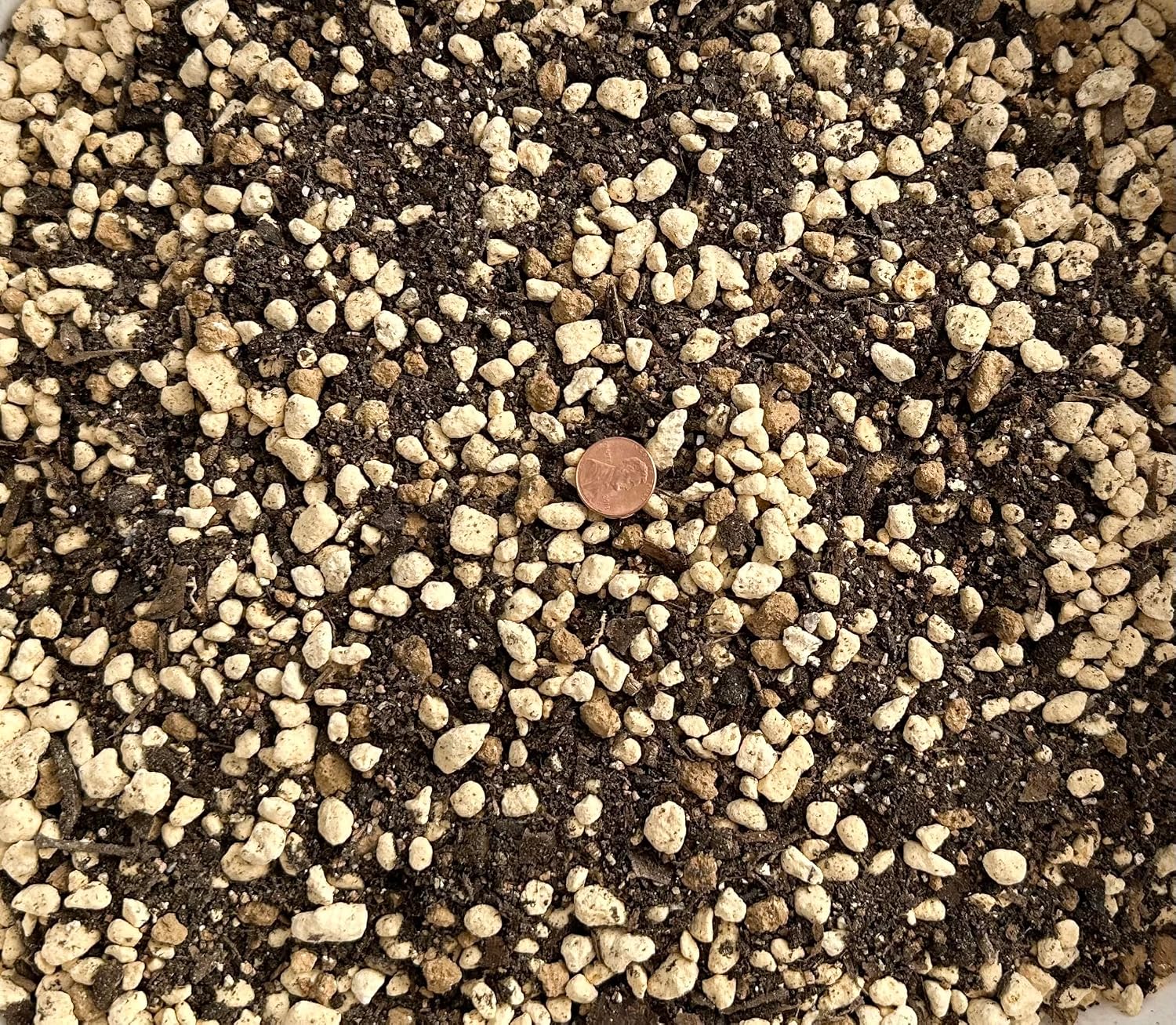
This 2.5 quart premium azalea bonsai soil is a ready-to-use acidic mix designed for container-grown acid-loving plants. It combines Japanese Kanuma with composted fir bark, oak leaf mold and added mycorrhizae to create a medium-grain, well-draining substrate with a measured pH of about 5.4 to 5.6. Typical uses include repotting azaleas, rhododendrons, camellias and bonsai where you need an acidic, airy media that resists compaction and promotes root colonization by beneficial fungi. The medium particle size helps maintain oxygen around roots while organic components retain enough moisture between waterings. Because it is a specialist blend in a small 2.5 quart package, it is convenient for single pots, small bonsai, or for topping and amendment rather than large-scale garden beds. Expect to pay attention to supply quantities if you need to treat many plants, and supplement nutrients over time since the mix focuses on structure and acidity rather than long-term fertilization.
Best for: Buyers who want a dependable, specialty acidic soil for repotting azaleas, camellias or bonsai and who prioritize consistent pH and root-friendly structure for small containers.
Less Ideal for: People needing bulk soil for garden beds or large numbers of plants should choose larger volume products or mix this as an amendment rather than the sole media.
- Formulated for acid-loving plants with Kanuma and oak leaf mold to maintain low pH
- Includes mycorrhizae to support root health and nutrient uptake
- Medium-grain texture provides good drainage and aeration
- Ready-mixed and convenient for repotting small plants or bonsai
- Small 2.5 quart volume limits use to single pots or as an amendment for multiple plants
- Does not list any preloaded fertilizer so regular feeding may be required
Verdict: A reliable, ready-made acidic bonsai and azalea mix that delivers the right pH and root-friendly structure for small container-grown acid-loving plants.
Coast of Maine Planting Soil for Acid-Loving Plants (20 qt, 2-pack)

| Unit Count | 2 Count |
|---|---|
| Volume | 20 quarts |
| Item Weight | 18 pounds |
| Style Name | Planting Soil |
This Coast of Maine planting soil is formulated specifically for acid-loving plants such as blueberries, rhododendrons, azaleas, and hydrangeas. It combines sphagnum peat moss, composted manure, and aged bark to create a naturally low-pH mix that improves structure, drainage, aeration, and moisture retention. Typical use is mixing it into garden beds, raised beds, or containers when planting or refreshing soil for blueberries and other ericaceous species. Notable features include OMRI listing, ocean- and farm-sourced organic amendments like kelp and lobster meal, and a focus on supporting beneficial soil microbes. Practical benefits are better root establishment and healthier foliage and fruit when used to correct alkaline or neutral soil around acid-loving plants. Limitations are the modest 20 quart bag size and lightweight volume, which means multiple bags are needed for larger beds or heavy soil correction; gardeners should test soil pH to confirm how much amendment is required. This product favors organic, biodiversity-minded gardeners who want a proven low-pH planting medium rather than a bulk topsoil solution.
Best for: Gardeners growing blueberries and other acid-loving plants who prioritize a reliable, organic low-pH soil amendment for containers, raised beds, or small in-ground patches.
Less Ideal for: People needing to fill large garden beds or who want a bulk, no-frills topsoil alternative; commercial growers or landscapers needing high volume should look elsewhere.
- Formulated with a naturally low pH suitable for blueberries and other acid-loving plants.
- OMRI-listed organic ingredients that support soil biology and long-term soil health.
- Blend of peat moss, composted manure, and aged bark improves moisture retention, drainage, and aeration.
- Pack of two 20 qt bags provides a convenient starter quantity for containers and small raised beds.
- Small bag volume means you will need many bags to amend larger planting areas.
- Contains peat moss, which some gardeners avoid for sustainability reasons.
Verdict: A reliable OMRI-listed low-pH planting mix that makes correcting soil for blueberries straightforward and organic.
Soil Sunrise Acid-Loving Potting Soil Mix (12 Quarts)

| Volume | 12 quarts |
|---|---|
| Ingredients | Peat moss, vermiculite, pine bark, pine needles, sphagnum moss |
| Brand Name | Soil Sunrise |
This 12-quart Soil Sunrise mix is built specifically for acid-loving container plants and combines peat moss, sphagnum, pine bark, pine needle mulch and vermiculite to deliver a consistently acidic, well-aerated medium. In practice it is easiest used for repotting azaleas, rhododendrons and blueberries or filling decorative containers where maintaining lower pH and steady moisture retention matter. The peat and sphagnum hold water and nutrients between waterings while pine bark and vermiculite keep the mix loose so roots do not suffocate. Because it is hand-blended in small batches with natural components, the texture and pH are tailored for long-term health rather than quick-release feeding. Expect improved root development and fewer problems with compaction compared with standard all-purpose mixes. Limitations are the modest bag size for larger shrubs and that it does not include fertilizer, so feeding is still required for fruiting or heavy bloom cycles.
Best for: Gardeners seeking reliable performance for container-grown acid-loving plants who prioritize consistent pH and healthy root environments over convenience blends.
Less Ideal for: Large-scale plantings or gardeners who want an all-in-one fertilized mix for immediate heavy bloom or fruit production.
- pH-balanced blend formulated for acid-loving species
- Peat moss and sphagnum retain moisture and nutrients between waterings
- Pine bark and vermiculite improve drainage and prevent compaction
- Hand-blended small-batch mix made from natural ingredients
- No added fertilizer, so plants will need separate feeding for fruiting or heavy blooms
- 12-quart bag is small for large containers or multiple shrubs
Verdict: Choose this mix when you need a purpose-built, pH-balanced potting medium that promotes strong roots and moisture management for acid-loving container plants.
Choosing the Right Soil for Acid Loving Plants: Key Factors to Consider
pH Level and Buffering
Most acid-loving plants do best in a root zone pH between about 4.5 and 6.0. A good soil for these species either starts within that range or contains materials that buffer pH so it does not drift upward quickly. Peat, pine bark, and sulfur-based amendments can lower or maintain acidity, but the real test is buffering capacity, which determines how long the mix resists change when exposed to alkaline irrigation water or lime-rich amendments.
Choosing a mix with stable pH reduces the need for frequent corrective treatments. Gardeners should still test soil periodically because irrigation water and fertilizers can slowly raise pH over time.
Drainage and Aeration
Acid-loving shrubs and perennials usually need soil that drains freely while holding enough moisture for roots. Too compact or waterlogged a mix causes root stress and nutrient uptake problems. Look for soils that include coarse components such as pine bark, perlite, or coarse sand to create pore space and keep the root zone oxygenated.
Good aeration also helps beneficial fungi and bacteria to thrive. For container-grown acid-loving plants, especially, a light but moisture-retentive structure matters for root health between waterings.
Organic Matter and Texture
The type and quality of organic matter determines how the soil holds nutrients and moisture. Decomposed wood and pine bark provide long-lasting structure and acidity, while well-aged compost offers a broader nutrient profile but can push pH higher if not derived from acidic feedstocks.
Texture affects workability and long-term structure. A balanced mix avoids heavy fines that compact when wet and avoids being so coarse that it dries out too quickly. For planting in beds or containers, a medium-textured mix that breaks up easily and resists compaction is ideal.
Nutrient Sources and Release
Acid-loving plants often show iron and manganese deficiencies if nutrients are unavailable, even when present in the soil. A good soil supplies nutrients in plant-available forms and either contains slow-release organic sources or pairs well with acid-formulated fertilizers.
Avoid mixes that rely solely on quick-release synthetic salts that can cause salt buildup. Instead, favor soils containing organic amendments and mineral components that support steady nutrient availability and microbial activity.
Salt Content and Soluble Salts
High soluble salt levels can damage sensitive roots and reduce water uptake, particularly for young transplants. Soils made from low-salt ingredients or flushed and tested for electrical conductivity are preferable for acid-loving plants.
Gardeners using municipal water or fertilizers should monitor salts and occasionally leach containers to prevent accumulation. Choosing a low-salt base mix reduces maintenance and transplant shock.
Suitability for Containers Versus In-Ground
Soils formulated for containers must be lighter and drain faster than in-ground mixes because containers restrict drainage and root expansion. In-ground soils can rely more on native soil structure and focus on long-term organic matter and pH buffering.
Match the mix to your planting situation. For container culture, prioritize aeration and pH stability. For bed planting, select a mix that integrates well with existing soil and provides long-term acidity and organic matter without overwhelming the native profile.
When to Test and How Often
Test soil pH before planting and then at least once a year for long-term shrubs and every growing season for potted specimens. Tests reveal whether the chosen soil is holding the intended acidity or drifting toward neutral.
Use a reliable soil test or a lab analysis for the most accurate results. Simple DIY kits and electronic meters are useful for routine checks but confirm unexpected results with a lab if you plan major amendments.
- Test before planting and after mixing amendments.
- Retest annually for beds and each season for containers.
- Confirm DIY meter results with a lab test if values seem off.
Adjusting Soil Acidity Safely
If soil pH is too high, elemental sulfur and acid-forming organic materials can lower it over time. Changes are gradual; sulfur works through microbial conversion and can take months to fully affect pH. Apply amendments according to a soil test recommendation and allow time to react before planting.
For quicker adjustments in containers, use acid-forming fertilizers or liquid acidifiers sparingly. Monitor plants closely for stress when making rapid changes because over-acidifying can be as harmful as alkalinity.
- Use sulfur for long-term, gradual pH lowering.
- Reserve liquid acidifiers for temporary fixes or containers.
- Always follow test-based dosing to avoid overshooting.
Amending Native Soil for Acid Lovers
If you are planting acid-loving shrubs in the ground, blend a lower-pH, well-structured mix into the planting hole rather than trying to alter the entire bed at once. Building a planted mound or ring using acid-friendly soil creates a localized root environment that resists neutralizing influences from surrounding soil.
Over time, mulch with acidic organic materials such as pine needles or shredded pine bark to maintain surface acidity and feed the root zone. Avoid heavy applications of lime or alkaline compost close to these plants.
- Set shrubs on a slightly raised bed or mound with an acid-friendly mix.
- Mulch with acidic materials and replenish annually.
- Avoid mixing alkaline amendments into the planting zone.
Container Culture Tips for Acid-Loving Plants
Containers need mixes that balance water retention and drainage. Use a light, acidic potting mix and include coarse components to keep water moving. Choose pots with adequate drainage holes and consider using a saucer only when necessary to avoid prolonged saturation.
Watering frequency and fertilizer choice have large effects on pH in containers. Use acid-formulated fertilizers designed for these plants and avoid alkaline tap water when possible; rainwater or filtered water helps maintain acidity.
- Prefer light, acidic potting mixes with bark and perlite.
- Ensure pots have effective drainage and avoid standing water.
- Use acid-compatible fertilizers and low-alkaline water sources.
Mulches and Topdressings That Help
Mulches such as pine needles, shredded cedar, or coarse pine bark help preserve a slightly acidic surface environment and reduce pH drift. These materials also add organic matter slowly as they decompose, supporting soil structure and microbial life.
Avoid alkaline mulches or composts made from lime-treated materials. Apply mulches in a 2 to 3 inch layer, keeping material away from direct contact with stems to limit rot risk.
- Use acidic mulches to support long-term soil acidity.
- Apply 2 to 3 inches of mulch and keep it off stems.
- Topdress with acidic composts sparingly to add nutrients.
How We Chose the Best Soil for Acid Loving Plants
We shortlisted soils that match the specific needs of acid-loving plants by applying garden-focused, measurable filters. Primary evaluation criteria included initial pH and buffering capacity to see how well a mix maintains the 4.5 to 6.0 range that most acid-loving species prefer. Drainage and aeration were assessed next since roots need oxygen; mixes that combine porous components such as pine bark or coarse sand scored higher. Organic matter content and the type of amendments were evaluated for steady nutrient release and for supporting mycorrhizal activity. We also looked at texture and structure to ensure mixes are workable for container and in-ground planting, plus salt content and soluble salts that can harm sensitive roots. We excluded general-purpose potting soils not formulated for low pH and mixes relying only on transient acidifiers that do not buffer over time. The resulting list focuses on reliably acidic or acid-buffered soils, balanced drainage and moisture retention, and components that support long-term soil biology. That editorial framework aligns with the scoring criteria used in each product summary.
FAQ
What pH range is best for acid-loving plants?
Most acid-loving species prefer a pH between about 4.5 and 6.0. The ideal point depends on the specific plant, so test the soil and aim for the lower half of that range for iron- or manganese-sensitive varieties.
Can I use peat-free mixes for acid-loving plants?
Yes, peat-free mixes can work if they include other acid-forming components such as pine bark or sphagnum alternatives and if the blend buffers pH. Check that the mix is formulated to hold acidity rather than relying only on transient acidifiers.
How quickly will sulfur lower soil pH?
Elemental sulfur acts through soil microbes and usually takes several weeks to months to produce measurable pH changes. The rate depends on temperature, moisture, and microbial activity, so plan amendments well before planting when making larger adjustments.
Should I water acid-loving plants with rainwater or tap water?
Rainwater is typically lower in dissolved minerals and helps maintain acidity. Tap water varies and may be alkaline, which can slowly raise pH. If municipal water is hard or alkaline, consider using collected rainwater or filtered water for sensitive plants.
How often should I fertilize acid-loving plants in containers?
Containers usually need regular, light feeding during the growing season because nutrients leach with frequent watering. Use an acid-formulated or acid-compatible fertilizer on a schedule typical for the species, usually every 4 to 8 weeks depending on product instructions and plant vigor.
Will mulching change soil pH quickly?
Mulching with acidic materials helps maintain a lower pH over time but works gradually. Mulches influence the root zone as they decompose and are best used as a long-term strategy rather than a rapid correction.
Final Verdict
Prioritize a soil that combines stable acidity with free drainage and quality organic matter. For containers, favor light, well-aerated mixes that maintain pH between about 4.5 and 6.0. For in-ground plantings, create a localized acid-friendly root zone and use acidic mulches to support long-term nutrient availability. Balancing pH stability, drainage, and appropriate nutrient sources will reduce maintenance and help acid-loving plants set stronger roots and better blooms. Focus on the criteria above to choose the best mix for your planting situation.
