

Note: This article contains affiliate links. If you click on these links and make a purchase, I may earn a small commission at no extra cost to you. This helps support my research and content. Read my full affiliate disclosure here.
Picking the right soil for Anthurium plants affects root health, flowering, and how often you need to water. Anthuriums are tropical aroids that prefer mixes that hold some moisture while staying airy to prevent root rot. This guide reviews seven shortlisted soils chosen for containers, indoor displays, and greenhouse settings, with practical notes on drainage, aeration, and organic content. Below you will find the top options and a clear explanation of the criteria used to evaluate them, so you can match a mix to your potting style and growing environment.
Top Picks at a Glance
| Best Overall The best all-around choice for most situations | Top Tier Genetics Aroid Soil Blend for Monstera and Alocasia (4 qt) |  |
| Best Quality Built to a higher standard if you want something more solid | HydraGarden Forbidden Cereal Aroid Potting Mix, 6.5 QT |  |
| Best Value The sweet spot between price and what you get | Grow Queen Craft Houseplant Potting Mix, 2 Quart |  |
| Best Budget The cheapest option that still gets the job done reliably | Kapecute 2QT Anthurium Potting Soil |  |
| Highest Rated A top-rated pick with lots of positive feedback | Rosy Soil Aroid Potting Mix, Chunky Biochar Soil, 4 Quarts |  |
| Most Popular A crowd favorite that many people choose with confidence | Grow Queen Craft Aroid Potting Mix, Chunky Monstera & Tropical Plant Soil, 2 qt |  |
| Best Seller A high-volume bestseller chosen again and again | Soil Sunrise Anthurium Potting Soil Mix (4 Quarts) |  |
Top Tier Genetics Aroid Soil Blend for Monstera and Alocasia (4 qt)
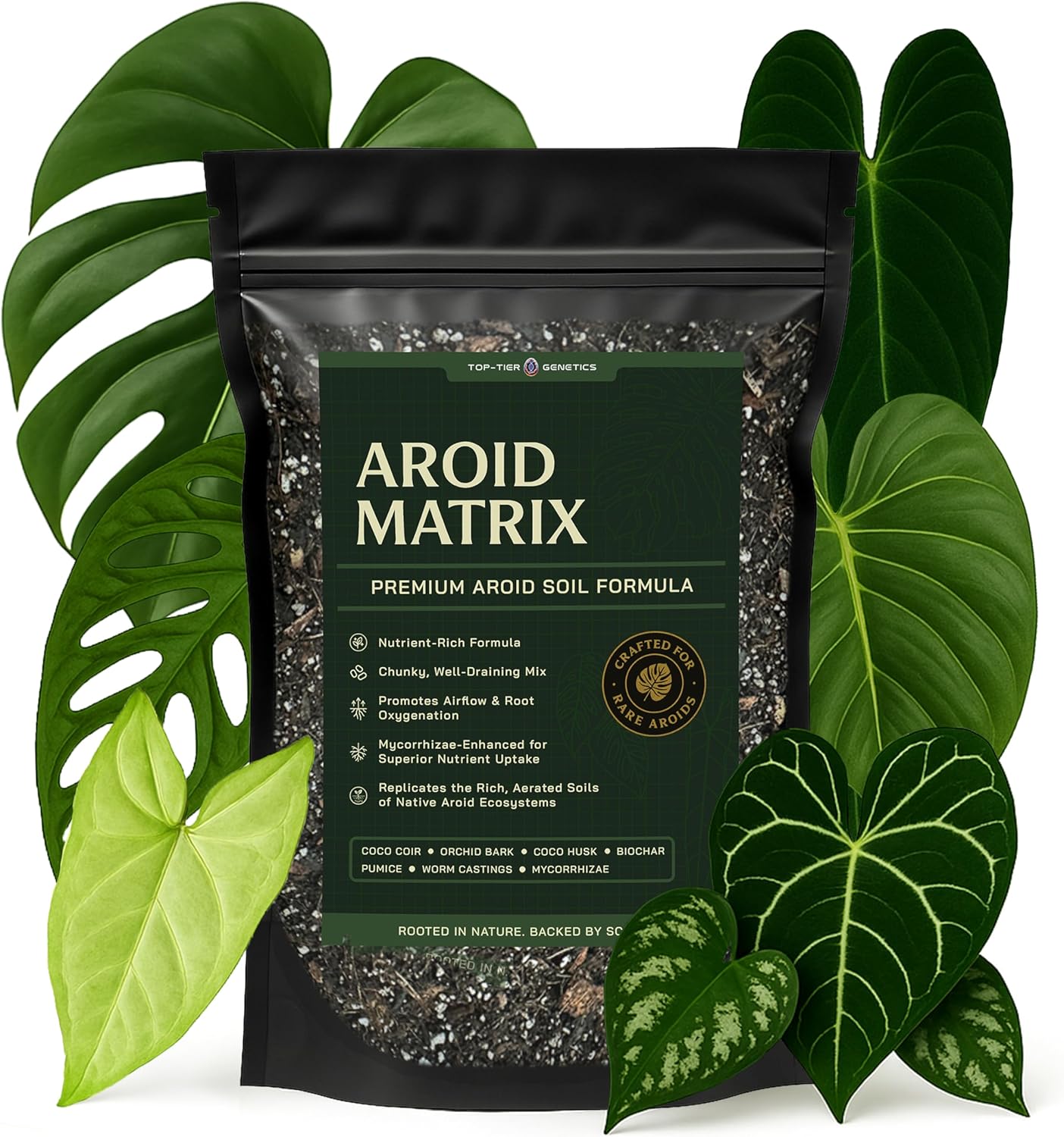
| Volume | 4 quarts |
|---|---|
| Ingredients | Orchid bark; coco coir; pumice; coco husk; worm castings; biochar; mycorrhizae |
| Unit Count | 64 Ounce |
This ready‑to‑use aroid soil is designed for plants like Alocasia and Monstera and aims to give fast-draining, airy conditions without additional mixing. The mix combines orchid bark, coco coir and pumice for chunky structure that keeps media loose and prevents compaction, while coco husk and coir offer balanced moisture retention so roots stay hydrated but not waterlogged. Worm castings and mycorrhizae add nutrients and beneficial fungi to support early root establishment and leaf growth, and biochar helps hold nutrients and foster microbial life over time. Practical benefits include saving time—you can pot plants straight from the bag—and reducing common aroid problems such as slow drainage and root rot. Limitations are the small 4 quart volume, which means it is best for repotting small to medium plants or for top dressing rather than redoing large specimens, and gardeners who prefer precise DIY mixes may find ready blends less customizable.
Best for: Buyers who want a convenient, ready-made soil that minimizes repotting hassle and targets the drainage and biology needs of Alocasia and other aroids.
Less Ideal for: Growers repotting large specimens or those who prefer to custom-blend exact proportions of bark, coir and pumice should look for larger bags or individual components.
- Chunky, well-aerated mix reduces compaction and improves drainage for aroids
- Includes worm castings and mycorrhizae to support root development and nutrient uptake
- Biochar and organic matter help long-term soil biology and nutrient retention
- Ready to use out of the bag saves time compared with mixing components yourself
- Small 4 quart bag may be insufficient for repotting larger Alocasia plants
- Pre-blended formula limits ability to adjust ratios for individual plant preferences
Verdict: A convenient, biology‑forward chunky mix that gives Alocasia the fast drainage and microbial boost they need without any mixing.
HydraGarden Forbidden Cereal Aroid Potting Mix, 6.5 QT

| Unit Count | 6.5 Ounce |
|---|---|
| Brand Name | HydraGarden |
| Style Name | Houseplants & Aroids |
| Ingredients | Orchid Bark, Charcoal, Perlite, Coco Chunks, Coco Coir, LECA Clay Pebbles, Worm Castings, Sphagnum Moss |
HydraGarden Forbidden Cereal is a high-drainage, soilless potting mix built from chunky components like orchid bark, coco coir, coco chips, perlite, biochar, worm castings and LECA clay pebbles with a small bag of New Zealand sphagnum moss layered on top. It is used as a repotting and growing medium for aroids and many common houseplants where preventing waterlogging and improving root oxygenation are priorities. The mix’s large particle profile lets water move quickly through containers, reduces the chance of root rot, and keeps roots from becoming compacted while still offering organic matter and nutrients from castings and charcoal. The separated sphagnum allows you to add a moisture-retaining topper when needed without compromising overall drainage. Practical limits are that its chunky texture holds less water than peat-rich mixes so watering frequency will increase for moisture-loving species, and the soilless formula may require more frequent feeding compared with a loam-based soil. For growers who prioritize fast drainage, root health, and a lightweight, peat-free blend, this mix delivers predictable, performance-focused results.
Best for: Serious growers who prioritize root health and fast drainage for aroids and tropical houseplants and who monitor watering and feeding closely to maximize plant performance.
Less Ideal for: Casual owners who want a low-maintenance, moisture-retentive potting medium or growers of very moisture-loving species that require consistently damp substrate.
- Very high drainage and aeration from chunky ingredients reduces risk of root rot
- Peat-free, soilless organic components including worm castings and biochar for nutrient support
- Layered sphagnum moss gives flexible moisture retention as a topper or propagation aid
- Includes LECA clay pebbles for improved structure and long-term stability
- Holds less moisture than peat-based mixes so plants may need more frequent watering
- Soilless formula typically requires more regular fertilizing for sustained nutrient supply
Verdict: Choose this mix if you need a chunky, peat-free medium that maximizes drainage and root aeration for high-performance aroid growing.
Grow Queen Craft Houseplant Potting Mix, 2 Quart

| Unit Count | 64 Ounce |
|---|---|
| Item Type Name | Potting Mix |
| Volume | 2 quarts |
| Ingredients | Douglas Fir Bark, Lava Rock, Pumice, Coco Coir, Organic Worm Castings, Charged Biochar |
This Grow Queen craft houseplant mix is a chunky, peat-free potting soil made for repotting and ongoing care of indoor plants like peace lily. The blend uses Douglas fir bark, lava rock and pumice to create permanent air pockets so the mix drains quickly and resists compaction, which helps prevent root rot while still allowing the soil to dry evenly between waterings. It arrives slightly moist and ready to use, which makes repotting new plants or rooting cuttings faster and less messy. Organic worm castings and charged biochar supply steady micronutrients and help retain water and nutrients at the root zone without synthetic fertilizer burn. The formula excludes peat and perlite and is designed to stay structured for multiple seasons, so you repot less often. Note that the bag is small at 2 quarts, so you will need larger sizes for bigger plants or multiple repots and should confirm quantity before starting a project.
Best for: Buyers who want a low-maintenance, sustainable indoor potting mix that prevents soggy roots and feeds plants gradually while minimizing repotting frequency.
Less Ideal for: People who need large volumes of soil for many plants or very large containers should choose bigger bag sizes or bulk potting mix alternatives.
- Chunky mix with bark, lava rock and pumice for lasting aeration and fast drainage
- Contains organic worm castings and charged biochar for slow-release nutrition and improved moisture retention at roots
- Peat-free and perlite-free formula reduces compaction and uses renewable ingredients
- Arrives pre-moistened and ready to use for immediate repotting or rooting cuttings
- Small 2 quart bag may not be enough for larger peace lilies or multiple plants
Verdict: A sustainable, chunky houseplant mix that keeps peace lilies healthy by combining fast drainage with bioactive nutrition.
Kapecute 2QT Anthurium Potting Soil

| Item Type Name | potting soil |
|---|---|
| Brand Name | Kapecute |
| Volume | 2 quarts |
| Contains | Sphagnum moss, perlite, NPK slow‑release fertilizer |
Kapecute 2QT Anthurium Potting Soil is a compact, ready‑to‑use mix aimed at growing anthurium. The product ships as a compressed sphagnum moss puck with individually wrapped perlite and slow‑release NPK granules; you rehydrate the moss, mix in the perlite and fertilizer, and pot the plant. Its formulation emphasizes persistent humidity for moisture-loving anthuriums while still allowing fast drainage to reduce the risk of waterlogged roots. For small collections or trialing a new potting medium it is convenient because no additional mixing is required and the included fertilizer offers a short-term nutrient boost. Important limitations are the small 2 quart/mini package size and light weight, which make it suitable only for a few plants or repotting small specimens rather than frequent use across many pots. Also follow the safety guidance and avoid inhaling dust or prolonged skin contact when handling the dry components.
Best for: Buyers who want an inexpensive, no‑mix solution to repot one or a few anthuriums and prefer a product tailored to their moisture needs without extra formulation work.
Less Ideal for: Growers with larger collections, frequent repotting needs, or who prefer to blend their own custom mixes should choose larger or bulk potting media instead.
- Formulated specifically for anthurium to balance moisture retention and drainage
- Includes slow‑release NPK fertilizer so plants get nutrients without separate feeding
- Comes as a ready‑to‑use compressed moss plus perlite system that simplifies potting
- Very small 2 quart package not suitable for multiple repots or larger plants
- Contains dry dust and granular components that can irritate skin or lungs during handling
Verdict: A convenient, budget-friendly single‑use potting mix made for anthuriums that simplifies repotting small plants.
Rosy Soil Aroid Potting Mix, Chunky Biochar Soil, 4 Quarts

| Unit Count | 128 Ounce |
|---|---|
| Volume | 4 quarts |
| Item Highlight | Peat-Free, Microbially Active, Superior Aeration & Drainage |
| Style Name | Aroid Soil |
Rosy Soil Aroid Potting Mix is designed specifically for Monsteras, philodendrons, anthuriums and other tropical aroids that need fast-draining, airy media. The mix combines pine bark fines, pumice and biochar to give a chunky structure that resists compaction and lets roots breathe while water moves through quickly. It is also enriched with worm castings, mycorrhizae and compost to create a microbially active medium that supports nutrient uptake and root vigor over time. Because it is peat-free and formulated to be carbon negative, it is a good choice for growers who want an environmentally friendlier alternative to peat-based mixes. In practical use the mix fills multiple small pots from a 4-quart bag, comes in a resealable bag to stay fresh, and is well-suited for repotting and top-ups where drainage and aeration are priorities. Limitations are the small package size for larger collections and the chunky texture may dry faster than peat blends, requiring more frequent watering for some indoor conditions.
Best for: Buyers who prioritize plant performance and root health for Monsteras and other tropical aroids and who want a fast-draining, microbially active soil that keeps roots airy.
Less Ideal for: Casual plant owners who prefer low-maintenance, moisture-retentive peat blends or who need large volumes for many pots should consider other options.
- Chunky mix with pine bark and pumice provides excellent drainage and prevents compaction
- Includes biochar and beneficial microbes to boost nutrient availability and root health
- Peat-free, designed to reduce carbon impact compared with traditional peat mixes
- Resealable bag and 4-quart volume convenient for repotting multiple small houseplants
- 4-quart bag is small for larger collections or multiple repots
- Chunky texture dries faster than peat-based mixes and may require more frequent watering
Verdict: Choose this mix if you want a high-performance, chunky potting medium that gives Monsteras and other aroids superior drainage, aeration, and microbial support.
Grow Queen Craft Aroid Potting Mix, Chunky Monstera & Tropical Plant Soil, 2 qt

| Brand | Grow Queen |
|---|---|
| Volume | 2 quarts |
| Ingredients | Tree fern fiber, earthworm castings, lava rock, biochar, coco coir, gypsum, alfalfa meal |
| Designed for | Monstera, Alocasia, Philodendron, Anthurium and tropical houseplants |
This Grow Queen Craft Aroid Mix is a ready-to-use, chunky potting soil built to replicate a rainforest floor for Monsteras, Alocasias and similar tropical houseplants. The blend combines large bark pieces, pumice and lava rock for fast drainage and aeration, while coco coir and charged biochar retain modest moisture so the mix does not go bone dry between waterings. It also includes earthworm castings, alfalfa meal and gypsum to support beneficial microbes and provide gentle nutrition out of the bag. The mix arrives pre‑moistened and is straightforward for repotting, especially when you want to reduce compaction and lower the risk of overwatering. Notable limitations are the small 2 quart bag size for larger repotting jobs and the absence of perlite if you prefer that specific amendment. This is a practical, botanist‑informed option for people who want a sustainable, peat‑free alternative tailored to aroids and other chunky‑soil‑loving houseplants.
Best for: Buyers who want a ready-made, sustainable potting mix that mimics tropical forest soil for Monsteras and other aroids and who value drainage with living amendments over DIY mixing.
Less Ideal for: Growers repotting many large plants at once or those who prefer to fully customize their own soil recipe with specific additives like perlite or added fertilizer concentrates.
- Chunky, well aerated formula with bark, pumice and lava rock to improve drainage and prevent compaction
- Includes charged biochar and earthworm castings to support microbes and provide starter nutrients
- Peat free and perlite free, using coco coir and natural porous aggregates for sustainability
- Pre‑moistened and ready to use straight from the bag for easy repotting
- Small 2 quart volume may be impractical for repotting multiple or large plants
- Does not contain perlite, which some growers prefer for a lighter texture
Verdict: Choose this mix if you want a peat‑free, botanist‑designed chunky soil that gives Monsteras and other aroids the fast drainage and living nutrition they need straight from the bag.
Soil Sunrise Anthurium Potting Soil Mix (4 Quarts)

| Volume | 4 quarts |
|---|---|
| Ingredients | Peat moss, pine bark, charcoal, perlite, sand, lime |
| Unit Count | 1 Count |
| Brand Name | Soil Sunrise |
This Soil Sunrise mix is formulated specifically for Anthuriums and is ready to use straight from the bag. It combines peat moss, pine bark, horticultural charcoal, perlite, sand, and lime to create a light, airy medium that drains quickly while still holding moisture and nutrients. In practice the mix makes repotting simple: pour into a pot, set the plant, and water without needing extra additives. Notable features are the perlite and sand for fast drainage to reduce root rot risk, peat to retain water between waterings, and charcoal and bark to keep the root zone breathable and help filter impurities. For growers focused on consistent bloom and glossy foliage, the formula supports healthy roots and longer-lasting flowers. Limitations are the small 4 quart bag size for larger plants or multiple repots and the peat content, which some gardeners avoid for sustainability reasons.
Best for: A practical indoor plant owner who wants a ready-made mix that simplifies repotting and supports consistent blooms without extra amendments.
Less Ideal for: Large-scale growers, nurseries, or anyone who avoids peat-based products should look for bulk soil or peat-free alternatives instead.
- Blended for Anthuriums with ingredients that support flowering and glossy foliage
- Fast-draining mix reduces risk of waterlogged roots
- Peat moss component holds nutrients and moisture between waterings
- Charcoal and bark improve aeration and help filter toxins
- Small 4 quart volume may not be enough for multiple plants or full repots
- Contains peat moss which some buyers prefer to avoid for environmental reasons
Verdict: Choose this premixed Anthurium soil when you want a convenient, plant-specific potting medium that balances drainage and moisture to encourage lasting blooms.
Choosing the Right Soil for Anthurium Plants: Key Factors to Consider
Moisture Balance
Anthuriums need a mix that holds some moisture without becoming waterlogged. A soil that dries slowly enough to avoid constant irrigation reduces stress on the plant, but if it stays wet for long periods it invites root rot and fungal issues.
When evaluating mixes, look for components that retain moisture at a micro level, like coconut coir or well-aged compost, combined with coarser materials that allow excess water to escape. The right balance depends on your humidity, pot size, and watering habits.
Drainage and Aeration
Good drainage prevents standing water at the root zone while aeration supplies oxygen to the fine roots Anthuriums rely on. Materials such as pumice, perlite, or coarse bark create channels for air and water, reducing compaction over time.
A mix with consistent aeration helps roots explore and absorb nutrients. If you use a small pot or a plastic container, favor mixes with more coarse fraction to compensate for limited soil volume.
Particle Size and Texture
Texture affects water flow and how the mix compacts. Larger particles maintain structure and create pore space. Fine particles can bind together and impede drainage, especially after repeated wetting and drying cycles.
Aim for a heterogeneous particle mix-chunks of bark or pumice plus finer organic components-so the soil remains light and friable. This helps during repotting and allows white feeder roots to grow visibly through the medium.
Organic Matter and Nutrient Supply
Anthuriums appreciate a modest, steady nutrient source rather than overly rich, fast-release fertilizers. Organic matter such as leaf mold, well-composted bark, or coconut coir supplies slow-release nutrients and improves moisture retention without compacting the soil.
Avoid mixes loaded with fresh compost or manure that can burn fine roots or produce excessive microbial activity. Consider how often you will fertilize and whether you prefer to top-dress or use liquid feeding between repottings.
pH and Mineral Content
Soil acidity influences nutrient availability. Anthuriums usually do best in slightly acidic to neutral conditions. Components like peat or certain bark products can lower pH, while lime or high-ash components will raise it.
Check the expected pH of a mix if you grow in an area with hard or soft water, and adjust fertilization and amendments accordingly. Correct pH helps prevent nutrient lockup that can mimic deficiencies.
Long-Term Stability and Maintenance
How a mix ages affects how often you will repot or refresh it. Some blends break down quickly, reducing aeration and requiring more frequent repotting. Durable components such as chunky bark and pumice keep structure longer and reduce maintenance.
Think about how frequently you want to repot and whether you prefer a low-maintenance mix that lasts several seasons versus a lighter, faster-decomposing mix that needs annual refreshes.
Best Mix Types for Different Containers
Container choice changes the ideal mix. Small decorative pots need a faster-draining, chunkier medium because they hold little soil and dry quickly. Larger pots can use a blend with slightly more moisture-retaining components, since the greater soil volume buffers drying.
If you use hanging baskets or moss poles, prioritize aeration and lighter-weight components to avoid compacting and to keep the plant from becoming waterlogged at the root collar.
- Small ceramic or plastic pots: increase coarse fraction for drainage.
- Large pots: mix in more organic matter to hold moisture without reducing aeration.
- Hanging baskets: use lightweight bark and coir, avoid heavy soil.
How to Amend a Standard Potting Mix
A general-purpose potting mix can be adapted for Anthuriums with a few targeted amendments. Adding coarse bark, pumice, or perlite improves aeration and prevents compaction. Incorporate a small amount of coconut coir or well-rotted leaf mold to boost moisture retention without making the mix dense.
Work amendments evenly through the volume and test by watering. The ideal amended mix will soak up water without pooling and will feel slightly damp but airy a day after watering.
- Start with a peat-free or peat-lite potting base for better aeration.
- Add 20 to 40 percent coarse material for most indoor Anthuriums.
- Adjust proportions by pot size and ambient humidity.
Repotting Tips and When to Refresh Soil
Repot when roots begin to circle the pot or when drainage slows noticeably. For Anthuriums, this is often every 12 to 24 months depending on mix stability. Use the opportunity to remove compacted or decomposed material and replace it with fresh chunks to restore aeration.
When refreshing without full repotting, remove the top inch or two of old mix and replace it with fresh amended soil. This helps replenish nutrients and improve surface drainage without disturbing the root ball excessively.
- Look for white healthy feeder roots when repotting; prune only dead or mushy roots.
- Choose a pot only one size larger to avoid excess moisture retention.
- Water thoroughly after repotting and allow the mix to settle before resuming regular fertilizing.
Watering Strategies for Different Mixes
Adjust your watering approach to the mix you choose. Fast-draining mixes require more frequent but smaller waterings, while moisture-retentive mixes allow longer intervals between waterings. Always check moisture 1 to 2 inches below the surface rather than relying solely on surface dryness.
Use watering as an observation tool. If the top dries quickly but the lower mix stays wet, the blend may be stratified and need remixing or repotting.
- Water thoroughly until excess drains, then wait until the top inch feels slightly dry for most Anthuriums.
- In high humidity, reduce frequency to avoid saturated conditions.
- Consider using a moisture meter for consistent results with new mixes.
Fertilizing and Feeding with Specialty Mixes
A mix rich in organic matter will supply some nutrients but still benefits from periodic balanced feeding during the growing season. Use a dilute, balanced fertilizer on the schedule that matches your light and growth levels.
If you use a very inert, fast-draining mix, plan for a consistent fertilizing routine because those blends hold fewer nutrients. Slow-release granules can be added sparingly if you prefer less frequent liquid feeding.
- Feed lightly in spring and summer; reduce in fall and winter.
- Flush the pot occasionally to prevent salt build-up if using frequent liquid feeds.
- Match fertilizer strength to pot size and plant vigor.
How We Chose the Best Soil for Anthurium Plants
We focused on attributes that directly affect Anthurium health in container and indoor settings. Evaluation prioritized moisture balance, root aeration, organic nutrient content, particle size and texture, and ease of repotting or refreshing the mix. Each soil was examined for how well it manages water without staying soggy, how its structure supports delicate root systems, and how it integrates organic matter for slow-release nutrients. We excluded mixes designed only for outdoor garden beds or for heavy-feeding vegetables because their water-holding profiles and fertilization plans do not match Anthurium needs. We also filtered out formulations with excessively fine particles that compact quickly and those lacking any coarse materials for drainage. The final shortlist emphasizes mixes suitable for pots, baskets, and indoor planters, and balances long-term aeration with gentle moisture retention.
FAQ
How often should I repot an Anthurium?
Repotting is usually needed every 12 to 24 months depending on how quickly the mix breaks down and how fast roots fill the pot. Soils that contain more chunky bark and pumice last longer and reduce repotting frequency.
Can I use straight coco coir for Anthuriums?
Coco coir can be part of a good mix because it retains moisture without compacting like fine peat. However, used alone it may lack sufficient aeration. Combine coir with coarse materials such as bark or pumice for best results.
What signs show my soil is holding too much water?
Yellowing leaves, mushy stems, a sour smell from the potting medium, and roots that appear brown and soft are common signs. Improving drainage and refreshing the mix will help if these symptoms appear.
Is perlite or pumice better for Anthuriums?
Both improve aeration and drainage. Pumice is heavier and retains some moisture on its surfaces, while perlite is lighter and increases aeration. Choice depends on pot weight concerns and how much moisture retention you want.
Should I worry about soil pH for Anthuriums?
Anthuriums prefer slightly acidic to neutral conditions. Most potting mixes suitable for houseplants fall within an acceptable range, but if you see deficiency-like symptoms check pH and adjust with appropriate amendments.
Final Verdict
Choose a soil that balances drainage and moisture retention for healthy Anthurium roots. Prioritize mixes with coarse fractions for aeration plus modest organic content for gentle nutrient support. Consider your container size, watering habits, and how often you want to repot when selecting a blend. Focus on long-term structure and repotting ease rather than maximum moisture alone. With the right mix, you will reduce root problems and support reliable growth and flowering in most indoor and greenhouse situations.
