

Note: This article contains affiliate links. If you click on these links and make a purchase, I may earn a small commission at no extra cost to you. This helps support my research and content. Read my full affiliate disclosure here.
If you grow anthuriums you know they need a potting medium quite different from standard houseplant mixes. The right soil for Anthurium improves root aeration, prevents rot, and supports steady moisture for long-lasting blooms. This guide covers seven shortlisted soils and mixes chosen for typical anthurium growing situations, from bark-forward blends for large leaves to peat-light mixes for compact varieties. We evaluated each medium for drainage, moisture retention, and nutrient-holding capacity so you can pick a reliable option for pots, hanging baskets, or repotting. Read on for practical notes about texture, pH, and how each soil behaves in real indoor and greenhouse conditions.
Top Picks at a Glance
| Best Overall The best all-around choice for most situations | Top Tier Genetics Aroid Potting Mix for Monstera & Anthurium (4 qt) |  |
| Best Quality Built to a higher standard if you want something more solid | Rosy Soil Aroid Potting Mix, Chunky Biochar Potting Soil, 4 Quarts |  |
| Best Value The sweet spot between price and what you get | Soil Sunrise Anthurium Potting Soil Mix (4 Quarts) |  |
| Best Budget The cheapest option that still gets the job done reliably | Kapecute Anthurium Potting Soil, 2 Qt |  |
| Highest Rated A top-rated pick with lots of positive feedback | Molly's Aroid Potting Mix — Chunky Soilless Mix for Indoor Tropical Plants, 10 Dry Quarts |  |
| Most Popular A crowd favorite that many people choose with confidence | Grow Queen Craft Aroid Potting Mix for Monstera, Alocasia & Tropical Houseplants, Peat Free, 2 qt |  |
| Best Seller A high-volume bestseller chosen again and again | Grow Queen Craft Aroid Potting Mix — Chunky, Peat-Free Aroid Soil, 4 qt |  |
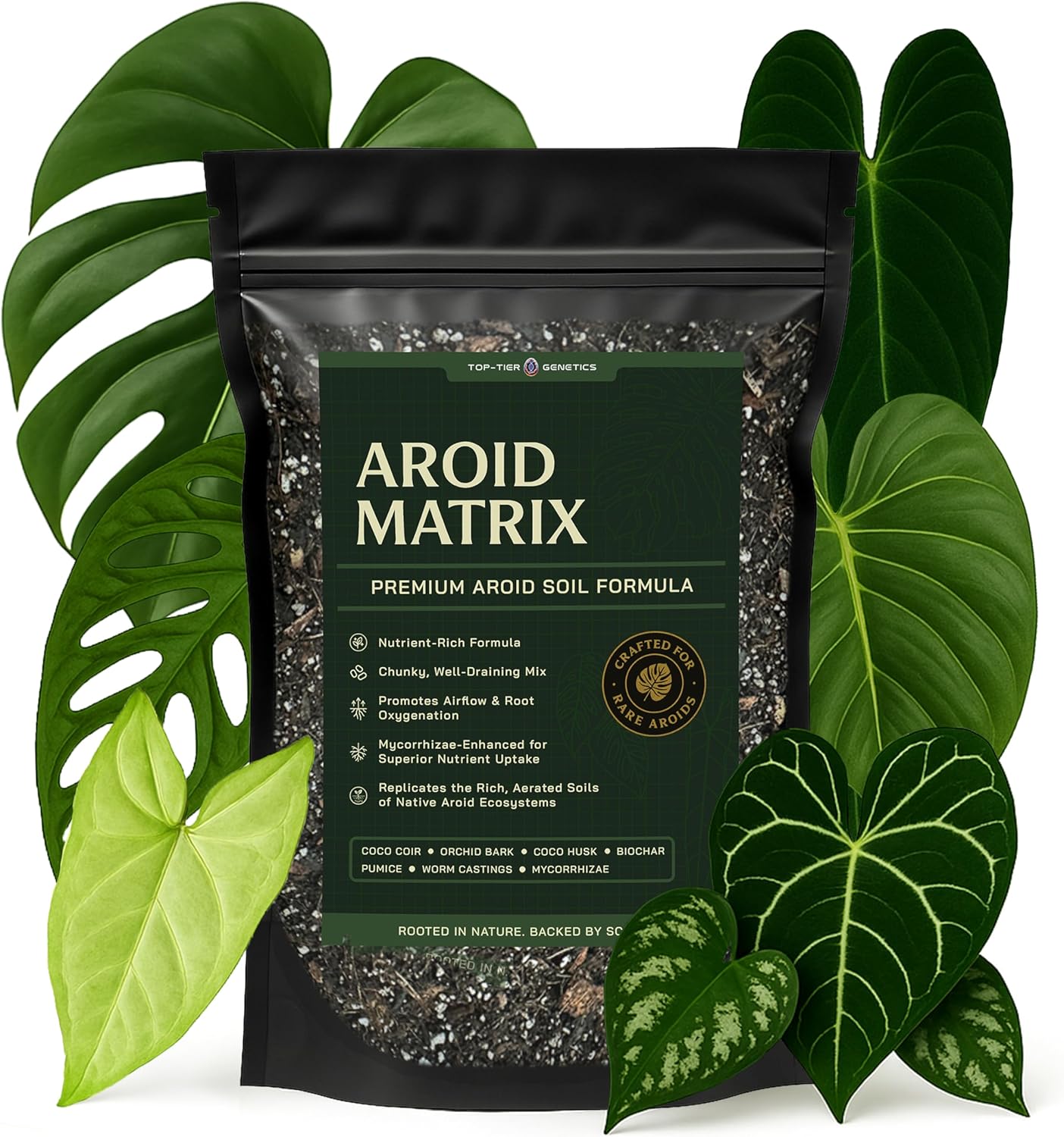
Top Tier Genetics Aroid Potting Mix for Monstera & Anthurium (4 qt)
| Unit Count | 128 Ounce |
|---|---|
| Volume | 4 quarts |
| Ingredients | Orchid bark; Coco coir; Pumice; Coco husk; Worm castings; Biochar; Mycorrhizae |
| Brand Name | Top Tier Genetics |
This ready-to-use aroid mix is built for Anthurium and other tropical houseplants, combining orchid bark, coco coir and pumice for open texture and fast drainage while retaining enough moisture for sensitive roots. It includes worm castings and mycorrhizae to give a nutrient boost and support beneficial microbes, plus biochar for improved long-term soil health. In practice the mix makes repotting simple: no blending required, and plants benefit from reduced compaction and lower risk of root rot. The chunky components also make it easier to check root health and improve air circulation around crowns. Limitations are typical of high-drainage mixes: it will dry faster than peat-based soils, so plants in very dry homes or in small pots may need more frequent watering. The bag size is convenient for single repots but may be small for larger collections, so expect to buy multiple bags or mix with retained media for big plants.
Best for: Buyers who want a convenient, ready-to-use potting mix optimized for Anthurium and other aroids and who prefer a well-draining, microbe-friendly medium that supports vigorous foliage growth.
Less Ideal for: People who want a very water-retentive, low-maintenance soil that needs infrequent watering or those repotting many large specimens without purchasing multiple bags.
- Chunky, well-aerated texture from orchid bark and pumice reduces compaction and root rot risk
- Includes worm castings and mycorrhizae to supply nutrients and support beneficial microbes
- Coco coir balances moisture retention so roots stay hydrated without becoming waterlogged
- Contains biochar to improve long-term nutrient retention and soil health
- Drains and dries faster than peat-heavy mixes, requiring more frequent watering in dry conditions
- 4 quart bag is small for larger plants or multiple repots
Verdict: A ready-to-use, chunky aroid mix that speeds healthy root and foliage growth by combining excellent drainage with biological and nutrient support.
Rosy Soil Aroid Potting Mix, Chunky Biochar Potting Soil, 4 Quarts

| Brand Name | Rosy Soil |
|---|---|
| Item Highlight | for Monstera, Philodendron, Anthurium & Tropical Plants – Peat-Free, Microbially Active, Superior Aeration & Drainage |
| Unit Count | 128 Ounce |
| Volume | 4 quarts |
Rosy Soil Aroid Potting Mix is a chunky, fast-draining blend made for Monstera, Philodendron, Anthurium and similar tropical houseplants. The formula combines pine bark fines, pumice, volcanic components and biochar with worm castings and mycorrhizae to create a microbially active environment that improves nutrient uptake and keeps roots aerated. In practice the mix repots easily, resists compaction, and lets excess water move through quickly so plants that hate soggy roots recover and establish faster. It is peat-free and designed to be carbon-negative by using biochar instead of peat, which will appeal to buyers who want performance while avoiding peat-based mixes. Limitations to expect are the bag size only fills a few medium pots per package and the chunky texture can dry faster than standard mixes, so watering frequency may need adjustment for smaller pots or drier homes. Also take care when handling if you have sensitive skin or respiratory issues because the product can irritate.
Best for: Buyers who prioritize plant performance and root health for Anthurium and other tropical houseplants and who are willing to adjust watering and potting habits to maximize drainage and microbial benefits.
Less Ideal for: Casual plant owners who prefer low-maintenance, slower-drying soils or who need a single large-volume bag to refill many pots without topping up frequently.
- Chunky, well-structured mix (pine bark, pumice, volcanic material) that provides superior aeration and fast drainage
- Microbially active formula with biochar, worm castings and mycorrhizae to support nutrient uptake and root health
- Peat-free, carbon-negative design that avoids peat and uses sustainable ingredients
- Resealable bag helps keep remaining mix fresh between repots
- 4-quart bag only fills a few medium pots so frequent purchases are needed for larger collections
- Chunky texture dries faster than standard potting soil and may require more frequent watering
Verdict: Choose this mix when you want a high-performance, peat-free soil that gives Anthuriums excellent drainage, active soil biology, and healthier roots.
Soil Sunrise Anthurium Potting Soil Mix (4 Quarts)

| Volume | 4 quarts |
|---|---|
| Ingredients | Peat moss, pine bark, charcoal, perlite, sand, lime |
| Unit Count | 1 Count |
This 4‑quart Soil Sunrise mix is designed specifically for Anthuriums and combines peat moss, pine bark, charcoal, perlite, sand, and lime to create a light, airy medium. In practice it is ready to use straight from the bag for repotting or fresh starts: peat holds moisture and nutrients between waterings while perlite and sand improve drainage so roots stay oxygenated. Bark and charcoal help keep the soil loose and filter impurities, which can reduce rot and extend the usable life of the potting mix. The formula aims to encourage glossy foliage and longer‑lasting blooms without needing extra amendments. Because the product is a small, indoor‑focused bag it is convenient for individual plants and indoor potting work, but the 4‑quart volume means frequent purchases for multiple or larger plants. If you want a preblended soil that reduces guesswork and supports Anthurium health, this mix delivers practical, plant‑specific benefits with minimal prep required.
Best for: Buyers who want a ready‑made, plant‑specific soil that simplifies repotting and supports healthier roots and blooms for indoor Anthuriums.
Less Ideal for: People repotting many plants, filling large containers, or seeking peat‑free/amendable bulk soil solutions should consider larger or different formulations.
- Blended for Anthuriums with peat, bark, perlite, sand and charcoal to balance moisture and drainage
- Ready‑to‑use indoor mix that reduces need for amendments
- Components like charcoal and bark improve aeration and help prevent root rot
- Peat base stores and slowly releases moisture and nutrients between waterings
- Small 4‑quart bag may not be cost‑efficient for repotting multiple or large plants
- Contains peat so not the best choice for gardeners seeking peat‑free mixes
Verdict: Choose this ready‑to‑use, Anthurium‑focused mix when you want a reliable, low‑effort soil that improves drainage and supports flowering indoor Anthuriums.
Kapecute Anthurium Potting Soil, 2 Qt

| Brand Name | Kapecute |
|---|---|
| Item Type Name | potting soil |
| Volume | 2 quarts |
Kapecute Anthurium Potting Soil is sold as a compact 2 quart package intended to simplify potting for anthurium owners. The mix centers on compressed sphagnum moss chips plus perlite and slow-release NPK granules so you can rehydrate and mix the contents for immediate use rather than blending multiple components yourself. In practice it holds moisture well while allowing excess water to flow away, which helps prevent root rot in the humid-but-well-drained conditions anthuriums prefer. The included slow-release fertilizer supplies nutrients for several weeks after potting, reducing the need for immediate feeding. Because the product ships in a small, lightweight pouch it is convenient for repotting one or two houseplants, but the volume is limited so frequent repurchasing is likely for collectors or larger plants. Safety notes warn about dust and skin contact, so use gloves and avoid inhaling dust when handling the dry mix.
Best for: Buyers who want an affordable, ready-made potting mix for one or two anthuriums and prefer a simple soak-and-mix approach over blending ingredients themselves.
Less Ideal for: Collectors with many or large anthurium specimens, or gardeners who prefer to custom-blend potting mixes for specific orchids or aroid mixes.
- Formulated specifically for anthurium with sphagnum moss and perlite for balanced moisture and aeration
- Includes slow-release NPK granules to provide nutrients after potting
- Fast-draining properties reduce risk of waterlogged roots
- Compact, ready-to-use package that requires no additional mixing for a single plant
- Small 2 quart volume means frequent repurchasing for multiple or large plants
- Contains dust and may irritate skin or respiratory system during handling
Verdict: A convenient, budget-friendly ready mix that lets you pot anthuriums quickly with built-in moisture retention and slow-release fertilizer.
Molly's Aroid Potting Mix — Chunky Soilless Mix for Indoor Tropical Plants, 10 Dry Quarts

| Volume | 11 liters |
|---|---|
| Item Highlight | Tropical Plant Mix with Coco Coir, Orchid Bark, Worm Castings & Perlite |
| Ingredients | Orchiata Bark, Coco Chips, Worm Castings, Horticultural Charcoal, Mycorrhizae |
| Unit Count | 1 Count |
Molly's Aroid Potting Mix is a chunky, soil-free blend designed for Monstera, Philodendron, Anthurium and similar tropical houseplants. It combines coco chips, orchid bark, perlite, horticultural charcoal and worm castings with mycorrhizae to create an airy medium that drains quickly and resists compaction. In practice the mix keeps roots exposed to oxygen between waterings, lowers the chance of sitting in water, and reduces the need to repot as frequently compared with heavy garden soils. The resealable, heat-sealed bag helps keep the mix fresh between uses and makes portioning easier. Because it is soilless and lighter than potting soil, it is cleaner to handle indoors and works well for top-ups or full repots of Anthurium where fast drainage is important. Limitations are that this is not an all-in-one fertilizer solution so you will still need to feed plants periodically and the chunky texture can dry faster, requiring more frequent monitoring of moisture for some growers.
Best for: Best for plant owners who prioritize reliable drainage and root health for tropical houseplants and want a clean, ready-to-use repotting mix that lowers overwatering risk.
Less Ideal for: Not the best choice for growers who prefer a moisture-retentive, nutrient-rich soil that reduces watering frequency or for outdoor beds where soil amendments are preferred.
- Chunky, well-aerated soilless formula that improves drainage and reduces compaction
- Includes mycorrhizae to support root nutrient and water uptake
- Contains organic components like worm castings and horticultural charcoal to support long-term root health
- Resealable, heat-sealed bag keeps the mix fresh and is convenient for indoor use
- Soilless blend does not provide sustained nutrition so periodic fertilization is still required
- Chunky mix can dry out faster than soil-based mixes and needs more frequent moisture checks
Verdict: A dependable, chunky soilless mix that keeps Anthurium roots airy and drains quickly to reduce overwatering risk.
Grow Queen Craft Aroid Potting Mix for Monstera, Alocasia & Tropical Houseplants, Peat Free, 2 qt

| Volume | 2 quarts |
|---|---|
| Ingredients | Douglas fir bark, pumice, lava rock, tree fern fiber, coco coir, biochar, earthworm castings, alfalfa meal, gypsum |
| Peat | Peat free |
Grow Queen Craft Aroid Mix is a chunky, ready-to-use potting soil designed for aroids and other tropical houseplants such as Anthurium. The blend uses Douglas fir bark, pumice, lava rock and tree fern fiber to create large particles that keep the mix airy and fast-draining while coco coir and charged biochar retain modest moisture and supply immediate benefits to roots. It also contains earthworm castings, alfalfa meal and gypsum to support beneficial microbes and provide gentle nutrition without relying on peat or perlite. In practice this mix makes overwatering less likely, helps roots breathe in compacted pots, and pH is tailored to the slightly acidic range many aroids prefer. The bag arrives pre-moistened and is convenient for repotting without additional amendments. Limitations are the small 2 quart size if you have many plants or large specimens and the coarse texture may require extra fines or topdress for tiny-seeded plugs; also it does not include slow-release fertilizer so you will still need to feed after repotting.
Best for: Buyers who want a tested, ready-to-use aroid mix that reduces overwatering risk and supports healthy root systems for Anthurium and other tropical houseplants, while preferring peat-free ingredients and living soil components.
Less Ideal for: Growers who need large-volume bags for many or very large plants or who primarily pot seedlings and require a finer seed-starting mix.
- Chunky particle mix (bark, pumice, lava rock) that promotes strong drainage and resists compaction
- Peat-free formula using tree fern fiber and coco coir for a more sustainable substrate
- Includes charged biochar and earthworm castings to supply immediate nutrients and support soil microbes
- pH balanced toward slightly acidic to suit aroids like Anthurium
- Small 2 quart bag may not be cost-effective for multiple or large repots
- Coarse texture may be too chunky for seedlings or very small-rooted plants without blending finer material
- No integrated slow-release fertilizer so regular feeding is still required after repotting
Verdict: A purpose-built, peat-free chunky aroid mix that helps Anthurium roots breathe and reduces overwatering while supplying living nutrients out of the bag.
Grow Queen Craft Aroid Potting Mix — Chunky, Peat-Free Aroid Soil, 4 qt

| Volume | 4 quarts |
|---|---|
| Item Type | Potting Mix |
| Ingredients | Coco Coir, Pumice, Lava Rock, Earthworm Castings, Alfalfa Meal, Gypsum, Tree Fern Fiber, Fir Bark |
| Style Name | For plants that like high drainage with good moisture retention |
Grow Queen Craft Aroid Mix is a ready-to-use, small-batch potting soil built for Monsteras, Alocasias and other aroids and tropical houseplants. The mix combines large bark pieces, pumice, lava rock and charged biochar to create a chunky, well aerated medium that drains quickly and resists compaction while coco coir and biochar retain enough moisture between waterings. It also contains earthworm castings, alfalfa meal and gypsum to support living soil microbes and provide gentle nutrition from the start. The blend is peat free and perlite free, using pumice and lava rock as porous drainage components and New Zealand tree fern fiber to help stabilize pH near the slightly acidic range aroids prefer. Practically, it arrives pre‑moistened and is ready for immediate repotting of aroids or other indoor plants that need a fast‑draining, airy soil. Expect a soil that makes overwatering less likely and promotes healthy root oxygenation, though the chunky texture means it can be more expensive per pot filled than bulk multipurpose mixes and may require occasional top dressing or fertilizer for long‑term container use.
Best for: Buyers who prefer a reliable, ready-to-use soil specifically matched to aroids and other tropical houseplants and who want a mix that reduces overwatering risk and promotes healthy roots without DIY blending.
Less Ideal for: Gardeners looking for a very inexpensive bulk potting soil or those who need a fine, seedling-grade mix for propagation should consider other products.
- Chunky, well-aerated formula (bark, pumice, lava rock) that improves drainage and reduces compaction
- Contains charged biochar and earthworm castings for immediate microbial and nutrient support
- Peat-free and perlite-free blend using certified coco coir and natural porous aggregates
- pH balanced with tree fern fiber to suit aroids and other slightly acidic-preferring tropical plants
- Small 4 qt volume fills only a few small pots, so costs add up for larger repotting jobs
- Chunky texture may need added fine media or topdressing for very small-rooted seedlings or propagation trays
Verdict: A ready-to-use, peat-free chunky aroid mix that keeps roots airy and reduces overwatering for Anthurium and other tropical houseplants.
Choosing the Right Soil for Anthurium: Key Factors to Consider
Drainage and Aeration
Anthuriums are epiphytic or semi-epiphytic in origin, so their roots need plenty of air. A soil that drains quickly and holds an open structure reduces the risk of anaerobic pockets that cause root rot. Look for coarse fractions such as orchid bark, pumice, or perlite mixed through the medium to create channels for air and rapid water movement.
Drainage also dictates pot choice and watering rhythm. Even a well-draining mix will behave poorly in a heavy, non-porous container. Consider how the mix will settle after watering and whether it will retain a loose texture over multiple wet-dry cycles.
Moisture Retention
While anthurium roots need air, they also prefer consistent moisture without becoming waterlogged. The best soils combine porous aeration particles with ingredients that hold some water, like fine coco coir or sphagnum peat moss. That balance prevents the pot from drying out completely between waterings while avoiding overly wet conditions that invite rot.
Think about your home environment. In dry, heated rooms you may want a slightly higher proportion of water-retentive material. In humid spaces, lean toward faster-draining mixes.
Resistance to Compaction and Longevity
Soils that compact quickly force growers to repot more often and can strangle roots as they age. Durable components such as chunky bark, volcanic rock, or coarse perlite retain structure longer than fine peat or decomposed compost. Longevity matters because compacted soil reduces oxygen to roots and makes watering less predictable.
Assess how a mix will break down over time. If a blend contains a lot of small organic fines it will collapse into a dense mass after several wet-dry cycles, so plan to refresh or repot more frequently.
Nutrient Holding and Feeding
Anthuriums benefit from steady, modest nutrient availability rather than a large initial charge that washes away. Components like aged bark and coco coir have modest cation exchange capacity and help buffer fertilizers between feedings. Very inert mixes will require more frequent fertilizing, while mixes rich in uncomposted organic matter can temporarily lock up nutrients as they decompose.
Consider whether you prefer to rely on regular liquid feeding or a slow-release approach. The soil should complement your preferred feeding schedule and not cause rapid nutrient leaching.
pH and Salt Balance
Anthuriums usually prefer a slightly acidic to neutral pH. A mix that trends too alkaline or accumulates salts from hard water and overfertilizing can cause leaf tip burn and slow growth. Ingredients like sphagnum peat lower pH slightly, while certain limed composts will raise it.
Monitor salts if you use softened or hard water and flush containers occasionally. Choose mixes with low initial soluble salt content if you plan heavy feeding or live in an area with high mineral content in tap water.
Texture and Particle Size
Particle size determines how water and air move through the pot. Larger particles create macropores for drainage and oxygen, while small particles increase water film and nutrient retention. For anthuriums aim for a visibly chunky texture with a mix of coarse bark, medium-grade perlite or pumice, and finer organic material to hold moisture.
Think about how you will handle potting and repotting. Very chunky media can fall away from fine-root systems unless mixed with some smaller particles to give initial contact and support.
Common Ingredient Options and How They Behave
Orchid bark adds structure and air pockets but slowly breaks down, so it is excellent for promoting aeration. Perlite and pumice increase drainage while remaining stable; pumice is heavier and less likely to float during watering. Coco coir holds water more consistently than bark yet resists compaction better than fine peat when mixed correctly.
Sphagnum peat moss holds moisture and lowers pH but compacts over time unless balanced with larger particles. Compost and leaf mold provide nutrients but can become too fine and dense for epiphytic-loving anthuriums if used in large quantities.
- Use chunky bark for long-lasting aeration
- Add pumice for weight and stable porosity
- Include a small proportion of fine organic matter for moisture-holding
Mix Ratios for Different Growing Situations
For larger-leaved or more vigorous anthuriums, use a bark-forward mix: about 50 to 60 percent coarse bark, 20 percent pumice or perlite, and 20 to 30 percent coco coir or sphagnum. This maintains a loose structure and moderate moisture.
For small pots or young plants, increase the finer fraction slightly to improve root contact: roughly 40 percent bark, 30 percent coir, and 30 percent pumice or perlite. For very humid conditions, reduce moisture-holding components to avoid soggy crowns.
- Bark-forward mixes suit mature plants and hanging baskets
- Coor-rich blends help with frequent watering schedules
- Adjust pumice/perlite levels based on humidity and pot size
Repotting Tips and When to Refresh Soil
Repot anthuriums when roots show through drainage holes, the mix smells sour, or water pools on the surface rather than draining. Typically this occurs every 12 to 24 months depending on the mix and plant vigor. Use the chance to remove decomposed fines and add fresh chunky material.
When repotting, inspect roots for rot and trim away soft, dark tissue. Reintroduce the plant into a slightly larger container with fresh mix that restores the original structural balance rather than simply adding a thin layer on top.
- Repot when drainage slows or roots escape the pot
- Refresh mixes with fresh bark and pumice to restore porosity
- Trim rotten roots before returning the plant to soil
Watering and Feeding Practices With the Right Soil
How you water should match the soil. In a chunky, fast-draining mix you will water more frequently but with less standing moisture, whereas in a coir-rich mix you can space waterings further apart. Always water thoroughly until excess runs from the drainage holes, then allow the top portion of the mix to dry slightly.
Fertilize sparingly with a balanced, diluted formula during the growing season. Because many anthurium soils are intentionally low in stable organic nutrient, a regular, light feeding program is often preferable to heavy one-off charges.
- Water until runoff, then allow partial surface drying
- Match fertilizer schedule to the mix's nutrient buffering capacity
Special Considerations for Blooming and Root Health
Flower production is influenced by root health, moisture stability, and consistent feeding. Soils that swing between bone dry and saturated create stress that reduces bloom frequency and longevity. A stable medium that supports good aeration will encourage healthy root growth and better flowering over time.
Avoid soils that hold a perched water table at the bottom of the pot. Using a media with mixed particle sizes and ample macroporosity reduces the chance of crown rot and helps the plant allocate energy to producing flowers rather than recovering from stress.
- Stable moisture and aeration support more reliable blooming
- Avoid perched water by using chunky drainage-friendly mixes
How We Chose the Best Soil for Anthurium
We focused on the physical and chemical traits that matter most for anthuriums. Primary evaluation criteria included drainage and aeration, moisture retention, organic composition and nutrient buffering, pH compatibility, and resistance to compaction and root rot. Each candidate had to demonstrate an appropriate open texture that promotes oxygen around the root crown while still holding enough moisture to avoid frequent drying. We favored mixes with coarse components such as chunky orchid bark, perlite, or coco coir rather than fine, easily compacted soils. We excluded typical all-purpose potting soils that are heavy on fine peat or compost unless they were specifically formulated for epiphytic or aroid species. We also filtered out mixes with poorly described ingredient lists or those aimed only at outdoor garden beds. The final shortlist balances real-world handling, how mixes age over time in pots, and the needs of both novice and experienced anthurium growers.
FAQ
Can I use regular indoor potting soil for anthuriums?
Regular indoor potting soil is often too fine and retains too much water for most anthuriums. It may work if heavily amended with chunky bark and pumice, but plain potting soil tends to compact and can increase the risk of root rot.
How often should I repot anthuriums?
Repotting is usually needed every 12 to 24 months depending on how quickly the mix breaks down and the plant's growth. Repot sooner if drainage slows, the mix smells sour, or roots are circling the pot.
What is the ideal pH for anthurium soil?
Anthuriums prefer a slightly acidic to neutral pH, often around 5.5 to 6.5. Most aroid-friendly mixes fall into this range naturally, but you can test soil pH if you see leaf tip issues or poor nutrient uptake.
Is coco coir a good base for anthurium soil?
Coco coir can be a useful component because it holds moisture without compacting as quickly as peat. Pair coir with chunky bark and pumice or perlite to maintain aeration and structure.
How can I tell if my anthurium soil is compacted?
Compact soil will drain slowly, may smell musty, and the plant may show yellowing or slow growth. You can gently probe the root ball; compacted mixes feel dense and offer resistance, whereas healthy mixes feel loose and crumbly.
Should I flush my anthurium soil to remove salts?
Occasional flushing with clear water helps remove built-up salts, especially if you fertilize regularly or use hard tap water. Flush less frequently in very lightweight mixes that drain rapidly, and more often if you notice leaf tip burn or white crust on the surface.
Final Verdict
Choosing the right soil for anthurium is about balancing open structure with enough moisture-holding capacity to support steady root activity. Prioritize mixes that use chunky bark or pumice for aeration, with controlled amounts of coir or peat to hold moisture. Expect to refresh or repot as organic fines break down and adjust watering to match the mix. Focus on the drainage, compaction resistance, and nutrient buffering that match your growing conditions. That approach will keep roots healthy and improve bloom reliability, so you can pick the soil blend that best fits your routine and environment.
