

Note: This article contains affiliate links. If you click on these links and make a purchase, I may earn a small commission at no extra cost to you. This helps support my research and content. Read my full affiliate disclosure here.
Choosing the right soil makes a big difference for cosmos plants, which prefer light, fast-draining substrate and modest fertility to produce airy stems and abundant blooms. If you plant in beds, containers, or raised rows, the wrong mix can lead to floppy plants, poor flowering, or slow establishment. This guide covers the top shortlisted soils for cosmos and explains why each was selected. We evaluate drainage, nutrient balance, and texture so you can pick a mix suited to your site and planting method. Read on for practical help matching soil choices to garden conditions.
Top Picks at a Glance
| Best Overall The best all-around choice for most situations | Espoma Organic Potting Mix, 16-Quart |  |
| Best Quality Built to a higher standard if you want something more solid | FoxFarm Ocean Forest Potting Soil, 12 Quart |  |
| Best Value The sweet spot between price and what you get | Miracle-Gro Potting Mix, 16 qt. (2-Pack) |  |
| Best Budget The cheapest option that still gets the job done reliably | SunGro Horticulture Organic Seedling Mix (8 Quart) |  |
| Best Seller A high-volume bestseller chosen again and again | Back to the Roots 3-in-1 Seed Starting Mix, 6 Quart, Organic Peat-Free |  |
Espoma Organic Potting Mix, 16-Quart
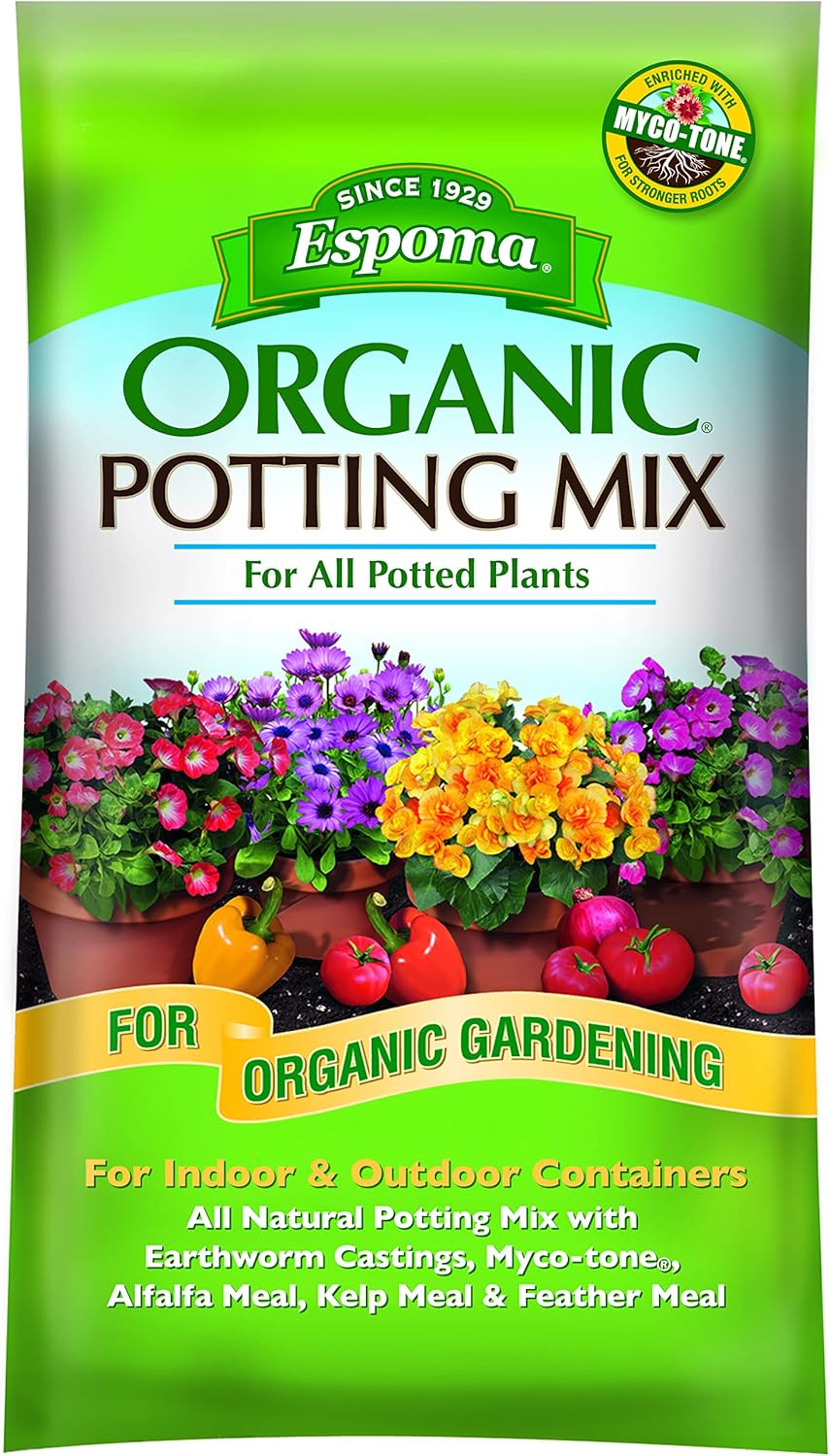
| Volume | 16 quarts |
|---|---|
| Item Weight | 16 ounces |
| Style Name | Mix |
Espoma Organic Potting Mix is a general-purpose, organic blend designed for container gardening and transplanting. It combines sphagnum peat moss, humus and perlite for drainage and aeration, and is enriched with earthworm castings, alfalfa, kelp and feather meals to supply slow-release nutrients. The added Myco-tone mycorrhizae can help roots establish faster after potting, which is helpful when repotting or starting new plants. In practice this mix works well for potted herbs, vegetables and ornamentals where a balance of moisture retention and drainage is needed. Because it is peat-based it holds water longer than coarse, mineral-heavy mixes so you will likely water less frequently but should monitor for overwatering with moisture-sensitive plants. It is fully organic and does not include synthetic fertilizers, so nutrient buildup and salt stress are less of a concern for sensitive plants when used as directed. The bagged 16-quart size is convenient for small patios and containers but may require multiple bags for several large pots.
Best for: Gardeners who prioritize organic inputs and want a reliable, nutrient-rich potting medium for container-grown herbs and ornamentals and who value easier establishment after repotting.
Less Ideal for: Growers seeking an extremely fast-draining, gritty mix tailored to Mediterranean plants that require very low moisture between waterings should look for a cactus or specialized lavender mix instead.
- Organic ingredient blend with no synthetic fertilizers
- Includes mycorrhizal inoculant to support root establishment
- Perlite and humus improve drainage and aeration compared with pure peat
- Contains slow-release organic amendments for steady nutrient supply
- Peat-based formula retains more moisture than very gritty mixes preferred by some Mediterranean herbs
Verdict: Choose this organic mix if you want a balanced, nutrient-rich potting soil with mycorrhizae that helps container plants establish and grow well.
FoxFarm Ocean Forest Potting Soil, 12 Quart

| Item Form | Granules |
|---|---|
| Specific Uses For Product | Dry Fertilizer |
| Coverage | 4.8 sq ft |
| Mixing Ratio | 1:1 |
FoxFarm Ocean Forest is a pre-mixed potting soil that combines aged forest products, sandy loam and sphagnum peat moss with organic amendments like fish meal, crab meal and earthworm castings. It is sold ready to use straight from the bag for planting in containers, seed starting or top dressing; the manufacturer recommends no additional nitrogen fertilizer for the first 30 days. The mix has a light, aerated texture that promotes drainage while still retaining moisture, and the built-in micronutrients make it practical for growers who want strong early growth without immediate feeding. Practical benefits include easy pot filling, good root zone aeration for roses in containers, and built-in organic fertility to support blooms. Limitations to consider are that the bag is best for containers or small beds only and heavier feeders may need supplemental feeding after the initial month; users should also follow handling precautions to avoid skin or eye irritation.
Best for: Gardeners who want a high-quality, nutrient-rich potting medium to get container roses or plant starts off to a strong, flowering start and prefer a ready-made organic blend.
Less Ideal for: Large in-ground rose beds or landscapers needing bulk soil amendments should look for bulk garden soil or custom rose mixes instead.
- Ready-to-use out of the bag so you can pot immediately
- Organic amendments (fish meal, crab meal, earthworm castings) supply early nutrients
- Light, aerated texture that supports drainage and root development
- pH adjusted for optimal nutrient uptake per product description
- Pack size (12 qt) covers a small area and may require multiple bags for several roses
- No long-term feeding provided after the first 30 days so additional fertilizer is needed for sustained heavy bloom
Verdict: Choose this soil if you want a ready-made, organically amended potting mix that jump-starts container roses and seedlings with good drainage and early fertility.
Miracle-Gro Potting Mix, 16 qt. (2-Pack)

| Feeds Plants | Up to 6 months |
|---|---|
| Volume | 16 quarts |
| Number of Packs | 2 |
| Intended Use | Outdoor containers |
| Ingredients | Sphagnum Peat Moss, Peat, Perlite, Compost, Fertilizer |
Miracle-Gro Potting Mix is a general-purpose container soil designed for outdoor pots, planters, and hanging baskets. It combines peat-based media, perlite, compost, and built-in fertilizer so you can pot vegetables, herbs, annuals, perennials, and shrubs without blending amendments. Typical use is straightforward: fill a pot about one third, set the plant at nursery depth, top off, and water until excess drains. Notable features are fast drainage to prevent root rot, an all-purpose nutrient charge that feeds plants for up to six months, and a texture that helps roots establish quickly. In practice this means less upfront prep and fewer immediate feedings compared with plain soil, and it is handy for seasonal repotting and new container plantings. Important limitations are that it is formulated for containers only (not in-ground beds) and the nutrient boost will diminish after the stated feeding period so you will need to supplement or repot for long-term specimens. Also peat-based mixes can compress over time and require refreshing each season.
Best for: Gardeners who want a low-effort, dependable potting soil for seasonal container planting and quick repots, especially those optimizing time and results across many pots.
Less Ideal for: Those wanting a soil to amend in raised beds or long-term in-ground planting should choose a garden soil formulated for in-ground use instead.
- Ready-to-use mix with built-in fertilizer that feeds up to six months
- Formulated for fast drainage to reduce risk of overwatering and root rot in containers
- Versatile for a wide range of outdoor container plants including vegetables, herbs, and flowers
- Not intended for in-ground garden beds
- Fertilizer effect is temporary and requires refeeding or repotting after about six months
Verdict: A convenient, fast-draining potting mix that simplifies container planting while providing up to six months of built-in nutrition.
SunGro Horticulture Organic Seedling Mix (8 Quart)

| Brand Name | SUN GRO |
|---|---|
| Style Name | Peat Moss |
| Volume | 8 quarts |
SunGro Horticulture Seedling Mix is a fine-textured, peat-based starting mix formulated to germinate seeds in flats, pots, and plug trays. It contains sphagnum peat moss, perlite for lightness and drainage, and an organic wetting agent to promote even water absorption, which helps maintain consistent moisture for small seeds. The mix also includes a silicon-enriched additive called RESiLIENCE intended to support stronger seedlings and reduce wilting during establishment. Typical use is filling trays or small pots, keeping the medium evenly moist but not waterlogged, then transplanting seedlings once roots are established. Practical benefits include predictable moisture retention, a clean fine texture that allows delicate roots to develop, and OMRI listing for organic onion transplants and other edible starts. Limitations are its small 8 quart volume for larger onion seed programs and that peat-based mixes dry out faster than heavier soils, so frequent monitoring is required; it also provides limited long-term nutrients so potting up into a richer mix or fertilizing before transplant is necessary.
Best for: Gardeners who want an organic, predictable seed starting medium for small to medium onion seed batches and who prioritize reliable germination over bulk volume.
Less Ideal for: Commercial growers or anyone starting very large quantities of onion seedlings should choose larger-volume or more nutrient-dense starting media.
- Fine, light texture suitable for delicate seed germination
- Organic wetting agent promotes uniform water absorption
- OMRI listed so safe for organic edible starts
- Contains perlite for improved drainage and root aeration
- Small 8 quart bag may not be cost-effective for starting large onion batches
- Peat-based mix has low long-term nutrient content and needs fertilizing before transplant
Verdict: A reliable OMRI-listed seed starting mix that delivers even moisture and a fine texture ideal for producing healthy onion seedlings in small home gardens.
Back to the Roots 3-in-1 Seed Starting Mix, 6 Quart, Organic Peat-Free

| Unit Count | 192 Fluid Ounces |
|---|---|
| Style Name | 3-in-1 Seed Starting Mix |
| Brand Name | Back to the Roots |
| UPC | 810667035822 |
This 6-quart Back to the Roots 3-in-1 Seed Starting Mix is a peat-free, organic blend aimed at making seed starting and early potting simple. You use it straight from the bag to fill trays, small pots, or starter cells; the mix includes coconut coir for water retention, dolomitic limestone to balance pH, mycorrhizae to support root uptake, and yucca extract for moisture control. Practically, that means fewer extra amendments for a new gardener and a more forgiving environment for delicate seedlings. The formula is designed to drain well while retaining enough moisture for even watering, and the included nutrients and worm castings can reduce early feeding. Limits to note are the small 6-quart volume, which is best for hobby-scale starting rather than large beds, and a lighter texture that may dry faster in very hot, exposed conditions. For budget growers who want an all-in-one starter mix without experimenting with multiple additives, this is a convenient choice.
Best for: Great for budget-minded home gardeners who want a single, ready-to-use seed starting mix that reduces extra amendments and simplifies starting herbs, vegetables, and flowers.
Less Ideal for: Not the best fit for landscapers or gardeners starting large numbers of plants or filling large containers where bulk bagged mixes would be more economical.
- Peat-free organic formula with coconut coir for moisture retention and aeration
- Includes mycorrhizae and worm castings to support early root development and nutrient uptake
- pH balancing with dolomitic limestone reduces the need for corrective amendments
- Ready-to-use blend suitable for seed trays, small pots, and indoor container starts
- Only 6 quarts per bag, so multiple bags are needed for larger projects
- Light, fast-draining texture can require more frequent watering in hot or windy conditions
Verdict: A convenient, peat-free all-in-one starter mix that saves time and extra purchases for home gardeners starting small batches of seeds.
Choosing the Right Soil for Cosmos: Key Factors to Consider
Drainage and Aeration
Cosmos thrive in soil that lets water move quickly away from the root zone. Poor drainage causes roots to sit in moisture and can lead to rot, stunted growth, and weak stems. Look for mixes with coarse components such as coarse sand, perlite, or grit that open up pore space so oxygen can reach roots.
Aeration also affects stem strength. When roots get adequate oxygen they support taller, more upright growth. For containers, choose a mix explicitly labeled fast-draining; for in-ground beds, amend heavy soils with coarse material and organic matter to improve both drainage and aeration.
Nutrient Balance
Cosmos prefer modest fertility. Too much nitrogen encourages lush foliage and fewer flowers, while too little fertility can limit blooming and overall plant vigor. A soil designed for flowering annuals or a light, well-balanced potting mix with moderate slow-release nutrients suits cosmos best.
Consider whether the soil lists an N-P-K profile or uses composted organic matter for feeding. If using a lean mix, plan a light, low-nitrogen feed during the season to sustain blooms without promoting excessive leaf growth.
Texture and Weight
Seedlings and young cosmos need a gentle, fine texture for good contact with small roots, while mature plants benefit from a medium texture that resists compaction. Heavy, dense soils can compact over time and reduce root penetration, making plants floppy and shallow-rooted.
For containers, lighter mixes reduce overall weight and improve handling. For garden beds, choose a mix that blends easily with native soil so you maintain planting depth and do not bury crowns too deeply.
Organic Matter and Longevity
Organic matter provides ongoing nutrient release and helps retain consistent moisture between waterings. However, very high organic content can hold too much water for cosmos, so balance is important. Look for stable organic components such as well-composted leaf mold or aged compost rather than raw manures that can burn roots or release bursts of nitrogen.
Consider how long the mix will perform without major amendment. For containers, nutrient depletion happens faster, so choose mixes that include slow-release organics. In beds, plan an annual top-dress with compost to maintain structure and fertility.
pH and Nutrient Availability
Cosmos do best in a slightly acidic to neutral pH range where most nutrients are available. Extreme pH levels can lock up iron or phosphorus and produce chlorosis or poor bloom set. Check for mixes that state a neutral to slightly acidic pH, or be prepared to test and correct soil pH before sowing.
Small adjustments such as adding lime or sulfur should be done based on test results, not by guesswork. Maintaining the proper pH helps fertilizers work as intended and supports healthy flowering.
Suitability for Planting Method
Different soils are optimized for direct seeding, transplanting seedlings, or growing in containers. A seed-starting mix is often finer and low in nutrients to prevent burning small roots, while a potting mix for containers includes more water-holding components and slow-release feed. In-ground planting favors blends that integrate with native soils without creating a barrier layer.
Match the mix to how you intend to grow cosmos. If you start seeds indoors and then plant out, select compatible mixes that avoid major texture differences between nursery pots and garden beds.
Why Light, Lean Soil Works Best
Cosmos evolved in open, sunny sites with well-draining soils. That background explains why mixes that are too rich or heavy often produce floppy plants and fewer flowers. Light, lean soil encourages plants to send roots deeper and develop a stronger stem structure.
In practice this means favoring mixes with coarse mineral ingredients and modest organic content. Those allow quick root penetration and steady bloom production rather than explosive vegetative growth.
- Promotes deeper roots and stronger stems
- Reduces risk of root rot in wet weather
- Helps regulate nutrient release for sustained flowering
Preparing Garden Beds and Containers
For in-ground beds, work a light mix into the top 6 to 8 inches of soil to improve texture without creating a distinct layer that repels water. If existing soil is heavy clay, incorporate coarse sand or grit and aged compost to increase porosity and provide gentle fertility.
In containers, start with a bona fide potting mix designed for flowering annuals and add coarse perlite or grit if you need extra drainage. Use containers with adequate drainage holes and avoid saucers that trap excess water for long periods.
- Amend heavy soils rather than relying solely on bagged mix on top
- Choose container sizes that allow for root spread without waterlogging
- Avoid compacted backfill that can create perched water tables
Adjusting Fertility Through the Season
Because cosmos do not need heavy feeding, plan light, targeted fertility. A single application of a balanced slow-release fertilizer at planting time or occasional diluted liquid feed during peak bloom is usually sufficient. Avoid high-nitrogen feeds that favor leaves over flowers.
Monitor plants for signs of deficiency such as pale leaves or sparse blooms, and correct with appropriate low-nitrogen formulations. Mulches of well-rotted compost applied sparingly can support steady nutrient release without overwhelming plants.
- Use low-nitrogen options to promote flowering
- Top-dress containers mid-season if blooms fade
- Test soil in new beds to guide amendment choices
Dealing with Common Soil Problems
If cosmos are floppy or sparse, overfertilization or overly rich soil is a common cause. Reduce feeding and consider transplanting to a leaner mix or amending the bed with coarse mineral components to improve drainage.
If seedlings struggle in containers, check for compaction and poor aeration. Refresh the top layer with lighter potting mix or gently tease roots and repot into a slightly larger container with better drainage.
- Floppiness often signals excess nitrogen or poor drainage
- Yellowing with poor blooms can indicate nutrient imbalance or pH issues
- Improve root health by addressing aeration and avoiding waterlogging
Seasonal Timing and Planting Tips
Sow cosmos seed directly after the last frost when soil is warming, or start indoors in a lightweight seed mix and transplant once seedlings have true leaves. Warmer soil speeds germination and encourages stronger first-season growth.
For fall flowering in mild climates, refresh topsoil or containers in late summer and provide steady, moderate feeding. Avoid heavy late-season nitrogen that will delay bloom set and extend leafy growth into cool weather.
- Direct sow when soil temperatures are consistently warm
- Transplant seedlings after hardening off to avoid shock
- Refresh containers mid-season to replenish depleted nutrients
How We Chose the Best Soil for Cosmos
We focused on attributes that most directly affect cosmos performance in real garden settings. Key evaluation criteria included drainage and aeration because cosmos need free-draining soil to avoid root sogginess; nutrient balance since too much nitrogen produces foliage at the expense of flowers; texture and weight for seedbed and container use; and pH compatibility to keep nutrient uptake steady. We also checked organic matter content and ingredient transparency to understand longevity and feeding needs. Products were excluded if they were clearly formulated for heavy feeders or for evergreen shrubs, or if the ingredient list lacked basic components such as peat-free amendments, coarse sand, or compost. We favored mixes that perform well across planting methods: direct sowing, transplanting seedlings, and container culture. Practical gardener concerns such as ease of use, rewetting after drought, and compatibility with common soil amendments informed final selections.
FAQ
Can I grow cosmos in native garden soil?
Often yes if the native soil is light and free-draining. If your soil is heavy or clayey, amend the planting area with coarse sand or grit and aged compost to improve porosity. In particularly poor soils, use a blended top layer to give seedlings a better start.
How much fertilizer do cosmos need?
Usually very little. A balanced slow-release fertilizer at planting or occasional diluted liquid feed during peak bloom is sufficient. Avoid high-nitrogen fertilizers that promote leafy growth at the expense of flowers.
Is potting mix or garden soil better for container-grown cosmos?
Potting mix formulated for flowering annuals is better because it is lighter and drains well. Garden soil in containers tends to compact and hold water, which can cause root problems and weak stems.
What pH do cosmos prefer?
Cosmos do best in slightly acidic to neutral soil. A pH test can help determine if adjustments are needed. Make corrections only based on test results to avoid creating new nutrient availability problems.
Can I add compost to the soil before planting cosmos?
Yes, but use compost sparingly. Well-rotted compost improves structure and provides moderate nutrients, but too much can increase water retention and nitrogen levels. Mix compost into the topsoil moderately or apply a thin top-dress after planting.
Final Verdict
Pick a soil that favors drainage, moderate fertility, and a light texture if you want tall, well-flowered cosmos. Balance organic matter with coarse mineral components so roots stay aerated and nutrient release is steady. Consider planting method and season when choosing a mix, and adjust fertility sparingly to avoid overly lush foliage. Prioritize drainage and nutrient balance over sheer richness. That approach yields sturdy stems and more abundant blooms across beds and containers, making it easier to grow satisfying stands of cosmos.
