

Note: This article contains affiliate links. If you click on these links and make a purchase, I may earn a small commission at no extra cost to you. This helps support my research and content. Read my full affiliate disclosure here.
If you plan to make kokedama, the soil you start with determines how well the moss ball holds together and how the plant's roots breathe. Kokedama needs a mix that retains enough moisture for the plant while remaining light and open so roots do not suffocate. This guide covers our six shortlisted soils and blends chosen for kokedama, focusing on water balance, root aeration, and ease of forming stable balls. Below you will find practical notes on what each mix does in a real garden or indoor setting and the evaluation criteria we used to compare them. Use these picks and tips to choose a mix that matches your plant type and display style.
Top Picks at a Glance
| Best Overall The best all-around choice for most situations | NOHOBE Hard Akadama Bonsai Soil (1/8–1/4 in, 2.5 lb) |  |
| Best Quality Built to a higher standard if you want something more solid | Tinyroots Akadama Bonsai Soil, Sifted Fine Grain (5mm), 2.25 qt |  |
| Best Value The sweet spot between price and what you get | JFWOD Akadama Bonsai Soil (3–6 mm), 6 lb |  |
| Best Budget The cheapest option that still gets the job done reliably | ZzbTwinkle Japanese Hard Akadama Bonsai Soil, Small Grain |  |
| Highest Rated A top-rated pick with lots of positive feedback | Genuine Japanese Akadama Fines/Dust for Kokedama & Moss Ball Bonsai, 2.5 Quarts |  |
| Most Popular A crowd favorite that many people choose with confidence | The Bonsai Supply Fast-Draining Bonsai Soil Mix (2 Quart) |  |
NOHOBE Hard Akadama Bonsai Soil (1/8–1/4 in, 2.5 lb)
| Brand Name | NOHOBE |
|---|---|
| Item Type Name | Hard Akadama Bonsai Soil |
| Unit Count | 40 Ounce |
| Volume | 2.5 liters |
| Style Name | Japanese |
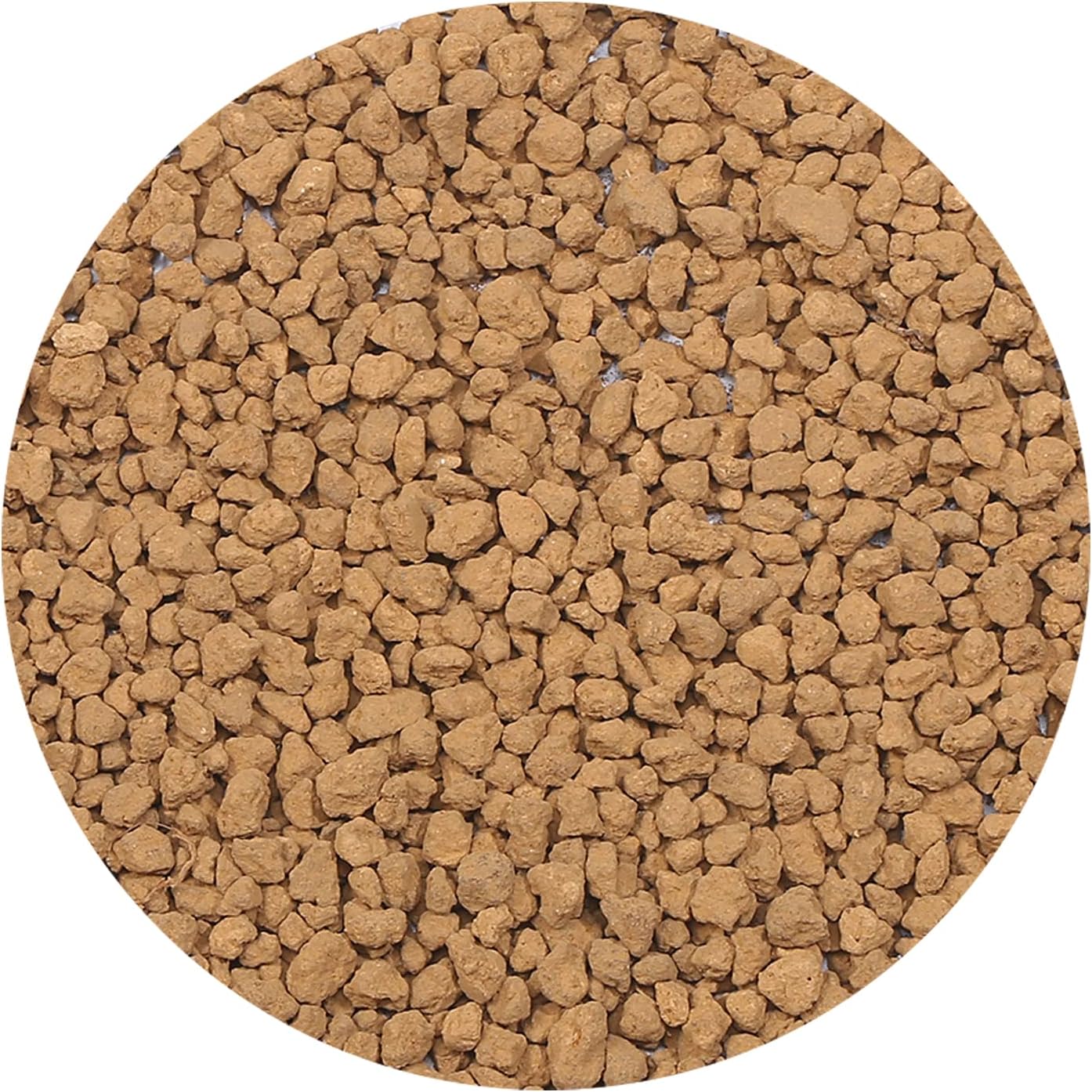
This hard akadama is a natural fired-clay granule intended as a soil amendment or top dressing for bonsai, succulents, cacti and jade plants. The 1/8–1/4 inch grain provides good porosity so water moves quickly through the root zone while still holding enough surface moisture for drought-tolerant species. A visible moisture indicator darkens when wet, making it easier to avoid overwatering. Use it mixed with organic potting mix or pumice to create a free-draining, stable medium rather than as a sole substrate. Practical benefits include reduced compaction, improved aeration around roots, and consistent particle size that helps maintain stable drainage over time. Limitations are that akadama breaks down slowly with repeated watering cycles and will eventually need topping up or replacement, and it is not a complete nutrient source so fertilization and mixing with other components remain necessary for long-term growth of a jade plant.
Best for: Buyers who prioritize a predictable, low-compaction medium for drought-tolerant houseplants and want a simple visual cue to manage watering for long-lived specimens like jade trees.
Less Ideal for: Gardeners seeking an all-in-one potting mix or a long-term, maintenance-free substrate for fast-growing plants should consider other multi-component mixes instead.
- Consistent small-grain size promotes reliable drainage and aeration
- Natural fired-clay composition with no added chemicals or dyes
- Visual moisture indicator helps prevent overwatering
- Versatile as a soil amendment or top dressing for succulents and bonsai
- Not a complete potting mix so it must be blended with other media and fertilized
- Gradually breaks down and requires periodic replenishing or replacement
Verdict: A reliable, fast-draining akadama amendment that helps jade plants avoid overwatering while maintaining stable aeration when used in a mixed bonsai or succulent mix.
Tinyroots Akadama Bonsai Soil, Sifted Fine Grain (5mm), 2.25 qt

| Unit Count | 83.8 Ounce |
|---|---|
| Item Type Name | 5MM |
| Manufacturer | New England Bonsai Gardens |
| Volume | 2 quarts |
Tinyroots Akadama is a fine-grain volcanic bonsai substrate intended for growers who prioritize root health and reliable drainage. The product is pre-sifted through 1/8 then 1/16 inch mesh to remove dust and fines, producing a uniform 5mm particle size that promotes aeration and prevents compaction around delicate roots. Use it as a standalone medium for conifers, deciduous bonsai, or as a top layer for potted succulents and cacti; the soil darkens when wet so you can judge watering needs visually. Practical benefits include steady moisture regulation, improved oxygen flow to roots, and a clean, consistent texture that makes repotting and root work easier. Limitations are the small bag size and light weight, so it is best for individual trees or small batches rather than large-scale reuse, and pure Akadama may require blending with pumice or lava for long-term use in very wet climates. For growers focused on performance and predictable root conditions, this sifted Akadama delivers professional-style results in a compact package.
Best for: Serious bonsai growers and hobbyists who want a performance-oriented, well drained substrate for individual trees and precise watering control.
Less Ideal for: Gardeners who need large volumes of potting mix for many plants or those seeking an all-in-one, low-maintenance commercial potting soil.
- Uniform 5mm particle size from double sifting reduces dust and prevents compaction
- Good drainage and aeration that support healthy root development
- Darkens when wet to provide a simple visual watering indicator
- Suitable for bonsai, succulents, and cacti as a performance-focused substrate
- Small 2.25 quart / 2 pound bag limits quantity for multiple trees or large pots
- Pure Akadama can break down over time and may need mixing with harder aggregates in wet conditions
Verdict: Choose this sifted Akadama when you want a predictable, high-performance bonsai substrate that improves drainage and helps you water with confidence.
JFWOD Akadama Bonsai Soil (3–6 mm), 6 lb

| Item Type Name | Akadama |
|---|---|
| Unit Count | 96 Ounce |
| Style Name | Volcanic clay-based, highly porous, fast-draining, for bonsai and succulents |
| Volume | 6 liters |
This 3–6 mm akadama is a fired volcanic clay designed to improve drainage and structure in bonsai and succulent mixes. Buyers typically use it as a primary component or blended with organic media to create a kokedama or bonsai substrate that resists compaction while indicating moisture by darkening when wet. Notable features include uniform small-grain particles, no added chemicals or fillers, and packaging in a resealable bag for storage. Practically, akadama speeds drainage, promotes root aeration, and helps distribute moisture and nutrients to fine roots, which is useful when forming moss-wrapped kokedama balls that need consistent but not excessive moisture. Limitations are that akadama is rarely used alone for long-term container culture because it holds less organic matter and nutrients, and it will break down slowly over time requiring eventual refresh or remixing. Also, this package is a modest single 6 pound bag, so plan quantities for multiple kokedama projects.
Best for: Gardeners who prioritize reliable drainage and structural stability when assembling kokedama or bonsai mixes and who plan to blend mineral substrate with organic components for balanced moisture and nutrition.
Less Ideal for: People seeking an all-in-one potting mix with built-in nutrients or those who want large-volume soil supplies without purchasing multiple small bags.
- Uniform 3–6 mm particle size ideal for creating stable kokedama cores or bonsai mixes
- Fired volcanic clay is highly porous for fast drainage and good root aeration
- No added fillers, dyes, or chemicals so it integrates cleanly into organic mixes
- Visual wetness indicator darkens when moist to help time watering
- Low inherent nutrient content so it needs to be combined with organic material or fertilization for long-term plant nutrition
- Single 6 lb bag may be insufficient for multiple kokedama projects without buying multiples
Verdict: A clean, small-grain akadama that gives kokedama cores excellent drainage and structure when mixed with organic media.
ZzbTwinkle Japanese Hard Akadama Bonsai Soil, Small Grain

| Unit Count | 32 Fluid Ounces |
|---|---|
| Number of Packs | 2 |
| Item Highlight | 1/8" – 1/4" small grain akadama for succulents, cacti & gritty mixes |
| Style Name | Japanese |
This ZzbTwinkle Akadama is a sun-dried, hard red clay sold in small-grain form for use with bonsai, succulents, and gritty potting mixes. It is typically used as a top dressing, component of a bonsai mix, or mixed with organic matter for seed starting and kokedama where stable structure and drainage matter. Notable features are its greenhouse drying process for extra hardness, uniform particle grading, and low dust content, which help maintain long-term aeration and reduce breakdown after repeated watering. Practically, that means fewer repottings and more consistent moisture flow around roots compared with softer akadama or plain potting soil. Limitations are that akadama has little to no nutrient content so you must plan feeding separately, and small-grain akadama can dry faster than organic mixes so kokedama makers will need to monitor moisture more closely. Also this product is a specialty component rather than an all-in-one potting medium, so expect to blend it into mixes for best results.
Best for: Growers who want a stable, professional-grade inorganic component for kokedama and small bonsai mixes and are comfortable blending and feeding their own media.
Less Ideal for: Beginners seeking an all-in-one potting soil or anyone who prefers a low-maintenance, nutrient-rich mix without separate fertilization.
- Hard, sun-dried particles retain structure through repeated watering
- Uniform small-grain sizing and low dust content aid consistent aeration and drainage
- Reusable after drying and sieving, reducing waste for repeat projects
- Sourced from Ibaraki clay with traditional processing favored in bonsai cultivation
- Contains little to no nutrients and requires regular fertilization when used alone
- Small-grain mix can dry out faster than organic-rich media, demanding closer moisture monitoring
Verdict: Choose this hard, small-grain akadama when you need a durable, professional inorganic substrate that keeps kokedama and bonsai roots well aerated and reduces repotting frequency.
Genuine Japanese Akadama Fines/Dust for Kokedama & Moss Ball Bonsai, 2.5 Quarts

| Item Type | Inorganic Soil |
|---|---|
| Volume | 2.5 quarts |
| Particle Size | 1.0 mm – 2.5 mm |
| Style Name | Japanese |
This 2.5 quart bag of genuine Japanese akadama fines provides a ready-to-use, inorganic soil component for kokedama and small bonsai work. The particle size is listed at about 1.0 to 2.5 mm, which helps form a compact, cohesive root ball when mixed with moss and a binder such as loam or potting mix. Typical use is to blend the fines with organic material to create the interior core of a moss ball or to use as a top layer for root-over-rock plantings and saikei. Practical benefits include excellent drainage and structure retention compared with straight potting soil, and the fine grain makes shaping and molding the kokedama easier. Limitations are the small package volume for larger projects and that the product is an inorganic medium, so it must be combined with organic components and fertilization for long-term plant nutrition. Buyers should plan mixes and quantities before starting to avoid running short during assembly.
Best for: Gardeners and bonsai hobbyists who prioritize consistent, reliable structure in kokedama and small bonsai work and who plan mixes ahead to control drainage and form.
Less Ideal for: People looking for an all-in-one potting mix or large-volume soil supply for many plants should choose a blended potting medium or bulk substrate instead.
- Fine particle size (1.0–2.5 mm) suited to forming compact kokedama cores
- Inorganic akadama provides stable structure and good drainage
- Specifically intended for bonsai and moss ball applications
- Only 2.5 quarts per bag, which is small for multiple or larger kokedama projects
- No nutrients provided since it is an inorganic medium and requires mixing with organic material
Verdict: A reliable, fine-grade akadama dust for creating well-structured kokedama and moss ball cores when used as part of a mixed substrate.
The Bonsai Supply Fast-Draining Bonsai Soil Mix (2 Quart)

| Volume | 2 quarts |
|---|---|
| Unit Count | 64 Ounce |
| Style Name | Bonsai-specific, fast-draining, nutrient-rich potting mix |
| Ingredients | Pumice, Calcined Clay, Pine Bark Fines, Black Lava |
This 2-quart pre-mixed bonsai soil is formulated to give container-grown plants the drainage and aeration they need without extra mixing. It combines pumice, calcined clay, pine bark fines, and black lava to create a chunky, free-draining medium that helps prevent root rot and improves oxygen flow to roots. The bag arrives sifted and ready to use, so it is convenient for repotting Japanese maples into smaller containers or for top dressing. Practical benefits include improved moisture control compared with standard potting soil and good long-term stability so the mix does not compact quickly. Limitations to note are the small pack size for larger trees or multiple repots and that the fixed blend leaves no room to adjust particle size or organic content for very specific cultivars or microclimates. For gardeners who prefer a ready-made, consistent bonsai substrate this mix reduces prep time and uncertainty, but those wanting custom proportions will need to amend or combine it with coarser or finer components.
Best for: Gardeners who want a reliable, out-of-the-bag bonsai substrate to repot or top-dress Japanese maples and other container-grown trees without mixing components themselves.
Less Ideal for: Specialist growers who prefer to custom-blend particle sizes and organic content for particular cultivars or landscapes with unusual moisture regimes.
- Ready-to-use pre-mix saves time when repotting bonsai or container trees
- Fast-draining aggregate blend reduces risk of waterlogged roots
- Contains pumice, calcined clay and lava for stable, long-lasting structure
- Sifted texture makes it easy to fill pots and position roots neatly
- Small 2-quart volume is insufficient for large trees or multiple repots
- Fixed particle mix limits ability to fine-tune substrate for very specific soil preferences
Verdict: Buy this if you want a consistent, ready-made fast-draining bonsai soil that simplifies repotting Japanese maples.
Choosing the Right Soil for Kokedama: Key Factors to Consider
Moisture Retention Versus Drainage
Kokedama needs a soil that holds enough water to feed the plant between soakings but drains well enough to avoid prolonged wetness. If the mix retains too much water the moss ball will stay soggy and roots can rot. Too little retention means you must water very often and the moss will dry and crumble.
Aim for a blend that contains a moisture-holding component such as peat, coir, or well-aged compost balanced with coarse components like perlite, pumice, or coarse sand. That balance determines how often you will need to water and how forgiving the kokedama will be in different indoor humidity levels.
Particle Size and Texture for Forming Balls
Particle size matters because kokedama requires compressible but not pasty soil. Fine, dusty soils will compact into a dense mass that restricts air movement. Very coarse, chunky mixes will not hold shape when wrapped in moss.
A good kokedama mix has a range of particle sizes: fine enough to stick together when damp, but with grit or porous pieces that keep pathways for roots and air. The right texture also makes the ball easier to mold and rework when repotting or refreshing the moss covering.
Nutrient Profile and Feeding Needs
Many kokedama are used for ornamental houseplants that prefer modest, steady nutrition. A mix with some organic matter provides a slow source of nutrients, but too-rich composts can lead to lush, leggy growth that stresses the moss wrap.
Consider whether you want a low-nutrient base you will supplement with diluted feedings, or a slightly richer mix that reduces feeding frequency. Also think about seasonal feeding routines and how fertilizing interacts with watering frequency in a moss-wrapped ball.
Compatibility with Plant Type
Different plants have different root habits. Succulents and cacti need far better drainage and much less organic matter than ferns or tropical species. Using a one-size-fits-all mix will force compromise: either too dry for moisture-loving plants or too dense for drought-tolerant ones.
Match the soil to the plant's moisture preference and root fineness. For mixed collections, blend base recipes in small batches so each kokedama suits its plant.
Workability and Maintenance
Kokedama construction and upkeep are hands-on tasks. The mix should be easy to moisten, shape, and re-form without becoming a sticky paste. A workable mix reduces time spent reshaping, wrapping, and repairing the moss covering.
Maintenance considerations include how the mix ages in the ball, whether it compacts over time, and how easy it is to refresh the soil without destroying the moss. Choose components you can amend in small quantities as the plant grows or the ball degrades.
Weight and Display Considerations
A soaked kokedama can be heavy. Soil components that hold large amounts of water increase weight and limit hanging display options. Lightweight porous additives like pumice or perlite reduce total weight while preserving moisture balance.
If you plan to hang kokedama or place them on delicate surfaces, factor weight into your soil choice. Lighter mixes are also gentler on moss overlays and reduce stress on suspension materials.
Basic Kokedama Soil Recipes
Simple base recipes use a combination of a moisture-retentive organic component and a coarse mineral additive. For tropical houseplants, start with a mix that is roughly one part organic (coir or peat) to one part coarse material (pumice, perlite, or coarse sand). For plants that need more drainage, increase the coarse fraction and reduce organics.
Experiment in small batches to find the blend that forms a tight ball without turning into a clay-like paste. When forming the ball, the mixture should be moist but not dripping, and should hold a gentle squeeze.
- Tropical mix: 1 part coir, 1 part compost, 1 part pumice.
- Drought-tolerant mix: 1 part coarse sand, 1 part pumice, small pinch of organic matter.
- All-purpose indoor mix: 1 part coir, 1 part leaf mold, 1 part perlite.
Adapting Mixes for Common Plant Types
Match soil to the plant rather than forcing the plant to adapt to the mix. Ferns and moisture-loving epiphytes need more organic matter and finer texture. Succulents and cacti require a much grittier base and minimal organic content.
For plants with very fine roots, include a higher proportion of smaller particles so the root system can explore the ball. For chunkier-rooted plants, larger pore space is acceptable and helps prevent compaction.
- Ferns: finer organic fraction, avoid large chunky pumice.
- Orchids and epiphytes: very open, bark-based additions with minimal soil.
- Succulents: gritty mix with sharp sand and pumice, almost no peat.
Watering and Care Tips for Moss-wrapped Balls
Water kokedama by soaking the entire ball briefly and letting excess drain. How often you soak depends on the soil mix, plant type, and ambient humidity. Monitor the weight and feel of the ball rather than relying on a fixed schedule.
Apply diluted fertilizer while watering during the growing season if the soil has low nutrient content. For moss health, avoid overwatering the surface; brief soak-and-drain cycles are more effective than constant light misting.
- Test moisture by lifting the ball: a light ball usually needs water.
- Soak until the moss and soil feel evenly moist, then let excess drip away.
- Fertilize lightly during active growth to prevent nutrient depletion.
Refreshing and Repotting Kokedama
Kokedama will eventually need partial soil refreshes or a full rebuild as the plant grows or the soil breaks down. When refreshing, gently unwrap the moss enough to access the soil, remove compacted material, and replace with a fresh, similar-textured mix.
For plants that have outgrown their ball, increase the soil portion or rebuild the kokedama larger. Handling roots gently and keeping the moss moist during the process reduces transplant shock.
- Refresh surface soil yearly for fast-growing houseplants.
- Rebuild entire ball every 1 to 3 years depending on plant vigor.
- Keep the moss and root ball moist during any handling to maintain cohesion.
DIY Amendments and Sustainable Options
You can tailor mixes with locally available materials. Well-aged compost, leaf mold, and coir are practical organic choices. For drainage and weight reduction, use pumice, crushed lava rock, or horticultural grit rather than large volumes of synthetic materials.
Avoid fresh manures or uncomposted materials that burn delicate roots in a confined ball. When possible, source renewable options like coir and recycled bark and test small batches before committing to a large supply.
- Use small quantities of slow-release organic amendments rather than heavy compost.
- Crushed natural rock is preferred for long-term pore structure.
- Pre-screen materials to remove fines that will compact the ball.
How We Chose the Best Soil for Kokedama
We prioritized mixes and components that work in the specific context of moss-wrapped root balls. Evaluation focused on water retention and drainage, particle size and texture for ball stability, nutrient content suitable for container-style root systems, ease of molding and re-working the ball, and long-term root health in a moss environment. We tested these dimensions conceptually against common kokedama needs across houseplants and outdoor-tolerant species. Excluded from consideration were potting soils designed only for deep pots or heavy amendments that prevent compacting into a cohesive ball. Also excluded were mixes that require frequent, complex amendments or specialist tools to use. Results reflect blends that balance moisture and aeration, use components that bind but do not compact, supply steady but not excessive nutrients, and are easy for a gardener to handle when forming and maintaining kokedama. The scoring criteria below mirror these editorial priorities.
FAQ
How often should I water kokedama made with these soil mixes?
It depends on the mix and plant type. Typically soak every 3 to 10 days; wetter mixes and moisture-loving plants need more frequent soaking while gritty mixes need less. Judge by the ball's weight and surface feel rather than a strict schedule.
Can I use regular potting soil for kokedama?
Regular potting soil can be used if amended to improve drainage and reduce fines. Unmodified potting mixes often compact too much for moss balls, so add coarse mineral components and reduce very fine materials for better structure.
Will the moss hold if the soil is too light or sandy?
Very light or sandy mixes can make it harder for moss to adhere and for the ball to hold shape. Include a small proportion of finer organic material so the ball molds together but keep enough coarse particles to maintain aeration.
How do I adjust a mix for hanging kokedama?
For hanging displays favor lighter, more porous components like pumice and reduce heavy water-retentive organics. Also use a slightly firmer ball formation technique and test hanging weight when the ball is fully saturated.
Can I amend an existing kokedama without rebuilding it?
Yes. Carefully loosen the moss and remove compacted soil from the surface, then work in fresh mix and press to reform the ball. Major root-bound issues or severe compaction may still require a full rebuild.
Final Verdict
Choosing the right soil for kokedama is a balance between moisture retention, aeration, and workability. Prioritize mixes that match the plant's moisture needs and root fineness, and plan for periodic refreshes as the ball ages. Tradeoffs include weight versus water-holding capacity and nutrient level versus maintenance frequency. Focus on texture and particle size first, then tune organic content for nutrition and moisture. With the right base mix and simple maintenance, you can keep moss-wrapped plants healthy and stable for years.
