

Note: This article contains affiliate links. If you click on these links and make a purchase, I may earn a small commission at no extra cost to you. This helps support my research and content. Read my full affiliate disclosure here.
Picking the right soil for outdoor flowers changes how plants establish, bloom, and survive seasonal stress. Whether you are planting a cottage border, filling a raised bed, or refreshing containers on a sunny patio, soil affects water management, root growth, and how nutrients are held and released. This guide shortlists seven top soil options suited to outdoor flowering areas and explains the practical tradeoffs gardeners face. We evaluate each pick on structure, drainage, and nutrient behavior so you can match a soil to your planting site and maintenance routine.
Top Picks at a Glance
| Best Overall The best all-around choice for most situations | FoxFarm Ocean Forest Potting Soil, 12 Quart |  |
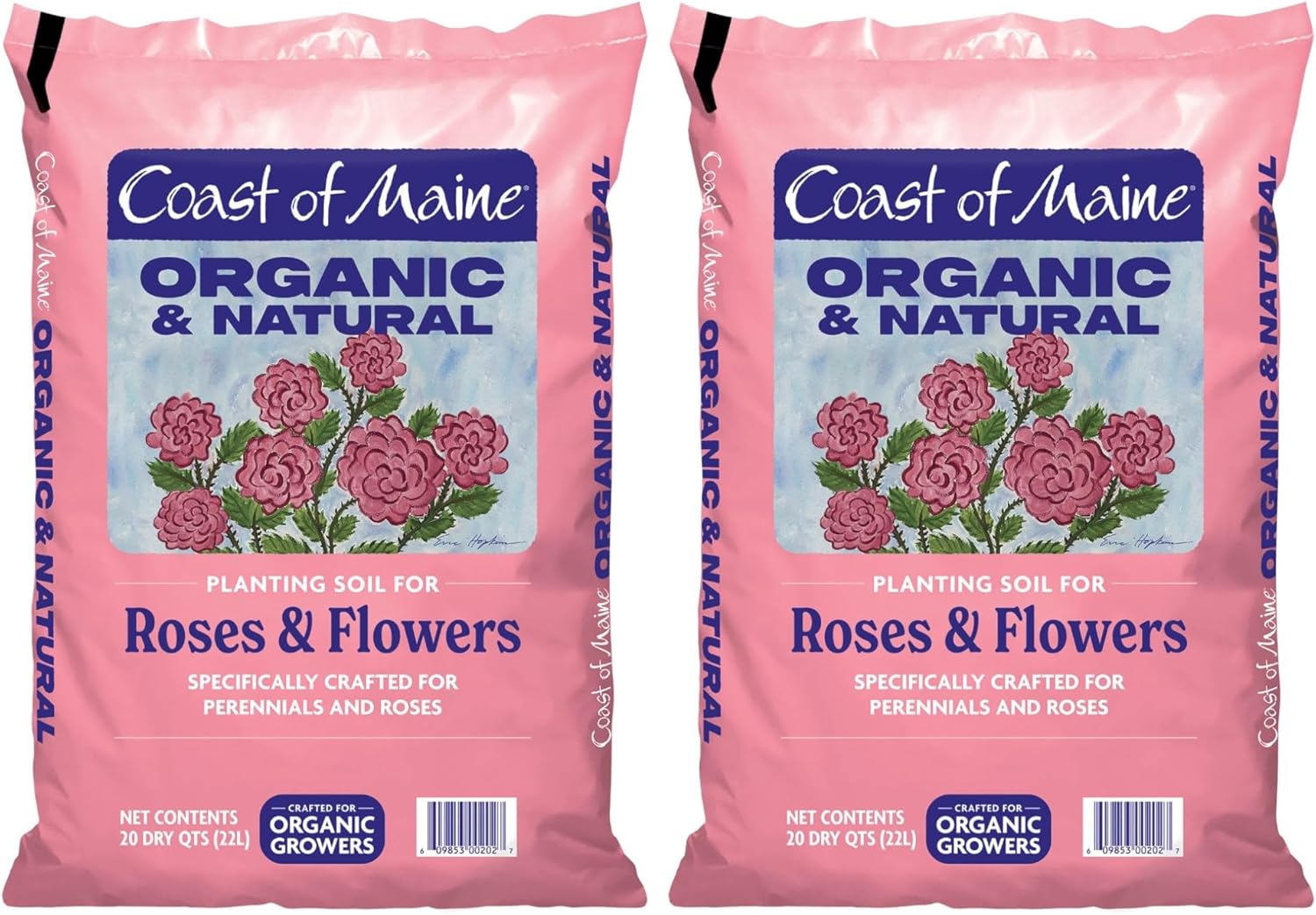
| Best Quality Built to a higher standard if you want something more solid | Coast of Maine Roses & Flowers Planting Soil, 20 qt (2-Pack) |  |
| Best Value The sweet spot between price and what you get | Miracle-Gro Moisture Control Potting Mix, 16 qt. (2-Pack) |  |
| Best Budget The cheapest option that still gets the job done reliably | Miracle-Gro Organic Outdoor Potting Mix, 16 qt. |  |
| Highest Rated A top-rated pick with lots of positive feedback | FoxFarm Happy Frog Potting Soil, Container Garden, 2 cu ft (with 2 Plant Tags) |  |
| Most Popular A crowd favorite that many people choose with confidence | Miracle-Gro Potting Mix, 16 qt. (2-Pack) |  |
| Best Seller A high-volume bestseller chosen again and again | Back to the Roots Premium Organic Potting Mix, 6 Quart |  |
FoxFarm Ocean Forest Potting Soil, 12 Quart

| Item Form | Granules |
|---|---|
| Specific Uses For Product | Dry Fertilizer |
| Coverage | 4.8 sq ft |
| Mixing Ratio | 1:1 |
FoxFarm Ocean Forest is a pre-mixed potting soil that combines aged forest products, sandy loam and sphagnum peat moss with organic amendments like fish meal, crab meal and earthworm castings. It is sold ready to use straight from the bag for planting in containers, seed starting or top dressing; the manufacturer recommends no additional nitrogen fertilizer for the first 30 days. The mix has a light, aerated texture that promotes drainage while still retaining moisture, and the built-in micronutrients make it practical for growers who want strong early growth without immediate feeding. Practical benefits include easy pot filling, good root zone aeration for roses in containers, and built-in organic fertility to support blooms. Limitations to consider are that the bag is best for containers or small beds only and heavier feeders may need supplemental feeding after the initial month; users should also follow handling precautions to avoid skin or eye irritation.
Best for: Gardeners who want a high-quality, nutrient-rich potting medium to get container roses or plant starts off to a strong, flowering start and prefer a ready-made organic blend.
Less Ideal for: Large in-ground rose beds or landscapers needing bulk soil amendments should look for bulk garden soil or custom rose mixes instead.
- Ready-to-use out of the bag so you can pot immediately
- Organic amendments (fish meal, crab meal, earthworm castings) supply early nutrients
- Light, aerated texture that supports drainage and root development
- pH adjusted for optimal nutrient uptake per product description
- Pack size (12 qt) covers a small area and may require multiple bags for several roses
- No long-term feeding provided after the first 30 days so additional fertilizer is needed for sustained heavy bloom
Verdict: Choose this soil if you want a ready-made, organically amended potting mix that jump-starts container roses and seedlings with good drainage and early fertility.
Coast of Maine Roses & Flowers Planting Soil, 20 qt (2-Pack)
| Unit Count | 2 Count |
|---|---|
| Volume | 20 quarts |
| Brand Name | Coast of Maine |
This Coast of Maine Roses & Flowers planting soil is an organic compost blend designed to revive planting mixes for roses, annuals, and perennials. Gardeners typically use it as a top dressing, a soil amendment mixed into existing bed soil, or straight into containers when repotting roses and flowering plants. Notable features include OMRI listing for organic use and a formula that uses seaweed, lobster meal, and composted materials to boost microbial life and supply slow-release nutrients. In practice the mix improves moisture retention while offering adequate drainage, which helps reduce watering frequency without waterlogging root crowns in containers. The product supports soil biodiversity and is safe around children and pets when used as directed. Important limitations are that this is a 20 quart bag sold in a two pack so it is best for small-scale container work or targeted amendments rather than large landscaping projects, and heavier organic mixes like this can compact over time compared with lightweight potting mixes formulated solely for container aeration.
Best for: Buyers who want an organic, nutrient-rich amendment for container roses and flowering pots and who value soil health and sustainable ingredients.
Less Ideal for: Anyone needing a lightweight commercial potting mix optimized only for maximum aeration or gardeners tackling large in-ground areas who need bulk volume.
- OMRI listed organic formula made from seaweed, lobster meal, and compost
- Balanced moisture retention and drainage suitable for container roses
- Supports soil microbiology and biodiversity for healthier root systems
- Safe for use around kids and pets when handled per instructions
- 20 quart bags are small for large projects so multiple bags are needed for beds
- Denser compost-rich mix can compact in containers over time compared with lighter potting-only mixes
Verdict: A small-batch organic soil blend that revitalizes container roses and flower pots by adding slow-release nutrients and supporting soil life.
Miracle-Gro Moisture Control Potting Mix, 16 qt. (2-Pack)

| Number of Packs | 2 |
|---|---|
| Item Type Name | Miracle-Gro Moisture Control Potting Mix |
| Feeds Plants | Up to 6 months |
| Best For | Containers & planters |
This two-pack of Miracle-Gro Moisture Control Potting Mix is built for container gardening and is easy to use when potting mint or other herbs. The mix contains an AquaCoir formula with sphagnum peat moss, coir, and a wetting agent that helps it absorb more water than basic potting soils, which reduces the risk of both over- and under-watering in pots. It is light and airy so roots can breathe and it includes nutrients that feed plants for up to six months, cutting back on how often you need to fertilize young mint plants. Typical use is straightforward: pick a pot with drainage, fill about one third, plant, top off, and water through. For someone growing mint in patio pots or herb containers this mix simplifies watering and supports vigorous root development. It is not a replacement for annual repotting or supplemental feeding beyond six months, and container gardeners who prefer fully organic mixes should look elsewhere.
Best for: Practical container gardeners who want an easy, low-maintenance potting mix that stabilizes watering and supports steady root growth for mint and other potted herbs.
Less Ideal for: Growers who prioritize fully organic inputs or who want a long-term in-pot soil that never needs replenishing should consider other specialty or homemade mixes.
- Moisture-control formula absorbs up to 33% more water than basic potting soil, helping prevent over- and under-watering
- Feeds plants for up to six months, reducing immediate need for additional fertilizer
- Airy texture supports healthy root growth in containers and hanging baskets
- Pack includes two 16 qt. bags, covering multiple 12-inch pots
- Not marketed as a fully organic potting mix, which may matter to some herb growers
- Nutrient feeding lasts up to six months so plants will need repotting or additional fertilizer afterward
Verdict: A convenient moisture-control potting mix that makes watering mint in pots more forgiving while providing up to six months of nutrition.
Miracle-Gro Organic Outdoor Potting Mix, 16 qt.

| Volume | 16 qt. |
|---|---|
| Item Highlight | Plant Soil For Outdoor Container Plants, Contains Quick-Release Natural Fertilizer, OMRI Listed |
| Manufacturer | Scotts Miracle Gro |
This 16 qt. Miracle-Gro Organic Outdoor Potting Mix is designed specifically for outdoor container plants and is useful for planting strawberries in pots. The mix contains responsibly sourced peat and upcycled green waste and includes a quick-release natural fertilizer that feeds for up to two months, which helps young strawberry plants establish and start producing. It is OMRI listed so it fits an organic container-gardening approach. Typical use is to partially fill a 12-inch pot, set the plant with a loosened root ball, add more mix, and water thoroughly; a single bag is sized to fill about one 12-inch container. Practical benefits include moisture retention suitable for exposed pots and a built-in starter nutrient charge so you may not need immediate additional feeding. Important limitations are that nutrients last about two months so plan a feeding schedule for fruiting plants and that peat-based mixes can compact over time, so repotting or refreshing the soil biannually is recommended for continued vigor.
Best for: Gardeners who want an organic-ready potting mix for outdoor container strawberries and prefer a product that gives an initial nutrient boost while simplifying first-season care.
Less Ideal for: Growers who need a long-term, self-sustaining soil blend for mature strawberry beds or those who avoid peat entirely should consider alternatives.
- OMRI listed and made with responsibly sourced peat suitable for organic container gardening
- Includes quick-release natural fertilizer that feeds plants for up to two months
- Formulated to retain moisture for outdoor containers exposed to sun and wind
- Contains upcycled green waste and is locally crafted to reduce transport distance
- Fertilizer effect is limited to about two months so additional feeding is needed for ongoing fruiting
- Peat-based mix can compact over time and requires bi-annual repotting to refresh structure
Verdict: A convenient OMRI-listed container potting mix that gives outdoor strawberry starters an organic nutrient boost and good moisture retention for the first months.
FoxFarm Happy Frog Potting Soil, Container Garden, 2 cu ft (with 2 Plant Tags)

| Brand | FoxFarm |
|---|---|
| Style Name | Container Garden |
| Unit Count | 600 Ounce |
| Volume | 2 cubic feet |
FoxFarm Happy Frog Potting Soil is a premixed container blend made to nourish potted plants without additional amendments. It comes ready to use and is formulated with beneficial microbes and mycorrhizal fungi alongside organic inputs such as earthworm castings, bat guano, and aged forest humus to support root development and nutrient uptake. For growing hot peppers in containers this mix offers a nutrient-rich, well-amended medium that encourages strong vegetative growth and flowering when paired with proper watering and feeding. The included plant tags make keeping track of varieties and planting dates convenient. Practical limits to note are that this is a potting soil designed for containers rather than field beds, so peppers in ground or very large planters may still need different soil or additional bulk amendments. Also, while the mix is nutrient-dense at planting, active growers should plan a feeding schedule because high-demand fruiting crops benefit from supplemental fertilizer over the season.
Best for: Growers who want a dependable, ready-made potting medium for container-grown hot peppers and prefer a product that supports root health out of the bag.
Less Ideal for: Gardeners planting directly in raised beds or open ground who need large volumes of soil or want to custom-blend base soil at scale.
- Pre-amended with earthworm castings, bat guano, and aged forest products for immediate nutrient availability
- Contains beneficial microbes and mycorrhizal fungi to improve root health and nutrient uptake
- Ready to use straight from the bag for quick potting and repotting
- Includes plant tags to track varieties and planting dates
- Formulated specifically for containers so may not be ideal for in-ground garden beds
- Nutrient levels diminish over time for heavy-feeding crops and require supplemental fertilization
Verdict: A reliable, microbe-rich potting mix that simplifies container pepper growing by delivering immediate nutrients and strong root support.
Miracle-Gro Potting Mix, 16 qt. (2-Pack)

| Feeds Plants | Up to 6 months |
|---|---|
| Volume | 16 quarts |
| Number of Packs | 2 |
| Intended Use | Outdoor containers |
| Ingredients | Sphagnum Peat Moss, Peat, Perlite, Compost, Fertilizer |
Miracle-Gro Potting Mix is a general-purpose container soil designed for outdoor pots, planters, and hanging baskets. It combines peat-based media, perlite, compost, and built-in fertilizer so you can pot vegetables, herbs, annuals, perennials, and shrubs without blending amendments. Typical use is straightforward: fill a pot about one third, set the plant at nursery depth, top off, and water until excess drains. Notable features are fast drainage to prevent root rot, an all-purpose nutrient charge that feeds plants for up to six months, and a texture that helps roots establish quickly. In practice this means less upfront prep and fewer immediate feedings compared with plain soil, and it is handy for seasonal repotting and new container plantings. Important limitations are that it is formulated for containers only (not in-ground beds) and the nutrient boost will diminish after the stated feeding period so you will need to supplement or repot for long-term specimens. Also peat-based mixes can compress over time and require refreshing each season.
Best for: Gardeners who want a low-effort, dependable potting soil for seasonal container planting and quick repots, especially those optimizing time and results across many pots.
Less Ideal for: Those wanting a soil to amend in raised beds or long-term in-ground planting should choose a garden soil formulated for in-ground use instead.
- Ready-to-use mix with built-in fertilizer that feeds up to six months
- Formulated for fast drainage to reduce risk of overwatering and root rot in containers
- Versatile for a wide range of outdoor container plants including vegetables, herbs, and flowers
- Not intended for in-ground garden beds
- Fertilizer effect is temporary and requires refeeding or repotting after about six months
Verdict: A convenient, fast-draining potting mix that simplifies container planting while providing up to six months of built-in nutrition.
Back to the Roots Premium Organic Potting Mix, 6 Quart

| Unit Count | 192 Fluid Ounces |
|---|---|
| Volume | 6 quarts |
| Item Highlight | Peat-free potting soil for outdoor plants, indoor plants, vegetables, herbs and flowers |
| Made in | USA |
Back to the Roots Premium Organic Potting Mix is a small-batch, all-purpose soil designed for indoor and outdoor container plants, including flowers, herbs, and vegetables. The 6 quart bag contains a peat-free blend made from upcycled plant matter and wood fines, with added organic plant food, yucca extract to help retain and regulate moisture, and dolomitic limestone to stabilize pH. In practice this mix is easy to use straight from the bag for potting annuals and bedding plants or for refreshing topsoil in containers. Its light, well-draining texture helps roots establish without becoming waterlogged while still holding enough moisture for frequent flowering plants. Because it is organic and made in the USA, it suits growers who want a lower-carbon-footprint option. Limitations are the small bag size for larger projects and that very heavy feeders or long-term container plantings may need periodic fertilization or larger volumes of soil to maintain vigor.
Best for: Buyers who want a safe, organic, ready-to-use potting mix for potted flowers and small container gardens and prefer products with predictable performance and lower environmental impact.
Less Ideal for: Gardeners planning large-scale repotting, heavy-feeding perennials, or long-term container plantings that require bulk soil or extended nutrient release.
- Peat-free organic formula made from upcycled plant matter and wood fines
- Includes yucca extract for improved moisture retention and control
- Dolomitic limestone added to help balance soil pH for flowering plants
- Light, well-draining texture suitable for container-grown flowers and annuals
- Small 6 quart bag is not economical for large pots or multiple containers
- Does not include slow-release fertilizer strong enough for long-term heavy feeders
Verdict: A reliable, peat-free organic potting mix that delivers predictable moisture control and pH balance for potted flowers and small container gardens.
Choosing the Right Soil for Outdoor Flowers: Key Factors to Consider
Soil Texture and Drainage
Texture determines how water moves through soil and how easily roots can grow. A loamy mix with a balance of sand, silt, and clay usually offers both moisture retention and adequate drainage. Too much sand speeds drainage and reduces nutrient retention, which can stress flowering plants during dry spells. Too much clay holds water and compacts, leading to root oxygen deprivation and increased disease risk.
For outdoor flower beds, consider mixes that include coarse components like horticultural sand or perlite to prevent crusting and improve aeration. In heavy native soils, choose blends that emphasize coarse organic matter to break up compaction and speed infiltration.
Nutrient Content and Retention
Flowering plants need a steady supply of nutrients through bud set and bloom. Soils with a mix of slow-release organic nutrients and some immediately available forms help sustain flowers without frequent feeding. The capacity of a soil to hold onto minerals, often tied to organic matter and clay fraction, influences how often you must fertilize.
A soil with good cation exchange capacity retains applied nutrients and releases them to roots over time. When comparing options, look for descriptions of balanced starter nutrients and a base of composted organic matter that supports ongoing fertility rather than short-lived soluble salts.
Organic Matter and Biological Activity
Organic matter feeds soil life, improves structure, and increases moisture and nutrient retention. For outdoor flower soils, a healthy microbial community helps mineralize organic material into plant-available nutrients and can suppress some soil-borne problems. Materials such as aged compost, leaf mold, or well-rotted manure add structure and biological food.
Avoid fresh uncomposted materials that can tie up nitrogen or introduce weed seeds. Preference should be given to soils that state the use of stable, well-composted organic inputs to support sustained flowering performance.
Weed Seeds and Pest Cleanliness
Outdoor soils that arrive full of weed seeds or pests create maintenance headaches and can compete directly with flowers for water and nutrients. Clean, screened soils and mixes reduce the chance of introducing seeds and slug habitats. Many gardeners prioritize products that describe sterilization or high-heat composting steps to minimize unwanted organisms.
For containers and new beds, using a cleaner, screened soil lowers early-season weeding and helps newly planted perennials and annuals establish without competition.
Suitability for Planting Method
Different planting situations require different soil behaviors. In-ground beds benefit from soils that integrate with existing soil and improve structure over time. Raised beds need mixes that are lightweight enough to avoid settling while holding moisture between waterings. Containers require soils that drain reliably while retaining enough moisture to avoid daily watering.
Check product descriptions for intended use cases and choose a soil formulated for the specific method you plan to use. Some mixes are balanced for both beds and containers, while others are tailored to one situation.
pH and Mineral Balance
Soil pH affects nutrient availability and can alter the color intensity of some flowering species. Most outdoor flowers prefer a near-neutral to slightly acidic range, but some specialty species do better at different pH levels. A good soil for outdoor flowers will either be within the common natural range or specify that it has been buffered for a wide range of plants.
If your garden has known pH extremes, select a mix formulated to correct or tolerate those conditions, or plan to amend the planting area accordingly. Mineral balance also matters for sensitive plants and can reduce the need for corrective fertilization.
Preparing Existing Beds for New Soil
Before bringing in new soil, clear perennial debris and remove persistent weeds. Lightly fork the top few inches of existing soil to ease integration and reduce layering that can impede root movement. If you are adding a purchased soil to existing ground, blend a few inches into the top 6 to 8 inches rather than leaving a distinct seam.
For large beds, work in composted material to improve texture and nutrient content. For shallow-rooted annuals, a thinner top dressing of high-quality soil combined with compost will refresh planting zones without burying crowns.
- Remove dead roots and large stones before adding new soil
- Mix new soil into existing topsoil to avoid a physical barrier
- Water after amending to settle the mix and check drainage
Choosing Soil for Containers Versus In-Ground Beds
Containers need lighter, faster-draining mixes that still retain moisture between waterings. Look for soils that specifically list container or potting use and include moisture-retaining yet airy components. In-ground beds can use denser mixes that slowly integrate with native soil and build long-term fertility.
If using the same product for both, ensure the mix drains well in pots and that it will not compact quickly in beds. In many cases, slight adjustments such as adding extra perlite for pots or more compost for beds will optimize a single mix for both uses.
- Use screened, lighter mixes for pots to avoid weight and slow drainage
- Choose mixes with higher organic matter for in-ground beds to improve soil over time
- Adjust watering frequency based on container size and exposure
Seasonal Timing and Soil Choice
Timing soil replacement or major amendments to the planting calendar affects establishment. Early spring work gives roots time to explore before peak heat, while fall is ideal for building long-term fertility and structure as plants go dormant. Organic matter added in fall will continue breaking down through winter and feed spring growth.
For summer replanting or quick annual refreshes, choose mixes with some immediately available nutrients to support early blooms. For perennial bed rebuilding, prioritize structure and long-term nutrient retention over instant feeding.
- Refresh topsoil in fall for long-term bed health
- Use nutrient-rich mixes in spring for quick establishment
- Avoid heavy amendments right before extreme heat or drought
Watering Practices for Different Soil Types
Matching irrigation to soil behavior prevents root stress. Fast-draining mixes often need more frequent but shorter waterings to keep moisture available to roots. Soils with higher organic matter can hold water longer and tolerate slightly less frequent irrigation, but they also retain more nutrients that plants use over time.
Always check moisture by feeling the root zone rather than relying solely on surface dryness. Adjust your watering schedule seasonally and after major weather events to account for changes in evaporation and plant demand.
- Test moisture at root depth before watering
- Water deeply and less often for established perennials in retaining soils
- Use shorter, more frequent waterings for sandy, fast-draining mixes
Improving Poor Native Soil with Imported Mixes
When native soil is heavy clay or coarse sand, improving structure can involve blending imported topsoil or composted mixes into the upper profile. Work amendments in gradually over seasons to avoid shocking soil biology. Raised beds filled with a purpose-made soil are another effective option for bypassing difficult native conditions.
For large areas, spread imported soil in thin lifts and till or fork it in, then plant cover crops or mulches to protect the new structure through seasonal cycles. This approach builds a more resilient rooting environment for flowering plants over time.
- Incorporate composted material to improve clay or sandy textures
- Consider raised beds where native soil is not easily improved
- Use cover crops or mulches after amendment to protect soil structure
How We Chose the Best Soil for Outdoor Flowers
We focused on attributes that directly affect flowering performance in outdoor settings. Primary evaluation criteria included texture and drainage, nutrient content and retention, organic matter and microbial support, weed and pest cleanliness, and ease of use for common planting situations. Each candidate had to demonstrate suitable structure for root penetration and consistent drainage to avoid waterlogging. Soils with long-term nutrient-holding capacity and materials that support beneficial microbes were prioritized for sustained blooms across a season. We excluded blends intended only for indoor houseplants, heavy clay remediation products that require long-term soil rebuilding, and mixes formulated solely for vegetables or lawns. We also filtered out products with unclear ingredient lists or inconsistent particle sizes. The final selections represent practical, ready-to-use soils and mixes that perform well for outdoor flower beds, borders, and container displays under typical garden care routines.
FAQ
How often should I refresh soil in flower beds?
Many gardeners refresh the top 2 to 4 inches of soil or add a compost dressing annually, typically in fall or early spring. Major rebuilding of bed soil is usually done every few years depending on plant performance and soil test results.
Can I use garden soil from my yard for containers?
Garden soil is often too heavy and may compact in containers, reducing drainage and aeration. It is usually better to use a lighter, screened container mix designed to balance moisture retention and drainage.
Will adding compost make soil hold more water?
Yes. Composted organic matter increases the soil's ability to hold moisture and improves nutrient retention. However, extremely high organic content without coarse particles can slow drainage, so balance is important.
Should I test pH before buying a soil mix?
Testing native bed pH helps determine if a specific soil or amendment is needed, especially for pH-sensitive flowers. Many ready-to-use soils fall in a suitable range, but a test can guide choice for specialty plantings.
How can I reduce weed seeds in new soil?
Choose screened soils that specify heat-composted inputs or sterilization steps to reduce seed content. Also consider top-dressing with mulch and weeding promptly to prevent young weeds from setting seed.
Final Verdict
Focus on the soil behaviors that matter most for your site: drainage for root health, organic matter for sustained nutrients, and cleanliness to limit weeds and pests. Match the mix to how you plant and water-light, airy mixes for containers and more substantial, compost-rich soils for in-ground beds. Prioritize soils that make maintenance easier and support flowering across the season. With these tradeoffs in mind, you can choose a soil that helps outdoor flowers establish quickly and produce reliable blooms.
