

Note: This article contains affiliate links. If you click on these links and make a purchase, I may earn a small commission at no extra cost to you. This helps support my research and content. Read my full affiliate disclosure here.
Choosing the right soil for a rabbit foot fern matters more than many gardeners expect. These ferns prefer a mix that drains quickly but still holds enough moisture around the root mass to prevent drying between waterings. The wrong medium can cause leaf yellowing, crown rot, or slow growth. This guide covers seven shortlisted soil options that suit typical indoor and shaded patio conditions for rabbit foot ferns. We evaluate each blend against practical gardener needs like drainage, moisture retention, aeration, and ease of repotting so you can pick the best mix for your situation.
Top Picks at a Glance
| Best Overall The best all-around choice for most situations | Doter Fern Potting Soil Mix, 1 qt |  |
| Best Quality Built to a higher standard if you want something more solid | Gardenera Premium New Zealand Tree Fern Growing Medium, 1 Quart |  |
| Best Value The sweet spot between price and what you get | Soil Sunrise Fern Potting Soil Mix (8 Quarts) |  |
| Best Budget The cheapest option that still gets the job done reliably | Josh's Frogs Tree Fern Fiber (1 Quart) |  |
| Highest Rated A top-rated pick with lots of positive feedback | Tezula Plants Premium New Zealand Tree Fern Fiber Potting Medium (1 Gallon) |  |
| Most Popular A crowd favorite that many people choose with confidence | Better-Gro Long-Fiber Sphagnum Moss (240 g) |  |
| Best Seller A high-volume bestseller chosen again and again | Rio Hamza Trading Fern Potting Soil Mix (8 Quart) |  |
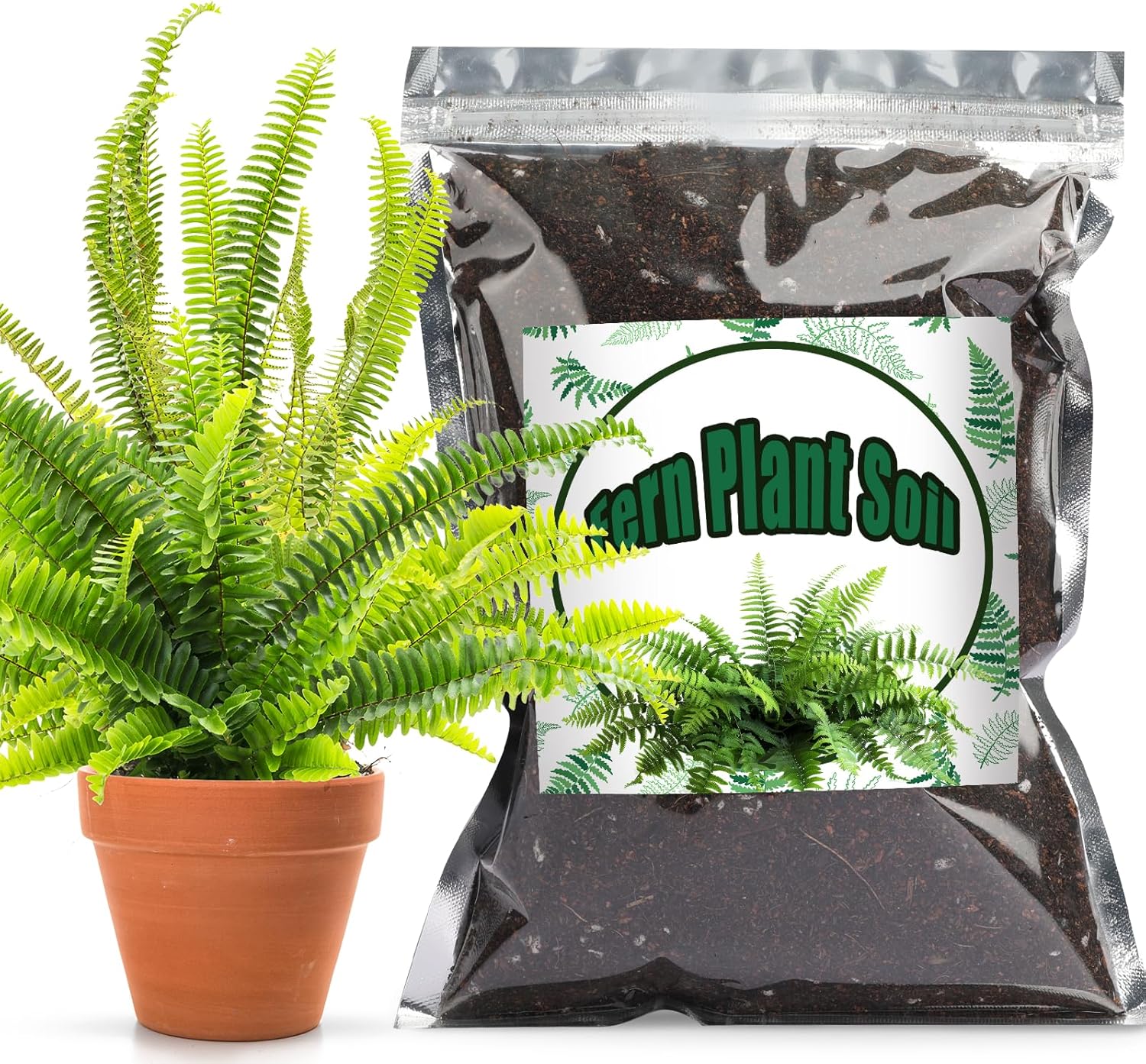
Doter Fern Potting Soil Mix, 1 qt
| Brand | Doter |
|---|---|
| Unit Count | 32 Ounce |
| Item Type | Garden soil |
| Volume | 1 quarts |
This 1 quart Doter fern potting mix is a ready-to-use blend formulated to give potted ferns consistent moisture without waterlogging. It combines moisture-retentive components like peat moss with chunky perlite and horticultural charcoal to improve aeration and drainage, which helps prevent root rot in consistently damp-loving species. In practice the bag works well for repotting small ferns, topping off shallow fern pots, or starting new divisions; the small size makes it easy to handle and mix with existing media. Notable features include added organic matter and worm-casting style amendments mentioned by the brand, plus sterile additives to reduce pests. The main limitation is the 1 quart volume, which means you will need multiple bags for larger pots or several plants, and the mix description does not give specific nutrient or pH values so experienced growers may want to amend for long-term feeding. For casual indoor fern care and quick repotting jobs this blend provides a balanced, low-effort medium.
Best for: Buyers who want an affordable, ready-made potting mix to repot or top-dress a few small ferns quickly and with minimal fuss.
Less Ideal for: Gardeners who need bulk quantities for many plants or who require exact pH and nutrient specifications for specialized fern cultivars should look elsewhere.
- Formulated to retain moisture while including components that improve drainage to reduce root rot risk
- Contains organic amendments and sterile additives aimed at healthier root development
- Small 1 quart size is easy to handle for repotting small plants or topping pots
- Versatile for indoor and outdoor potted ferns, mosses, and similar moisture-loving plants
- Only a 1 quart volume so multiple bags are required for larger pots or multiple plants
- No explicit nutrient analysis or pH information provided for precise long-term fertilization planning
Verdict: A convenient, budget-friendly small-bag fern mix that keeps soil moist without becoming waterlogged, ideal for quick repots and small collections.
Gardenera Premium New Zealand Tree Fern Growing Medium, 1 Quart

| Brand Name | Gardenera |
|---|---|
| Item Type Name | Tree Fern |
| Volume | 1 quarts |
| Unit Count | 1 Count |
| Style Name | Tree Fern |
Gardenera New Zealand Tree Fern is a soft, porous growing medium designed to hold moisture while still allowing air to roots. It is typically used as an orchid or epiphyte substrate and works equally well for moisture-loving ferns such as the rabbit foot fern. The natural fibers wick water via capillary action so moisture is distributed through the potting mix instead of pooling at the base. That makes it useful for potted ferns kept in higher-humidity spots or terrariums and for growers who prefer longer watering intervals. Notable features include sustainable sourcing from New Zealand and a spongy texture that improves humidity retention and aeration compared with plain potting soil. Limitations are its single 1 quart volume, which means you will need multiple bags for repotting larger plants or filling several pots, and the loose fibrous material can create dust so handling precautions are advisable. For long-term mixes it is best blended with bark or perlite to balance water retention and drainage for established fern root systems.
Best for: Buyers who prioritize reliable moisture retention and humidity for rabbit foot ferns or other epiphytic/fern species and want an easy-to-use, natural substrate to reduce frequent watering.
Less Ideal for: People needing large volumes for multiple pots or full potting mixes for heavy-draining containers should consider bulk substrates or mixes instead.
- High moisture retention and natural wicking that reduces how often you need to water
- Porous, airy texture that supports root aeration for epiphytes and ferns
- Sustainably harvested New Zealand source
- Versatile for orchids, epiphytic plants and humid terrarium or reptile setups
- Only sold in a small 1 quart bag which is insufficient for multiple or larger repotting jobs
- Fibrous material can produce dust and requires careful handling
Verdict: Choose this New Zealand tree fern substrate when you want a natural, high-moisture-holding medium that keeps rabbit foot ferns consistently humid with less frequent watering.
Soil Sunrise Fern Potting Soil Mix (8 Quarts)

| Volume | 8 quarts |
|---|---|
| Ingredients | Peat, pine bark, perlite, sand, charcoal, lime |
| Unit Count | 1 Count |
| Manufacturer | Soil Sunrise |
This 8-quart Soil Sunrise fern mix is a purpose-made potting medium for container ferns such as Boston, maidenhair, and bird's nest. It combines peat moss for moisture retention with perlite and sand to keep the mix airy and draining, while pine bark and horticultural charcoal improve structure and protect roots. Use it for repotting house ferns, refreshing container soil in hanging baskets, or starting new transplants; the small-batch hand blend aims for consistent texture and pH suited to ferns. Practical benefits include less compaction than standard houseplant soils, improved aeration that reduces root rot risk, and a mix that holds enough moisture so plants do not need daily watering. Limitations are inherent to the bag size and ingredients: 8 quarts covers roughly one large 12-inch pot so multiple bags are needed for several plants, and peat-based mixes dry differently across climates so you may still need to adjust watering frequency. Safety notes advise keeping contact with skin and eyes to a minimum and using in ventilated areas.
Best for: Buyers who want a ready-made, fern-focused potting mix to simplify repotting and container care and who prioritize consistent performance over mixing their own media.
Less Ideal for: People creating large-scale beds or filling many pots at once who need bulk volumes or gardeners who prefer peat-free or purely organic formulas.
- Formulated specifically for ferns with ingredients that balance moisture and drainage
- Perlite and sand reduce compaction and improve aeration for healthier roots
- Pine bark and horticultural charcoal enhance soil structure and help protect roots
- Hand-blended in small batches for consistent texture and pH
- Suitable for both indoor house ferns and outdoor container use
- 8-quart bag is small for multi-plant projects so you may need several bags
- Peat-based composition can require watering adjustments in different climates
Verdict: A convenient, small-batch potting mix that delivers the moisture balance and aeration potted ferns need.
Josh's Frogs Tree Fern Fiber (1 Quart)

| Brand Name | Josh's Frogs |
|---|---|
| Unit Count | 32 Ounce |
| Style Name | Soil Mix |
| Volume | 0.13 quarts |
Josh's Frogs Tree Fern Fiber is a loose, twiglike organic substrate used to lighten soil mixes and mimic the airy conditions fern roots prefer. Gardeners typically blend it into potting soil or use it as a top layer for moisture regulation with rabbit's foot ferns and other epiphytes. Notable features include strong moisture retention without becoming waterlogged and a slow decomposition rate that extends the life of the mix in humid conditions. In practice it increases drainage and air space, which helps delicate fern roots avoid rot while still holding enough moisture between waterings. Because it is a single natural ingredient, it is simple to mix in measured amounts and compatible with fertilizer routines. Limitations are that it comes as a small volume product, so larger pots or multiple plants will need additional bags, and its loose texture can make precise potting mixes harder to measure than pre-mixed soils.
Best for: Ideal for home gardeners growing rabbit's foot fern who want an affordable way to improve potting mix structure and prevent root rot while retaining some moisture.
Less Ideal for: Not the best choice for gardeners who prefer ready-to-use commercial fern soils or want an all-in-one fertilizer-amended potting mix.
- Improves aeration and drainage for fern roots
- Holds moisture evenly without turning soggy
- Decays slowly so mixes remain effective longer
- Simple single-ingredient material easy to blend into soil mixes
- Small unit volume means you may need multiple bags for several plants or repotting
Verdict: Add this tree fern fiber to your rabbit's foot fern potting mix when you want an inexpensive, natural way to increase aeration and moisture retention.
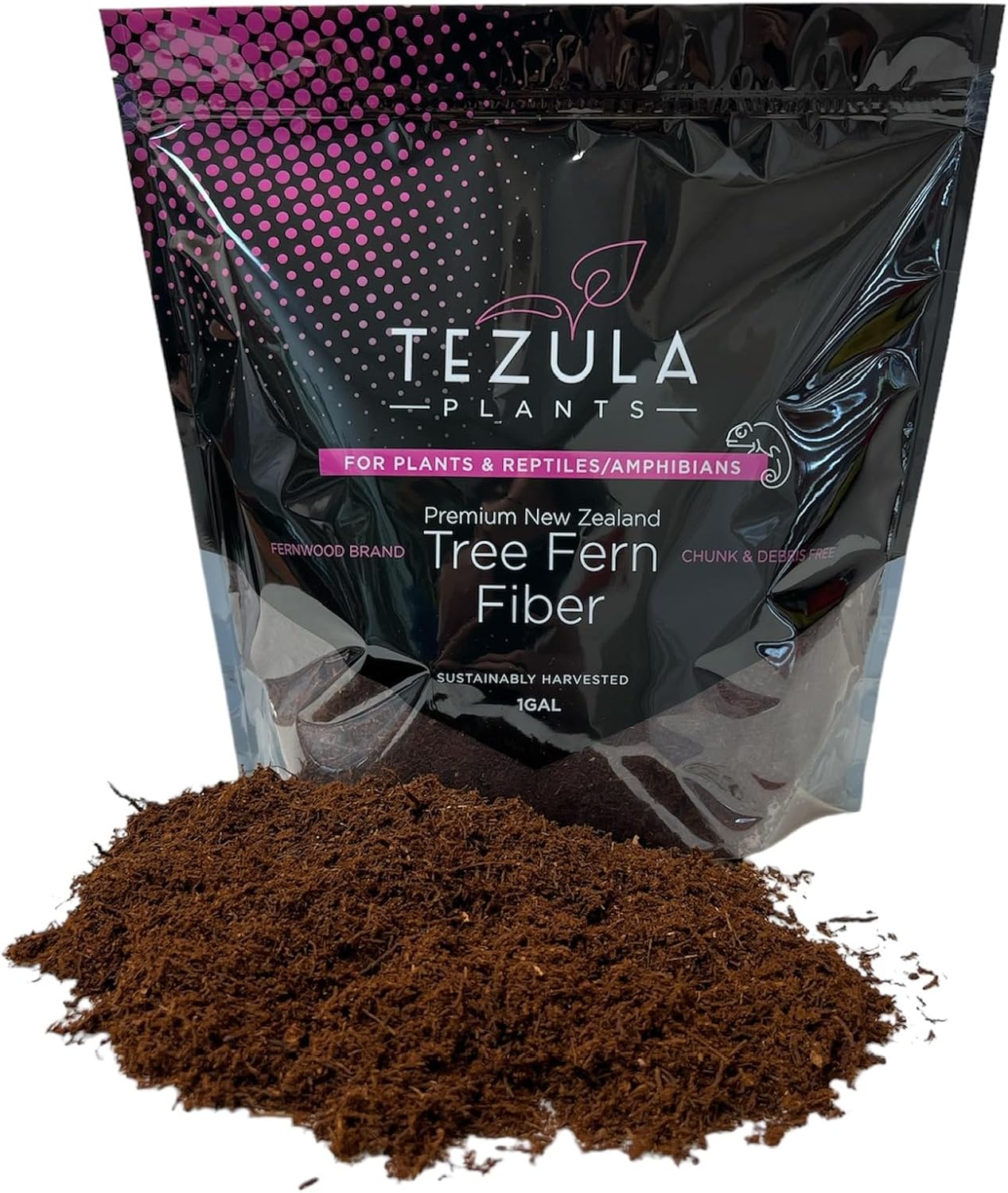
Tezula Plants Premium New Zealand Tree Fern Fiber Potting Medium (1 Gallon)
| Brand | Tezula Plants |
|---|---|
| Item Type Name | Potting Medium |
| Volume | 1 gallons |
This debris-free New Zealand tree fern fiber is a lightweight, airy potting medium designed to retain moisture while still providing strong air circulation around roots. It is supplied cleaned of large fibrous chunks so repotting and mixing is straightforward. The substrate wicks water evenly through capillary action, which helps prevent dry pockets and over-saturated zones that can stress delicate fern roots. Typical uses include straight planting for moisture-loving tropicals or blending into mixes for increased porosity and humidity retention in terrariums and vivaria. Because it is untreated and sustainably harvested, it is suitable for sensitive plants and reptile enclosures where chemical-free bedding is preferred. The main limitations are volume and longevity: a 1 gallon bag is a modest amount for repeat repotting and tree fern fiber will break down over time compared with inert bark or lava rock, so expect to refresh the medium periodically for long-term reliability.
Best for: Gardeners who prioritize consistent moisture control and healthy root aeration for moisture-loving tropicals and ferns and who want a clean, chemical-free medium that simplifies repotting.
Less Ideal for: Growers needing a long-lasting, bulk substrate for large-scale repotting or those who prefer fully inert media for desert or drought-tolerant plants.
- Debris-free grading makes repotting and handling easier
- Natural capillary action distributes moisture evenly to roots
- High porosity allows good air circulation to prevent root suffocation
- Untreated and sustainably harvested, suitable for sensitive plants and terrariums
- Sold in a single 1 gallon unit which is a small quantity for multiple repots
- Breaks down faster than inert substrates and will need periodic replacement
Verdict: Choose this debris-free New Zealand tree fern fiber when you need a natural, moisture-retentive medium that keeps fern roots airy and simplifies repotting.
Better-Gro Long-Fiber Sphagnum Moss (240 g)

| Item Type Name | Moss |
|---|---|
| Unit Count | 8.47 Ounce |
| Item Highlight | 100% natural, for hostas, excellent for hanging baskets and propagating plants, 240 cubic inches |
| Brand Name | Better-Gro |
Better-Gro long-fiber sphagnum moss is a natural, highly absorbent growing medium used to retain moisture and fertilizer around root systems. Typical uses include lining hanging baskets, mounting epiphytic plants, repotting or mixing into potting media and creating humid substrate in terrariums. The product’s long fibers make it easy to wrap around roots or form a breathable liner that stays moist without compacting, which benefits fern species that prefer consistently damp but well-aerated conditions. Because it is chemical-free and sustainably harvested, it is suitable for sensitive plants and pet enclosures. Limitations are the small pack size and light weight, so frequent topping up is needed for larger pots or multiple plants, and sphagnum alone can be too moisture-retentive for plants that need faster drainage unless mixed with coarser material. Expect to pair this moss with a potting mix or perlite for balanced moisture and aeration when used with rabbit foot ferns.
Best for: Buyers who prioritize proven, low-risk growing media for moisture-loving houseplants like rabbit foot ferns and want a natural, pet-safe option backed by widespread positive feedback.
Less Ideal for: Growers who need a single, all-purpose potting mix that drains quickly or those managing large numbers of plants without supplementing pack quantity.
- Long fibers hold moisture and plant food while remaining airy around roots
- Chemical-free natural material safe for plants and terrariums
- Versatile for lining baskets, mounting epiphytes, propagating and humid hides
- Sustainably harvested from live marsh plants
- Small unit size means more frequent replacement or multiple packs for several plants
- Can retain too much moisture if used alone without mixing for better drainage
Verdict: A safe, natural moisture-retentive sphagnum moss ideal for keeping rabbit foot ferns humid and well hydrated when used as a liner or mixed into potting media.
Rio Hamza Trading Fern Potting Soil Mix (8 Quart)

| Volume | 8 quarts |
|---|---|
| Ingredients | peat moss, perlite, lime, sand, charcoal, mulch |
This fern potting soil is formulated to give ferns a balance of water retention and airflow that supports healthy fronds and root growth. Typical use is potting or repotting indoor and outdoor ferns in containers where consistent moisture and good drainage matter; the mix lists peat moss, perlite, sand, charcoal, mulch, and lime as ingredients, which together help hold moisture without letting soil compact. The 8-quart size is convenient for repotting several small to medium plants or refreshing the top layer of larger pots. Practical benefits include improved root aeration from perlite and sand, gentle nutrient support from the organic components, and moisture buffering from peat moss. Limitations are that the bag is a modest single 8-quart unit, so larger collections will need multiple bags, and peat-based mixes can dry out in very warm, low-humidity indoor environments requiring closer watering attention. This is a straightforward, plant-focused mix for gardeners who want a ready-made fern substrate without needing to blend components themselves.
Best for: Buyers who want a ready-made, no-mix substrate that reliably supports fern health and saves time when potting or repotting small to medium collections.
Less Ideal for: Large-scale gardeners who need bulk soil or growers who prefer a peat-free or custom-blended substrate for specific environmental conditions.
- Formulated blend tailored for ferns with peat moss and perlite for moisture retention and aeration
- Includes sand and charcoal to improve drainage and reduce compaction
- Nutrient-containing organic components to support foliage growth
- Convenient 8-quart package suitable for potting or repotting multiple small plants
- Only an 8-quart quantity which may be insufficient for larger collections or full soil replacement
- Contains peat moss which may require more frequent watering in dry indoor conditions
Verdict: A convenient ready-to-use fern mix that delivers the moisture retention and aeration ferns need for healthy foliage.
Choosing the Right Soil for Rabbit Foot Fern: Key Factors to Consider
Drainage Versus Moisture Balance
Rabbit foot ferns need a medium that sheds excess water quickly while still holding enough moisture for the roots. If the soil stays waterlogged the rhizomes and crown can develop rot; if it dries out too fast the fronds will brown and become brittle.
Look for mixes that combine chunky components such as bark or perlite with a moisture-holding component like aged compost, coir, or peat. The balance you choose depends on your watering schedule and local humidity. In dry homes, favor slightly higher moisture retention. In consistently humid or cool spots, favor freer-draining blends.
Aeration and Root Space
Roots and creeping rhizomes need air as well as water. Dense, compacted soils reduce oxygen availability and slow growth. Components that create stable voids, such as coarse bark, pumice, or expanded clay, maintain porosity over time.
When repotting, choose a mix that does not collapse into a solid mass after a few waterings. Good aeration helps prevent fungal problems and supports faster root establishment after repotting.
Organic Content and Nutrient Buffering
Rabbit foot ferns appreciate a steady, mild nutrient supply rather than heavy fertilizer feeds. Organic matter like composted bark, leaf mold, or well-aged compost provides slow-release nutrients and improves water-holding without becoming soggy.
Too much fresh compost or raw manures can produce salt or heat that harms roots. Aim for stabilized organics that improve structure and nutrient buffering over months rather than a one-time nutrient blast.
pH and Chemical Safety
These ferns do best in slightly acidic to neutral substrates. Extremely alkaline mixes can limit nutrient uptake and lead to leaf discoloration. Garden lime or alkaline amendments are usually unnecessary for potted ferns.
Also avoid mixes treated with long-lasting pesticides or heavy salt fertilizers. If using a premixed product, check that its ingredients are plant-safe and intended for houseplants or ferns.
Texture and Repotting Handling
Because rabbit foot ferns have hairy, delicate rhizomes, the potting medium should allow gentle handling during repotting. Very fine, dusty mixes cling to roots and make teasing roots apart more likely to damage the plant.
Choose a medium with a mix of particle sizes so you can remove old soil easily and settle the plant at the right depth without compressing the crown.
Moisture Needs Relative to Environment
Consider the microclimate where the fern will live. High indoor heat or dry air makes a more moisture-retentive mix desirable, while cool, shaded patios benefit from faster-draining blends.
Also factor in pot type. Unglazed clay pots wick moisture away faster, so you may want a richer mix in those. Plastic or glazed containers retain moisture longer and pair well with slightly freer-draining mixes.
How to Improve an Existing Potting Mix
If you already have a general-purpose houseplant mix, you can tailor it for a rabbit foot fern by adjusting drainage and organic content. Add coarse orchid bark, perlite, or pumice to increase aeration and prevent compaction. For added moisture-holding without bulk, mix in a small portion of fine-grade coconut coir or well-aged compost.
- Target a mix ratio near one part chunky bark to two parts general potting mix for better aeration.
- Add 10 to 20 percent coir or compost to increase moisture retention without making the soil heavy.
- Avoid more than 25 percent fine peat or compost unless your environment is very dry.
Repotting Tips for Fragile Rhizomes
Handle the plant gently and support the crown while loosening the old soil. Do not bury the hairy rhizomes deeply; they should sit near the surface so they can absorb humidity and avoid rot. Use a pot with drainage holes and set the plant at the same crown height as before to reduce stress.
Allow the repotted fern to settle in bright, indirect light and hold off on heavy feeding for several weeks while roots reestablish.
- Water lightly after repotting to help the soil settle, then resume regular watering when new growth appears.
- Consider a slightly smaller pot to avoid excessive moisture retention in a large container.
Watering Strategy to Match Your Mix
Match your watering frequency to the soil's retention characteristics rather than a fixed schedule. For mixes with higher bark content, water when the top inch feels dry. For mixes richer in coir or peat, allow the top half inch to dry before watering again.
Always water thoroughly until it drains from the pot bottom, then allow excess to drain away. Mist fronds occasionally in low-humidity homes to increase ambient moisture without saturating the soil.
- Use the finger test to assess dryness rather than relying on a calendar.
- Avoid letting the pot sit in a tray of standing water.
Adjusting Soil for Seasonal Needs
Indoor and sheltered outdoor conditions change with seasons. In winter, with lower temperatures and slower growth, reduce watering and use a slightly faster-draining mix or increase airflow to prevent soggy conditions. In warmer months, you can afford a mix with a little more moisture-holding capacity if you water more frequently.
Repotting is best done in the active growing season, when the fern can recover from disturbance more quickly.
- Increase ventilation in winter to reduce fungal risk.
- Refresh the top inch of soil annually to replenish organic matter.
How We Chose the Best Soil for Rabbit Foot Fern
We focused on attributes that directly affect rabbit foot fern health in home and shaded outdoor settings. Priority was given to mixes that reproduce the plant's natural preference for airy, humus-rich media with steady moisture availability. Key evaluation criteria included drainage rate under light to moderate watering, moisture-holding capacity over several days, porosity and root aeration, organic content and nutrient buffer, and ease of repotting without disturbing fragile rhizomes. We excluded heavy, compacted garden soils and purely mineral substrates that lack organic matter. Seed-starting-only mixes and straight peat blocks were also filtered out unless amended for long-term potted fern growth. Final selections favored blends that balance bark or perlite for structure with peat or coir for moisture, and that are suitable for indoor humidity levels and typical household watering routines.
FAQ
What grain size is best in a rabbit foot fern mix?
Medium to coarse particles work best. Coarse bark, perlite, or pumice creates stable air pockets. A small percentage of finer material helps with moisture retention, but avoid overly dusty mixes.
Can I use straight peat or straight coir for my fern?
Straight peat or coir can retain too much water and compact, especially in cooler settings. If using either, amend with coarse material so the mix stays airy and drains well.
How often should I fertilize potted rabbit foot ferns?
Fertilize lightly during the active growing season, usually every 4 to 6 weeks with a diluted balanced fertilizer. Heavy feeding is not necessary if the mix contains stabilized organic matter.
Will adding sand improve drainage?
Coarse horticultural sand can help, but fine sand compacts and reduces aeration. Prefer coarse grit, pumice, or perlite for improving drainage without losing porosity.
Is it okay to use garden soil in the pot?
Garden soil is generally too dense and tends to compact in containers, causing poor aeration and drainage. Use a potting-oriented mix amended for ferns instead.
How can I tell if my soil mix is holding too much moisture?
Signs include yellowing fronds, wilting despite wet soil, and a rotten smell at the crown. Check moisture depth with a finger or probe; if it stays saturated for several days, improve drainage with coarser components.
Final Verdict
Prioritize a balance between drainage and moisture retention when choosing soil for rabbit foot fern. A mix with chunky, stable particles plus a measured amount of organic matter provides aeration, steady moisture, and gentle nutrient supply. Consider your local humidity, container material, and watering habits when selecting or amending a mix. Focus on the tradeoffs: freer-draining media reduce rot risk but need more frequent watering; richer mixes hold moisture but require good aeration to avoid soggy conditions. Use the evaluation criteria above to pick the right soil for your situation and you will give your rabbit foot fern the conditions it needs to thrive.
