

Note: This article contains affiliate links. If you click on these links and make a purchase, I may earn a small commission at no extra cost to you. This helps support my research and content. Read my full affiliate disclosure here.
Choosing the right soil for violets changes how those compact, often finicky houseplants grow and bloom. With the wrong mix you can get soggy crowns or dry, underfed plants; the right mix gives quick root development, steady moisture and enough aeration for frequent watering cycles. This guide looks at the top shortlisted soils for violets and explains the traits that matter most for indoor and pot-grown African and other common violet types. Below you will find practical notes on mix texture, drainage, nutrient profile and repotting behavior, plus clear buying factors we used to select these six top options.
Top Picks at a Glance
| Best Overall The best all-around choice for most situations | Leaves & Soul African Violet Potting Soil Mix, 2.2 Quart |  |
| Best Quality Built to a higher standard if you want something more solid | Sun Gro Horticulture Black Gold African Violet Mix (8 qt) |  |
| Best Value The sweet spot between price and what you get | Duspro 4-in-1 African Violet Potting Mix, Pre-Mixed, 1 qt |  |
| Best Budget The cheapest option that still gets the job done reliably | Doter Organic African Violet Potting Mix (1 qt) |  |
| Highest Rated A top-rated pick with lots of positive feedback | Sun Gro Horticulture African Violet Potting Soil, 8 qt |  |
| Most Popular A crowd favorite that many people choose with confidence | Midwest Hearth African Violet Potting Soil Mix (4 Dry Quarts) |  |
Leaves & Soul African Violet Potting Soil Mix, 2.2 Quart

| Volume | 2.2 quarts |
|---|---|
| Made in | USA |
| Blend components | Peat moss, coco coir, perlite, dolomite |
| Packaging | Resealable bag |
Leaves & Soul African Violet Potting Soil is a premixed, ready-to-use medium designed specifically for Saintpaulia and other delicate indoor flowering plants. The blend of peat moss and coco coir helps retain useful moisture while remaining loose, while perlite improves drainage and aeration so fine roots get oxygen without staying waterlogged. Dolomite is included to moderate acidity and contribute to a balanced root environment. The bag is resealable, which keeps unused mix fresh between repotting sessions and makes it convenient for small collections. In practice this mix works well for repotting seedlings through mature plants when used in pots with drainage holes and adjusted watering. Important limitations are that it is a base medium rather than a complete fertilizer solution, so regular feeding according to your fertilizer schedule is still needed, and very small or recently rooted plantlets require careful moisture control. For growers who want a consistent, out-of-the-bag option that prioritizes moisture balance and aeration, this mix is an easy, practical choice.
Best for: Buyers who want a dependable, low-effort potting mix that balances moisture and aeration for indoor African violets and other delicate flowering houseplants.
Less Ideal for: Growers seeking a soil that supplies long-term nutrients without additional feeding or those managing large outdoor plantings where this indoor blend is unnecessary.
- Ready-to-use mix tailored for African violets so no immediate amendment is required
- Combination of peat moss, coco coir, and perlite balances moisture retention with drainage
- Includes dolomite to help stabilize pH and nutrient uptake
- Resealable bag for convenient storage between uses
- Not a fertilizer replacement so plants will need a separate feeding regimen
- May require extra care with very young plantlets to avoid overwatering
Verdict: A convenient, out-of-the-bag potting mix that gives African violets reliable moisture control and root aeration for healthier growth.
Sun Gro Horticulture Black Gold African Violet Mix (8 qt)

| Unit Count | 296 Ounce |
|---|---|
| Item Type Name | Sun Gro Horticulture Black Gold African Violet Mix |
| Manufacturer | BFG Supply |
| Volume | 8 quarts |
This Black Gold African Violet Mix is a ready-to-use potting medium tailored to the needs of African violets and other small indoor flowering plants. The blend pairs sphagnum peat moss for moisture retention with perlite and volcanic pumice to improve drainage and aeration, while earthworm castings add gentle organic fertility. Dolomite lime helps stabilize pH so the soil stays within the neutral-to-slightly-acid range violets prefer. In practice the mix is easy to work with when repotting single plants or topping up small containers, and the 8 quart package is convenient to handle and store. Because it is a focused blend rather than a general-purpose potting soil, you get predictable moisture behavior and fewer adjustments compared with making your own mix. Limitations are that it is a small-volume retail bag and does not include slow-release fertilizer, so high-performing growers will likely supplement with liquid feed or controlled-release nutrition for heavier bloom cycles.
Best for: Growers who prioritize reliable, plant-specific performance and want a ready-made medium that gives consistent moisture and aeration for African violets.
Less Ideal for: Gardeners who need large volumes of soil for many plants or those who prefer a potting mix with pre-mixed long-term fertilizer included.
- Formulated specifically for African violets with peat-based moisture retention and added aeration
- Includes earthworm castings for mild organic nutrient support
- Dolomite lime included to help maintain an appropriate pH
- Light, airy texture from perlite and pumice helps prevent root rot in small pots
- No built-in slow-release fertilizer so regular feeding is required for maximum flowering
- Small 8 quart bag may be insufficient for multiple plants or frequent repots
Verdict: Choose this mix when you want a consistent, airy peat-based medium that supports healthy roots and reliable bloom performance in African violets.
Duspro 4-in-1 African Violet Potting Mix, Pre-Mixed, 1 qt

| Brand Name | Duspro |
|---|---|
| Item Highlight | African Violet Soil Blend with Perlite, Coco Coir, Pumice & Pine Bark for Balanced Moisture, Root Airflow & Gentle Drainage |
| Unit Count | 1 Count |
| Number of Packs | 1 |
This premixed 4-in-1 potting mix is designed specifically for African violets and small flowering houseplants. It combines coco coir and fine pine bark to hold moderate moisture while perlite and pumice improve aeration and gentle drainage around delicate roots. Typical use is repotting or routine top-ups in small decorative pots where a light, slightly acidic medium (target pH ~5.8–6.0) helps bloom health. The 1 quart size is convenient for one or two plants and keeps repotting tidy since you do not need to measure or blend components. Notable features include the handcrafted quality control, consistent texture, and safety advice to lightly mist before use. Important limitations are the small package size if you maintain many plants and the product is specialized for African violets and similar small species, so it is not a universal potting soil for larger houseplants or heavy feeders. Expect faster drainage than standard mixes, which means more frequent, smaller waterings for growers who prefer a wetter medium.
Best for: Buyers who want a no-fuss, reliable potting mix tuned for African violets and who prioritize consistent repotting results and time savings over mixing their own media.
Less Ideal for: People managing large collections, big potted houseplants, or those who need a universal all-purpose potting soil for mixed species.
- Formulated specifically for African violets with a slightly acidic target pH
- Pre-mixed blend saves time and avoids measuring separate ingredients
- Lightweight texture suitable for small decorative pots and easy repotting
- Perlite and pumice improve root airflow and reduce compaction
- Available in small quantities that fit typical violet repotting needs
- Small package size may not suit growers with many plants or frequent repotting
- Specialized mix is not ideal for larger houseplants with different moisture needs
Verdict: If you want a ready-made, slightly acidic, lightweight mix that simplifies repotting and supports healthy blooms in African violets, this Duspro 4-in-1 blend delivers.
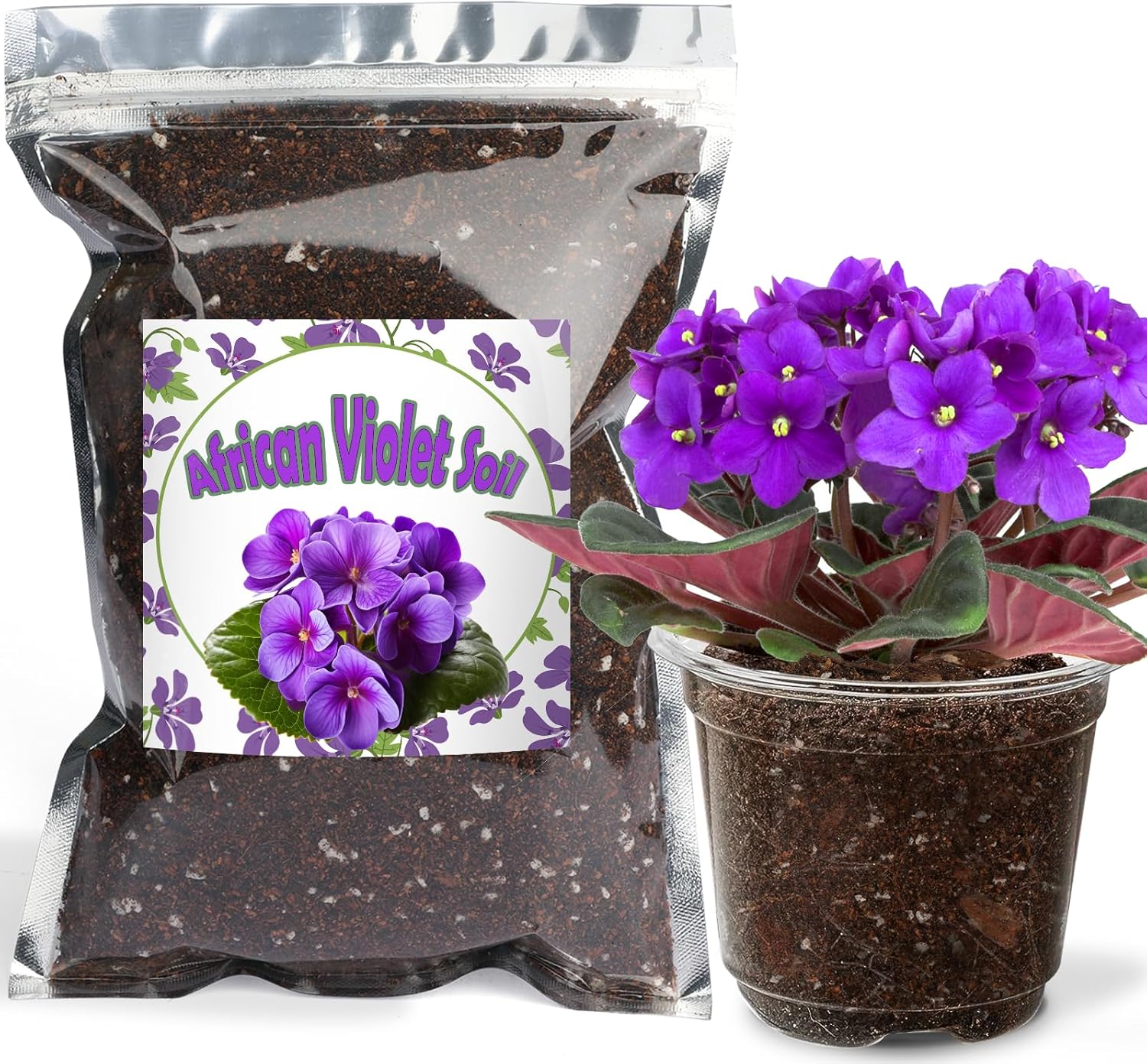
Doter Organic African Violet Potting Mix (1 qt)
| Brand Name | Doter |
|---|---|
| Item Type Name | Garden soil |
| Volume | 1 quarts |
| Item Weight | 224 g |
This 1 quart Doter potting mix is made specifically for African violets and similar small indoor plants. It combines peat moss, perlite, and bark to create a fine, airy medium that resists compaction and helps delicate roots get oxygen while holding enough moisture between waterings. The mix is described as slightly acidic and fortified with nutrients to support steady leaf growth and frequent flowering, so you can use it straight from the bag for repotting or topping up small pots. Practical benefits include easier watering control in shallow violet pots and reduced need to amend with extra perlite for drainage. Limitations are the small 1 quart volume, which means frequent repurchases if you maintain multiple plants, and the product guidance is general rather than giving specific feeding schedules or exact pH numbers. It is best used for routine repotting of single plants and as a ready blend for hobbyists who want a violet‑focused soil without custom mixing.
Best for: Plant owners who want an affordable, ready‑to‑use potting mix tailored to African violets and prefer not to mix their own media.
Less Ideal for: Enthusiasts who grow large collections, repot often, or need bulk soil for many plants should choose larger bags or prepare a custom mix.
- Formulated for African violets with a slightly acidic pH to improve nutrient uptake
- Fine, airy texture from peat moss, perlite, and bark that prevents compaction
- Fortified with nutrients to support flowering and foliage without immediate amendments
- Works straight from the bag for repotting small indoor pots
- Small 1 quart volume requires frequent repurchase for multiple plants
- No specific pH value or feeding schedule provided on product details
Verdict: A convenient, budget‑friendly 1 qt potting mix that gives African violets a light, nutrient‑ready medium for healthy foliage and more blooms.
Sun Gro Horticulture African Violet Potting Soil, 8 qt

| Brand Name | SUN GRO |
|---|---|
| Volume | 8 quarts |
| UPC | 064277124081 |
This Sun Gro African violet potting mix is a ready-to-use soil blend aimed at indoor growers who want consistent, low-maintenance results. The formula emphasizes porosity and organic material to keep roots aerated while retaining enough moisture to prevent frequent watering. Typical use is repotting or topping off small to medium African violet pots; the 8 quart bag supplies multiple plants and is easy to scoop into pots. Notable features include an organic-based composition and a moisture-balance design that helps reduce the risk of compaction and root rot. Practically, that means less fussing with drainage amendments and more predictable watering cycles for growers who prefer reliable performance. Limitations are the single-purpose focus on African violets and similar small houseplants, so gardeners seeking an all-purpose potting mix for larger or outdoor plants will need something else. The bag is convenient for indoor storage but comes as a compact volume, so repeat purchases are likely for collectors with many pots.
Best for: Buyers who want a dependable, purpose-built potting mix to keep African violets healthy with minimal fuss, especially indoor growers who prioritize consistent watering and root health.
Less Ideal for: Gardeners who need an all-purpose soil for outdoor beds or larger container plants should choose a broader-use potting mix instead.
- Formulated specifically for African violets to support flowering and root health
- Balanced porosity that helps prevent compaction and promotes aeration
- Moisture-retaining yet well-draining mix reduces risk of overwatering
- Organic ingredients provide plant nutrients and a natural growing medium
- Designed primarily for African violets and other small houseplants so not ideal for general garden use
- 8 quart volume may require frequent repurchasing for larger collections
Verdict: Choose this mix if you want a reliable, ready-made potting soil that keeps African violets well aerated and evenly moist for consistent flowering.
Midwest Hearth African Violet Potting Soil Mix (4 Dry Quarts)

| Brand Name | Midwest Hearth |
|---|---|
| Item Type Name | Potting Soil |
| Unit Count | 128 Ounce |
| Style Name | Peat Moss, Perlite, Vermiculite Potting Soil Mix |
| Volume | 4 quarts |
This ready-to-use mix is designed specifically for African violets and aims to supply the loose, well-drained but moisture-retentive medium those plants prefer. You use it straight from the bag for repotting or top-dressing without needing to amend; the combination of peat moss, perlite and vermiculite creates aeration to protect delicate roots while holding enough moisture to avoid rapid drying. The mix is pH-controlled to match African violet needs and is the same formulation the brand positions as professional grower quality. Practical benefits include reduced mixing time, consistent texture across pots, and a visible color/weight change that helps time watering. Limitations are the small 4-quart bag size for hobbyists with many plants and potential skin irritation for sensitive users when handling dry media. For growers who prefer to tailor their own blends, this premix leaves less room to adjust components or fertility.
Best for: Buyers who value an off-the-shelf, proven potting medium for African violets and want a consistent, low-effort mix that mimics professional grower formulas.
Less Ideal for: Growers who prefer to custom-blend soils, those managing large collections that need bulk bags, or users who want an already-fertilized/boosted mix.
- Formulated specifically for African violets with pH control
- Ready-to-use mix requires no additional amendments
- Peat moss, perlite and vermiculite balance aeration and moisture retention
- Consistent texture suitable for delicate, shallow rooting systems
- Small 4-quart bag may require frequent replenishing for multiple plants
- Dry mix can irritate sensitive skin if handled without protection
Verdict: Choose this ready-made, pH-balanced mix when you want a low-effort, professional-style soil that reliably supports African violet root health.
Choosing the Right Soil for Violets: Key Factors to Consider
Drainage and Aeration
Violets need a soil that keeps roots airy while letting excess water escape. A mix that holds too much water encourages crown and root rot, while one that drains too quickly leaves small plants drought stressed.
Look for mixes with coarse components such as perlite, coarse sand, or fine bark to maintain pore space. The right drainage directly affects how often you water and how deep the root system develops, so consider your watering habits and pot type when choosing a mix.
Moisture Retention
Balanced moisture retention matters because violets prefer evenly moist but never waterlogged media. A soil that holds some moisture between waterings reduces stress and supports regular blooming, especially in dry indoor air.
Components like peat, coco coir, or fine compost can help retain water without eliminating aeration. The ideal mix holds enough water to last several days but releases excess to prevent standing moisture around the crown.
Nutrient Balance and Fertility
Violets are light feeders but need accessible nutrients to sustain frequent blooms. A soil with modest, evenly released nutrients reduces the need for heavy fertilizing and prevents salt buildup that can burn roots.
Look for mixes formulated for flowering houseplants or labeled with balanced, low-concentration nutrients. Avoid overly rich garden soils that can encourage foliage at the expense of flowers and increase repotting frequency due to compaction.
Particle Size and Texture
Fine to medium particle size suits violets because their roots are small and concentrated near the pot surface. Very large particles can make establishing seedlings or small plants difficult, while very fine particles can compact and reduce oxygen flow.
A uniform texture that combines small organic particles with some coarse grit gives consistent watering response and makes repotting easier. Texture also influences how the mix settles over time and whether the pot will require top-up or complete replacement.
pH and Chemical Stability
Most violets prefer a slightly acidic to neutral pH. Soil pH affects nutrient availability, particularly for iron and other micronutrients important to leaf color and bloom set.
Choose mixes with pH near the recommended range or that are stable over time. Avoid mixes with unknown amendments that can swing pH rapidly after watering or fertilizing, which complicates long-term care.
Sterility and Disease Control
Sterile or pathogen-reduced mixes lower the risk of crown rot, fungal outbreaks and pest eggs, which is helpful when you are potting small, vulnerable plants. Contaminated mixes can quickly spread disease between pots in close indoor settings.
Look for mixes that mention being pasteurized, heat-treated, or made from screened components. Clean mixes reduce the need for heavy chemical treatments and make propagation and seed starting safer and more reliable.
Choosing the Right Container and How Soil Behavior Changes
Soil performance depends on the pot you use. Shallow, wide pots suit many violets and emphasize surface root growth, so they need mixes that dry a little faster at the top. Taller, narrow pots hold more water and can create wet pockets at the base unless the mix has excellent drainage.
If you use unglazed terracotta, expect faster evaporation and slightly drier conditions; you may want a mix with better moisture retention. Plastic or glazed pots keep moisture longer, so choose a freer-draining mix to prevent soggy crowns.
- Match pot depth to species and root habit
- Adjust mix drainage for pot material
Repotting Timing and How Soil Affects It
Violets do not like being repotted too often, but they benefit from fresh mix when nutrients are depleted or the media compacts. A stable, clean mix delayed repotting and reduces transplant stress. When repotting, loosen only the outer roots and avoid burying the crown deeper than original depth.
Using a lightweight, friable mix makes repotting less disruptive and shortens recovery time after transplanting.
- Repot during active growth, not heavy bloom
- Use small increases in pot size to avoid excess moisture retention
Watering Technique for Different Mixes
Your watering method should match the mix. Fast-draining, airy mixes tolerate more frequent thorough watering, while mixes with higher peat or coir hold moisture and need lighter, less frequent waterings. Always water from the top until it flows from the drainage hole, then allow the top layer to dry slightly before the next cycle.
For consistent moisture, consider bottom watering for a short period to let the root zone absorb evenly, but avoid long-term standing water in saucers.
- Check the top 1 inch before watering
- Avoid constant saucer standing
Fertilizer Strategy With Violet Mixes
Because most appropriate violet mixes are light in nutrients, a steady, low-dose fertilizer routine supports repeated blooms without shocking the plant. Use a balanced, water-soluble fertilizer at reduced strength during active growth and bloom cycles.
Flush the potting mix occasionally with plain water to avoid salt buildup if you fertilize regularly. Slow-release formulas can work if they are modest in concentration and designed for flowering houseplants.
- Feed lightly and regularly during bloom
- Flush periodically to prevent salts
Starting Seeds and Propagating From Leaf Cuttings
Seedlings and leaf cuttings need a very fine, sterile surface mix that retains moisture without suffocating tiny roots. Use a light, screened starting medium or a fine portion of your chosen violet mix for the best balance of moisture and aeration.
Sterility is more important for propagation than for established plants because mold and damping-off pathogens can wipe out young starts quickly. Keep propagation trays covered only until roots form to limit fungal growth.
- Use fine, sterile medium for seeds
- Limit coverage time to reduce mold
How We Chose the Best Soil for Violets
We focused on attributes that directly affect violet health in container culture. Primary evaluation criteria included drainage characteristics, moisture retention, nutrient content and pH stability because violets need a balance of aeration and consistent moisture. We also assessed texture and particle size for root aeration, sterility and pathogen control to reduce crown rot risk, and repotting friendliness so growers can work the mix without compacting it. Products were included only if they suited pot or small-container culture, had a fine to medium texture appropriate for small root systems, and avoided heavy field soils or mixes intended for large outdoor beds. Exclusions covered garden loam, untreated compost-heavy mixes that compact quickly, and mixes designed for deeply rooted landscape plants. Our selection prioritized mixes that support frequent, shallow watering schedules and sensitive crowns while giving enough nutrients to support regular flowering cycles.
FAQ
What is the ideal pH for soil used with violets?
Most violets prefer slightly acidic to neutral soil, roughly pH 5.5 to 6.5. Staying in that range helps flowers set and keeps micronutrients available without causing over-alkalinity problems.
How often should I repot violets into fresh soil?
Repotting every 12 to 24 months is common depending on growth and mix stability. Repot sooner if the media compacts, drainage worsens, or you see reduced flowering.
Can I mix my own soil for violets at home?
Yes. A common mix combines a light organic base like peat or coco coir with perlite or fine bark for drainage and a small amount of screened compost or slow-release nutrient. Keep particle sizes small and consistent for best results.
Should I use peat or coco coir for moisture retention?
Both work. Peat holds water well but can acidify and is less sustainable. Coco coir drains similarly while holding moisture and is more renewable. Adjust fertilizer and pH as needed depending on which you use.
How can I prevent crown rot when potting violets?
Use a well-draining, sterile mix and never let water pool in the crown. Ensure good airflow and avoid deep watering that saturates the crown. Potting at the correct depth and selecting a freer-draining mix reduce risk.
Does soil texture affect flowering frequency?
Yes. A mix that balances moisture and aeration supports steady nutrient uptake and root health, which in turn supports more consistent flowering. Overly wet or overly dry mixes can both suppress bloom production.
Final Verdict
Prioritize drainage, moisture balance and a sterile, fine-textured mix when choosing soil for violets. Tradeoffs are common: mixes that hold more moisture reduce watering frequency but raise rot risk, while very airy mixes need closer attention to watering and nutrients. Choose a mix that matches your pot type, watering routine and propagation plans, then support it with light, regular feeding and occasional flushing. That approach gives the best chance of steady blooms and healthy roots for indoor violets.
