

Note: This article contains affiliate links. If you click on these links and make a purchase, I may earn a small commission at no extra cost to you. This helps support my research and content. Read my full affiliate disclosure here.
Choosing the right soil in flower beds makes a tangible difference in how well your annuals and perennials establish, bloom, and resist stress. The right mix affects water movement, root development, and how nutrients are held and released through the growing season. This guide covers six top soil options selected for common flower-bed situations, from heavy clay plots to raised beds and containers used in borders. We shortlisted soils that perform well for planting, looking at nutrient balance, texture and drainage, organic matter content, and long-term structure. Below you will find practical notes on what each soil does in the garden and clear criteria used to evaluate them before the product reviews.
Top Picks at a Glance
| Best Overall The best all-around choice for most situations | FoxFarm Raised Bed Planting Mix, 1.5 cu ft |  |
| Best Quality Built to a higher standard if you want something more solid | BuildASoil Light Garden Soil — 1 cu ft Organic Potting & Raised Bed Mix |  |
| Best Value The sweet spot between price and what you get | Coast of Maine Roses & Flowers Planting Soil, 20 qt (2-Pack) |  |
| Best Budget The cheapest option that still gets the job done reliably | Miracle-Gro Organic Outdoor Potting Mix, 16 qt. |  |
| Highest Rated A top-rated pick with lots of positive feedback | BACCTO Raised Bed Soil with Organic Compost, 1.5 cu ft |  |
| Best Seller A high-volume bestseller chosen again and again | Back to the Roots Premium Organic Potting Mix, 6 Quart |  |
FoxFarm Raised Bed Planting Mix, 1.5 cu ft

| Brand Name | FoxFarm |
|---|---|
| Volume | 1.5 cubic feet |
| Style Name | Raised Bed |
| Ingredients | Aged forest products, sphagnum peat moss, earthworm castings, oyster shell, dolomite lime |
This FoxFarm Raised Bed Planting Mix is a premixed soil blend intended for filling raised beds and containers without additional amendments. It mixes aged forest products and sphagnum peat moss for moisture retention and aeration, with earthworm castings, oyster shell, and dolomite lime supplying slow-release nutrients and pH buffering. Typical use is simple: fill your raised bed or pot, plant seedlings or transplants, and water; the mix is designed to hold moisture while still draining to avoid waterlogging. The clear benefits are convenience and a balanced starting environment for vegetables and herbs, which can reduce the need for immediate fertilizing and heavy soil amendments. Limitations include the small 1.5 cubic foot bag size for larger beds and the presence of peat which may concern gardeners favoring peat-free or fully organic-certified media. Also, heavier-feeding crops may still require supplemental fertilization later in the season.
Best for: Gardeners who want a convenient, plant-ready soil that gives vegetable beds and containers a balanced, nutrient-holding foundation without extra mixing or complex preparation.
Less Ideal for: Large-scale growers or those filling full-size raised beds who need bulk soil or prefer peat-free mixes should look for bigger-volume or alternative formulations.
- Ready-to-use blend eliminates mixing and speeds planting
- Formulated for raised beds and containers to balance moisture retention and drainage
- Includes earthworm castings and oyster shell for slow-release nutrients and mineral support
- Contains dolomite lime to help stabilize pH for many vegetable crops
- Small 1.5 cu ft bag requires multiple bags for typical raised beds
- Contains sphagnum peat moss, which some gardeners avoid for environmental reasons
Verdict: Buy this if you want a convenient, nutrient-rich, ready-to-use soil that jumpstarts raised bed vegetable and container gardens.
BuildASoil Light Garden Soil — 1 cu ft Organic Potting & Raised Bed Mix

| Volume | 1 cubic feet |
|---|---|
| Item Weight | 30 pounds |
| Style Name | Potting Soil Mix |
BuildASoil Light Garden Soil is a ready-to-use organic mix designed for raised beds, containers, and indoor plants where consistent, performance-driven results matter. The blend is high in worm castings and compost, which feeds soil biology and encourages strong root development for vegetables, herbs, and flowers. Its loamy texture balances aeration, drainage, and moisture retention so seedlings and transplants establish quickly without waterlogging. The manufacturer emphasizes certified organic inputs and a low-sodium formulation, which reduces salt stress and helps sensitive crops like tomatoes and herbs. In practice the bag is easy to work with and mixes well into existing beds or containers, and lab-tested consistency means predictable results across batches. Important limitations are that this is a 1 cubic foot bag so larger beds require multiple bags and the product can contain dust and natural organisms, so basic handling precautions are recommended. For growers focused on reliably healthy roots and biologically active soil in raised beds, this mix delivers a clear performance advantage.
Best for: Growers who prioritize consistent, biologically active soil for raised beds or containers and want an organic, lab-tested mix that promotes rapid root establishment.
Less Ideal for: People building large-scale beds on a tight budget or those who prefer a bulk topsoil delivery should consider bulk blends rather than multiple small bags.
- High in worm castings and compost to feed microbial life and support strong root growth
- Loamy texture that balances aeration, drainage, and moisture retention for transplants and containers
- Made with certified organic inputs and no synthetic additives for ingredient transparency
- Low-sodium formula to reduce salt stress on sensitive vegetables and herbs
- Supplied in 1 cubic foot bags, requiring many bags for large raised beds
- May produce dust and can contain natural organisms so it needs careful handling
Verdict: Choose this mix when you want an organic, worm-casting–rich soil that reliably builds healthy roots and predictable performance in raised beds and containers.
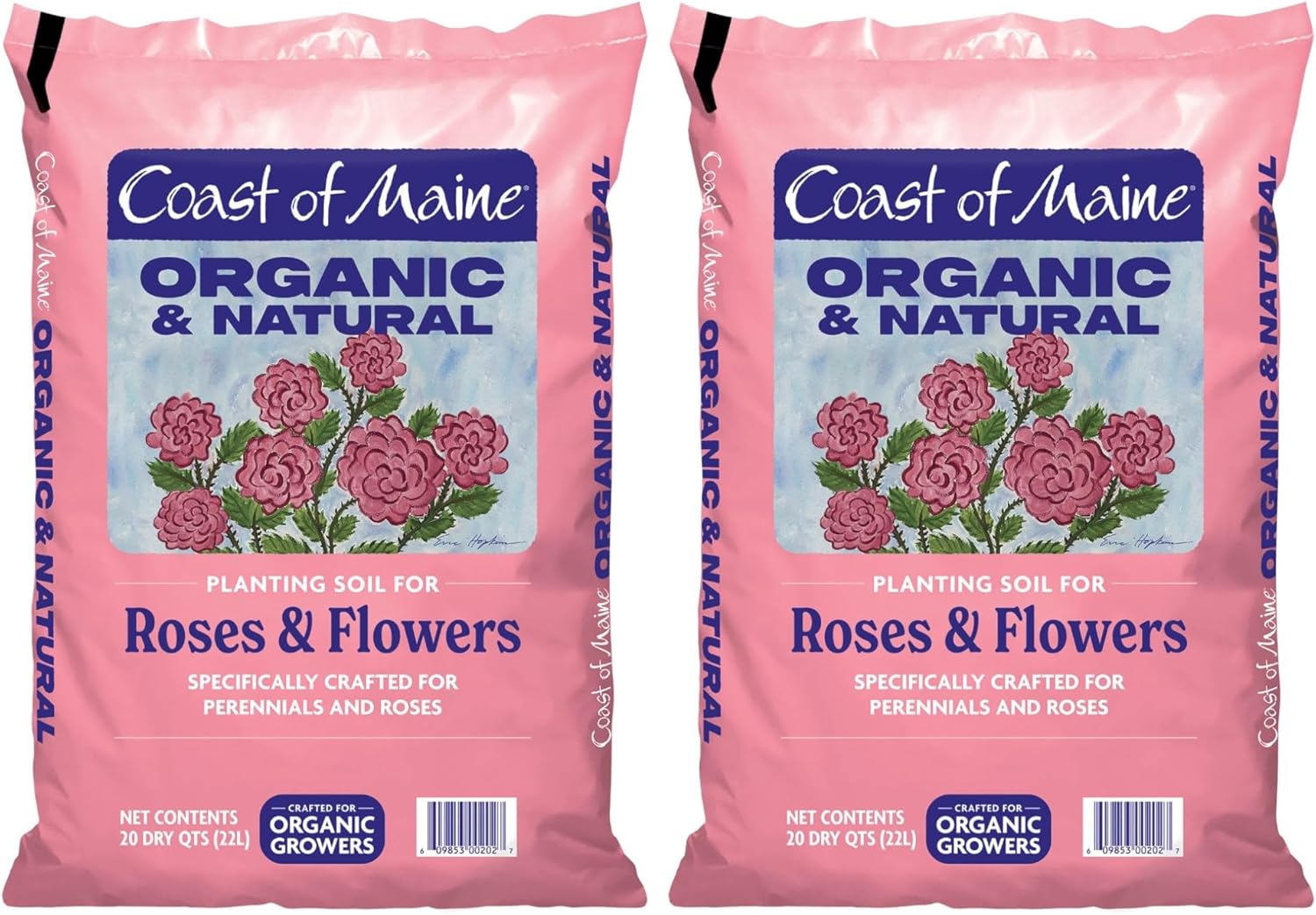
Coast of Maine Roses & Flowers Planting Soil, 20 qt (2-Pack)
| Unit Count | 2 Count |
|---|---|
| Volume | 20 quarts |
| Brand Name | Coast of Maine |
This Coast of Maine Roses & Flowers planting soil is an organic compost blend designed to revive planting mixes for roses, annuals, and perennials. Gardeners typically use it as a top dressing, a soil amendment mixed into existing bed soil, or straight into containers when repotting roses and flowering plants. Notable features include OMRI listing for organic use and a formula that uses seaweed, lobster meal, and composted materials to boost microbial life and supply slow-release nutrients. In practice the mix improves moisture retention while offering adequate drainage, which helps reduce watering frequency without waterlogging root crowns in containers. The product supports soil biodiversity and is safe around children and pets when used as directed. Important limitations are that this is a 20 quart bag sold in a two pack so it is best for small-scale container work or targeted amendments rather than large landscaping projects, and heavier organic mixes like this can compact over time compared with lightweight potting mixes formulated solely for container aeration.
Best for: Buyers who want an organic, nutrient-rich amendment for container roses and flowering pots and who value soil health and sustainable ingredients.
Less Ideal for: Anyone needing a lightweight commercial potting mix optimized only for maximum aeration or gardeners tackling large in-ground areas who need bulk volume.
- OMRI listed organic formula made from seaweed, lobster meal, and compost
- Balanced moisture retention and drainage suitable for container roses
- Supports soil microbiology and biodiversity for healthier root systems
- Safe for use around kids and pets when handled per instructions
- 20 quart bags are small for large projects so multiple bags are needed for beds
- Denser compost-rich mix can compact in containers over time compared with lighter potting-only mixes
Verdict: A small-batch organic soil blend that revitalizes container roses and flower pots by adding slow-release nutrients and supporting soil life.
Miracle-Gro Organic Outdoor Potting Mix, 16 qt.

| Volume | 16 qt. |
|---|---|
| Item Highlight | Plant Soil For Outdoor Container Plants, Contains Quick-Release Natural Fertilizer, OMRI Listed |
| Manufacturer | Scotts Miracle Gro |
This 16 qt. Miracle-Gro Organic Outdoor Potting Mix is designed specifically for outdoor container plants and is useful for planting strawberries in pots. The mix contains responsibly sourced peat and upcycled green waste and includes a quick-release natural fertilizer that feeds for up to two months, which helps young strawberry plants establish and start producing. It is OMRI listed so it fits an organic container-gardening approach. Typical use is to partially fill a 12-inch pot, set the plant with a loosened root ball, add more mix, and water thoroughly; a single bag is sized to fill about one 12-inch container. Practical benefits include moisture retention suitable for exposed pots and a built-in starter nutrient charge so you may not need immediate additional feeding. Important limitations are that nutrients last about two months so plan a feeding schedule for fruiting plants and that peat-based mixes can compact over time, so repotting or refreshing the soil biannually is recommended for continued vigor.
Best for: Gardeners who want an organic-ready potting mix for outdoor container strawberries and prefer a product that gives an initial nutrient boost while simplifying first-season care.
Less Ideal for: Growers who need a long-term, self-sustaining soil blend for mature strawberry beds or those who avoid peat entirely should consider alternatives.
- OMRI listed and made with responsibly sourced peat suitable for organic container gardening
- Includes quick-release natural fertilizer that feeds plants for up to two months
- Formulated to retain moisture for outdoor containers exposed to sun and wind
- Contains upcycled green waste and is locally crafted to reduce transport distance
- Fertilizer effect is limited to about two months so additional feeding is needed for ongoing fruiting
- Peat-based mix can compact over time and requires bi-annual repotting to refresh structure
Verdict: A convenient OMRI-listed container potting mix that gives outdoor strawberry starters an organic nutrient boost and good moisture retention for the first months.
BACCTO Raised Bed Soil with Organic Compost, 1.5 cu ft

| Brand Name | BACCTO |
|---|---|
| Included Components | Raised Bed Soil with Organic Compost, Manure, & Earthworm Castings |
| Volume | 1.5 cubic feet |
| Item Highlight | Compost, Manure & Earthworm Castings for Vegetables, Flowers, Herbs, Shrubs |
BACCTO Raised Bed Soil arrives ready to use straight from the bag and is formulated for raised beds and elevated planters. It combines organic compost, composted manure and earthworm castings to improve moisture retention, introduce beneficial microbes, and provide immediate planting medium for vegetables, herbs and flowers. Typical use is topping or filling raised beds, refreshing container mixes, or creating new planting pockets for seedlings; because it is pre-mixed you can plant directly without extra amendments. For gardeners focused on dependable performance the inclusion of manure and castings supports steady root development and better initial moisture management compared with plain topsoil. Important limitations are bag volume and scope: at 1.5 cubic feet this bag suits small beds or spot applications but you will need multiple bags for larger vegetable plots, and it does not list guaranteed nutrient analysis or slow-release fertilizer levels so heavier feeders may require additional feeding. Safety notes advise avoiding skin or eye contact and using in well ventilated areas.
Best for: Gardeners who prioritize a reliable, ready-made soil for small raised beds or container vegetable plantings and want a mix that promotes steady root growth without extra prep.
Less Ideal for: Large-scale vegetable growers or gardeners who need exact nutrient guarantees and prefer to custom-blend amendments for heavy-feeding crops.
- Ready-to-use mix that requires no on-site blending
- Contains composted manure and earthworm castings to add microbes and improve moisture retention
- Formulated specifically for raised beds and a range of plant types including vegetables and herbs
- Small 1.5 cu ft volume means multiple bags are needed for larger beds
- No detailed nutrient or N-P-K analysis provided for precise fertilization planning
Verdict: A convenient, microbe‑rich ready mix that reliably gets small raised beds and container vegetables off to a strong start.
Back to the Roots Premium Organic Potting Mix, 6 Quart

| Unit Count | 192 Fluid Ounces |
|---|---|
| Volume | 6 quarts |
| Item Highlight | Peat-free potting soil for outdoor plants, indoor plants, vegetables, herbs and flowers |
| Made in | USA |
Back to the Roots Premium Organic Potting Mix is a small-batch, all-purpose soil designed for indoor and outdoor container plants, including flowers, herbs, and vegetables. The 6 quart bag contains a peat-free blend made from upcycled plant matter and wood fines, with added organic plant food, yucca extract to help retain and regulate moisture, and dolomitic limestone to stabilize pH. In practice this mix is easy to use straight from the bag for potting annuals and bedding plants or for refreshing topsoil in containers. Its light, well-draining texture helps roots establish without becoming waterlogged while still holding enough moisture for frequent flowering plants. Because it is organic and made in the USA, it suits growers who want a lower-carbon-footprint option. Limitations are the small bag size for larger projects and that very heavy feeders or long-term container plantings may need periodic fertilization or larger volumes of soil to maintain vigor.
Best for: Buyers who want a safe, organic, ready-to-use potting mix for potted flowers and small container gardens and prefer products with predictable performance and lower environmental impact.
Less Ideal for: Gardeners planning large-scale repotting, heavy-feeding perennials, or long-term container plantings that require bulk soil or extended nutrient release.
- Peat-free organic formula made from upcycled plant matter and wood fines
- Includes yucca extract for improved moisture retention and control
- Dolomitic limestone added to help balance soil pH for flowering plants
- Light, well-draining texture suitable for container-grown flowers and annuals
- Small 6 quart bag is not economical for large pots or multiple containers
- Does not include slow-release fertilizer strong enough for long-term heavy feeders
Verdict: A reliable, peat-free organic potting mix that delivers predictable moisture control and pH balance for potted flowers and small container gardens.
Choosing the Right Soil in Flower Beds: Key Factors to Consider
Drainage and Water Retention Balance
Flower beds need a soil that drains excess water while holding enough moisture for roots between waterings. Too much sand or grit speeds drainage but can leave plants drought stressed between rains. Conversely, heavy clay or compacted soils retain water and limit oxygen at the root zone, increasing rot risk.
Assess how quickly your garden dries after a moderate rain and match a soil that evens out extremes. Look for mixes with a balance of mineral particles and organic matter that both hold water and create pore space for air. In practice, this reduces transplant shock and lowers the frequency of emergency watering during hot spells.
Nutrient Content and Organic Matter
Organic matter is the gardener's slow-release reservoir of nutrients and water-holding capacity. A soil with a healthy percentage of well-decomposed compost or peat-like material supports steady growth without constant feeding. It also fosters beneficial microorganisms that help flowers access nutrients.
When choosing, think about how often you want to amend beds. Higher organic content reduces immediate fertilizer needs but will break down over seasons and require top-dressing. For low-maintenance beds, prioritize soils with stable, humified organic matter rather than fresh, uncomposted inputs that may tie up nitrogen.
Soil Texture and Ease of Planting
Texture refers to the relative amounts of sand, silt, and clay and determines how your soil feels and handles. A workable soil crumbles easily when you dig, allows roots to penetrate with minimal resistance, and accepts stakes and bulbs without excessive effort. Fine-textured soils can be sticky when wet and brick-hard when dry, while overly coarse soils can be hard to form into a firm planting bed.
Choose a soil texture that fits your bed type. Raised and new beds often benefit from a looser, lighter mix that roots can explore quickly. Established in-ground beds may need an amendment that integrates readily without creating hard layers between the existing soil and the new material.
pH and Nutrient Availability
Most flowering plants prefer a slightly acidic to neutral pH because that range keeps essential nutrients available. Soil pH also affects the activity of microbes that release nutrients from organic matter. If the pH is off, you can amend with lime or sulfur, but starting with a soil in the right range reduces extra steps.
Consider the natural pH of your garden and the flowers you plan to grow. Some flowers tolerate or prefer more acidic conditions. Soils that include buffering materials help maintain pH stability through seasonal wetting and fertilization, which keeps nutrient availability steady.
Long-Term Structure and Compaction Resistance
A soil that stays friable across seasons prevents root constriction and improves water infiltration over time. Repeated wetting and drying cycles, foot traffic, and dense planting can cause compaction. Soils with stable aggregates and a good supply of organic matter resist compression and recover better after disturbance.
When selecting soil for flower beds, favor mixes formulated to maintain pore space and to encourage earthworm and microbial activity. That long-term structure reduces the need for frequent double-digging or deep cultivation and supports sustained flowering performance.
Integration with Existing Bed Soil
Most gardeners add soil to existing beds rather than starting from scratch. A soil that blends easily prevents the formation of hard lines where water can perch or run off. Compatibility in texture and organic content minimizes transplant stress for established plants.
Think about how you will top-dress, backfill around new plants, or rebuild a bed. Choose materials that mix well with what you already have so the bed acts as a single growing medium rather than a patchwork of layers with different drainage and compaction behaviors.
Preparing a Flower Bed for Planting
Start by assessing the current bed depth and existing soil texture. Remove persistent weeds and large roots, then loosen the top 6 to 8 inches so new soil integrates with the old. If you are building a new bed on compacted ground, break up the subsoil to encourage drainage and root penetration.
When adding soil, spread it in thin lifts and fork it into the existing soil rather than simply piling it on. This approach reduces the risk of a perched water table and helps roots move freely between old and new material. For beds that need only light improvement, a top-dressing and light fork-through can be enough to refresh structure and add nutrients.
- Test drainage by digging a hole and filling it with water to see how long it takes to drain.
- Aim to mix new soil with existing soil to avoid distinct layering.
- Incorporate compost gradually to improve biology without shocking plants.
Amending Heavy Clay or Sandy Beds
Clay beds benefit from coarse organic matter and mineral amendments that open the structure. Persistent addition of compost and materials that increase pore space will gradually turn dense clay into a more workable medium. Avoid adding only fine organic materials that can create a dense mat over time.
Sandy beds need materials that increase water and nutrient retention. Fine compost, well-rotted manure, or other humus-rich additions help sandy soil hold moisture and nutrients longer. Regular top-dressing each season will build a more balanced profile over time.
- For clay: add coarse compost and avoid compacting the bed when wet.
- For sand: prioritize humus-rich amendments and mulch to reduce evaporation.
Using Soil in Raised Beds and Edge Borders
Raised beds and narrow borders have different demands than wide in-ground beds. They dry faster and warm earlier in spring, which can benefit early flowering plants but may require more frequent watering. Choose a lighter, well-draining soil that still holds some moisture; mixes with a blend of compost, loam, and a small amount of coarse sand or grit often perform well.
Ensure the chosen soil is stable enough to support deeper-rooted perennials if you plan to keep them long term. For edge borders, select a soil that matches adjacent lawn or pathway levels to avoid erosion or run-off during heavy rain.
- Consider drainage holes or bottom layers if using raised containers.
- Top-dress annually to replenish organic matter lost to decomposition.
Timing Soil Work and Planting
The best time to rework soil in beds is during a window of dry weather when the soil is not saturated. Working beds when they are too wet causes compaction and destroys structure. Spring and early fall are ideal because plants are actively growing and can establish quickly.
If you must add soil at planting time, place the fresh soil in the planting hole and mix it with the native soil rather than surrounding the root ball with a different medium. This reduces settling and keeps root interfaces consistent for better uptake of water and nutrients.
- Avoid heavy soil work when the ground is waterlogged.
- Allow newly amended beds to settle before final planting when possible.
Sustaining Flower Beds Through the Season
Mulch conserves moisture, moderates soil temperature, and reduces weed pressure, which helps the soil maintain the conditions flowers need. Choose organic mulches that break down slowly and contribute to soil organic matter. Replenish mulch each season to sustain those benefits.
Monitor soil moisture and appearance rather than following a rigid schedule. A finger test or a simple probe will tell you whether the bed is drying out or staying overly wet. Adjust watering and top-dressing based on plant performance and seasonal weather patterns.
- Use 2 to 3 inches of organic mulch in most flower beds.
- Top-dress with compost in early spring to refresh nutrients.
How We Chose the Best Soil in Flower Beds
We focused on attributes that matter most when preparing or refreshing flower beds. Key evaluation criteria included soil texture and drainage, because a soil that sheds water too fast or stays waterlogged will stress roots. Nutrient profile and organic matter content were assessed to estimate early-season vigor and ongoing fertility without relying only on additional fertilizers. Structure and long-term stability were considered to predict whether the soil will compact or maintain pore space after repeated watering and seasonal cycles. pH suitability and buffering ability were examined to ensure the medium fits common flowering plants and reduces the need for frequent chemical corrections. Ease of use, including how readily the soil crumbles for planting and whether it integrates well with existing bed soil, guided final selections. We excluded mixes designed solely for lawns, vegetable-specific blends with extreme amendments, and heavily synthetic potting formulations that are not intended for in-ground flower beds. Our picks favor soils that perform across the most common climates and bed types and that simplify routine bed preparation and planting.
FAQ
How deep should soil be in a flower bed for most perennials?
Most perennials establish well with at least 8 to 12 inches of good planting soil so roots can spread. Deeper-rooted species may need 12 to 18 inches. If your bed is shallow, choose plants with shallower root systems or build up the soil depth over successive seasons.
Can I use potting soil in my in-ground flower beds?
Potting soil is formulated for containers and often drains very quickly or contains ingredients that do not integrate well with in-ground soil. It can be used sparingly for backfilling or planting holes, but for beds it is better to select a soil or amendment designed for in-ground use to avoid layering problems.
How often should I add compost to flower beds?
A light top-dressing of compost once a year in early spring is usually sufficient for established beds. Heavily planted or depleted soils may benefit from two applications per year. Regular annual additions maintain organic matter and nutrient levels without excessive disturbance.
Will adding sand fix a waterlogged flower bed?
Adding only sand to a heavy, clay bed often makes compaction worse unless you add it in very large amounts that change the overall texture. It is more effective to add organic matter and coarse mineral amendments and to improve drainage pathways rather than relying on sand alone.
Should I test soil pH before planting flowers?
Testing pH is a good step because many flowers prefer slightly acidic to neutral conditions. A simple soil test tells you whether corrective amendments are needed. If pH adjustments are required, apply them well before peak growing season so the soil chemistry has time to stabilize.
Final Verdict
Prioritize a soil that matches your bed conditions and the types of flowers you plan to grow. Focus on drainage and moisture retention balance, enough organic matter to support steady nutrition, and a texture that allows easy planting and strong root growth. Expect tradeoffs: soils that hold more moisture require less frequent watering but may need attention to drainage, while very free-draining mixes call for more regular fertilizing and irrigation. Choose the soil that aligns with your maintenance style and bed type, and plan to refresh organic matter annually. With the right starting medium, most gardeners will see healthier roots, fuller blooms, and less seasonal troubleshooting.
